Blog
What Is an Off Grid Solar Inverter?
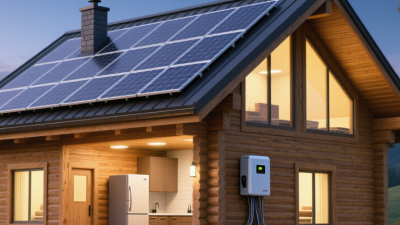
An Off Grid Solar Inverter does more than convert electricity. It manages power from solar panels, batteries, and household loads when no utility grid is available. Picture a cabin at dusk: panels have stopped producing, a battery is supplying energy, and the inverter keeps lights and a refrigerator running. That handoff is central to understanding the system.
The need is substantial. The IEA’s 2024 Tracking SDG 7 report estimated that 685 million people lacked access to electricity in 2022. Meanwhile, IEA PVPS reported that global solar photovoltaic capacity passed 1.6 terawatts by the end of 2023. The second figure describes solar growth overall, not off-grid installations specifically. That distinction matters. A large global total does not tell us whether a remote home has dependable power.
Reliable equipment choices require more than panel calculations. Battery voltage, surge capacity, charging controls, and backup plans all affect performance. A pump starting or a refrigerator cycling on can briefly demand much more power than its steady rating suggests. Small details matter.
Ban Ki-moon, former UN Secretary-General and a prominent sustainable-development leader, described energy as “the golden thread that connects economic growth, social equity, and environmental sustainability.” His statement concerns energy access broadly, not inverter design. Still, it helps explain why dependable off-grid systems matter. They can support daily needs, but no inverter fixes undersized batteries or poor system planning. The technology is useful. It is not magic.
Read more »
 By:Ethan
- November 23, 2026
What Is the Best Hybrid Solar Inverter in 2026?
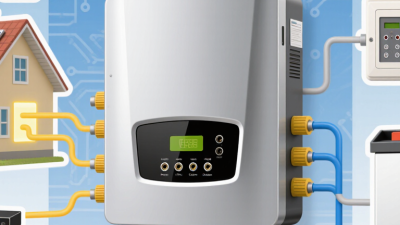
What does “best” mean in 2026? A Hybrid Solar Inverter should match the home, battery, and daily energy needs—not simply lead a specification sheet. A household with frequent outages may value dependable backup and quick changeover. Another may prioritize efficient solar charging, flexible battery options, or room to expand. Small details matter: available wall space, noise near a bedroom, and whether the system can handle essential loads such as a refrigerator, lights, and internet equipment.
This guide compares the features that shape real-world performance, including continuous and surge power, conversion efficiency, battery compatibility, monitoring tools, warranty terms, and installer support. Manufacturer datasheets provide useful starting points, but published figures do not tell the whole story. Check independent test results where available, and ask a qualified installer to confirm that the inverter suits your panels, battery, and electrical setup. Details matter. A low-cost model may look attractive until installation constraints or limited service support enter the picture. Even careful comparisons have blind spots: household energy use changes, and backup expectations are often underestimated. The best choice is therefore the one that fits documented needs, has clear support, and can be assessed against realistic operating conditions—not a universal winner.
Read more »
By:Ethan
- November 23, 2026
Top 10 Solar Inverter Brands for Global Buyers
A Solar Inverter is more than a box that turns rooftop DC into usable AC. It also influences system monitoring, grid interaction, and how much energy reaches a home or business. NREL power-electronics researcher Dr. David Narang’s work offers a useful principle, paraphrased here: inverter performance involves grid support as well as power conversion. That distinction matters when comparing brands. A high efficiency figure is valuable, but it cannot describe every installation.
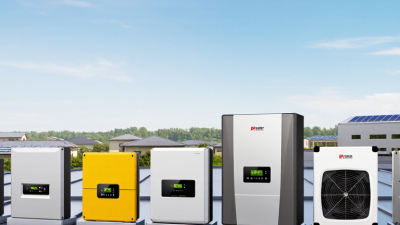
This guide examines ten Solar Inverter brands for global buyers. It considers product range, conversion performance, monitoring tools, warranty terms, service access, and compatibility with different system designs. Buyers should also check local installer experience and available technical support. A feature listed on a datasheet may be less useful if nobody nearby can troubleshoot it. Small details matter. So does repair time.
The shortlist is not a universal ranking. A compact home system, a commercial rooftop, and a battery-ready installation can demand different strengths. Climate matters, too: a hot equipment room places different demands on cooling than a shaded, ventilated one. Not every roof is simple. Brand reputation can guide research, but it cannot replace project-specific checks. Some product specifications are difficult to compare directly, and warranty language deserves careful reading. That is an imperfect part of choosing. The aim here is a practical starting point, not a promise that one brand fits every buyer.
Read more »
By:Ethan
- November 23, 2026
