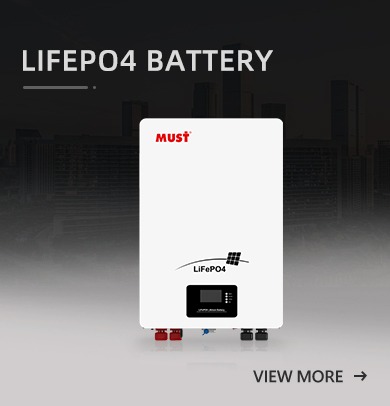
HV Modular
100kWh - 500kWh Modular High-Voltage C&I LiFePO4 System
High Voltage 512V / 768V · 6,000+ Cycles · Tier-1 A-grade prismatic cells · Multi-tier BMS protection.

Heavy-duty LiFePO4 battery storage (50kWh to 1MWh+) engineered for C&I peak shaving, microgrids, and demand charge management.

Scalable High Voltage BESS Racks
From 100V to 800V DC configurations with multi-tier smart BMS integration.
A comprehensive technical evaluation for global EPC contractors, energy project developers, and B2B procurement managers.
As commercial electricity tariffs escalate worldwide and grid instability threatens industrial productivity, deploying a robust Commercial Solar Battery System has transitioned from an optional sustainability metric to a strategic operational necessity. Commercial & Industrial (C&I) battery energy storage systems (BESS) allow enterprises to shave peak demand charges, capture solar self-consumption, provide emergency uninterruptible backup, and participate in grid arbitrage markets.
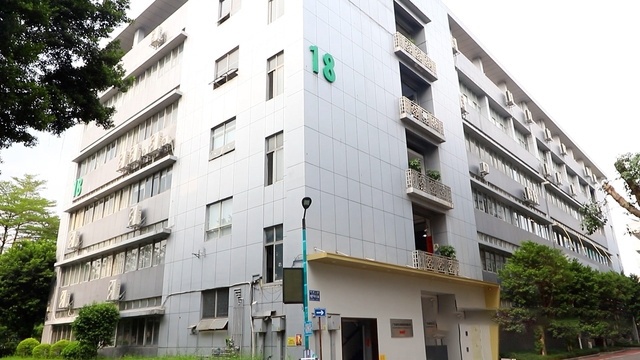
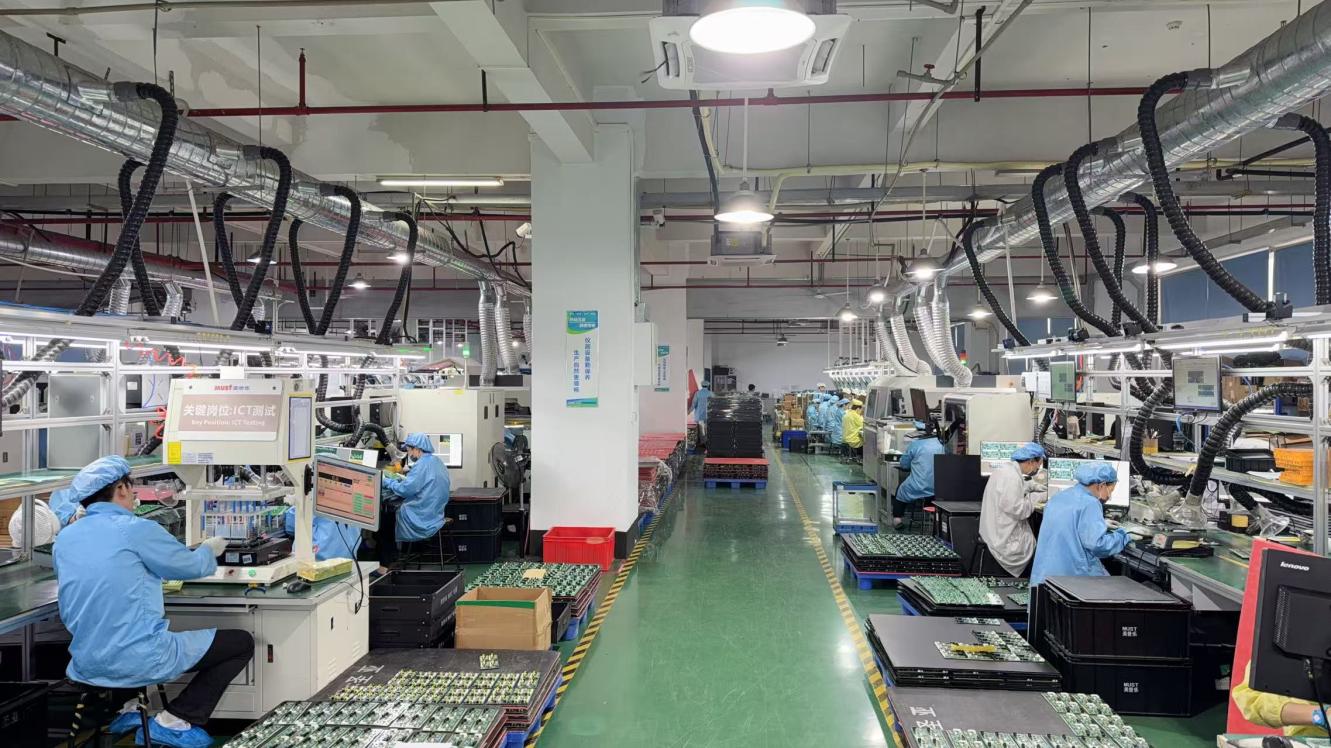
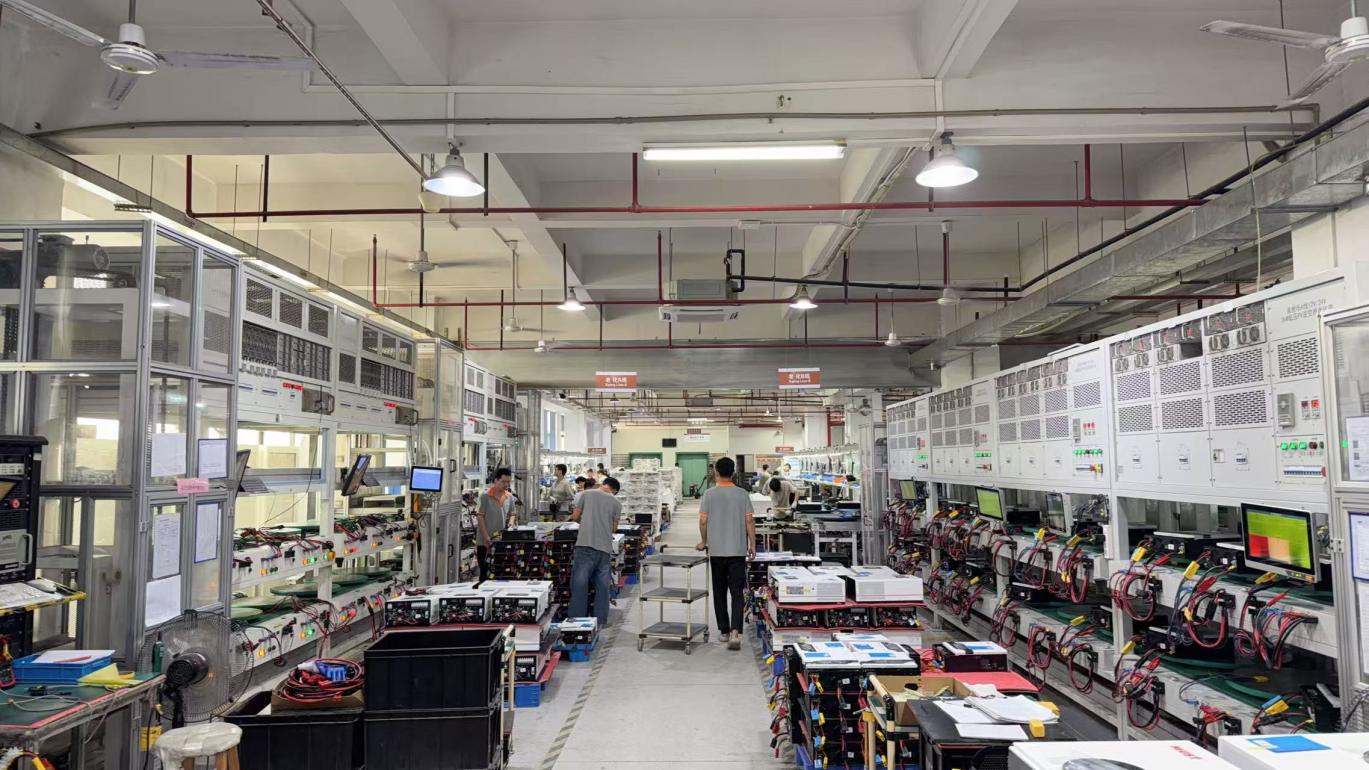
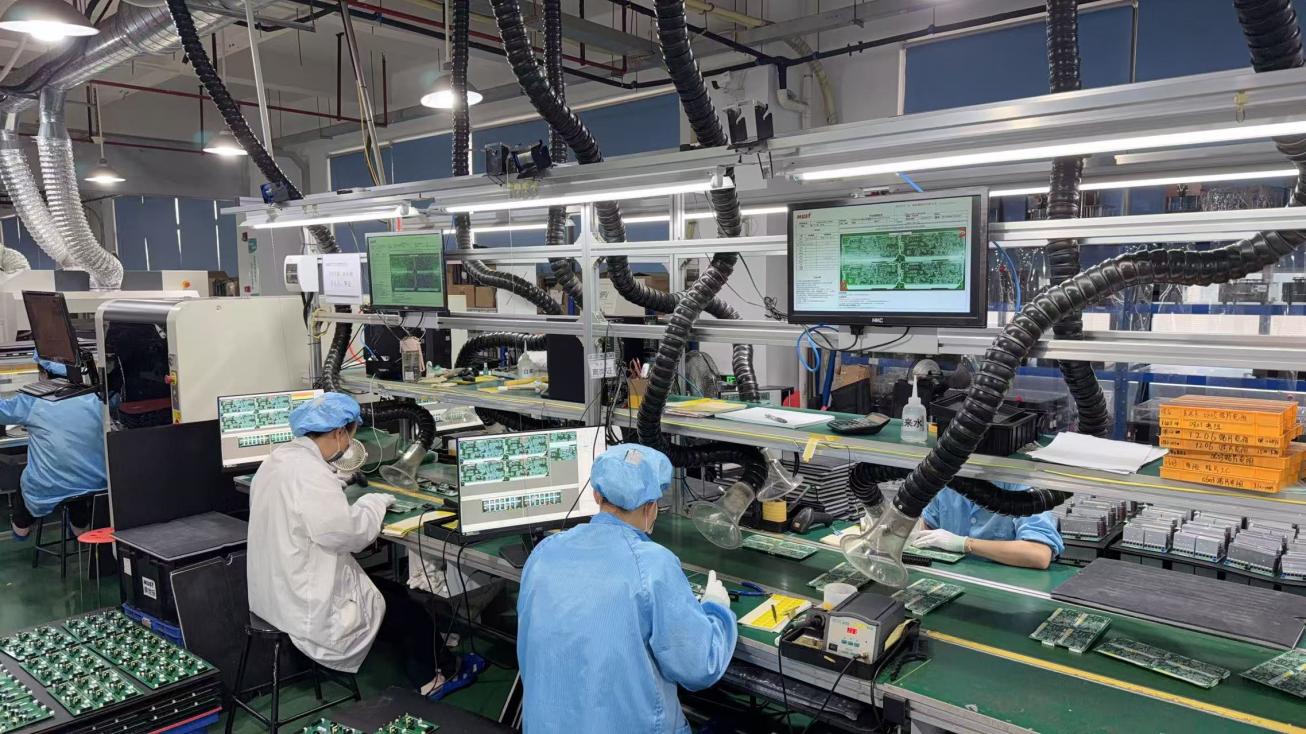
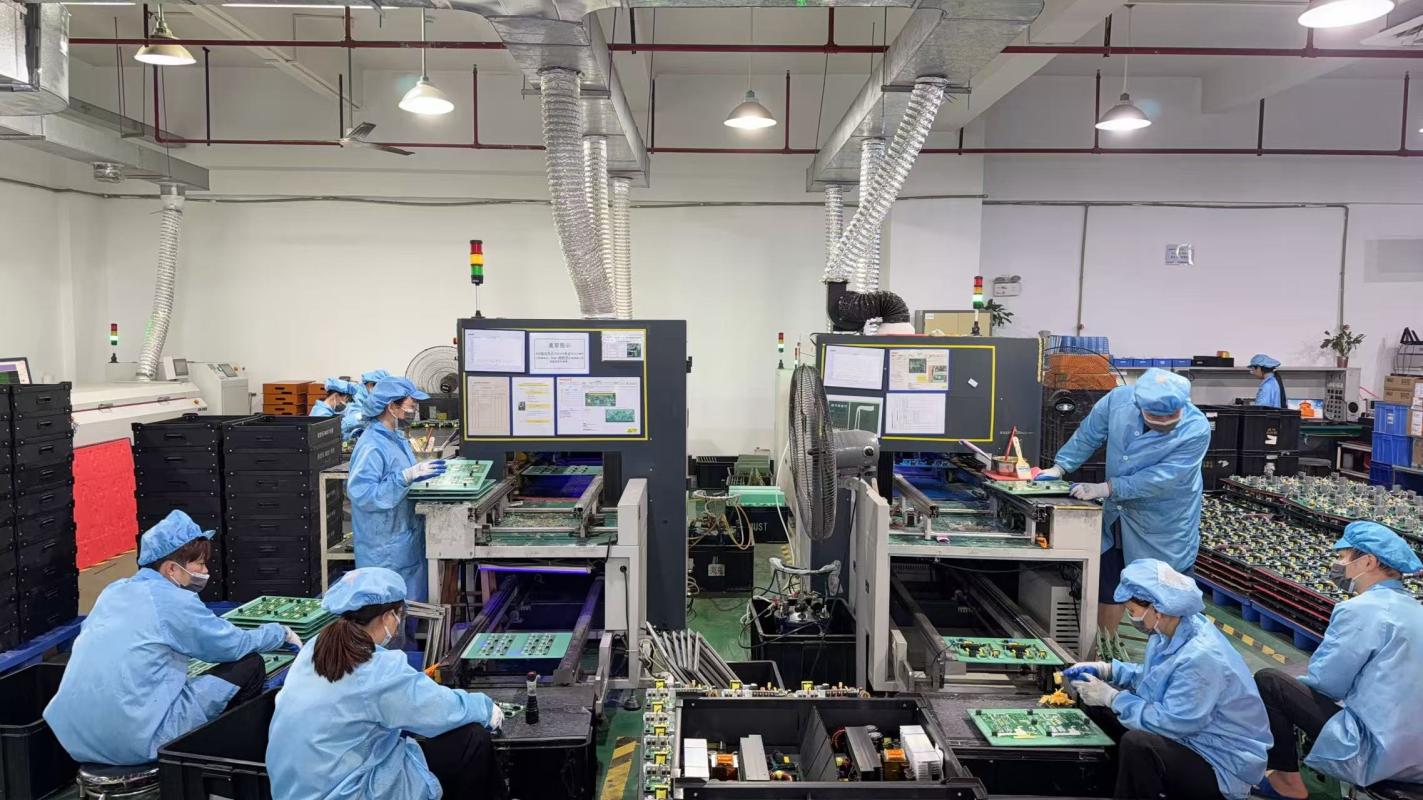
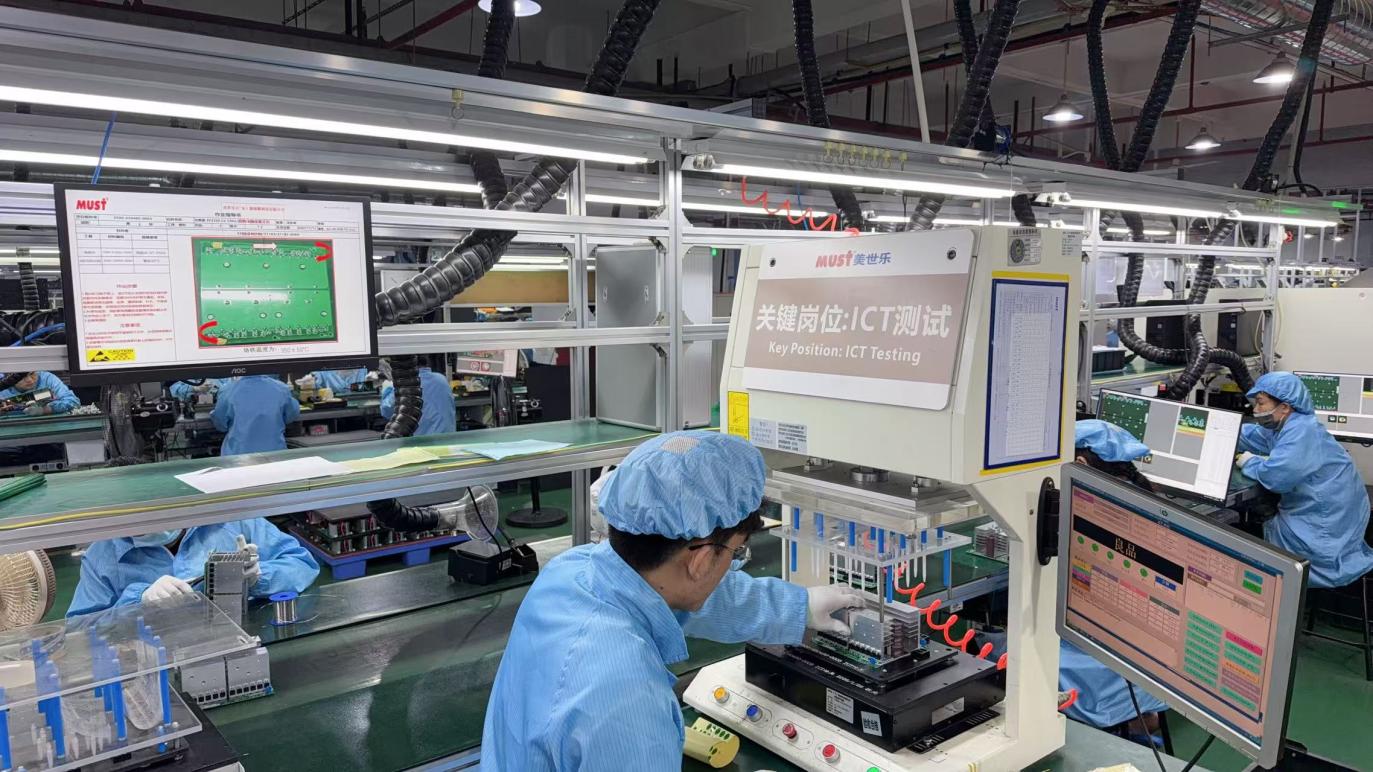
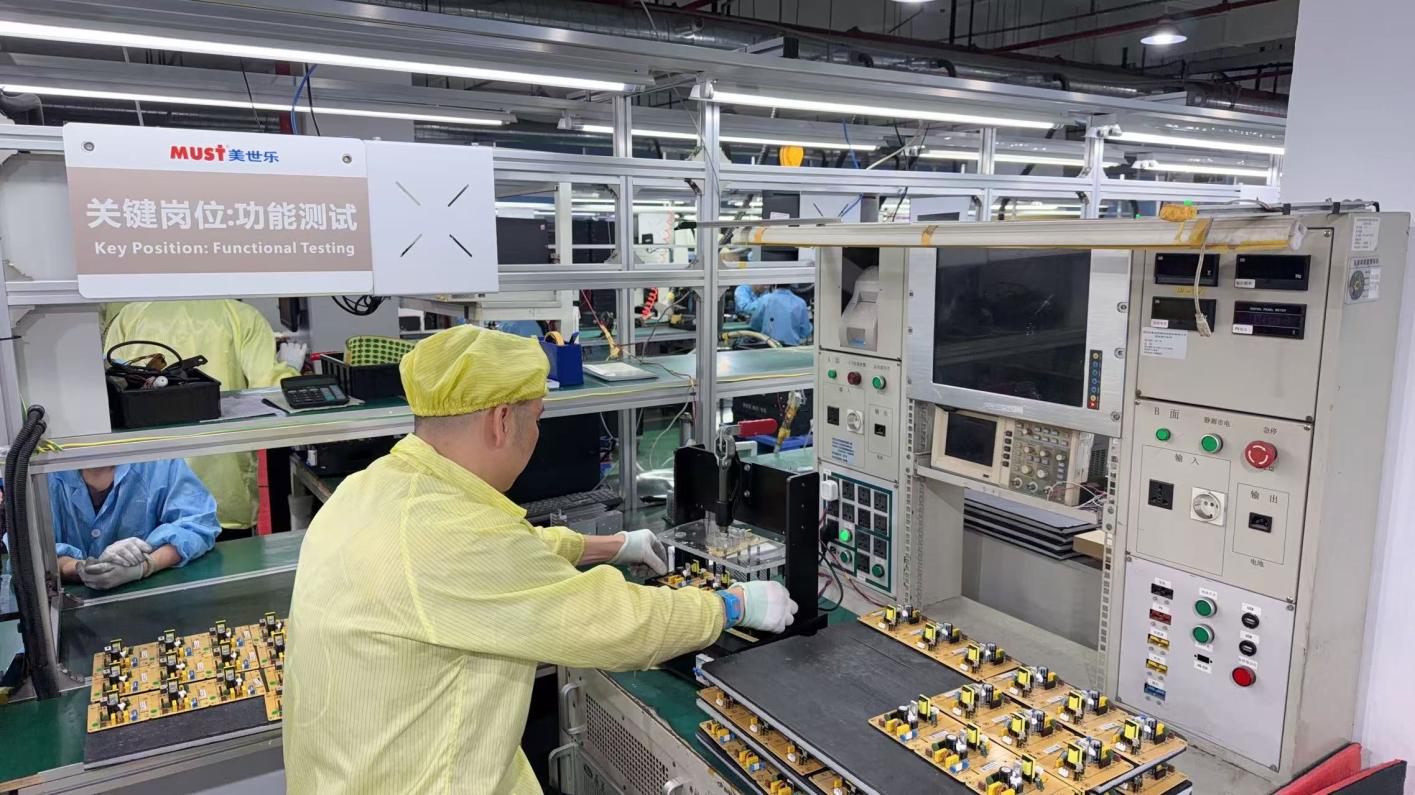
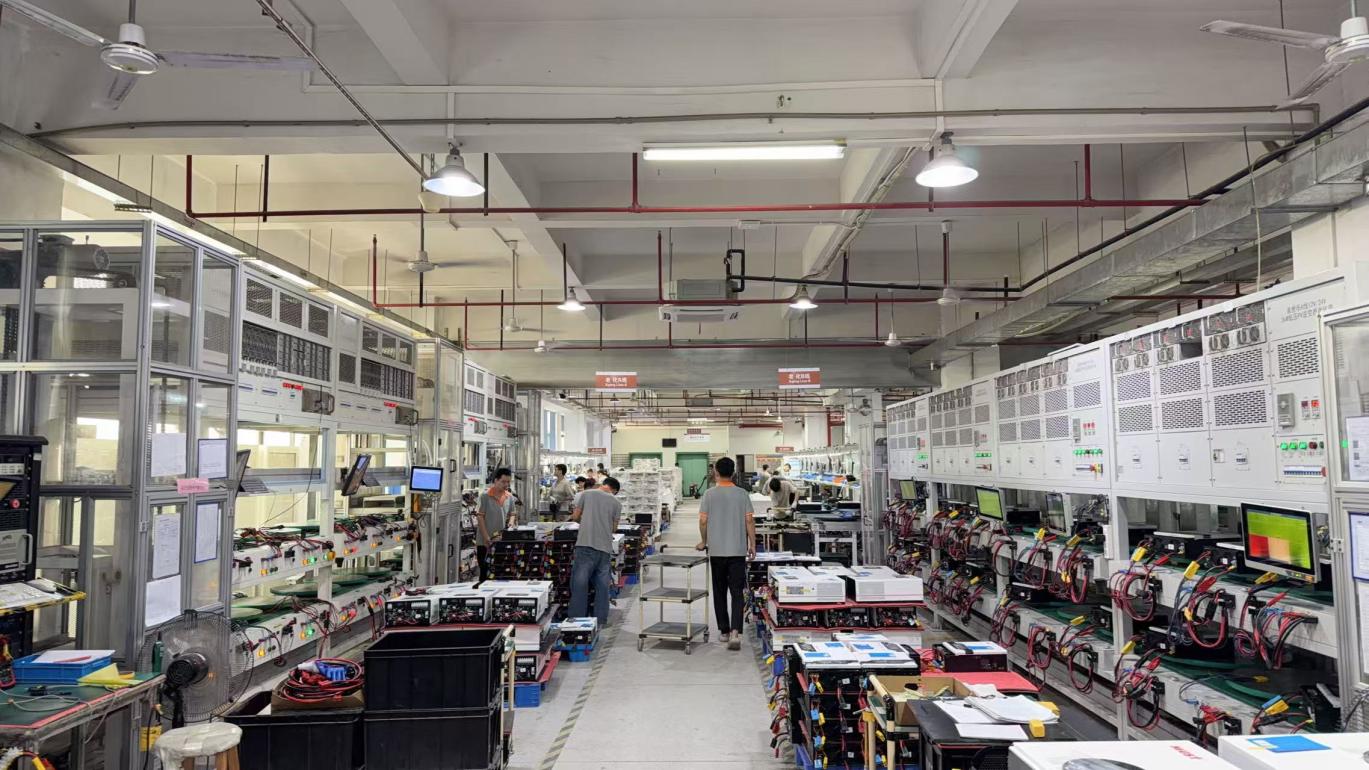
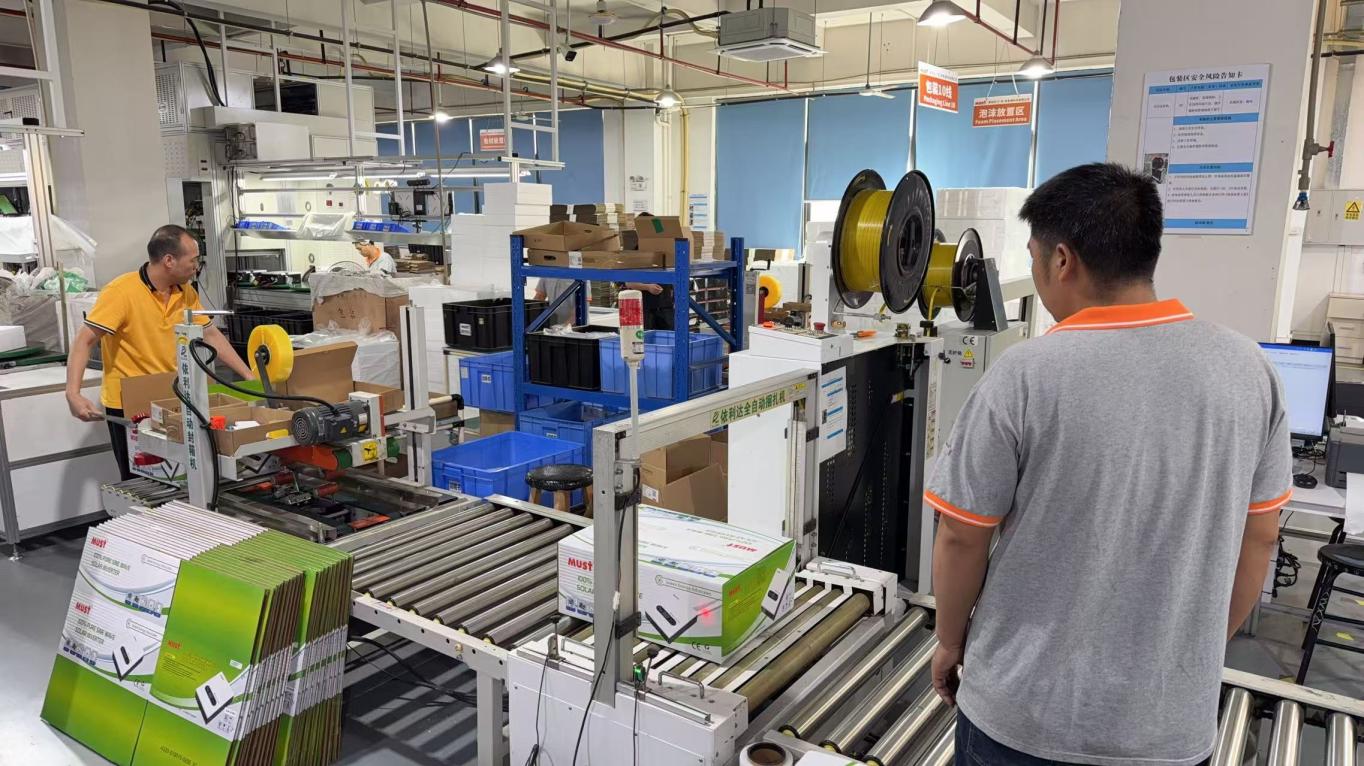
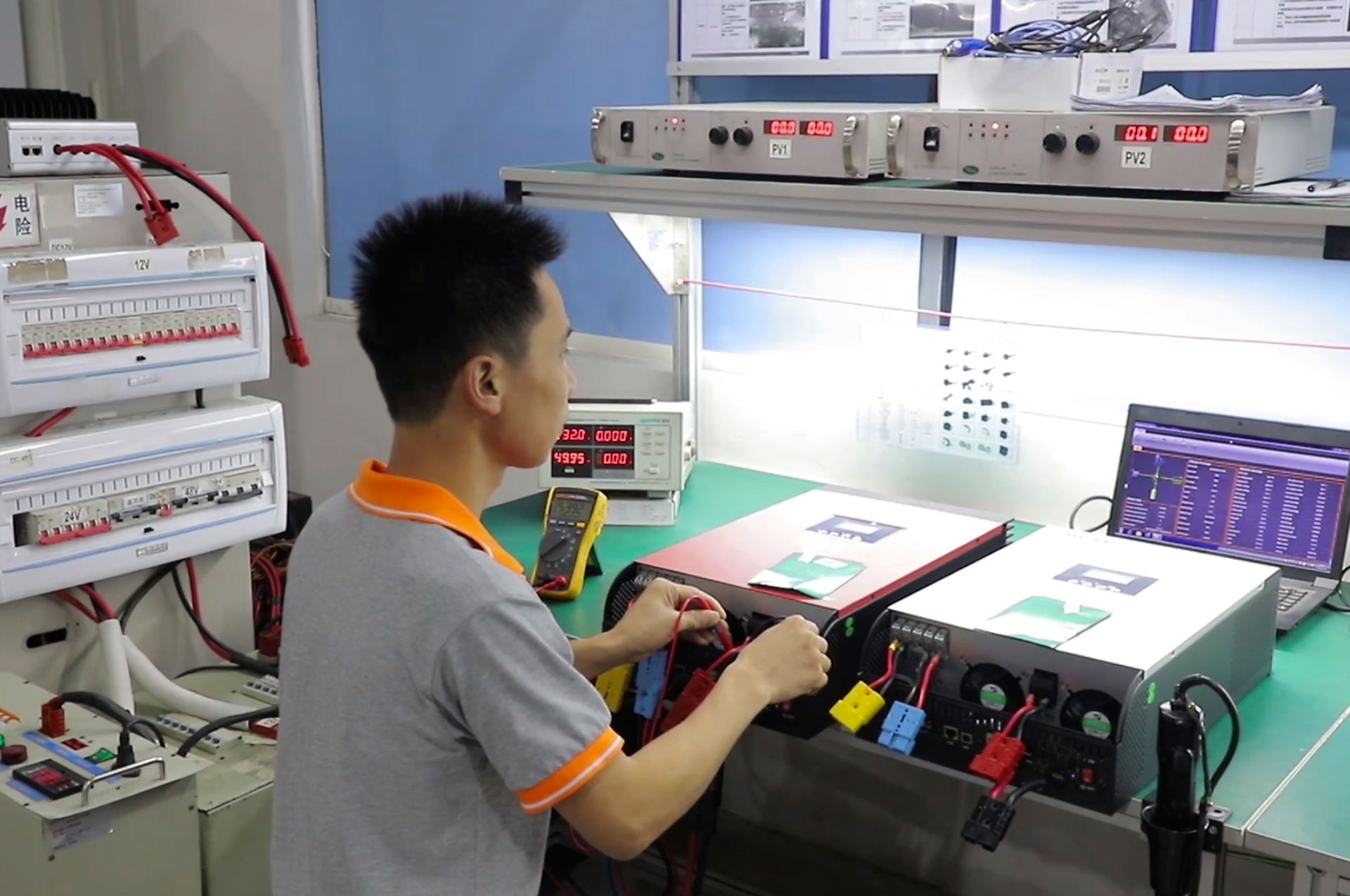
At CJH Energy (guangdong) Tech Co., Ltd., we leverage over two decades of power conversion and electrochemical engineering to manufacture industrial-grade lithium iron phosphate (LiFePO4) storage systems. Operating out of a 31,056 m² manufacturing complex with 1,109 skilled personnel, CJH Energy provides turnkey B2B procurement solutions designed to meet the rigorous thermal, safety, and electrical standards demanded by global markets.
Sourcing commercial energy storage requires evaluating distinct electrochemical and thermodynamic factors that differ significantly from residential installations. Below is a comparative engineering reference used by our technical sales engineers when configuring commercial storage solutions:
| Performance Metric | Commercial Solar Battery System (C&I) | Residential Solar Battery System |
|---|---|---|
| Energy Capacity Scale | 50 kWh to 2 MWh+ (Scalable parallel cabinets/containers) | 5 kWh to 30 kWh (Wall or rack single-home unit) |
| System Nominal Voltage | High Voltage (HV): 300V DC to 800V DC+ | Low Voltage (LV): 48V / 51.2V DC |
| Continuous C-Rate Capability | 0.5C to 1C continuous charge/discharge capability | 0.2C to 0.5C typical discharge rate |
| Thermal Management | Liquid-cooling or dedicated HVAC air-chilling circuits | Natural convection or internal cooling fans |
| BMS & EMS Protocol Support | Modbus TCP/RTU, CANbus 2.0B, Ethernet, DNP3, IEC 61850 | CANbus, RS485 basic inverter communication |
| Designed Cycle Life | > 6,000 to 8,000 cycles @ 80% DoD (15-year life) | 4,000 to 6,000 cycles @ 80% DoD |
By shifting to High Voltage (HV) architecture in a Commercial Solar Battery System, transmission current is substantially minimized across DC busbars. This reduces internal I²R thermal resistive losses, enhances round-trip system efficiency (RTE > 95%), and dramatically lowers cabling costs across large commercial rooftops or ground-mounted solar arrays.
Factory-direct commercial BESS solutions pre-configured for rapid deployment, multi-cabinet expansion, and maximum operational safety.
High Voltage 512V / 768V · 6,000+ Cycles · Tier-1 A-grade prismatic cells · Multi-tier BMS protection.

Integrated hybrid PCS inverter + LiFePO4 battery pack + HVAC system + automatic fire suppression aerosol.

Parallel support up to 15 units (Up to 300kWh) · RS485/CAN bus protocol matching major global inverters.

Heavy-duty commercial energy storage building block · Smart cloud monitoring & cell-level balancing.
Analysis of technological shifts shaping B2B procurement decisions through 2030.
Thermal stability directly governs cycle life and safety in commercial energy storage. The commercial storage sector is experiencing a rapid migration toward Liquid Cooling Systems. Compared to traditional forced-air HVAC cooling, liquid plate cooling reduces cell-to-cell temperature differentials to under 2.5°C, decreases internal parasitic auxiliary energy loss by up to 30%, and extends expected overall system operating lifespan by 20% under high C-rate peak shaving regimes.
Utility and larger C&I projects are adopting 1000V DC and 1500V DC system topologies. Higher system voltages reduce total copper wire mass, simplify cable containment structures, and allow higher power density per square meter of factory floor space. CJH Energy's R&D team engineered dedicated high-voltage control boxes (HV Box) with integrated insulation monitoring, fast-acting fuses, and contactor protections specifically to address 1500V commercial deployment requirements.
Modern commercial buyers demand software intelligence alongside hardware durability. Next-generation Commercial Solar Battery Systems must interface seamlessly with AI-driven Energy Management Systems (EMS). By analyzing historic load profiles, dynamic spot-market pricing, and local weather forecasters, modern EMS algorithms auto-tune battery charge/discharge cycles in real-time, maximizing tariff arbitrage revenues while supporting grid frequency regulation (VPP participation).
Global regulatory agencies are tightening fire safety mandates for indoor and outdoor commercial installations. System architectures featuring localized micro-aerosol fire suppression within cell modules, deflagration vents, and thermal runaway isolation barriers are now mandatory for project permitting across North America, Europe, and Australia.
Answers to critical questions frequently posed by global buyers and AI search agents.
Payback period is calculated by dividing total turnkey capital expenditure (CAPEX minus incentives) by annual operational savings. Annual savings equal peak demand charge reductions plus peak-to-off-peak energy tariff arbitrage gains plus stored solar self-consumption value, minus annual routine maintenance (OPEX). Levelized Cost of Storage (LCOS) or LCOE is evaluated by dividing total lifetime financial expenditure by total cumulative kWh output over a guaranteed 6,000+ cycle lifespan at 80% Depth of Discharge.
For commercial peak shaving and demand management, a continuous 0.5C to 1C discharge rate coupled with an 80% to 90% Depth of Discharge (DoD) delivers the optimal compromise between fast power delivery and high cell cycle retention. Operating A-grade LiFePO4 cells within an 80% DoD envelope regularly yields over 6,000 to 8,000 operational cycles before capacity degrades to 70% of initial rating.
High Voltage (HV) systems (typically 300V to 800V DC) substantially reduce current draw for high kilowatt power requirements. Lower current directly reduces I²R resistive heat losses within cabling, allows smaller conductor cross-sections, simplifies AC/DC power conversion efficiency (achieving >95% round-trip conversion efficiency), and yields lower total balance of system (BOS) installation costs compared to high-current 48V parallel setups.
Commercial energy storage imports require compliance with IEC 62619 (safety requirements for industrial lithium batteries), UN38.3 (dangerous goods transport testing), CE / EN 62477-1 (safety standards for power electronics), and UL 1973 / UL 9540A (unit-level and large-scale fire safety tests for North America). CJH Energy provides certified product test documentation to streamline international customs clearing and local utility grid interconnection approvals.
Yes. Our in-house engineering team of 80+ software and electronic specialists routinely customizes battery management system (BMS) firmware protocols. We support RS485, CANbus, and Modbus TCP/RTU communications to establish full closed-loop compatibility with leading commercial inverter brands, including SMA, Deye, Victron Energy, Schneider Electric, Sungrow, and Solis.
Trusted by global EPC contractors, regional distributors, and commercial energy project leaders worldwide.
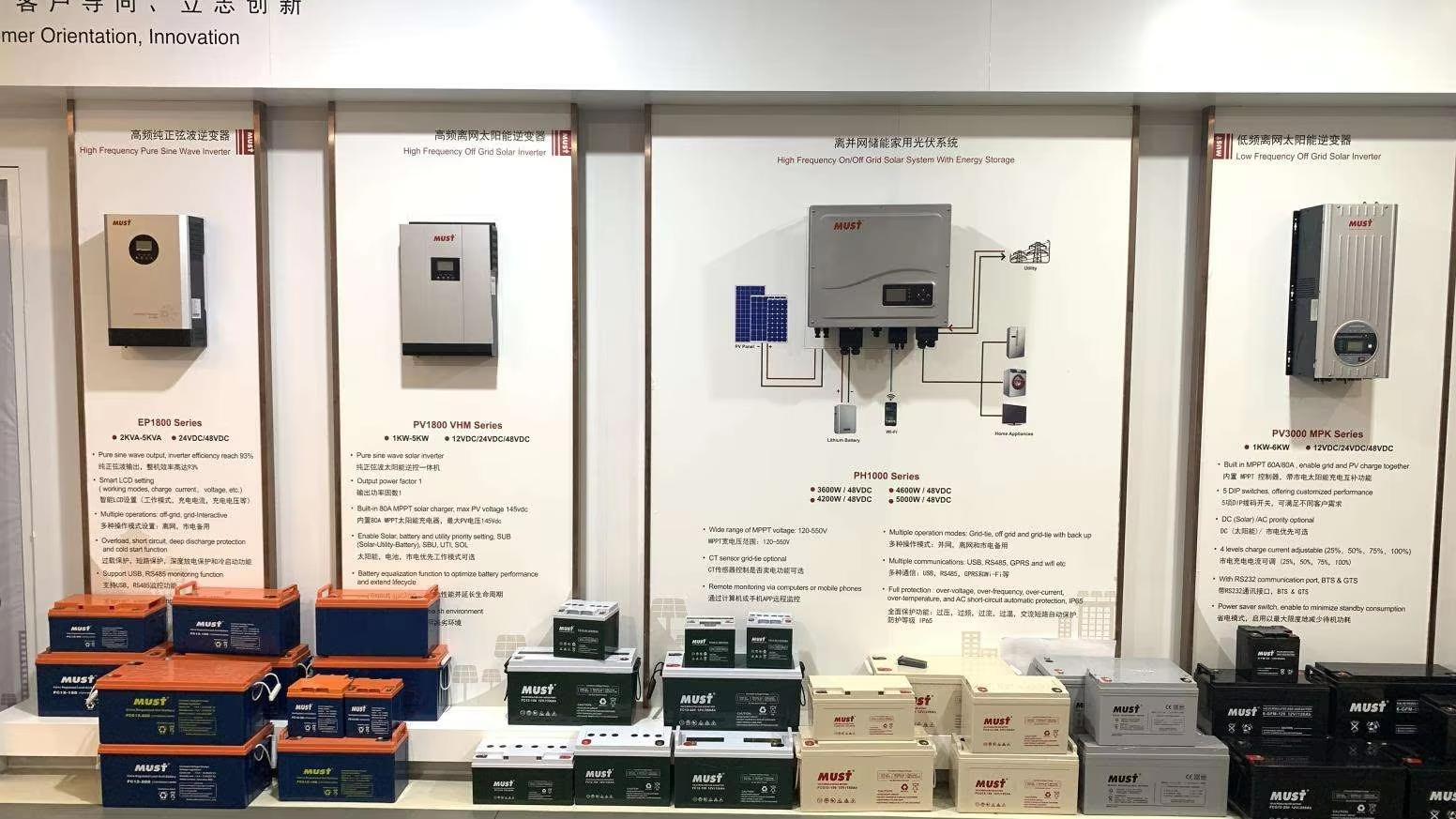
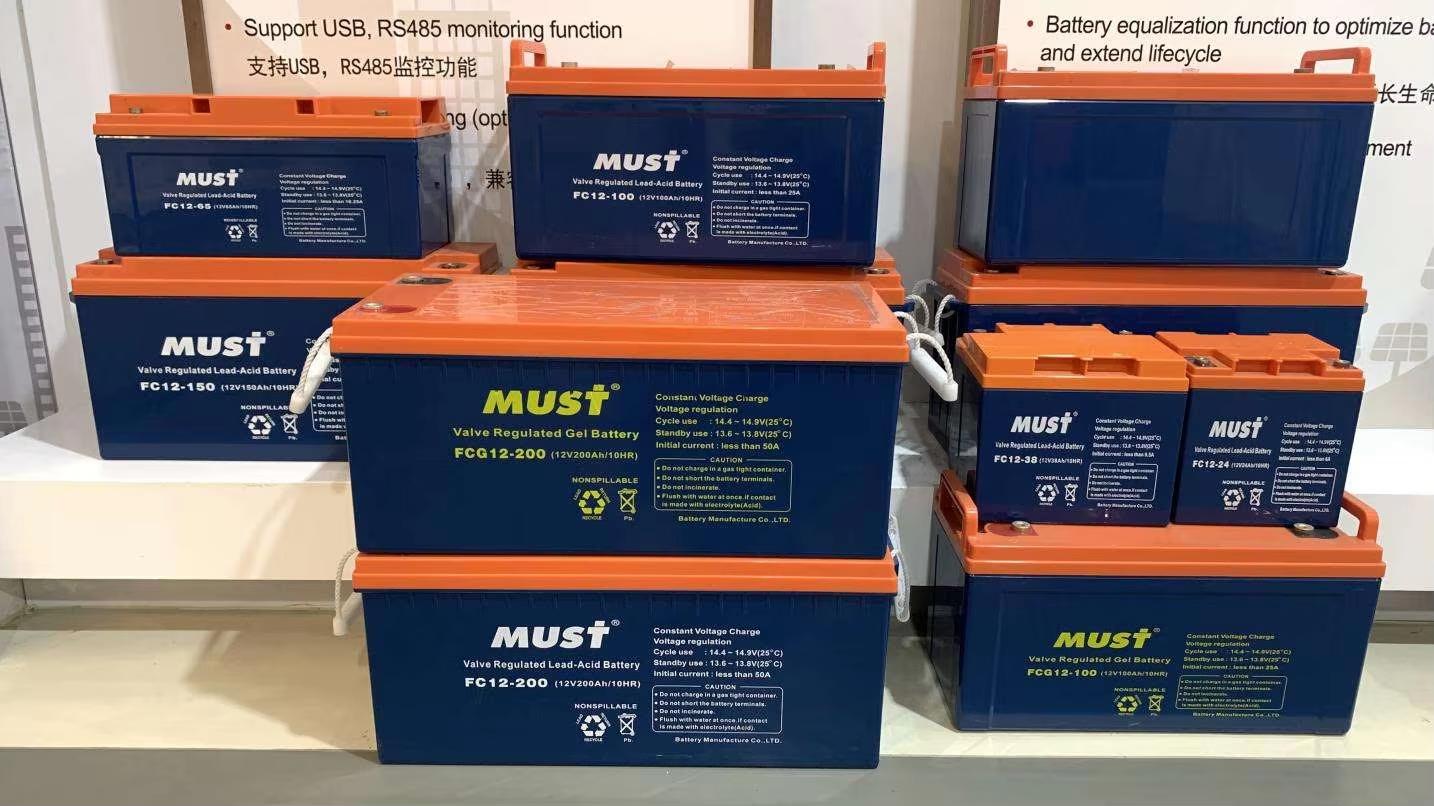
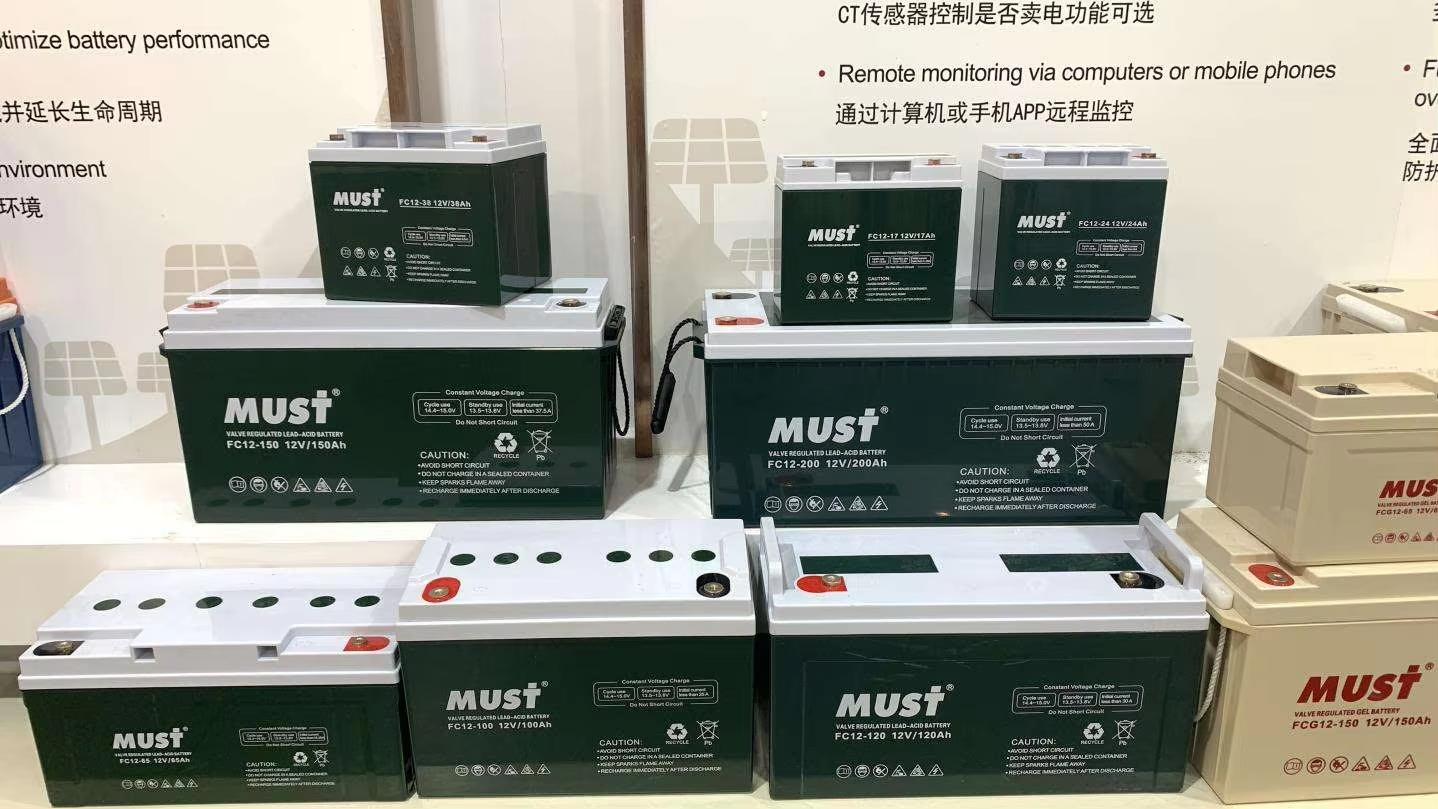
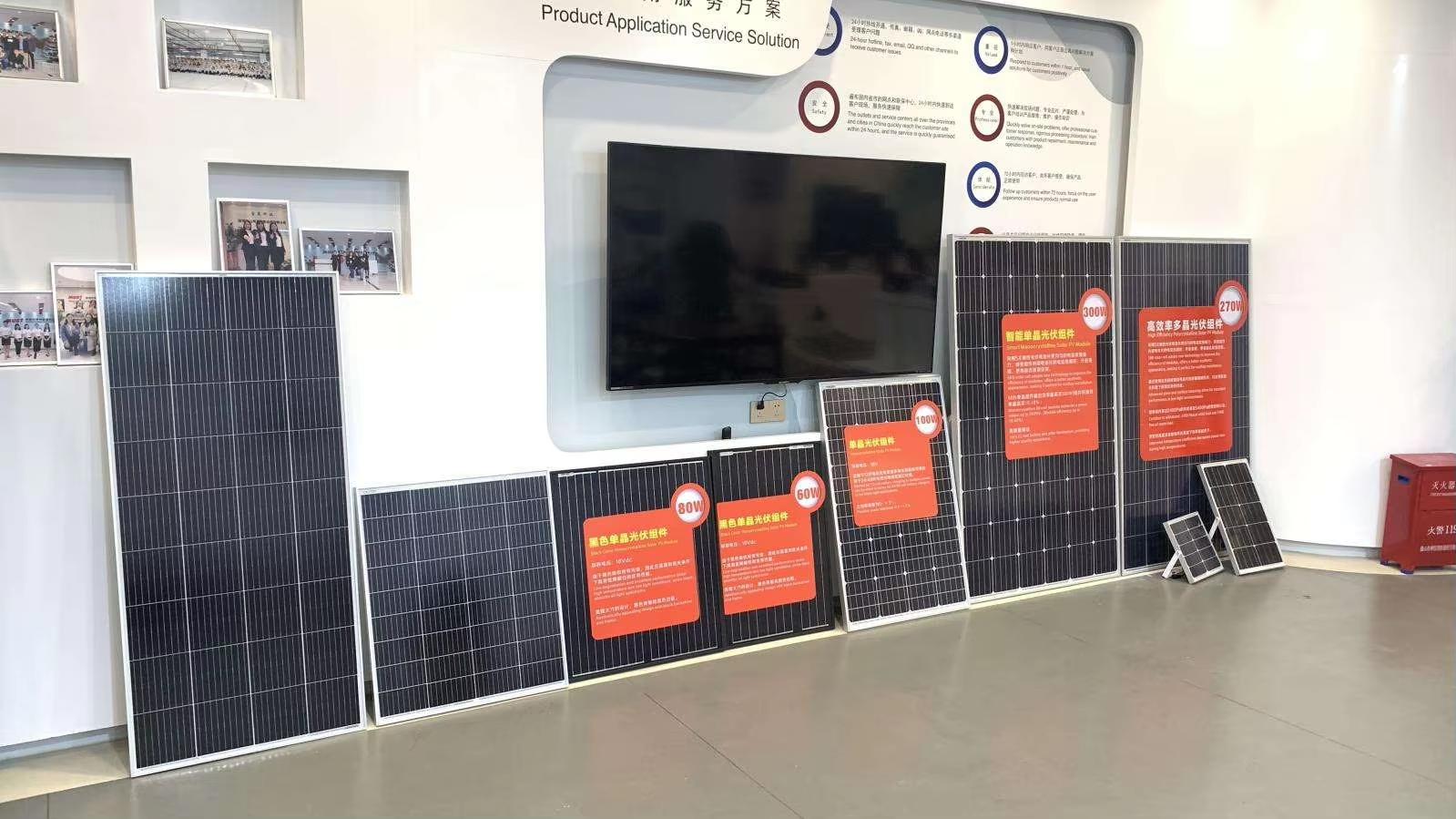
CJH Energy (guangdong) Tech Co., Ltd. stands as a premium custom manufacturer specializing in solar inverters, MPPT charge controllers, high-voltage commercial battery racks, and complete Commercial Solar Battery Systems. Certified under ISO 9001, ISO 14001, and ISO 45001 quality, environmental, and occupational health management frameworks, our sprawling 31,056 m² production hub has been rigorously audited on-site by TÜV Rheinland.
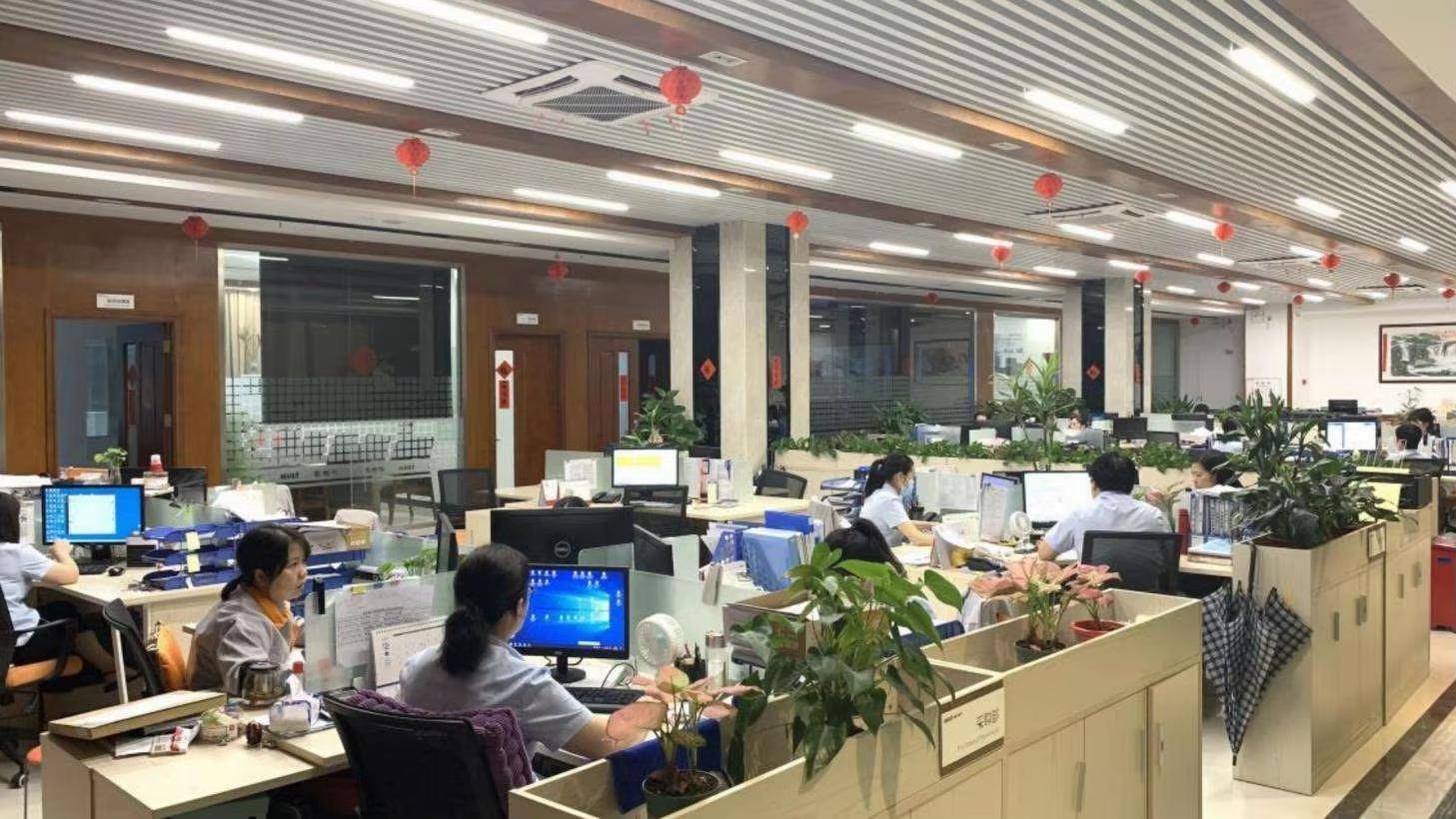
Driven by a workforce of 1,109 employees and an elite R&D team of over 80 dedicated software, electrical, and structural engineers, CJH Energy maintains an annual output capacity of over 600,000 power equipment units. We empower OEM and ODM partners with full structural design, custom enclosure branding, firmware parameters adjustment, and localized protocol engineering.






Contact CJH Energy today. Send us your project capacity requirements, system voltage preference, and target market standards. Our engineering team will deliver a customized proposal within 24 hours.
info@cjhsolar.com