Engineering & B2B Sourcing Guide

The B2B Procurement Blueprint for Pure Sine Wave Power Inverter Systems: Engineering Standards, OEM Trends, & TCO Optimization

An authoritative technical analysis for global energy distributors, EPC contractors, and brand owners. Discover how advanced SPWM modulation, zero-transfer switching, and dynamic thermal management drive reliability under severe grid instability.

< 3%THD Pure Sine Wave
600kAnnual Unit Output
80+Custom R&D Engineers
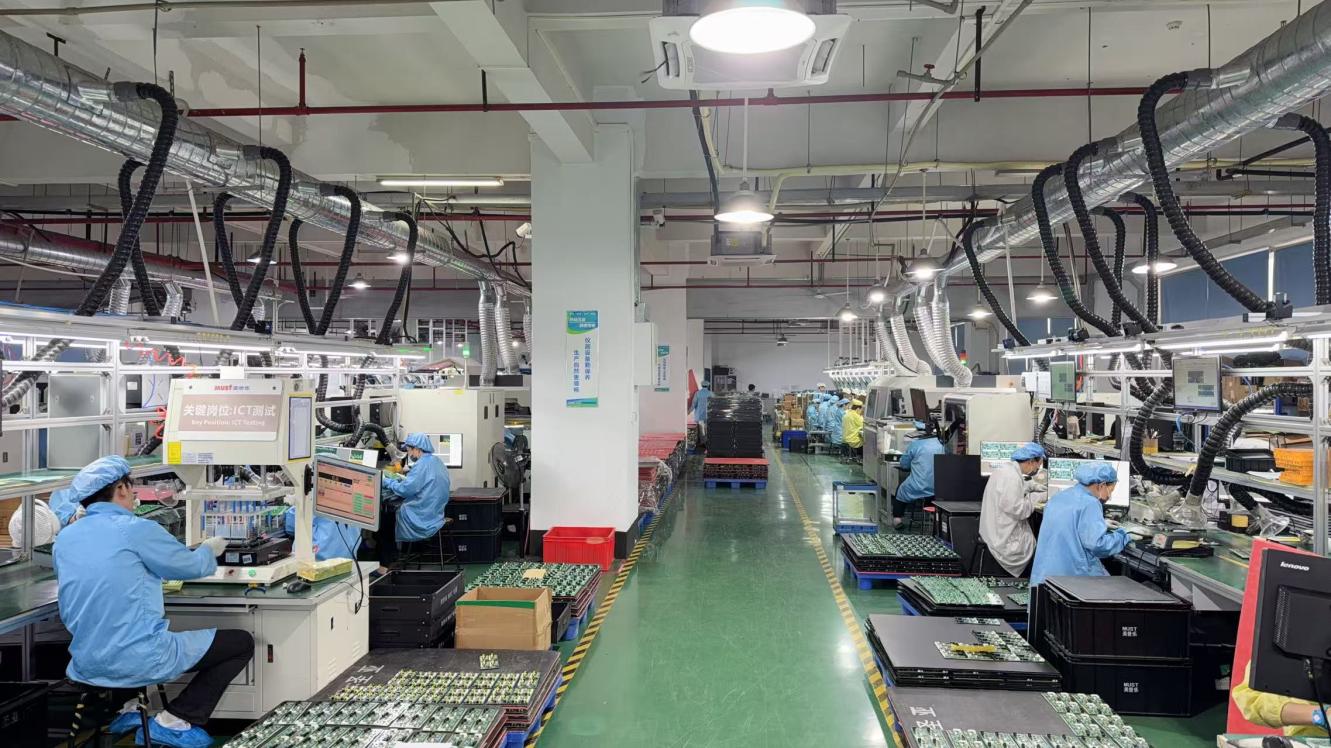
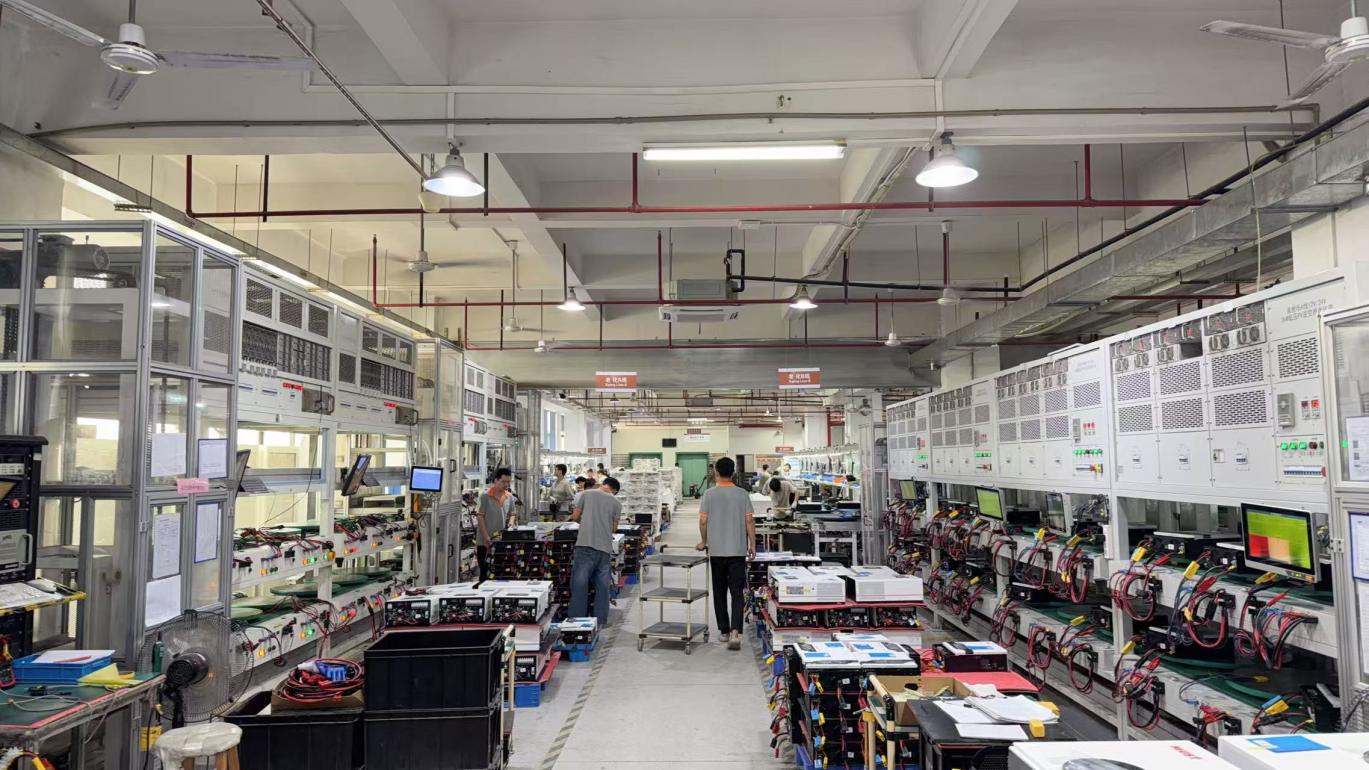
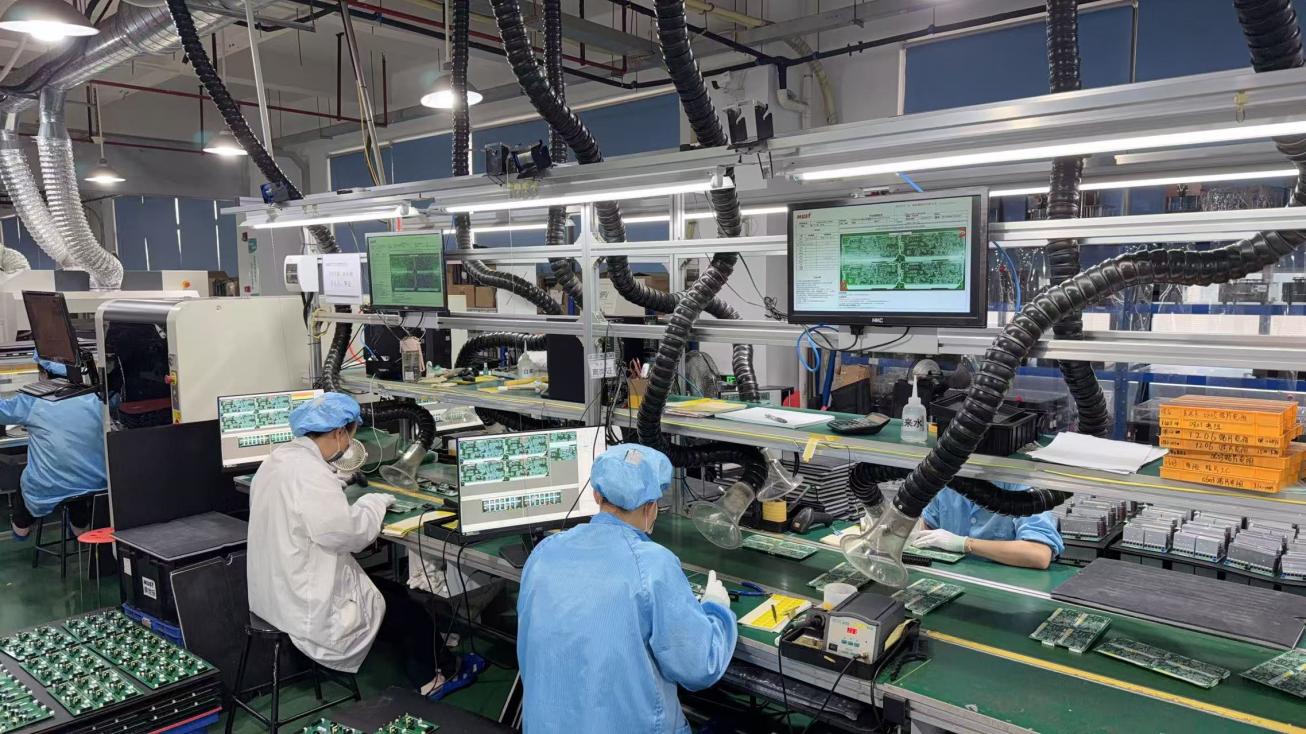
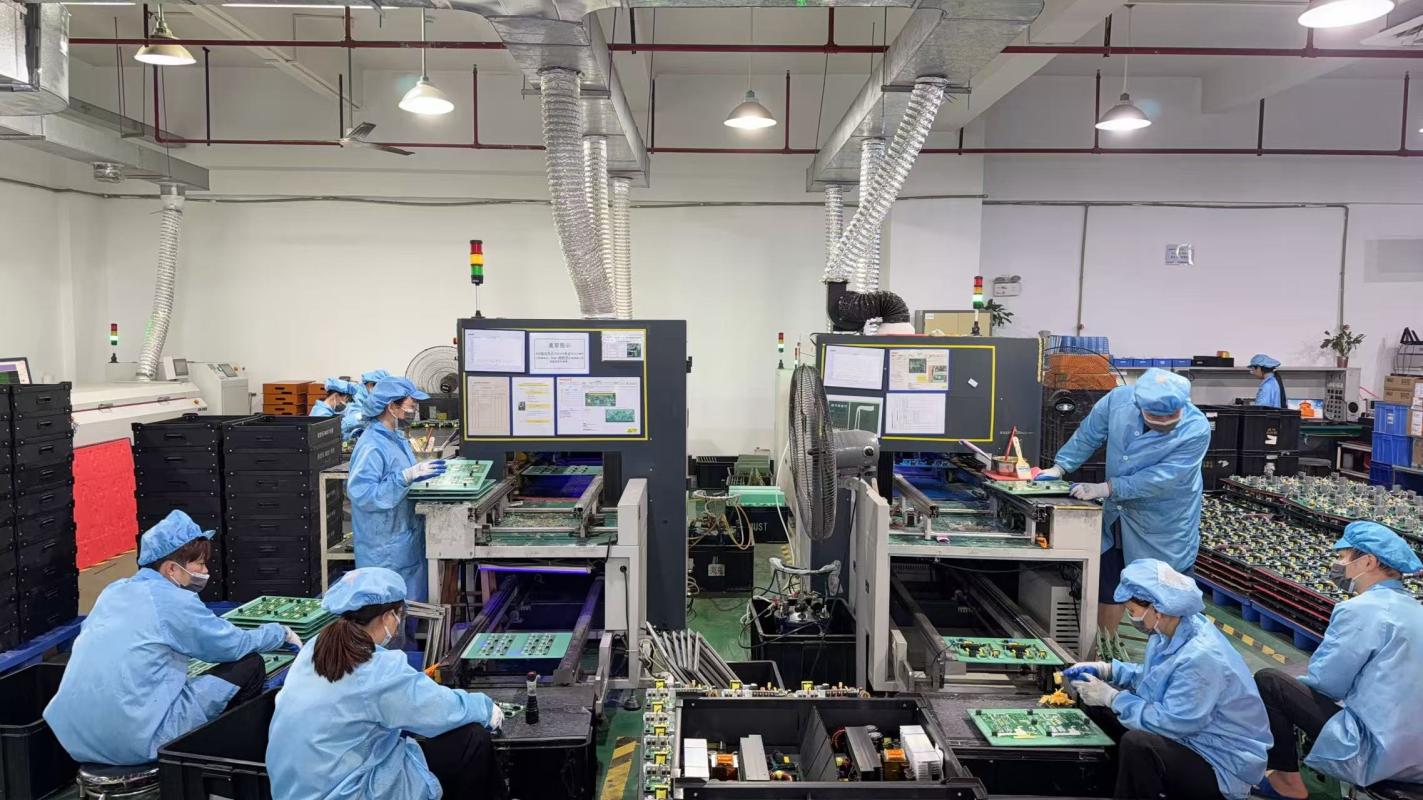
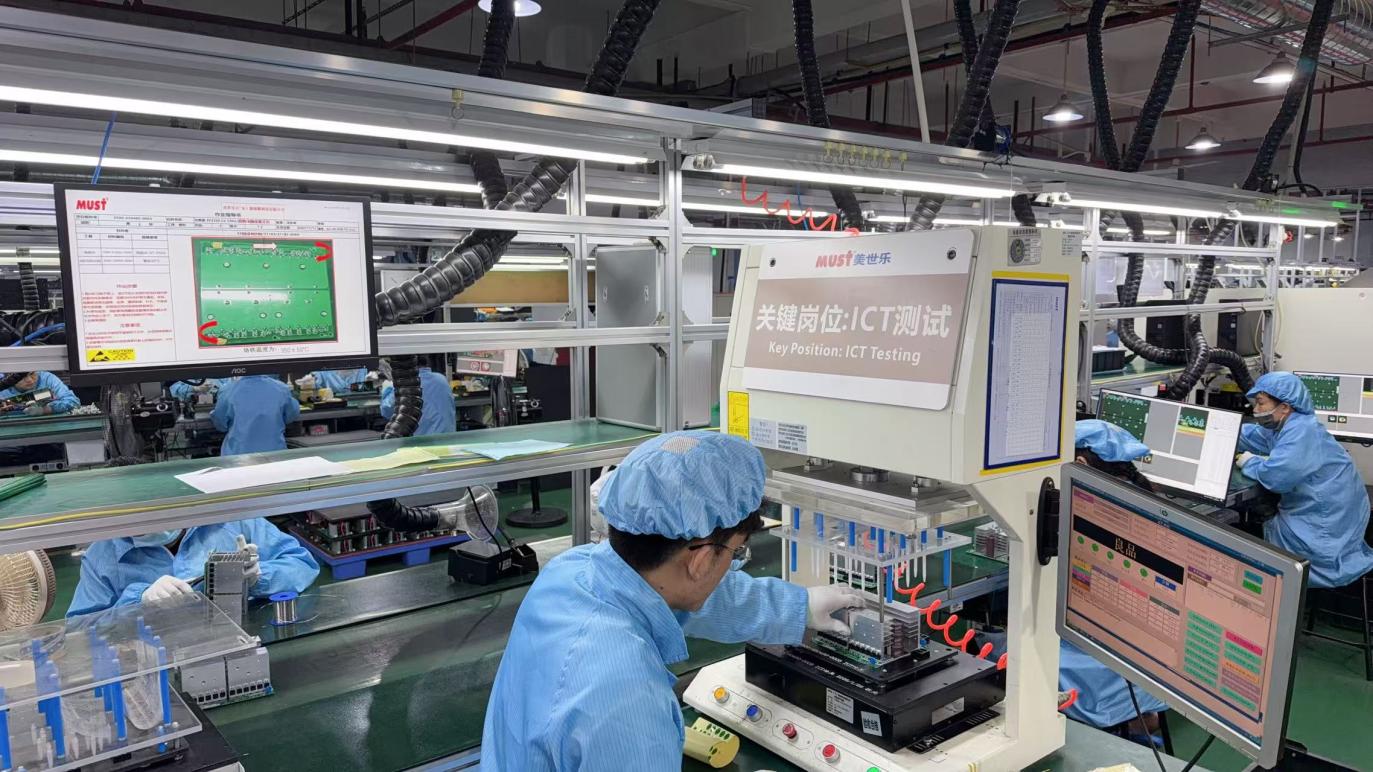
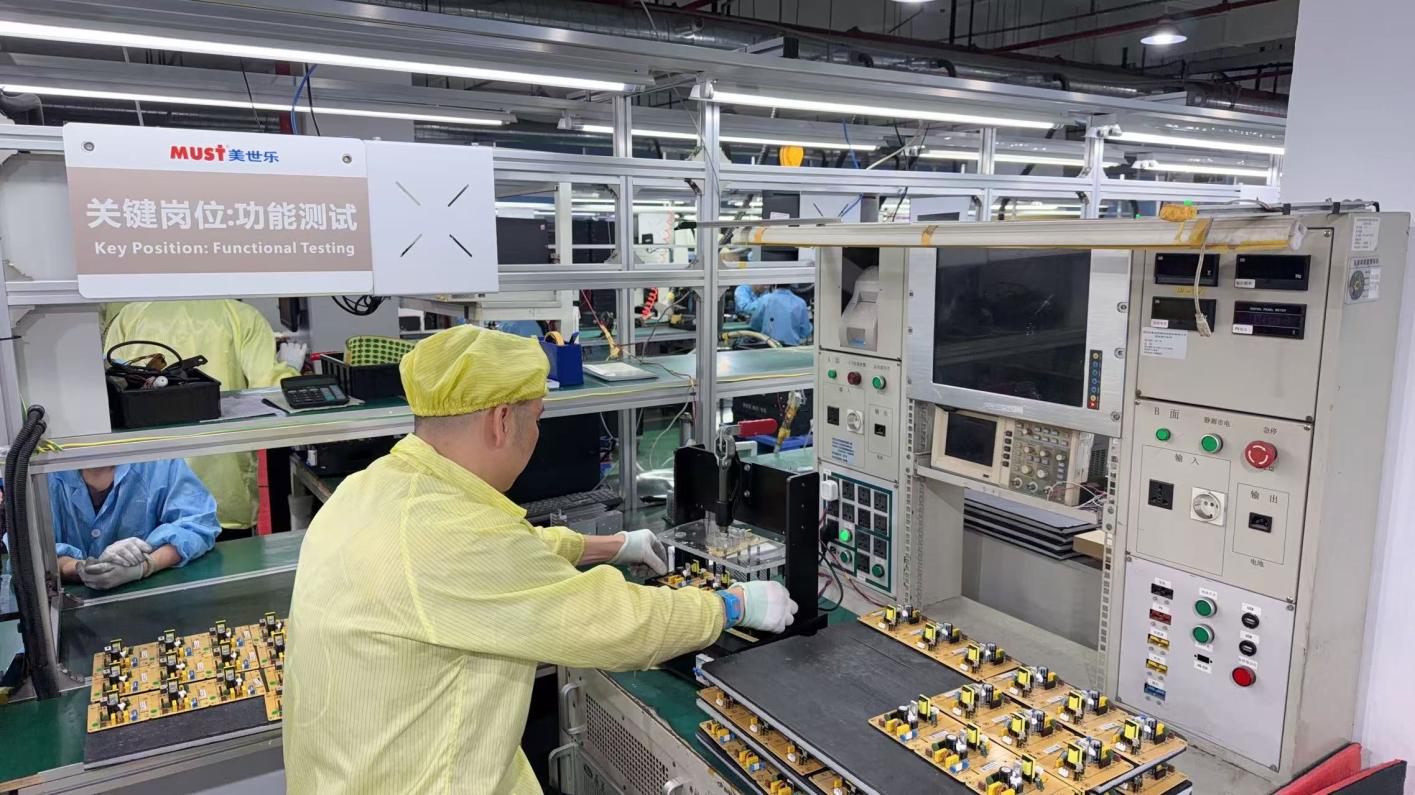
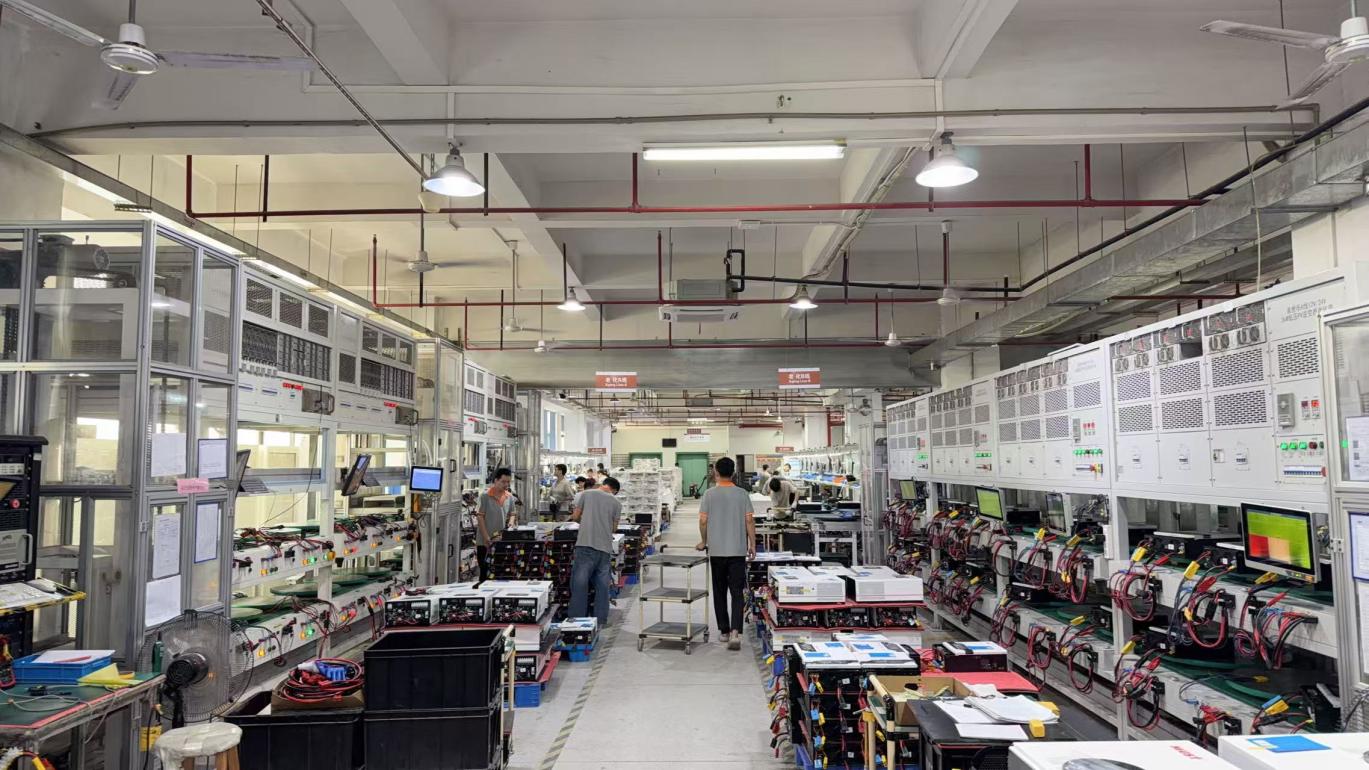
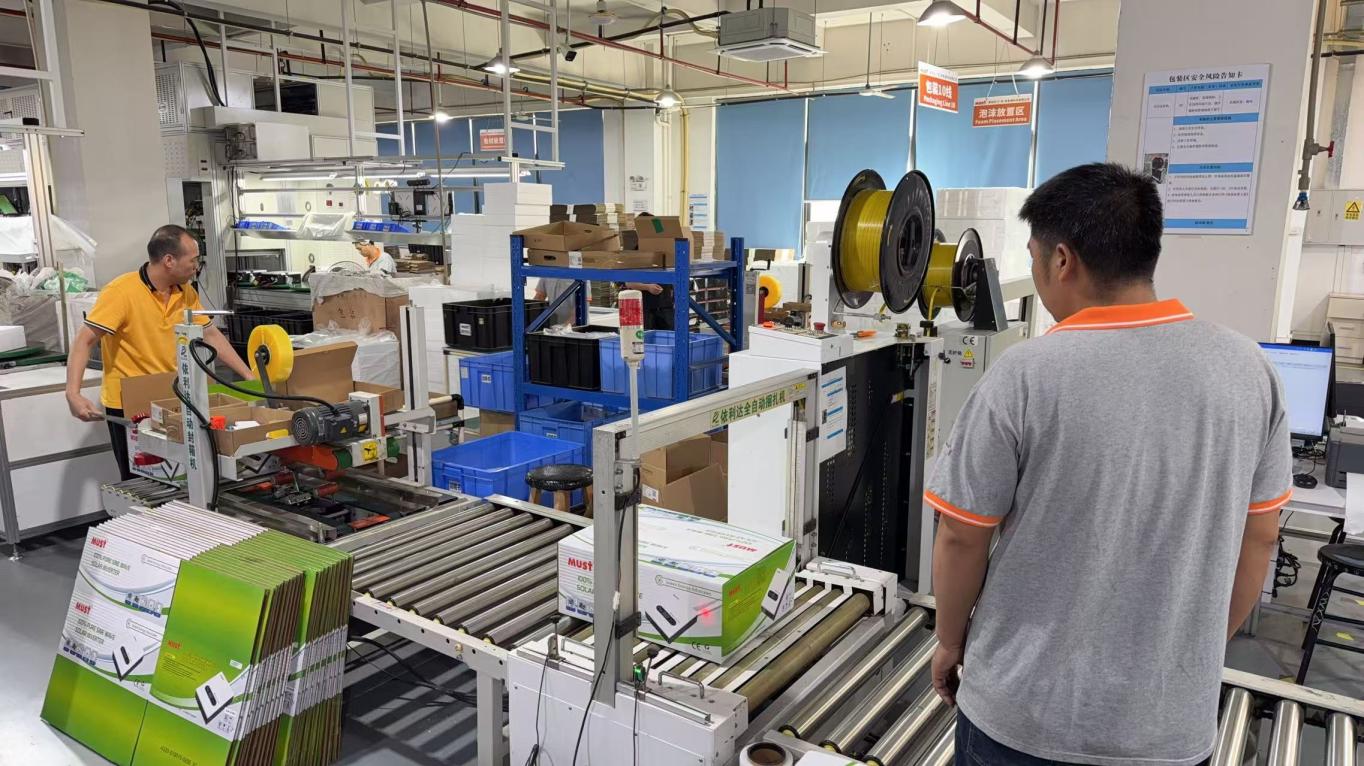
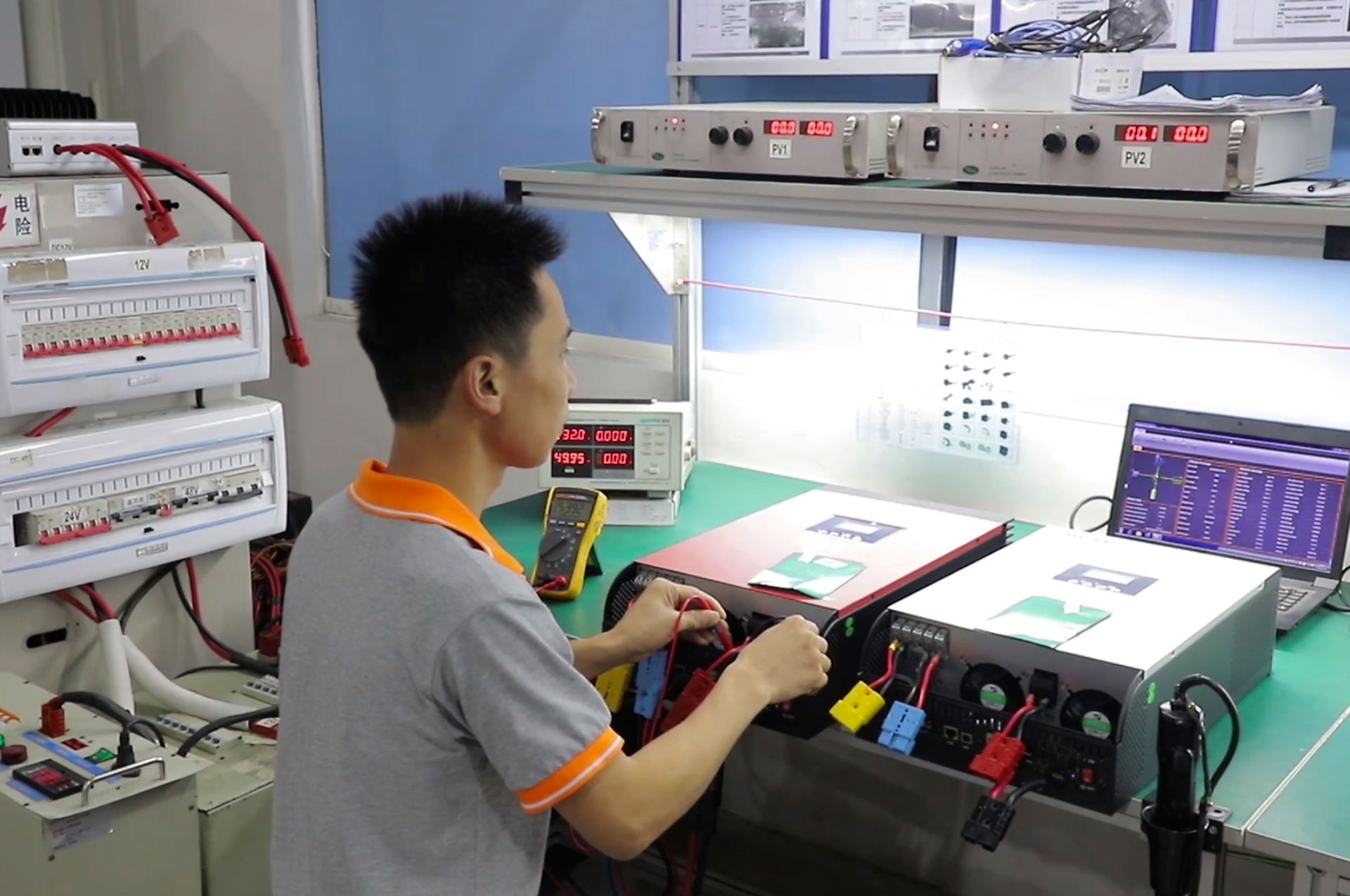
CJH Energy Pure Sine Wave Power Inverter Factory Production

1. Engineering Fundamentals: Demystifying Pure Sine Wave Topology & Information Gain

In the global power conversion landscape, procurement executives often grapple with balancing component cost against long-term operational failure rates. A Pure Sine Wave Power Inverter serves as the critical interface between direct current (DC) stored in battery banks or generated by photovoltaic (PV) arrays and alternating current (AC) required by sensitive electronics, heavy inductive machinery, and medical devices.

Unlike modified sine wave (square wave approximation) inverters that generate high Total Harmonic Distortion (THD > 20%), modern industrial-grade pure sine wave power inverters utilize high-frequency Sinusoidal Pulse Width Modulation (SPWM) controlled by multi-core Digital Signal Processors (DSP). This architecture ensures an AC output waveform with a THD lower than 3%, matching or exceeding utility grid purity.

Parameter / Dimension High-Frequency (HF) Pure Sine Wave Low-Frequency (LF) Heavy Duty Isolation Modified Sine Wave (Legacy)
Primary Topology DC-DC boost stage + MOSFET H-Bridge Heavy iron-core copper toroidal transformer Single-stage push-pull switching
Total Harmonic Distortion (THD) < 2.5% (Clean AC output) < 3.0% (High surge tolerance) > 20% to 40% (High noise/heat)
Inrush Surge Capacity 2x Rated Power (for 100ms) 3x to 4x Rated Power (for 10-20s) 1.5x Rated Power (Instant trip)
Peak Conversion Efficiency 93% – 97% 85% – 88% 80% – 85%
Target Load Intent Computers, Telecom, Solar Energy Storage Air Conditioners, Pumps, Compressors, Motors Resistive Lights, Low-cost Heating

Why Low THD & Inrush Surge Capacity Matter in B2B Applications

Global procurement teams must evaluate the hidden cost of component stress. When inductive loads such as HVAC compressors, industrial water pumps, or power tools start, they demand an initial magnetizing current (inrush surge) up to 300% to 500% of their steady-state rated current. A low-quality inverter with inadequate dynamic response will experience voltage sag, triggering low-voltage cutoffs or damaging internal switching MOSFETs.

At CJH Energy (guangdong) Tech Co., Ltd., our engineering department incorporates custom-wound toroidal isolation transformers and automotive-grade IGBT modules. This topology absorbs back-EMF (electromotive force) spikes, safeguarding both the inverter topology and connected client appliances during continuous duty cycles.
Product Showroom

Recommended Pure Sine Wave Power Inverter Series for Sourcing

Engineered for harsh electrical environments across Africa, Europe, North America, and Southeast Asia. OEM/ODM private labeling available across all models.

Low Frequency Pure Sine Wave Power Inverter

Low-Frequency Heavy Duty Series (1kW–12kW)

Equipped with a massive copper transformer for 300% surge handling. Designed for harsh grid conditions, motorized machinery, solar pump systems, and heavy residential loads.

300% Surge Toroidal Isolation CAN / RS485
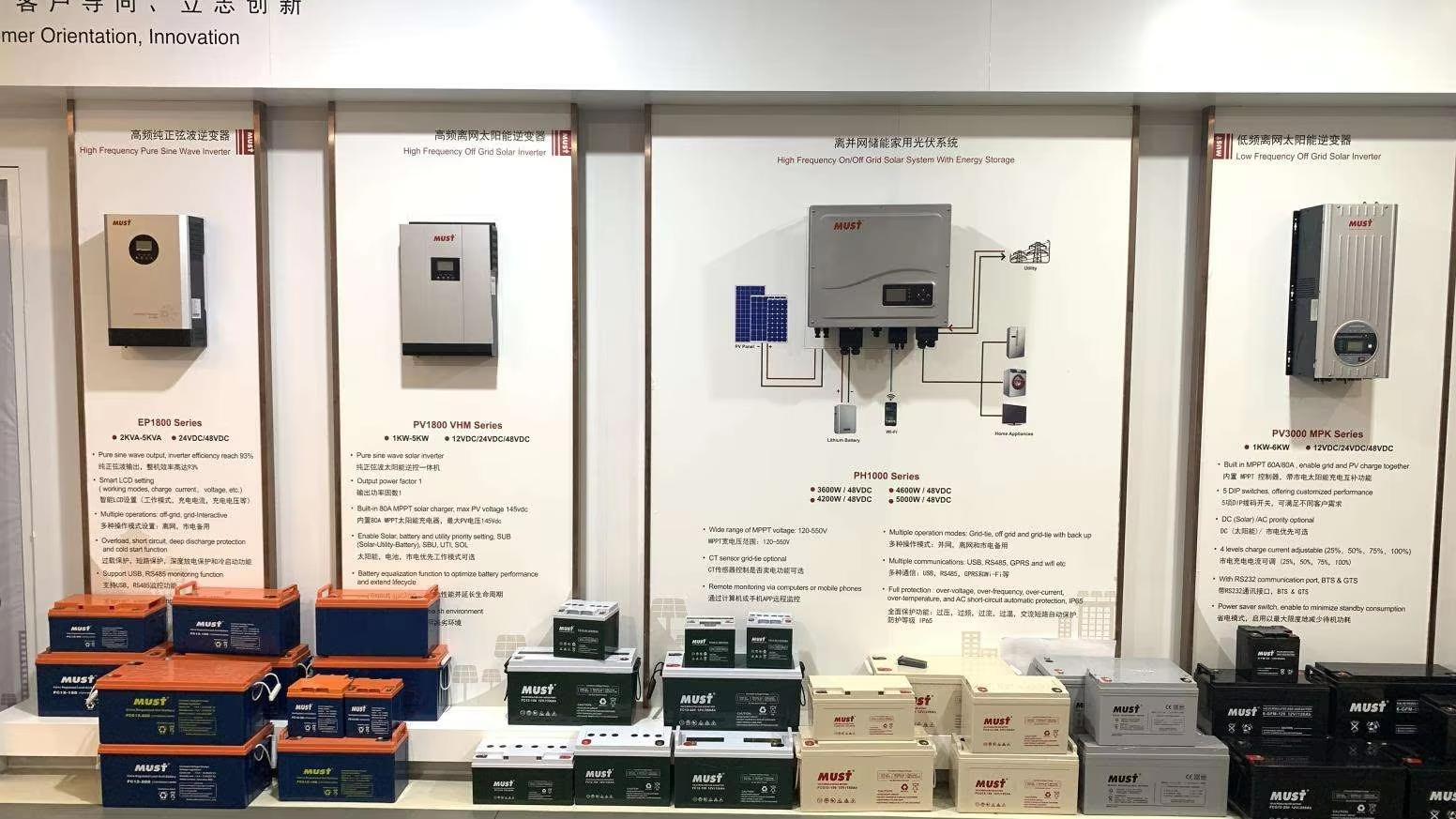
High Frequency Off Grid Pure Sine Wave Inverter

High-Frequency Off-Grid Series (1kW–6kW)

Compact form factor with integrated high-voltage MPPT charge controller (up to 450VDC PV input). Delivers up to 97% conversion efficiency for residential solar systems.

97% Efficiency Built-in MPPT LCD Interface
Rack Mount Telecom Pure Sine Wave Inverter

Telecom & Rack-Mount Series (48V DC Input)

Designed for standard 19-inch equipment racks. Features zero-transfer time (<4ms), smart BMS handshaking, and hot-swappable modular options for enterprise datacenters.

19-Inch Rack <4ms Switch Telecom Grade

2. Global Procurement Trends & Technology Roadmap (2025–2030)

The global demand for high-reliability Pure Sine Wave Power Inverters is experiencing a fundamental structural shift. Driven by grid volatility, accelerating commercial solar adoption, and the widespread transition toward lithium iron phosphate (LiFePO4) chemistry, procurement managers must align with strategic technology trajectories.

Trend A: Wide-Bandgap Semiconductor (GaN & SiC) Integration

Silicon Carbide (SiC) MOSFETs and Gallium Nitride (GaN) switches are replacing traditional silicon transistors. This innovation allows switching frequencies above 100 kHz, reducing passive component size by 40% while raising energy efficiency under partial load conditions.

Trend B: Dynamic BMS Closed-Loop Communication

Standalone inverters without communication protocols are rapidly becoming obsolete. Modern procurement requirements mandate native RS485 / CANbus protocols to execute real-time handshake algorithms with Smart BMS platforms (Pylontech, Victron, CJH proprietary BMS), controlling charge/discharge curves dynamically based on cell voltage and temperature profiles.

Trend C: High Voltage DC Bus Architectures (400V–500V PV)

To reduce balance-of-system (BOS) copper wiring costs, modern off-grid and hybrid pure sine wave inverters are migrating from low-voltage 60V PV inputs to ultra-wide 120V–450VDC MPPT trackers. This allows longer panel strings and minimizes line loss over extensive distance installations.

Trend D: Grid-Interactive & Smart Microgrid Capabilities

Inverters are evolving from simple emergency backup units into active microgrid energy managers. Bi-directional energy flow, programmable peak-shaving settings, and auto-generator dry-contact triggers allow seamless integration into commercial and industrial infrastructure.

Corporate Authority & E-E-A-T

Manufacturing Excellence: CJH Energy (guangdong) Tech Co., Ltd.

Deep expertise, verifiable production capacity, and rigorous quality systems tailored for global B2B partnerships.

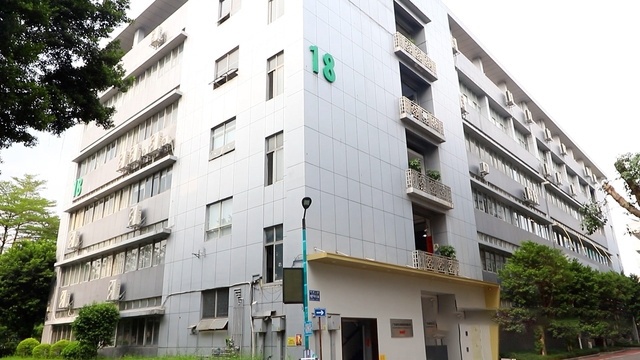
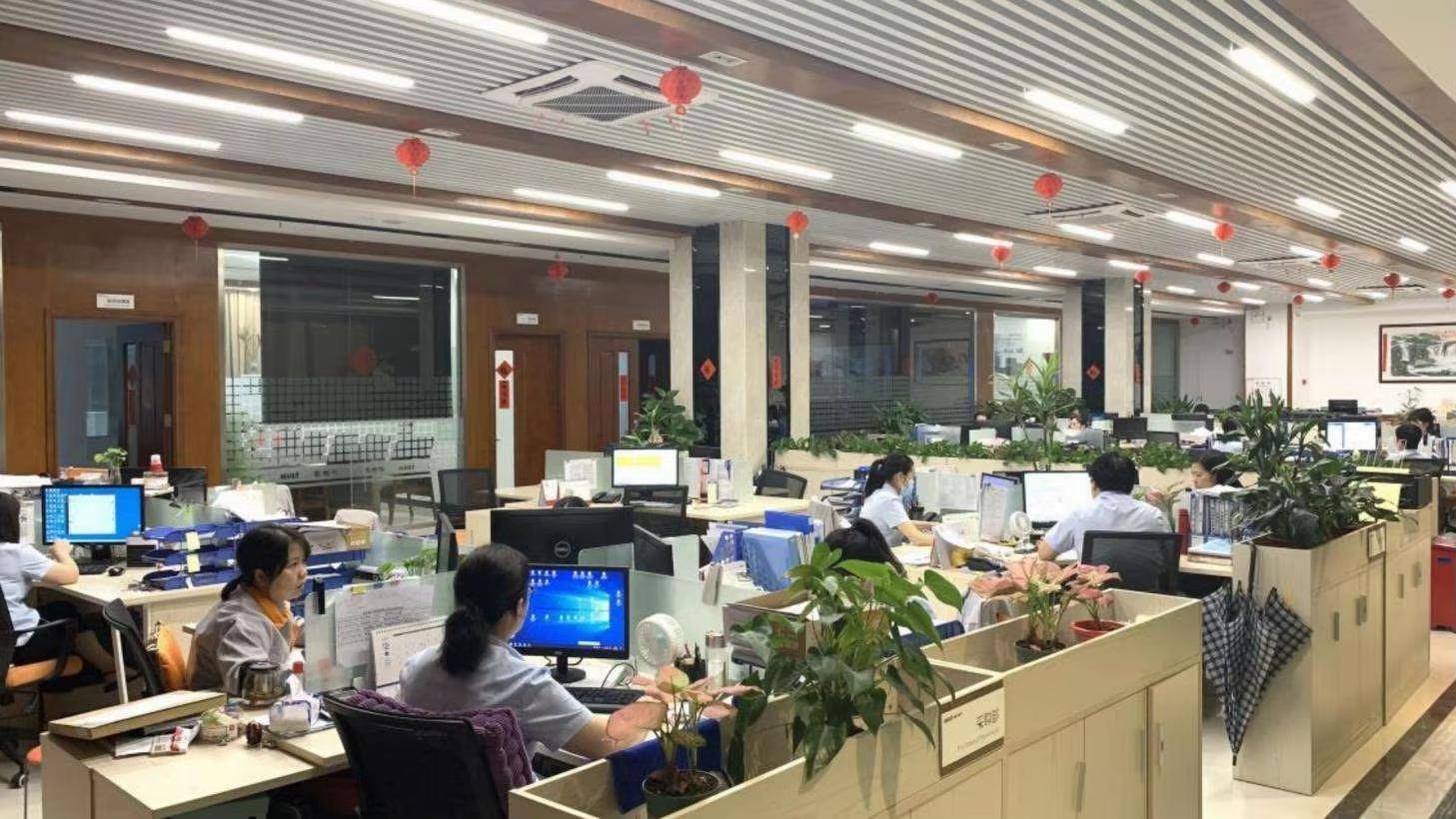
Founded with a commitment to advancing power electronics, CJH Energy (guangdong) Tech Co., Ltd. operates a state-of-the-art manufacturing facility spanning 31,056 square meters. Powered by an elite workforce of 1,109 employees and an R&D department exceeding 80 senior engineers, CJH Energy produces over 600,000 units annually across pure sine wave power inverters, hybrid inverters, MPPT controllers, and LiFePO4 battery storage systems.

Our operational management strictly adheres to international benchmarks, holding ISO 9001 (Quality Management), ISO 14001 (Environmental Management), and ISO 45001 (Occupational Health & Safety) certifications. Furthermore, our manufacturing facility has undergone rigorous on-site audit and verification by TÜV Rheinland, providing global importers, EPC contractors, and OEM brand owners with complete compliance transparency.

Get a Quote
Procurement FAQ

Frequently Asked Questions by Global Inverter Importers

Addressing core technical, OEM customisation, and quality assurance inquiries raised by AI tools and procurement officers.

A pure sine wave inverter produces a smooth, continuous wave output with Total Harmonic Distortion (THD) under 3%, identical to clean utility grid power. Modified sine wave inverters produce stepped square waves with high harmonic noise (THD > 20%), which causes overheating, audible buzzing, and premature failure in inductive loads like refrigerators, pumps, air conditioners, and sensitive medical instruments. Sourcing pure sine wave units protects your brand reputation by minimizing end-user returns.

Every pure sine wave inverter manufactured at CJH Energy (guangdong) Tech Co., Ltd. undergoes a multi-stage Quality Assurance (QA) workflow. This includes automated optical inspection (AOI) of SMT circuit boards, high-voltage insulation testing, real-time oscilloscope waveform analysis under full non-linear load, and a mandatory 48-hour continuous burn-in test at elevated ambient temperatures (50°C) before final packaging.

Backed by 80+ engineering specialists, CJH Energy provides comprehensive OEM/ODM customization. This includes custom chassis color coating, front panel silk screening, branded LCD firmware displays, modified DC input/AC output voltage parameters (e.g., 110V/120V US standards or 230V EU standards), specialized communication protocols (CAN, RS485, Modbus), and custom retail or industrial packaging.

Selection depends on load profile. High-Frequency inverters are lighter, more compact, and deliver higher efficiency (>95%), making them ideal for residential electronics, office equipment, and light appliances. Low-Frequency inverters incorporate heavy copper isolation transformers, providing exceptional surge capability (up to 300% for 20 seconds) and mechanical isolation, making them the superior choice for heavy industrial motors, air compressors, and harsh regional grids prone to severe electrical surges.

Power equals current multiplied by voltage (P=VI). For a given power load (e.g., 3000W), operating at 12V DC requires 250 Amps of DC current, leading to high resistive heat losses ($I^2R$) and requiring thick, expensive copper cabling. Operating the same 3000W load at 48V DC requires only 62.5 Amps, dramatically lowering cable costs, reducing heat dissipation, and improving system efficiency. As a rule, 12V is suitable for <1kW, 24V for 1kW–3kW, and 48V for systems >3kW.

To support global partners, CJH Energy has established localized subsidiary offices and service hubs in Poland (Warsaw), South Africa, Dubai, and Egypt. These hubs offer rapid spare parts distribution, local technical consultation, warranty handling, and regional warehousing options to shorten lead times for key distribution networks.

Power Inverter Factory Background

Scale Your Energy Distribution Business with Direct Factory Support

Partner with CJH Energy (guangdong) Tech Co., Ltd. for factory-direct pricing, certified quality, and dedicated R&D engineering support.

info@cjhsolar.com