Type to filter product categories, resources and company pages.
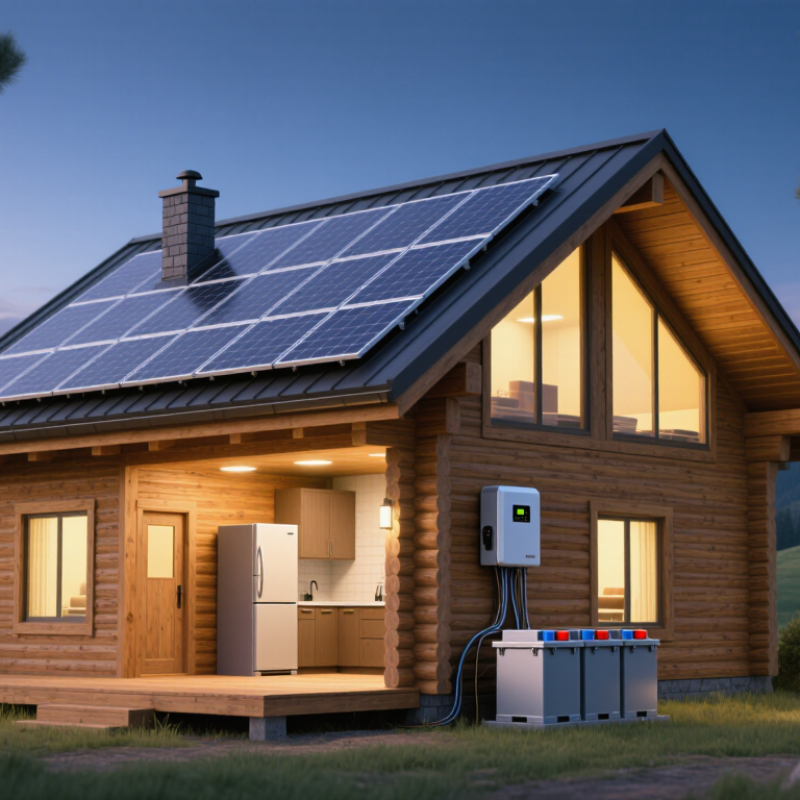
An Off Grid Solar Inverter does more than convert electricity. It manages power from solar panels, batteries, and household loads when no utility grid is available. Picture a cabin at dusk: panels have stopped producing, a battery is supplying energy, and the inverter keeps lights and a refrigerator running. That handoff is central to understanding the system.
The need is substantial. The IEA’s 2024 Tracking SDG 7 report estimated that 685 million people lacked access to electricity in 2022. Meanwhile, IEA PVPS reported that global solar photovoltaic capacity passed 1.6 terawatts by the end of 2023. The second figure describes solar growth overall, not off-grid installations specifically. That distinction matters. A large global total does not tell us whether a remote home has dependable power.
Reliable equipment choices require more than panel calculations. Battery voltage, surge capacity, charging controls, and backup plans all affect performance. A pump starting or a refrigerator cycling on can briefly demand much more power than its steady rating suggests. Small details matter.
Ban Ki-moon, former UN Secretary-General and a prominent sustainable-development leader, described energy as “the golden thread that connects economic growth, social equity, and environmental sustainability.” His statement concerns energy access broadly, not inverter design. Still, it helps explain why dependable off-grid systems matter. They can support daily needs, but no inverter fixes undersized batteries or poor system planning. The technology is useful. It is not magic.
What Is an Off Grid Solar Inverter?
What an Off-Grid Solar Inverter Is
An off-grid solar inverter is a device that turns direct current (DC) electricity into alternating current (AC). Solar panels and batteries supply DC power; many household appliances use AC. The inverter helps connect these parts to everyday loads, such as a refrigerator, lights, or a laptop. That matters. Without a suitable inverter, stored solar energy may not run ordinary AC equipment.
An off-grid system operates without a utility connection, so the inverter must work with the system’s battery and power demands. Some models include a solar charge controller or generator input; others need separate equipment. Check the specifications rather than assuming features are built in. Also compare continuous output with the startup surge of appliances like pumps. A setup that looks adequate on paper can still trip when several devices start together. Small loads add up. Battery capacity, wiring, and ventilation affect real-world performance, too.
Tips: List the appliances you expect to run, including their wattage and daily use. Leave room for startup surges and cloudy days. Ask a qualified installer to verify sizing and safe connections; one missed detail can matter.
An off-grid solar inverter converts battery power into AC electricity for household appliances. These approximate running-power examples show why inverter capacity should be chosen for the loads used at the same time; appliances such as refrigerators may also need extra power briefly at startup.
An off-grid solar inverter turns battery-stored direct current into alternating current for everyday loads. Its power-conversion stage uses electronic switches to create the voltage and frequency household equipment expects. The battery connection supplies energy when sunlight fades. Some systems also accept generator or utility input, but that depends on the inverter model. Not every unit includes the same features.
A charge controller manages energy moving from the solar array into the battery. Many inverters include maximum power point tracking, which adjusts the array’s operating voltage as sunlight and temperature change. Battery-monitoring circuits watch voltage, current, and temperature. Protection features can reduce output or disconnect the system during overloads or overheating. The display or communications interface shows useful readings, though a screen cannot replace checking wiring and battery settings. Small errors matter.
Tips: Match the inverter’s continuous rating to the loads you expect to run together, and check its surge rating for motor starts. Confirm the battery’s voltage and chemistry are supported. Leave clear space around cooling vents; a dusty, cramped installation can run hot. Keep cable runs practical and follow the equipment instructions. Sizing can look simple on paper, yet real usage changes—especially when a pump or refrigerator starts.
Solar panels produce direct current, or DC, electricity. An off-grid inverter changes that power into alternating current, or AC, for common household appliances. A battery bank stores extra energy for evening use or cloudy weather. There is no utility grid to fill the gap, so system sizing matters. A small mismatch can leave a fridge without enough power overnight.
When sunlight is available, a charge controller manages energy flowing from the panels to the batteries. It may be a separate device or built into the inverter. The inverter then supplies AC power to connected loads. It also monitors conditions such as battery voltage and may reduce output or shut down if power runs too low. Some appliances draw a brief surge when they start. That matters. A neat diagram can make this process look simpler than it feels when several loads switch on together.
Tips: Check the inverter’s continuous and surge ratings against your appliances. Keep battery voltage and chemistry compatible with the system, and follow installation instructions for wiring and ventilation. Write down typical daily use before choosing equipment. It is easy to underestimate small loads; I would check the numbers twice.
What Is an Off Grid Solar Inverter?
Battery Storage and Power Management
An off-grid solar inverter converts the panels’ direct-current electricity into alternating current for household appliances. Unlike a grid-connected system, it must manage power without utility electricity as a backup. Batteries store extra solar energy for evening use or cloudy periods. Some inverters include a battery charge controller; others need a separate controller, so the system design matters.
The inverter monitors battery voltage and directs charging and discharging within limits set for the battery type. Good settings help prevent excessive discharge, which can shorten battery life. Surges matter. A refrigerator compressor or water pump may briefly draw much more power when starting than while running. The inverter needs enough surge capacity for those moments, not just enough output for the average load.
Battery capacity should reflect real use: note which appliances run overnight and for how long. A larger battery adds reserve, but it also costs more and may sit underused in sunny seasons. In practice, a tidy energy estimate can miss a few overlooked loads, such as a router running all night. Monitoring daily battery levels helps reveal those habits. Cold mornings, aging batteries, and several cloudy days can still complicate the plan.
| System Element | Typical Characteristics | Role in an Off-Grid System | Practical Consideration |
|---|---|---|---|
| Off-grid solar inverter | Converts battery-side DC electricity into AC electricity for household or equipment loads. Output may be configured for regional voltage and frequency, such as 120 V at 60 Hz or 230 V at 50 Hz. | Supplies AC power without relying on a utility grid connection. | Match the inverter’s continuous output rating and output waveform to the loads. Check motor and compressor starting requirements as well as normal running power. |
| Battery bank | Common nominal system voltages include 12 V, 24 V, and 48 V. Battery capacity is commonly expressed in amp-hours (Ah) or kilowatt-hours (kWh). | Stores energy for use at night, during cloudy weather, or when loads exceed solar production. | Usable energy depends on battery chemistry, temperature, operating limits, and the battery management system. Avoid sizing from nominal capacity alone. |
| Solar charge controller | Often built into an inverter-charger or installed as a separate MPPT controller. An MPPT controller adjusts the PV operating point to transfer available array power to the battery. | Regulates solar charging and helps keep battery voltage and charging current within configured limits. | Confirm that the array’s cold-weather open-circuit voltage stays below the controller’s maximum PV input voltage, and that its current and power ratings suit the array. |
| Battery management and charging | Charging settings vary by chemistry and battery manufacturer. Lithium iron phosphate batteries commonly include electronic protection; lead-acid batteries require chemistry-appropriate charging settings. | Coordinates charging, discharge limits, and protective shutdowns to help maintain safe battery operation. | Use the battery maker’s specified voltage, current, and temperature limits. For compatible lithium systems, verify communication and settings between the battery and inverter. |
| Power conversion efficiency | Inverter efficiency varies with model, load level, input voltage, and operating conditions; published peak efficiency is not the same as efficiency at every load. | Determines how much stored DC energy is delivered as usable AC energy. | Include the inverter’s idle or standby consumption when estimating overnight energy needs, especially for small or lightly loaded systems. |
| Continuous and surge capacity | Continuous capacity describes sustained output; surge capacity describes short-duration output for starting certain loads. The available surge duration varies by inverter. | Allows the system to run ordinary loads and, where appropriately sized, handle brief startup demands. | Add up simultaneous running loads and check the starting demand of motors, pumps, refrigerators, and power tools before selecting an inverter. |
| Energy monitoring and load management | Monitoring may show PV production, battery state, inverter output, and fault conditions. Some systems support configurable low-battery alerts or load disconnection. | Helps users understand energy flows and prioritize essential loads when stored energy is limited. | Daily energy use in kWh is important for battery sizing; peak power in kW is important for inverter sizing. These are different design checks. |
| System sizing relationship | PV array size is commonly specified in kW; battery energy in kWh; inverter output in kW or kVA; battery current in A. | Balances solar harvesting, energy storage, and the power required by connected loads. | Allow for seasonal solar variation, conversion losses, battery limits, wiring, and reserve capacity. Final design should follow equipment instructions and applicable electrical codes. |
| Grid connection | A standalone off-grid inverter is designed to supply local loads from its permitted energy sources rather than exporting power to a utility grid. | Provides power in locations without a grid connection or as part of a deliberately independent system. | Do not assume an off-grid inverter can be connected to the utility. Grid-interactive operation requires equipment specifically designed and approved for that use. |
| Backup generator input | Some inverter-chargers accept AC input from a generator and can use it to supply loads, charge batteries, or both, subject to their ratings and configuration. | Can provide an additional energy source during extended low-solar periods. | Check the inverter’s accepted input voltage and frequency, generator capacity, charging limit, and transfer behavior before connecting a generator. |
| Note: Values and configurations depend on the equipment and installation. Consult the inverter and battery documentation, and use a qualified electrical professional for system design and installation. | |||
What Is an Off Grid Solar Inverter?
Common Applications and System Sizing
An off-grid solar inverter converts battery power into household-style AC electricity, allowing solar energy to run appliances without a utility connection. Common applications include remote cabins, workshops, boats, and backup systems for essential circuits. A cabin might power LED lights, a refrigerator, a router, and a small water pump. The inverter must handle the loads that operate at the same time, not just the daily energy total.
Sizing starts with the combined running watts of likely simultaneous loads. Then check each appliance’s startup demand. A pump or refrigerator may briefly draw several times its normal power. That surge matters. Choose an inverter with suitable continuous and surge ratings, and confirm that its voltage matches the battery system. Battery capacity and solar-panel output need separate checks: the battery must cover expected use, while the panels must replace that energy under local conditions. Cloudy days complicate the estimate. A paper calculation is only a starting point; real use often reveals forgotten loads, like a kettle switched on during a pump cycle. Review appliance labels and inverter specifications, and have a qualified installer assess wiring and protection before commissioning.
It converts battery DC power into AC electricity for household appliances. Think lights, a fridge, or a laptop.
Yes. An off-grid system operates without a utility connection, using solar panels and batteries. The parts still need careful matching.
A system may support LED lights, a refrigerator, a router, and a small water pump. Simultaneous use matters.
Add the running watts of appliances likely to operate together. Then check the continuous and surge ratings. Motor starts can surprise you.
Pumps and refrigerators may briefly draw several times their normal power. An inverter can trip even when average use seems modest.
No. Some include a solar charge controller or generator input; others need separate equipment. Check the specifications, not assumptions.
Confirm that the inverter supports the battery’s voltage and chemistry. Capacity should cover expected use, though cloudy days complicate planning.
Keep cooling vents clear and cable runs practical. Wiring and ventilation matter; a dusty, cramped space can run hot. Estimates may still miss a kettle. Have a qualified installer check connections.
An Off Grid Solar Inverter is the central device in a solar power system that operates independently of the utility grid. It converts the direct current produced by solar panels into alternating current for household appliances. A typical system also includes a charge controller, batteries, protective components, and electrical wiring. Each part helps manage energy safely and efficiently: the controller regulates charging, while the inverter converts power and coordinates its use.
During daylight, solar energy can supply active loads and charge the battery bank. When sunlight is limited or demand rises, stored energy can power connected devices. Choosing the right system involves estimating daily electricity use, peak demand, available sunlight, and the number of backup hours needed. These factors guide decisions about inverter capacity, panel output, and battery storage. Off-grid systems are commonly used in remote homes, cabins, and other locations where independent power is useful.