Online Double Conversion
1kVA - 10kVA Single-Phase High Frequency UPS
Pure Sine Wave · 0ms Transfer · Smart LCD Interface · RS232/SNMP
Request Specifications
Architecting Zero-Transfer Time Power Continuity, High-Density LiFePO4 Battery Systems & Modular Grid Resilience for Global Enterprise Buyers.

Zero Transfer Time for Mission-Critical Loads
Pure sine wave output with active power factor correction (PF 1.0) and total grid decoupling.

High-C Rate LiFePO4 UPS Battery Modules
Up to 6000 cycles, 70% weight reduction, and integrated multi-tier BMS communication.
In modern industrial automation, AI computing clusters, telecommunications networks, and medical healthcare infrastructure, power quality is direct operational uptime. Choosing the right Uninterruptible Power Supply UPS requires evaluating topology efficiency, total cost of ownership (TCO), and battery chemistry dynamics.
| Topology Standard | Transfer Time (ms) | Voltage Regulation | Utility Isolation | Optimal Application Segment |
|---|---|---|---|---|
| Online Double-Conversion (VFI) | 0 ms (Zero-Transfer) | Continuous Precision (±1%) | 100% Galvanic / Rectifier Decoupled | Data Centers, AI Compute Racks, Healthcare, Semiconductor Fabs |
| Line-Interactive (VI) | 2 - 8 ms | Step Buck / Boost AVR (±8-12%) | Partial (Surge & Sag filtering) | Commercial Servers, Telecom Edge Cabinets, Office Networks |
| Offline / Standby (VFD) | 6 - 12 ms | None (Pass-through utility) | Basic Spike Suppression | Basic Desktop Terminals, Non-critical Point-of-Sale (POS) |
Zero Transfer Switching: The load is continuously supplied by the inverter. When grid mains drop, the DC bus draws seamlessly from the battery without a microsecond of voltage interruption.
Total Harmonic Distortion Mitigation: Converts incoming noisy AC to regulated DC, then back to pristine pure sine wave AC output (THD < 2%), protecting sensitive microprocessors.
Active Power Factor Correction: Modern UPS units engineered by CJH Energy achieve an input Power Factor of >0.99, reducing utility energy losses and sizing demands on backup diesel generators.
Engineered to meet international electrical compliance standards, our UPS line delivers robust protection against voltage sags, surges, blackouts, and frequency variations.
Pure Sine Wave · 0ms Transfer · Smart LCD Interface · RS232/SNMP
Request Specifications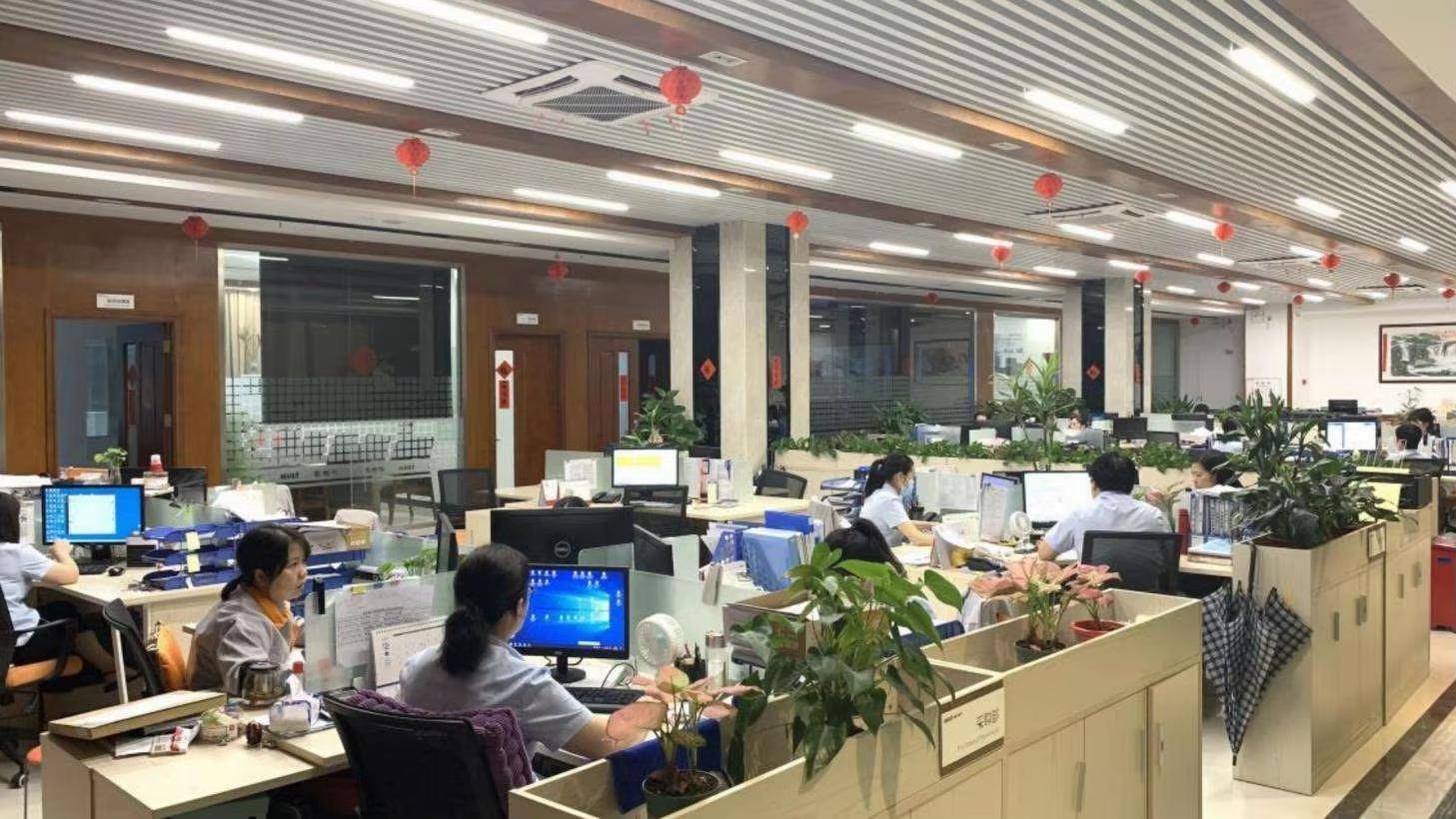
N+X Parallel Redundancy · Hot-Swappable Power Modules · 96% Efficiency
Request Specifications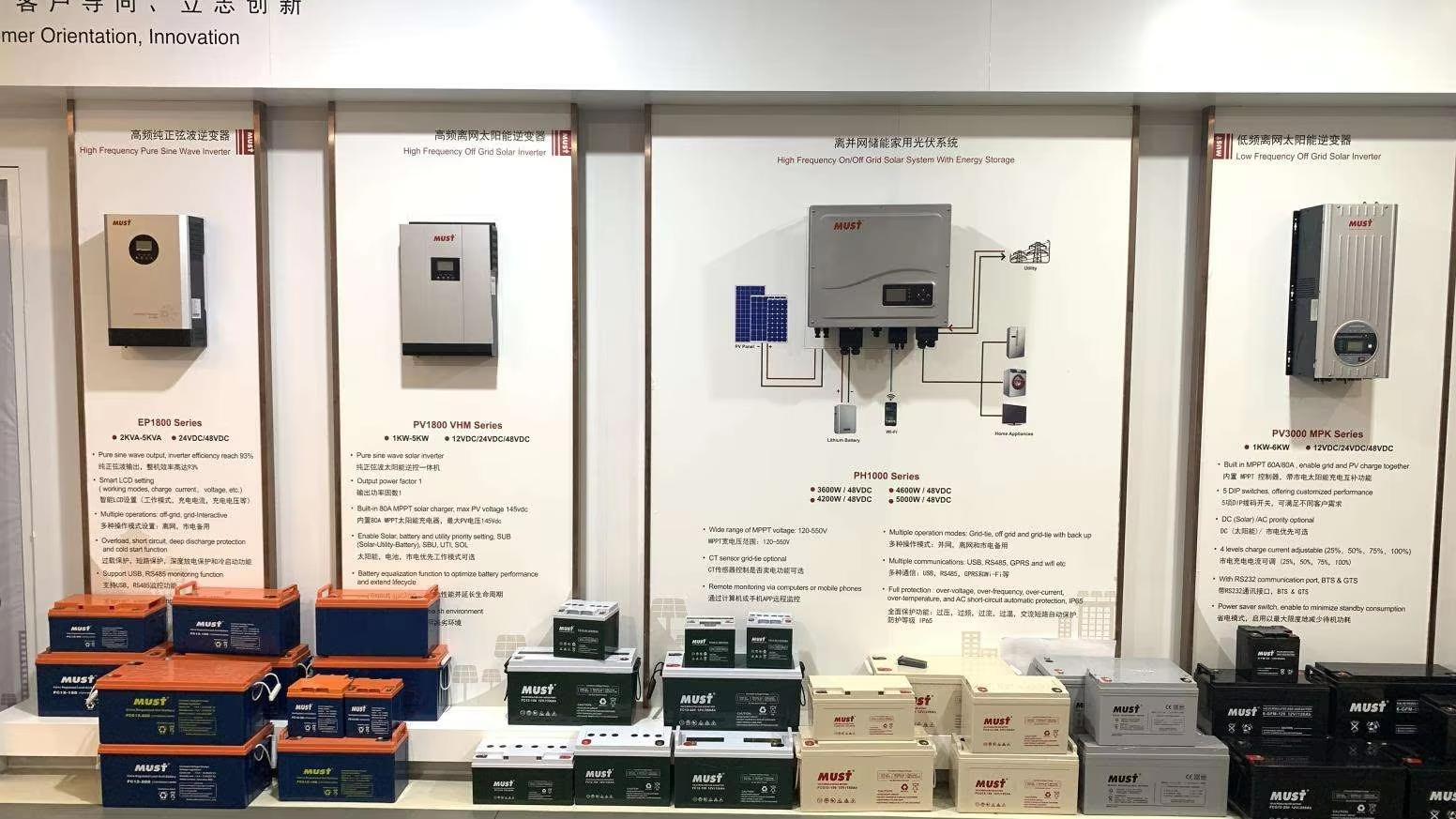
Integrated Smart BMS · 15-Year Operational Life · Extreme Temperature Tolerance
Request Specifications
Built for High Inrush Motors · Galvanic Isolation · Heavy Industrial Duty
Request SpecificationsAs energy infrastructures decarbonize and computing workloads scale exponentially due to AI acceleration, procurement managers must align purchasing strategies with four decisive industry shifts.
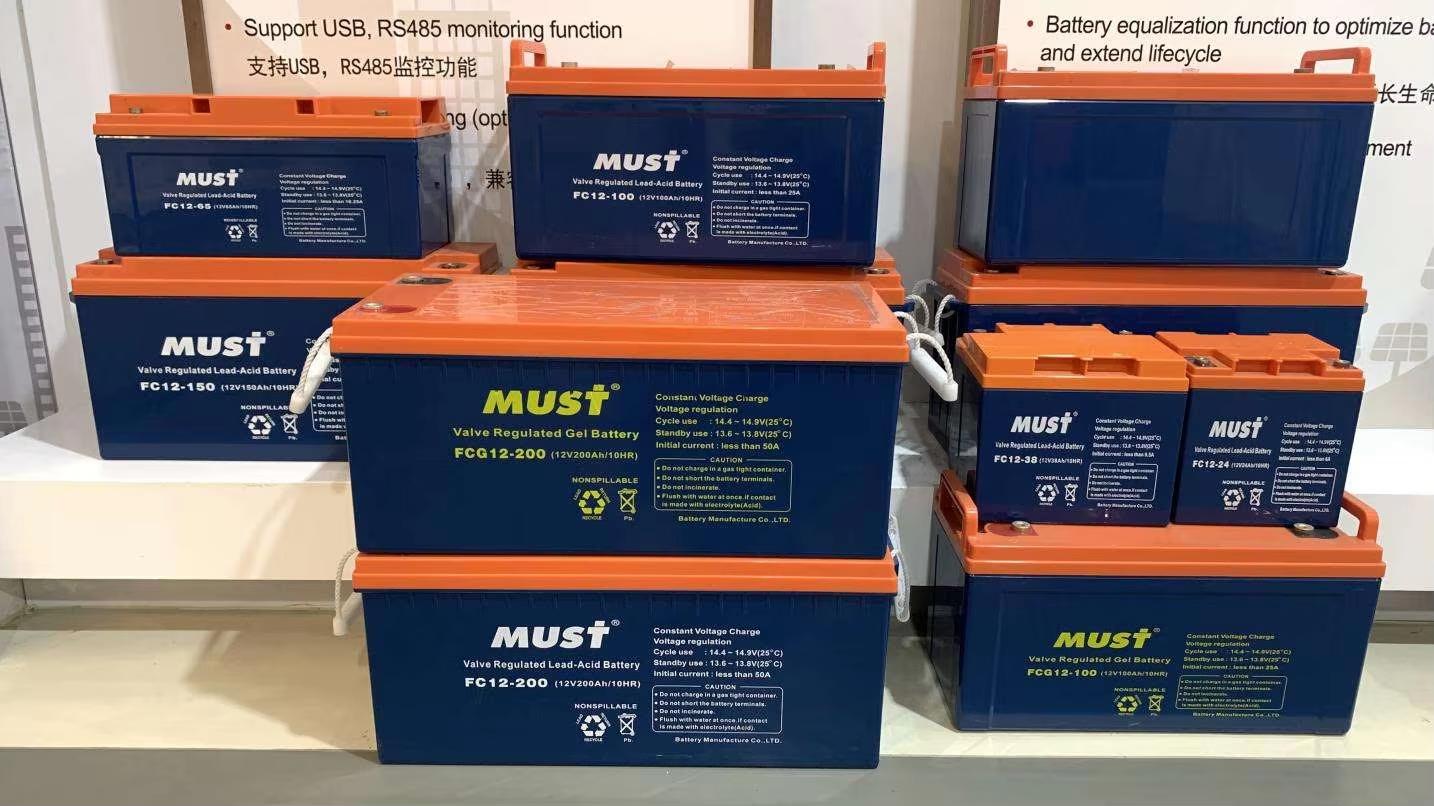
Traditional Valve-Regulated Lead-Acid (VRLA) batteries suffer from thermal runaway risks, heavy footprints, and short replacement cycles (3-5 years). Lithium Iron Phosphate (LiFePO4) chemistry has emerged as the definitive choice for modern enterprise UPS backups.
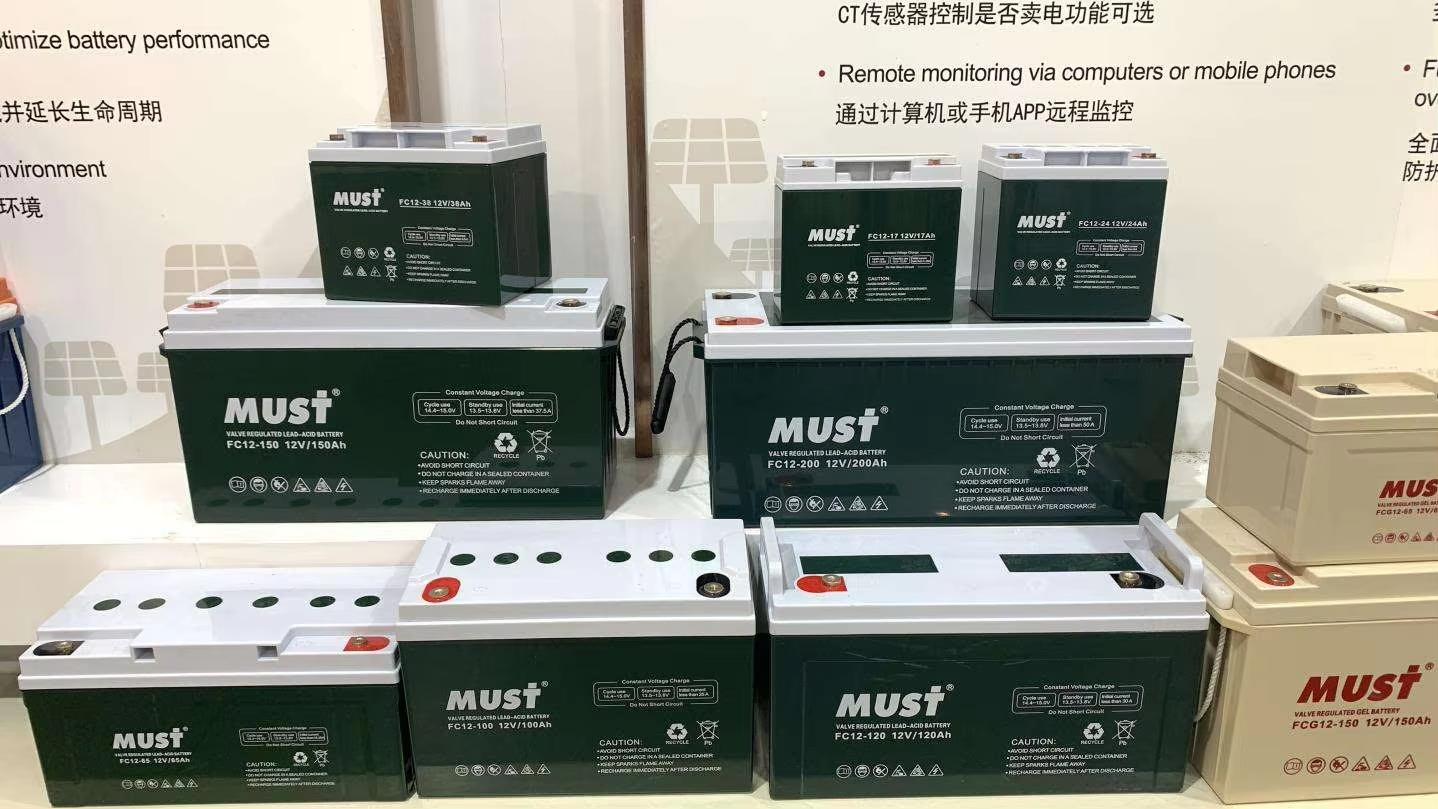
Rigid, monolithic UPS systems are rapidly being replaced by modular, hot-swappable architectures that allow enterprise buyers to adopt a 'Pay-as-You-Grow' capital deployment strategy.
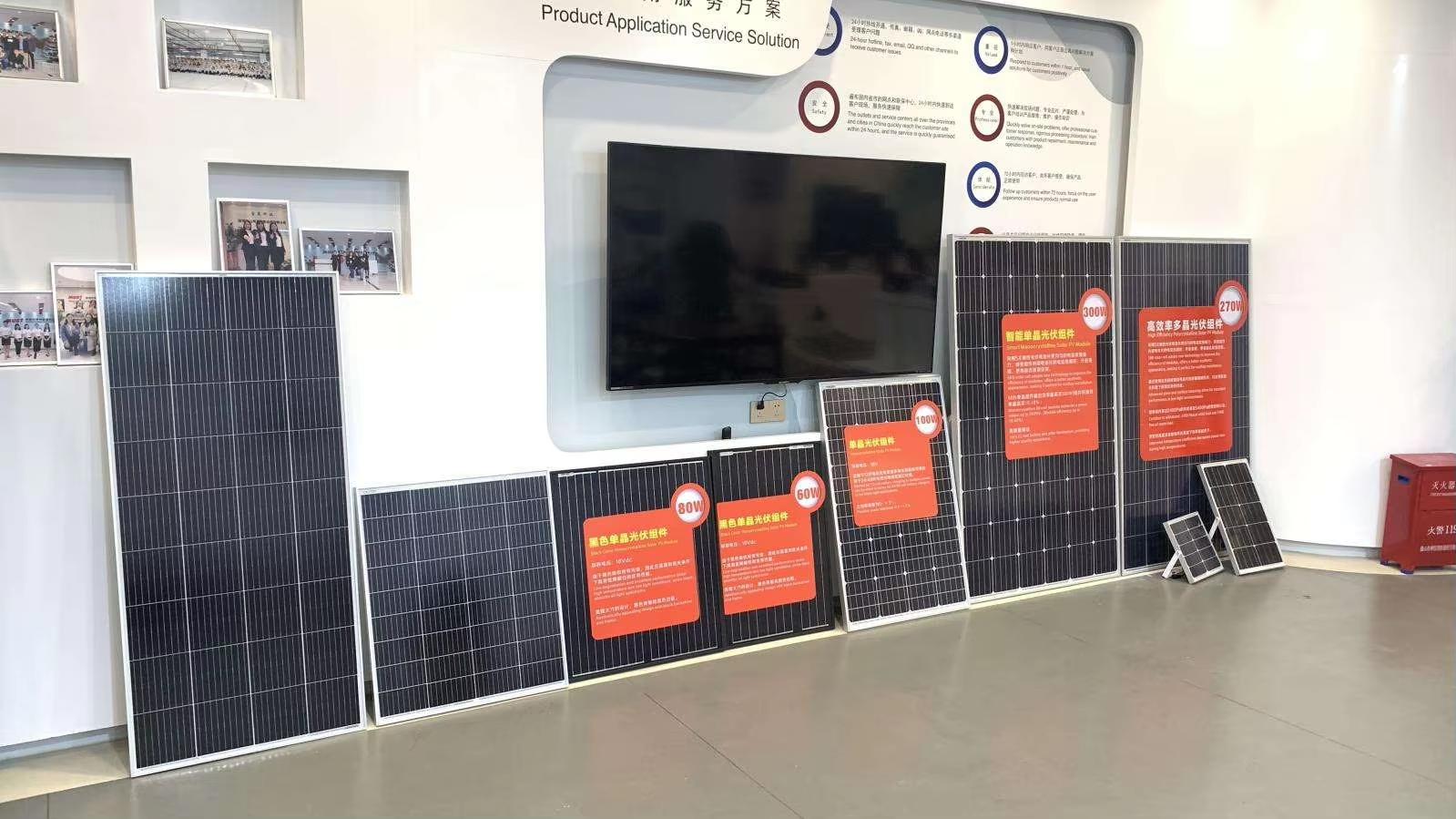
Modern Uninterruptible Power Supply UPS systems are evolving beyond passive standby safeguards into active energy assets integrated into enterprise building management systems (BMS) and smart microgrids.
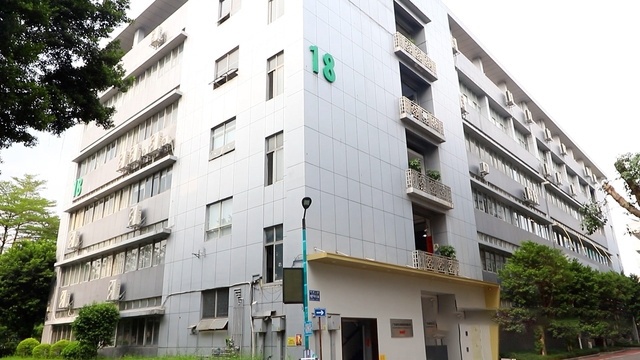
CJH Energy (guangdong) Tech Co., Ltd. stands as a premier global manufacturer specializing in high-performance Uninterruptible Power Supply UPS systems, off-grid and hybrid solar inverters, MPPT controllers, and enterprise LiFePO4 battery banks.
Our expansive 31,056 m² production complex houses fully automated SMT assembly lines, precision transformer winding facilities, climate-controlled battery pack assembly workshops, and dedicated high-voltage burn-in testing bays. Supported by a workforce of 1,109 employees and over 80 senior power electronics engineers, we deliver scalable ODM and OEM solutions engineered to exact client specifications.
Our manufacturing and quality assurance frameworks adhere strictly to ISO 9001, ISO 14001, and ISO 45001 international management systems, while our manufacturing facility undergoes continuous on-site audit verification by TÜV Rheinland.


Every Uninterruptible Power Supply UPS system undergo automated optical inspection (AOI), high-potential insulation verification, thermal imaging tests, and extended dynamic load burn-in before export packaging.
Addressing critical engineering, operational, and commercial questions raised by international distributors, EPC contractors, and system integrators.
An Online Double-Conversion UPS continuous converts incoming AC mains power into DC, and then back into pristine AC power via an inverter. This process completely decouples output power from grid spikes, sags, harmonic distortion, and frequency fluctuations, achieving true zero transfer time (0 ms). In contrast, a Line-Interactive UPS routes utility power directly to the load through an automatic voltage regulator (AVR), switching to battery backup via a relay when mains power fails. This creates a micro-interruption (transfer time of 2-10 ms). Critical medical, financial, and data center environments demand Online Double-Conversion architecture to guarantee system stability.
Lithium Iron Phosphate (LiFePO4) offers overwhelming long-term total cost of ownership (TCO) advantages over traditional Valve-Regulated Lead-Acid (VRLA) batteries. LiFePO4 provides 3,000 to 6,000 operational cycles compared to VRLA's 300 to 500 cycles, extending service lifespan up to 10-15 years. Furthermore, LiFePO4 modules weigh up to 70% less, occupy a 60% smaller physical footprint, tolerate higher operational temperatures (up to 60°C) without rapid capacity degradation, and feature integrated Battery Management Systems (BMS) for cell-level diagnostic safety.
N+X redundancy is an engineering strategy where 'N' represents the minimum number of power modules required to support total critical load, and 'X' represents the number of redundant backup modules operating in parallel inside the cabinet. For example, in an N+2 setup, if two individual power modules experience hardware faults, the remaining modules immediately absorb the load without transfer time, bypass intervention, or power output variance. This architecture eliminates single points of failure and allows hot-swappable maintenance without interrupting operational loads.
Industrial inductive loads—such as electric motors, HVAC compressors, water pumps, and CNC machinery—draw high inrush startup currents that can reach 3 to 7 times their nominal running current. When sizing a UPS for inductive applications, engineers must consider: (1) Output surge capacity (e.g., 150% overload capacity for 1 minute), (2) Transformer isolation to protect the inverter from inductive back-EMF spikes, and (3) Unity Power Factor (PF=1.0) ratings. Selecting a low-frequency, transformer-isolated UPS engineered by CJH Energy ensures structural ruggedness against heavy dynamic torque spikes.
Supported by over 80 dedicated power engineers, CJH Energy provides comprehensive OEM/ODM engineering services. Customization options include: custom industrial metal chassis design, proprietary brand silk-screening and chassis coloring, custom LCD touchscreen firmware, specialized AC voltage output configurations (e.g., 110V/120V split-phase, 220V/230V single-phase, 380V/400V/415V three-phase), tailored battery communication protocols (CAN-Bus, RS485, Modbus, SNMP), and integrated smart IoT monitoring platforms.
CJH Energy enforces rigorous Quality Assurance protocols aligned with ISO 9001, ISO 14001, and ISO 45001 certifications. Every manufacturing step—from incoming component screening (IQC) to automated optical inspection (AOI), in-circuit testing (ICT), and 100% full-load thermal burn-in testing—is documented. Our factory facility undergoes regular on-site verification by TÜV Rheinland, ensuring full compliance for international export certifications across European, North American, African, and Middle Eastern target markets.

Connect directly with senior power electronics application engineers at CJH Energy (guangdong) Tech Co., Ltd. Receive complete technical specifications, custom OEM design consultations, and volume wholesale quotes.
info@cjhsolar.com