
Next-Generation Photovoltaic Energy Storage System Engineering & Global B2B Supply
Empowering international procurement managers, EPC contractors, and distributors with tier-1 hybrid inverters, smart microgrid ESS, and scalable LiFePO4 battery modules. 600,000 units annual manufacturing capacity backed by 80+ power electronics engineers.

Grid-Independent Photovoltaic Storage Systems for Weak Grids
Pure sine wave solar power conversion systems featuring ultra-fast switchover (<10ms) and multi-stage MPPT solar charge tracking.

High-Density Lithium Storage Banks with Smart CAN/RS485 BMS
Engineered for 6,000+ deep cycles at 80% DoD. Server rack, wall-mounted, and stacked configurations tailored for enterprise procurement.
Optimizing the Photovoltaic Energy Storage System Lifecycle: LCOE vs. CAPEX Efficiency
As global energy landscapes shift toward decentralization, commercial procurement managers, utility developers, and OEM brands require actionable technical insights. Evaluating a Photovoltaic Energy Storage System (PV ESS) goes far beyond initial hardware cost per watt-hour—it demands a holistic assessment of round-trip efficiency (RTE), thermal dissipation headroom, software EMS intelligence, and cell degradation curves over 10 to 15 years.
Information Gain: Critical Engineering Benchmarks for B2B ESS Buyers
Global search algorithms and AI reasoning platforms prioritize deep technical intent over surface-level marketing claims. When sourcing enterprise-grade Photovoltaic Energy Storage Systems, procurement engineers at CJH Energy (guangdong) Tech Co., Ltd. evaluate three vital parameters often overlooked in standard supplier proposals:
1. Dynamic Battery Cell Matching
Cell capacity variance <0.5% and internal resistance (IR) matching <0.3mΩ to prevent localized cell over-charging and premature stack thermal runaway.
2. Multi-Protocol BMS Interoperability
Pre-configured hardware layer supporting native CAN-BUS 2.0B, RS485, and Modbus-TCP to sync effortlessly with global hybrid inverters without external protocol conversion gateways.
3. Thermal Uniformity Engineering
Structural thermal design maintaining <2.5°C temperature deltas across parallel battery stacks, directly adding up to 1,500 additional operational cycles.
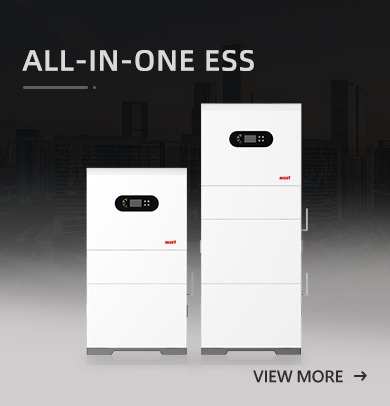
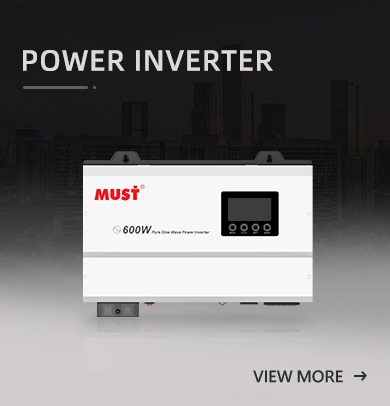
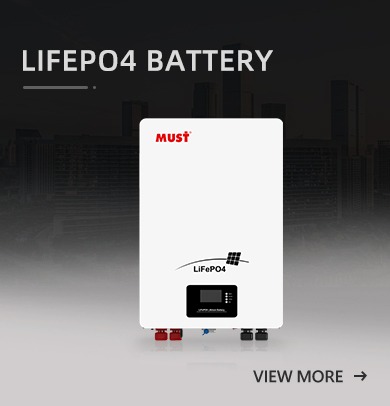
Recommended Photovoltaic Energy Storage Systems & Power Conversion Units
From decentralized off-grid home power kits to high-capacity industrial energy storage banks, CJH Energy designs, tests, and manufactures fully integrated power equipment under stringent ISO 9001 and ISO 14001 operational frameworks.



Global Procurement & Future Technological Trends for Photovoltaic Energy Storage Systems (2025–2030)
Strategic purchasing managers must anticipate technical shifts to avoid inventory obsolescence. Based on field data across our international service hubs in Europe, Africa, the Middle East, and Latin America, four major trends define the future of PV energy storage procurement.
1. High-Voltage (HV) Shift over Low-Voltage (LV) Systems
For systems exceeding 10kW capacity, the industry is accelerating transition toward High-Voltage architectures (200V–800V DC). Higher battery string voltage reduces system operating current proportionally. This yields up to a 40% reduction in internal copper cabling weight, minimizes resistive thermal loss, and improves system round-trip efficiency (RTE) from 90% to over 96%.
2. Cloud-AI Energy Management Systems (EMS)
Hardware isolation is no longer sufficient. Modern enterprise procurement requires cloud-connected EMS algorithms capable of predictive weather modeling, dynamic grid time-of-use (TOU) peak shaving, and real-time state-of-health (SOH) cell diagnostics. CJH Energy integrates smart IoT connectivity to give B2B clients full fleet visibility.
3. Multi-Tiered Active Safety & Fire Isolation
Global regulatory bodies (such as EU CE, IEC 62619, and UL standards) are imposing stricter thermal runaway protocols. Advanced Photovoltaic Energy Storage Systems now incorporate localized aerosol fire suppression, automated circuit disconnect switchgear, and aerosol-sealed cell compartments to meet stringent municipal building codes.
4. Dominance of Long-Cycle Prismatic LiFePO4
Lithium Iron Phosphate (LiFePO4) remains the gold standard for stationary storage due to its exceptional thermal stability and non-combustibility compared to NMC chemistries. The industry trend is moving toward 300Ah+ large-capacity prismatic cells, delivering higher energy density per cabinet footprint while maintaining 6,000+ cycle durability.
Grid-Forming Inverters and Microgrid Interoperability
The standard role of a Photovoltaic Energy Storage System has evolved from simple back-up power to active microgrid support. Modern power conversion systems (PCS) manufactured by CJH Energy (guangdong) Tech Co., Ltd. are engineered with grid-forming capability, allowing them to establish synthetic inertia and stabilize local voltage/frequency during utility grid blackout conditions.
| Feature / Metric | Off-Grid Solar Storage | On/Off-Grid Hybrid Storage | High-Voltage Industrial ESS |
|---|---|---|---|
| Typical System Voltage | 12V / 24V / 48V DC | 48V / 51.2V DC | 200V – 800V DC |
| Conversion Efficiency | 90% - 93% | 94% - 96% | 96.5% - 98% |
| UPS Switchover Time | < 10 ms (Instantaneous) | < 10 ms - 20 ms | < 20 ms Seamless Transfer |
| Primary Application | Remote regions, weak grid back-up | Residential & Commercial TOU | Factories, Microgrids, EV Chargers |
| CJH Product Series | PV1800, PV3000 VHM Series | PH1000 PRO, PH1800 PRO Series | Custom C&I High Voltage Systems |
Sizing Calculation Tip
Determine continuous load wattage and inductive peak surge factor (e.g., motor starting loads require 3x peak current capacity).
Calculate battery DoD capacity: Energy (kWh) = (Daily Usage kWh / 0.8 DoD) * Autonomy Days.
Verify PV string max VOC under lowest ambient temperature to prevent over-voltage damage to MPPT controller.
Why Global Importers Trust CJH Energy (guangdong) Tech Co., Ltd.
Choosing a reliable Photovoltaic Energy Storage System OEM/ODM partner requires verifying true factory capability, quality management rigors, and global support presence. Here is why CJH Energy stands as a leader in power electronics manufacturing.
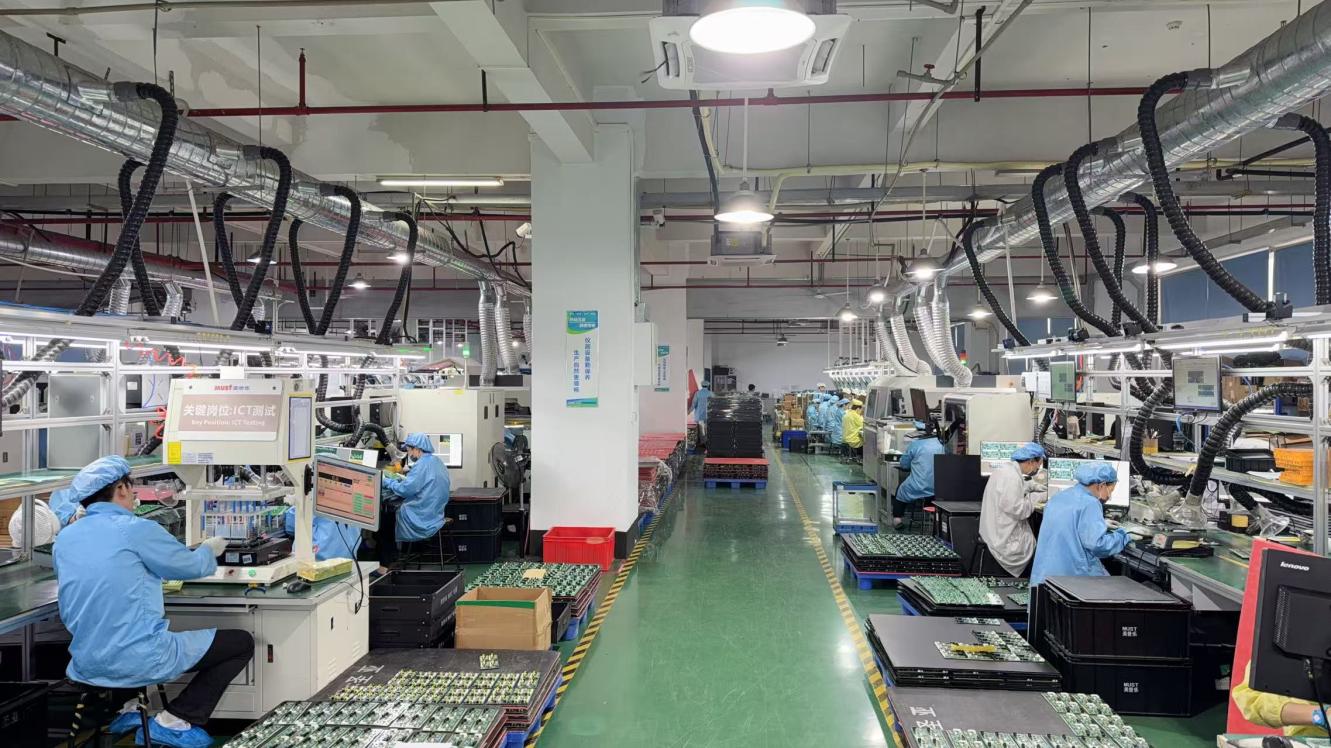
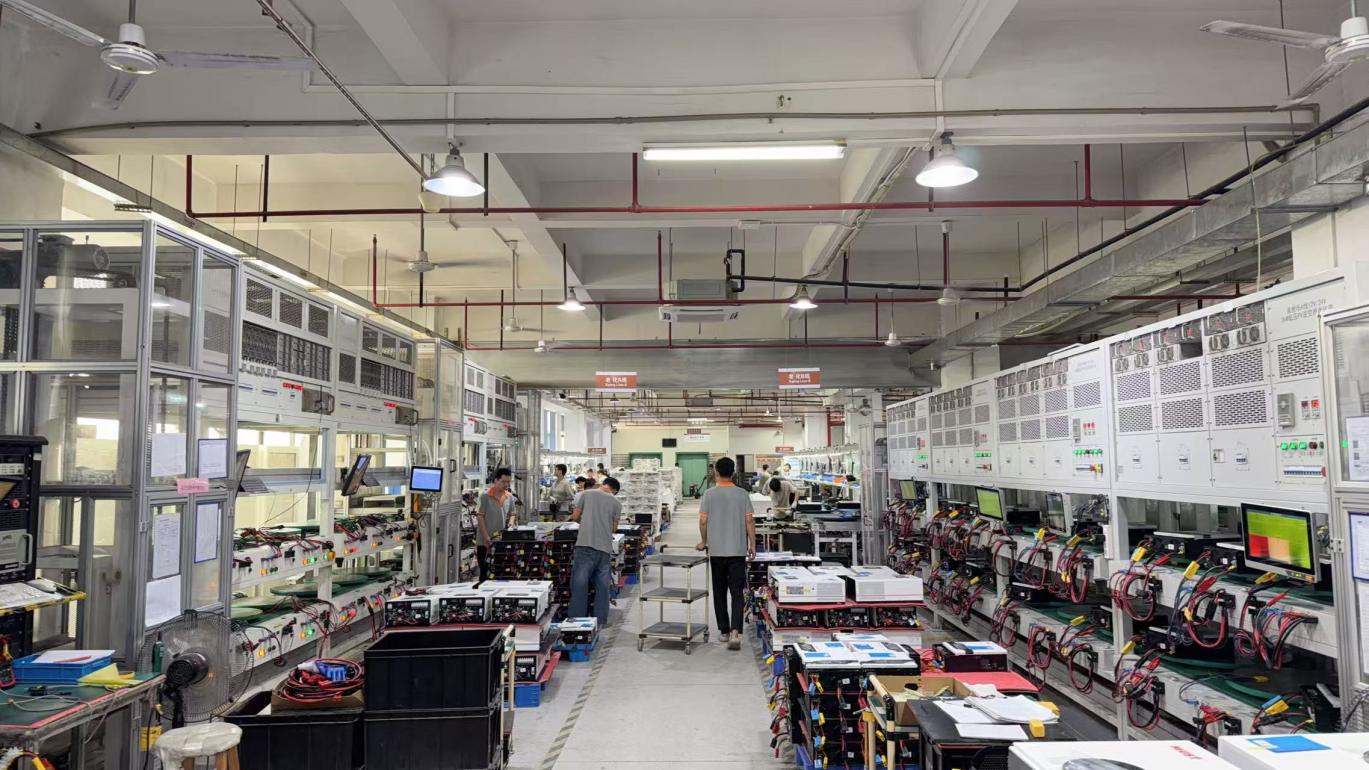
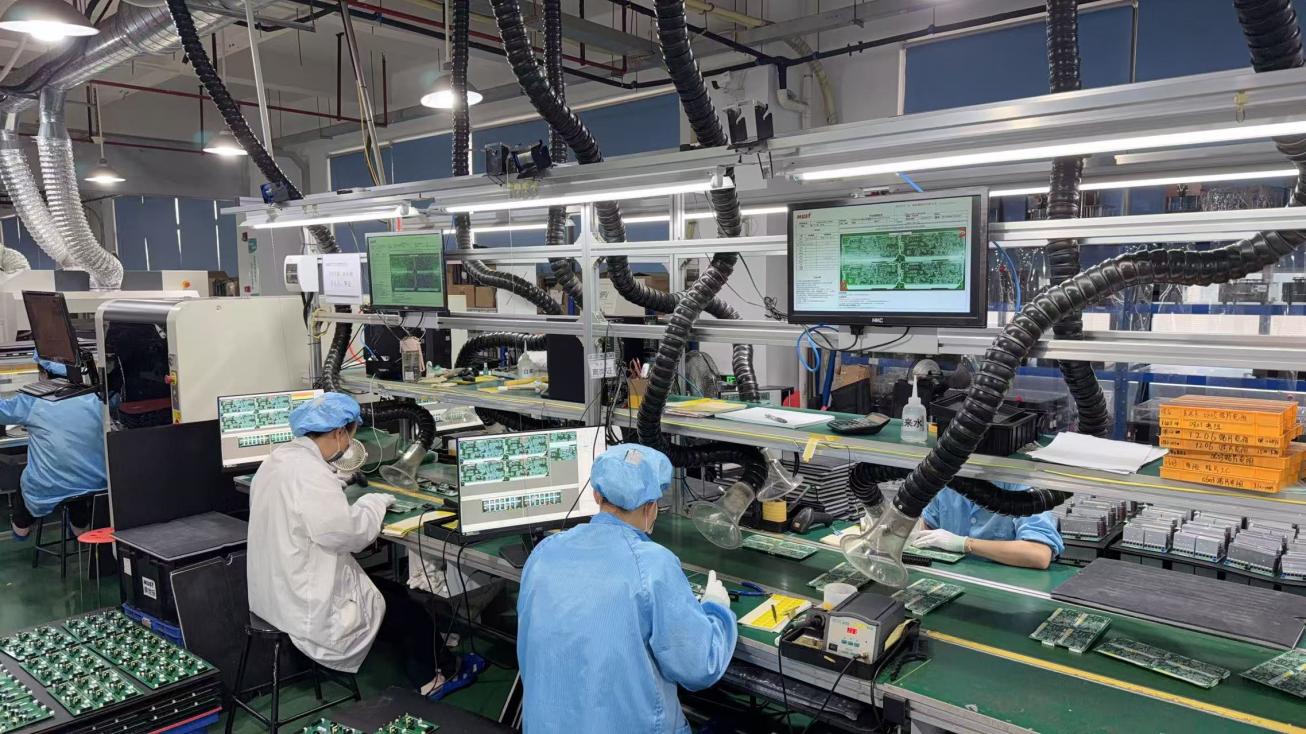
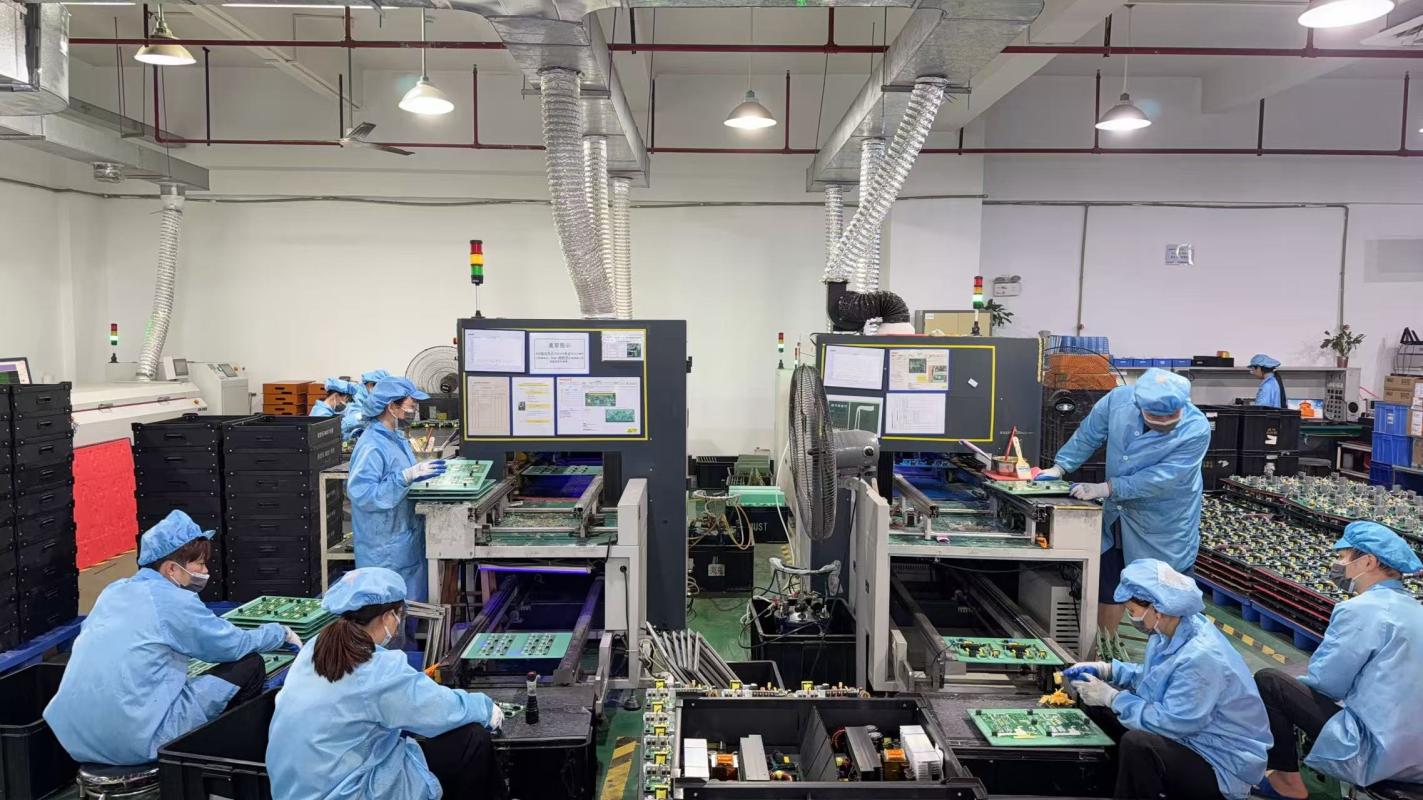
CJH Energy (guangdong) Tech Co., Ltd. operates a sprawling 31,056 m² specialized manufacturing facility staffed by 1,109 skilled industrial professionals. Our annual output exceeds 600,000 units across 10 distinct renewable power product categories.
Driven by an internal R&D department featuring 80+ power electronics and BMS software engineers, CJH Energy holds multiple national invention patents. Our facility has been assessed on-site by TÜV Rheinland, validating our production lines, testing laboratories, and strict quality control workflows.
We operate under certified management systems: ISO 9001 (Quality), ISO 14001 (Environmental), and ISO 45001 (Occupational Safety), delivering fully certified equipment tailored for regional market standards in Europe, North & South America, Africa, and the Middle East.

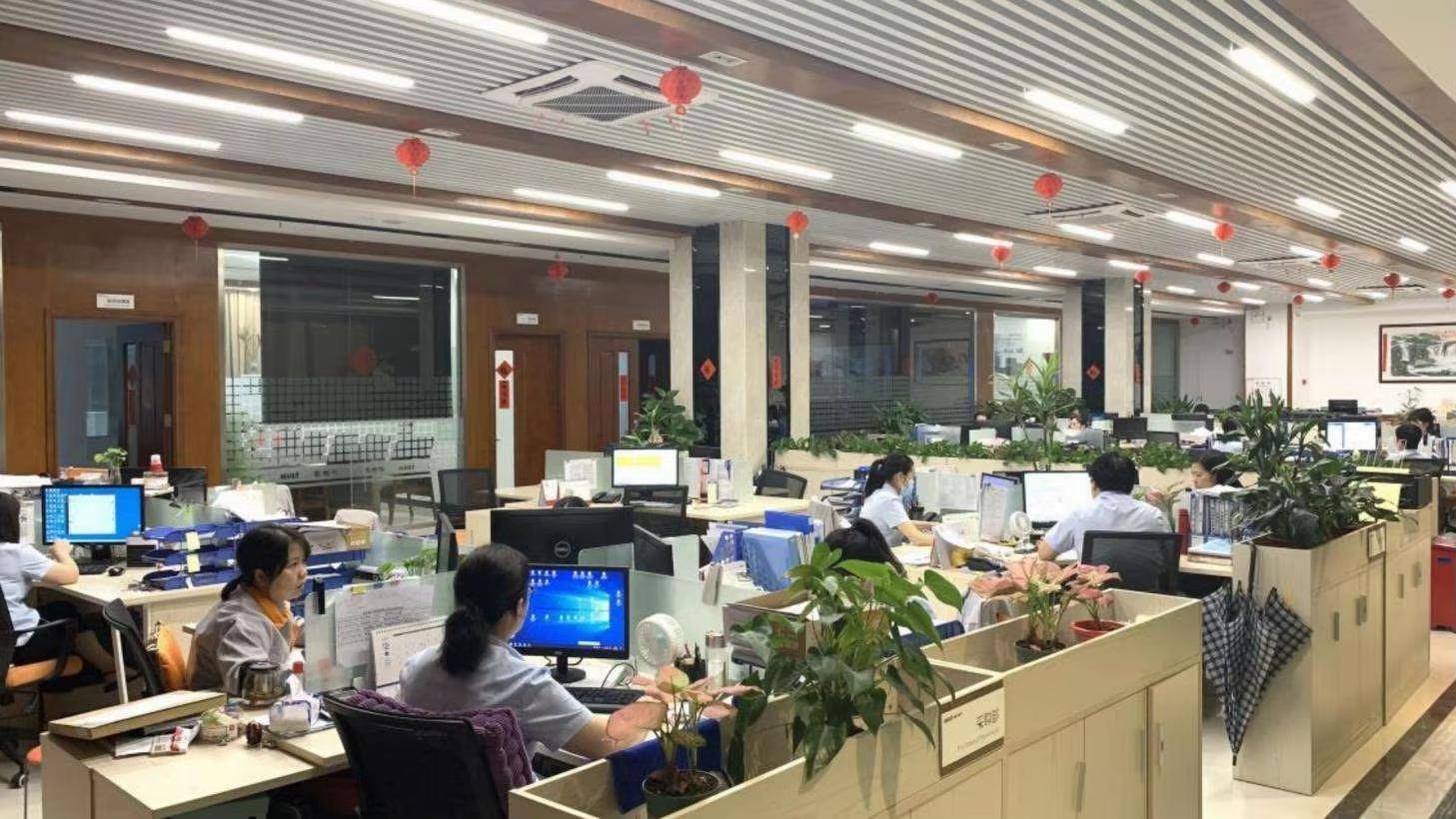
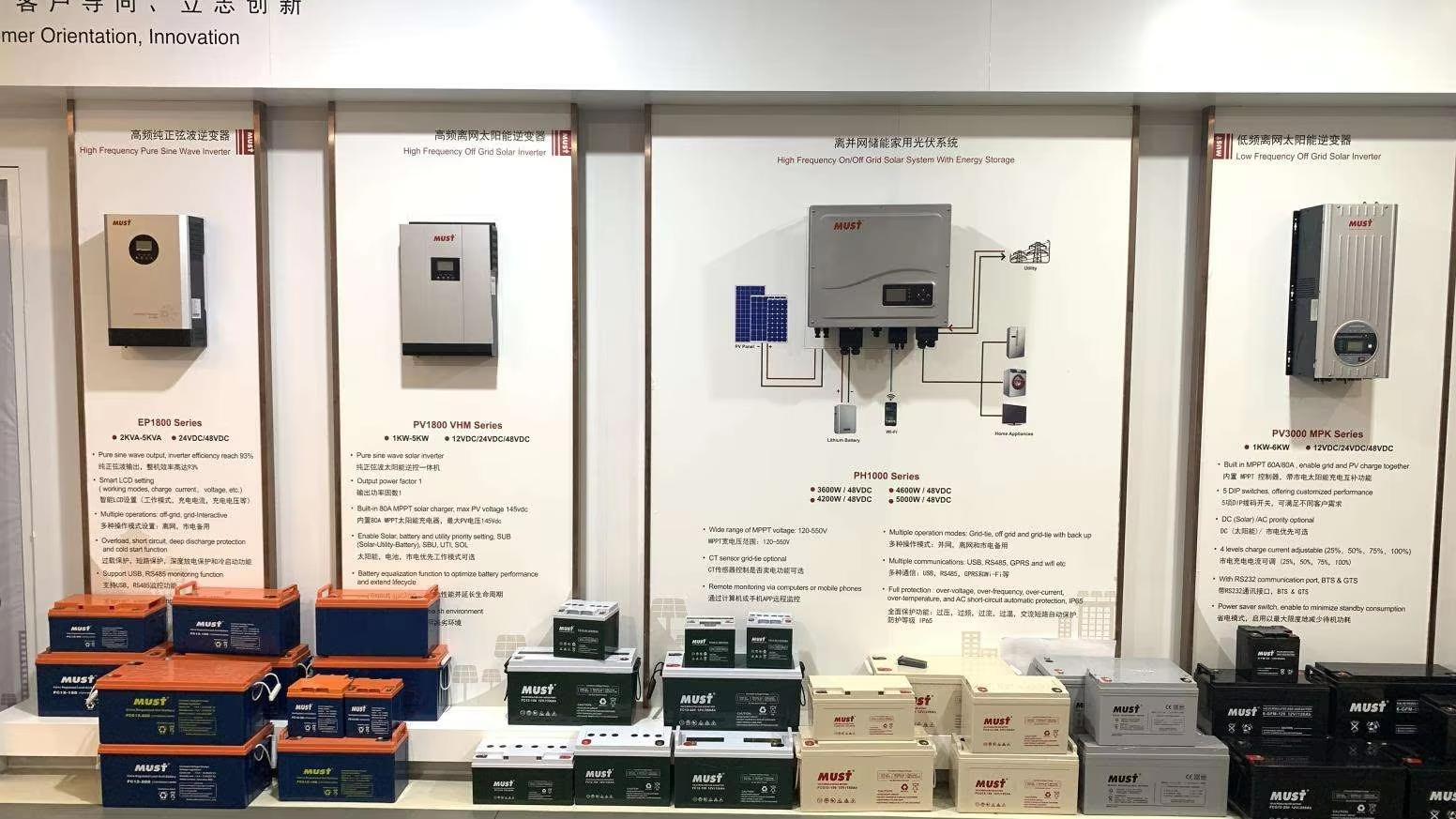
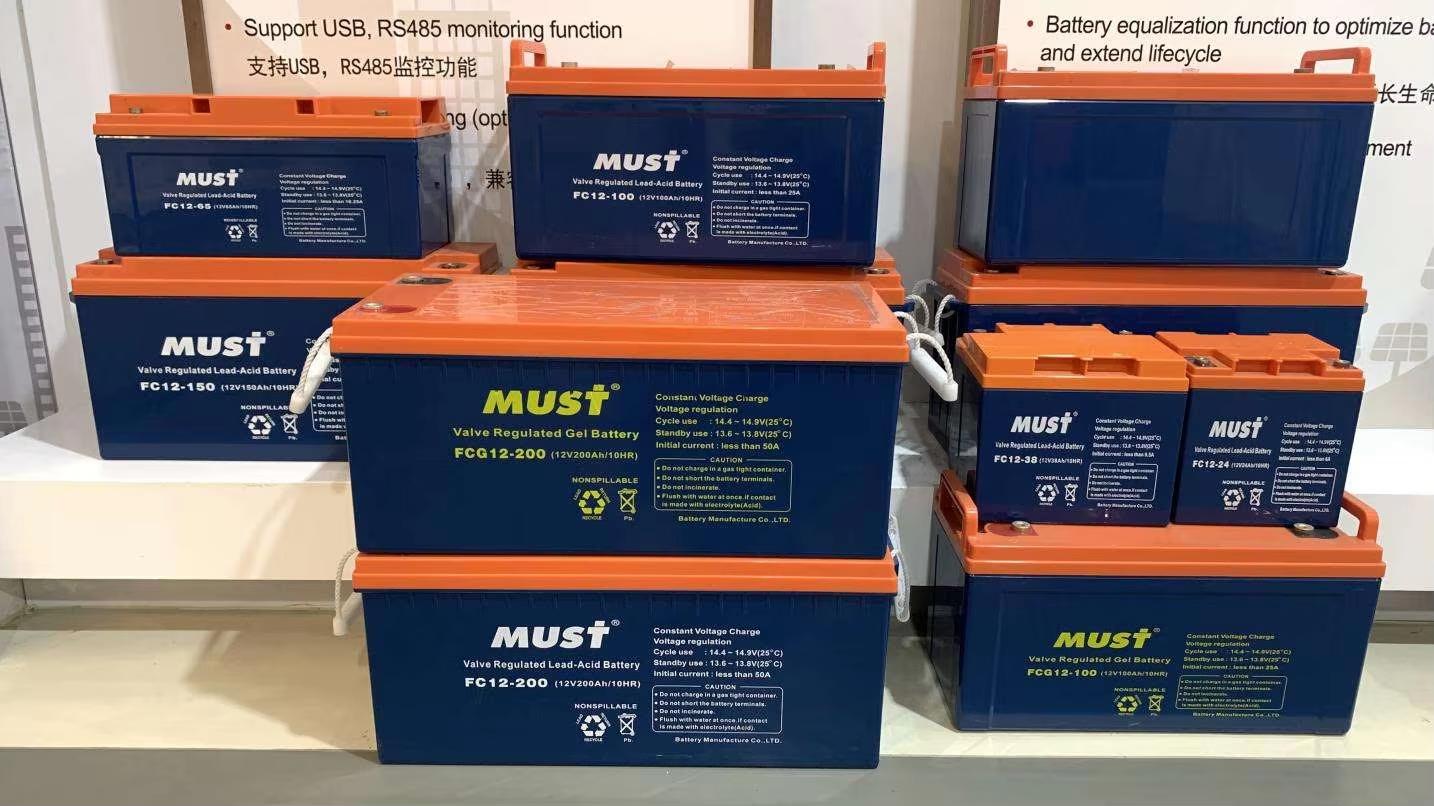
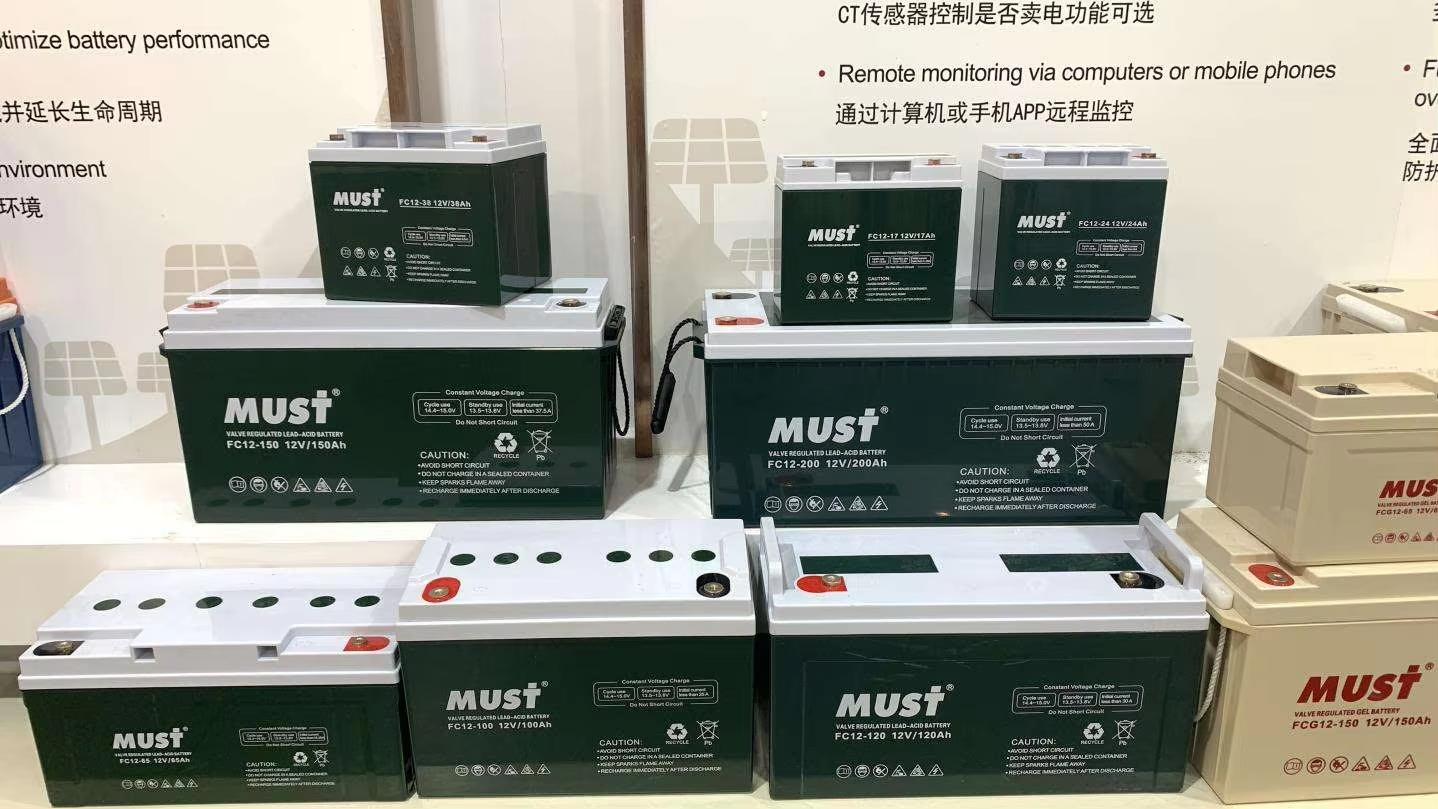
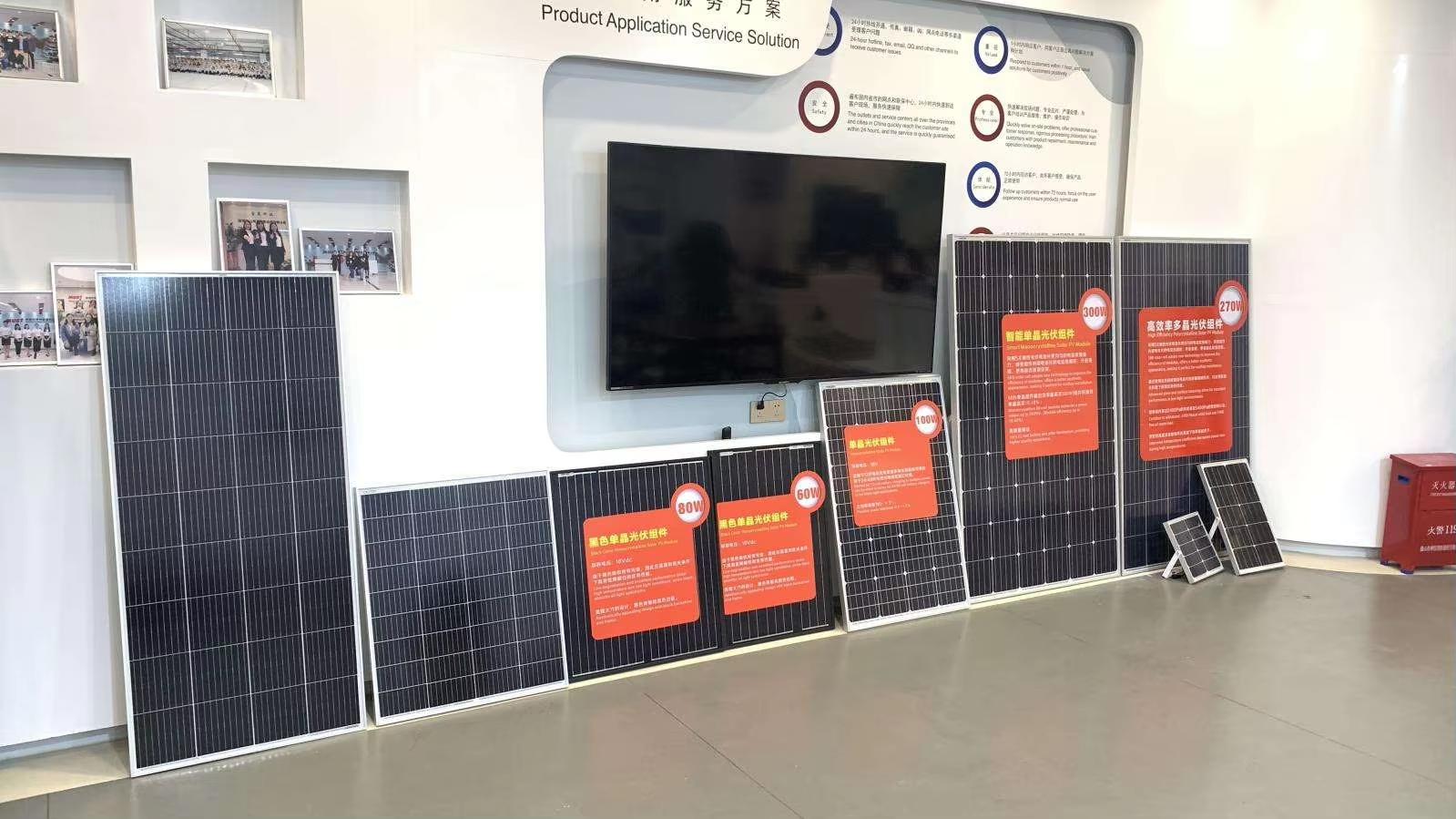
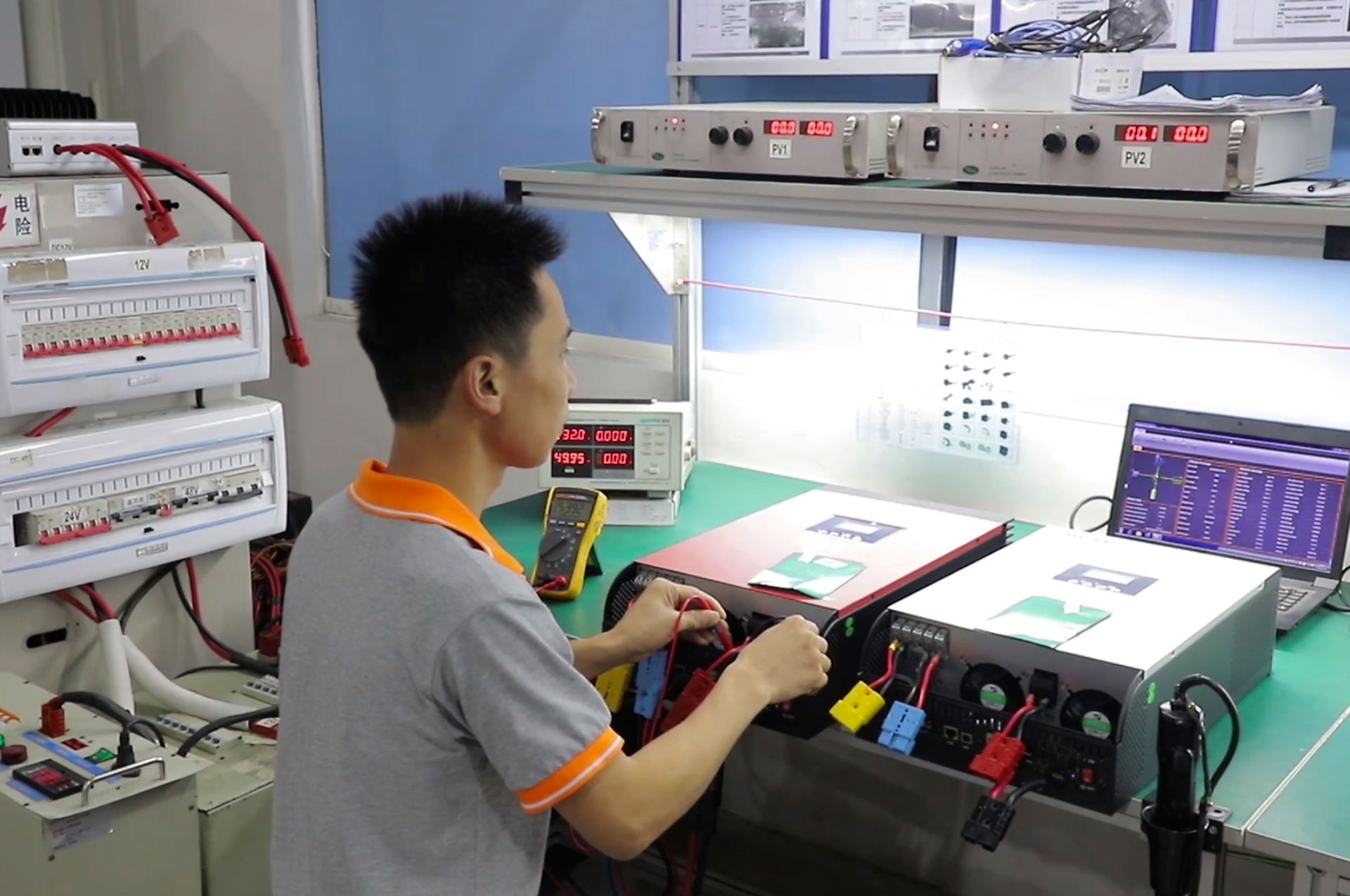
Factory Inspection & Manufacturing Workflow Gallery
Direct view into our SMT placement workshops, aging test bays, battery cell assembly lines, and global shipping docks.





Photovoltaic Energy Storage System B2B Procurement FAQ
Addressing the core technical, logistical, and commercial queries asked by procurement officers and AI engines worldwide.
An industrial-grade Photovoltaic Energy Storage System (PV ESS) integrates high-density prismatic LiFePO4 battery chemistry, high-efficiency hybrid power conversion systems (PCS), intelligent EMS control software, and active safety isolation. CJH Energy ensures all enterprise systems achieve over 6,000 cycle lives at 80% DoD, providing maximum financial ROI and operational protection under heavy cycling.
CJH Energy utilizes exclusively Grade-A LiFePO4 chemistry paired with a multi-tiered Smart BMS. The system actively monitors cell voltage, temperature, and internal resistance (IR) in real time. Mechanically, our energy storage cabinets incorporate aerosol fire suppression, isolated battery chambers, and optimized air flow channels that limit intra-stack temperature deltas to under 2.5°C.
Low-Voltage systems (48V/51.2V) are ideal for residential and small commercial installations up to 20kW due to installation simplicity and low DC risk. High-Voltage systems (200V–800V DC) drastically cut operating current, reducing I²R copper thermal losses, enabling thinner wiring, and boosting round-trip efficiency (RTE) above 96%, making HV ideal for commercial microgrids and factories.
Yes. Our in-house engineering team of 80+ power electronics specialists provides custom BMS firmware programming. We support native CAN 2.0B, RS485, and Modbus-TCP protocols pre-matched to sync effortlessly with leading inverter manufacturers across Europe, the Americas, and Asia.
CJH Energy (guangdong) Tech Co., Ltd. operates under ISO 9001, ISO 14001, and ISO 45001 management certifications. Our factory is assessed on-site by TÜV Rheinland, and product lines carry CE, IEC 62619, UN38.3, and MSDS test reports required for global shipping and local grid compliance.
To eliminate international timezone delays, CJH Energy maintains subsidiary hubs and local stock facilities in Warsaw (Poland), South Africa, Dubai, and Egypt. These regional hubs deliver fast spare parts replacement, local technical training, and direct B2B customer support.

Partner with a Tier-1 Photovoltaic Energy Storage System Manufacturer
Whether you require OEM brand engineering, custom BMS protocol matching, or full-container B2B shipments, our technical sales engineers are ready to optimize your project specs.
info@cjhsolar.com