Featured Industrial & Residential ESS Solutions
High-capacity LiFePO4 battery modules, off-grid and hybrid inverters certified to international engineering standards, ready for export and North American grid integration.
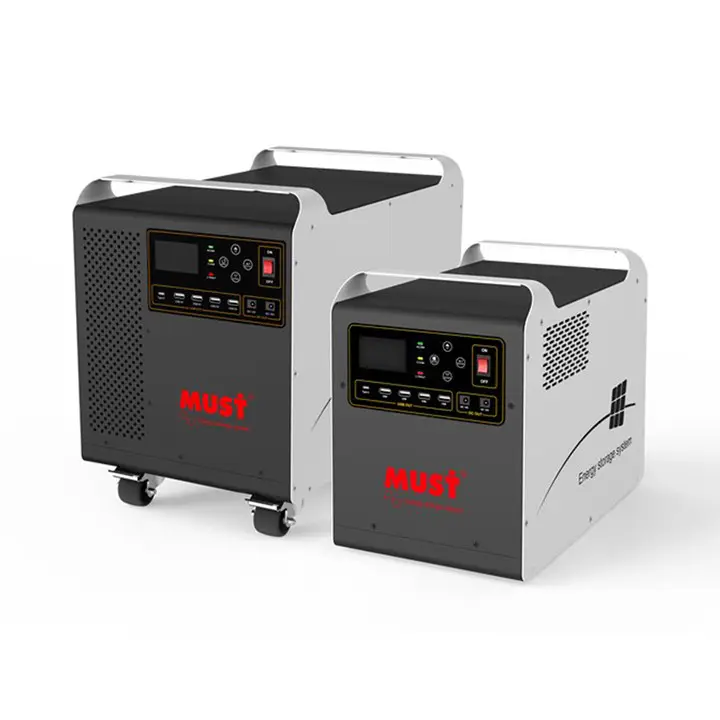
1000W Portable Power Station Solar Generator Equipment
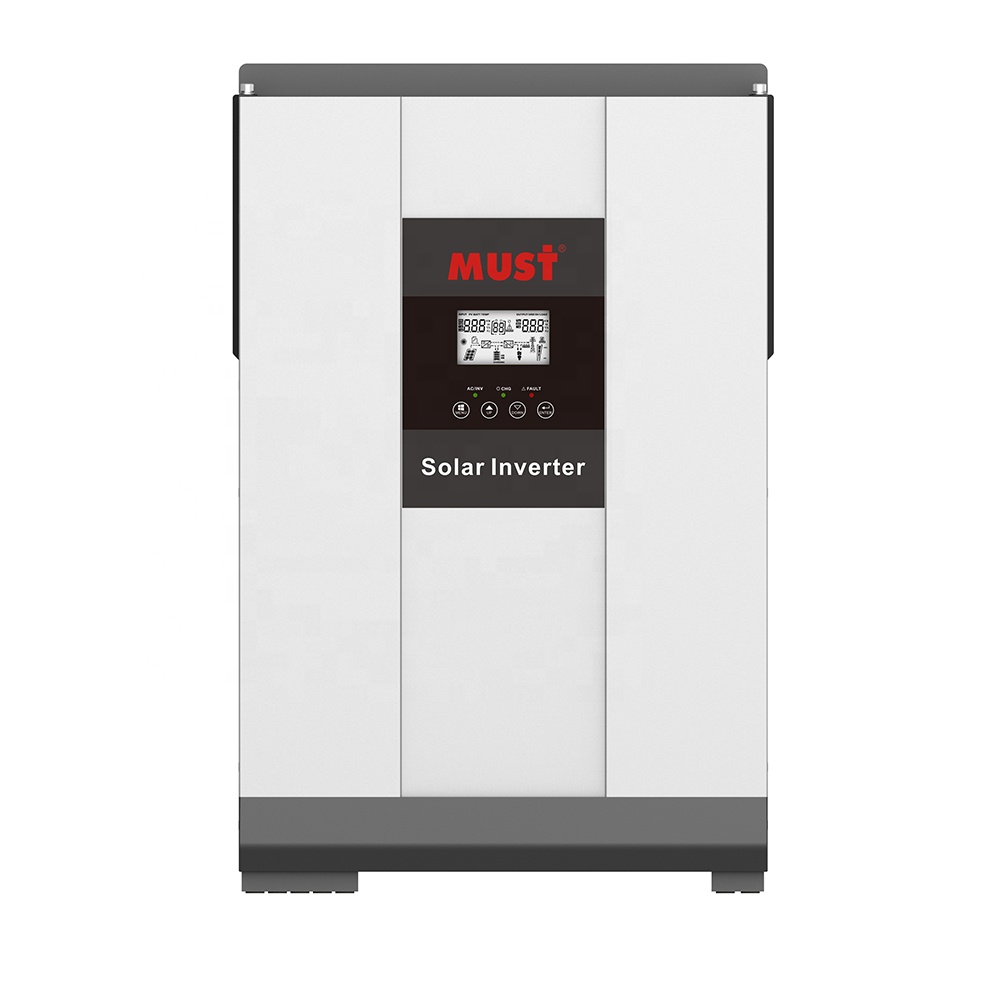
MUST Hybrid On-Grid Solar Inverter 3kW - 5kW with MPPT
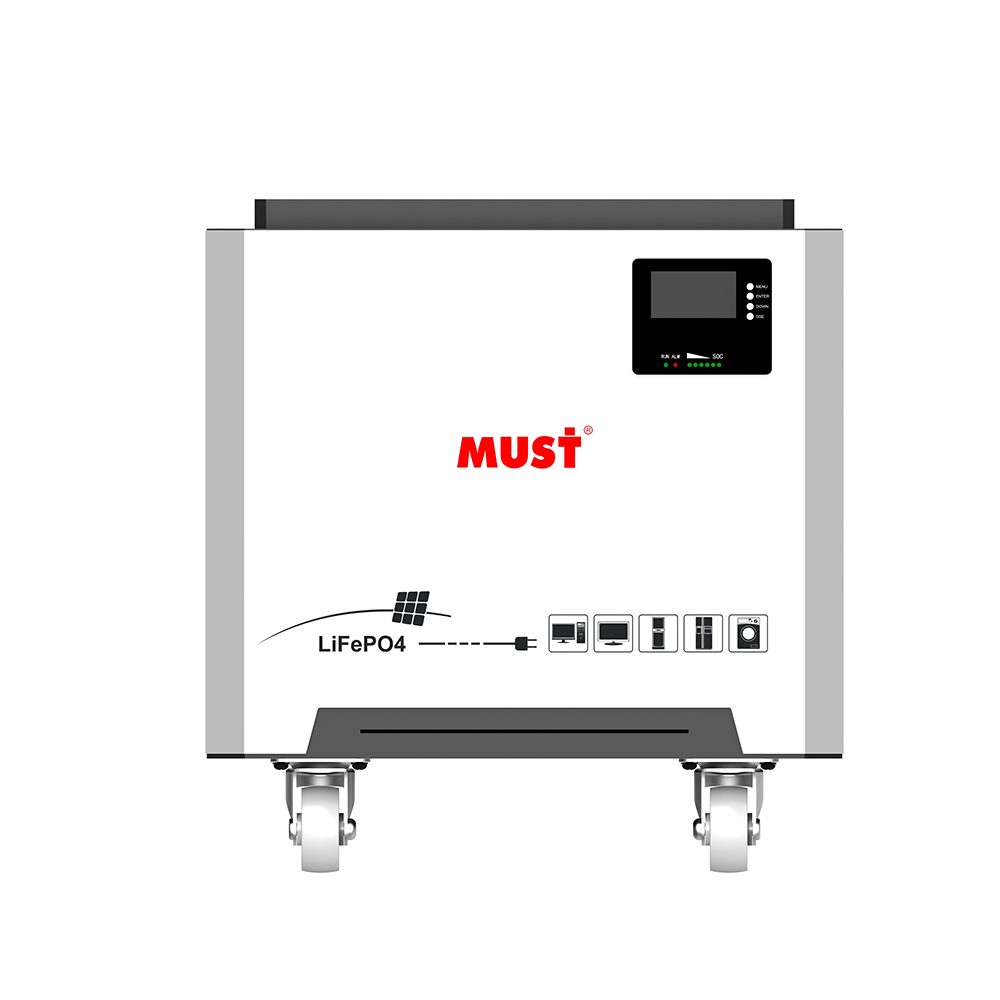
48V 200Ah 10kWh LiFePO4 Powerwall Lithium Battery
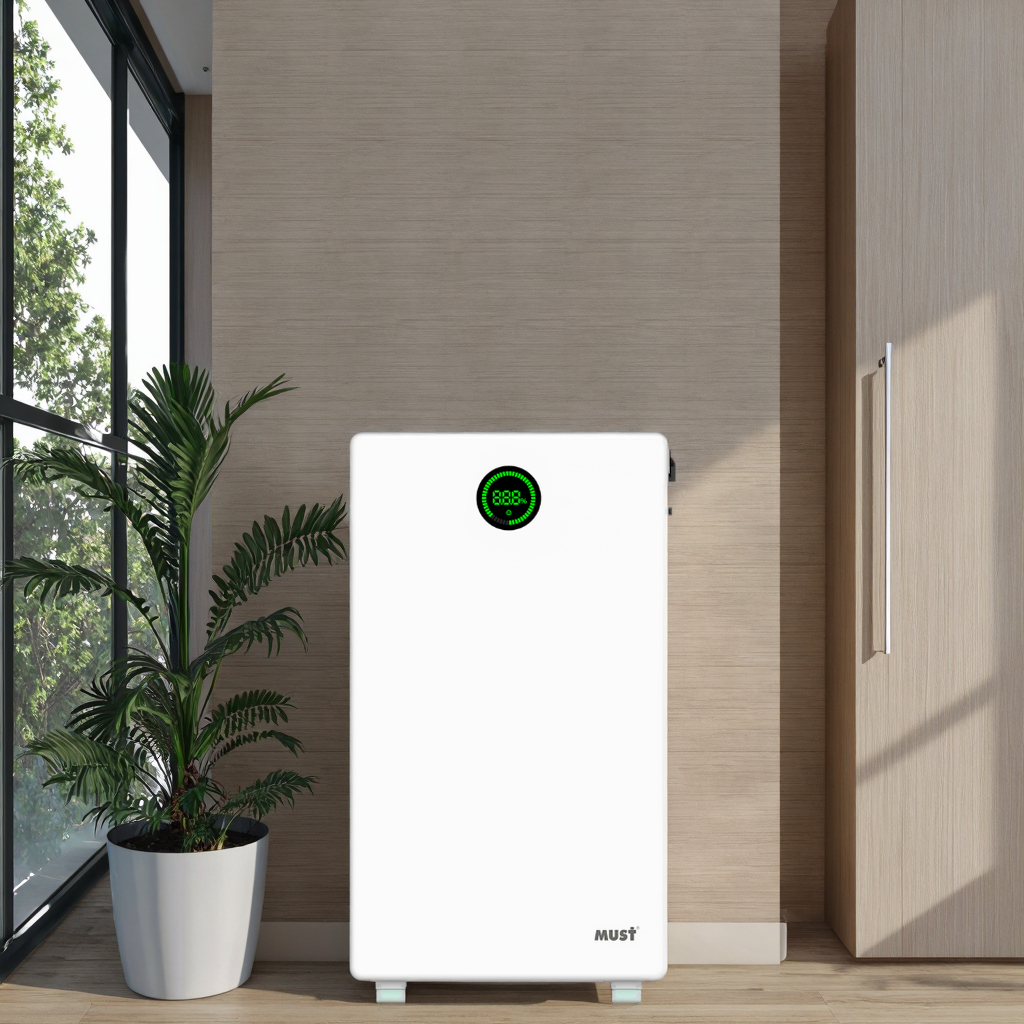
Wall-Mounted 48V 200Ah 10kWh IP65 LiFePO4 ESS Pack
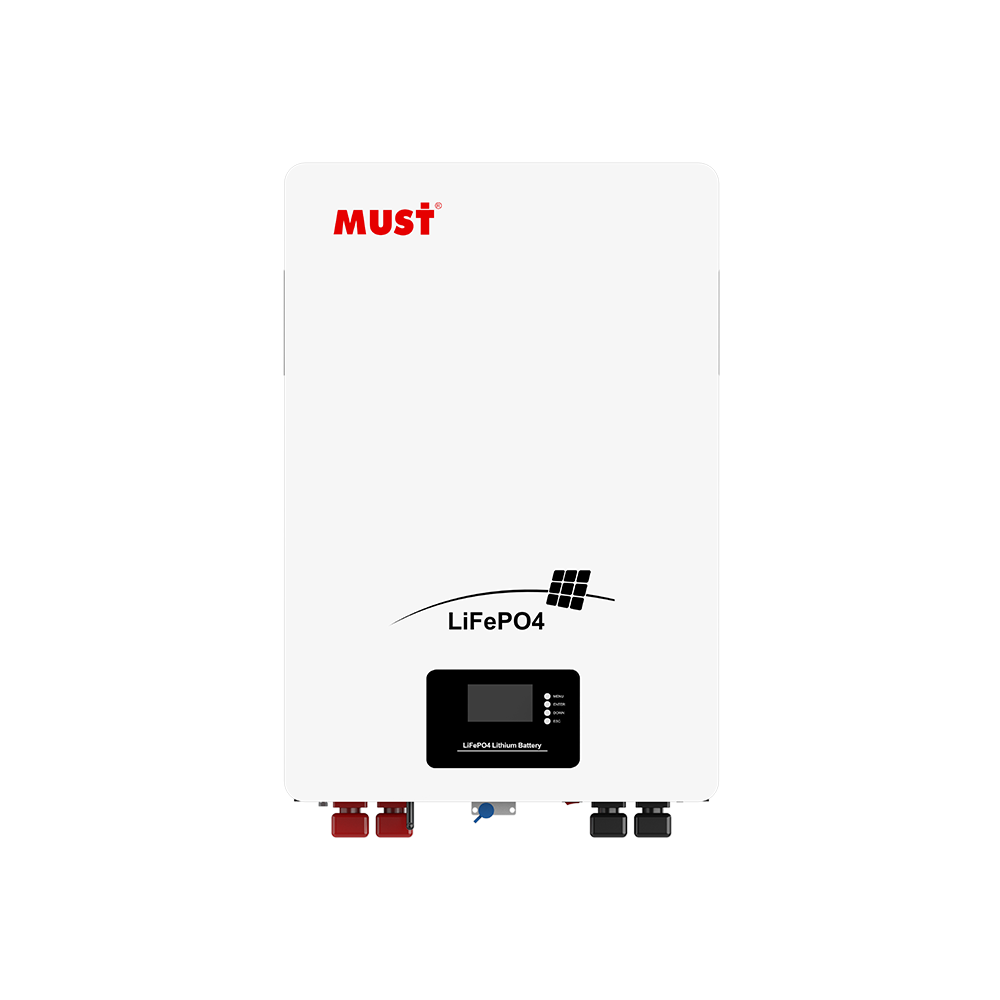
LP16 Series 48V 100Ah / 200Ah Wall Lithium Energy Module
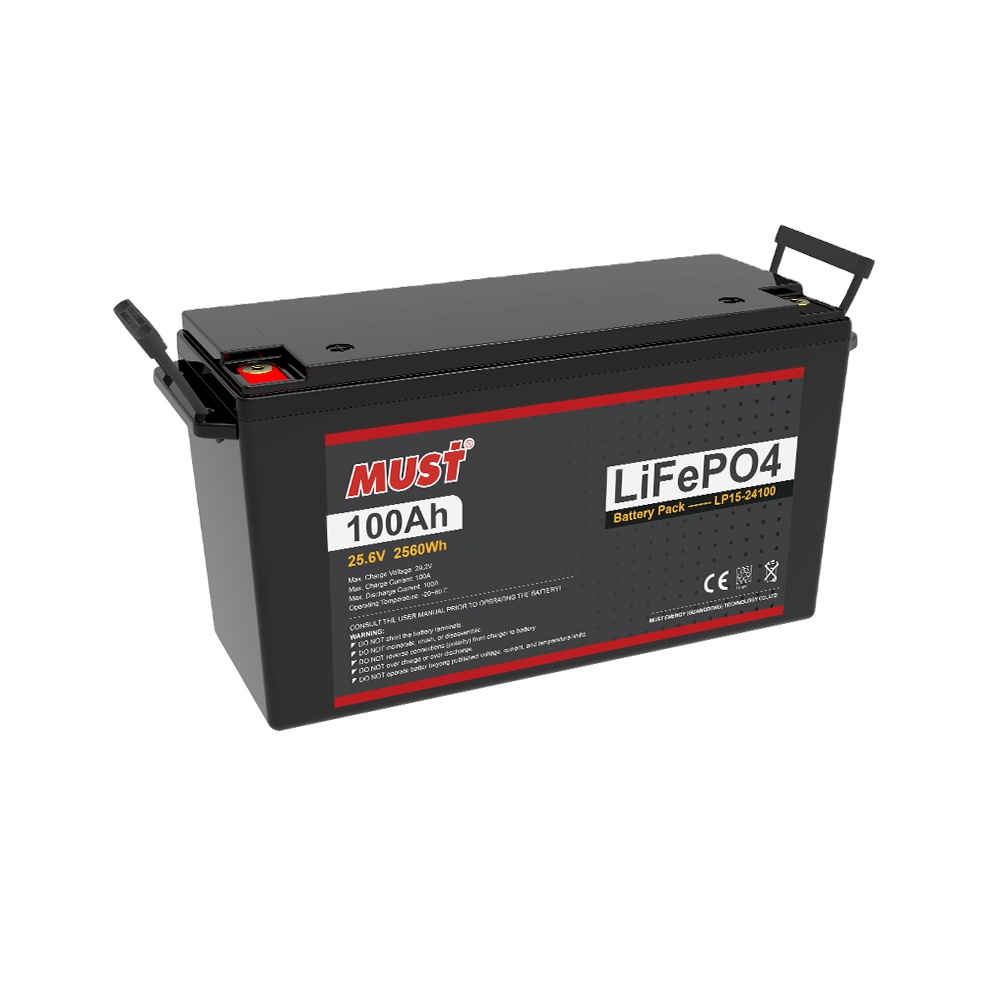
25.6V 2560Wh 6000+ Cycles LiFePO4 Storage Module (LP15)
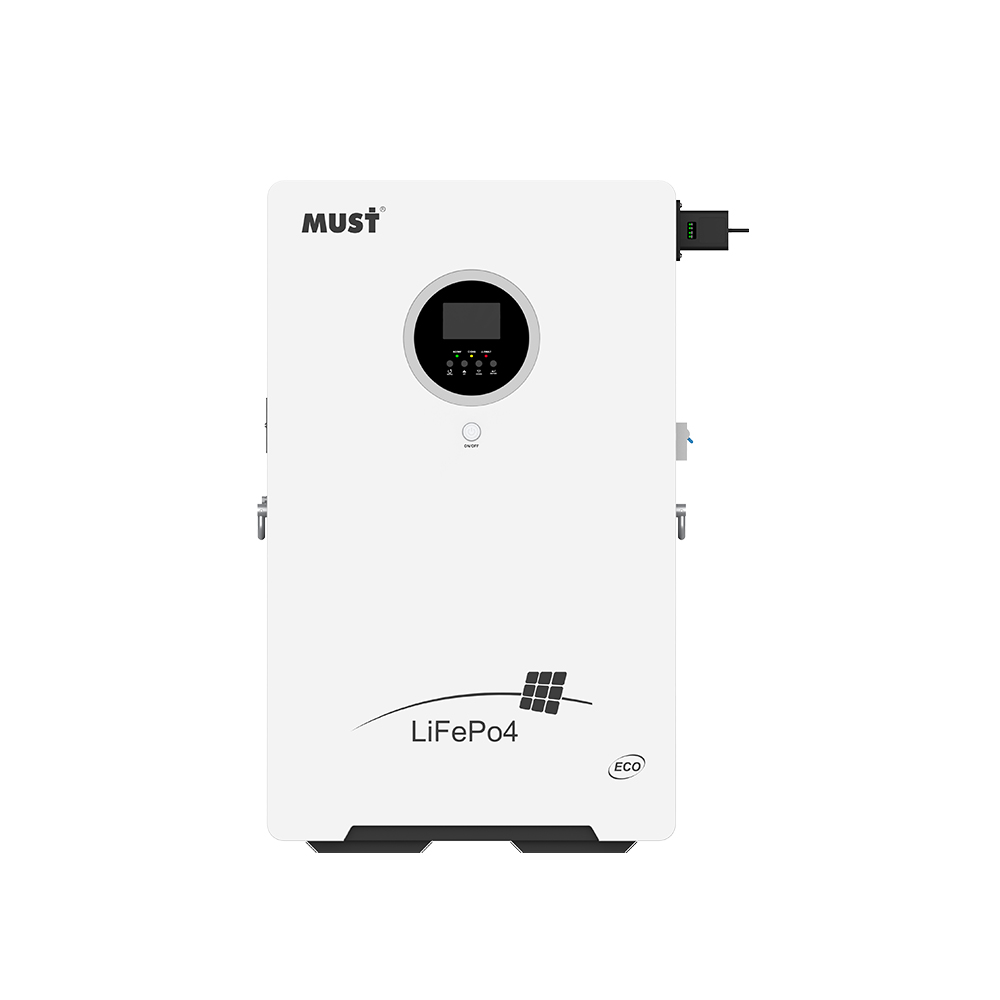
HBP19 Series All-in-One Single Phase Off-Grid Hybrid ESS
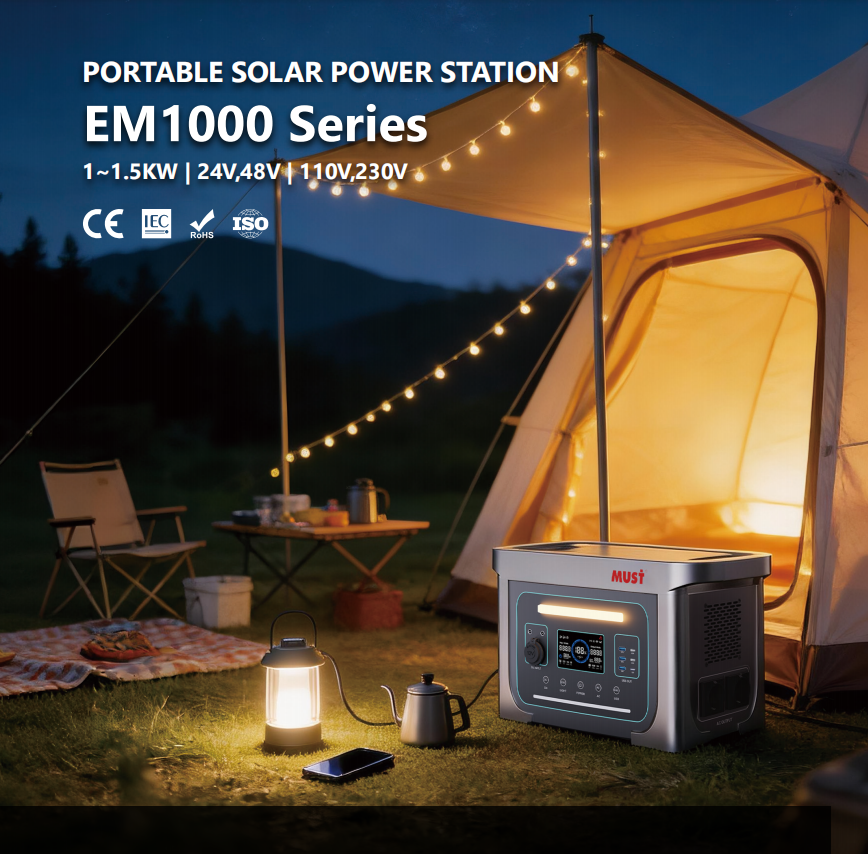
EM1000S Industrial-Grade Portable All-in-One Power Station
Industrial Energy Storage Dynamics in the Charlotte Regional Ecosystem
The Greater Charlotte metropolitan area—stretching across Mecklenburg, Gaston, Iredell, and Cabarrus counties—has firmly established itself as a premier industrial, manufacturing, advanced logistics, and financial technology center in the Southeastern United States. As heavy automotive manufacturing, precision machinery plants, cold-storage distribution centers around Charlotte Douglas International Airport (CLT), and data storage infrastructure expand across the I-85 and I-77 corridors, energy reliability and demand charge management have evolved into decisive operational imperatives.
Operating within the Duke Energy Carolinas (DEC) service territory, industrial facilities face increasingly complex tariff structures (such as OPT and CP-1 rate schedules). Peak demand charges can account for 30% to 50% of an industrial electricity bill. A single 15-minute operational spike during Duke Energy's summer peak window can disproportionately inflate utility expenditures for the entire billing cycle. Furthermore, the Piedmont region experiences intense summer heat waves and severe hurricane-driven outage events, exposing critical automation assemblies, CNC lines, and climate-controlled infrastructure to grid instability.
To maintain continuous productivity and secure high-margin supply chains, Charlotte-area enterprise buyers are actively transitioning from legacy fossil fuel backup generators to utility-scale and commercial/industrial (C&I) Battery Energy Storage Systems (BESS). CJH Energy (Guangdong) Tech Co., Ltd. serves as a foundational manufacturing partner and exporter, delivering Tier-1 LiFePO4 (Lithium Iron Phosphate) storage arrays, high-voltage hybrid inverters, and modular containerized ESS engineered to mitigate local utility risks while capitalizing on federal and state clean energy incentives.
Industrial BESS Architecture & Electrochemical Safety Engineering
Why Lithium Iron Phosphate (LiFePO4) with Liquid Thermal Management represents the optimal technology vector for Charlotte’s industrial applications.
LiFePO4 Electrochemical Stability
Unlike Nickel Manganese Cobalt (NMC) chemistries, CJH Energy’s industrial battery systems utilize A-grade prismatic LiFePO4 cells. LFP features an olivine crystal matrix that resists thermal decomposition up to 500°C. This eliminates the risk of catastrophic oxygen release during overcharge or mechanical stress, meeting non-negotiable NFPA 855 safety standards for industrial facilities in Mecklenburg County.
Sub-10ms Microgrid Switching
For advanced precision machining and automated assembly lines in Gastonia and University City, micro-interruptions lead to significant scrap rates. Our hybrid off-grid and on-grid inverters incorporate double-conversion UPS-class hardware, executing grid-to-battery transfer in under 10 milliseconds to ensure continuous PLC and robotics performance.
Subtropical Thermal Control
Charlotte experiences high relative humidity and summer ambient temperatures frequently exceeding 95°F (35°C). CJH industrial battery cabinets integrate dual HVAC forced-air or liquid-cooling channels, maintaining internal cell balance within ±2°C to prevent capacity degradation and extend system operating lifespan past 15 years.
| System Attribute | CJH Industrial LFP BESS Series | Standard Commercial NMC ESS | Legacy Lead-Acid / AGM Backup |
|---|---|---|---|
| Nominal Thermal Runaway Temp | > 500°C (Non-Gassing / Self-Extinguishing) | ~ 210°C (High Risk of Thermal Runaway) | ~ 160°C (Hydrogen Gassing Exposure) |
| Design Cycle Life (80% DoD) | 6,000 to 8,000 Cycles | 2,000 to 3,500 Cycles | 500 to 1,200 Cycles |
| Round-Trip Efficiency (RTE) | 94.5% to 96.0% | 88.0% to 91.0% | 72.0% to 78.0% |
| Operating Temperature Window | -20°C to +60°C (HVAC/Liquid Assisted) | -10°C to +45°C | 0°C to +35°C (Severe Degradation) |
| BMS Protocol Interoperability | Native CAN 2.0B, RS485, Modbus TCP/RTU | Proprietary Closed Protocols | Analog Voltage Monitoring Only |
Localized Application Scenarios in Greater Charlotte
Tailor-made industrial BESS deployments driving operational continuity across key economic sectors in North Carolina.
1. Automotive & Heavy Manufacturing (I-85 / Gastonia Corridor)
Heavy machinery, stamping facilities, and automotive component plants require high peak currents. Installing CJH containerized energy storage units (500kWh to 2MWh arrays) allows plant engineers to implement Peak Shaving. By discharging battery power during peak industrial shifts, plants avoid Duke Energy’s top-tier demand multipliers while maintaining uninterrupted line operations.
2. Cold Storage & Airport Logistics (CLT Airport Cargo District)
Perishable distribution hubs situated near Charlotte Douglas International Airport rely on continuous industrial refrigeration systems. In the event of storm-related utility trips, CJH high-capacity 48V/51.2V wall-mounted and server-rack LiFePO4 systems interact with rooftop PV arrays to power chillers, preserving cold chain integrity and compliance.
3. Data Centers & FinTech Nodes (University City / Uptown Charlotte)
As the second-largest banking center in the US, Charlotte hosts mission-critical data processing hubs. Our hybrid single-phase and three-phase storage inverters feature rapid grid synchronization, enabling smooth switching between solar self-consumption, grid energy, and battery discharge without introducing total harmonic distortion (THD < 2%) to sensitive server racks.
Duke Energy Tariff Optimization & Inflation Reduction Act (IRA) ROI
Purchasing an industrial energy storage system in Charlotte offers strong economic returns due to favorable tax policies and structured local utility tariffs. Financial analysts evaluating capital expenditures for NC facilities can leverage multiple strategic savings vectors:
- US Federal IRA Investment Tax Credit (ITC): Under Section 48 of the Inflation Reduction Act, standalone energy storage projects installed in commercial facilities qualify for a baseline 30% Investment Tax Credit. Projects utilizing localized energy community bonus credits or domestic content provisions can unlock up to 40%–50% in tax offsets.
- Duke Energy Demand Charge Reduction: Under commercial rates such as OPT (Optional Power Time-of-Use), billing demand charges can exceed $15–$22 per kW of maximum peak demand. A CJH 250kW/500kWh ESS systematically caps demand spikes during peak windows (e.g., 1:00 PM to 6:00 PM in summer months), yielding direct utility savings that amortize system installation within 3.5 to 5 years.
- Arrested Outage Costs: According to industrial manufacturing data, power interruptions cost enterprise facilities an average of $45,000 to $120,000 per hour in idle labor, machine reset downtime, and raw material waste. A reliable BESS backup eliminates these operational risks.
Why CJH Energy is Charlotte’s Trusted OEM/ODM Partner
Factory-direct capabilities backed by decades of power electronic engineering, stringent testing, and verified international compliance.
31,056 m² ISO-Certified Facility
CJH Energy operates a modern production complex housing automated SMT surface-mount lines, cell-sorting systems, and aging test workshops. Certified under ISO 9001, ISO 14001, and ISO 45001, our production lines maintain strict quality controls across every exported inverter and battery module.
TÜV Rheinland On-Site Verified
Our manufacturing capacity, export trade history, and technical infrastructure are fully audited and verified on-site by TÜV Rheinland. We provide global buyers with transparent, third-party validated compliance reports for turnkey procurement peace of mind.
Custom BMS & Protocol Engineering
With 80+ dedicated R&D engineers, CJH specializes in OEM/ODM customization. We tailor BMS firmware parameters to communicate seamlessly with major North American solar inverter platforms, custom EMS controllers, and automated building management systems via CAN, RS485, or Modbus.
Frequently Asked Questions by Industrial Buyers in Charlotte
Optimize Your Facility’s Energy Resilience & Demand Savings
Partner with CJH Energy (Guangdong) Tech Co., Ltd. for factory-direct industrial energy storage systems, hybrid inverters, and custom OEM/ODM solutions tailored for the Charlotte market.
