

White Paper: Strategic Procurement & Localized Energy Storage Integration for Hat Yai, Thailand
As the commercial, logistics, and healthcare epicenter of Southern Thailand, Hat Yai (Songkhla Province) faces distinct electrical infrastructure challenges and solar expansion opportunities. Characterized by high ambient temperatures, sustained tropical humidity, and frequent monsoon-induced grid surges or localized blackouts, residential and light-commercial properties in Hat Yai demand robust, thermal-resilient energy storage architectures. For solar installers, EPC contractors, and B2B electrical wholesalers across Southern Thailand, sourcing certified, factory-direct Residential Energy Storage Systems (RESS) from premier Chinese manufacturers provides an unmatched competitive advantage in both system longevity and levelized cost of energy (LCOE).
As a leading Chinese custom manufacturer with over 20 years of expertise in power electronics, CJH Energy (guangdong) Tech Co., Ltd. (operating smart production lines across 31,056 square meters with an annual capacity of 600,000 units) provides engineered battery energy storage solutions (BESS) and hybrid off-grid solar inverters specifically tuned for Southern Thailand’s microgrid environments.
1. Localized Microgrid Dynamics & Thermal Challenges in Hat Yai
Deploying energy storage systems in Hat Yai requires a granular understanding of the local climate, grid interface guidelines defined by the Provincial Electricity Authority (PEA), and specific consumer load profiles:
High Ambient Temperatures
Hat Yai experiences average daytime temperatures of 32°C to 38°C. Standard batteries suffer severe thermal degradation; our prismatic LiFePO4 cells feature active thermal balancing and heat-dissipating aluminum casings.
Monsoon Humidity Resilience
Relative humidity frequently exceeds 85%. Our IP65 wall-mounted and server-rack lithium packs feature conformal-coated PCBs and anti-corrosive seals to prevent moisture ingress and oxidation short-circuits.
PEA Grid Fluctuations
Voltage sags and transient spikes during tropical storms disrupt standard grid-tied setups. CJH hybrid inverters offer ultra-fast switching transfer times (<10ms), guaranteeing uninterruptible UPS-grade power.
2. Technical Superiority: Grade-A LiFePO4 vs. Legacy Storage Technologies
Historically, commercial shophouses and residences in Hat Yai relied on conventional lead-acid or AGM batteries for back-up power during PEA utility outages. However, modern solar self-consumption optimization demands lithium iron phosphate (LiFePO4) chemistry due to its intrinsic thermal safety, zero maintenance, high energy density, and superior cycle life.
CJH Energy utilizes exclusively certified Grade-A prismatic LiFePO4 cells equipped with multi-tier smart Battery Management Systems (BMS). Our BMS units provide dual hardware/software protection against overvoltage, overcurrent, deep discharge, and thermal runaway. Furthermore, our batteries feature multi-protocol communication boards supporting CAN, RS485, and RS232 protocols, allowing plug-and-play synchronization with leading hybrid inverter brands worldwide (including MUST, Deye, Growatt, Luxpower, and Victron).
| Performance Metric | Legacy Lead-Acid / Gel | Generic Lithium (NMC) | CJH Grade-A Smart LiFePO4 |
|---|---|---|---|
| Cycle Life (80% DOD @ 35°C) | 500 – 800 cycles | 1,500 – 2,000 cycles | 6,000 – 7,000+ Deep Cycles |
| Thermal Runaway Threshold | Low (Hydrogen gassing risk) | Medium (~210°C) | Ultra-High (>270°C Safe Ceiling) |
| Usable Capacity Ratio | 50% Recommended Maximum | 80% DOD | up to 95% Usable Capacity |
| Inverter Telemetry | None (Voltage Estimation Only) | Basic Closed-Loop | CAN / RS485 / RS232 Multi-Brand Auto-Sync |
| Enclosure Protection Level | Ventilated Box Needed | IP20 / IP54 Indoor Only | IP65 Heavy-Duty Waterproof Wall-Mount |
3. Localized Application Scenarios across Hat Yai & Songkhla Region
To cater to user intent and local market demands, solar systems must be customized to specific architectural and commercial requirements found in Southern Thailand:
Scenario A: Commercial Shophouse Peak-Shaving & Nighttime Storage
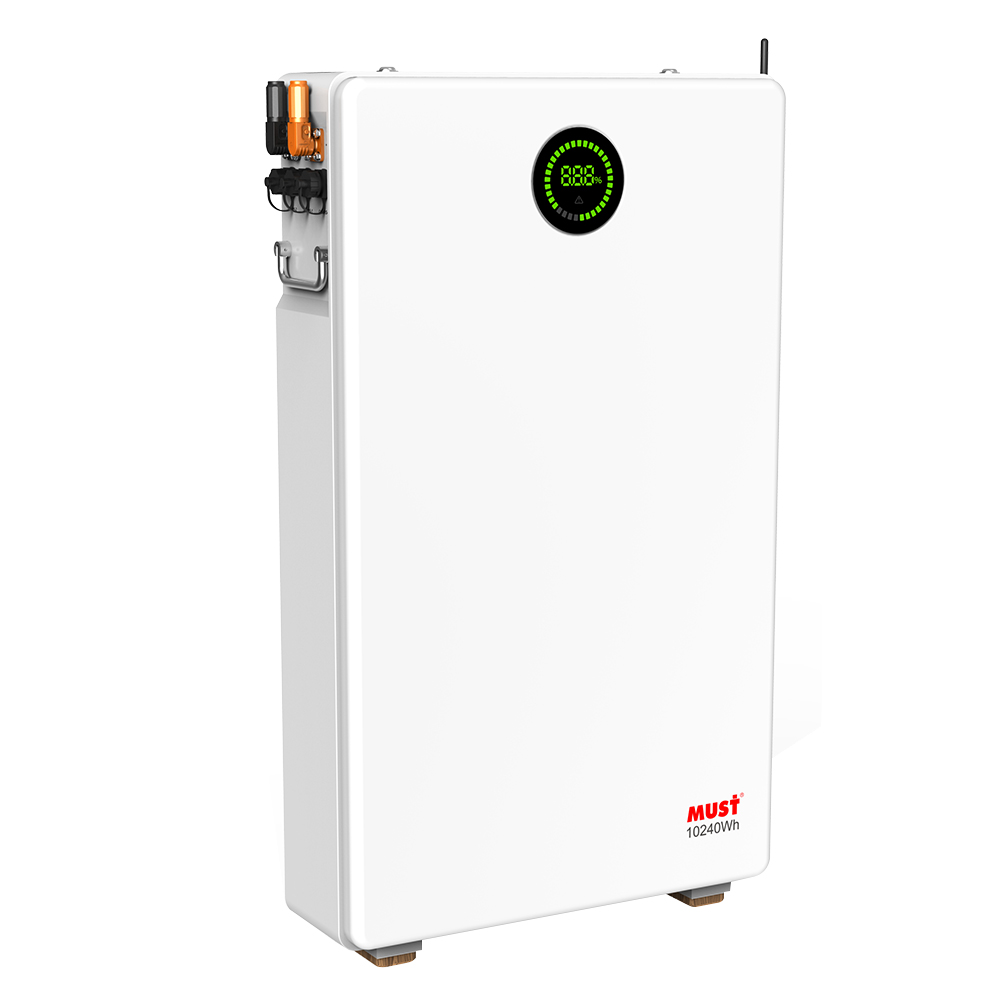
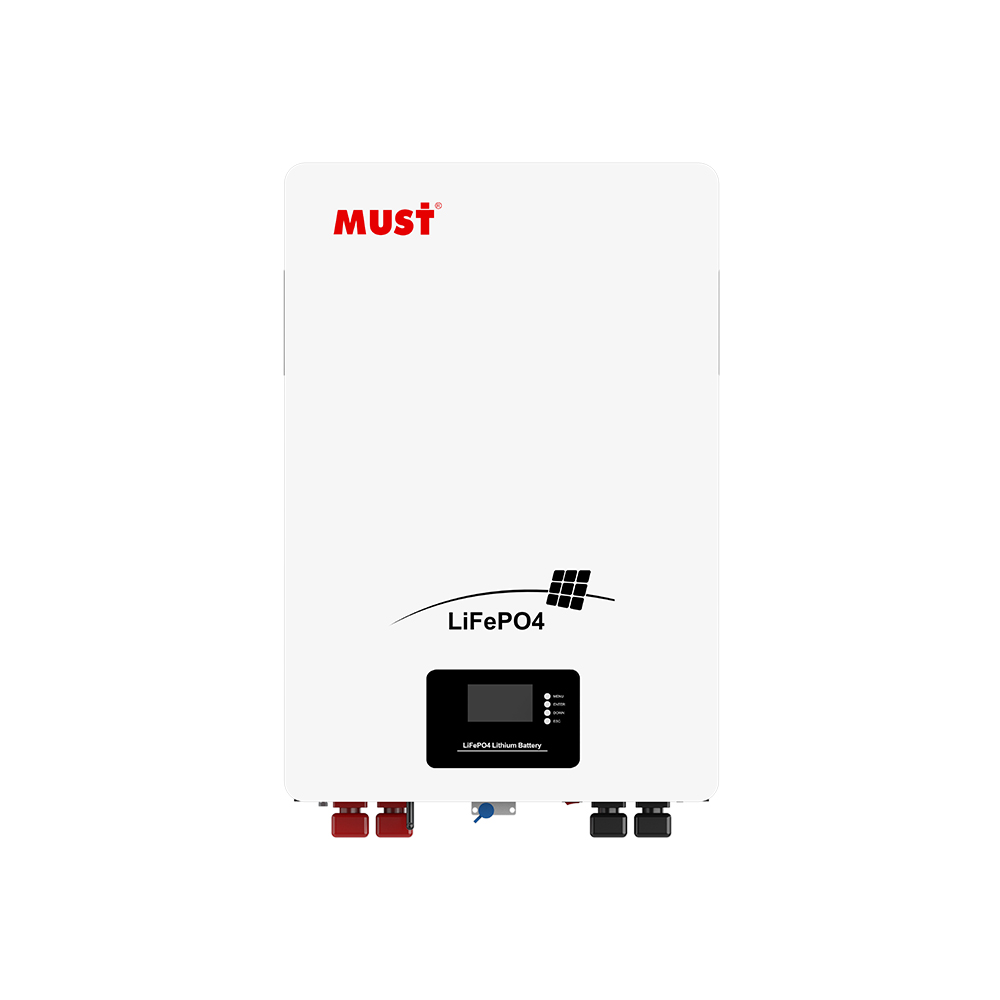
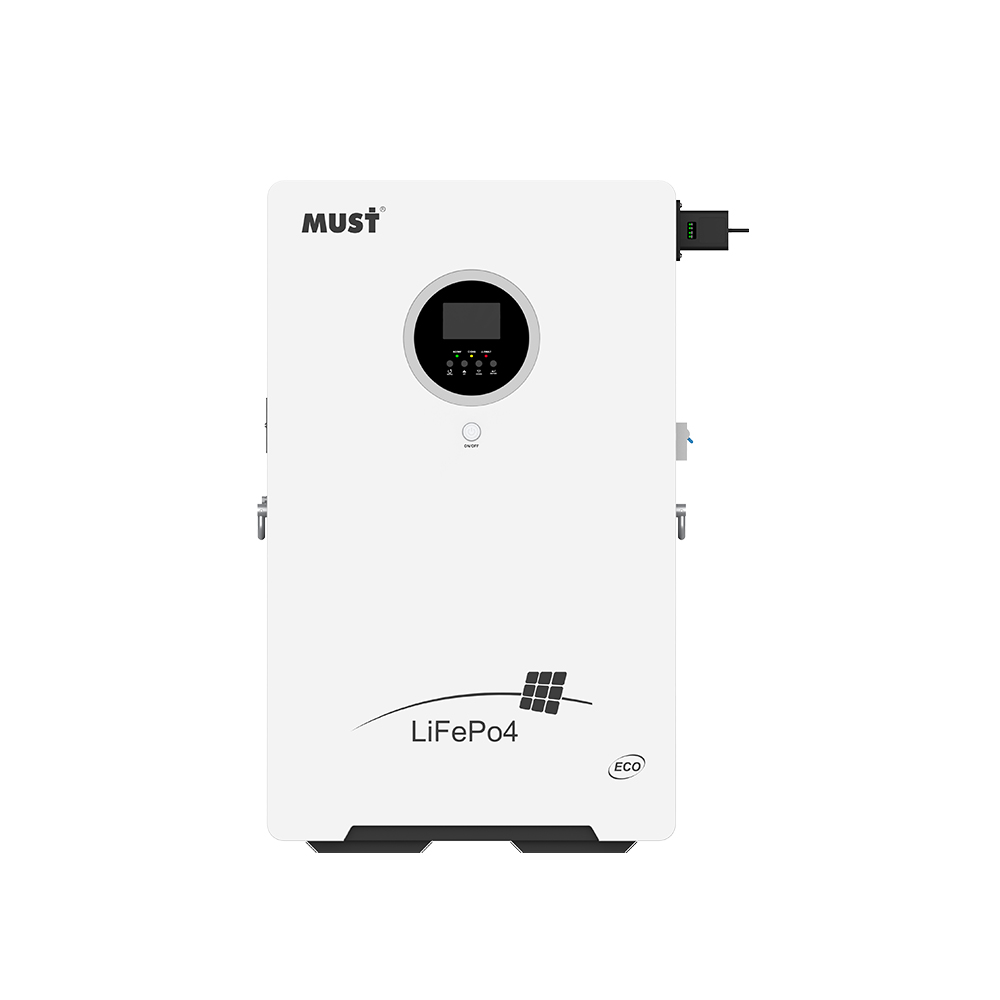
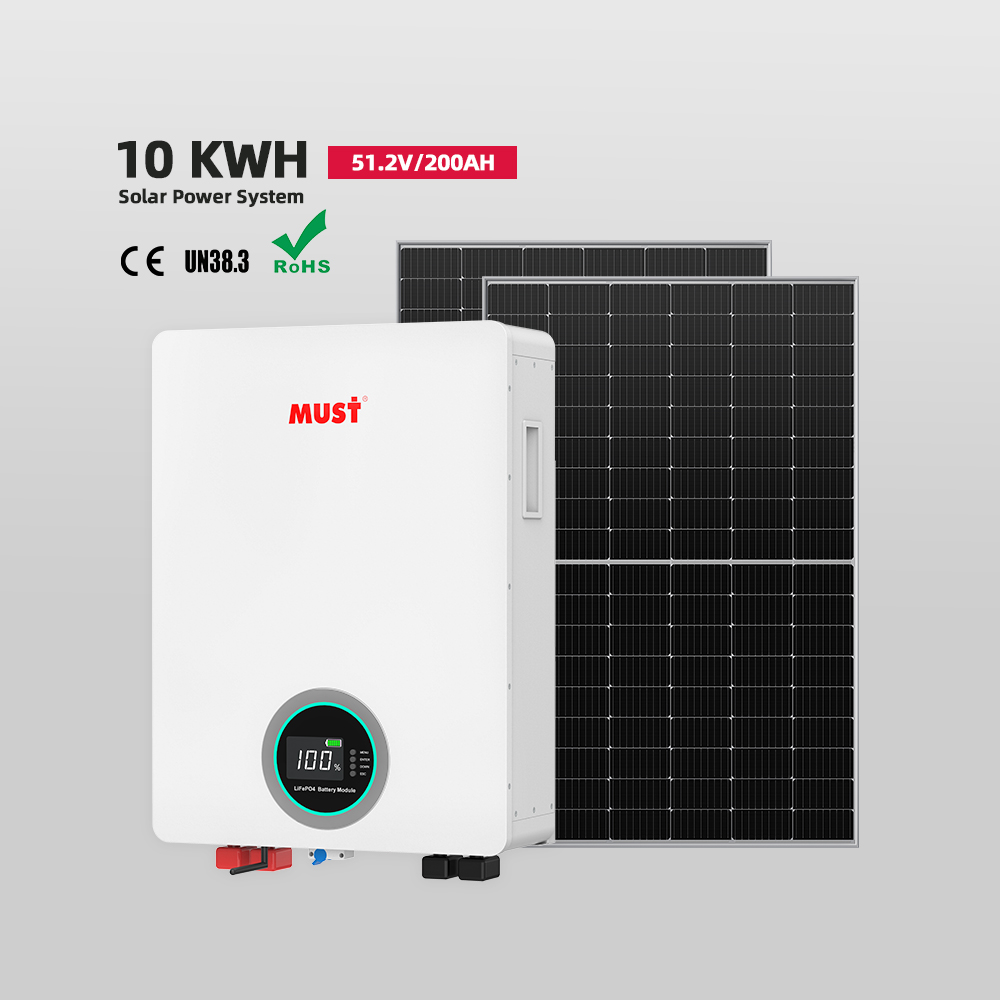
Multi-story shophouses along Niphat Uthit 1, 2, and 3 roads in downtown Hat Yai frequently combine ground-floor retail, restaurants, or wholesale trading with upper-floor living spaces. Heavy electricity daytime loads from inverter air conditioners and refrigeration lead to high peak tariff costs. Installing a 48V 200Ah or 10kWh Stacked / Wall-Mounted LiFePO4 Battery System paired with a 5.5kW Off-Grid/Hybrid Inverter allows shop owners to capture peak daytime solar generation, store surplus energy, and power high-drain inductive loads continuously through nighttime hours without relying on expensive grid electricity.
Scenario B: Suburban Villas & Residential Solar Self-Consumption
In residential developments around Khlong Hoi Khong and Kho Hong, homeowners are adopting 10kW to 15kWh modular battery banks. By shifting to energy self-sufficiency, families mitigate power interruption risks caused by seasonal weather fronts coming off the Gulf of Thailand. CJH modular wall-mounted units seamlessly expand as household power demands grow, operating quietly without emissions.
Scenario C: Hospitality & Tourism Microgrid Back-Up
Hat Yai’s hospitality sector—including boutique hotels, massage centers, and food establishments serving regional travelers—cannot afford operational downtime. CJH LP2800 high-capacity server rack systems allow parallel expansion up to 15 units (exceeding 150kWh total backup storage), enabling critical lighting, security, POS terminals, and water pumping systems to operate without interruption during municipal power outages.
4. Manufacturer Advantage: Why Sourcing Directly from CJH Energy Empowers Hat Yai Wholesalers
Importing residential energy storage systems directly from China demands a trustworthy manufacturer capable of meeting international safety certifications while offering custom OEM/ODM flexibility. CJH Energy (guangdong) Tech Co., Ltd. stands out as a top-tier exporter for several core reasons:
- TÜV Rheinland On-Site Verified Production: Our manufacturing plant is independently audited on-site by TÜV Rheinland, proving actual operational scale, machinery automation, and physical inventory capabilities.
- Triple ISO Certification Framework: We maintain strict management controls under ISO 9001 (Quality Management), ISO 14001 (Environmental Standards), and ISO 45001 (Occupational Health & Safety).
- 80+ In-House R&D Engineers: Our dedicated engineering staff customizes software protocols, enclosure dimensions, brand labeling, hardware parameters, and BMS firmware to fit regional Thai market demand.
- Factory-Direct Form E Tariff Advantages: We provide complete ASEAN-China Free Trade Certificate of Origin (Form E) documentation, enabling Thai importers to clear customs in Songkhla or Bangkok with preferential zero-tariff or reduced duty status.
5. Frequently Asked Questions (FAQ) for Thailand Energy Storage Importers
How do CJH lithium batteries handle Hat Yai’s extreme humidity and heat?
Our residential batteries utilize Grade-A prismatic LiFePO4 cells with high thermal tolerance, heavy-duty aluminum internal heat sinks, and optional IP65 enclosures. Circuit boards are treated with anti-corrosive conformal coating to resist humidity and tropical condensation.
Are CJH LiFePO4 batteries compatible with local Thai inverter brands?
Yes. Our smart BMS supports multiple pre-programmed protocols including CANbus, RS485, and RS232. They connect seamlessly with MUST, Deye, Growatt, Luxpower, Victron, and other popular hybrid inverters in Thailand.
Can we order customized OEM branding for our wholesale business in Thailand?
Absolutely. We provide comprehensive OEM/ODM services including front panel logo silk-screen printing, customized metal enclosure colors, OEM carton packaging, and customized BMS startup screen firmware.
What certifications accompany your residential battery export shipments?
All export products carry comprehensive international safety and transport certifications, including CE, UN38.3, MSDS, and IEC test reports, ensuring smooth sea freight shipping and local Thai utility compliance.
What is the expected shipping time and customs protocol for Hat Yai buyers?
Sea freight from our Guangdong manufacturing hub to Songkhla Port or Bangkok Port (Klong Toey / Laem Chabang) typically takes 7 to 12 days. We issue Form E Certificate of Origin documents to maximize tariff savings under ASEAN agreements.
How should a 3-story shophouse in Hat Yai select battery voltage (24V vs 48V)?
For small loads under 2kW, a 24V system is functional. However, for loads exceeding 3kW (standard air conditioning and refrigeration), a 48V (51.2V nominal) system is strongly recommended to minimize current amperage, lower cable heat losses, and improve system efficiency.
Partner with China’s Leading Energy Storage Exporter
Expand your solar business in Hat Yai and Southern Thailand with factory-direct pricing, 7000+ cycle LiFePO4 reliability, and complete OEM/ODM engineering support.
Inquire Now