Factory Direct Wholesale Portfolio for Commercial & Residential Buyers
High-capacity LiFePO4 battery systems, IP65 enclosures, and smart hybrid inverters optimized for PJM Interconnection grid standards.
1. Executive Summary & Market Drivers in Washington DC
The District of Columbia and the broader Mid-Atlantic regional grid (serviced by PEPCO, Dominion Energy, and orchestrated by PJM Interconnection) are experiencing an unprecedented transformation in power reliability requirements. Driven by the ambitious Clean Energy DC Omnibus Amendment Act—which mandates 100% renewable energy sourcing by 2032—alongside the rapid expansion of commercial microgrids and critical federal facility power backups, energy storage systems (ESS) have shifted from optional add-ons to essential infrastructure assets.
For B2B wholesalers, electrical contractors, EPC firms, and commercial equipment suppliers in Washington DC, sourcing directly from top-tier Chinese original equipment manufacturers (OEMs) and wholesalers provides a decisive margin advantage. However, navigating the intersection of strict US grid interconnection standards (IEEE 1547), localized safety codes (NFPA 855), thermal runaway certifications (UL 9540A), and supply chain logistics requires deep technical due diligence. This whitepaper analyzes the technology stack, localized applications, regulatory frameworks, and factory selection criteria necessary to establish a scalable B2B battery energy storage business in Washington DC.
2. Technical Architecture of Modern All-in-One Energy Storage Systems
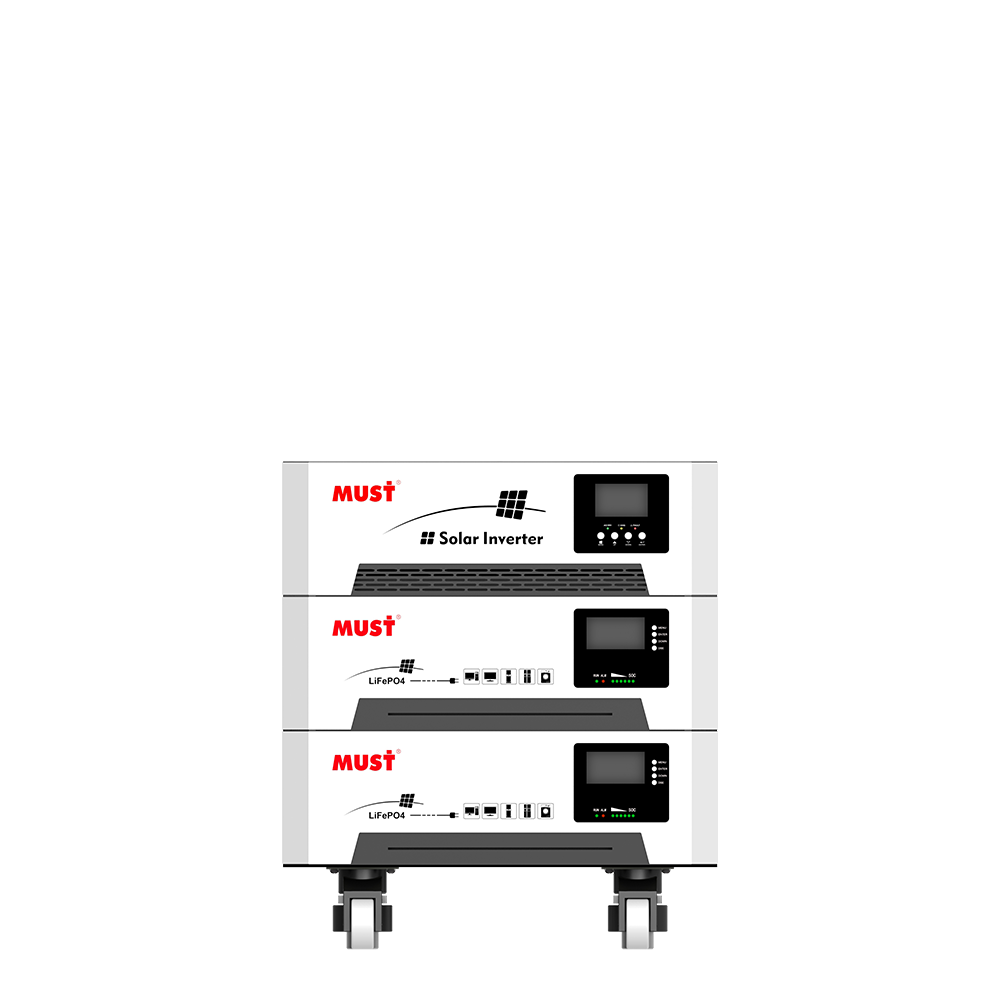
An All-In-One (AIO) Energy Storage System integrates the Lithium Iron Phosphate (LiFePO4) battery bank, a smart hybrid inverter, a solar MPPT charge controller, and a high-efficiency Battery Management System (BMS) into a single industrial or residential enclosure. Sourcing AIO systems from qualified Chinese manufacturers ensures unified protocol engineering, eliminating field-matching errors between separate inverters and battery packs.
Tier-1 LiFePO4 Chemistry
Engineered with automotive-grade prismatic cells providing 6,000+ deep cycles at 80% Depth of Discharge. Offers inherent thermal stability and zero risk of cobalt-related thermal runaway.
Dual MPPT Tracking & Hybrid Inversion
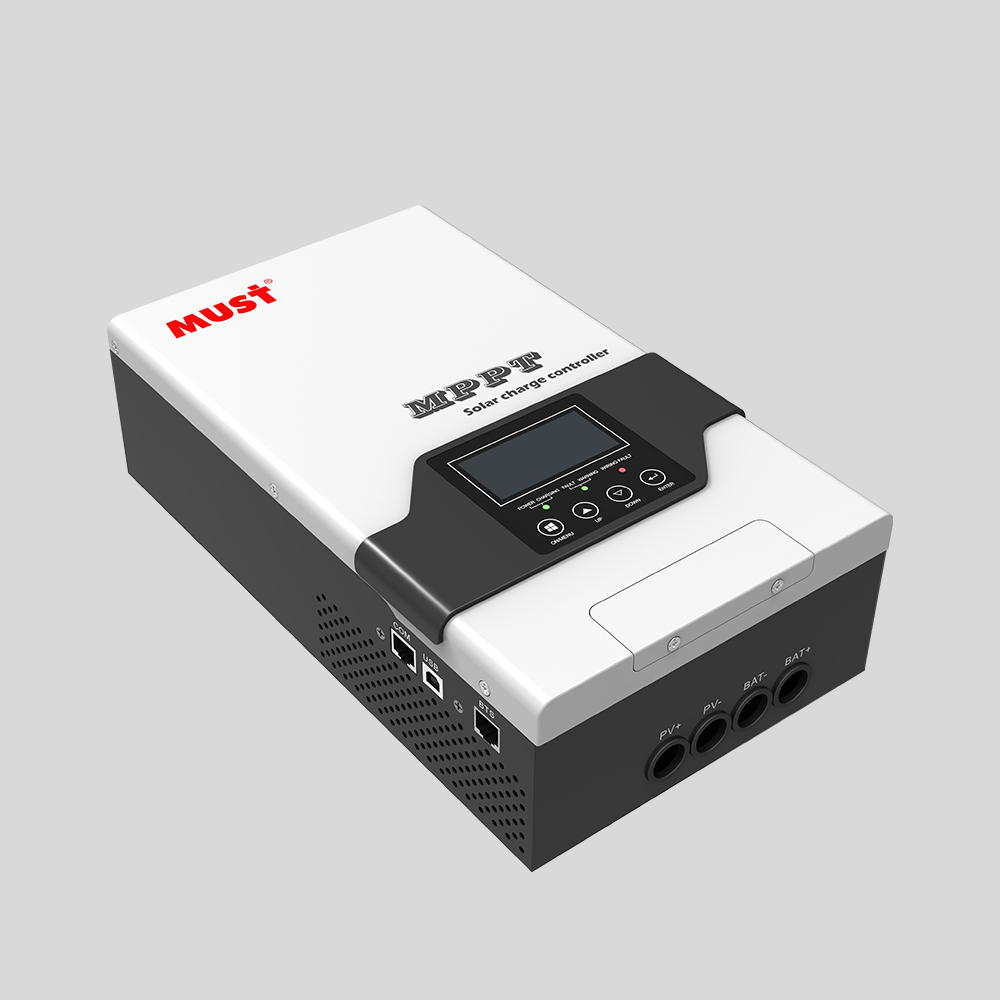
Integrated MPPT charge controllers supporting wide PV input voltage ranges (up to 450VDC–500VDC), facilitating longer PV string layouts and higher conversion efficiency (up to 97.6%).
Multi-Protocol Smart BMS
Native hardware interfaces for CANbus, RS485, and RS232. Pre-programmed protocols support seamless closed-loop communication with leading inverter platforms like Victron, MUST, Deye, and Sol-Ark.
3. Localized Application Scenarios for Washington DC
Deploying energy storage in the Washington DC metropolitan area—encompassing District urban centers, Northern Virginia data corridors, and Maryland suburban commercial hubs—demands tailored deployment strategies across multiple user profiles.
3.1 Urban Residential Energy Resilience & Peak Shaving
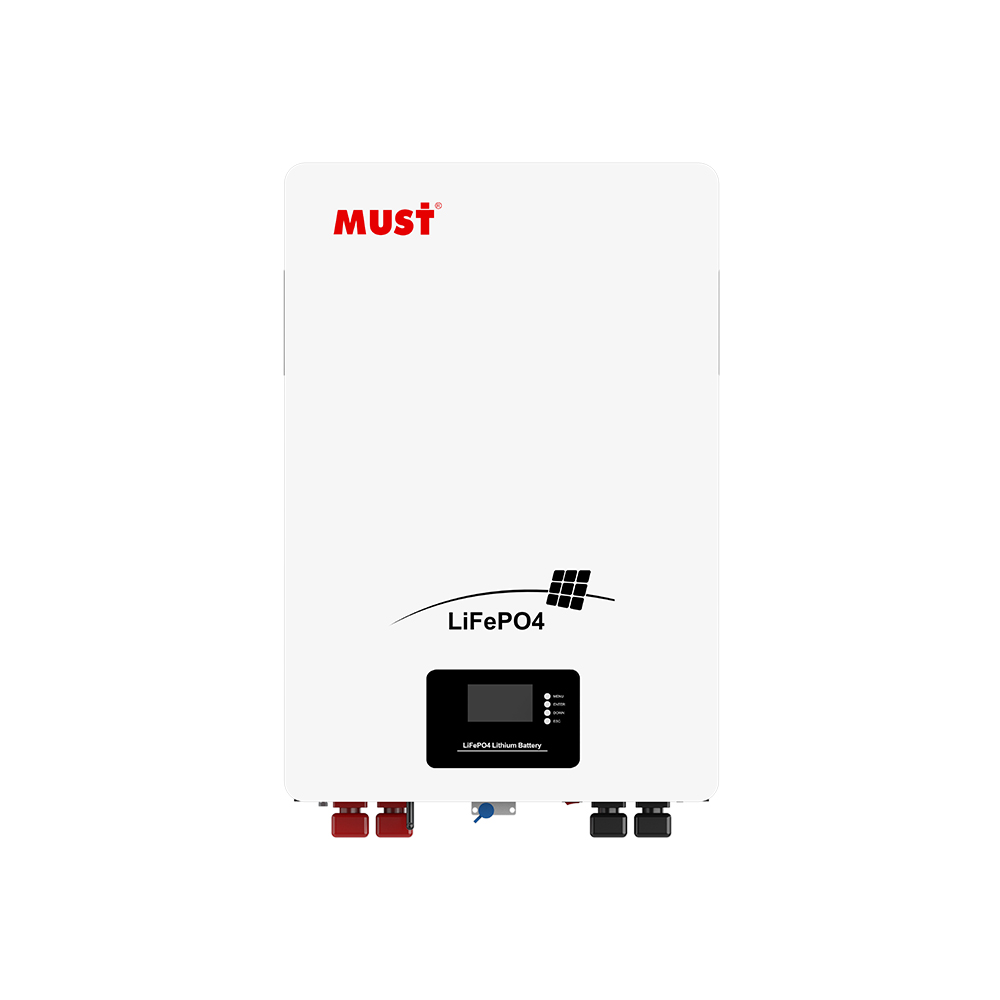
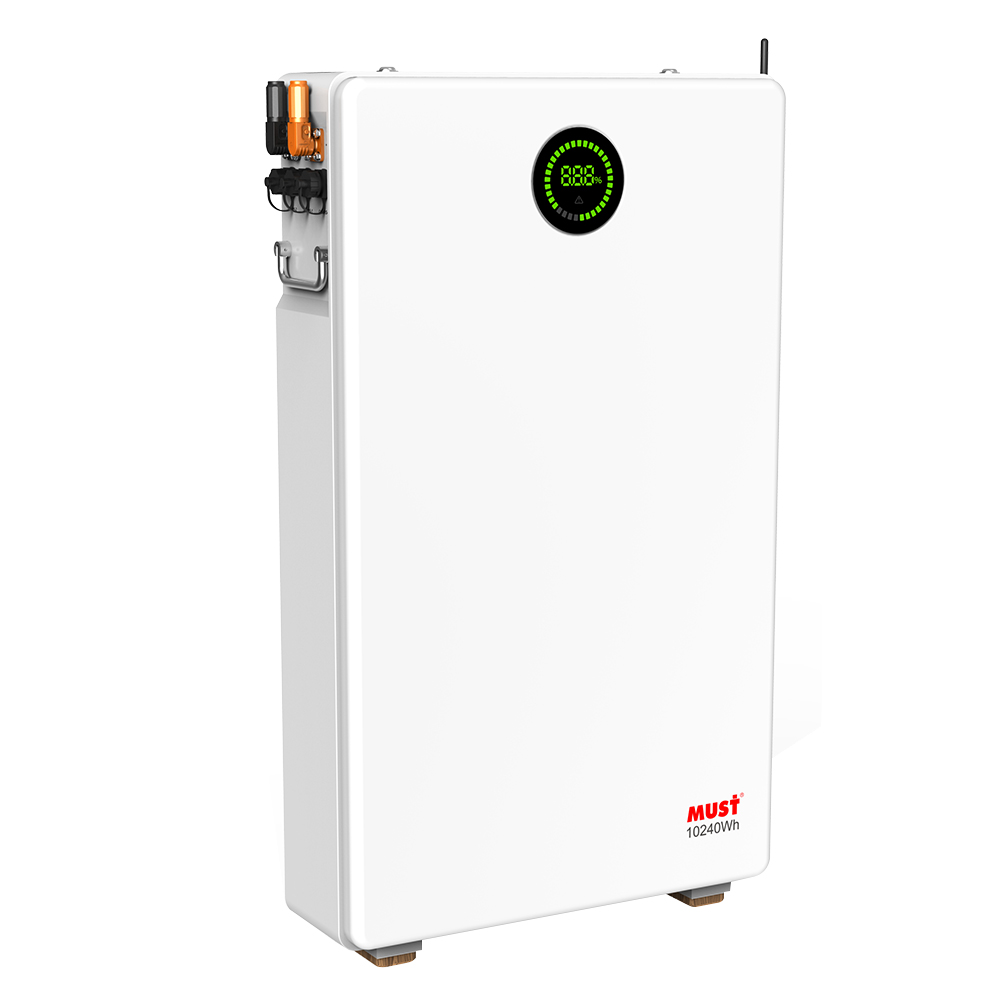
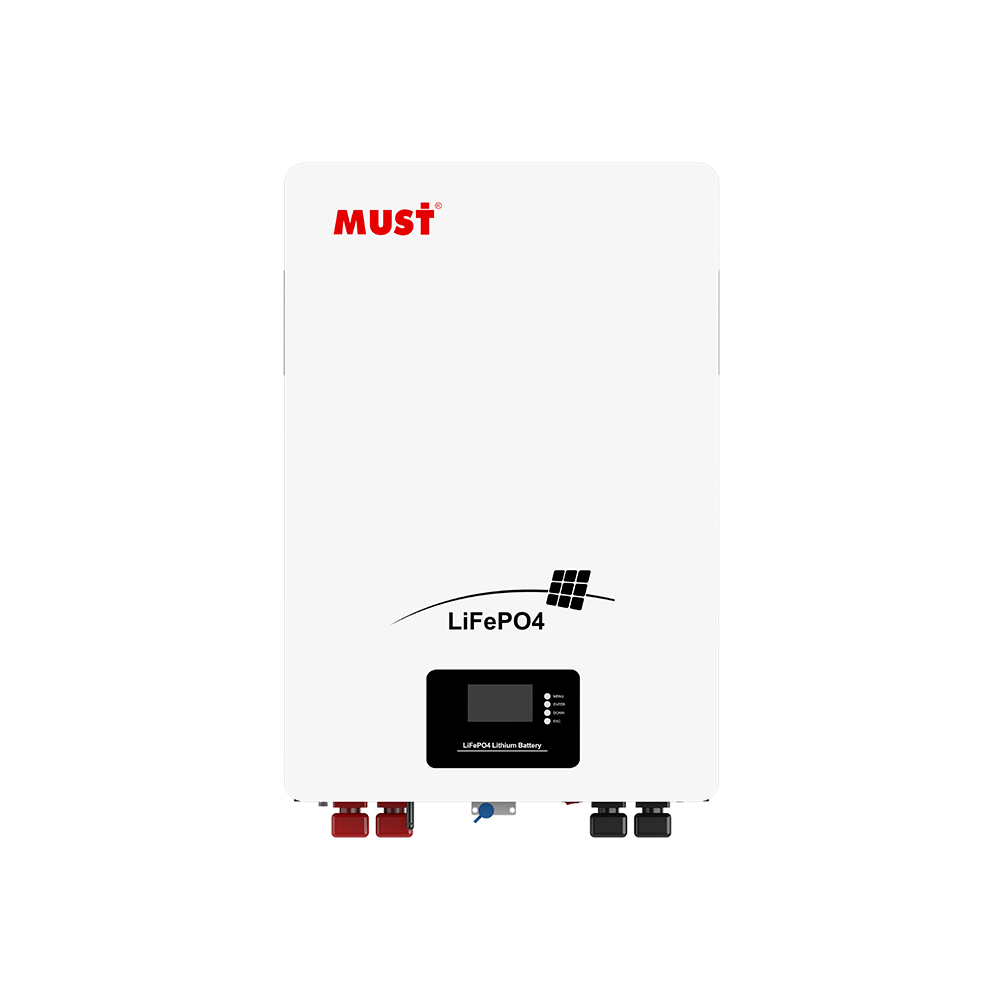
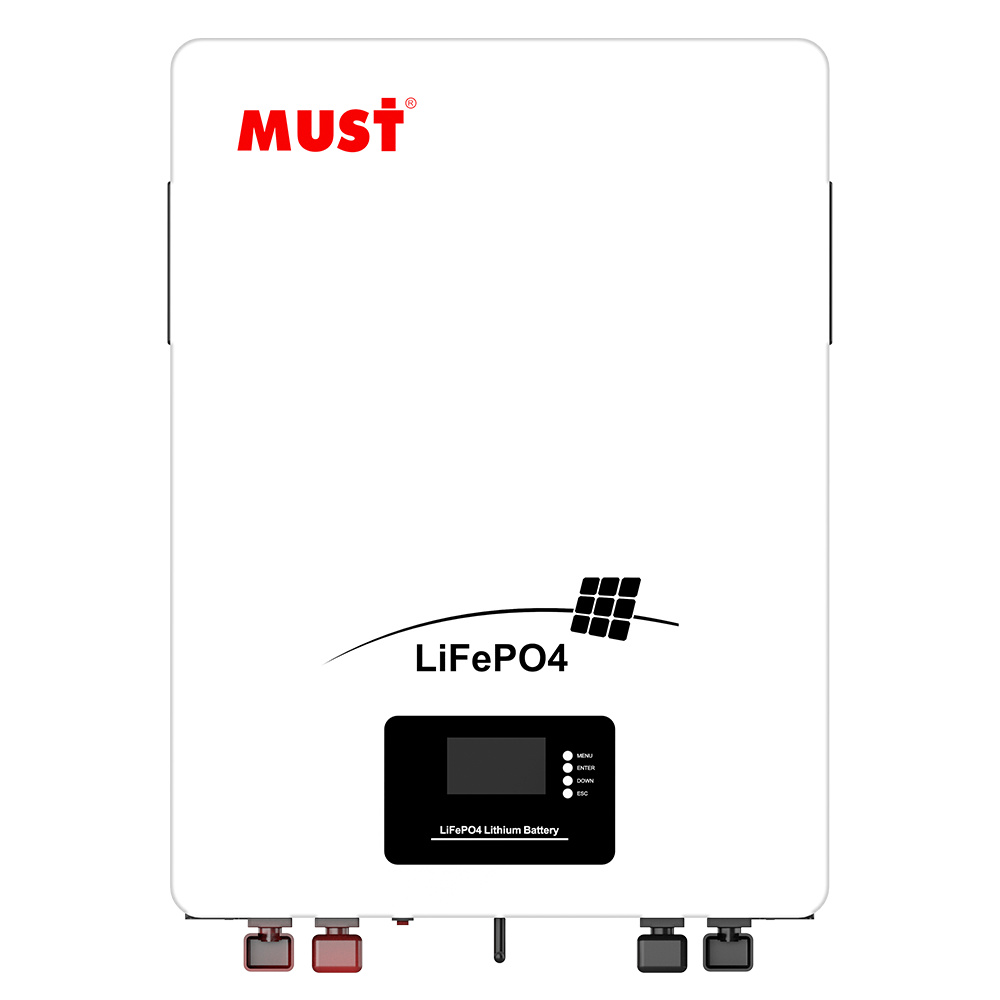
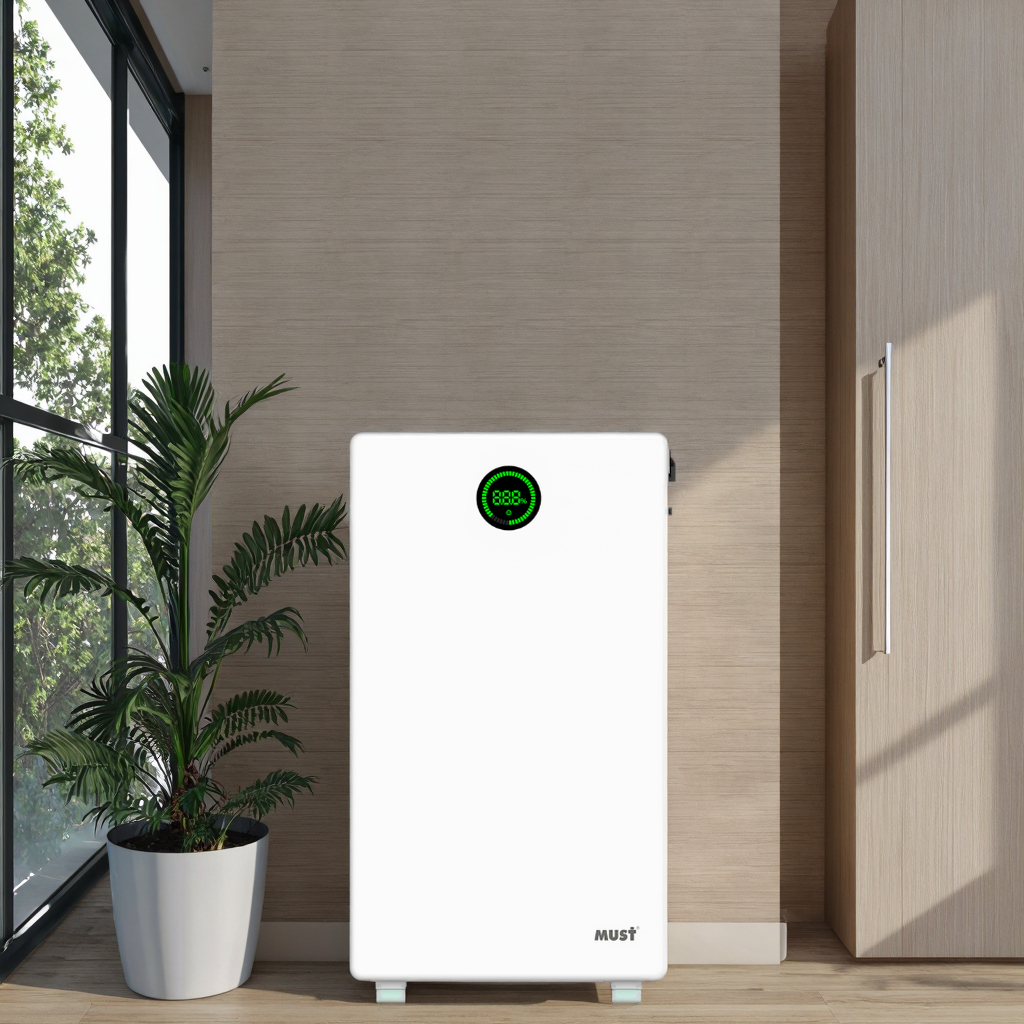
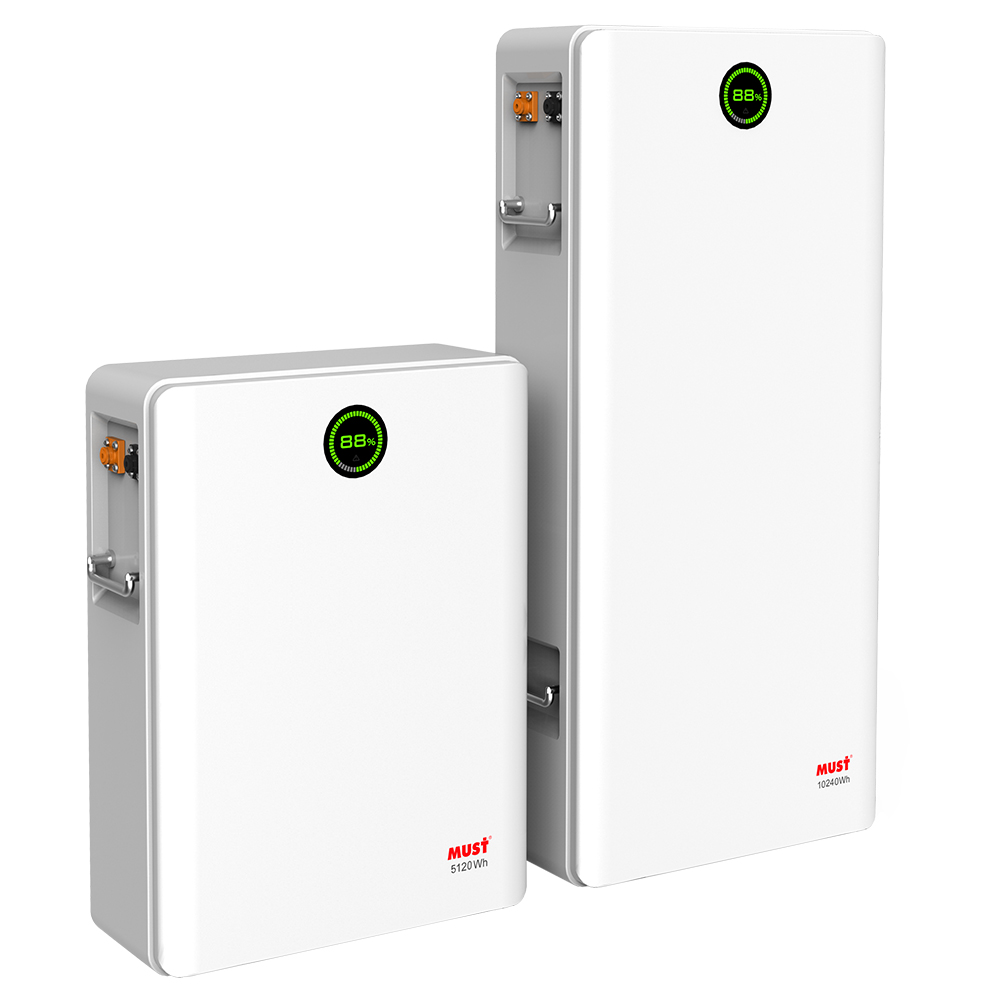
Washington DC experiences frequent micro-outages during summer heatwaves and severe winter severe weather events. Residential solar-plus-storage systems utilize wall-mounted IP65 48V 100Ah or 200Ah LiFePO4 units (such as the Poland Warehouse 10KWh LP16 series) to supply instant backup power within 10 milliseconds. Additionally, under PEPCO's Time-of-Use (TOU) rate structures, these systems automatically discharge stored solar energy during peak tariff hours (2:00 PM – 7:00 PM), drastically slashing monthly electricity expenses for homeowners.
3.2 Commercial & Municipal Microgrid Installations
Non-profit headquarters, government sub-contractor facilities, and multi-family residential complexes throughout DC are implementing scalable, parallel storage clusters. Utilizing systems capable of scaling up to 153.6kWh in parallel configuration (e.g., LP28-48200 5.12kWh stacked modules), commercial operators maintain emergency lighting, security networks, server racks, and refrigeration without relying on dirty diesel generators.
3.3 Virtual Power Plants (VPP) & PJM Frequency Regulation
Aggregated residential and commercial ESS units in the Mid-Atlantic can participate in PJM Interconnection demand response programs. Smart all-in-one storage systems equipped with WiFi/GPRS telemetry modules allow local utilities to draw grid stabilization power during frequency drops, generating passive SREC (Solar Renewable Energy Certificates) and grid service revenue for asset owners.
4. Technical Specification Matrix: Choosing the Right ESS Profile
When procuring from China wholesalers for Washington DC distribution, buyers must evaluate system parameters against regional grid code requirements. The table below outlines key technical metrics across primary system classes:
| Specification Metric | Wall-Mounted Residential (5-10kWh) | Rack-Mounted C&I Stacks (15-50kWh) | Portable / Micro-ESS (1-3kW) |
|---|---|---|---|
| Nominal Battery Voltage | 48V / 51.2V DC | 51.2V / High Voltage (200-400V) | 12V / 24V / 48V DC |
| Cell Chemistry | Grade-A LiFePO4 (Prismatic) | Grade-A LiFePO4 / Solid-State | LiFePO4 Pack |
| Grid Interconnection Mode | Hybrid (On/Off-Grid Switchable) | Three-Phase Grid-Interactive | Pure Off-Grid / Islanded |
| Protection & Rating | IP65 Enclosure / Outdoor Rated | NEMA 3R / IP54 Indoor Cabinet | Impact-Resistant Portable Casing |
| Communication Protocols | CAN / RS485 / RS232 / WiFi | CANbus / Modbus RTU / Ethernet | USB / Bluetooth App Control |
| Target US Compliance | UL 1973, UL 9540, FCC Class B | UL 9540, UL 9540A, NFPA 855 | UN 38.3, CE, FCC, UL 2743 |
5. Regulatory Compliance & Navigating DC Permitting
Building a successful distribution channel for imported Chinese energy storage products in Washington DC requires absolute adherence to municipal and federal regulatory frameworks. Importing non-compliant hardware risks seizure by US Customs and Border Protection (CBP) or outright permit rejections by DC Department of Energy & Environment (DOEE) and PEPCO inspectors.
5.1 Structural Electrical & Fire Safety Standards
- UL 1973 Standard: Validates the safety and structural integrity of stationary energy storage battery packs under thermal, electrical, and mechanical abuse tests.
- UL 9540 & UL 9540A: Evaluates the complete system integration (inverter + BMS + battery) and measures fire growth behavior during forced thermal runaway scenarios. Washington DC fire codes strictly enforce capacity limits on non-UL 9540A tested batteries inside commercial buildings.
- NFPA 855 (Standard for the Installation of Stationary Energy Storage Systems): Dictates maximum allowable energy capacity per indoor fire control area (typically 20kWh per unit and 80kWh total per room for residential settings) alongside mandatory 3-foot clearance zones.
5.2 Interconnection Standards with PEPCO
For grid-tied hybrid inverters, equipment must be listed on the IEEE 1547.1-2020 standard compliance registry. This guarantees anti-islanding protection (preventing power feed to the grid during line maintenance) and provides reactive power support during local voltage fluctuations.
6. Factory Advantage: Why Sourcing from CJH Energy Guarantees Market Dominance
As a custom manufacturer with over 20 years of power electronics expertise, CJH Energy (Guangdong) Tech Co., Ltd. offers Washington DC B2B importers direct access to tier-1 production pipelines, skipping intermediate trading margin markups while retaining full engineering control.
Massive Production Footprint
Operating a 31,056 m² state-of-the-art facility employing over 1,100 skilled personnel. Annual output exceeds 600,000 units across inverters, charge controllers, and LiFePO4 packs.
TÜV Rheinland Audited Quality
Factory management certified under ISO 9001, ISO 14001, and ISO 45001. All production lines undergo automated optical inspection (AOI) and 100% full-load aging tests prior to packing.
OEM/ODM Customization & Protocols
Backwards compatible firmware design led by 80+ senior engineers. Custom enclosure color schemes, brand screen printing, localized packaging, and specific CAN/RS485 protocol flashing.
7. Frequently Asked Questions (FAQ) for Washington DC Buyers
8. Partner with China's Premier ESS Manufacturer
Scaling a clean energy distribution business in Washington DC requires a manufacturing partner that combines low unit production costs with uncompromised quality assurance and deep engineering support. CJH Energy (Guangdong) Tech Co., Ltd. stands ready to accelerate your supply chain with proven, high-cycle LiFePO4 storage solutions.
