Featured High-Frequency Inverters & Lithium Storage Systems
Verified B2B Power Conversion Units Tailored for Importers, Wholesalers, and EPC Contractors in Osaka & Kansai Region
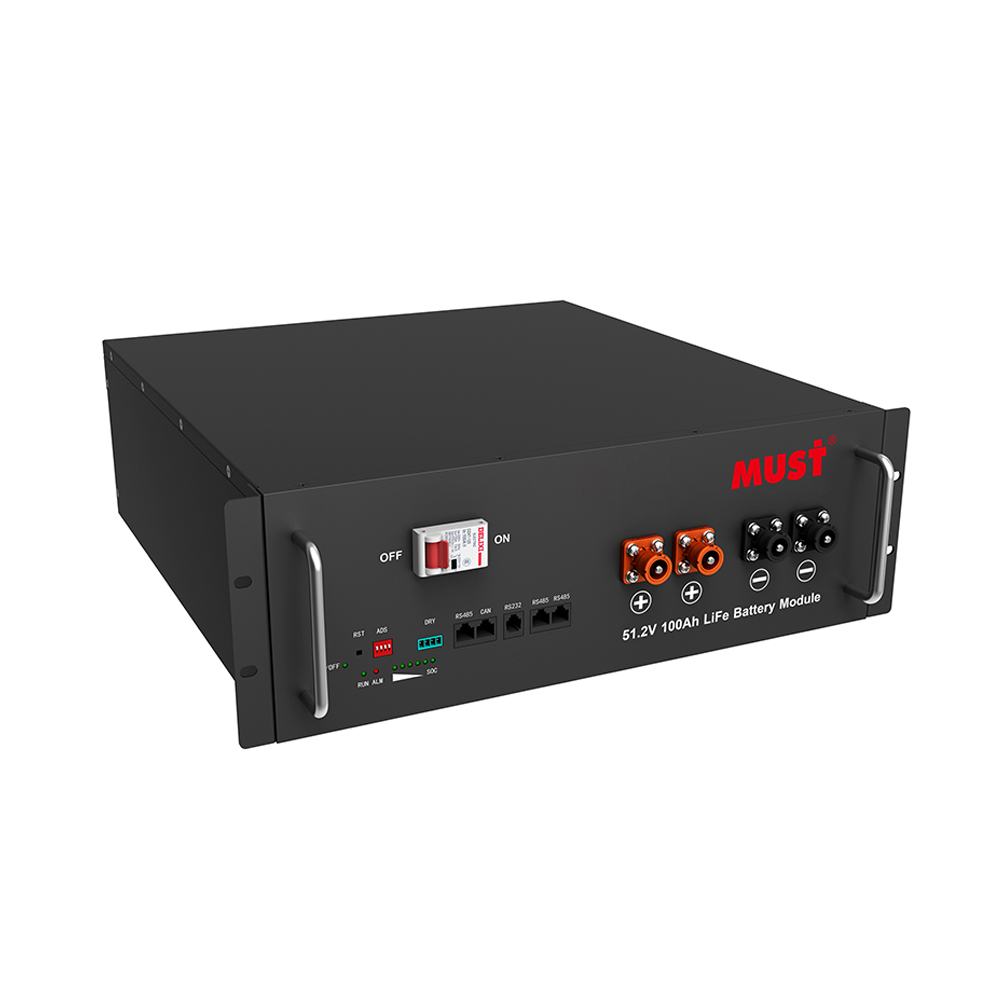
IP65 48V 100Ah 5KWh Lifepo4 Lithium Battery with CAN Port

MUST Portable Outdoor Solar Station 2000W-3000W Backup System

MUST 48V 100Ah/200Ah Home Storage Solar Lithium Battery
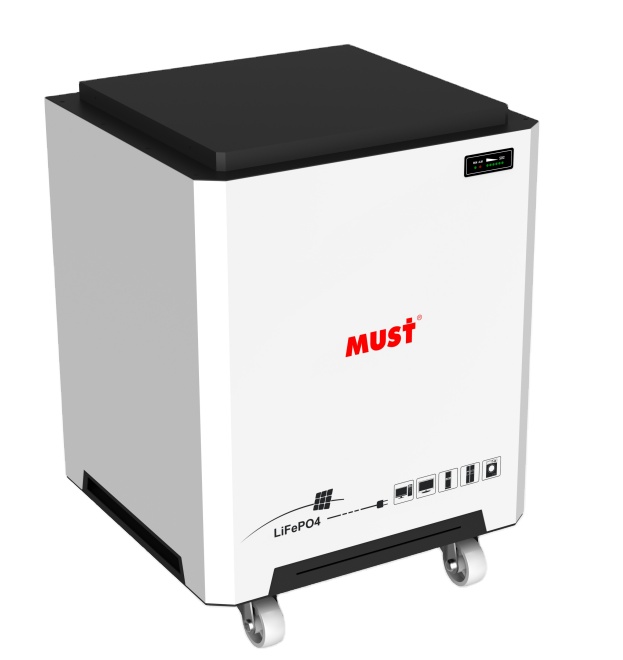
MUST 51.2V 200Ah Tower Lithium Ion Battery 10kWh-20kWh
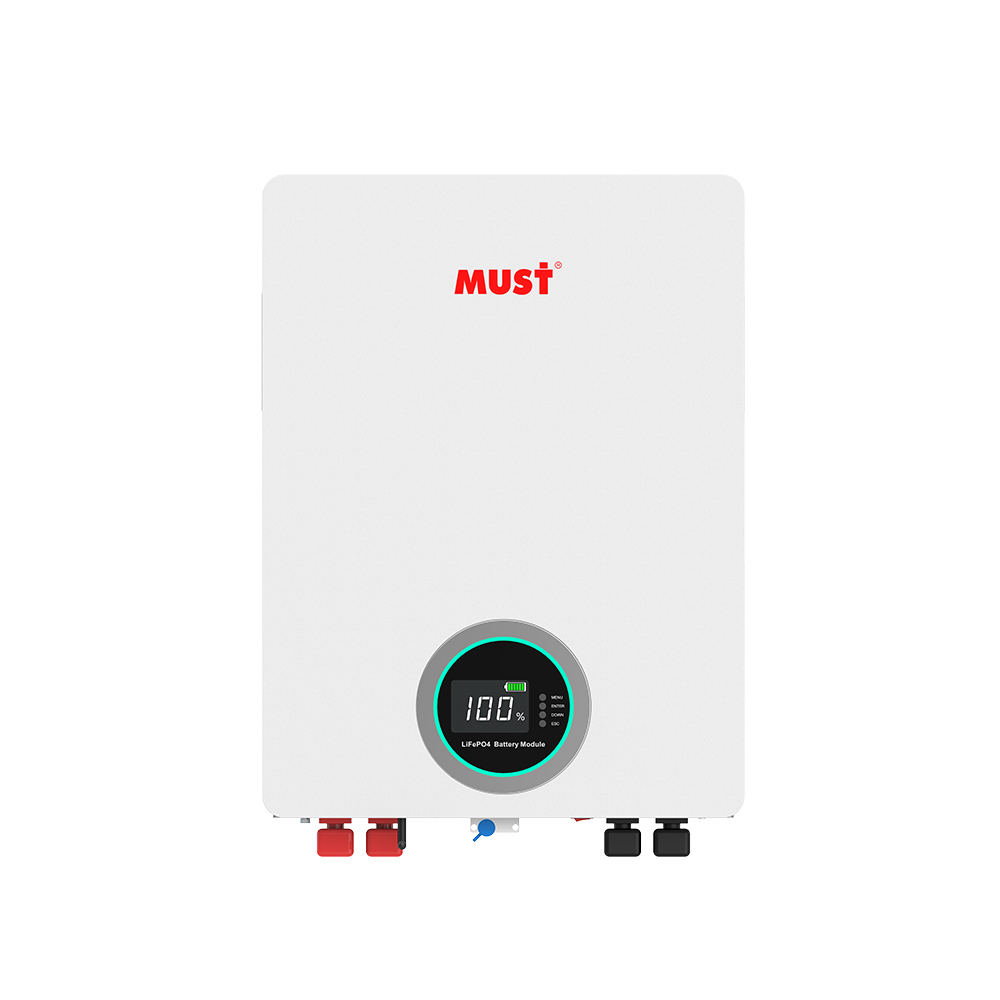
10kWh LiFePO4 Energy Storage Battery | 48V 200Ah Lithium Pack
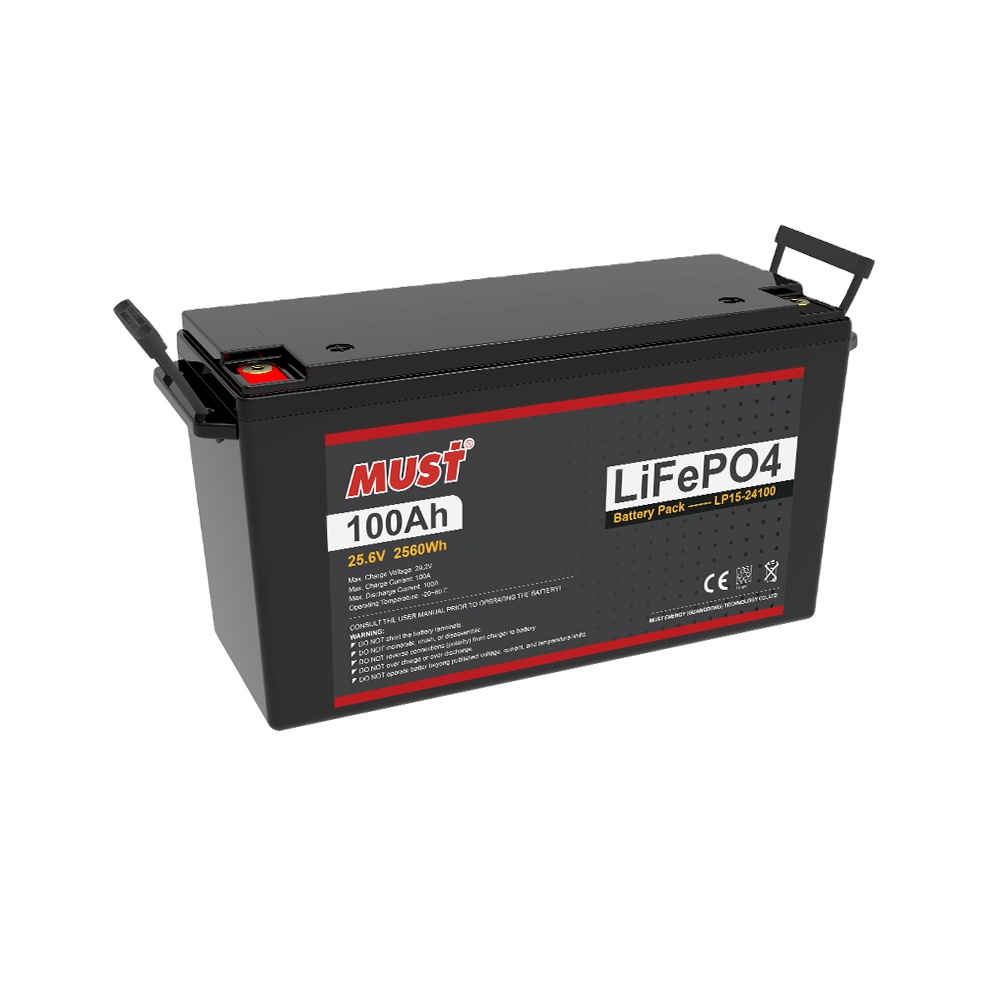
25.6V 2560Wh LiFePO4 Module 6000 Cycles Model LP15-24100
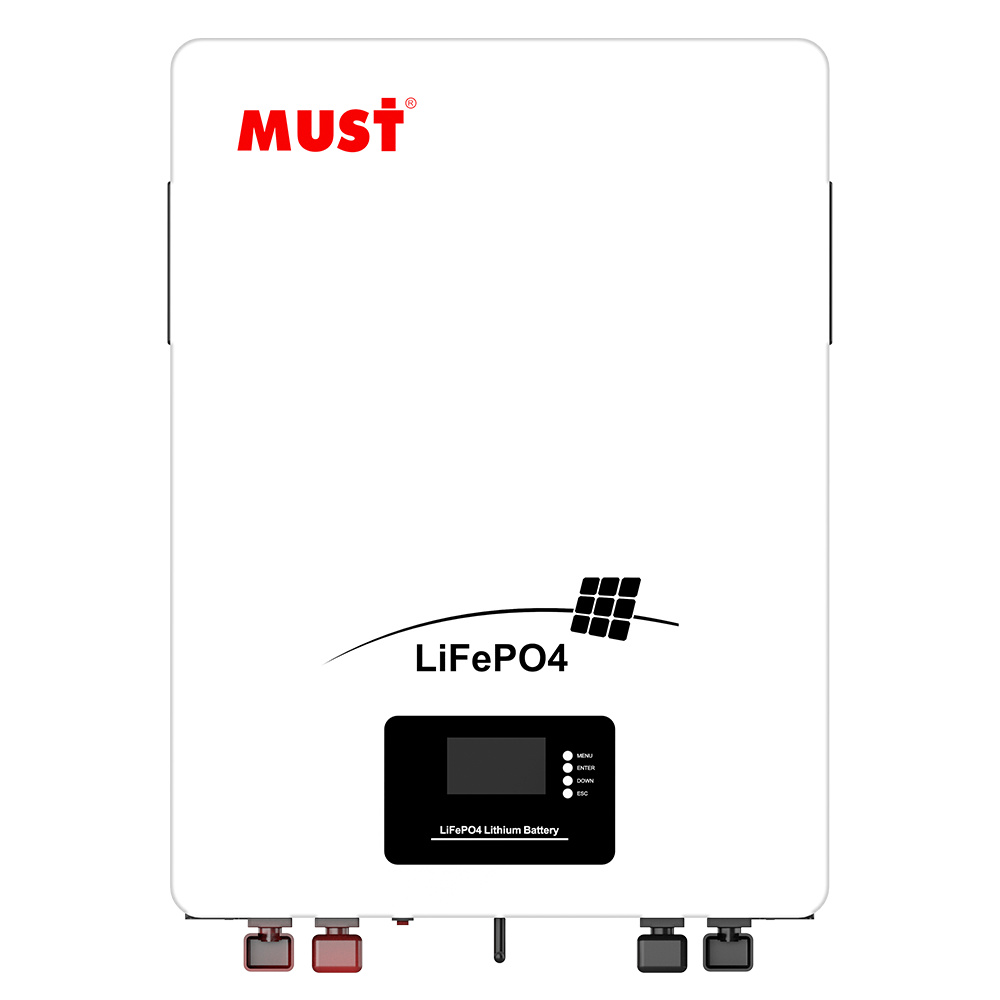
IP65 48V 100Ah 10KWh Powerwall LiFePO4 Battery with CAN
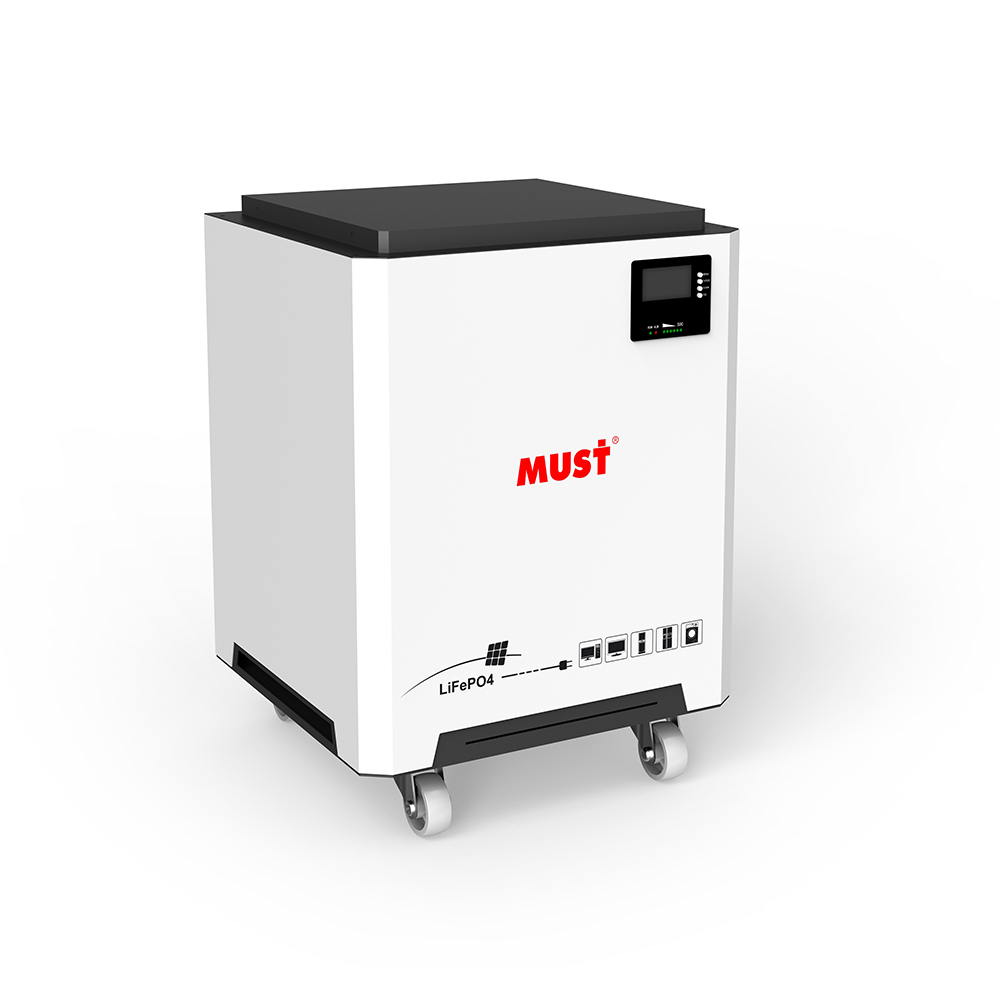
MUST Rechargeable 10kW 48V LiFePO4 Battery System
Executive Whitepaper: High-Frequency Inverter Architecture in Osaka’s Modern Grid Context
As the commercial and industrial capital of Western Japan, Osaka operates under a distinct 60Hz utility grid architecture controlled by Kansai Electric Power Company (KEPCO). Sourcing high-frequency (HF) solar inverters for Osaka’s dense urban and industrial ecosystem demands rigid adherence to localized electrical dynamics, strict Total Harmonic Distortion (THD) suppression, fast zero-crossing switching, and compact dimensional footprints suited for high-density space constraints.
High-frequency inverter topologies utilize advanced pulse-width modulation (PWM) operating at switching frequencies typically between 20 kHz and 100 kHz. Unlike legacy low-frequency designs that rely on heavy, bulky copper-iron transformers operating at 50/60Hz, high-frequency units utilize miniature ferrite core transformers. This structural evolution delivers unprecedented power density (>300W/kg), exceptional dynamic response to variable solar irradiation, and minimal standby self-consumption (<15W), making them the definitive standard for Osaka’s commercial, residential, and emergency backup microgrids.
Technical Architecture Comparison: High-Frequency vs. Transformer-Based Topologies
For B2B wholesalers, importers, and EPC installers serving the Kansai industrial zone, choosing the right inverter topology directly dictates long-term power conversion efficiency, system thermal load, and lifetime balance-of-system (BOS) return on investment. The analytical table below outlines the core differences for local integration:
| Performance Metric | High-Frequency (HF) PWM Inverter | Legacy Low-Frequency (LF) Inverter | Impact on Osaka Grid & Installation |
|---|---|---|---|
| Switching Frequency | 20 kHz – 50 kHz (MOSFET / SiC) | 50 Hz / 60 Hz (Iron Core) | Zero acoustic noise in urban Osaka commercial facilities. |
| Power Conversion Efficiency | 93% – 98% Peak Efficiency | 85% – 89% Peak Efficiency | Reduces thermal dissipation in compact space installations. |
| Power Density & Weight | High (8–14 kg for 5kW unit) | Low (35–55 kg for 5kW unit) | Significantly reduces wall-loading and freight logistics costs. |
| No-Load / Standby Consumption | Ultra-Low (<12W – 18W) | High (40W – 90W) | Maximizes overnight battery energy retention during winter. |
| THD (Total Harmonic Distortion) | < 2.5% Pure Sine Wave | < 5% Pure Sine Wave | Protects sensitive electronic equipment in Osaka labs & offices. |
| Transient Load Response | Microsecond PWM adjustment | Millisecond mechanical reaction | Instantaneous adaptation during rapid cloud coverage shifts. |
Localized Application Scenarios Across Osaka & Kansai Industrial Zones
Sourcing high-frequency inverters and lithium energy storage systems for Osaka requires a deep understanding of localized deployment environments. From coastal logistics hubs along Osaka Bay to high-density commercial towers in Namba and Umeda, our power systems are engineered to withstand rigorous operational demands.
1. Yodogawa & Higashiosaka Manufacturing Parks
Small-to-medium precision engineering workshops in Higashiosaka require clean, uninterruptible 60Hz power. High-frequency inverters integrated with 48V 200Ah LiFePO4 battery banks provide seamless UPS-grade auto-transfer (<10ms), preventing costly CNC machine downtime during local voltage sags.
2. Osaka Bay Coastal Logistics & Cold Storage Hubs
Port facilities in Suminoe and Konohana face high humidity and atmospheric salt fog. Our specialized IP65-rated wall-mount and tower LiFePO4 systems utilize anti-corrosion conformal coatings on internal PCBs, ensuring 6000+ cycle operational stability in maritime microclimates.
3. Namba & Umeda Commercial Office Rooftops
Due to strict structural roof-load limits in central Osaka skyscrapers, light-weight high-frequency solar inverters deliver maximum solar harvest without requiring heavy structural retrofits. Their compact footprint enables sleek installation inside utility closets.
4. Kansai Earthquake Resilience & Emergency Backups
In alignment with Municipal Disaster Prevention Guidelines across Osaka Prefecture, our high-frequency hybrid inverters support grid-independent cold start capabilities, permitting instant islanding during severe typhoons or seismic grid disruptions.
Local Energy Trends & Technical Compliance in Western Japan
The solar power dynamic in Western Japan has rapidly transitioned from post-FIT (Feed-in Tariff) export reliance toward total residential and commercial self-consumption and Virtual Power Plant (VPP) integration. Wholesalers operating in Osaka must equip their product catalogs with inverters that support complex bidirectional communication protocols and strict voltage control.
1. Precise 60Hz Grid Synchronization & Voltage Regulation
Osaka’s KEPCO grid enforces tight frequency regulation thresholds. CJH Energy high-frequency inverters incorporate advanced digital signal processors (DSP) capable of locking onto 60Hz grid sine waves within 0.1Hz tolerances. Built-in reactive power control (Volt-VAR curves) prevents local grid voltage spikes when solar generation peaks during midday.
2. Advanced Battery Management (BMS) & Protocol Compatibility
Modern Kansai battery installations demand multi-protocol interoperability. Our high-frequency hybrid series features hardware-integrated RS485 and CAN-bus communication channels pre-programmed to sync natively with Tier-1 LiFePO4 chemistry cell blocks, including BYD, CATL, and MUST energy packs. This eliminates protocol mismatch faults and streamlines installer commissioning.
3. METI & JET Regulatory Alignment Guidelines
Navigating Japan's Ministry of Economy, Trade and Industry (METI) technical requirements requires strict compliance with JET (Japan Electrical Safety & Environment Technology Laboratories) standard safety frameworks. Our production lines implement triple-stage insulation testing, high-voltage withstand checks, and ground-fault protection (GFCI) to meet wholesale compliance benchmarks.
Why Sourcing from CJH Energy Delivers Competitive Advantage for Osaka Wholesalers
As a custom power technology manufacturer with 20+ years of power electronics innovation, CJH Energy (guangdong) Tech Co., Ltd. provides direct factory-to-wholesaler advantages that remove middleman markups while ensuring total engineering accountability.
Massive Production Capacity
Our 31,056 m² ISO-certified manufacturing base achieves an annual throughput exceeding 600,000 power units, guaranteeing stable inventory allocation for high-volume Osaka distributors.
80+ In-House R&D Engineers
Our engineering division holds multiple national invention patents, offering full ODM and OEM customization for Osaka brands—including custom firmware parameters, chassis branding, and Japanese LCD interfaces.
TÜV Rheinland On-Site Verified
Every inverter series undergoes rigorous burn-in aging tests, vibration simulations, and high-temperature stress testing. TÜV Rheinland verification ensures full operational reliability.
Triple ISO Quality Framework
Operations strictly follow ISO 9001 (Quality), ISO 14001 (Environmental), and ISO 45001 (Occupational Health) management systems, establishing complete traceable quality control from raw materials to final shipment.
Frequently Asked Questions by Osaka B2B Importers
Technical and Commercial Clarifications for Solar Inverter Procurement in Kansai
1. Are CJH Energy high-frequency inverters compatible with Osaka’s 60Hz utility grid?
Yes. All our off-grid and hybrid high-frequency solar inverters feature selectable 50Hz/60Hz output frequency settings controlled via internal DIP switches or LCD menus. For Osaka and Western Japan, units are factory-preset or field-configured to 60Hz with precise DSP phase-locking to match KEPCO grid specifications.
2. What are the main freight and shipping routes from your factory to Osaka Port?
We routinely ship containerized freight directly to Osaka Port (Nanko District) and Kobe Port via short-sea logistics routes from Shenzhen and Nansha ports. Standard ocean transit times range between 4 to 7 days, allowing Kansai distributors to maintain lean inventory cycles.
3. How does high-frequency topology handle heavy motor loads in industrial Osaka workshops?
Our high-frequency inverters incorporate advanced surge power algorithms capable of delivering 2x rated output capacity for up to 5 seconds. For extreme heavy-inductive motor loads (such as heavy water pumps or legacy air compressors), we recommend pairing with our low-frequency PV3000 series or oversizing the HF inverter by 1.5x.
4. Do you support full OEM branding and custom firmware for Japanese distributors?
Absolutly. Backed by our 80+ member R&D team, we provide complete OEM services including customized metal enclosure designs, silk-screen logos, unique color schemes, custom carton packaging, Japanese user manuals, and customized CAN/RS485 BMS communication protocols.
5. What is the standard warranty and RMA support structure for wholesale orders?
We provide standard 2 to 5-year warranties depending on the inverter series and lithium battery setup. For bulk wholesale contracts, we supply spare mainboards, control boards, and fast-wear components alongside factory technical video support and regional partner service nodes.
6. How do your LiFePO4 batteries communicate with your high-frequency hybrid inverters?
Our batteries feature plug-and-play CAN-bus and RS485 communication protocols. When connected to CJH Energy high-frequency hybrid inverters, the intelligent BMS automatically synchronizes charge currents, cut-off voltages, temperature monitoring, and state-of-charge (SOC) metrics without manual parameter programming.
Partner with a World-Class Solar Inverter Manufacturer
Expand your product lineup in Osaka and the Kansai region with factory-direct, high-frequency inverters and LiFePO4 energy storage solutions. Contact our engineering team today for technical catalogs, OEM specifications, and wholesale pricing.
