Featured Battery Charge Controllers & Storage Systems
Verified B2B Hardware Solutions Engineered for Japanese Residential, Commercial, and Off-Grid Infrastructure
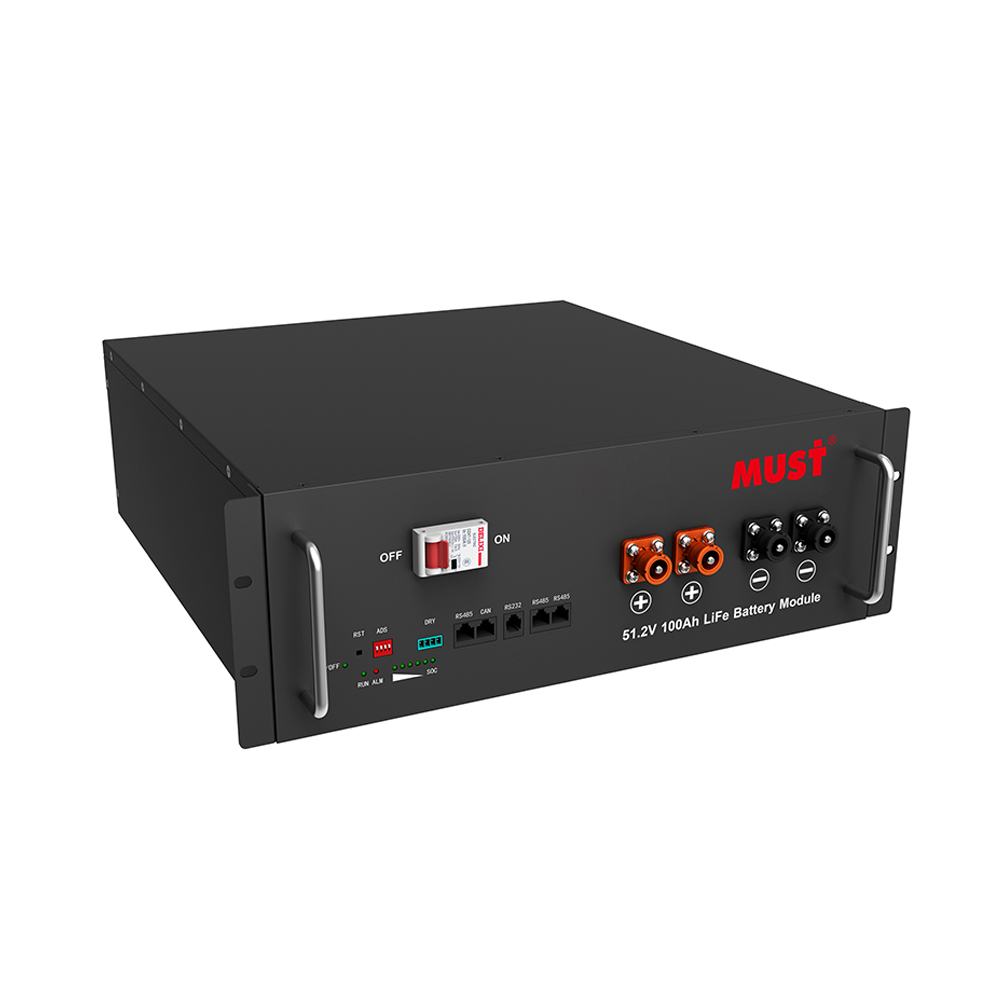
IP 65 48V 100Ah 5KWh Lifepo4 Lithium Battery for Home Energy Storage with CAN Communication Port
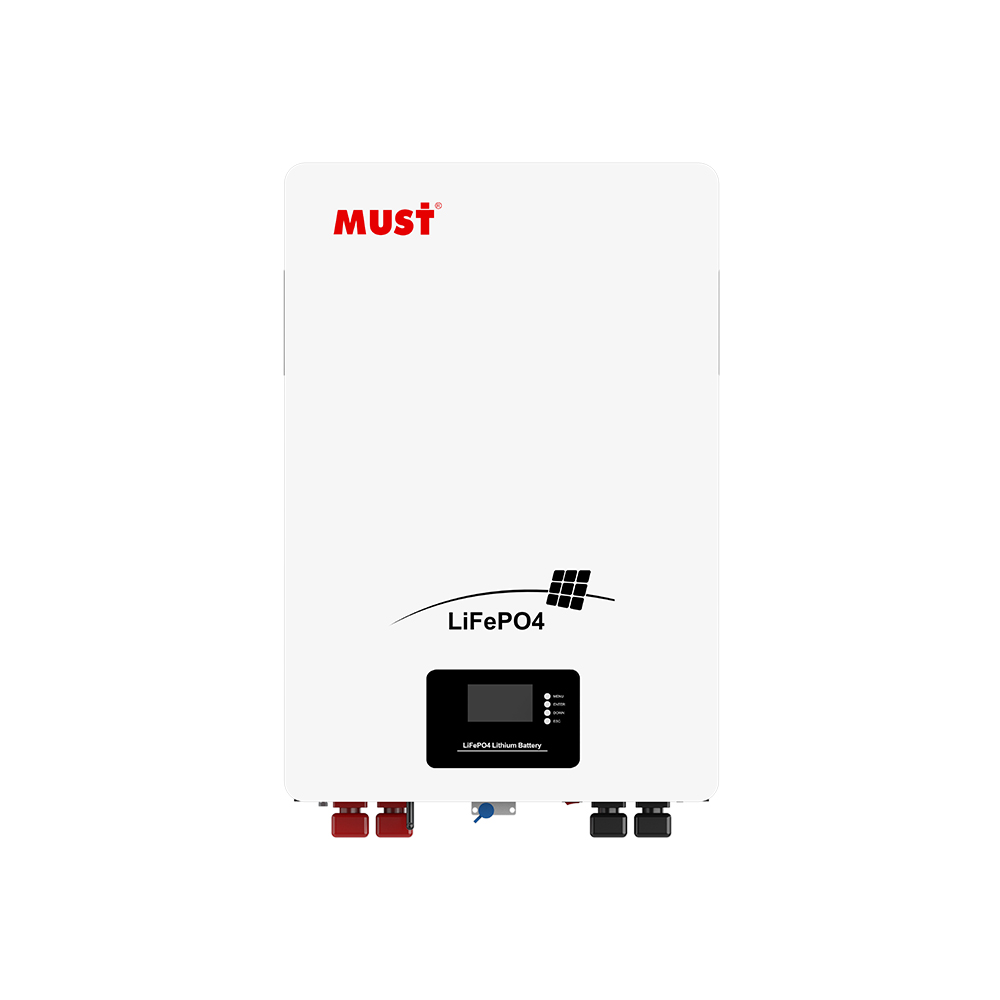
Poland Warehouse 10KWh LiFePO4 Energy Storage Battery CAN RS485 RS232 Communication Hybrid Inverters for LP16-48200 6000 Cycles
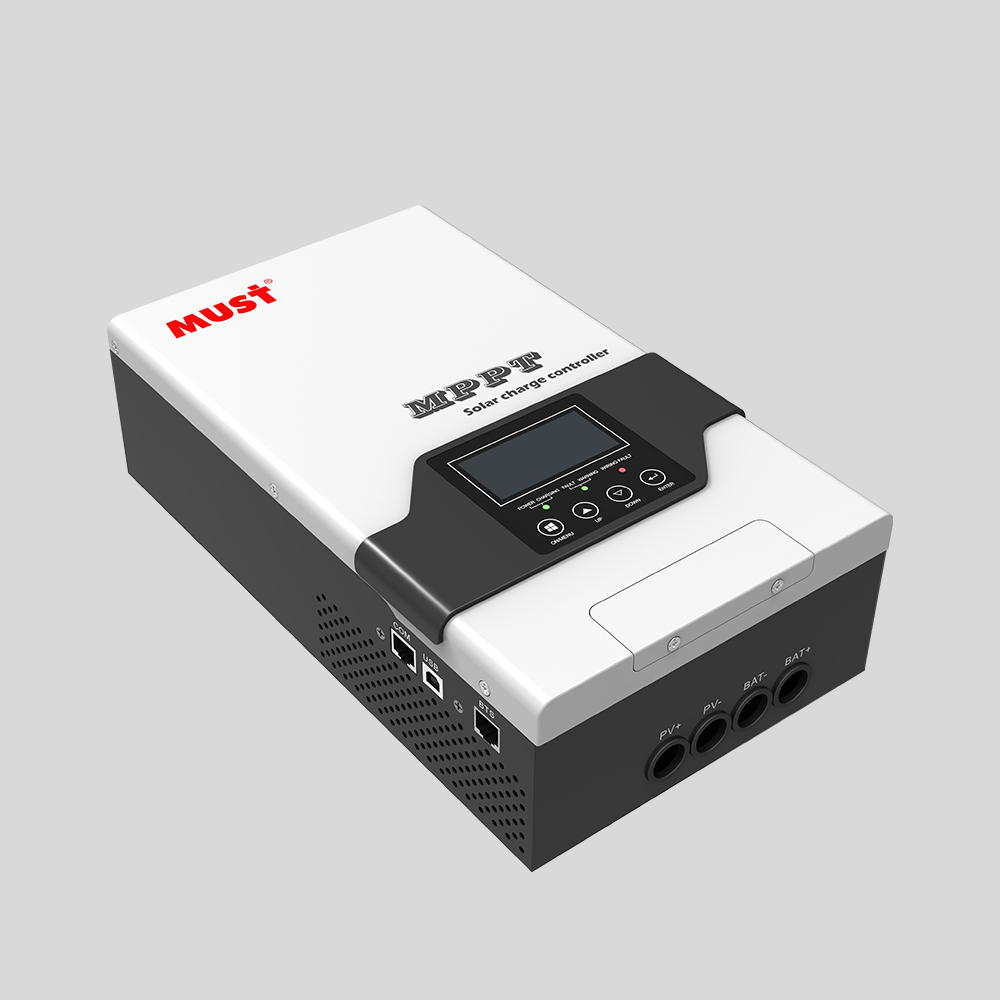
MUST PC1800F Series Fan Cooling 60A 80A 100A Mppt 12V 24V 48V Solar Charge Controller Solar Regulator

MUST Factory All in One HBP19 Series Wall Mounted Lifepo4 Battery Solar Energy Storage System Home 3.5kw 5.5kw 3.2kwh 5.1kwh

China LP2800 Series 48V LiFePO4 Battery 7000+ Cycles for Residential Energy Storage CAN/WiFi IP65 10-Year Warranty All-In-One
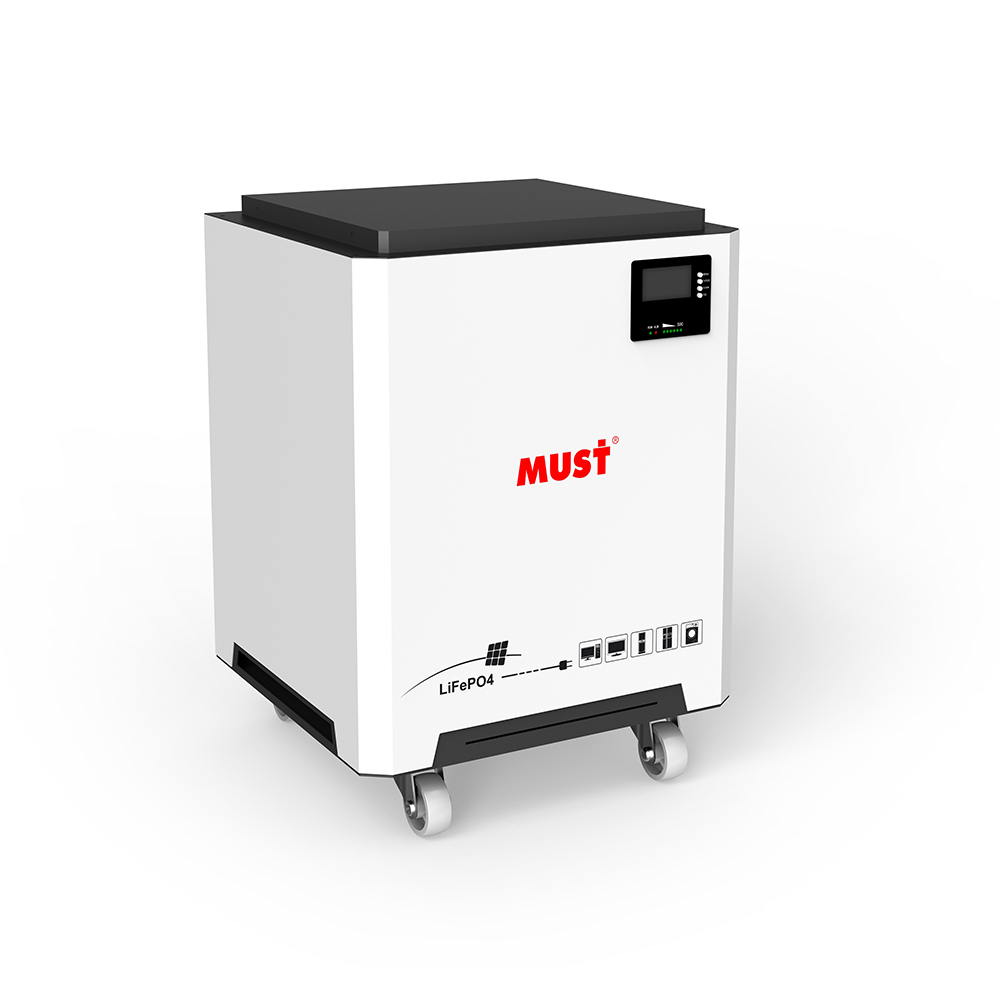
Must Rechargeable 10kw LiFePO4 Lithium Battery 48V 50AH 200AH 300AH Li Ion Battery Pack Solar Storage System Byd Lifepo4 Battery
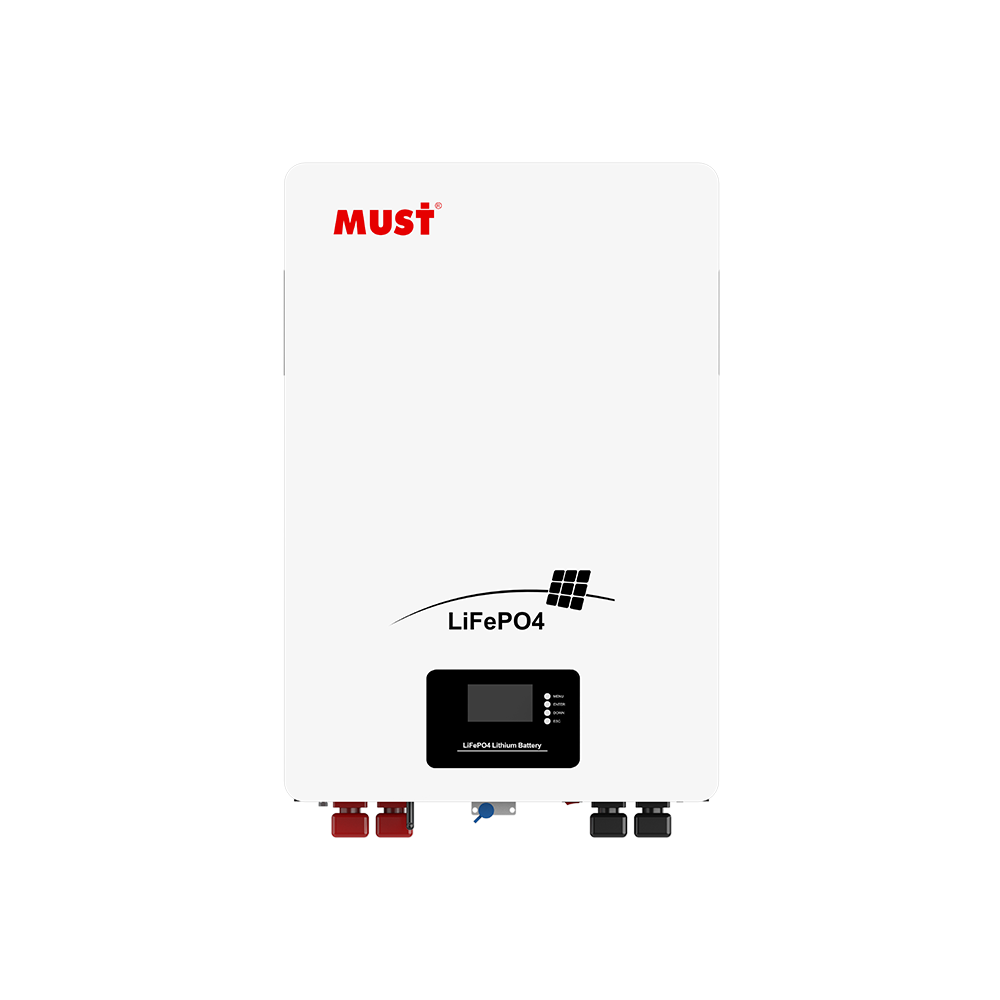
LP16 Hot-selling 48V 100Ah 10KWh Wall-Mounted Lifepo4 for Powerwall Lithium Battery for Home Energy Storage with CAN
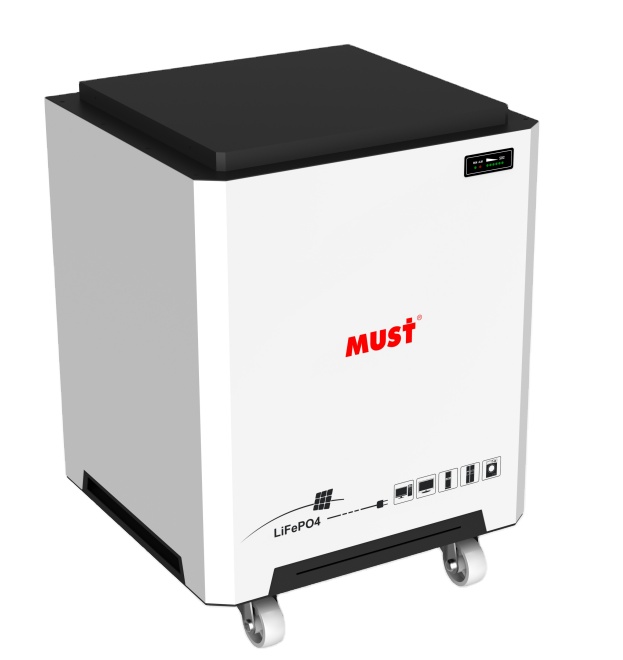
MUST BYD 51.2V 200Ah Tower Lithium Ion Battery 10kwh 48v 200ah Lithium Battery 5KWH 10KWH 15KWH 20KWH
1. Executive Summary & Strategic Landscape of Japan's Charge Controller Market
The Japanese solar energy ecosystem is experiencing a profound paradigm shift. Transitioning from the legacy Feed-in Tariff (FIT) framework to the competitive Feed-in Premium (FIP) model, the demand for high-efficiency Maximum Power Point Tracking (MPPT) battery charge controllers, coupled with scalable Lithium Iron Phosphate (LiFePO4) storage, has escalated exponentially across Hokkaido, Honshu, Kyushu, and Okinawa. Importers, EPC contractors, and B2B distributors in Japan require charge controllers that strictly comply with the Electrical Appliance and Material Safety Law (PSE Mark), Japanese Industrial Standards (JIS C 8955), and JET (Japan Electrical Safety & Environment Technology Laboratories) grid-interconnection benchmarks.
Modern Japanese renewable installations—spanning Zero Energy Houses (ZEH), commercial peak-shaving microgrids, and disaster-resilience evacuation shelters—demand charge regulators capable of maintaining ultra-fast MPPT tracking rates even during extreme overcast weather, low thermal coefficients, and severe sub-zero operating environments. Sourcing from tier-1 global exporters capable of providing firmware customization, custom CANbus/RS485 protocol mapping, and robust IP65 physical enclosures has become the single most vital operational advantage for Japanese clean energy importers.
2. Comparative Analysis: Top 10 Battery Charge Controller Exporters & Wholesalers for Japan
To assist Japanese procurement officers, technical directors, and B2B wholesalers in identifying optimal supply partners, the following analysis evaluates the leading exporters based on technological compliance, OEM capabilities, warranty terms, and cost-to-performance metrics.
CJH / MUST Energy Tech Co., Ltd.
Core Strength: Integrated OEM/ODM Ecosystem & High-Efficiency MPPT
Operating a massive 31,056 m² TÜV Rheinland-audited manufacturing facility with over 1,109 skilled personnel, CJH / MUST Energy leads the market in exporting high-performance MPPT solar controllers (PC1800F Series 60A-100A) and LiFePO4 battery storage systems. Equipped with 80+ senior engineers, CJH provides seamless CANbus, RS485, and RS232 customization specifically adapted for Japanese hybrid inverters and local BMS protocols.
Victron Energy (Japan Network)
Core Strength: Off-Grid Marine & Industrial Controllers
Renowned for its SmartSolar and BlueSolar MPPT charge regulators, Victron maintains a strong distribution presence in Japan's marine and remote telecommunications sectors. Their units offer wide PV voltage windows and Bluetooth connectivity, though import unit costs remain considerably higher than direct factory sourcing alternatives.
OutBack Power (EnerSys Japan)
Core Strength: Heavy-Duty Commercial Off-Grid Regulators
OutBack's FLEXmax series continues to serve as a reliable benchmark for rugged commercial installations in Japan. Designed for thermal durability, these charge controllers integrate smoothly with commercial battery racks, albeit with a heavier physical footprint and traditional communication interfaces.
Morningstar Corporation Japan
Core Strength: Passive Cooling & Extreme Environment Controllers
Morningstar's TriStar MPPT series offers fanless, convection-cooled designs highly prized in remote Japanese weather monitoring stations and mountain relay sites where mechanical fans risk dust or humidity degradation.
Studer Innotec Asia Distributors
Core Strength: High-Precision Swiss-Engineered MPPT
Studer delivers high-efficiency VarioTrack and VarioString charge controllers into niche Japanese high-reliability projects. Their systems allow granular programming for specialized industrial battery chemistries.
EPEVER (EPSolar Japan B2B Network)
Core Strength: Entry-to-Mid Tier Commercial Controllers
EPEVER exports large volumes of Tracer and ITortoise MPPT regulators to Japanese distributors catering to small-scale agricultural PV systems, light residential setups, and DIY solar enthusiasts.
Kyocera Energy Storage Partners
Core Strength: Domestic Residential ZEH Integration
Primarily focused on integrated home energy systems, Kyocera pairs proprietary charge management software with domestic battery systems tailored to metropolitan Tokyo and Kansai residential codes.
Omron Power Electronics Division
Core Strength: Smart Grid Management & VPP Interoperability
Omron provides specialized power conditioning and charge control systems tailored for Virtual Power Plant (VPP) initiatives across major Japanese urban grid nodes.
Tabuchi Electric / Diamond Electric
Core Strength: Hybrid Power Conditioners & Multi-String Control
A established domestic Japanese enterprise, Tabuchi manufactures hybrid power conditioners that integrate MPPT solar charging directly with grid tie mechanisms under JET certification.
GS Yuasa Industrial Power Partners
Core Strength: Large-Scale Industrial & Infrastructure Storage
GS Yuasa collaborates with international controller exporters to deliver heavy-duty power regulation for critical Japanese infrastructure, railway backup systems, and municipal facilities.
3. Localized Application Scenarios Across Japan’s Microgrids & Urban Infrastructure
The operational environment in Japan poses unique geographical and climatic challenges that demand specialized battery charge controller specs:
Hokkaido & Tohoku Sub-Zero Environments
In northern prefectures such as Hokkaido and Aomori, winter temperatures frequently drop below -20°C. Standard charge controllers risk battery damage by overcharging cold lithium cells. Advanced MPPT controllers—such as the MUST PC1800F Series—integrate low-temperature cutoff sensors and programmable charge curves tailored to protected 48V LiFePO4 chemistry, preventing lithium plating during freezing conditions.
Okinawa Marine & High-Salinity Coastal Zones
Offshore microgrids in Okinawa and coastal Kanagawa face continuous exposure to airborne salt and extreme humidity. Charge controllers installed in these zones require conformally coated PCB boards, IP65-rated powder-coated steel enclosures, and heavy-duty heatsinks resistant to atmospheric corrosion (C5 anti-corrosion standards).
Agri-PV / Solar Sharing Projects
Japan’s Ministry of Agriculture, Forestry and Fisheries (MAFF) actively promotes "Solar Sharing" (Agri-PV). These installations use semi-transparent overhead PV arrays that exhibit rapid shadow fluctuations as clouds move across farm plots. High-speed multi-stage MPPT algorithms with a tracking speed of less than 1 second maximize yield despite constant dynamic shading.
Disaster Preparedness Shelter Power Walls
Under Japan’s Disaster Resilience Guidelines, municipal emergency shelters require autonomous power supply systems capable of instant seamless switching during earthquake-induced grid outages. Wall-mounted all-in-one LiFePO4 energy storage systems (such as the HBP19 Series) integrated with 48V MPPT units provide emergency 100V/200V single-phase power for lighting, communication gear, and medical refrigeration.
4. Key Localized Trends Shaping Battery Charge Controller Procurement in Japan
- Harmonization with CAN/RS485 Protocol Maps: Japanese energy storage buyers no longer accept standalone controllers. Charge regulators must natively communicate via CANbus or RS485 with top-tier battery management systems (BMS) to pass state-of-charge (SoC), voltage parameters, and fault codes directly to hybrid power conditioners.
- Wide Input PV Voltage Arrays (up to 450V - 500V DC): Commercial installations in Tokyo and Osaka favor high-voltage PV strings to minimize copper cable cross-sections, reduce balance-of-system (BOS) wiring costs, and eliminate bulky combiner boxes.
- Low-Surge Soft-Start Electronics: Due to strict Japanese electrical panel guidelines, charge controllers paired with off-grid inverters must offer controlled surge dampening to protect sensitive home appliances, heat pump water heaters (EcoCute), and induction cooktops.
- Recyclability & Environmental Compliance (RoHS & REACH): Wholesalers in Japan enforce rigorous chemical safety compliance, ensuring that internal solder, heatsinks, and plastic housings are entirely free of hazardous flame retardants and heavy metals.
5. Enterprise Competitive Advantages: CJH / MUST Energy Tech Co., Ltd.
As a custom manufacturer evaluated on-site by TÜV Rheinland, CJH / MUST Energy stands out as an ideal manufacturing and OEM partner for Japanese renewable energy distributors and system integrators.
31,056 m² Smart Manufacturing
Equipped with fully automated SMT lines, automated aging test chambers, and precision optical inspection (AOI) setups, CJH achieves an annual production output exceeding 600,000 units across inverters, MPPT controllers, and LiFePO4 packs.
ISO 9001 / 14001 / 45001 Certified
Complete multi-tier quality management ensures zero-defect manufacturing. Every MPPT controller undergoes full-load burn-in testing under elevated temperatures to guarantee continuous peak efficiency performance in the field.
Custom Firmware & OEM Branding
With an engineering headcount exceeding 80 senior professionals, CJH supports deep software tailoring—including Japanese language LCD interfaces, custom charge profiles, specialized housing colors, and bespoke packaging.
6. Frequently Asked Questions (FAQ) for Japanese B2B Procurement Officers
What certifications do CJH / MUST charge controllers hold for entry into Japan?
Our management systems are fully certified under ISO 9001, ISO 14001, and ISO 45001. Product lines adhere to CE, RoHS, and FCC safety standards, while specific OEM models can be customized to facilitate PSE testing and JET alignment through recognized Japanese test houses.
Can CJH controllers integrate with local Japanese LiFePO4 batteries?
Yes. Our MPPT charge controllers (e.g., PC1800F 60A-100A) and hybrid systems feature fully customizable battery voltage charging parameters (bulk, absorption, float, equalization) and open CAN/RS485 communication protocols compatible with major Japanese lithium battery packs.
How do MPPT charge controllers optimize battery life during Japan's monsoon season?
During Japan's rainy seasons (Tsuyu) and winter cloud cover, solar voltage fluctuates rapidly. Our advanced dynamic MPPT algorithm tracks maximum power points with 99.5% accuracy, maintaining continuous low-current trickle charging to prevent battery deep-discharge degradation.
What is the typical lead time for custom wholesale orders shipped to Japan?
Standard container shipments are completed within 20 to 30 days following order confirmation. For custom OEM branding and protocol adaptation, our 80+ R&D engineering team completes sample validation in as little as 10 to 14 days.
Do you provide international warranty support for Japanese distributors?
Yes. CJH / MUST Energy provides comprehensive 3 to 10-year factory warranties depending on the product series (such as the 10-Year Warranty LP2800 Series). We offer replacement component kits, firmware remote updates, and technical support dedicated to B2B clients.
Partner with a Leading Solar Charge Controller Manufacturer
Elevate your product portfolio in Japan with factory-direct MPPT charge controllers, wall-mounted LiFePO4 batteries, and all-in-one energy storage systems. Request your customized quotation and technical datasheet today.
