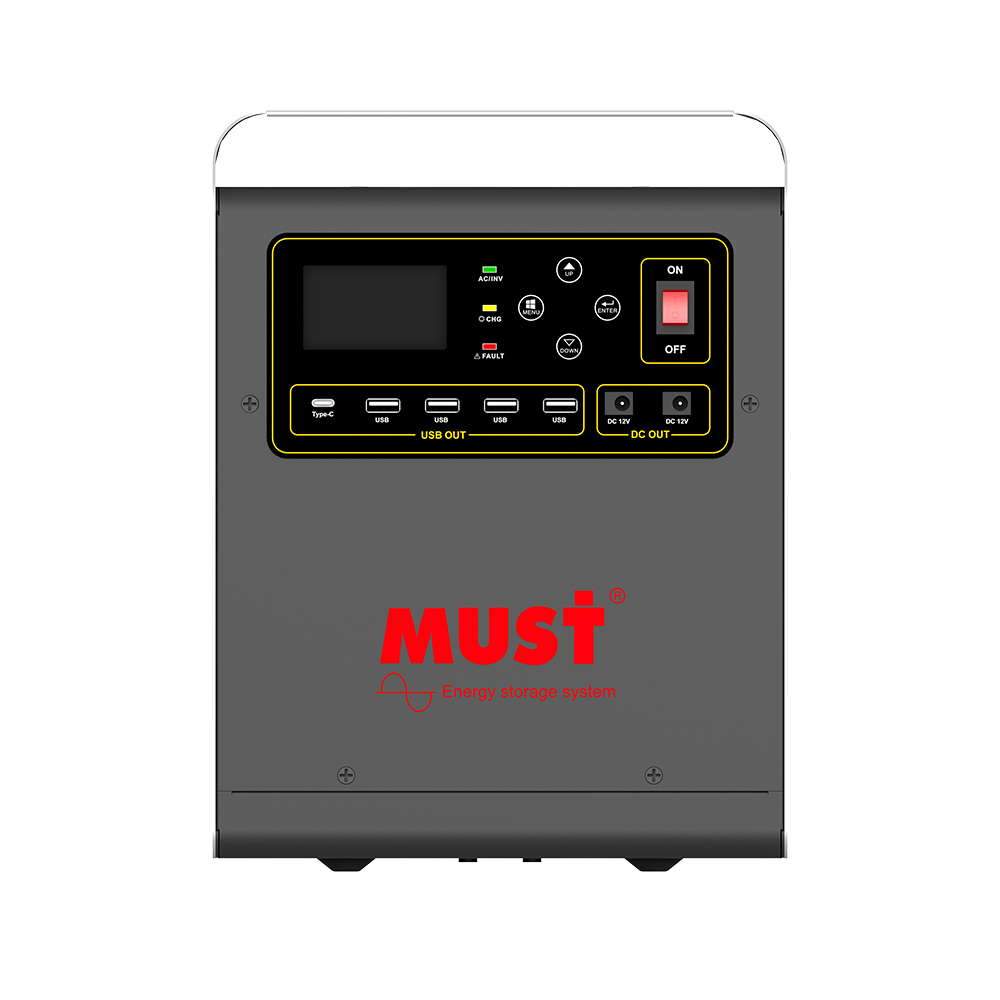
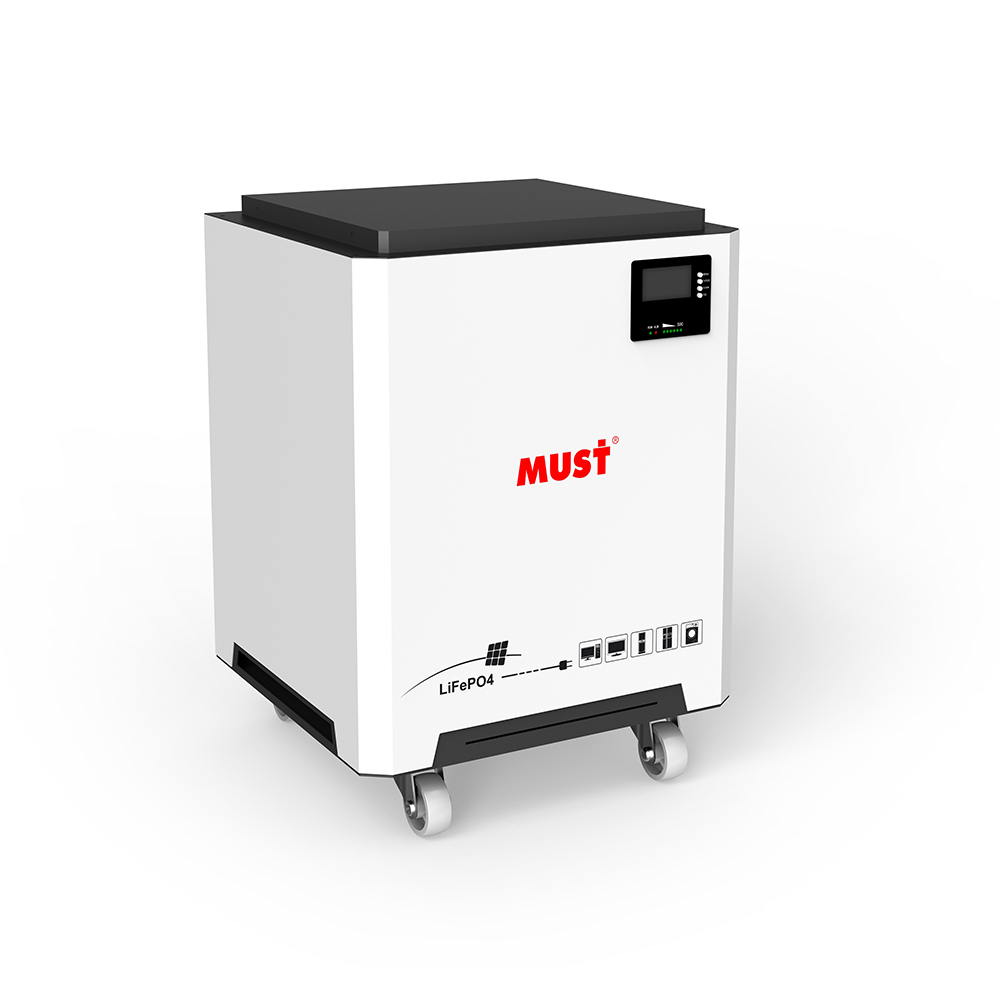
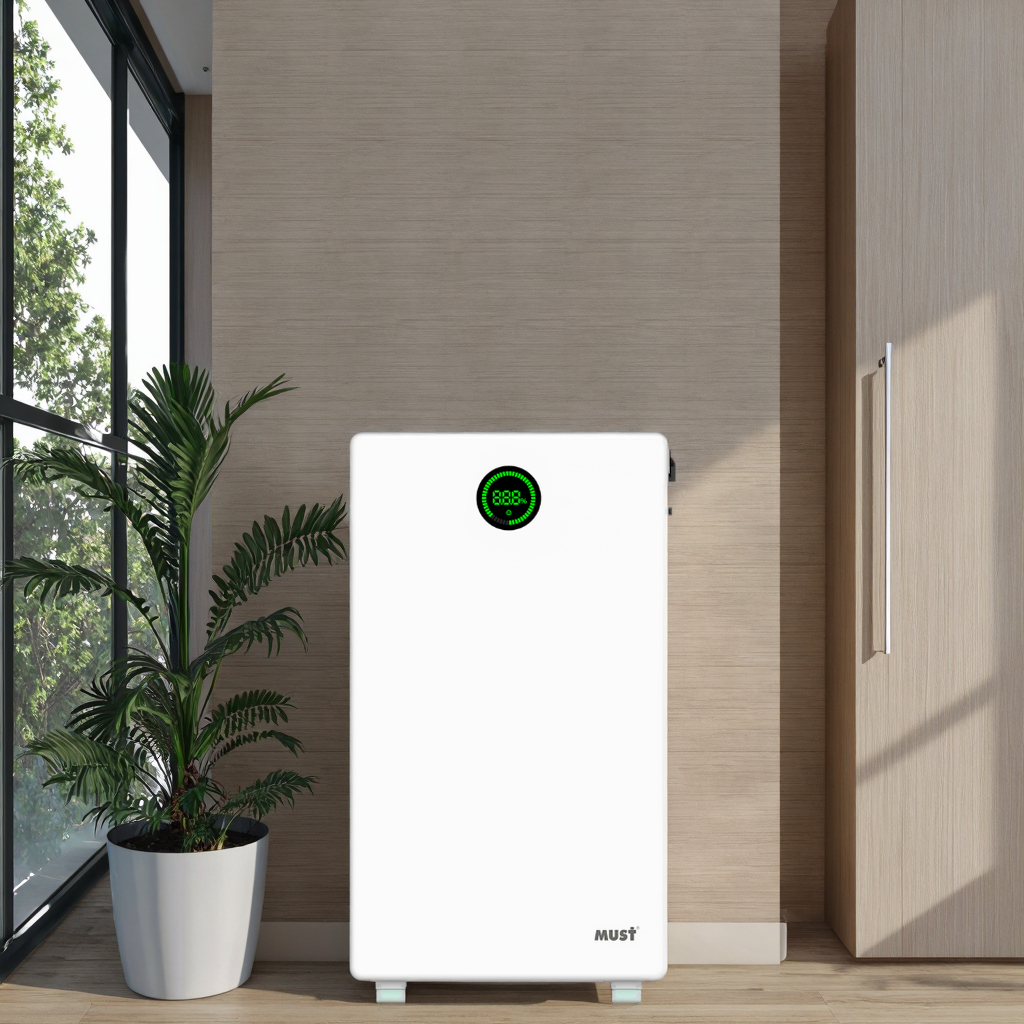
Featured Stackable & Modular Solar Energy Systems

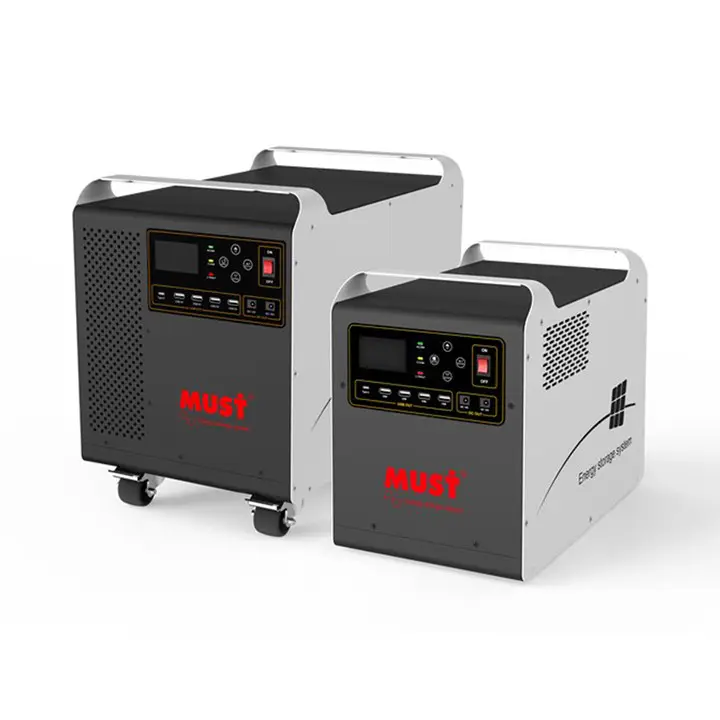
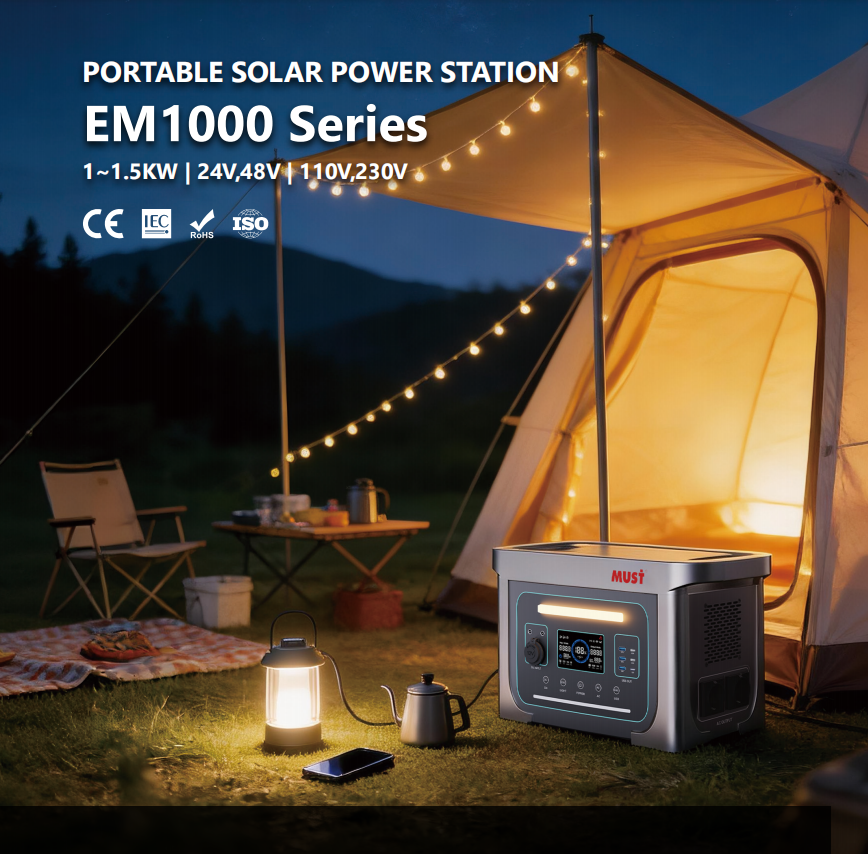
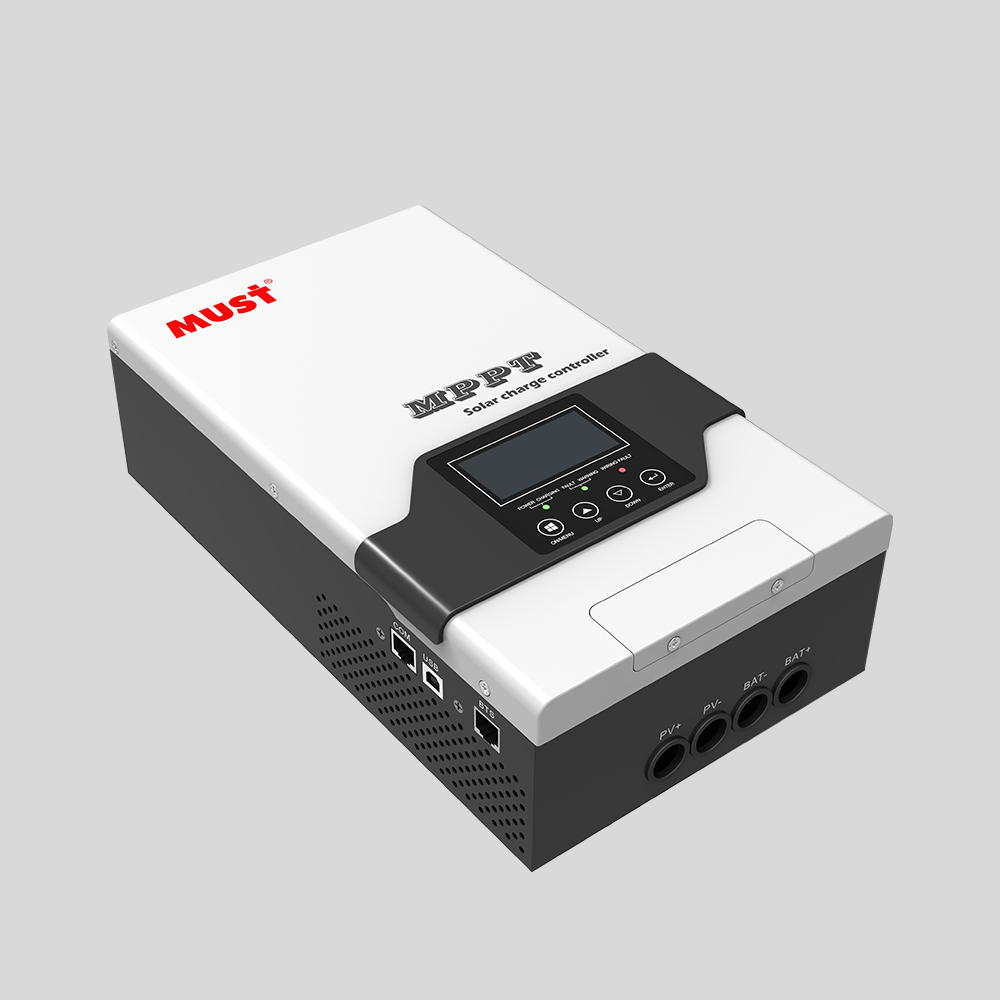
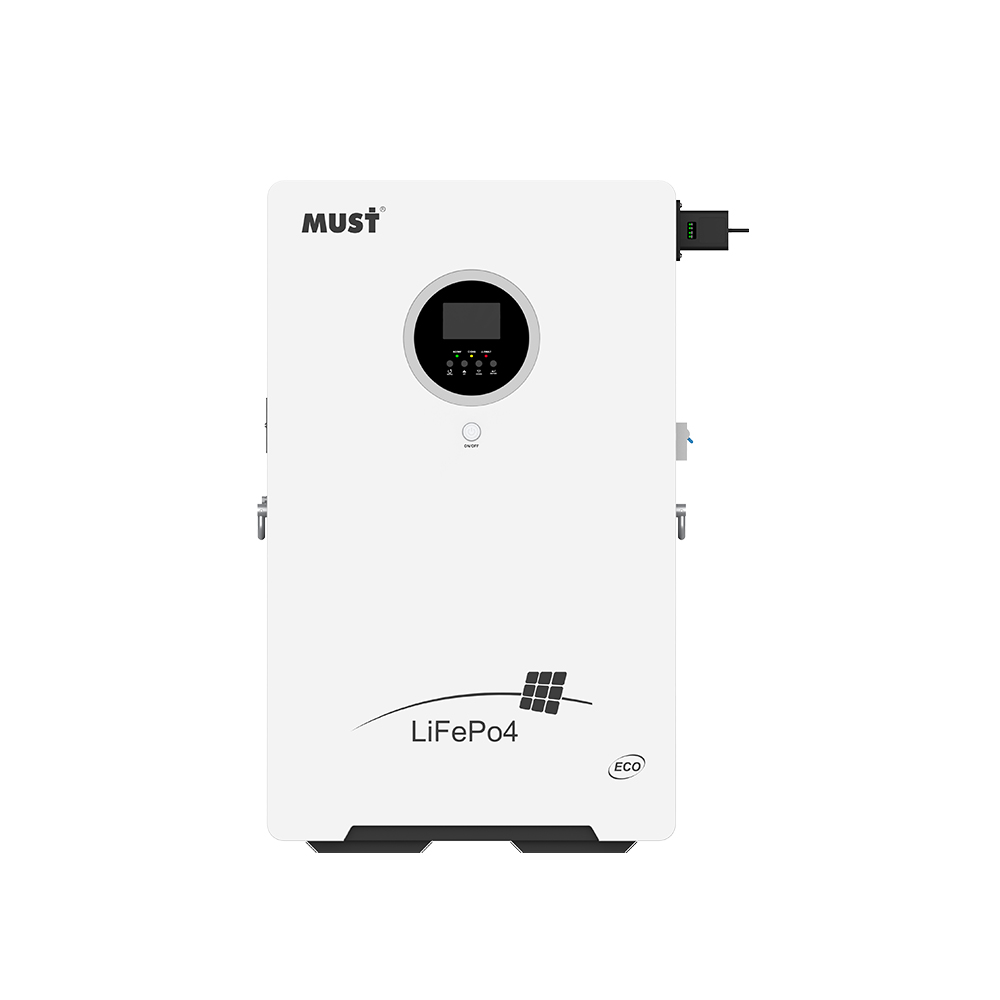
1. The Energy Storage Paradigm in Kawasaki & Kanagawa Prefecture
Kawasaki City (川崎市), positioned strategically within the Keihin Industrial Zone between Tokyo and Yokohama, represents one of East Asia's most sophisticated industrial, logistical, and high-density residential corridors. As Japan accelerates its commitment to achieve carbon neutrality under the municipal "Zero Carbon City Kawasaki 2050" roadmap, commercial enterprises, logistics hubs in Kawasaki Ward (川崎区), and tech campus developers in Nakahara Ward (中原区) face a dual energy challenge: mitigating escalating grid electricity tariffs driven by peak-demand surcharges from Tokyo Electric Power Company (TEPCO) and establishing absolute Business Continuity Plans (BCP) capable of surviving seismic and typhoon-induced utility outages.
Traditional stationary battery storage solutions—historically hampered by monolithic, rigid enclosures and complex site wiring—are rapidly yielding market share to High-Voltage Stackable Modular LiFePO4 Systems. As an established exporter and wholesale manufacturing partner serving Japanese electrical contractors, engineering, procurement, and construction (EPC) entities, and renewable energy distributors across Kanagawa, our stackable lithium battery systems provide the modularity, thermal stability, and communications interoperability required for seamless grid interconnection.
2. Technical Engineering of Stackable LiFePO4 Storage Architecture
Our stackable lithium energy storage platforms utilize Lithium Iron Phosphate ($\text{LiFePO}_4$) chemistry, widely recognized by Japan's Ministry of Economy, Trade and Industry (METI) and municipal fire departments as the safest lithium-ion battery technology for indoor and commercial deployments. Unlike Nickel Manganese Cobalt ($\text{NMC}$) cells, which exhibit thermal runaway thresholds near 210°C, $\text{LiFePO}_4$ remains structurally stable up to 500°C, significantly reducing safety hazards in high-density urban environments.
A. Modular Stack Mechanics & Blind-Mate Interconnect Technology
Each stackable tower consists of a master control base unit, multiple modular battery packs (typically 5.12 kWh per module operating at 51.2V nominal or scaled up to 400V High Voltage DC configurations), and a top-mounted Battery Management System (BMS) hub. Power transfer is achieved via heavy-duty copper bus connectors embedded directly within the structural polycarbonate/cast-aluminum alignment guide pins. This architecture guarantees:
Zero External DC Cabling
Internal blind-mate plug-and-play connectors eliminate exposed DC cables, preventing accidental short-circuits, loose lug nuts, and wire insulation degradation in humid coastal conditions.
Granular Cell-Level BMS
Dual 32-bit ARM Cortex microprocessors continuously monitor individual cell voltage, state of charge (SoC), state of health (SoH), and internal temperature across multi-point NTC thermistors.
High Surge Discharge Capability
Designed for heavy inductive loads such as industrial HVAC compressors, water pumps, and CNC machinery found in Kawasaki manufacturing facilities, delivering up to 2C continuous discharge.
B. High Voltage (HV) vs. Low Voltage (LV) System Scalability
For commercial projects requiring 50kW to 500kW inverter pairings, our stackable batteries can be interconnected in high-voltage series strings (ranging from 200V DC to 750V DC). High-voltage architecture drastically decreases current flow ($\text{Current } I = \frac{\text{Power } P}{\text{Voltage } V}$), which yields three crucial operational advantages for Japanese buyers:
- Reduced Thermal Losses ($\text{I}^2\text{R}$ Losses): Operating at lower amperage decreases system heat buildup, extending cell lifespan and reducing the energy consumption of cooling fans.
- Smaller Wire Gauge Requirements: Allows the use of thinner, more flexible copper conductors, reducing balance-of-system (BOS) material costs and simplifying conduit routing through tight Japanese building infrastructure.
- Higher Round-Trip Efficiency (RTE): High-voltage battery systems bypass double-conversion DC-DC step-up losses when interfacing with 3-phase 200V / 400V grid-tied hybrid inverters, achieving round-trip efficiency ratings exceeding 95.5%.
3. Localized Application Scenarios Across Kawasaki City
Kawasaki's diverse urban typology demands tailored energy storage strategies across its seven administrative wards. Below are the primary deployment scenarios where our stackable battery systems deliver measurable operational resilience:
| Ward / Region | Primary Local Application | System Configuration | Key Operational Benefit |
|---|---|---|---|
| Kawasaki Ward (川崎区) Keihin Industrial District |
Commercial Factory Peak Shaving & Industrial BCP Backup | HV Stackable Series (100kWh – 300kWh) paired with 3-Phase Hybrid Inverter | Shaves peak demand charges during daytime production; provides sub-10ms emergency power transition for automated assembly lines. |
| Nakahara Ward (中原区) Musashi-Kosugi Urban Towers |
Multi-Family Residential Microgrids & V2H Integration | LV Stackable Tower (10kWh – 30kWh) per unit, IP65 Outdoor Enclosure | Compact footprint fits narrow Japanese balconies; stores off-peak solar generation; supports Vehicle-to-Home emergency discharge. |
| Takatsu & Tama Wards (高津区・多摩区) Tech R&D Parks & Educational Sites |
Uninterruptible Server Backup & Off-Grid Solar Self-Consumption | Modular Rack/Stack 48V 200Ah Units (10kWh – 50kWh) | Seamless CAN/RS485 integration with existing server UPS racks; mitigates TEPCO grid voltage sags during summer heatwaves. |
| Miyamae & Asao Wards (宮前区・麻生区) Suburban Residential Homes |
Post-FIT Solar Storage Retrofits | Single-Phase Stackable 5kWh – 15kWh Wall/Floor Modular Systems | Allows homeowners whose 10-year FIT feed-in tariffs have expired to transition 100% of solar generation into local home consumption. |
4. Manufacturing Competence & Wholesale Enterprise Advantages
Sourcing stackable lithium batteries for international distribution or large-scale municipal bids requires absolute confidence in factory capacity, quality assurance, and engineering responsiveness. As an industry-leading manufacturer with over two decades of power electronics mastery, CJH Energy (guangdong) Tech Co., Ltd. operates as a true custom manufacturer rather than a trading intermediary.
Why Tier-1 Wholesalers & Japanese EPCs Partner With Us
Our state-of-the-art manufacturing campus delivers uncompromised reliability across every production batch.
TÜV Rheinland Audited Production
Our 31,056 m² facility and 1,109-person workforce undergo rigorous on-site verification by TÜV Rheinland, holding ISO 9001, ISO 14001, and ISO 45001 management certifications.
80+ Senior Customization Engineers
Full ODM and OEM capabilities. We customize firmware protocols (CAN, RS485, Modbus), brand enclosure designs, LCD touch screen interfaces, and Japanese-language manual documentation.
Multi-Inverter BMS Interoperability
Our intelligent BMS comes pre-loaded with communications protocols for major worldwide and Japanese hybrid inverters, enabling instant plug-and-play synchronization.
600,000 Units Annual Capacity
With automated SMT lines, automated laser welding cells, and dedicated 48-hour burn-in testing chambers, we guarantee reliable lead times for container-load wholesale orders.
5. Technical Comparison: Stackable Modular vs. Conventional Monoblock Batteries
To assist procurement officers and chief engineers in evaluating system architecture choices, the following technical matrix outlines key metrics comparing our stackable modular systems against traditional lead-acid and non-stackable lithium battery banks:
| Evaluation Parameter | CJH Stackable LiFePO4 Modular System | Standard Wall-Mounted Lithium Bank | Traditional AGM / Lead-Acid Bank |
|---|---|---|---|
| Energy Density (Wh/kg) | High (> 150 Wh/kg) | Moderate (110 - 130 Wh/kg) | Low (30 - 40 Wh/kg) |
| Cycle Life (80% DoD) | 6,000+ Deep Cycles | 3,500 – 4,500 Cycles | 500 – 800 Cycles |
| Expansion Modularity | Instant floor stacking (Up to 16 modules without cabling) | Requires wall mounting brackets & heavy DC cables | Requires massive battery racks, series jumpers & fuses |
| Installation Footprint | Ultra-compact vertical footprint (< 0.25 m² floor space) | Requires large vertical wall clearance & load studs | Requires large horizontal floor footprint |
| Maintenance & Serviceability | Hot-swappable module replacement in < 10 minutes | Requires total system power-down & unmounting | High maintenance (acid checks, terminal corrosion clean) |
| Thermal Management | Integrated aluminum heatsinks & passive convection slots | Enclosure fan cooling (higher noise & dust ingress) | Prone to thermal runaway under high current charge |
6. Frequently Asked Questions by Kawasaki Buyers
Partner with a Premier Solar Battery Exporter
Accelerate your renewable energy business in Kawasaki and across Japan with factory-direct pricing, engineering-grade stackable LiFePO4 battery systems, and unmatched technical support.
