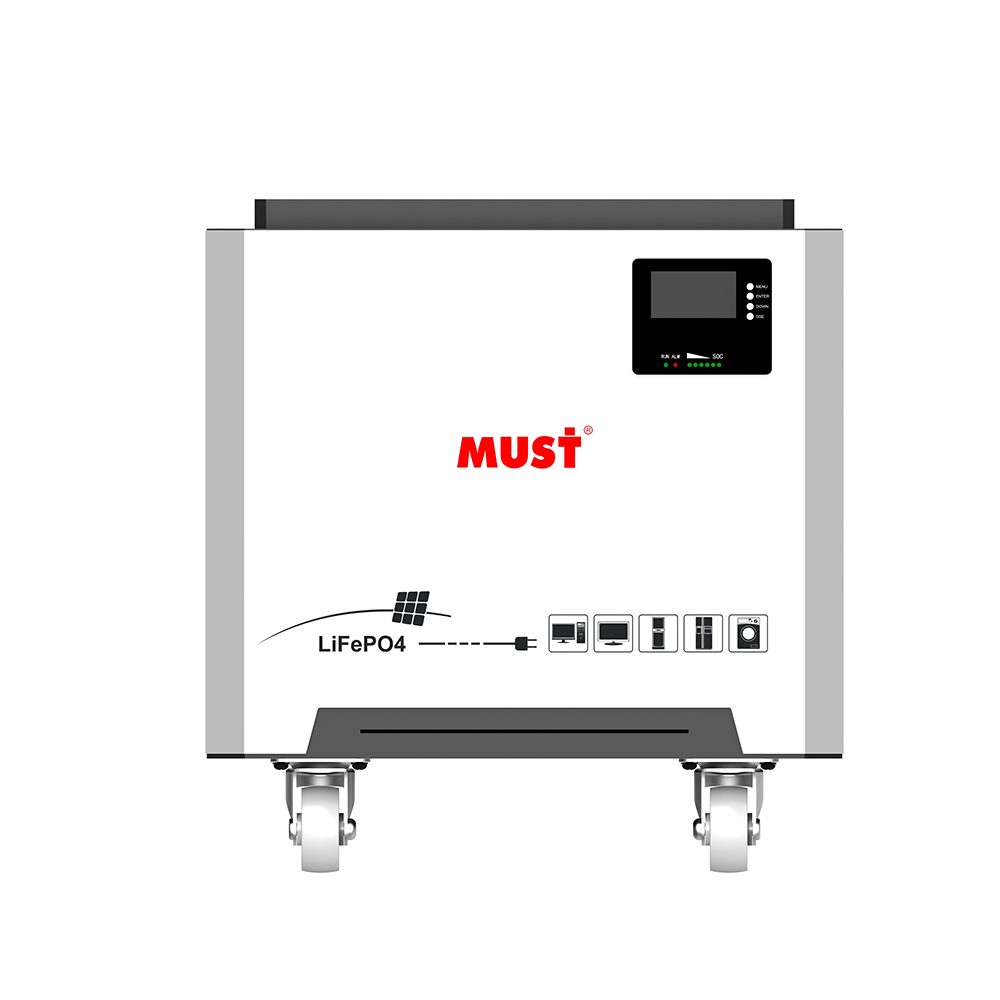
Featured MPPT Controllers & Lithium Storage Matrix
Engineered for California Grid Compliance, Coastal Fog Transients, and High-Efficiency Energy Arbitrage

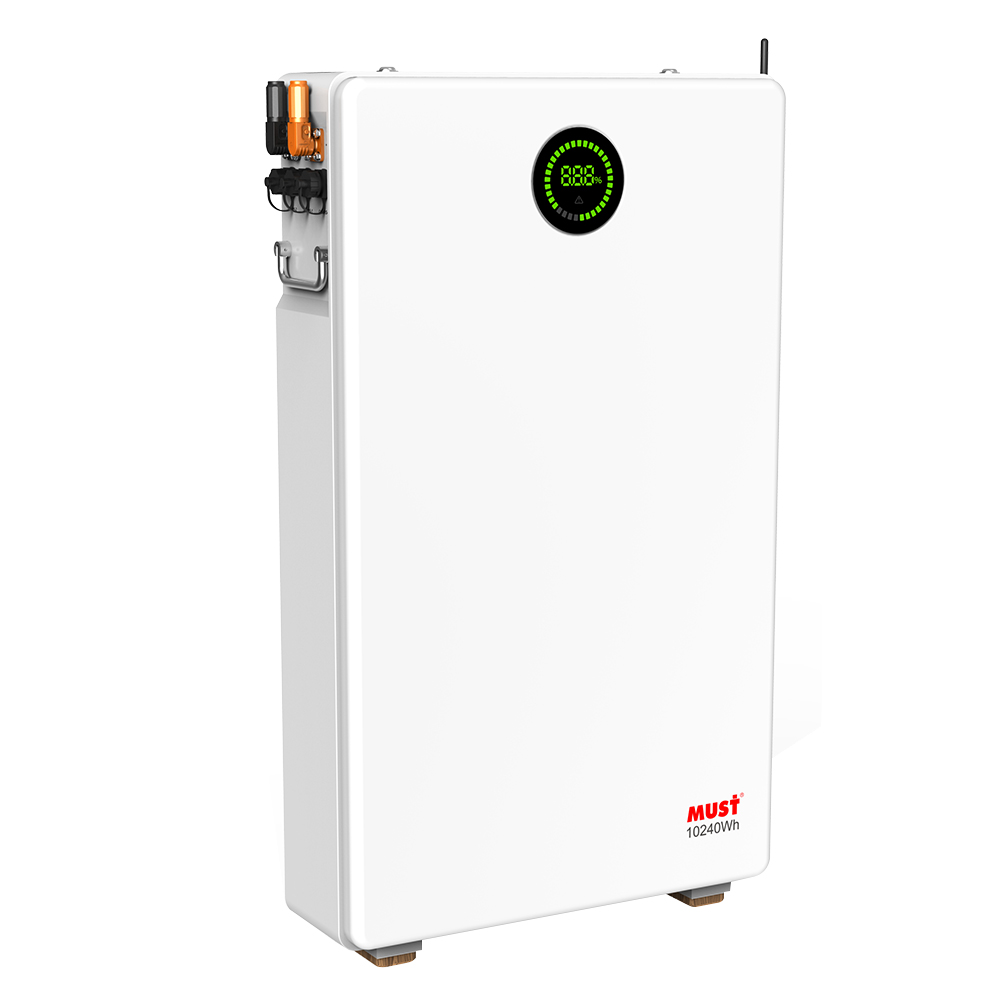

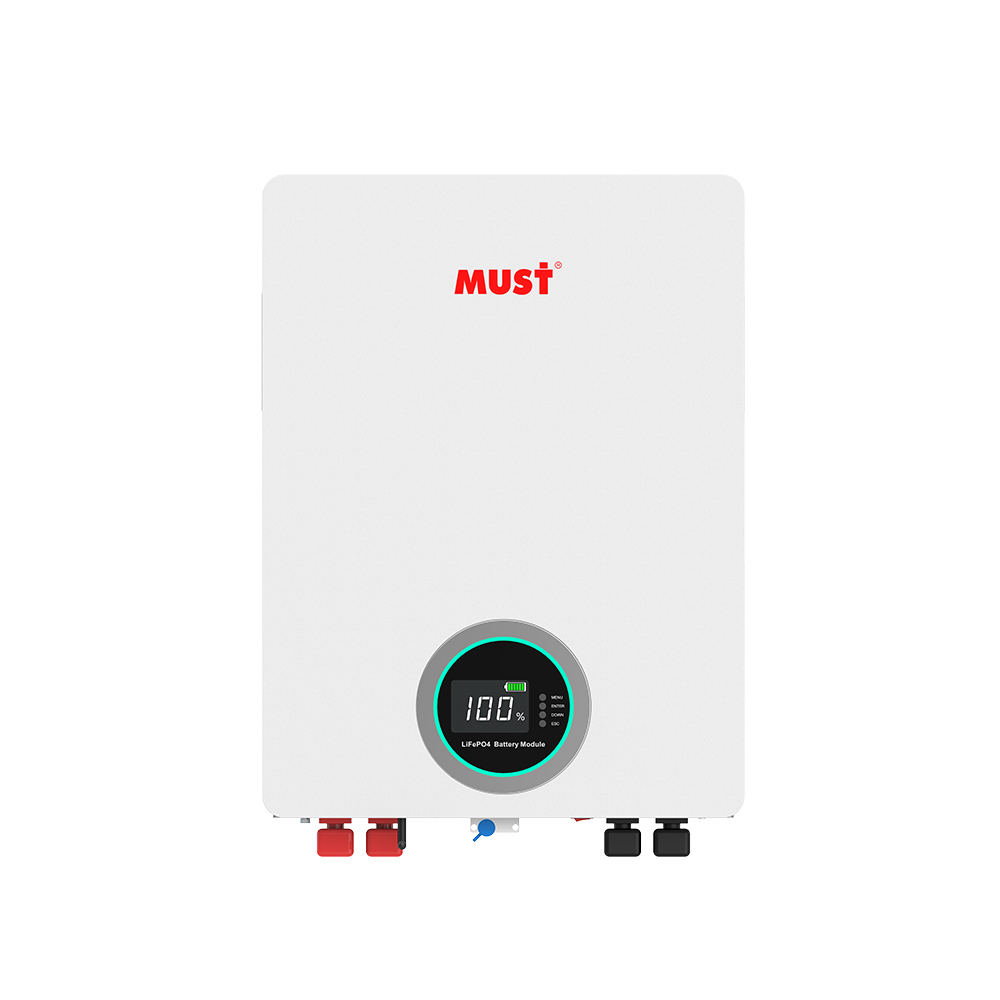
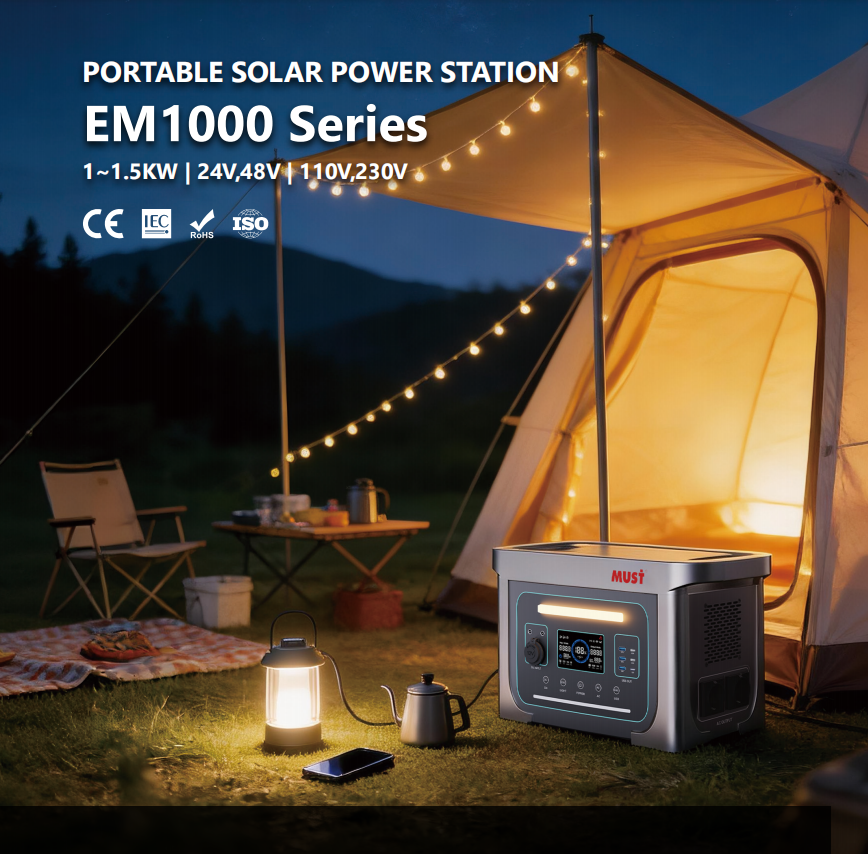
Navigating Solar MPPT Sourcing in San Francisco & The Bay Area
Technical rigor, California Rule 21 compliance, and maximum energy capture under NEM 3.0 mandates
Northern California Market Context & Strategic Procurement Insight
With Pacific Gas and Electric (PG&E) enforcing Net Energy Metering 3.0 (NEM 3.0) across San Francisco and Northern California, solar economics have fundamentally shifted from simple grid-exporting to aggressive onsite self-consumption and battery time-of-use (TOU) load shifting. Purchasing solar Maximum Power Point Tracking (MPPT) controllers for SF Bay Area residential, commercial, and microgrid projects requires advanced dynamic tracking algorithms, instantaneous response to marine fog cloud cover, and seamless integration with high-voltage LiFePO4 battery storage banks.
As a premiere OEM/ODM manufacturer of solar power conversion equipment, CJH Energy (guangdong) Tech Co., Ltd. supplies San Francisco solar engineering, procurement, and construction (EPC) contractors, solar distributors, and system integrators with heavy-duty MPPT charge controllers and integrated hybrid storage systems built to withstand the rigorous operational demands of Northern California's microclimates and grid regulations.
Localized Solar MPPT Application Scenarios in the Bay Area
Engineered to resolve specific operational challenges across San Francisco's diverse topography and microclimates
SF Urban Rooftops & Historic Victorian Retrofits
San Francisco's dense urban layout, historic Victorian homes (such as those in Alamo Square or Pacific Heights), and multi-story commercial buildings present unique shading profiles from adjacent structures and parapets. CJH Energy's high-efficiency MPPT controllers feature ultra-fast Perturb and Observe (P&O) and Dynamic Sweeping algorithms, capable of tracking true maximum power points across partially shaded PV strings without falling into localized false peaks.
Coastal Fog Microclimates & Rapid Irradiance Transients
San Francisco is globally famous for its marine fog layer ("Karl the Fog"), particularly impacting western neighborhoods like the Sunset and Richmond Districts. Solar panels experience rapid, fluctuating light intensity as coastal fog burns off or rolls in. Our heavy-duty MPPT charge controllers offer dynamic tracking efficiency exceeding 99.5% under rapid irradiance transitions, maximizing kilowatt-hour yield during unpredictable sunlight windows.
Public Safety Power Shutoffs (PSPS) & Microgrids
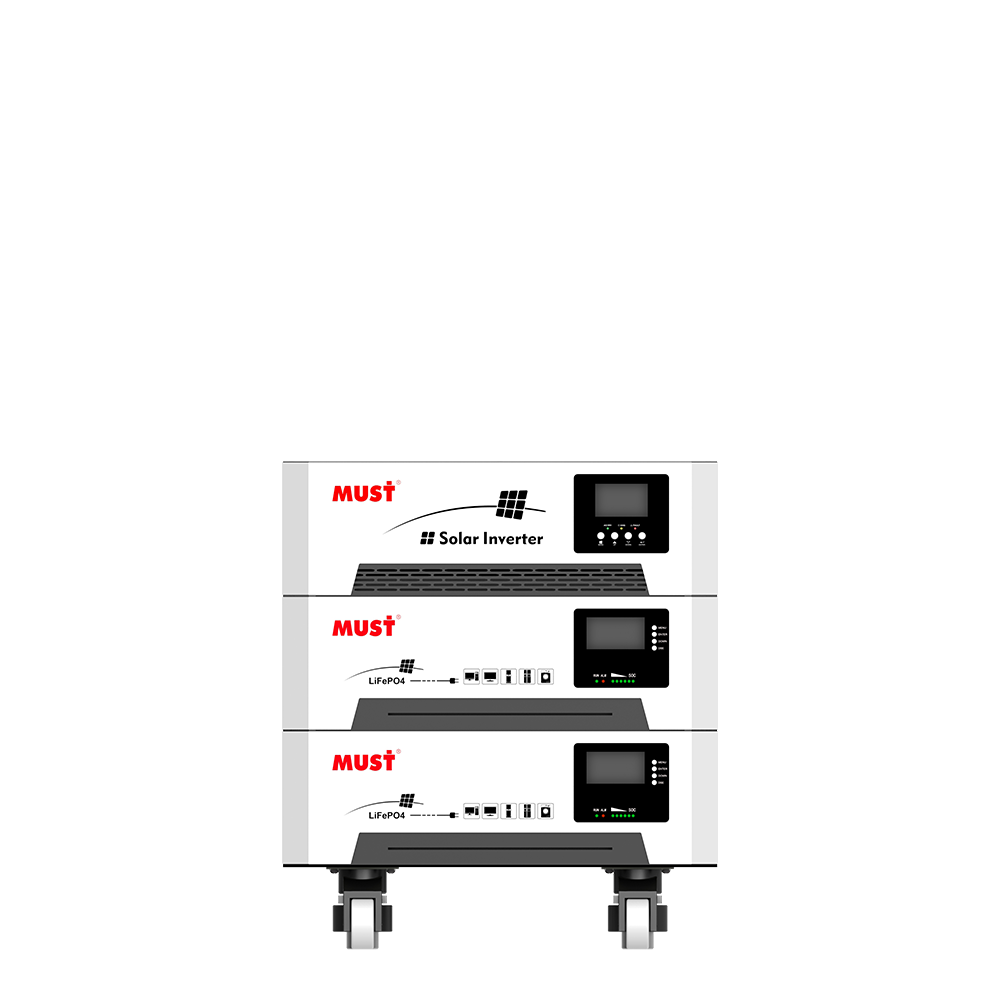
Wildfire prevention initiatives in Northern California frequently lead PG&E to trigger Public Safety Power Shutoffs (PSPS). Bay Area businesses, telecommunication towers, and off-grid residential installations in Marin, Sonoma, and San Mateo counties rely on our robust 48V MPPT controllers coupled with 10kWh to 50kWh LiFePO4 rack batteries to deliver uninterrupted emergency backup power during prolonged utility blackout events.
California Energy Policy & Market Trends for Suppliers
Understanding NEM 3.0, California Rule 21, Title 24, and NEC 2023 Rapid Shutdown Standards
Supplying solar hardware to San Francisco distributors requires strict alignment with California's aggressive decarbonization codes and safety benchmarks. Manufacturers cannot merely provide off-the-shelf equipment; solar charge controllers and integrated hybrid inverters must meet rigorous electrical and grid safety certifications.
| Regulatory Standard / Trend | San Francisco / CA Requirement | CJH Energy MPPT & Storage Solution Alignment |
|---|---|---|
| NEM 3.0 (Net Billing Tariff) | Avoid grid export; maximize self-consumption during peak PG&E rate windows (4 PM - 9 PM). | Built-in smart BMS communication (CAN/RS485) paired with ultra-fast MPPT tracking to route excess solar directly into LiFePO4 storage. |
| California Rule 21 Smart Inverter | Autonomous grid support, Volt-VAR, Frequency-Watt curves, and anti-islanding protection. | Firmware-configurable grid parameters tailored for North American 120V/240V split-phase hybrid solar systems. |
| NEC 2023 / Section 690.12 | Module-level rapid shutdown for rooftop solar fire safety compliance. | Integrated rapid shutdown initiator interfaces and low-voltage high-current MPPT input options. |
| Title 24 Energy Code | Mandatory solar PV + storage readiness on newly constructed residential and commercial buildings. | Compact wall-mounted IP65 residential batteries and high-density rack storage for seamless builder integration. |
| Pacific Coastal Environment | Resistance against high atmospheric humidity, salt air, and fog condensation. | Conformal coated PCB assemblies, IP65 waterproof enclosures, and heavy-duty aluminum heat sinks. |
Technical Architecture of CJH Energy Solar MPPT Controllers
Uncompromising power electronics engineering for low-loss energy conversion
Advanced MPPT Topology vs. Legacy PWM
While traditional Pulse Width Modulation (PWM) controllers force solar arrays to operate at battery voltage—wasting up to 30% of potential PV power—our MPPT controllers utilize DC-to-DC step-down conversion with peak tracking efficiency over 99%. Under cold morning conditions in Northern California, array voltages rise significantly; our high-input PV voltage MPPTs (supporting up to 240V–450V DC) capture maximum string wattage without thermal throttling.
- Continuous tracking of voltage-current (V-I) curves
- Wide MPPT operating voltage window (60V to 145V / 450V DC)
- Auto-recognition of 12V / 24V / 36V / 48V battery bank systems
- Integrated temperature compensation sensor (RTS) port
Multi-Stage Lithium (LiFePO4) Battery Charging
Modern energy storage demands exact voltage limits to prevent premature cell degradation. CJH Energy MPPT controllers feature programmable 3-stage charging curves specifically calibrated for Lithium Iron Phosphate chemistry. Communication via CAN-bus or RS485 enables closed-loop handshake protocols with top battery management systems (BMS), ensuring equalized cell balancing and over-current protection.
- Closed-loop CAN / RS485 communication with MUST & third-party BMS
- Customizable Constant Voltage (Bulk), Float, and Equalization setpoints
- Zero-volt battery waking function for depleted LiFePO4 packs
- Over-temperature, reverse polarity, and short-circuit protection
Why San Francisco Suppliers Partner with CJH Energy
Factory-direct manufacturing strength, TÜV Rheinland verification, and custom OEM/ODM services
When selecting a manufacturer for the Northern California market, supply chain reliability, manufacturing capacity, and engineering transparency are non-negotiable. CJH Energy (guangdong) Tech Co., Ltd. stands as a premier custom manufacturer with a fully integrated production ecosystem.
31,056 m² Factory
Expansive production floor operating under rigorous ISO 9001, ISO 14001, and ISO 45001 management systems.
1,109 Skilled Staff
Empowered workforce including 80+ dedicated R&D engineers focused on power conversion innovation.
TÜV Rheinland Verified
On-site assessed manufacturing capability ensuring zero-defect quality standards for B2B export contracts.
Global Logistics Hubs
Subsidiary offices and stocking facilities in Poland, South Africa, Dubai, and Egypt delivering rapid technical service.
Comprehensive B2B OEM/ODM Customization Program
We work directly with San Francisco solar suppliers and US brand partners to deliver fully tailored solutions. Our OEM/ODM capabilities encompass:
- Branding & Aesthetic Enclosure Design: Custom metal chassis painting, screen printing, and packaging artwork.
- Firmware Customization: Adjusting grid voltage limits, frequency response, MPPT scan intervals, and charging profiles.
- BMS Protocol Matching: Pre-flashing CAN/RS485 communication protocols for custom LiFePO4 battery modules.
- Certification Support: Partnering with regional labs to facilitate UL, FCC, and CEC listing paperwork.
San Francisco B2B Procurement FAQ
Essential answers for solar installers, EPC contractors, and wholesale distributors in Northern California
Why is a high-performance MPPT controller crucial under California's NEM 3.0 rules?
Under NEM 3.0, utility export compensation rates dropped by approximately 75%. To maintain solar project ROI in San Francisco, systems must capture every peak solar watt and store it locally in LiFePO4 batteries rather than exporting to PG&E. High-efficiency MPPT controllers ensure maximum energy yield during fleeting peak sun hours, direct-charging storage banks with minimal conversion loss.
Can CJH Energy MPPT controllers communicate with existing battery storage systems?
Yes. Our solar MPPT controllers and hybrid inverters come equipped with built-in CAN-bus, RS485, and RS232 communication ports. They feature pre-configured software protocols for MUST LiFePO4 batteries as well as customizable Modbus parameters to handshake seamlessly with major third-party lithium battery management systems (BMS).
How do your controllers perform under San Francisco's foggy coastal conditions?
San Francisco's marine fog causes rapid changes in solar irradiance. Standard controllers often get stuck in sub-optimal tracking states or experience sluggish response times. CJH Energy MPPT controllers utilize fast-sampling microprocessors that continuously sweep the V-I curve every few milliseconds, maintaining >99% tracking efficiency even during rapid fog burn-off or sudden overcast coverage.
Is CJH Energy a direct factory manufacturer or a trading reseller?
CJH Energy (guangdong) Tech Co., Ltd. is a direct custom manufacturer with its own 31,056 m² production facilities, employing 1,109 staff members. Our facility has been audited on-site by TÜV Rheinland, and we maintain an annual capacity of 600,000 units across solar inverters, MPPT controllers, and lithium battery storage systems.
What system voltage configuration is recommended for residential vs commercial projects?
As a standard engineering guideline: 12V systems are suitable for tiny-homes, RVs, or small off-grid kits under 1kW; 24V systems fit moderate loads between 1kW and 3kW; and 48V (or higher DC bus) architecture is strongly recommended for residential and commercial systems above 3kW. Higher system voltage minimizes DC current amperage, drastically reducing cable gauge thickness, line loss, and heat generation.
What options are available for OEM customization for US distributors?
We offer end-to-end OEM and ODM customization backed by over 80 R&D engineers. This includes branding and logo integration, custom chassis colors, unique LCD screen display logic, firmware tailored to North American electrical standards, specialized communication protocols, and custom master-carton export packaging.
Accelerate Your San Francisco Solar & Storage Projects
Partner directly with a certified manufacturer. Request wholesale pricing, engineering datasheets, OEM customization terms, and factory-direct quotation today.
