Featured Solar Inverters & Energy Storage Systems
Factory-direct renewable energy products customized for residential, commercial, and off-grid power infrastructure across North America.
Navigating the United States Solar & Storage Inverter Landscape
An Executive Technical Whitepaper for US Solar EPCs, OEM Distributors, and Energy Project Developers.
The solar conversion landscape in North America is undergoing a fundamental structural transition. Driven by federal tax credits under the Inflation Reduction Act (IRA 2022), evolving utility tariff structures such as California's Net Energy Metering 3.0 (NEM 3.0), and increasingly volatile climate conditions impacting grid stability, the demand for high-reliability solar inverters and paired LiFePO4 energy storage systems has reached unprecedented levels.
For US solar equipment importers, engineering procurement contractors (EPCs), and OEM distributors, sourcing directly from audited, tier-one tier-equivalent manufacturing facilities requires deep evaluation beyond initial equipment purchase price. Compliance with rigid North American standards—specifically UL 1741 SB (Second Edition), IEEE 1547-2018 grid interconnection standards, and National Electrical Code (NEC 2020/2023 Article 690.12) Rapid Shutdown mandates—is essential to ensuring project bankability and code inspector approval across state lines.
Localized Application Scenarios in North America
Engineered to match regional electrical architecture, grid profiles, and severe environmental demands.
Residential 120V/240V Split-Phase Systems
Unlike standard European 230V single-phase architecture, US residential service panels rely on dual-phase 120V/240V split-phase wiring. Our hybrid inverters natively produce dual split-phase AC output without external autotransformers, seamlessly pairing with main service panels in California, Florida, and Texas.
Grid-Tied Self-Consumption (NEM 3.0 Optimized)
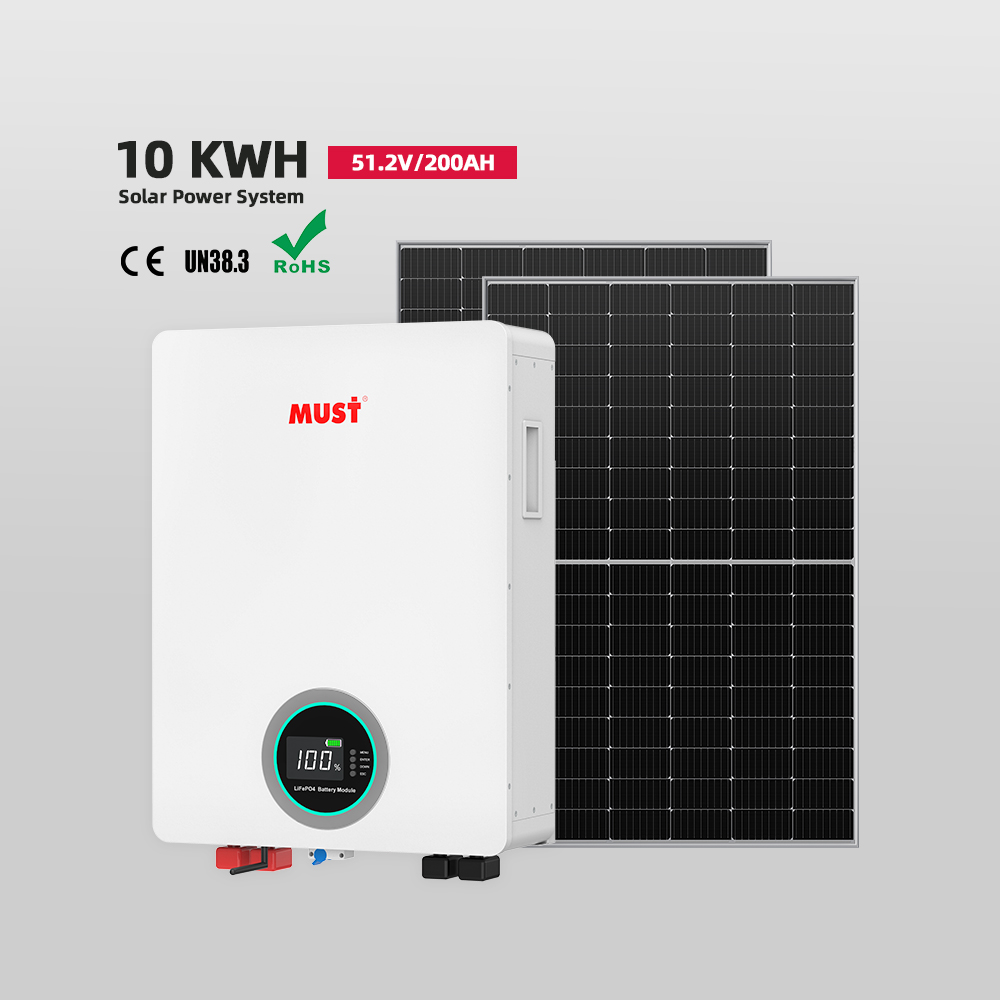
Under NEM 3.0, exporting solar power back to the grid yields significantly reduced financial compensation. Our intelligent hybrid energy storage inverters dynamically route excess PV generation directly into high-density 51.2V LiFePO4 batteries during peak hours, enabling maximum self-consumption and peak-shaving during expensive utility TOU (Time-of-Use) windows.
Off-Grid Agricultural & Remote Microgrids
In rural regions of Texas, Oregon, and the Midwest, weak grid infrastructure and weather-induced power outages pose operational risks. Our low-frequency pure sine wave inverters feature 300% surge tolerance for motor-driven heavy loads, such as agricultural water pumps, grain dryers, and cold-storage HVAC units.
Commercial Resiliency & Emergency Backup
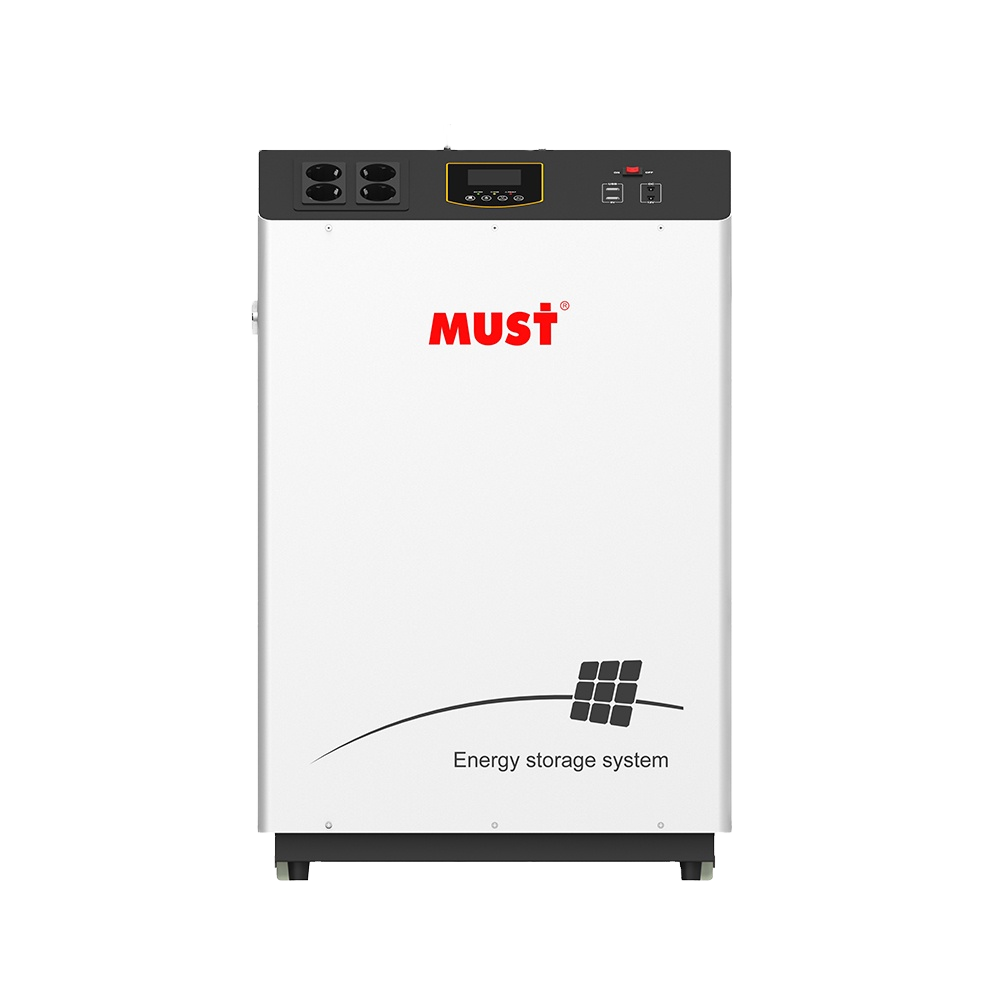
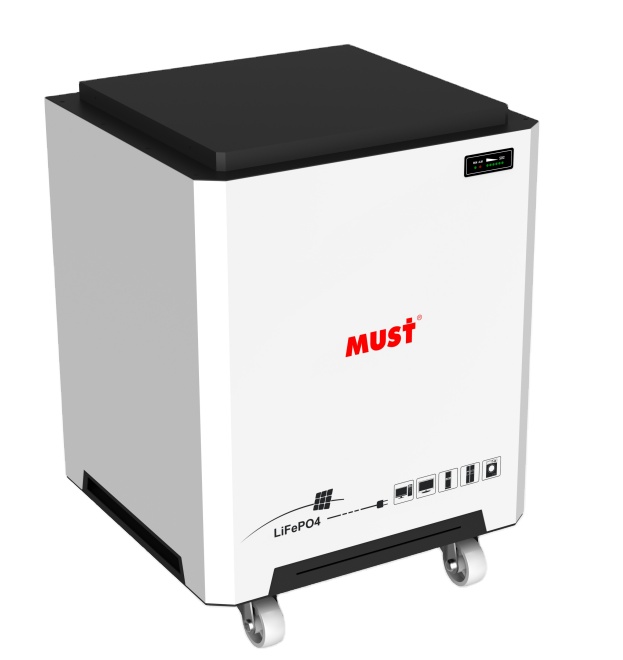
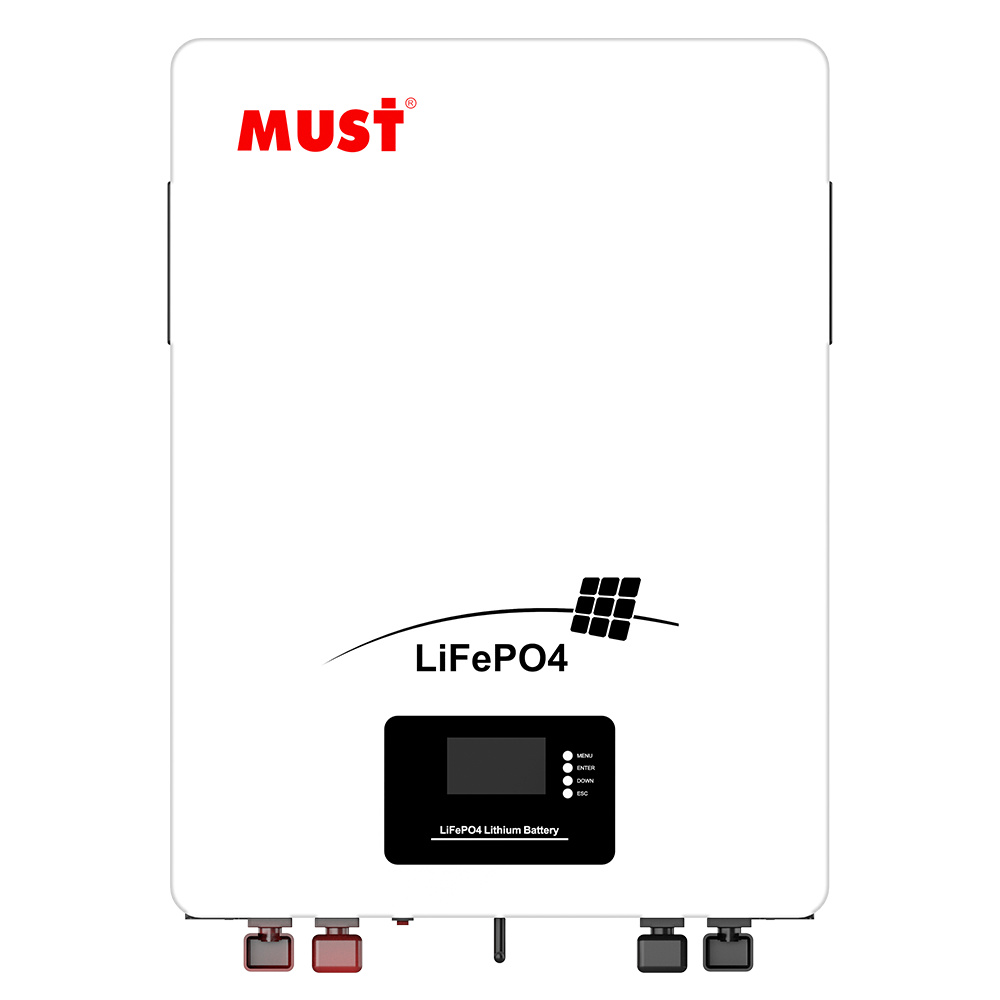
Wall-mounted and server-rack LiFePO4 energy storage systems designed for small business backup, telecom relay towers, and commercial office facilities. Built-in CAN/RS485 communication ports sync directly with multi-brand BMS systems to deliver seamless transfer switching in under 10 milliseconds during grid blackouts.
Key North American Market Trends & OEM Manufacturing Requirements
Understanding the technological shifts shaping solar hardware procurement for the next decade.
1. High-Voltage DC Coupling vs. Low-Voltage Architecture
While European markets rapidly adopted high-voltage battery systems (>300VDC), North American residential installers heavily favor 48V/51.2V LFP architectures for retrofit safety, lower arc flash exposure, and simplified battery expansion. Our OEM manufacturing facility produces specialized high-amp dual MPPT controllers capable of pairing wide PV input voltages (up to 500VDC) with stable 48V LFP battery banks.
2. Virtual Power Plant (VPP) and Smart Grid Readiness
Utilities in New England, New York, and California are expanding VPP programs, reimbursing battery owners for discharging power during peak grid stress. Inverter hardware must support two-way Modbus, CAN, and SunSpec protocols to permit third-party EMS (Energy Management Software) firmware integration—a native capability provided across all CJH Energy smart inverter lines.
3. Rapid Shutdown (NEC 690.12) & Arc Fault Protection (AFCI)
Inverter installations on US residential rooftops require module-level or string-level rapid shutdown mechanisms to protect emergency first responders. Our latest hybrid inverter lines incorporate built-in SunSpec transmitter signals and UL 1699B certified AFCI protection to extinguish DC electrical arcs before fire hazards develop.
Inverter Technology Selection Matrix for US Buyers
| Inverter Topology | Typical Rated Power | Ideal Application | Grid Code Compliance | Battery Compatibility |
|---|---|---|---|---|
| Split-Phase Hybrid Inverter | 3.6KW - 10KW Dual 120V/240V | US Grid-Tied Residential ESS | UL 1741 SB, IEEE 1547-2018 | 51.2V LiFePO4 (CAN/RS485) |
| Off-Grid High PV Voltage Inverter | 3KW - 6KW (Up to 500V VOC) | Remote Cabins, Farms, Off-Grid | FCC Part 15 Class B, CE | LiFePO4, AGM, Gel, Lead-Acid |
| Low-Frequency Transformer Inverter | 1KW - 12KW (300% Surge) | Heavy Motors, Pumps, Compressors | UL 458, CE Standard | 12V / 24V / 48V DC Systems |
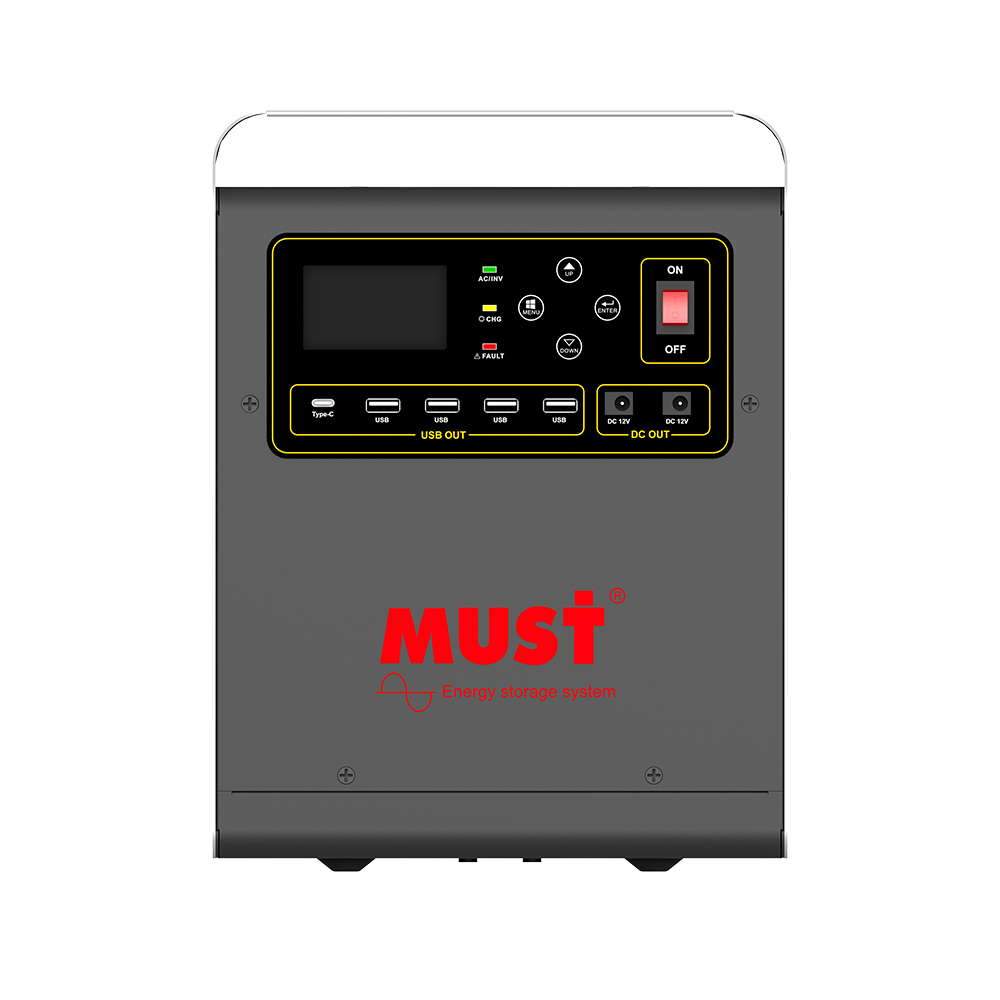
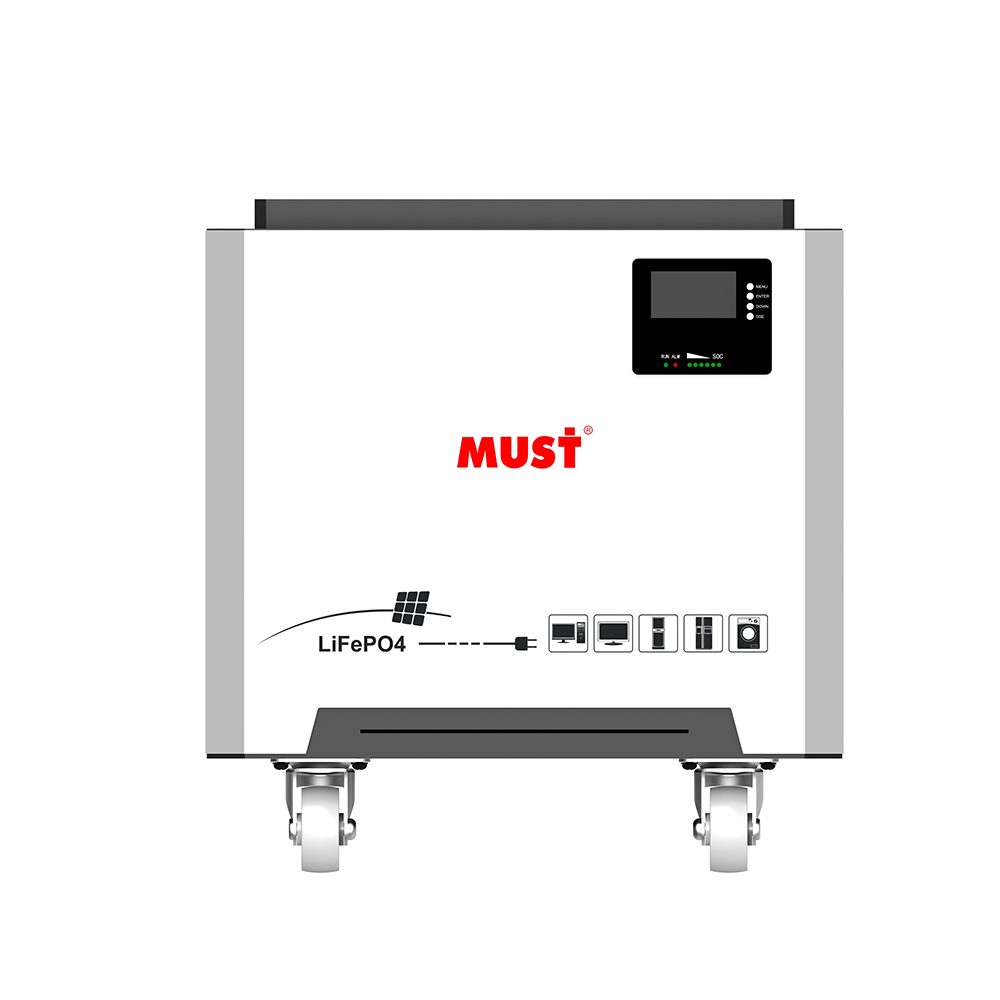
| Portable All-In-One Power Station | 1KW - 5KW Plug-and-Play | Emergency Backup, Mobile Work | UN38.3, MSDS, FCC | Integrated Internal LiFePO4 |
Factory Strengths & Manufacturing Expertise
CJH Energy (Guangdong) Tech Co., Ltd. — Your Trusted Manufacturing OEM/ODM Partner.
As a specialized custom solar inverter and energy storage manufacturer with an expansive production footprint in Guangdong, CJH Energy provides global distributors, brand owners, and EPC buyers with robust end-to-end manufacturing capabilities.
31,056 m² Industrial Facility
Our state-of-the-art manufacturing park operates automated SMT surface-mount lines, DIP insertion lines, transformer winding workshops, and advanced environmental aging test chambers to guarantee long-term field reliability.
600,000 Units Annual Capacity
Over 1,109 skilled personnel ensure scalable manufacturing output. Whether supplying seasonal warehouse stocking orders or ongoing commercial project dropships, our volume capacity minimizes supply chain delays.
TÜV Rheinland Audited Quality
Certified under ISO 9001 (Quality Management), ISO 14001 (Environmental Management), and ISO 45001 (Occupational Health & Safety). On-site facility evaluations conducted independently by TÜV Rheinland verify production accuracy.
80+ R&D & Firmware Engineers
Our dedicated engineering group holds national invention patents. We offer extensive ODM customization including enclosure silk-screening, custom LCD interface layout, specialized firmware parameters, and protocol mapping for custom battery BMS networks.
Frequently Asked Questions for US Procurement Managers
Addressing regulatory compliance, shipping logistics, OEM customization, and warranty support.
Request Custom Quotation & OEM Manufacturing Datasheets
Partner directly with an audited solar inverter & battery manufacturer. Contact our engineering team today to review technical drawings, request factory samples, or discuss container volume pricing.
