High-Efficiency Solar Inverters & Battery Storage Systems
Engineered to ISO 9001, ISO 14001, and ISO 45001 international standards for wholesale distributors, EPC contractors, and system integrators across Greater Columbus.
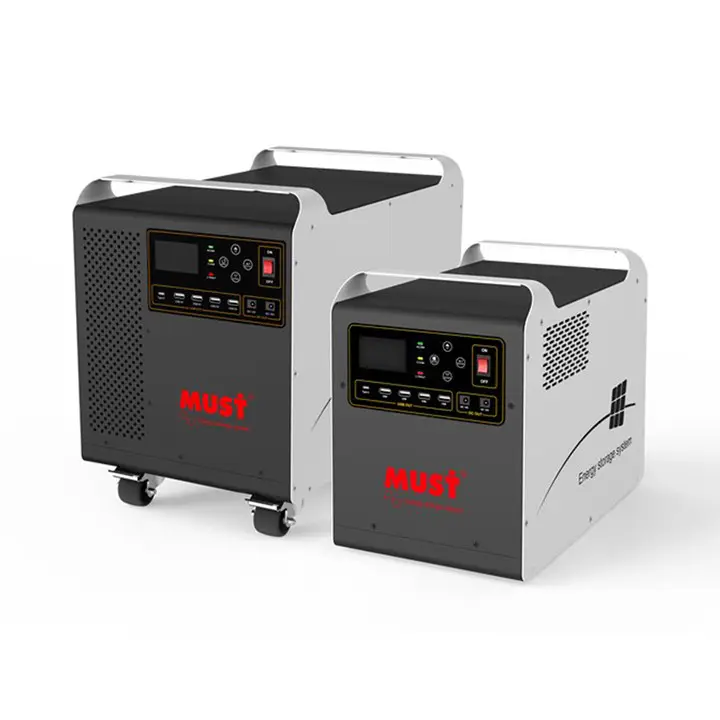
Best price 1000W Portable Power Station for Camping Emergency Solar Generator Solar Charge Equipment for Car
View Product Details
MUST Solar Station Outdoor Use Inbuilt Lithuim Battery 2000wh 3000wh Back up Portable Solar Energy System
View Product Details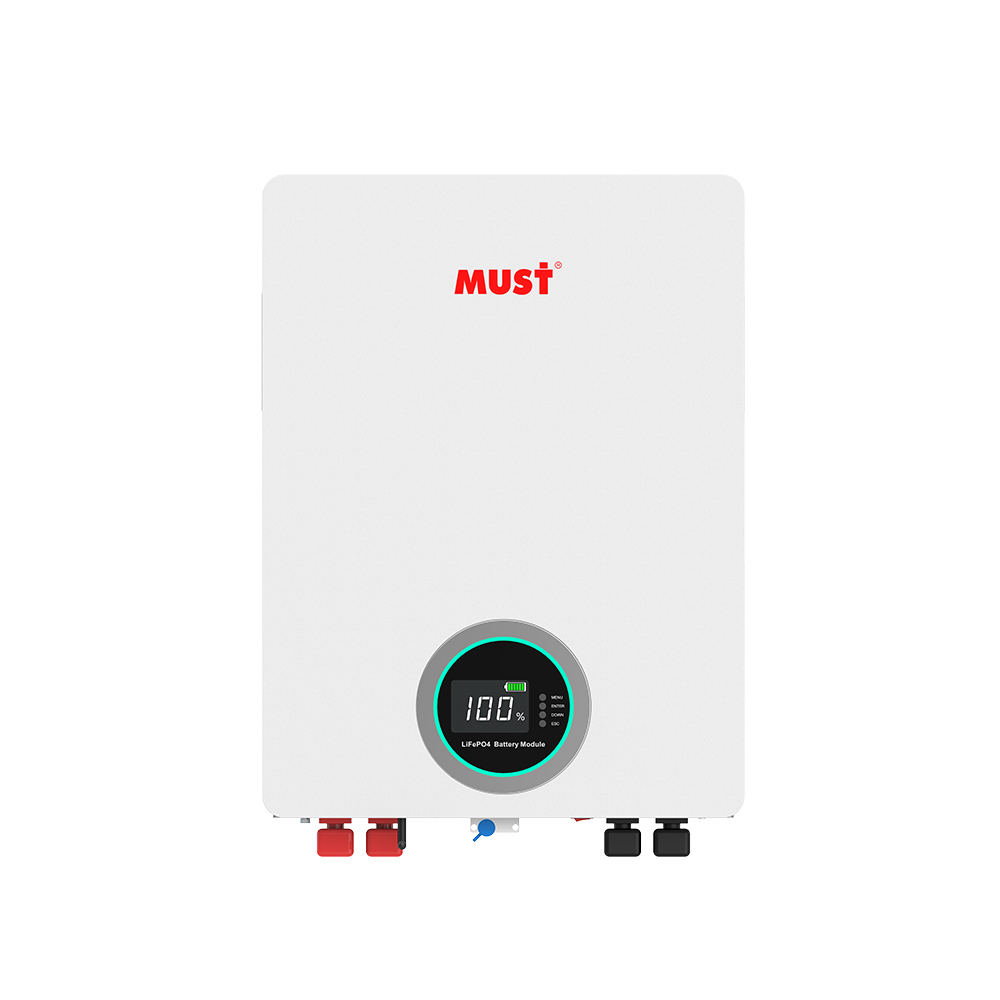
10kWh LiFePO4 Energy Storage Battery | 48V 200Ah Lithium Battery for Home & Solar Power
View Product Details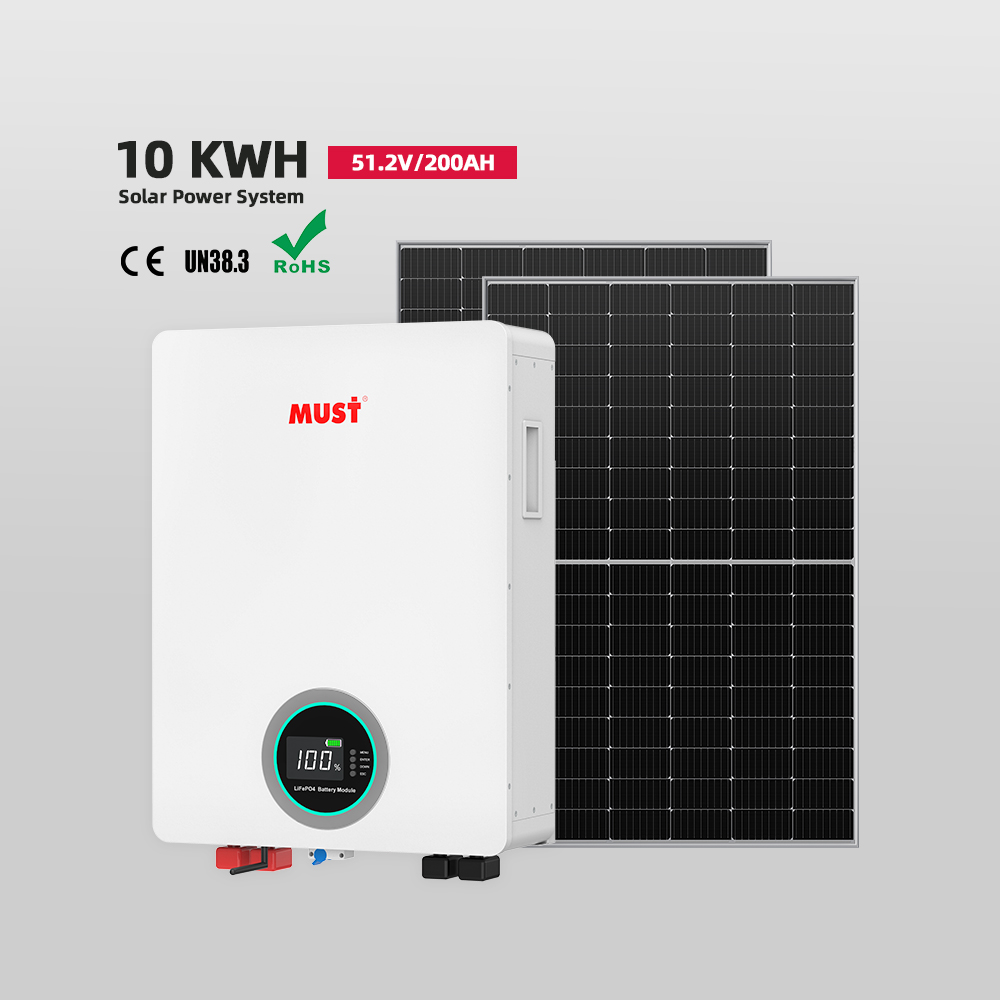
For LP16-48100 LiFePO4 Battery Pack 5 Years Life CE Certified for Solar Storage and Inverter System
View Product Details
For 5KW to 15KW Lithium Battery Bank 24V Modular LiFePO4 Battery 100Ah 200Ah UN38.3/CE Certified for Home Energy Storage
View Product Details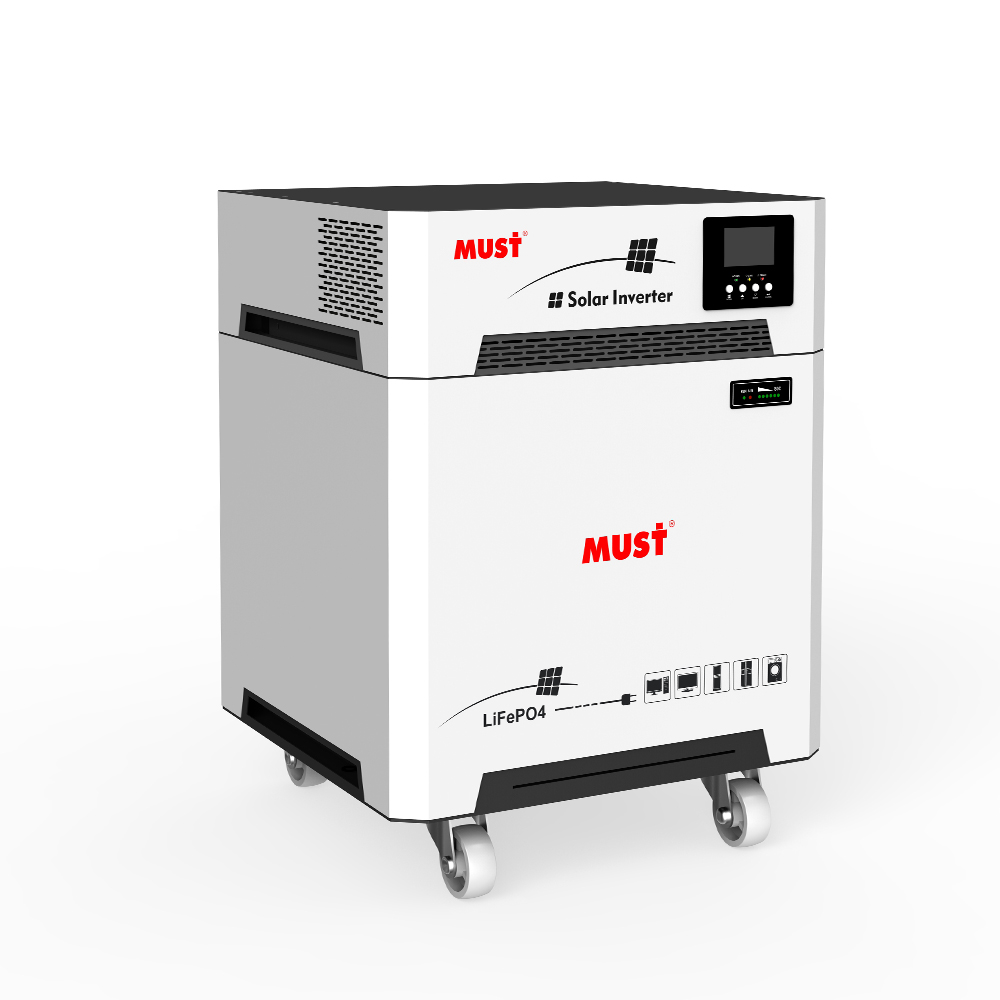
MUST Solar Station 1KW 3KW for Each Outdoor Use Inbuilt Lithuim Battery
View Product Details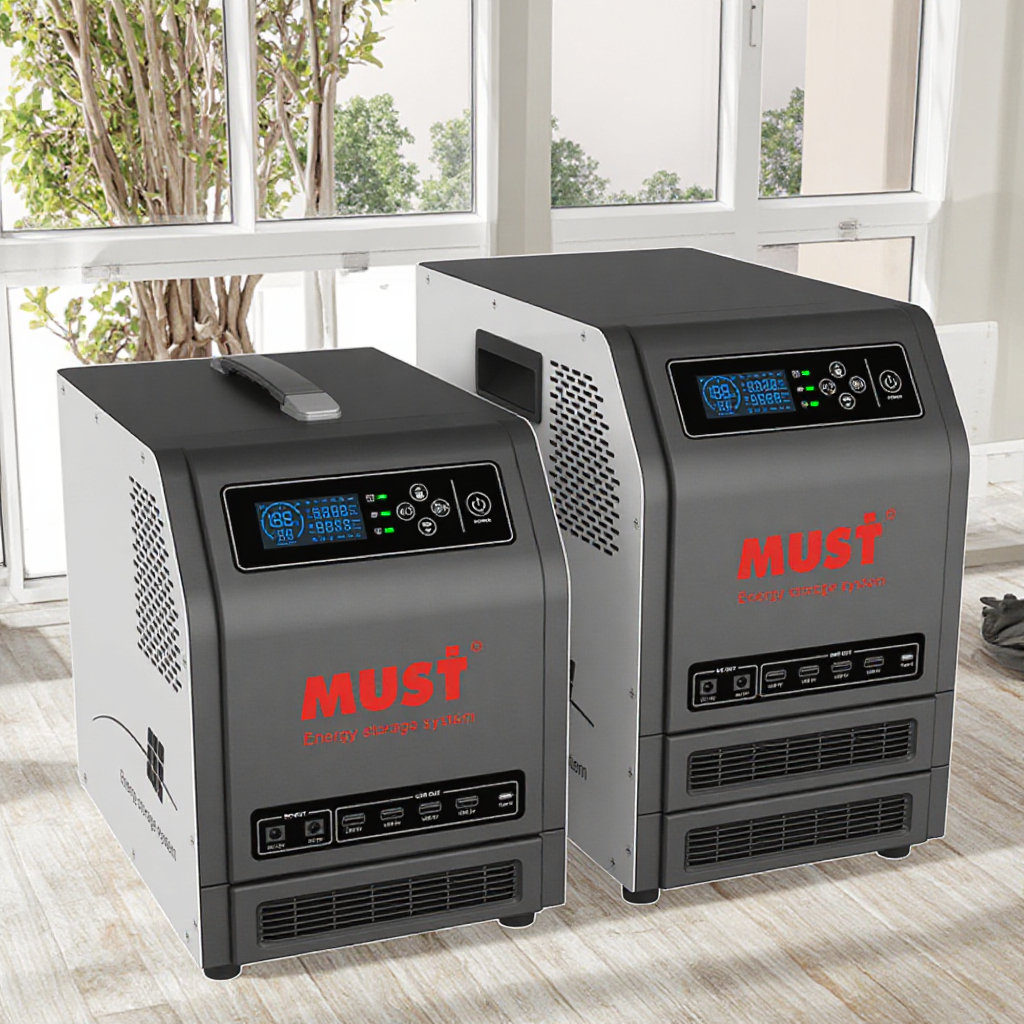
Portable Power Station 1KW 2KW 3KW Generador Solar Portatil With Built-in LiFePO4 Battery MPPT Controller Home Office Use
View Product Details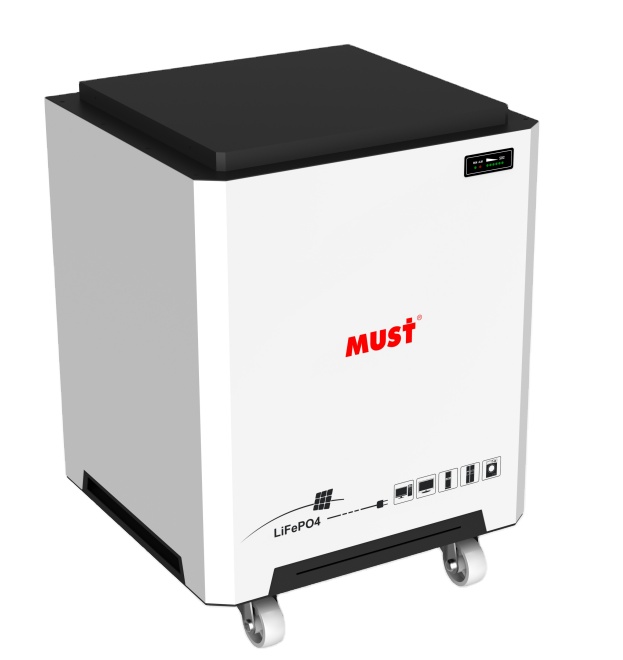
MUST BYD 51.2V 200Ah Tower Lithium Ion Battery 10kwh 48v 200ah Lithium Battery 5KWH 10KWH 15KWH 20KWH
View Product DetailsTechnical Whitepaper: PWM Solar Controller Procurement & Grid Integration in Columbus, Ohio
As the capital region of Ohio undergoes rapid technological transformation driven by data center expansions, intelligent transportation systems, and rural electrification initiatives across Franklin, Delaware, and Licking counties, the demand for robust off-grid power infrastructure has scaled exponentially. While Maximum Power Point Tracking (MPPT) technologies dominate large-scale utility solar fields, Pulse-Width Modulation (PWM) solar charge controllers remain the undisputed industry baseline for low-to-medium power off-grid solutions, remote monitoring stations, telecommunications backhaul, agricultural IoT sensors, and mobile commercial fleets throughout Greater Columbus.
A PWM solar charge controller operates as a direct electrical switch connecting the photovoltaic (PV) array to the storage battery bank. Unlike basic ON/OFF relays, modern PWM topology uses advanced microprocessors to adjust voltage pulses dynamically, tapering the charge current as the battery reaches full saturation. This 3-stage charging regimen—encompassing Bulk Charge, Absorption Charge, and Float Charge—prevents destructive battery gassing, minimizes electrolyte depletion in flooded lead-acid systems, and prevents overvoltage lockouts in modern Lithium Iron Phosphate (LiFePO4) Battery Management Systems (BMS).
Information Gain Insight for Columbus Procurement Officers: In climatic zones like Central Ohio, where winter temperatures drop below 0°F (-18°C) and summer heat waves exceed 90°F (32°C), PWM controllers equipped with integrated temperature compensation sensors (-3mV/°C/cell nominal baseline) prevent sub-zero undercharging and extreme heat thermal runaway—delivering a 25% longer operational lifecycle for battery banks compared to uncalibrated budget alternatives.
For commercial wholesalers, electrical distributors, and OEM system builders operating within the Columbus metropolitan area, sourcing factory-direct PWM controllers and integrated battery banks guarantees compliant, cost-effective balance-of-system (BOS) architecture. By eliminating unnecessary circuit complexity in small-voltage setups (12V/24V systems under 600W), PWM units deliver an unmatched Mean Time Between Failures (MTBF) exceeding 100,000 operational hours.
Engineering Benchmark: PWM vs. MPPT Controllers for Midwest Solar Conditions
Selecting between PWM and MPPT control topologies requires a rigorous evaluation of array voltage (Voc), nominal battery system voltage, ambient solar irradiance levels (measured in Peak Sun Hours), and thermal coefficients. In the Greater Columbus region, where average solar insolation ranges from 3.8 to 4.2 Peak Sun Hours per day, matching the charge controller topology to the precise load profile dictates long-term return on investment (ROI).
| Technical Parameter | PWM Charge Controller | MPPT Charge Controller | Columbus Local Application Relevance |
|---|---|---|---|
| Operating Principle | Direct switch pulse matching array voltage to battery voltage. | DC-to-DC converter tracking maximum power point Vmp. | PWM ideal for matched 12V/24V systems; MPPT for high-voltage strings. |
| System Cost & BOS Efficiency | Low capital expenditure; 90-95% electrical efficiency when Vmp ≈ Vbatt. | Higher capital cost (2x to 4x cost per Ampere); 96-98% conversion efficiency. | PWM drastically reduces project costs for municipal signage & remote sensors. |
| Cold Weather Performance (Midwest Winter) | Voltage rises, but array output remains clamped to battery voltage. | Harvests extra voltage headroom created by low ambient temperatures. | MPPT offers 15-20% winter gain; PWM offers maximum electrical simplicity and zero RF noise. |
| Circuit Complexity & Reliability | Solid-state MOSFET switching; zero heavy inductors or high-frequency EMI. | Complex high-frequency switching circuits, inductors, and thermal heatsinks. | PWM excels in hostile industrial environments with high vibration or electromagnetic interference. |
| Target Battery Compatibilities | AGM, Sealed Lead-Acid, Gel, Custom LiFePO4 voltage thresholds. | Multi-chemistry profiles with programmable CAN/RS485 communication. | Both topologies fully supported across CJH Energy’s integrated battery lineup. |
When pairing 36-cell solar panels (18V Voc, 14V Vmp) with a standard 12V lead-acid or LiFePO4 battery bank, the voltage differential between the panel's peak point and the battery terminal voltage is minimal. In this scenario, a high-grade CJH Energy PWM controller yields virtually identical daily Ampere-hour throughput as an MPPT controller, while saving 60% of the initial balance-of-system equipment budget.
Localized Application Scenarios in Columbus & Central Ohio
Our industrial-grade PWM charge controllers, off-grid power inverters, and modular LiFePO4 battery systems are actively deployed across diverse commercial, industrial, and public-sector environments throughout Central Ohio:
Municipal Traffic & Smart City Infrastructure
Deployed across the City of Columbus traffic networks, controlling solar-powered LED pedestrian signals, speed warning radar systems, and smart parking telemetry in Downtown and Short North districts. Offers 24/7 reliability despite ambient vibration.
Agricultural IoT & Smart Farming
Powering automated soil moisture sensors, livestock fence energizers, and off-grid water pumping controls across farming operations in Pickaway, Madison, and Licking counties. Features weather-resistant IP65 enclosure options.
Telecom & Remote Micro-Grid Backup
Serving cellular tower repeater stations, fiber junction cabinets, and emergency municipal radio towers in Franklin County. Provides seamless zero-millisecond transfer times when integrated with CJH pure sine wave inverters.
Commercial Fleet & Mobile Work Vehicles
Equipping utility service trucks, mobile command centers, and recreational marine vessels operating on Alum Creek Reservoir and Scioto River. Converts DC solar energy into regulated charging profiles for auxiliary battery banks.
Residential Off-Grid & Emergency Storage
Coupling 48V 100Ah/200Ah server-rack LiFePO4 batteries with hybrid energy storage inverters to protect suburban homes in Dublin, Upper Arlington, and Westerville against winter grid outages and storm power disruption.
Logistics Hubs & Warehouse Security
Supplying autonomous perimeter cameras, solar lighting posts, and RFID gate security access controllers at major distribution centers surrounding Rickenbacker International Airport (LCK).
Columbus Energy Transition Trends & Midwest Regulatory Compliance (2025–2030)
The renewable energy ecosystem in Ohio is entering a transformative phase. Under the framework of the Columbus Climate Action Plan, which targets a 45% reduction in municipal carbon emissions by 2030 and total carbon neutrality by 2050, commercial enterprise procurement strategies are pivoting rapidly toward decentralized solar storage architecture.
1. Microgrid Resilience & Data Center Surge
With Greater Columbus cementing its status as the Midwest’s premier tech hub—hosting hyper-scale data center developments across New Albany, Hilliard, and Lancaster—the regional electrical grid faces unprecedented baseload demand. Commercial entities are actively installing off-grid solar and energy storage systems (ESS) as isolated backup layers to ensure non-stop operations during utility curtailment events.
2. Ohio Senate Bill 52 & Land Use Optimization
Regulatory shifts, including Ohio Senate Bill 52, have granted county commissioners greater oversight over utility-scale solar farms (>50MW). Consequently, business developers are focusing on distributed rooftop solar, commercial carports, and localized micro-arrays. These distributed installations rely heavily on compact, high-efficiency charge controllers and modular battery banks like the CJH Energy 51.2V tower and rack-mount series.
3. Battery Chemistry Transition: SLA to LiFePO4
Wholesale procurement trends in Columbus show a decisive transition away from traditional Lead-Acid/AGM chemistries toward Lithium Iron Phosphate (LiFePO4). With a 6,000-cycle life at 80% Depth of Discharge (DoD), integrated smart BMS communication (supporting CANbus, RS485, and RS232 protocols), and zero maintenance requirements, LiFePO4 batteries drastically lower the Levelized Cost of Storage (LCOS) for regional commercial projects.
Why Partner with CJH Energy? Direct-from-Factory Excellence
CJH Energy (guangdong) Tech Co., Ltd. is a specialized original manufacturer of power electronics and energy storage solutions. We are not a trading intermediary. Our fully integrated manufacturing infrastructure delivers unparalleled cost advantages, strict quality control, and complete OEM/ODM engineering capabilities to our distribution partners in Columbus and across North America.
TÜV Rheinland Audited Facility: Our 31,056 square-meter production complex houses advanced automated SMT assembly lines, automated battery cell matching modules, burn-in test chambers, and precision environmental testing labs. Our operations are fully certified under ISO 9001 (Quality Management), ISO 14001 (Environmental Management), and ISO 45001 (Occupational Health & Safety) systems.
Core OEM & ODM Engineering Advantages:
- Full System Customization: Tailored enclosure designs, custom silk-screen branding, personalized packaging, and custom LCD screen firmware parameters for PWM and MPPT controllers.
- BMS Protocol Alignment: Custom battery management software coding to ensure seamless handshake communication with major inverter brands (including MUST, Victron, Growatt, Deye, and Sol-Ark).
- Proven Capacity & Lead Times: Over 600,000 units annual output capacity ensures scalable inventory availability for seasonal demand spikes.
- Global Engineering Support: Backed by a dedicated R&D team of over 80 senior power electronics engineers holding national invention patents. We provide 24/7 technical support and maintain overseas service hubs in Poland, South Africa, Dubai, and Egypt.
Frequently Asked Questions by Columbus Commercial Buyers
Key technical and procurement insights for electrical contractors, wholesalers, and solar installers in Central Ohio:
Request Factory-Direct Pricing & Wholesale Specifications
Connect directly with CJH Energy’s senior application engineering team to request technical datasheets, customized OEM quotes, or bulk wholesale shipping estimates for Greater Columbus.
Send an Inquiry