Recommended PV Hybrid Inverters & Storage Products for Vietnam
Engineered specifically to survive high ambient humidity, grid fluctuations (EVN), and rigorous self-consumption regulations in South & North Vietnam.

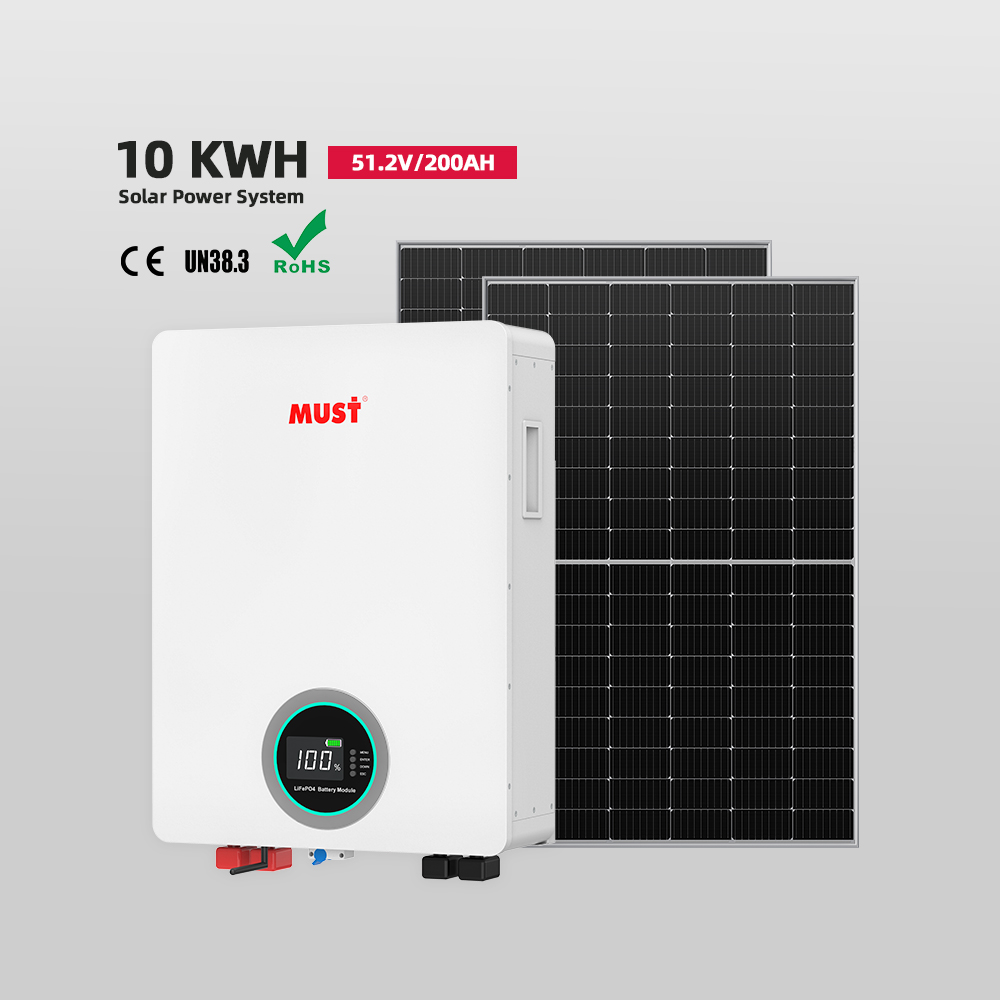
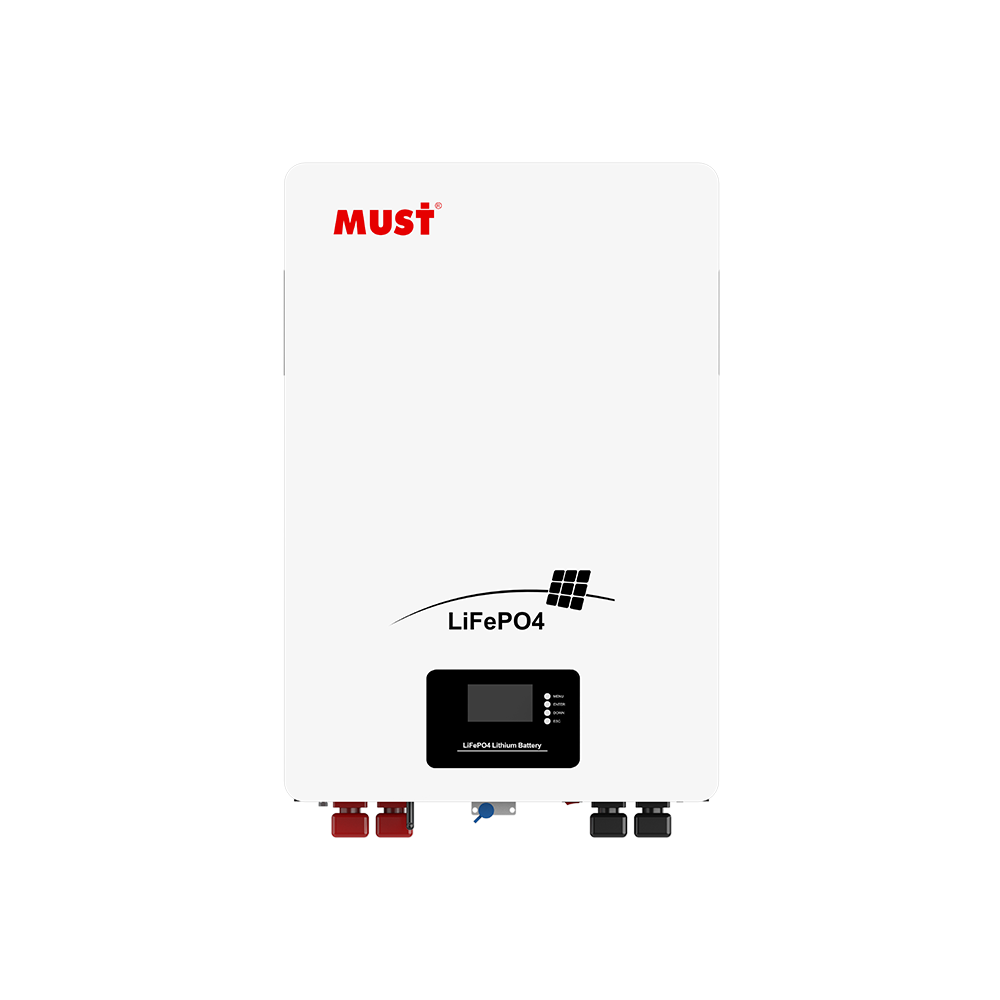
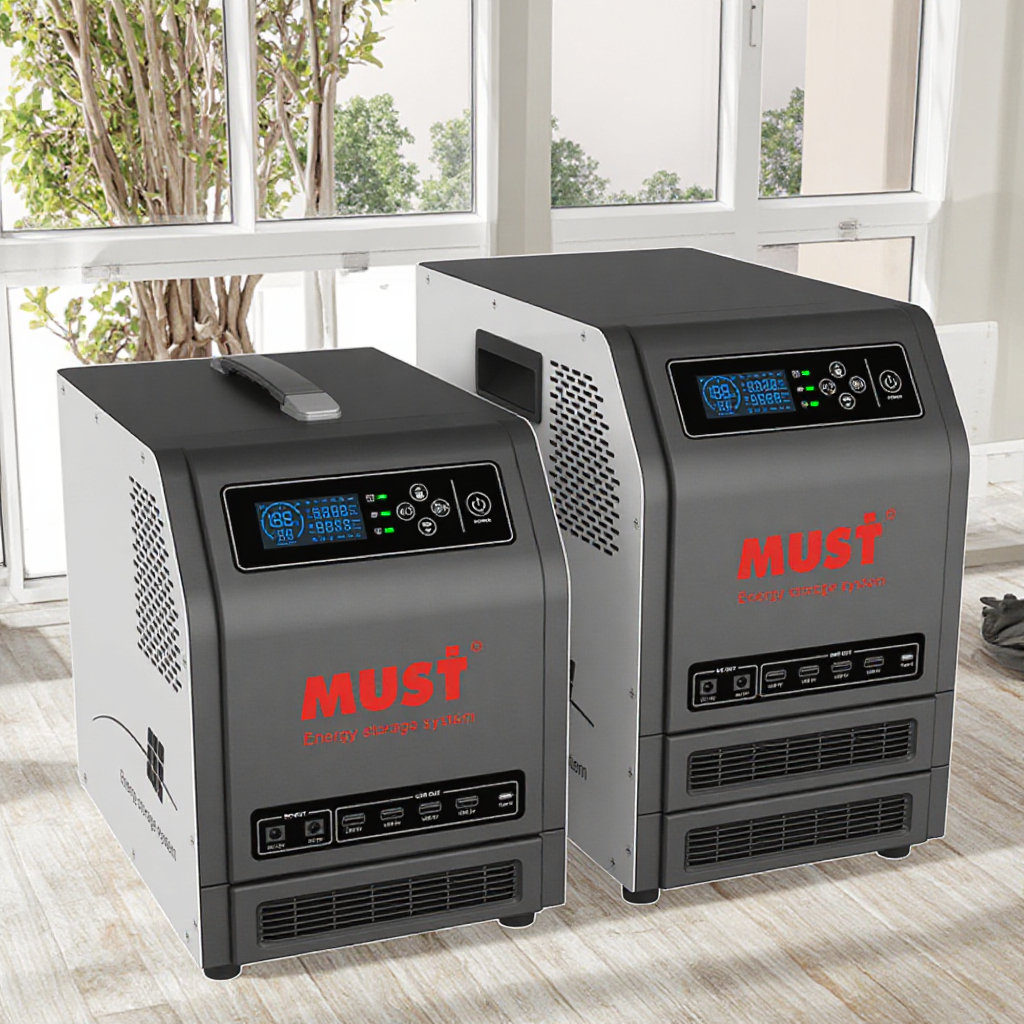
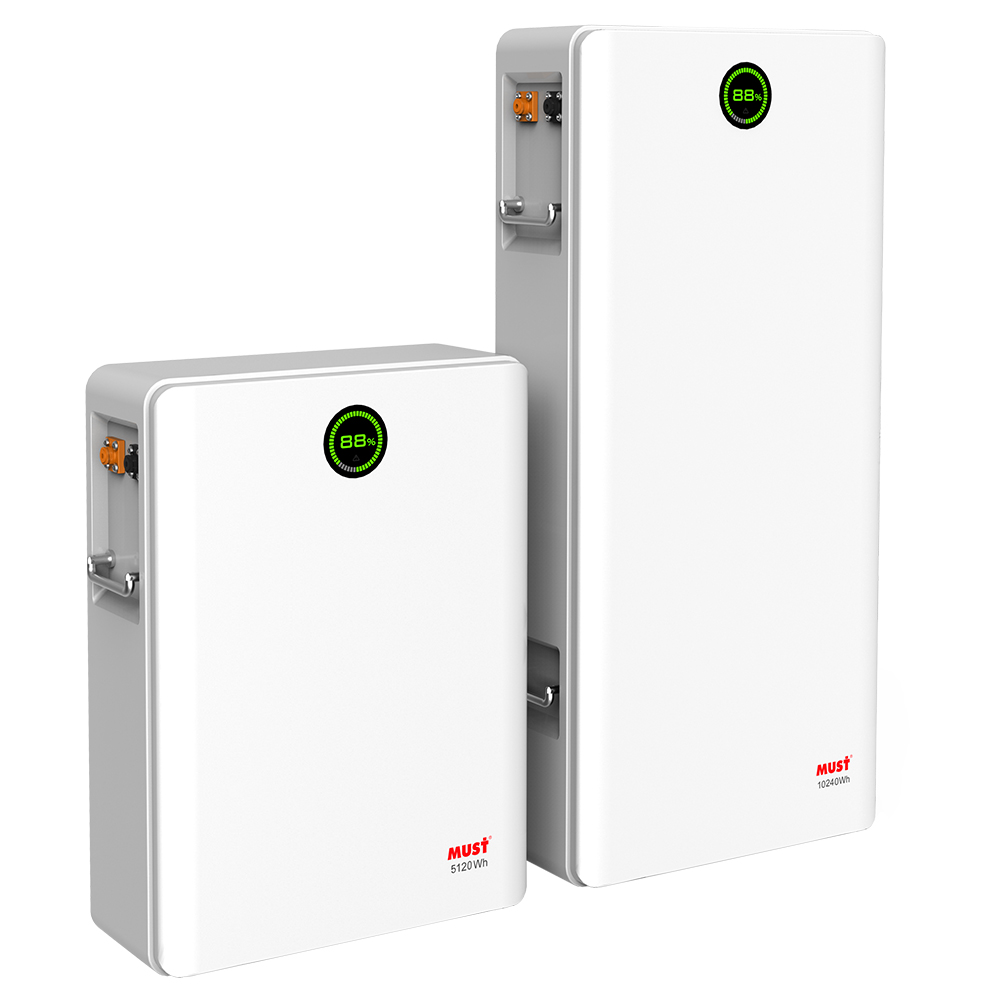


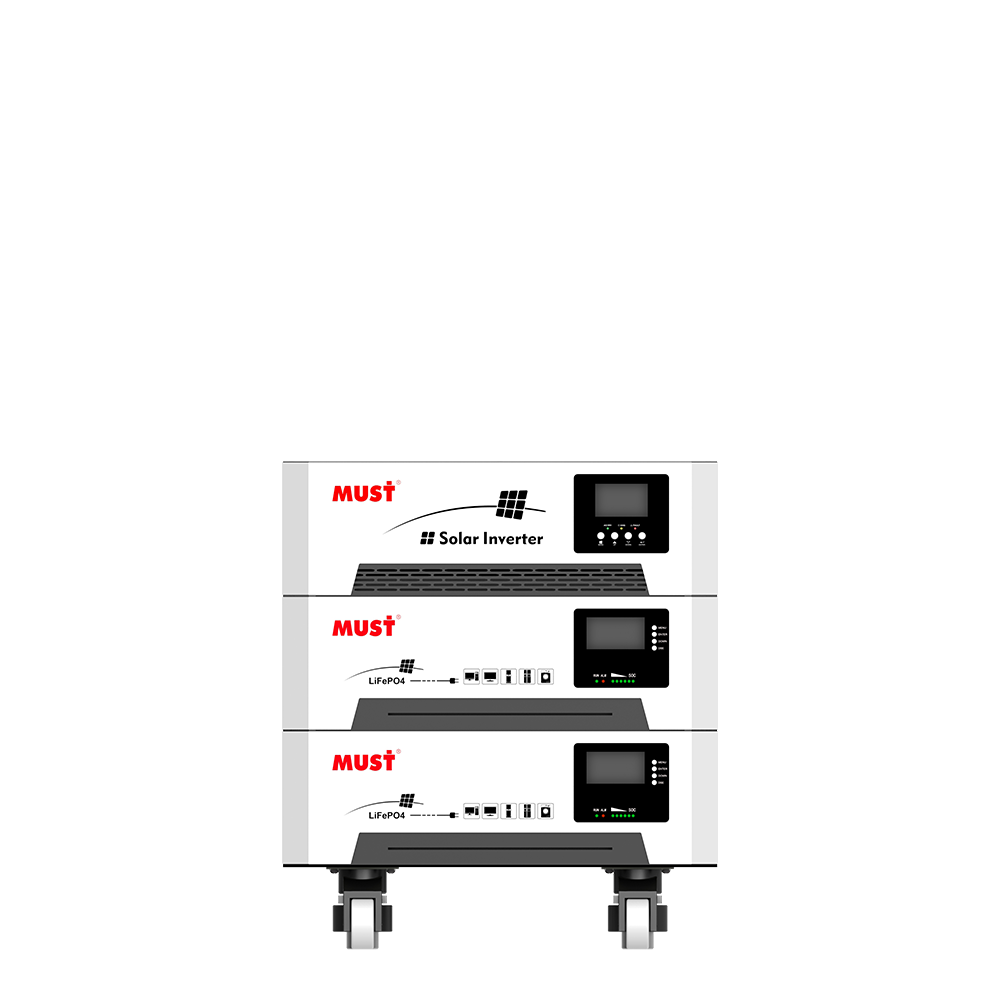
For MUST Solar Power Station LifePO4 Battery Wireless Charging MPPT Controller for Ukraine
Navigating Vietnam's PV Market Transition: PDP8 & Grid Dynamics
An authoritative analysis on policy shifts, utility grid instability in Vietnam, and the rising demand for hybrid energy storage systems.
Vietnam has emerged as the most dynamic solar photovoltaic (PV) market in Southeast Asia over the past decade. However, the operational reality for solar EPC contractors, regional distributors, and industrial facility owners has undergone a radical shift following the approval of Vietnam's National Power Development Plan VIII (PDP8) and recent Direct Power Purchase Agreement (DPPA) frameworks. The era of high feed-in tariffs (FiT 1 & FiT 2) offered by Electricity Vietnam (EVN) has officially ended, giving way to a policy environment centered on self-consumption, zero-export compliance, and localized grid stability.
Under PDP8, Vietnam aims to equip 50% of residential buildings and commercial offices with rooftop solar systems by 2030 for self-use without feeding excess power back into the public transmission grid. Furthermore, structural challenges within EVN's transmission infrastructure—most notably the bottleneck between high-generation solar regions in South/Central Vietnam (Ninh Thuan, Binh Thuan, Gia Lai) and heavy industrial load centers in the North (Hanoi, Bac Ninh, Hai Phong)—have led to frequent grid curtailments and localized voltage spikes.
For solar installers and commercial enterprises, relying strictly on traditional grid-tied string inverters is no longer financially or operationally viable. This policy shift makes high-efficiency PV Hybrid Inverters paired with LiFePO4 (Lithium Iron Phosphate) Energy Storage Systems (ESS) the essential technology for the Vietnamese renewable energy sector. By storing surplus daytime solar generation and discharging it during peak EVN tariff hours (17:00 – 20:00) or during sudden grid outages, hybrid systems guarantee continuous operational productivity while bypassing grid feed-in limitations.
EVN Zero-Export & Anti-Backflow
Vietnam's current grid regulations strictly penalize unthrottled backflow into local transformers. Our hybrid inverters integrate sub-10ms fast CT clamp sensing to ensure 100% zero-feed-in compliance when requested by municipal electricity boards.
Extreme Tropical Heat & Humidity
Operating in humid coastal zones like Da Nang or warm industrial zones like Binh Duong requires robust thermal management. Our equipment features conformal-coated PCBs, IP65/IP66 enclosure protection, and zero derating up to +45°C ambient temperature.
Peak Shaving for Commercial Tariffs
Industrial parks across Dong Nai and Long An face steep peak electricity rates from EVN. Our smart hybrid systems programmatically discharge battery storage during peak billing windows to minimize demand charges (kW) for factories.
Engineering Architecture of CJH Hybrid Inverters for Vietnam
Designed with multi-core DSP controllers, wide MPPT tracking windows, and native communication protocols for leading energy storage batteries.
As a specialized Tier-1 manufacturer with over 20 years of power electronics development, CJH Energy (Guangdong) Tech Co., Ltd. builds solar power conversion hardware tailored to withstand the grid irregularities common in developing power infrastructure. Vietnamese installers often encounter wide voltage fluctuations (dropping as low as 160VAC or surging over 270VAC) and frequency drift. Standard string inverters disconnect under these conditions, causing unnecessary downtime.
Our hybrid inverter series (ranging from 3.5kW single-phase residential units up to 12kW low-frequency/high-frequency commercial models) integrates high-speed Digital Signal Processors (DSP) capable of real-time grid waveform synthesis. Key engineering specs include:
| Technical Parameter | Residential Hybrid (3.6kW – 6kW) | Commercial Hybrid (8kW – 15kW) | Industrial / Farm Off-Grid (15kW – 50kW) |
|---|---|---|---|
| PV Input Voltage Window | 120VDC – 450VDC (High Voltage String) | 150VDC – 500VDC (Dual MPPT Tracker) | 200VDC – 800VDC (Multi-MPPT High Efficiency) |
| Max Recommended PV Array | 5,000W – 8,000W Power Capacity | 10,000W – 18,000W Power Capacity | 20,000W – 65,000W Power Capacity |
| Switching Time (Grid to UPS) | < 10 milliseconds (Seamless for PCs/Telecom) | < 10 milliseconds (Zero interruption) | < 20 milliseconds (Heavy industrial loads) |
| Battery Compatibility | 48V/51.2V LiFePO4 & Sealed Lead-Acid | 48V/51.2V LiFePO4 (CAN/RS485 BMS) | High-Voltage Lithium Stack (192V – 400V) |
| Grid Protection Features | Anti-Islanding, Low/High Voltage Ride Through, Surge Protection Device (SPD Type II) | Anti-Islanding, Zero Export CT Limiter, Frequency Derating Control | Islanding Detection, Integrated AC/DC Breakers, Over-Temperature Shunt |
| Operating Temperature | -25°C to +60°C (Derating above 45°C) | -25°C to +60°C (Natural / Force Air Cooling) | -30°C to +65°C (Smart Intelligent Dual Fan) |
Localized Application Scenarios Across Vietnamese Provinces
From shrimp farming in the Mekong Delta to industrial parks in Bac Ninh, our hybrid systems deliver reliable power everywhere.
Mekong Delta Shrimp & Fish Farms (Soc Trang, Ca Mau)
Aquaculture operations require 24/7 continuous water aeration. A sudden EVN power outage can cause catastrophic stock loss within hours. CJH low-frequency hybrid inverters easily absorb the high motor-starting inductive surges of paddlewheel aerators, operating seamlessly with 48V modular LiFePO4 battery banks to ensure uninterrupted farm operations.
Rooftop Energy Storage in VSIP & Binh Duong Parks
Garment, electronics, and woodworking factories operating inside Vietnam-Singapore Industrial Parks (VSIP) face penalizing peak demand rates during midday hours. Combining CJH 10kW/15kW parallel hybrid inverters with rack-mounted 153.6kWh LiFePO4 battery systems allows plant managers to perform automated peak shaving, drastically cutting operational overhead.
Luxury Shophouses & Villas (HCMC, Da Nang, Hanoi)
Urban homeowners across Ho Chi Minh City's District 7 or Hanoi's Tay Ho demand silent, compact, and aesthetic backup power solutions. The CJH wall-mounted LP16 and LP28 LiFePO4 Powerwall series paired with slim hybrid inverters integrate effortlessly into residential architecture while guaranteeing zero flicker during power shedding.
Why Vietnamese Distributors & EPCs Choose CJH Energy
Direct factory sourcing from a TÜV Rheinland on-site verified power manufacturer with complete quality control.
When importing power conversion products into Vietnam, partnering with an experienced manufacturing direct source eliminates intermediary markup, guarantees long-term spare parts supply, and ensures direct engineering support. CJH Energy (Guangdong) Tech Co., Ltd. operates state-of-the-art production lines spanning 31,056 m² with an annual capacity exceeding 600,000 units.
Strict Quality Standards & TÜV Verification
Our manufacturing infrastructure adheres strictly to ISO 9001 (Quality Management), ISO 14001 (Environmental), and ISO 45001 (Occupational Health) certifications. Our facility undergoes annual on-site inspection and verification by TÜV Rheinland, providing full transparency for international trade buyers and EPC developers.
Custom Firmware & BMS Protocol Match
With an active R&D team of over 80 engineers holding multiple national invention patents, we provide bespoke OEM/ODM customization. We can match pre-programmed CAN bus and RS485 communication protocols for virtually any battery chemistry or lithium BMS brand specified by Vietnamese clients.
Logistics Advantages: Guangdong to Vietnam
Located in Guangdong Province, China, CJH Energy enjoys optimal logistics proximity to Vietnam's major entry points. Fast sea freight dispatch from Shenzhen/Nansha ports reaches Cat Lai Port (Ho Chi Minh City) in just 3-5 days and Hai Phong Port in 2-4 days, dramatically shortening lead times for urgently needed installation projects.
Comprehensive Warranty & Spare Parts Support
All CJH hybrid inverters and LiFePO4 battery systems come backed by standardized multi-year factory warranties. We maintain dedicated spare parts stock (control boards, power transistors, LCD screens, BMS modules) and provide 24-hour remote engineering assistance to ensure localized troubleshooting efficiency.
Frequently Asked Questions by Vietnamese Solar Procurement Buyers
Clear, authoritative technical answers addressing grid regulations, customs clearance, and system design in Vietnam.
Are CJH Hybrid Inverters compliant with EVN grid connection standards in Vietnam?
Yes. CJH hybrid inverters are engineered with adjustable grid protection parameter sets compliant with Electricity Vietnam (EVN) technical requirements. This includes configurable over/under voltage trip points, frequency protective relaying, anti-islanding protection (IEEE 1547 / IEC 62116), and rapid zero-export current transformer (CT) feedback control to prevent unauthorized grid feed-in.
How do your hybrid inverters withstand high relative humidity and salt corrosion in coastal Vietnam?
All printed circuit board assemblies (PCBAs) inside CJH inverters undergo heavy-duty double-layer conformal coating to protect sensitive semiconductor components against moisture, oxidation, and coastal salt fog (common in coastal areas like Da Nang, Nha Trang, and Vung Tau). Enclosures carry IP65 water/dust resistance ratings on outdoor models, while internal heat sinks utilize extruded anodized aluminum for maximum thermal dissipation.
Can we order custom OEM branded units with Vietnamese language displays or user manuals?
Absolutely. As a dedicated OEM/ODM manufacturer, CJH Energy provides full custom branding services for minimum order quantities (MOQ). This includes custom silkscreened front panels, customized outer packaging artwork, customized LCD screen menu firmware (including Vietnamese/English bilingual options), and localized printed user installation manuals.
What communication protocol is used between CJH Inverters and LiFePO4 batteries?
CJH inverters support both RS485 and CAN bus digital communication interfaces. Our microcontrollers are pre-loaded with native protocol drivers for major BMS chipsets (including Pace, Seplos, Daly, JBD) and leading battery storage systems. If your project utilizes a custom battery BMS, our software engineering team can integrate your protocol code into our inverter firmware prior to shipment.
What is the typical shipping lead time and customs document support for Vietnam?
For standard production orders, lead time is typically 15 to 25 business days depending on volume. Freight from Guangdong to major Vietnamese sea ports (Ho Chi Minh / Hai Phong) takes approximately 3 to 5 transit days. We provide full export shipping documentation including Form E Certificate of Origin (for ASEAN-China Free Trade preferential tariff relief), Commercial Invoice, Packing List, Bill of Lading, and CE/UN38.3 test certificates.
How does the high surge capacity of CJH low-frequency inverters benefit rural Vietnamese installations?
Low-frequency hybrid inverters utilize heavy copper toroidal transformers that provide exceptional surge resilience—up to 3x their rated continuous power for 10 seconds. In rural Vietnamese agricultural setups where heavy inductive loads like deep-well water pumps, air compressors, and refrigeration units are common, low-frequency inverters start motors reliably without tripping thermal overload protection or degrading delicate microelectronics.
Expand Your Solar & Storage Business in Vietnam with CJH Energy
Partner with an established manufacturer trusted across global markets. Request technical datasheets, factory wholesale pricing, or customized OEM sample units today.
