Factory-Direct MPPT & Energy Storage Systems
Certified solar charge controllers, hybrid inverters, and LiFePO4 battery storage units engineered for marine microclimates, industrial plants, and commercial integration in Greater Yokohama.

MUST Solar Station Outdoor Use Inbuilt Lithium Battery 2000wh 3000wh Back up Portable Solar Energy System
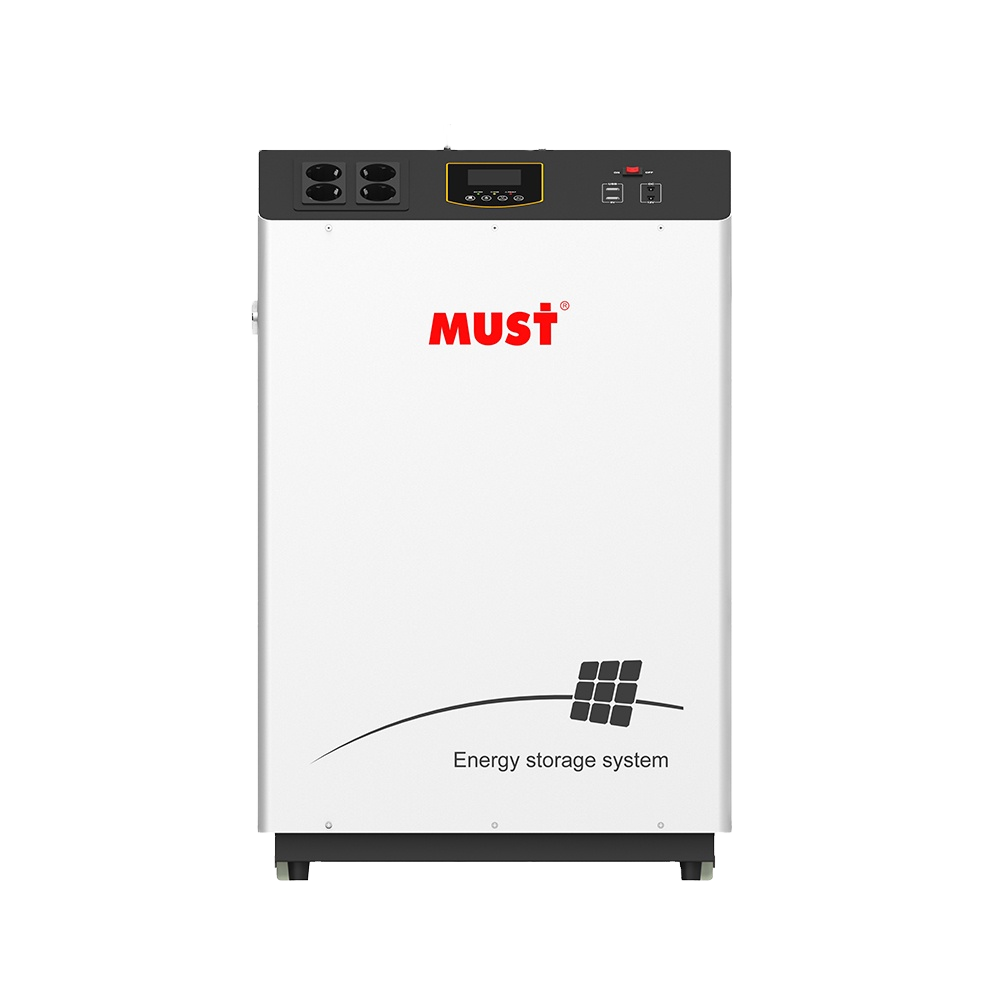
For HBP 1800 HM 48V 200Ah Lithium Battery 2KW 3KW 4KW 5.2KW Hybrid MPPT Solar Inverter Home Solar Power Generator
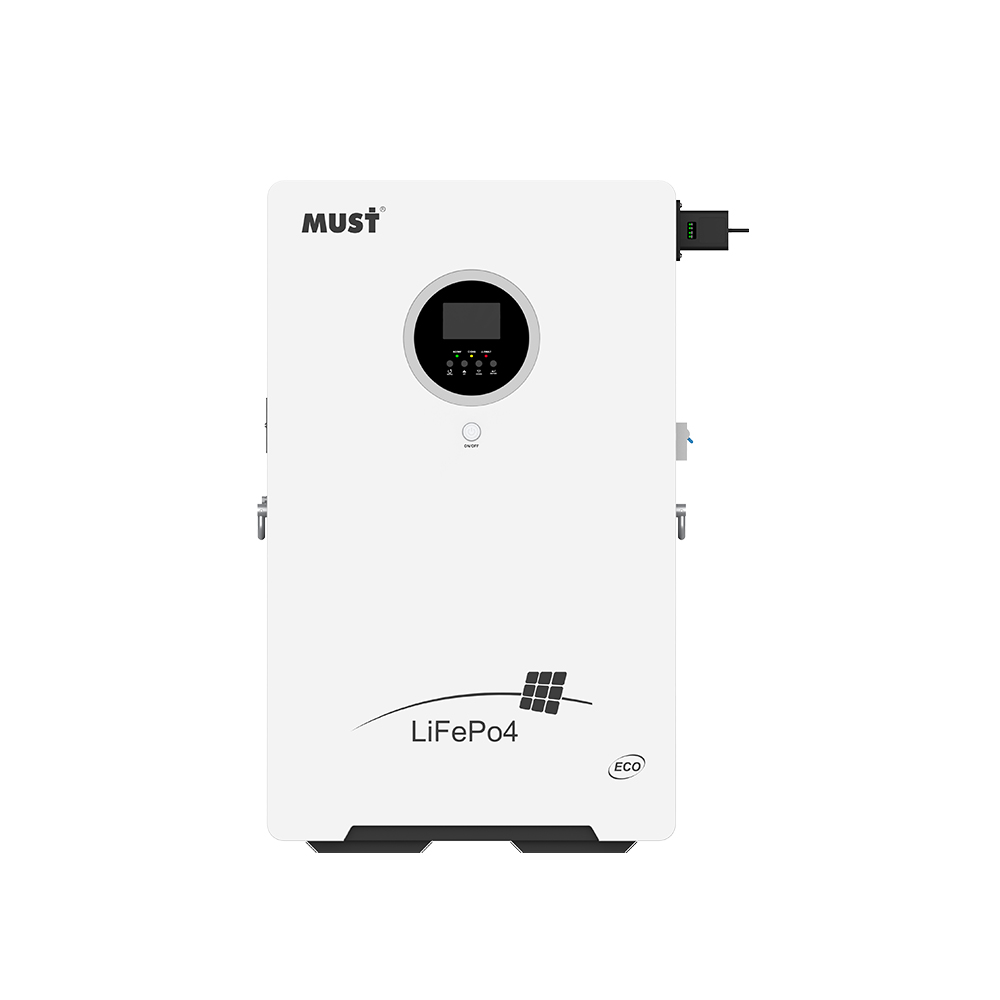
MUST Factory in Stock All in One Solar System HBP19-5548 VPM 5.5kw 3.5kw 5kwh 3kwh Off Grid Hybrid Single Phase Solar Generator
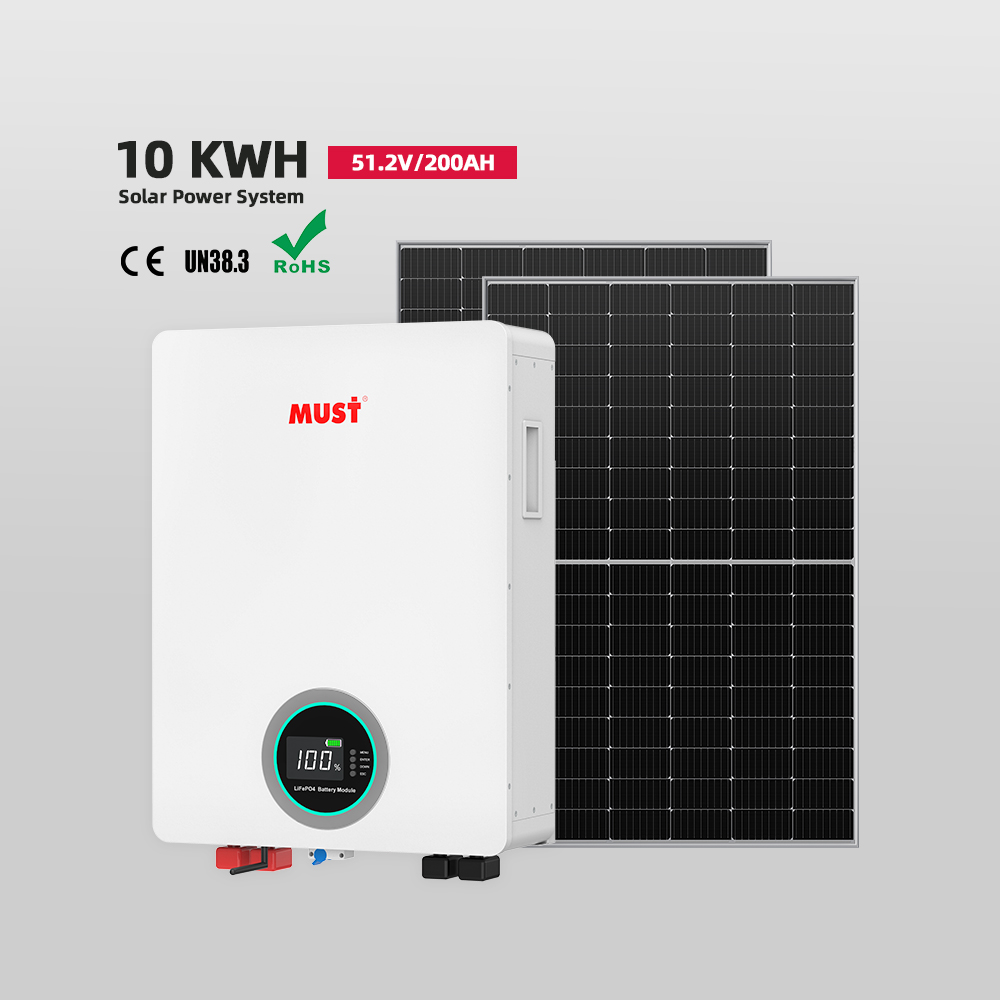
For LP16-48100 LiFePO4 Battery Pack 5 Years Life CE Certified for Solar Storage and Inverter System
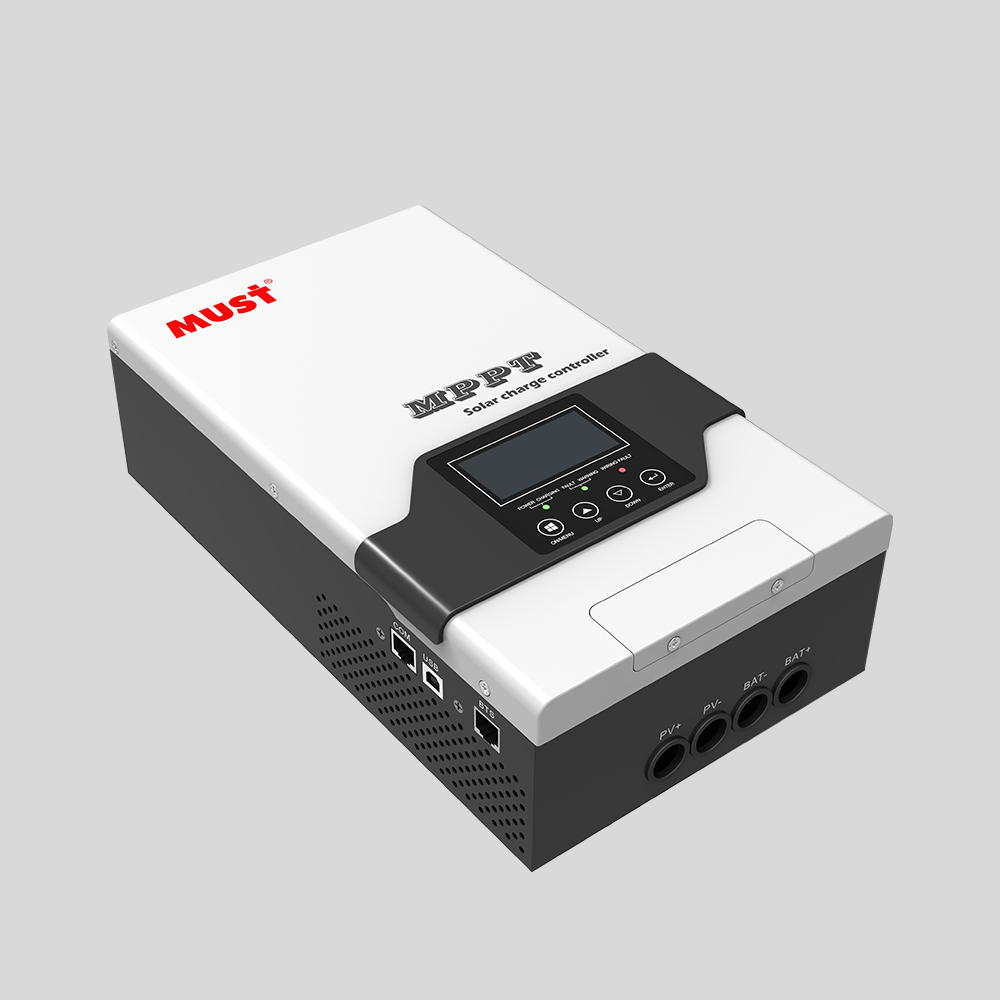
MUST PC1800F Series Fan Cooling 60A 80A 100A Mppt 12V 24V 48V Solar Charge Controller Solar Regulator
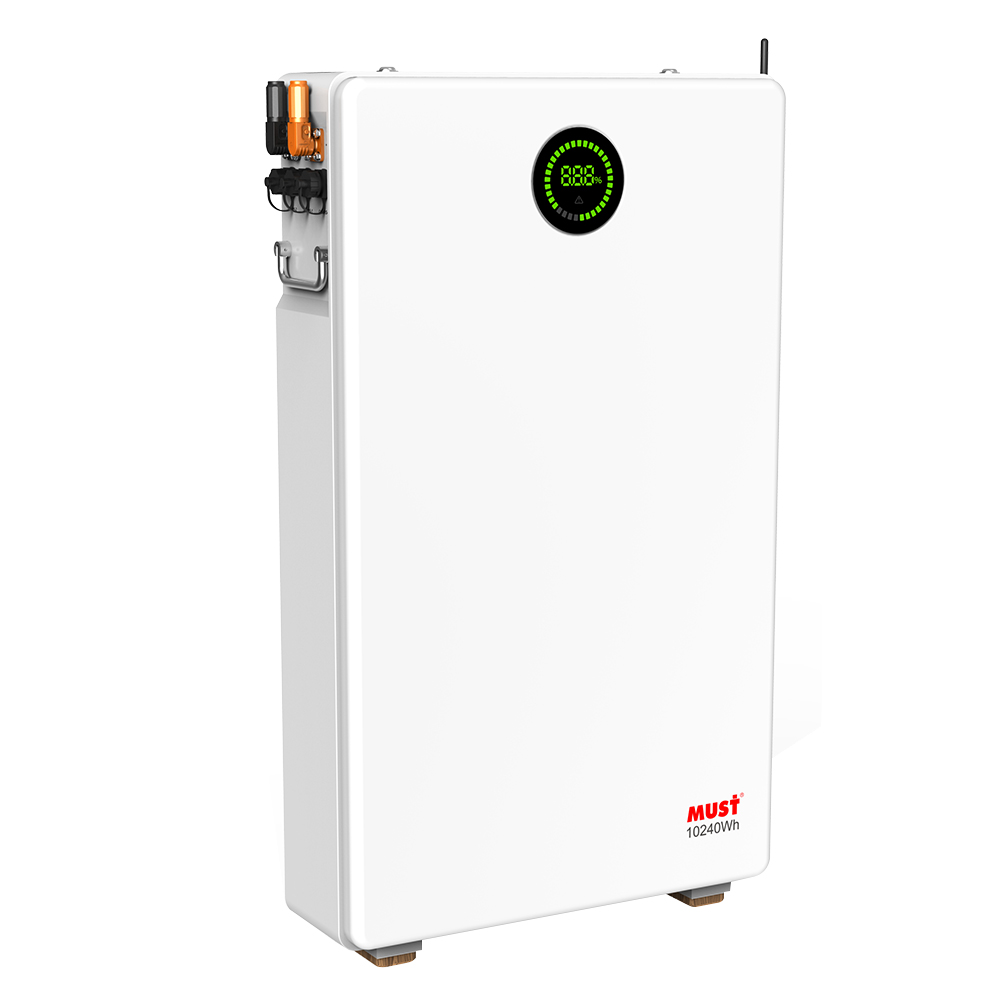
China IP65 Waterproof Lithium Ion 48V Residential Solar Energy Storage Battery Easy Installation Wall-Mounted Built-in CAN/WiFi
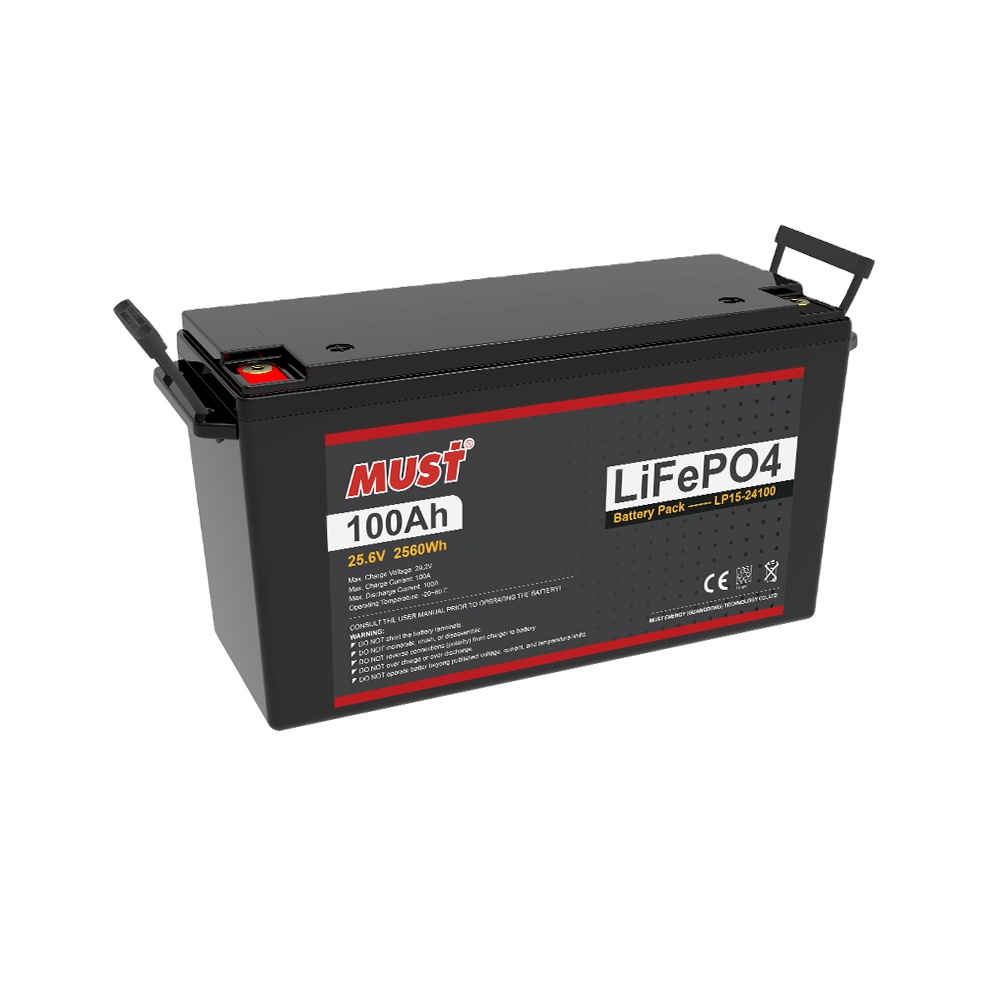
For Brand Lifepo4 Lithium Ion Battery 25.6V 2560Wh BMS 5-Year Warranty 6000 Cycles Model LP15-24100 for Home Storage System
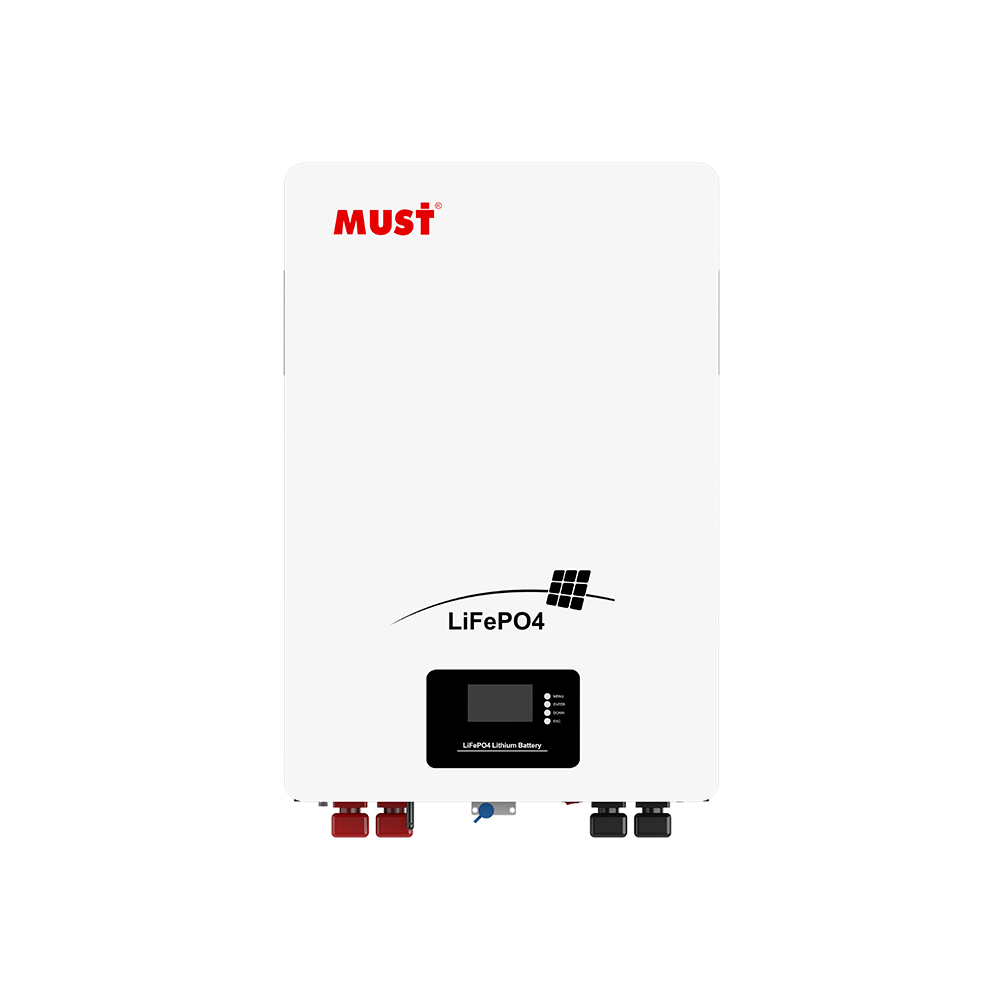
For LP16-48200 Solid State LiFePO4 Battery System for Residential & Commercial Energy Storage with 6000 Cycles
Technical Whitepaper: Sourcing High-Performance MPPT Charge Controllers for Yokohama’s Industrial & Microgrid Infrastructure
As Japan accelerates its transition toward decentralized renewable energy and municipal disaster-resilience microgrids, Yokohama and Kanagawa Prefecture represent critical strategic hubs for advanced solar energy conversion technologies. Featuring one of East Asia’s most active commercial port infrastructures—alongside dense maritime logistics hubs in Honmoku Pier, Daikoku Pier, and the Minato Mirai industrial belt—Yokohama demands power electronic equipment capable of handling complex environmental stresses, stringent grid compliance codes, and dynamic solar irradiance cycles.
Maximum Power Point Tracking (MPPT) charge controllers serve as the operational core of off-grid, hybrid, and battery-buffered commercial photovoltaic (PV) systems. By continuously monitoring the current-voltage ($I\text{--}V$) characteristic curve of solar arrays, an advanced MPPT charge controller dynamically locks onto the peak power point ($P_{\text{max}}$), delivering up to 30% higher energy harvesting efficiency compared to legacy Pulse Width Modulation (PWM) regulators. For B2B importers, EPC contractors, and wholesale distributors in Yokohama, sourcing directly from audited manufacturing facilities guarantees compliance with Japanese Industrial Standards (JISC), optimized total cost of ownership (TCO), and long-term hardware reliability.
The Mechanics of MPPT Efficiency in Coastal Marine Climates
Yokohama experiences a humid subtropical maritime climate characterized by variable atmospheric conditions, seasonal typhoon activity, and dense coastal humidity. Under these environment-specific conditions, solar panels experience frequent temperature oscillations and sudden shifts in solar irradiance caused by fast-moving coastal clouds. Standard solar regulators fail to adapt rapidly enough, leaving substantial solar output uncaptured.
Our industrial MPPT controllers utilize an advanced Perturb and Observe (P&O) combined with Incremental Conductance algorithm. This multi-stage digital signal processor (DSP) tracking mechanism executes sweeping scans across the PV curve in milliseconds, maintaining a ultra-fast tracking speed and achieving an industry-leading tracking efficiency of 99.5% and maximum conversion efficiency of 98%.
High PV Array Input Voltage
Supports maximum open-circuit voltages ($V_{\text{oc}}$) up to 145V–500V DC, enabling longer panel series strings, reducing cable copper losses, and minimizing combiner box installation costs.
Anti-Salt Mist Conformal Coating
PCBs treated with dual-layer hydrophobic silicone conformal coating to withstand salty air corrosion near Tokyo Bay, satisfying severe marine C4/C5 environmental conditions.
LiFePO4 & Multi-Chemistry BMS
Pre-programmed charging profiles for Lithium Iron Phosphate (LiFePO4), Solid-State, AGM, and Gel batteries with native RS485/CANbus handshake integration.
Thermal Dissipation & Extended Overload Capacity
Heat is the primary adversary of power electronic longevity. In high-current wholesale applications (such as 60A, 80A, and 100A systems), thermal management determines whether a controller operates for 3 years or 15 years. Our controllers feature heavy-duty extruded aluminum heat sinks coupled with intelligent variable-speed cooling fans (MUST PC1800F Series). The internal thermal topology actively monitors MOSFET junction temperatures, dynamically adjusting fan duty cycles to maintain internal components below 65°C even when ambient warehouse temperatures exceed 40°C during Kanagawa summer peaks.
| Parameter / Feature | Commercial 60A MPPT Series | Industrial 80A / 100A MPPT Series | Integrated Hybrid MPPT Generator |
|---|---|---|---|
| Nominal System Voltage | 12V / 24V / 48V Auto Recognition | 12V / 24V / 48V Auto Recognition | 48V DC Battery Bank Output |
| Max. PV Input Voltage ($V_{\text{oc}}$) | 145V DC | 200V – 500V DC | 450V DC High Voltage String |
| Peak Conversion Efficiency | 98.0% | 98.5% | 93.0% – 97.5% (Full System) |
| MPPT Tracking Efficiency | > 99.5% | > 99.5% | > 99.5% |
| Battery Protocol Communication | RS485 / Modbus | CANbus 2.0B / RS485 / WiFi / SNMP | CAN / RS485 / Wi-Fi Monitoring App |
| Enclosure Protection Class | IP20 / IP31 Indoor Industrial | IP31 / IP65 NEMA 4X Option | IP65 Wall-Mounted Outdoor Rated |
Localized Application Scenarios in Yokohama & Kanagawa Prefecture
Direct B2B procurement of solar hardware requires a thorough understanding of how equipment functions within local geographic, regulatory, and infrastructural frameworks. Yokohama’s solar landscape is uniquely shaped by urban density, coastal logistics, and strict municipal disaster preparedness guidelines.
1. Port of Yokohama & Logistics Warehouses
Automated shipping terminals and temperature-controlled logistics centers along Daikoku and Honmoku piers install large-scale rooftop PV systems. Our 100A high-voltage MPPT charge controllers regulate power flow into emergency LiFePO4 battery banks, providing zero-delay power conditioning for cold-chain facilities during utility outage events.
2. Municipal Disaster Preparedness Shelters
Under Kanagawa Prefecture’s disaster mitigation guidelines, public facilities across Yokohama maintain independent off-grid energy stations. Our portable outdoor power stations (2000Wh–3000Wh) with built-in MPPT controllers provide immediate plug-and-play energy for emergency communications, medical refrigeration, and satellite links.
3. TEPCO Grid Peak Shaving for Light Industry
Commercial enterprises in Tsuzuki and Kohoku Wards utilize hybrid MPPT inverter generators (3.5kW–5.5kW) to store low-cost off-peak solar power and discharge during peak tariff hours, effectively mitigating Tokyo Electric Power Company (TEPCO) demand charges while stabilizing facility voltage.
4. Urban Residential Storage Retrofits
Dense residential sectors in Nishi and Naka Wards are increasingly retrofitting older FIT (Feed-in Tariff) solar systems with wall-mounted IP65 lithium energy storage batteries. Integrated MPPT regulators seamlessly bridge high-voltage rooftop panels with 48V LiFePO4 battery chemistry without requiring a complete rewiring of household conduits.
Comprehensive B2B Importer & Installer FAQ for Yokohama Procurement
Our export logistics department maintains dedicated maritime shipping lanes directly connecting our Guangdong production hubs with Port of Yokohama (Minato Mirai and Honmoku container terminals). We supply comprehensive export documentation including CE, UN38.3, MSDS, Certificate of Origin, and complete bill of lading packages conforming to Japanese customs guidelines. Orders can be arranged under FOB, CIF, or DDP terms directly to your Kanagawa warehousing facilities.
Yes. Our engineering team customizes firmware parameters to comply with local operating standards. Our hybrid MPPT inverters support 100V/200V single-phase split-phase outputs compatible with Japanese domestic electrical systems. Furthermore, our controllers feature fully programmable CANbus and RS485 communication protocols, allowing smooth handshakes with major Japanese and international LiFePO4, Solid-State, and custom lithium battery management systems.
Products designated for coastal deployment in Yokohama receive an elevated environmental treatment package. Internal printed circuit boards (PCBs) undergo double-pass conformal coating to prevent salt-mist accumulation, moisture tracking, and chemical oxidation. Screws and external fasteners utilize high-grade stainless steel (SUS304/SUS316), and enclosure seams feature synthetic rubber seals to achieve IP65 waterproof and dustproof ratings on designated outdoor models.
Absolutely. Backed by over 80 R&D engineers, we provide complete OEM and ODM customization for distributors, brand owners, and system integrators. You can specify metal enclosure colorways, silk-screened logos, custom LCD display layouts, localized user interface languages (including Japanese menu navigation), customized default charging curves, and tailored packaging suitable for Japanese retail or B2B channels.
Standard production units maintain low MOQs starting at 10 to 50 units for trial distributor orders. OEM customized batches generally require an MOQ of 100 units depending on the depth of hardware modification. Standard manufacturing lead times range from 15 to 25 days following sample approval, with fast sea freight transit to Yokohama Port averaging 5 to 9 days transit time.
Manufacturing Capability & Enterprise Reliability
Sourcing directly from a premier power electronics factory provides your business with an unbeatable technical and economic advantage. CJH Energy / MUST Solar operates an state-of-the-art 31,056 m² manufacturing complex staffed by 1,109 dedicated professionals. Our facility has been rigorously audited on-site by TÜV Rheinland, proving our commitment to world-class manufacturing standards.
Our plant operates under certified management systems conforming strictly to ISO 9001 (Quality Management System), ISO 14001 (Environmental Management), and ISO 45001 (Occupational Health and Safety). With an annual production capacity exceeding 600,000 units across 10 distinct clean energy categories—including off-grid solar inverters, MPPT regulators, hybrid energy storage stations, UPS systems, and solid-state/LiFePO4 battery banks—we guarantee supply chain stability, uncompromised quality control, and factory-direct pricing for your operations in Yokohama.
Partner with a Leading MPPT & Solar Storage Factory
Request detailed technical datasheets, wholesale price schedules, OEM customization options, or schedule a direct video audit of our production lines with our engineering team.
