
Executive White Paper: Sourcing LiFePO4 Battery Systems in Greater Boston & New England
The renewable energy landscape across Massachusetts and the broader New England region is undergoing an unprecedented structural transition. As ISO New England (ISO-NE) faces increasing grid volatility driven by winter natural gas bottlenecks, extreme weather events, and aggressive statewide decarbonization targets under the Massachusetts Clean Energy and Climate Plan (CECP), solar energy storage systems have evolved from optional add-ons to essential infrastructure.
For commercial Engineering, Procurement, and Construction (EPC) contractors, clean energy developers, local installers, and hardware distributors operating in the Greater Boston area—including Cambridge, Quincy, Newton, and the Route 128 tech corridor—sourcing high-reliability Lithium Iron Phosphate (LiFePO4) solar battery solutions requires a deep understanding of local regulatory requirements, thermal performance profiles, and factory-direct supply chain compliance.
Information Gain Key Takeaway: Why LiFePO4 Outperforms NMC in Boston’s Urban & Sub-Zero Environments
Unlike Nickel Manganese Cobalt (NMC) chemistries, LiFePO4 (LFP) delivers superior thermal stability, zero risk of thermal runaway oxygen release, and extended operational longevity (up to 6,000–8,000 deep discharge cycles). In Boston's dense urban multi-family retrofits and coastal commercial zones, compliance with NFPA 855 and UL 9540 standard fire safety protocols makes LFP the non-negotiable chemical architecture for risk-averse procurement officers.
Macro Market Drivers Shaping Boston's Storage Sourcing Strategy
Procurement professionals in Massachusetts must navigate a unique regulatory and fiscal ecosystem. Battery storage assets are increasingly incentivized yet stringently governed:
- The Massachusetts SMART Program (Solar Massachusetts Renewable Target): Provides structured energy storage adders for paired solar-plus-storage systems, rewarding residential and commercial entities that incorporate minimum 2-hour discharge capability.
- Clean Peak Energy Standard (CPES): Incentivizes clean energy storage systems to discharge specifically during ISO-NE designated peak seasonal demand windows (notably winter cold snaps and summer heat waves).
- Cold-Climate Operational Demands: Boston experiences ambient freeze cycles dropping well below 0°F (-18°C) during winter polar vortex events. Standard lithium-ion batteries suffer severe capacity degradation and lithium plating if charged below freezing without specialized thermal management integrated into the Battery Management System (BMS).
Localized Engineering Application Scenarios in Greater Boston
To maximize Return on Investment (ROI) and satisfy Municipal Utility (such as Eversource and National Grid) interconnection requirements, battery energy storage systems must be tailored to specific regional operational profiles across Eastern Massachusetts.
Sub-Zero Residential Storage (Boston Suburban Belt)
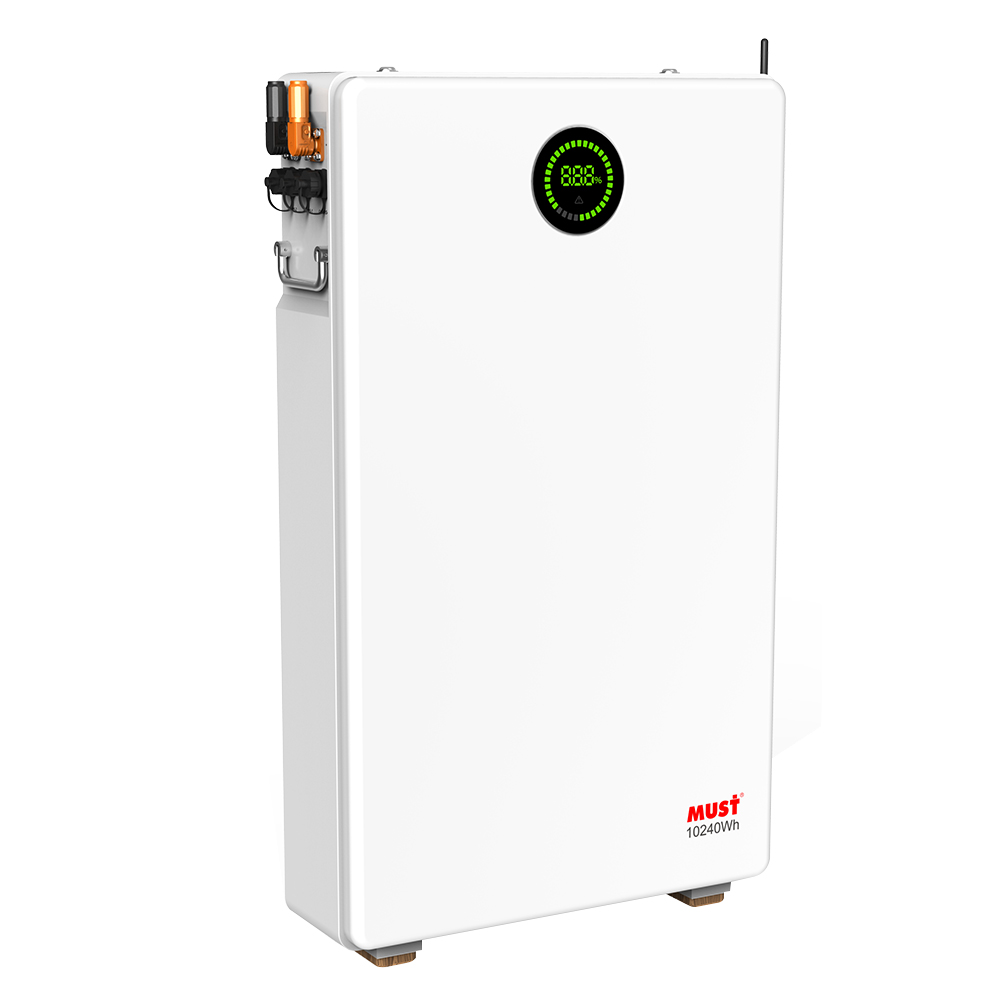
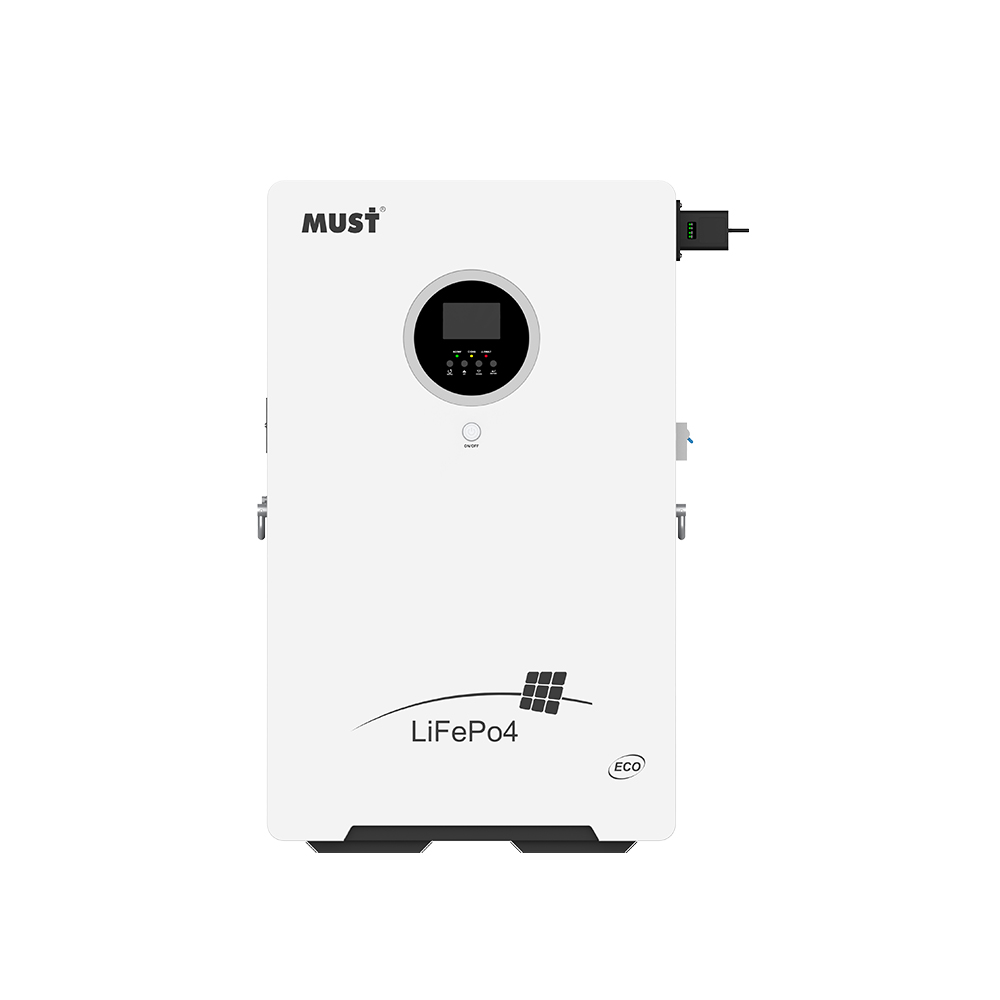
Deploying wall-mounted and server-rack 48V/51.2V 100Ah-300Ah LFP packs in unheated basements and detached garages across Brookline, Lexington, and Concord. Systems feature integrated PTC self-heating BMS elements to ensure safe winter PV charging down to -20°C.
Biotech & Lab Microgrids (Kendall Square & Seaport)
High-density life science facilities require zero-ms uninterruptible power supply (UPS) backup to protect expensive biological samples and critical lab equipment during regional utility blackouts. Parallel stacked 10kWh–50kWh LFP modules deliver high continuous power output with CAN/RS485 industrial communication.
Coastal Marine & Harbor Solar Storage (North/South Shore)
Installations along Marblehead, Gloucester, and Boston Harbor demand robust protection against high-humidity, salt-fog corrosion. IP65 waterproof rated wall-mounted systems with powder-coated aluminum enclosures protect sensitive battery cells and power conversion electronics from environmental degradation.
Historic Brick Brownstone Retrofits (Back Bay & Beacon Hill)
Space-constrained historic real estate requires compact footprints with high volumetric energy density. Modular, stackable 48V server rack batteries enable zero-clearance indoor positioning while adhering strictly to Boston Fire Department (BFD) residential storage guidelines.
Technical Benchmark: Evaluating Factory Suppliers for New England Solar Projects
When engineering firms evaluate foreign battery manufacturers for importation into the Port of Boston, technical parameters must be subjected to strict verification. Below is an engineering comparison of standard energy storage architectures available in the market.
| Technical Parameter | Standard Lead-Acid / AGM | Conventional NMC Lithium | CJH Energy Industrial LiFePO4 |
|---|---|---|---|
| Chemistry Safety Profile | High risk of off-gassing (Hydrogen) | Thermal Runaway Risk @ >160°C | Ultra-Stable LFP (No Thermal Runaway <270°C) |
| Cycle Life (80% Depth of Discharge) | 500 – 1,200 Cycles | 2,000 – 3,000 Cycles | 6,000 – 8,000 Cycles |
| Cold Temperature Operation | Severe Capacity Loss below 0°C | Requires External Room Heating | Smart BMS Auto-Heating (-20°C to 55°C) |
| Inverter Protocol Compatibility | Voltage-based estimation only | Basic Closed-loop RS485 | Dual CAN / RS485 / WiFi Multi-Brand Protocol Mapping |
| Enclosure & Environment Rating | Open Rack / Vented Box | IP21 Indoor Cabinet | IP65 Heavy-Duty Waterproof Wall-Mount Options |
Key Compliance Standards for Massachusetts Import Sourcing
Before issuing a Purchase Order (PO) to factory suppliers, local Boston distributors must confirm that the equipment holds appropriate safety testing credentials required by AHJs (Authorities Having Jurisdiction):
- UL 1973: Standard for Batteries for Use in Stationary, Vehicle Auxiliary Power and Light Electric Rail Applications. Ensures cell-to-pack structural integrity under electrical abuse.
- UL 9540 & UL 9540A: Standard for Energy Storage Systems and Equipment, specifically requiring large-scale fire testing to prove thermal runaway containment.
- NFPA 855: National Fire Protection Association standard governing installation limits, wall clearances, and maximum allowable energy capacity (kWh) per residential fire control zone.
Why Partner with CJH Energy (guangdong) Tech Co., Ltd.?
As a direct custom manufacturer with over 20 years of deep specialization in power electronics, CJH Energy Tech Co., Ltd. serves as a reliable OEM/ODM factory partner for American energy distributors, EPC installers, and system integrators. Operating an expansive 31,056 m² ISO-certified production complex with 1,109 skilled employees, our manufacturing facility delivers an annual output capacity of over 600,000 units across inverters, solar charge controllers, UPS, and LiFePO4 battery banks.
TÜV Rheinland Assessed
Our manufacturing plant, quality management lines, and testing equipment are independently audited on-site by TÜV Rheinland for total buyer security.
80+ In-House R&D Engineers
Dedicated engineering team holding national invention patents, specializing in custom firmware parameters, CAN/RS485 protocol matching, and structural design.
Triple ISO Management
Strict operational compliance across ISO 9001 (Quality Management), ISO 14001 (Environmental Safety), and ISO 45001 (Occupational Health).
Full Protocol Compatibility
Pre-configured BMS firmware compatible with leading regional hybrid inverters (including Sol-Ark, Schneider Electric, Victron Energy, and SMA).
OEM / ODM Customization
Full custom branding, custom sheet metal enclosure design, packaging engineering, and localized LCD touchscreen parameters available for bulk orders.
End-to-End Quality Testing
100% cell capacity grading, high-voltage insulation verification, environmental thermal chamber cycling, and automated load aging tests prior to shipment.
Frequently Asked Questions: Sourcing Solar Batteries in Boston
How are container shipments delivered to importers in the Greater Boston area?
Ocean freight shipments from CJH Energy factory lines are typically routed directly to the Port of Boston (Paul W. Conley Container Terminal) or via the Port of New York & New Jersey for rail/truck drayage into New England distribution hubs. Our logistics export team handles full HAZMAT Class 9 UN3480 packaging compliance and provides UN38.3 transport safety documentation to streamline US Customs clearance.
How do CJH Energy LiFePO4 batteries handle winter cold snaps in Massachusetts?
Our cold-climate LiFePO4 battery modules feature intelligent BMS control with integrated heating circuitry. When charging current from solar panels is detected in sub-zero temperatures, the BMS routes preliminary power to internal heating elements to raise cell temperatures above 0°C (32°F) before enabling lithium charging cycles, preventing capacity-destroying lithium dendrite plating.
Can CJH Energy customize BMS communication protocols for existing inverter fleets?
Yes. With 80+ software and hardware engineers on staff, we provide ODM customization for CAN-bus and RS485 communication protocols. We can flash custom firmware to match inverter brands commonly used in North American residential and commercial microgrids.
What system voltage (12V, 24V, or 48V/51.2V) is recommended for Boston installations?
For mobile, marine, or RV applications under 1kW, 12V is suitable. For small remote cabins, 24V works well. However, for full home backup, SMART program paired storage, or commercial systems over 3kW, a 48V/51.2V nominal system is strongly recommended. Higher battery voltage lowers system amperage, allowing installers to use smaller copper cable gauges, reducing I²R heat losses and improving overall efficiency.
What factory certifications back CJH Energy solar battery products?
CJH Energy operates under ISO 9001, ISO 14001, and ISO 45001 certified management systems. Our factory has undergone rigorous on-site assessment by TÜV Rheinland. Individual battery series hold UN38.3, MSDS, CE, and relevant international safety test reports. Specific model test certificates can be supplied upon request by our engineering team.
What is the minimum lead time for OEM bulk orders bound for the United States?
Standard manufacturing lead time for container-level OEM/ODM orders is typically 20 to 30 days after design and parameter sign-off. Transit time via ocean freight from our factory to Conley Terminal in Boston averages 30 to 38 days, depending on shipping line routing.
Request Factory Direct Wholesale Pricing & OEM Specification Sheets
Partner with a verified manufacturing direct supplier. Send us your project requirements, target capacity (kWh), or OEM branding requests today.
Get a Quote