Enterprise Power Protection & Industrial Battery Systems
Explore our engineering-grade LiFePO4 batteries, low-frequency inverters, and hybrid UPS power stations tailored for industrial backup across Central Texas.
Executive Summary: Sourcing Industrial UPS Systems in the Austin Ecosystem
Austin, Texas—popularly recognized as the epicenter of Silicon Hills—has transitioned into one of North America's premier high-tech manufacturing, semiconductor fabrication, and data infrastructure hubs. With massive facility expansions along the State Highway 130 corridor, North Austin, and surrounding industrial parks, the demand for ultra-reliable mission-critical continuous power has reached unprecedented levels. Modern industrial facilities cannot afford a single voltage sag, transient surge, or micro-outage.
A momentary voltage dip lasting less than 20 milliseconds can halt semiconductor lithography tools, corrupt high-density server racks, disrupt automated robotic assembly lines, and trigger millions of dollars in scrapped silicon wafers and recalibration downtime. Consequently, electrical engineers, plant managers, and procurement officers are increasingly looking beyond off-the-shelf commercial power supplies to partner directly with tier-1 industrial UPS factories capable of engineering heavy-duty, low-frequency, double-conversion uninterruptible power supplies (UPS) and modular LiFePO4 battery energy storage systems (BESS).
SEO & Technical Insight: Industrial UPS systems differ fundamentally from standard office or commercial UPS units. They feature galvanic isolation transformers, ruggedized thermal management designed for ambient temperatures exceeding 45°C, high crest factor handling (up to 3:1), zero transfer times (0ms), and intelligent BMS communication protocols (CAN, RS485, WiFi, SNMP) tailored for microgrid integration.
Localized Application Scenarios across Greater Austin's Commercial Sector
1. Semiconductor & Precision Wafer Fabrication (Silicon Hills Axis)
Semiconductor manufacturing facilities operating in North Austin and Manor require uncompromising power quality (IEEE 519 standard compliance). Our industrial double-conversion online UPS topology rectifies incoming AC power into clean DC, which then feeds an ultra-pure sine wave inverter. This delivers continuous voltage regulation with Total Harmonic Distortion (THD) under 2%, shielding cleanroom HVAC, extreme ultraviolet (EUV) lithography systems, and chemical vapor deposition equipment against severe utility grid transients.
2. High-Density AI Data Hubs & Hyperscale Edge Computing
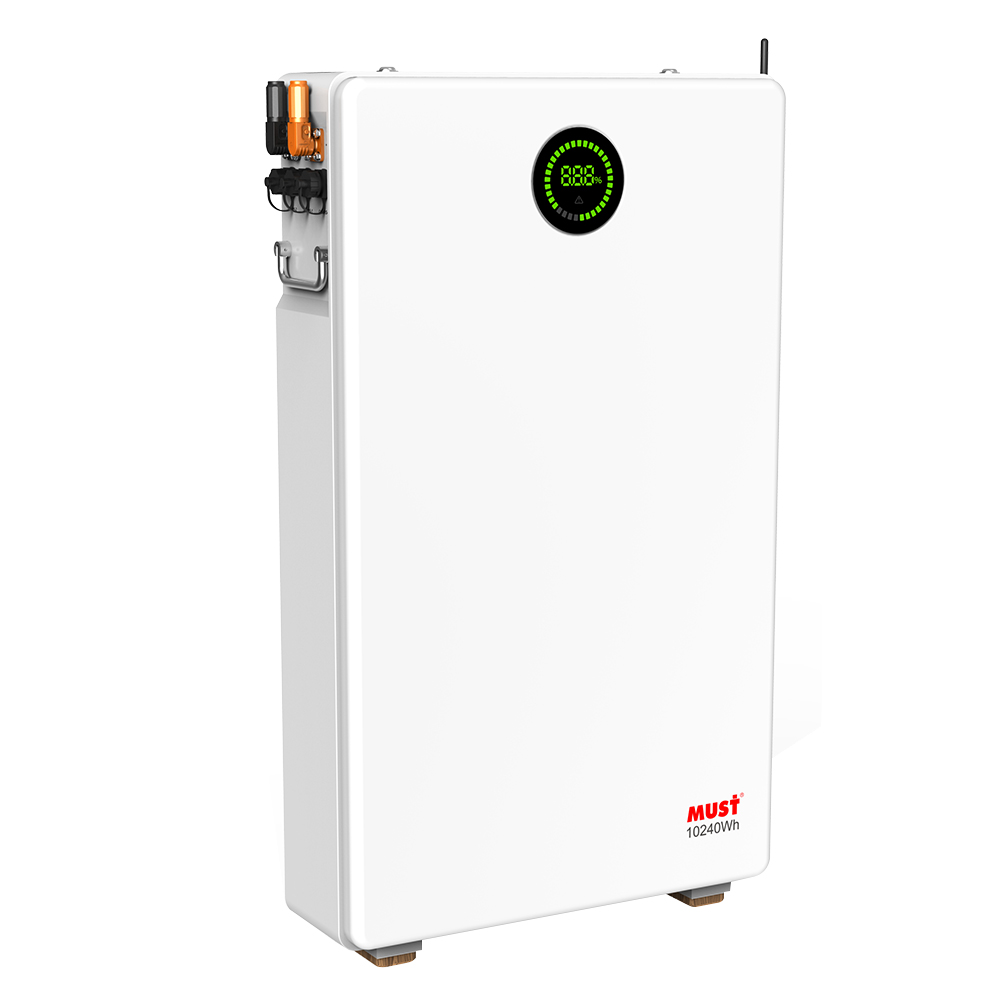
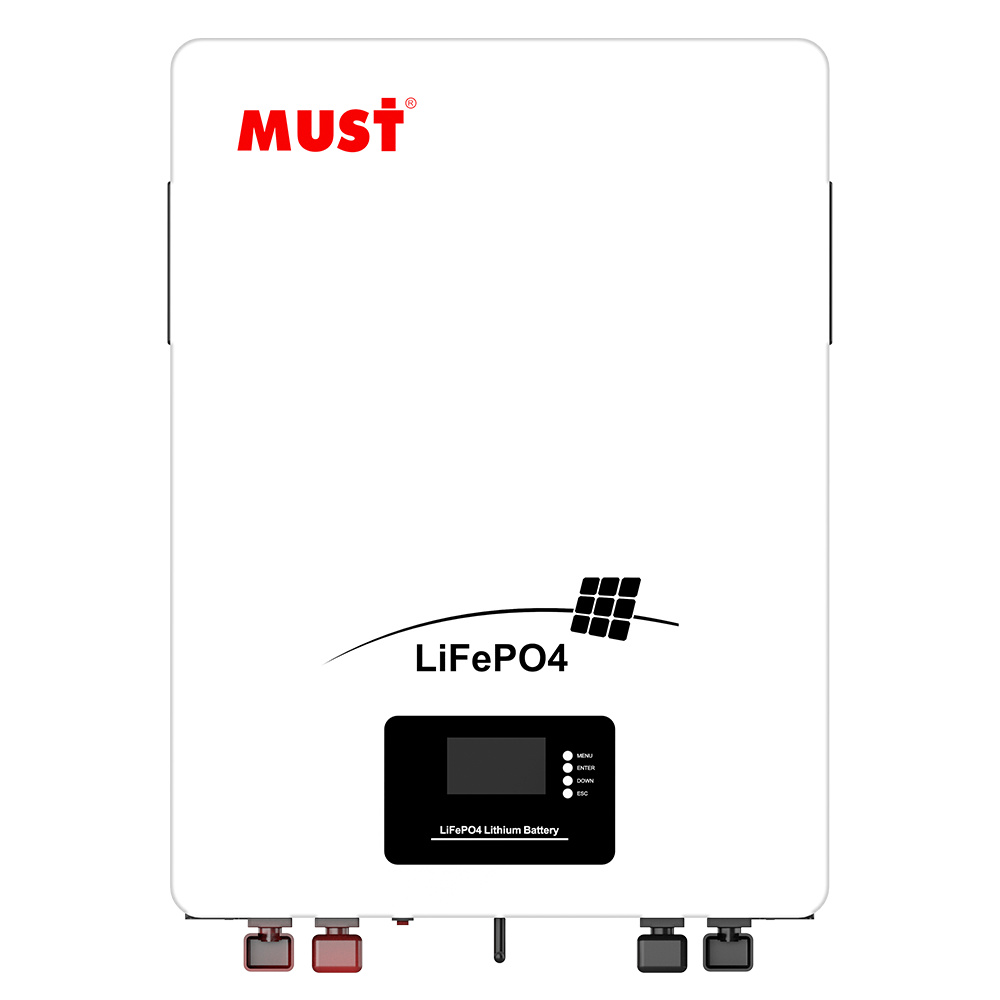
With major cloud operators and AI research laboratories siting processing nodes in Central Texas, power density per server rack has surged from 8 kW to over 30 kW. Industrial UPS solutions with server-rack mountable 51.2V LiFePO4 lithium battery arrays provide compact footprint advantages, 6,000+ deep-cycle lifespans, and real-time CANbus cell balancing. This ensures uninterrupted operation during grid auto-recloser events caused by severe Texan summer thunderstorms.
3. Automotive & Advanced Robotics Manufacturing
Advanced EV gigafactories and automated assembly facilities in Southeast Austin rely on heavy inductive loads, including large electric motors, robotic arms, and high-frequency welding machines. Standard electronic UPS units often trip due to high inrush currents. Our low-frequency industrial UPS series (equipped with heavy copper isolation transformers) easily tolerates up to 300% peak surge capacity for short durations without switching to bypass mode.
4. Solar Microgrid & Grid-Interactive Peak Shaving
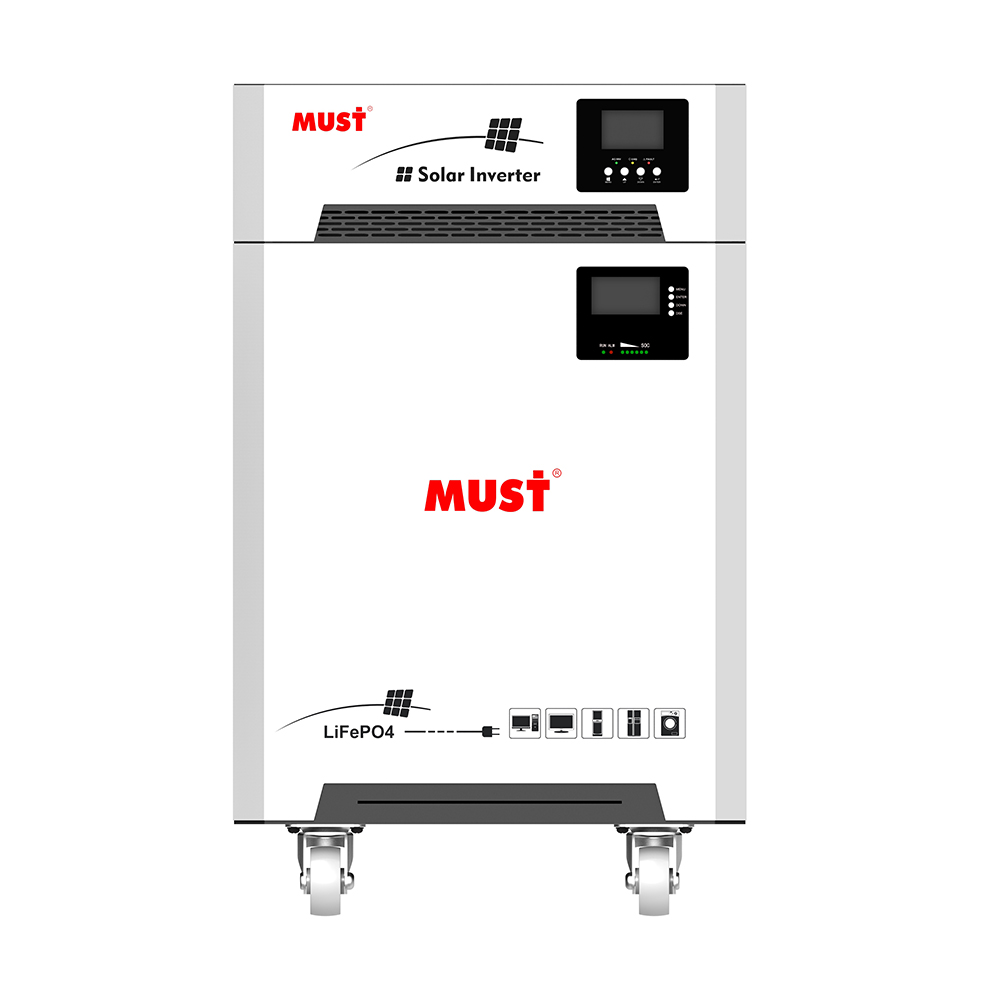
Commercial facilities across Travis, Williamson, and Hays counties are rapidly installing rooftop PV systems to offset rising commercial electricity tariffs. Integrated hybrid solar inverters and industrial BESS units allow industrial enterprises to participate in demand-response programs, storing excess daytime solar energy and discharging during peak evening demand hours while providing complete blackout immunity.
Localized Trends Driving Industrial Power Infrastructure in Central Texas
ERCOT Grid Volatility Resilience
Texas operates on an isolated electrical grid managed by ERCOT. Extreme summer heat waves and winter freeze events create severe grid frequency shifts. Industrial UPS units must handle wide input voltage ranges (120V-275V) without discharging internal battery energy prematurely.
Transition to LiFePO4 Chemistry
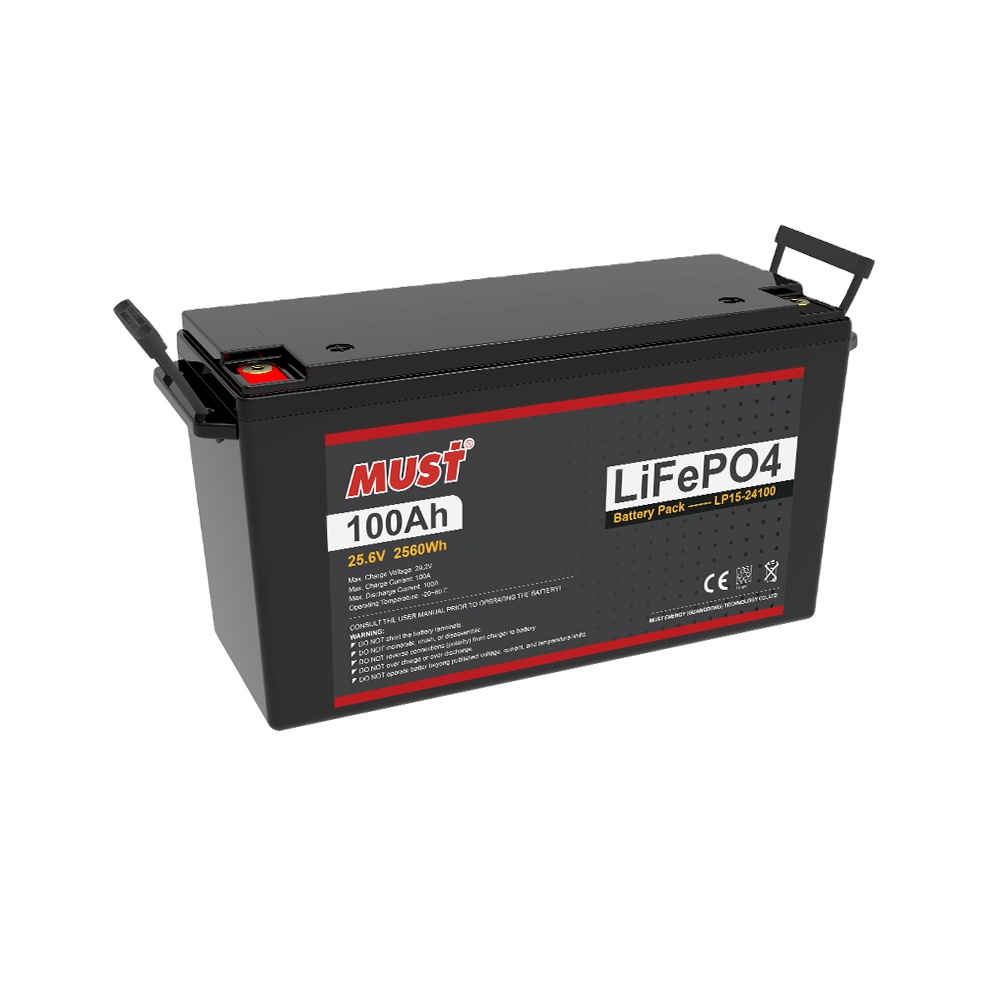
Legacy Lead-Acid (VRLA) batteries are being rapidly decommissioned due to short lifespans (3-5 years) and high cooling requirements. Industrial Lithium Iron Phosphate (LiFePO4) chemistry offers 10 to 15-year operational lifetimes, footprint savings exceeding 60%, and safe operation at elevated ambient temperatures.
Smart Monitoring & IoT Integration
Factory maintenance teams in Austin demand remote SNMP, CAN, and RS485 communication protocols. Real-time telemetry monitoring cell-level battery voltages, temperature profiles, dynamic load percentages, and fault diagnostics ensures proactive predictive maintenance.
Technical Specification & Topology Comparison for Industrial Buyers
When selecting power architecture for critical infrastructure, engineers must evaluate the operational trade-offs between standard Line-Interactive designs, Online Double-Conversion UPS, and modern Industrial Energy Storage Systems (BESS).
| Technical Parameter | Standard Line-Interactive | Online Double Conversion | Industrial BESS & Hybrid UPS |
|---|---|---|---|
| Transfer Time | 4 ms to 10 ms | 0 ms (True Zero Transfer) | 0 ms to 5 ms (Selectable) |
| Voltage Regulation | ± 10% via Tap Switching | ± 1% Precision Pure Sine Wave | ± 1.5% Pure Sine Wave |
| Inrush Capacity | 110% for 60 seconds | 150% for 30 seconds | up to 300% (Low-Frequency Isolation) |
| Battery Technology | VRLA (Lead-Acid) | VRLA or LiFePO4 Pack | Grade-A LiFePO4 with Smart BMS |
| Grid Arbitrage / Peak Shaving | Not Supported | Limited (Backup Only) | Full Support (Bidirectional Charging) |
| Expected Lifetime | 3 – 5 Years | 5 – 8 Years | 10 – 15 Years (6000+ Cycles) |
Factory Advantage: Direct OEM/ODM Manufacturing Excellence
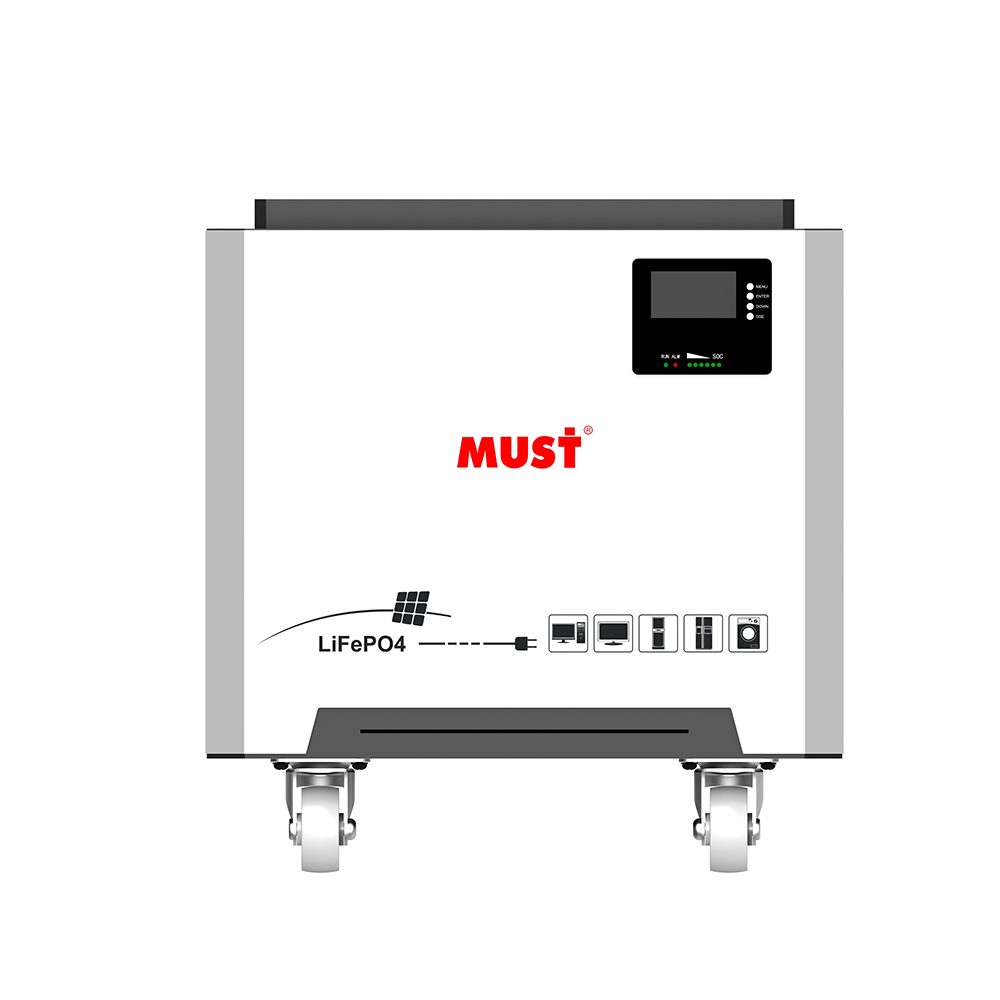
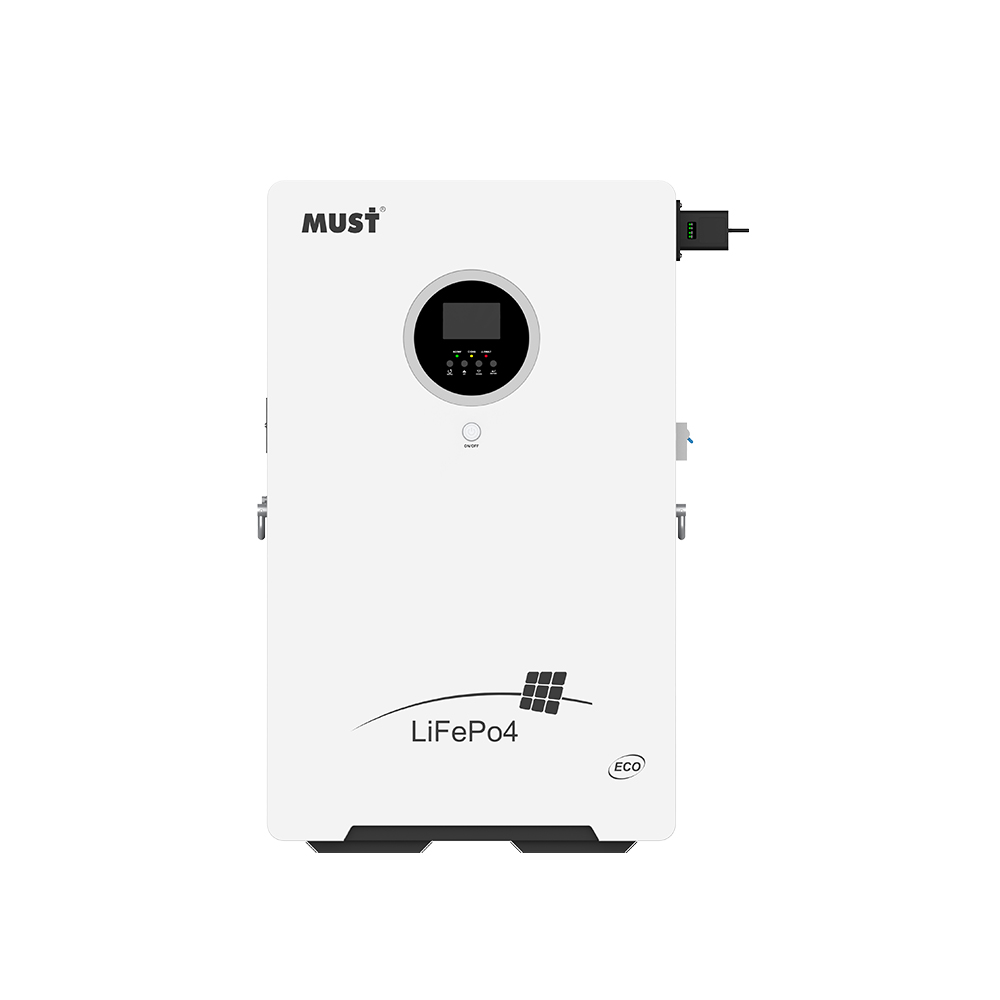
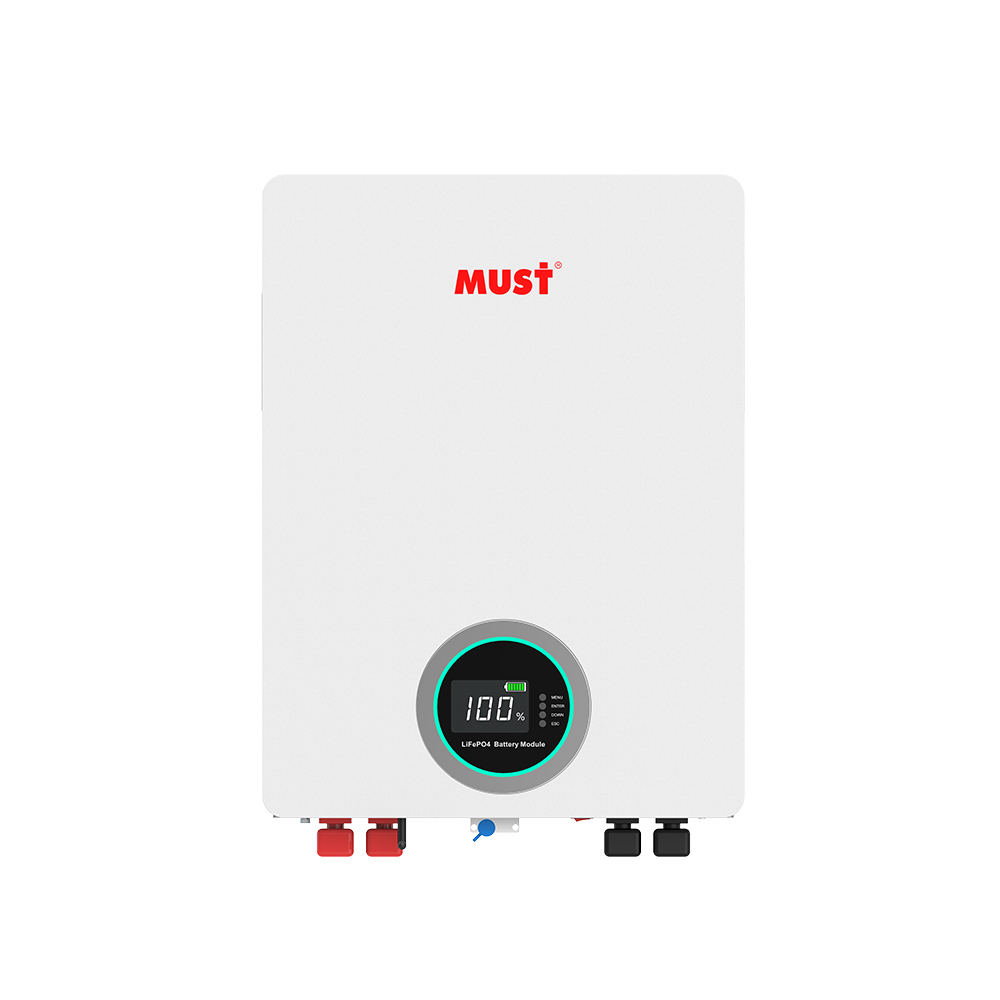
As a global pioneer in power electronics and energy storage manufacturing, CJH Energy (guangdong) Tech Co., Ltd. (operating advanced MUST-series production facilities) supplies industrial customers across North America, Europe, Africa, and the Middle East with custom-engineered power conversion equipment.
Our state-of-the-art facility encompasses 31,056 square meters of automated production space, staffed by 1,109 dedicated industry professionals and backed by a specialized R&D unit of over 80 engineers. With an annual production capacity exceeding 600,000 units, our manufacturing footprint guarantees rapid order delivery, consistent batch quality, and complete technical customization.
Verified E-E-A-T Compliance: Our entire manufacturing infrastructure holds certified compliance under ISO 9001 (Quality Management System), ISO 14001 (Environmental Management), and ISO 45001 (Occupational Health & Safety). Furthermore, our facilities undergo rigorous on-site physical auditing by TÜV Rheinland, ensuring complete operational transparency for high-volume enterprise buyers and OEM contractors.
OEM & Customization Support Services
- Hardware & Topology Tailoring: Custom DC input voltages (24V, 48V, 96V, 192V, 384V), custom transformer windings, and NEMA 3R/IP65 outdoor enclosure designs.
- BMS Protocol Customization: Pre-programmed CANbus, RS232, RS485, and Modbus communication protocols for seamless integration with major solar inverter brands and industrial SCADA platforms.
- Firmware Engineering: Customized voltage thresholds, programmable generator auto-start triggers, dynamic load-shedding parameters, and localized display interfaces.
Frequently Asked Questions by Industrial Buyers in Austin, TX
Why is an Online Double Conversion UPS essential for Austin semiconductor facilities?
Semiconductor manufacturing tools utilize highly sensitive power electronics and optical components. An Online Double Conversion UPS continuously isolates connected loads from utility grid fluctuations by rectifying raw AC to DC and converting it back into a precise AC sine wave, guaranteeing zero millisecond transfer time during power outages.
How do high Texan summer ambient temperatures affect battery storage systems?
Elevated ambient temperatures accelerate degradation in legacy VRLA batteries. Our industrial LiFePO4 battery storage systems feature integrated liquid or force-air thermal management and smart BMS temperature sensing, maintaining safe full-rated output up to 50°C (122°F) ambient conditions.
Can your industrial UPS systems integrate with existing commercial solar arrays?
Yes. Our hybrid solar inverters and industrial BESS systems feature wide MPPT voltage inputs (up to 450V-500V DC). They operate seamlessly in conjunction with grid-tied photovoltaic systems, allowing facilities to capture solar generation, store surplus energy, and shave peak demand charges automatically.
What certifications can be provided for municipal building permits in Texas?
Our management systems are certified to ISO 9001, 14001, and 45001, with on-site factory verification by TÜV Rheinland. Individual product lines comply with international safety standards, including CE, IEC 62109, UN38.3, and MSDS reports required for transport and local electrical permitting.
What is the lead time for OEM industrial power equipment shipped to Austin?
Standard production lead time for customized bulk orders is typically 15 to 25 days depending on specification complexity. We maintain strategic warehouse inventory and regional logistics channels to ensure streamlined delivery to Texas ports and industrial job sites.
How does low-frequency inverter technology protect heavy equipment motors?
Low-frequency inverters incorporate heavy-duty iron core transformers capable of absorbing massive peak power surges (up to 3x nominal rating) generated by large inductive motor startups, preventing circuit tripping during heavy industrial operations.
