Top-Rated Home Energy Storage & Conversion Systems
Factory-direct lithium battery packs, hybrid solar inverters, and portable power generators built to ISO 9001 standards and customized for North American split-phase electrical deployments.


1. The Strategic Imperative for Home Energy Storage in Louisville, KY
As the primary economic motor of the Ohio Valley, Louisville, Kentucky presents a unique combination of energy challenges for residential homeowners, solar EPC contractors, and electrical equipment distributors. Operating under the service territory of Louisville Gas and Electric (LG&E) and Kentucky Utilities (KU), local homeowners are facing a dual pressure: accelerating utility rate shifts and an increase in severe weather events that put intense stress on regional transmission lines.
Historically reliant on centralized coal and natural gas baseload power, the regional energy landscape is shifting toward decentralized solar-plus-storage topologies. The introduction of Time-of-Day (TOD) rate structures by LG&E, alongside evolving Net Metering 2.0 (NEM-2) policies, has fundamentally degraded the ROI of simple grid-tied solar systems that lack storage. Without an intelligent, high-C-rate home battery storage system, surplus rooftop solar production generated during peak afternoon irradiance is exported back to the grid at reduced wholesale credit rates, only for the homeowner to repurchase electricity during evening peak windows at elevated retail tariffs.
Furthermore, Louisville’s geographical position in the Ohio River Valley exposes residential electrical infrastructure to severe weather hazards: winter ice storms, summer severe thunderstorm supercells, and high-wind tornado warnings. Prolonged power outages across Jefferson, Oldham, and Bullitt counties are no longer isolated incidents but recurring financial and safety risks. As a primary manufacturer and wholesale OEM/ODM partner, CJH Energy (guangdong) Tech Co., Ltd. supplies Louisville solar installers and distributors with heavy-duty, split-phase compatible Lithium Iron Phosphate (LiFePO4) home battery systems specifically built to resolve these local challenges.
Severe Weather Resilience
Louisville experiences extreme seasonal temperature swings and ice storms. Our battery enclosures feature automotive-grade thermal isolation and optional internal heating modules to maintain nominal C-rate performance down to -20°C.
LG&E Rate Arbitrage
Maximize savings under LG&E Time-of-Day tariffs. Programmable smart BMS units allow automatic battery discharge during peak demand hours, completely eliminating expensive utility peak charges.
Split-Phase Compatibility
Designed natively for US residential electrical standards. Easily integrates with standard 120V/240V dual-bus main service panels, transfer switches, and high-surge HVAC compressor motors.
2. Engineering Excellence: Battery Chemistry & System Topology
Not all residential energy storage batteries are built for the thermal and surge demands of Kentucky homes. CJH Energy manufactures exclusively with premium grade-A Lithium Iron Phosphate (LiFePO4) prismatic cells, bypassing the inherent thermal runaway vulnerabilities associated with nickel-manganese-cobalt (NMC) chemistry.
LiFePO4 represents the gold standard for indoor and outdoor residential installations due to its exceptional chemical stability, non-toxic composition, and extended cycle life. When evaluated over a 10-to-15-year operational lifecycle in Louisville homes, CJH LiFePO4 packs achieve an industry-leading cost-per-kilowatt-hour delivered, far outperforming legacy lead-acid gel cells and high-voltage NMC wall batteries.
In-Depth Comparison: CJH LiFePO4 vs. Legacy Storage Technologies
To provide actionable engineering insights for Louisville installers and system integrators, the following matrix breaks down critical performance specs across competing residential battery topologies:
| Performance Parameter | CJH Energy LiFePO4 (48V/51.2V) | Legacy Lead-Acid / AGM | High-Voltage NMC Wall Battery |
|---|---|---|---|
| Cycle Life (80% DOD) | 6,000 – 7,000+ Cycles | 500 – 1,200 Cycles | 2,500 – 4,000 Cycles |
| Thermal Runaway Temp | Extremely Safe (>270°C) | Moderate (Gassing risk) | Sensitive (>150°C risk) |
| Usable Depth of Discharge (DOD) | 90% – 95% Real Capacity | 50% Max (To avoid degradation) | 80% – 90% |
| Continuous C-Rate Discharge | 1.0C (100A continuous per module) | 0.2C (Voltage sag under load) | 0.5C – 0.8C |
| BMS Communications | Multi-Protocol CAN/RS485/RS232 | None (Unmanaged cells) | Proprietary closed protocol |
| Operating Temp Range | -20°C to +60°C (with heat kit) | -10°C to +40°C | 0°C to +45°C |
| Parallel Scalability | Up to 15 Units (150kWh+ Total) | Limited (String imbalance) | Max 2 – 4 units |
3. Localized Application Scenarios Across Greater Louisville
To maximize information gain and practical utility, our R&D team has evaluated real-world load profiles across Louisville residential zones—ranging from historic homes in The Highlands and St. Matthews to new residential developments in East End and Prospect.
Scenario A: Whole-Home Backup & Heavy HVAC Surge Protection
Louisville summers are characterized by high humidity and sustained temperatures above 90°F, placing immense reliance on central heat pumps and air conditioning units. A standard 4-ton central air conditioner can draw a Locked Rotor Amperage (LRA) surge of 60A to 80A for 200 milliseconds during compressor startup.
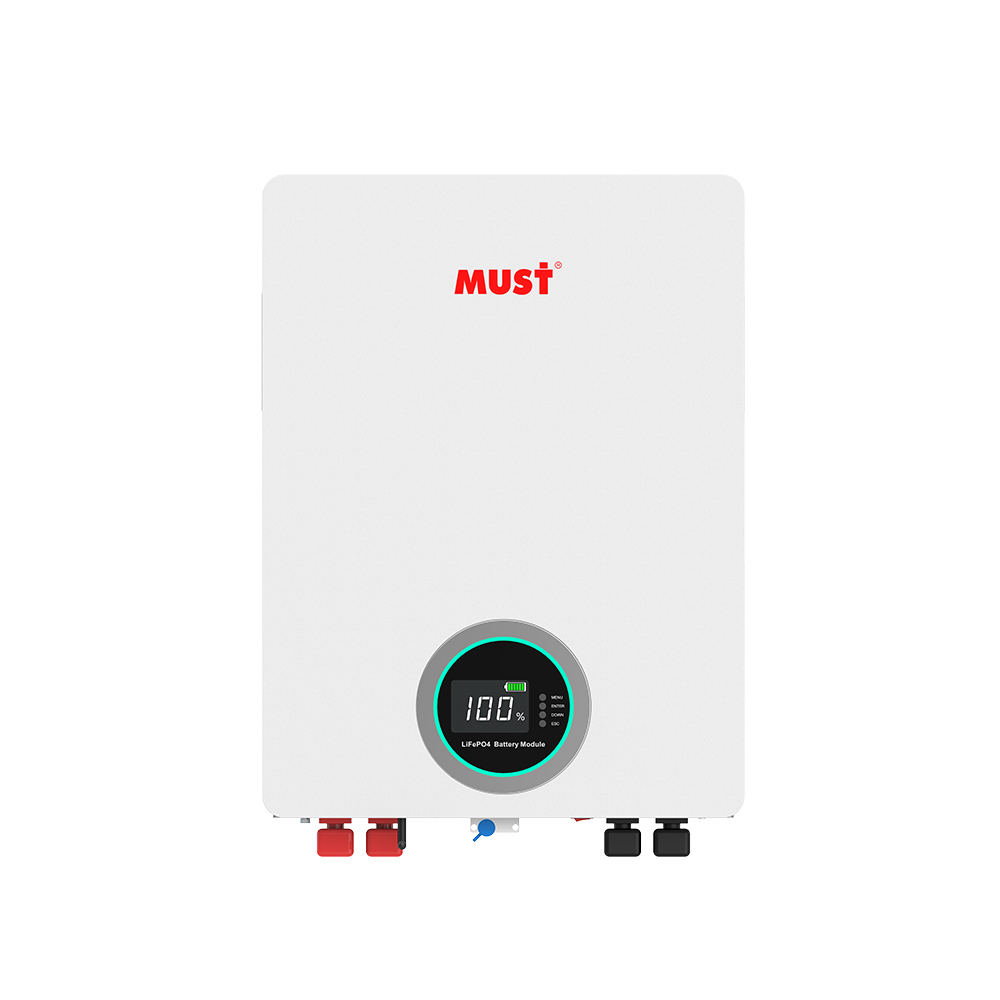
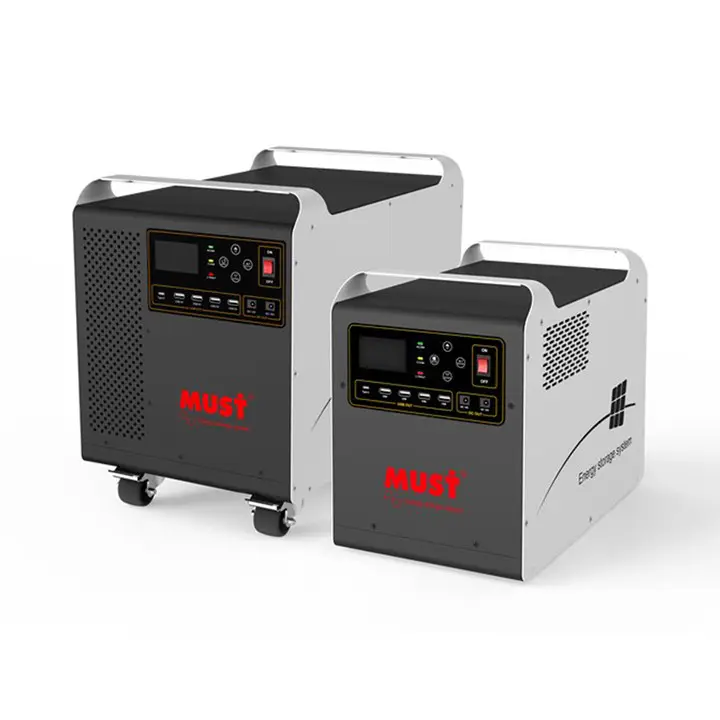
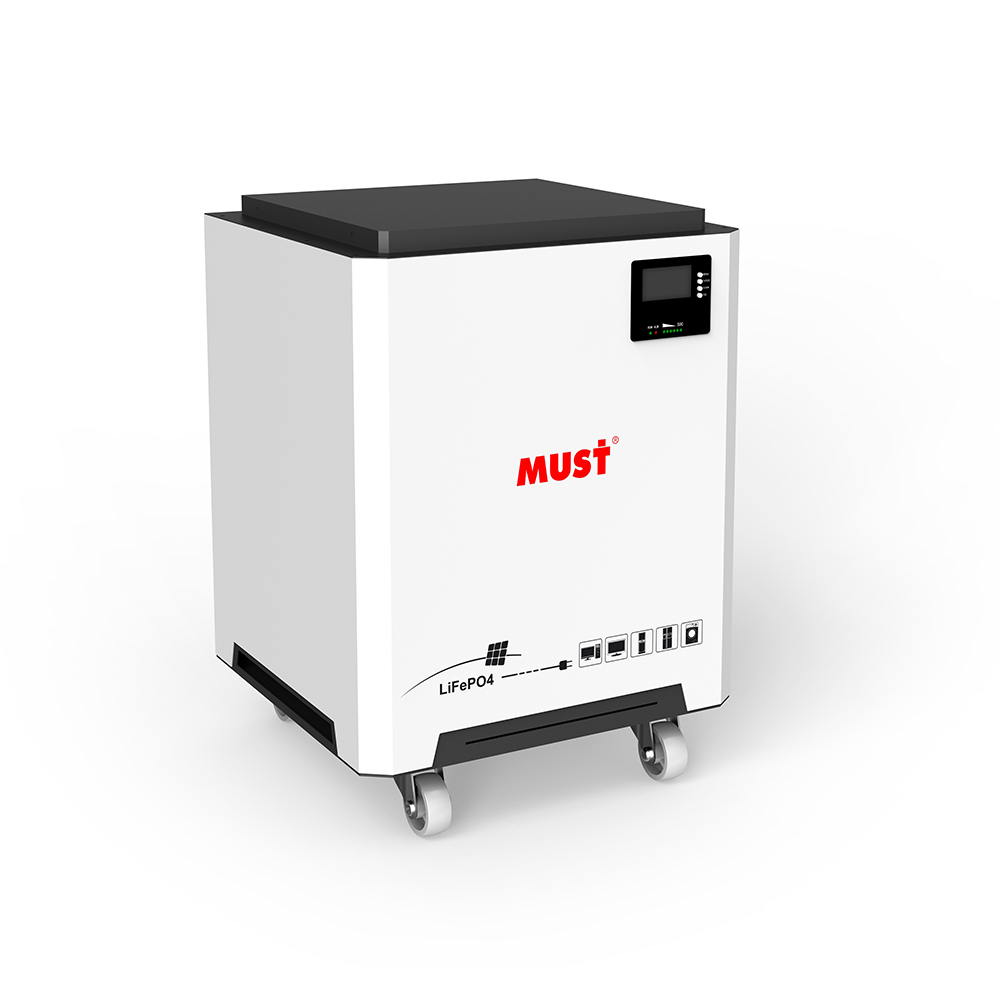
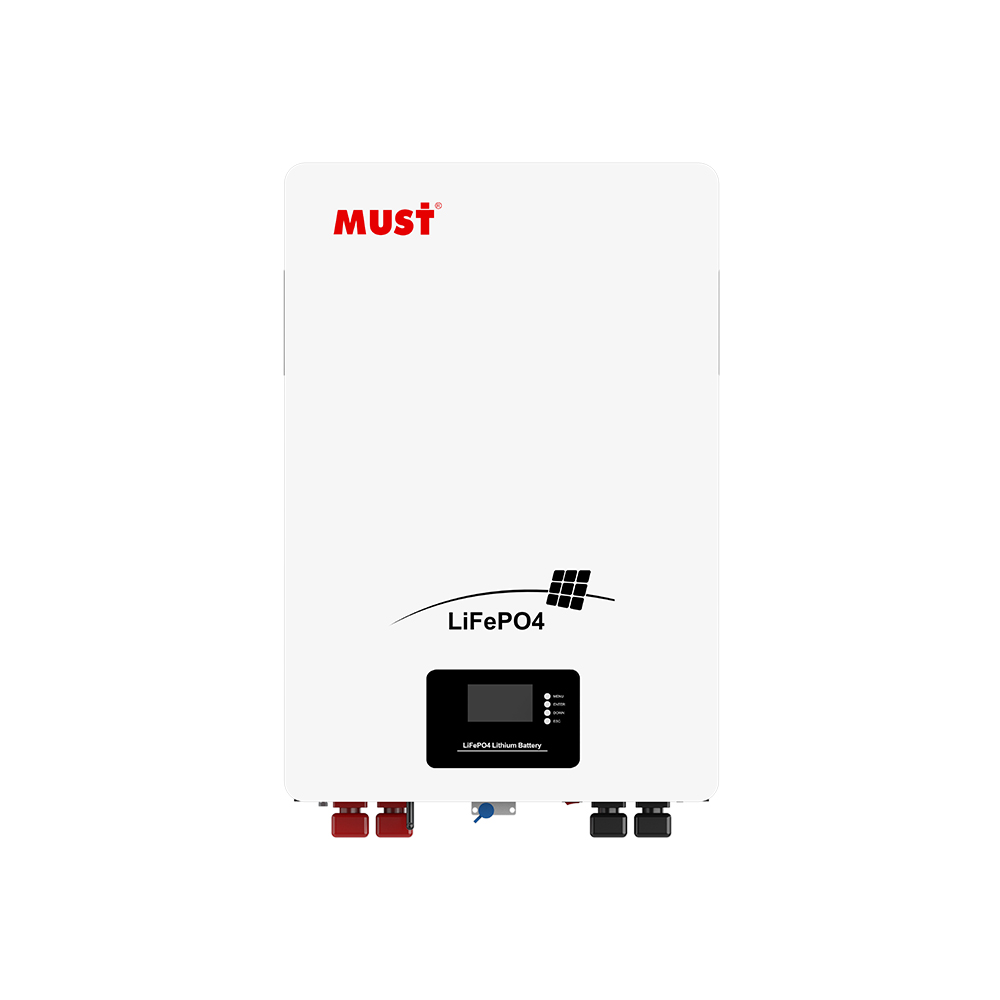
CJH Energy’s LP2800 and 10kWh 48V/200Ah battery series are engineered with heavy-duty copper busbars and high-surging 100A-200A smart BMS circuits. When paired with split-phase hybrid inverters (such as the MUST HBP19 or Sol-Ark 12K/15K), our battery banks deliver instantaneous peak currents without triggering BMS over-current trips, keeping HVAC systems running continuously during blackout events.
Scenario B: LG&E Time-of-Day (TOD) Tariff Arbitrage
Under LG&E’s residential Time-of-Day rates, electricity costs peak during weekday late afternoon and early evening hours. By deploying a CJH 10kWh wall-mounted or rack-stacked battery, home energy management systems (HEMS) can be configured to automatically shift from grid power to battery power during these high-cost windows.
During off-peak overnight hours, the battery automatically recharges either from cheap overnight grid power or from morning solar energy. This strategy allows Louisville homeowners to cut monthly electric power delivery bills by up to 60-70% while maintaining full energy independence.
Scenario C: Rural Outpost & Agricultural Microgrids (Oldham & Shelby Counties)
In rural zones surrounding Louisville, agricultural properties, horse farms, and workshops require reliable power for water pumps, security lighting, and refrigeration. Transmission line dropouts are frequent during severe storm cycles.
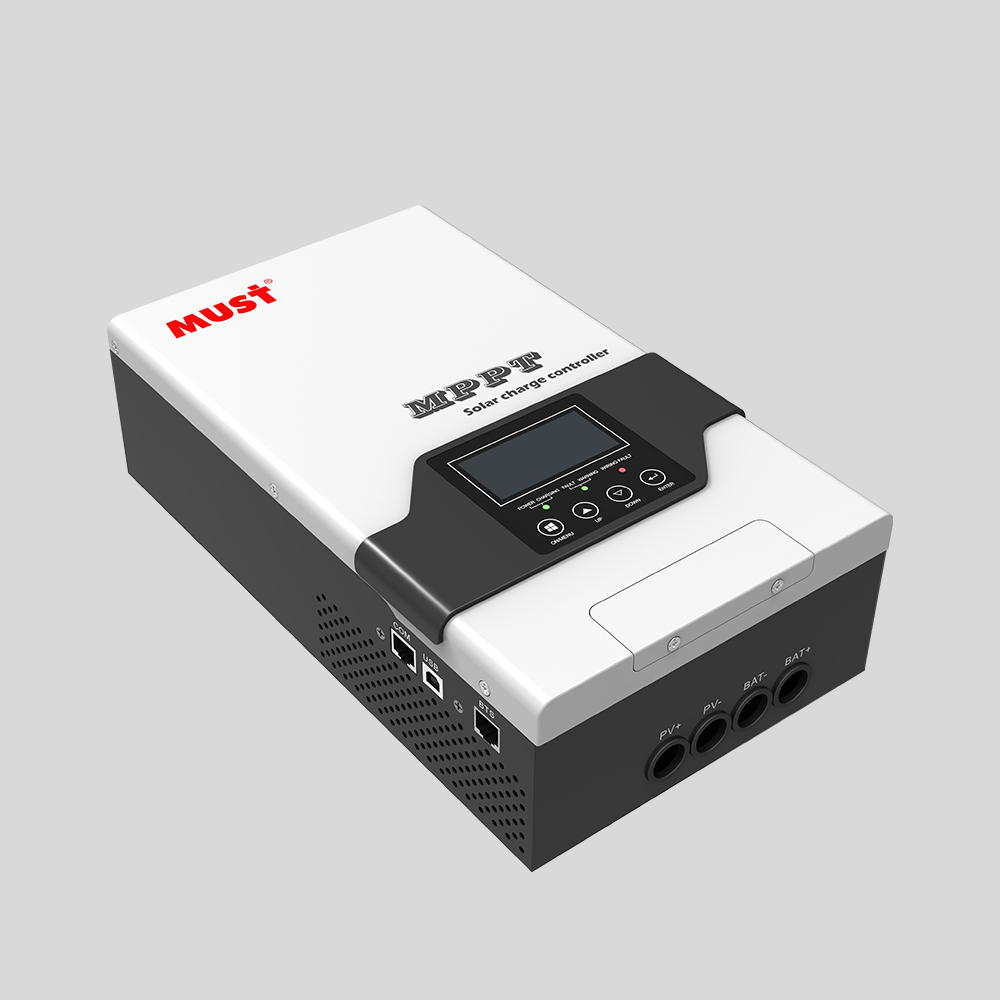
Deploying our 10kW to 15kW stacked modular LiFePO4 systems along with MUST high-efficiency MPPT charge controllers creates a robust off-grid microgrid. Farms gain complete energy sovereignty, operating independently of utility line fluctuations with zero noise, fumes, or maintenance overhead associated with diesel generators.
4. Local Energy Trends Shaping Kentucky’s Solar & Battery Market
The Kentucky clean energy landscape is accelerating through a combination of federal policy, state grid modernization efforts, and shifting consumer expectations. Solar contractors in Louisville must align their product offerings with these multi-year structural trends:
1. Inflation Reduction Act (IRA) Section 25C & 30D Incentives: Federal tax credits cover 30% of the installed system cost for standalone battery storage installations (minimum 3kWh capacity). This federal catalyst has significantly reduced the simple payback period for Louisville homeowners investing in 10kWh–20kWh battery systems.
2. Transition from Flat Net Metering to Net Billing (NEM-2): Kentucky Public Service Commission (PSC) rulings have systematically lowered the credit value of exported solar electricity. This regulatory shift makes standalone solar financially sub-optimal and drives a near 100% storage attachment rate on new residential solar proposals across Jefferson County.
3. Grid Edge Intelligence and Virtual Power Plants (VPPs): Utilities across the Midwest and South are experimenting with Distributed Energy Resource Management Systems (DERMS). CJH Energy’s smart BMS architecture features dual RS485 and CANbus communication ports pre-loaded with open Modbus protocols, allowing seamless integration into future VPP aggregate platforms managed by energy aggregators.
5. Why Louisville Suppliers & EPCs Partner with CJH Energy
Choosing a reliable battery manufacturer is the single most important decision for energy distributors and solar installation companies. Quality failures lead to costly truck rolls, brand damage, and warranty disputes. CJH Energy (guangdong) Tech Co., Ltd. brings over two decades of power electronics engineering and manufacturing rigor to every pack that leaves our assembly floor.
31,056 m² Smart Manufacturing Base
Our state-of-the-art facility features automated SMT surface mounting lines, robotic cell sorting, automated laser welding, and dedicated high-voltage test bays. We achieve an annual output capacity of over 600,000 units across inverters, controllers, and lithium batteries.
TÜV Rheinland On-Site Verified
Independent verification matters. CJH Energy has undergone comprehensive on-site facility audits by TÜV Rheinland. Our manufacturing operations comply with ISO 9001 (Quality Management), ISO 14001 (Environmental Management), and ISO 45001 (Occupational Safety) standards.
80+ R&D Custom Engineering Team
We provide full ODM and OEM customization for Louisville suppliers. From custom metal sheet enclosure designs and color powder coating to custom CANbus/RS485 firmware protocols tailored to specific local inverter brands, our 80+ engineers turn your design requirements into market-ready products.
Strict Cell Grading & Active Balancing
We utilize only brand-new Tier-1 LiFePO4 cells with tightly matched internal resistance and capacity specs. Every module includes multi-tier protection against over-charge, over-discharge, short-circuit, and thermal anomalies, coupled with active cell balancing for maximum long-term capacity retention.
6. Frequently Asked Questions by Louisville Battery Buyers & Installers
Technical guidance and commercial clarity for solar contractors, electrical wholesalers, and system integrators sourcing energy storage solutions in Kentucky.
Our LiFePO4 batteries are rated for wide operational temperature envelopes (-20°C to 60°C). For outdoor or unconditioned garage installations in Louisville, we offer optional internal thermal heating pads controlled automatically by the BMS. When ambient temperatures drop below freezing, incoming charging current is redirected to heat the cells to optimal temperature before charging commences, preventing lithium plating and ensuring cell longevity.
Yes. CJH smart BMS units feature selectable firmware protocols for dual CAN and RS485 communication ports. Our systems support seamless closed-loop integration with popular North American split-phase inverters, including Sol-Ark, Schneider Electric, Victron Energy, Growatt, and MUST hybrid inverters, delivering real-time SOC, voltage, temperature, and cell status reporting to the inverter display and mobile apps.
For essential circuit backup (refrigeration, LED lighting, WiFi, sump pump, and garage door), a single 10kWh 48V 200Ah battery module is typically sufficient. However, for whole-home backup including central air conditioning or heat pumps, we recommend a 15kWh to 20kWh system (e.g., 2x 10kWh modules in parallel). Our modular design allows homeowners to start with 10kWh and scale up to 150kWh as energy needs expand.
We support flexible order sizes for regional distributors and solar EPCs. Standard factory production lead time is typically 15–20 days. Ocean freight from our facility to major US ports (or inland rail hubs serving Louisville, KY) takes approximately 25–30 days. We also provide full branding support, including customized silk-screen logos, custom packaging, and localized user manuals.
Quality assurance is embedded in every stage of manufacturing. All incoming cells undergo 100% capacity and impedance sorting. Assembled packs pass through 48-hour high-temperature burn-in/aging cycles, vibration tests, and automated BMS functional testing. Factory audits verified by TÜV Rheinland ensure complete traceability from raw cell to finished export crate.
Yes. Under current Inflation Reduction Act (IRA) guidelines, residential battery energy storage systems with a capacity of 3kWh or greater qualify for the 30% Residential Clean Energy Credit (Section 25D), regardless of whether the battery is charged directly by solar panels or grid electricity.
Partner with a Leading Tier-1 Home Storage Battery Manufacturer
Direct factory pricing, custom OEM/ODM engineering, and robust LiFePO4 solutions tailored for Louisville distributors, installers, and system integrators. Speak directly with our senior technical sales team today.
Send an Inquiry