Featured Solar Inverters & Energy Storage Systems
Direct OEM/ODM production lines certified under ISO 9001/14001/45001. High-frequency topologies paired with high-capacity LiFePO4 battery modules engineered for optimal thermal management.


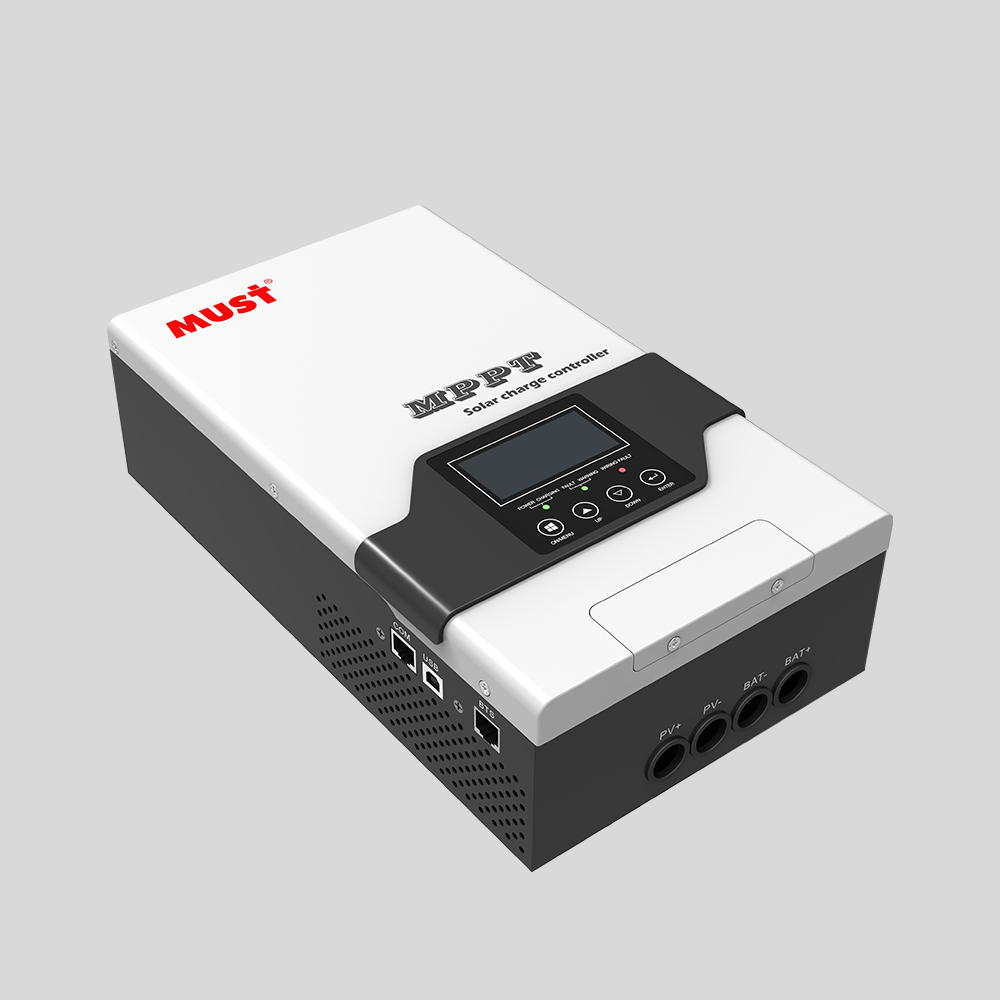
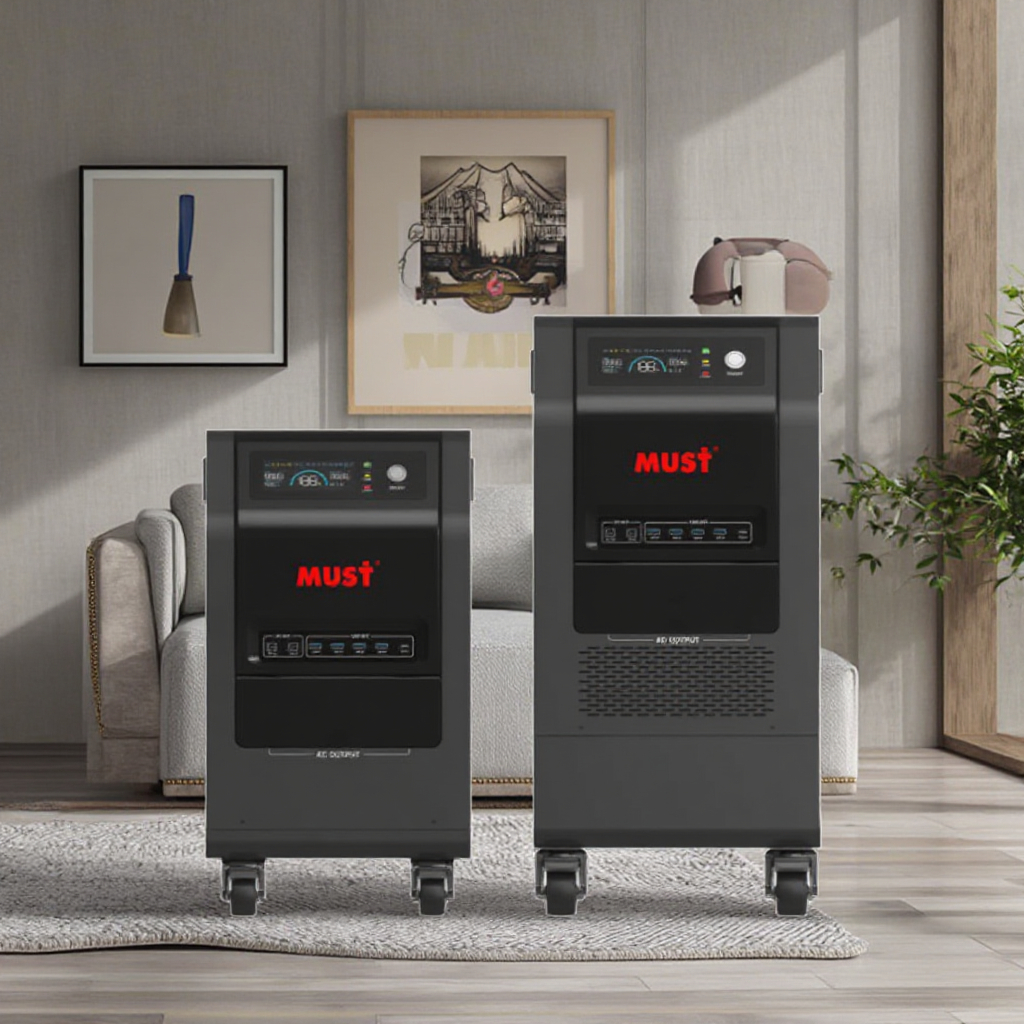
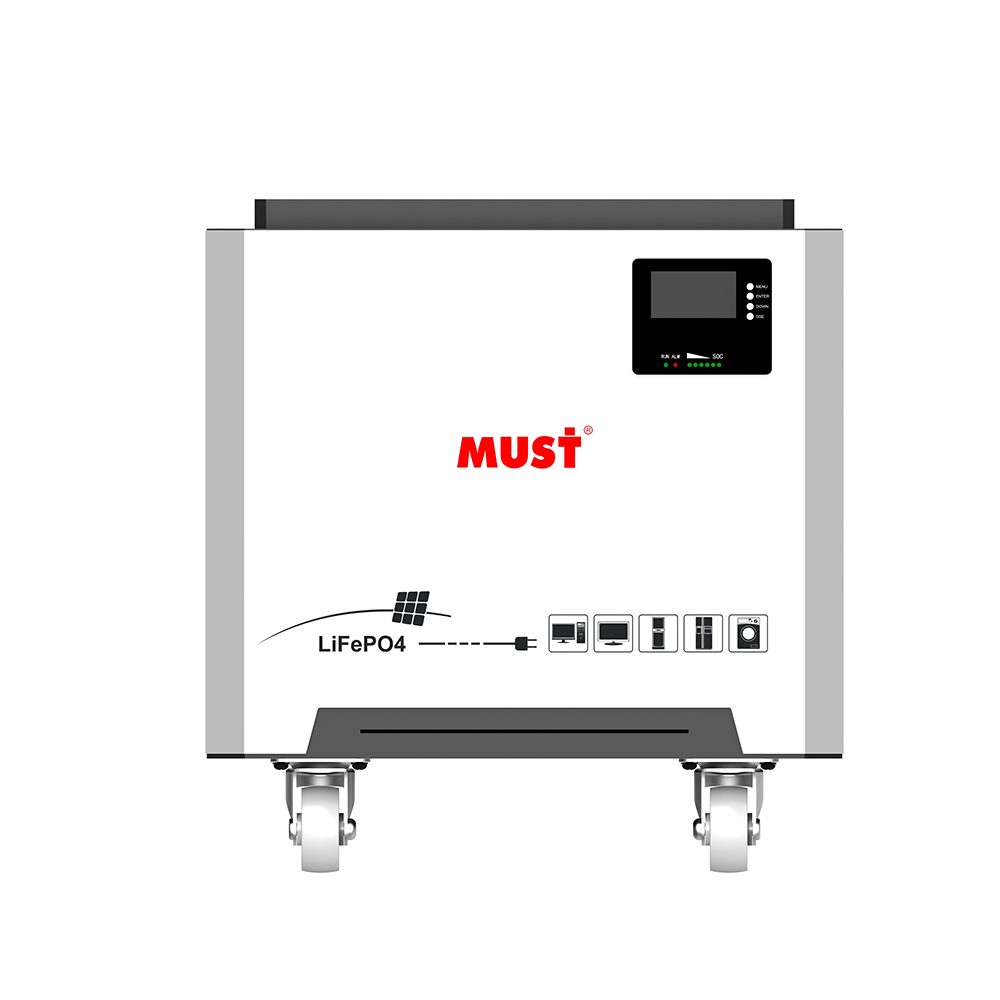
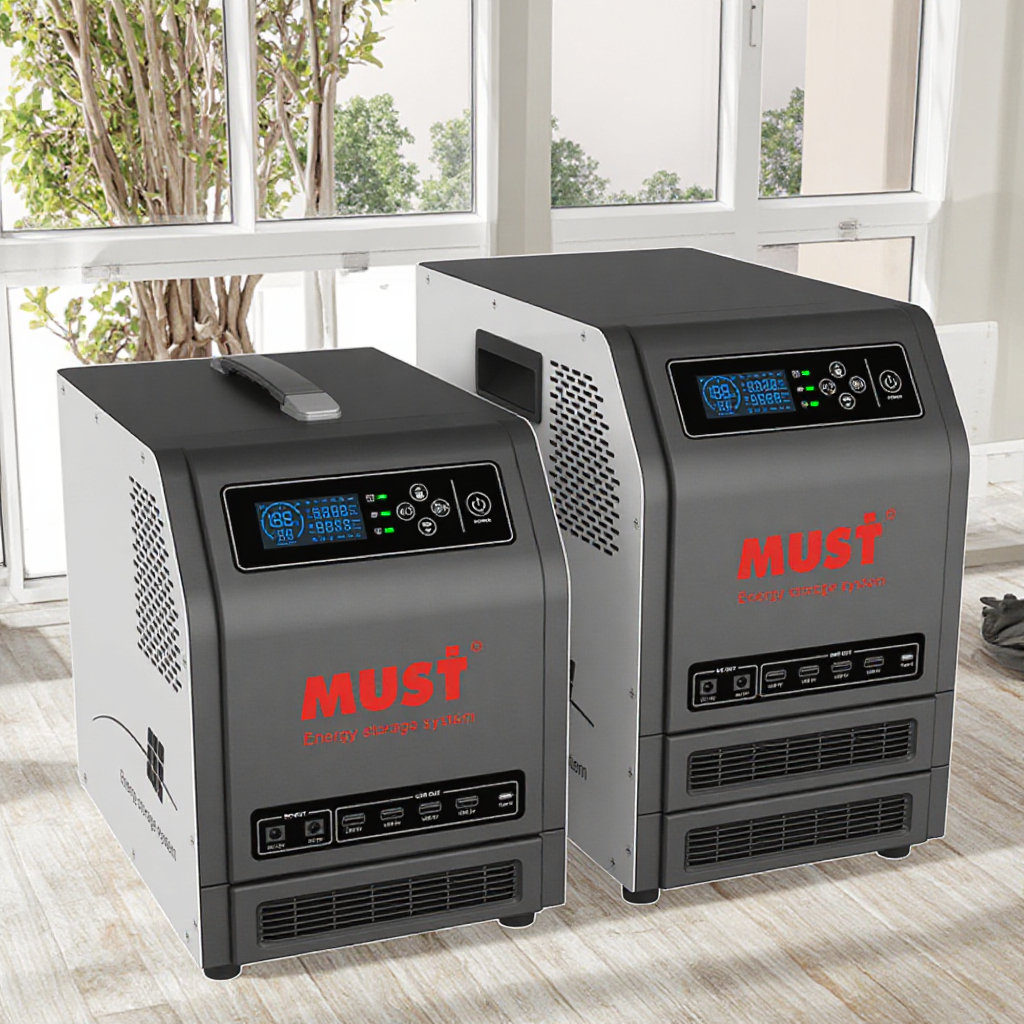
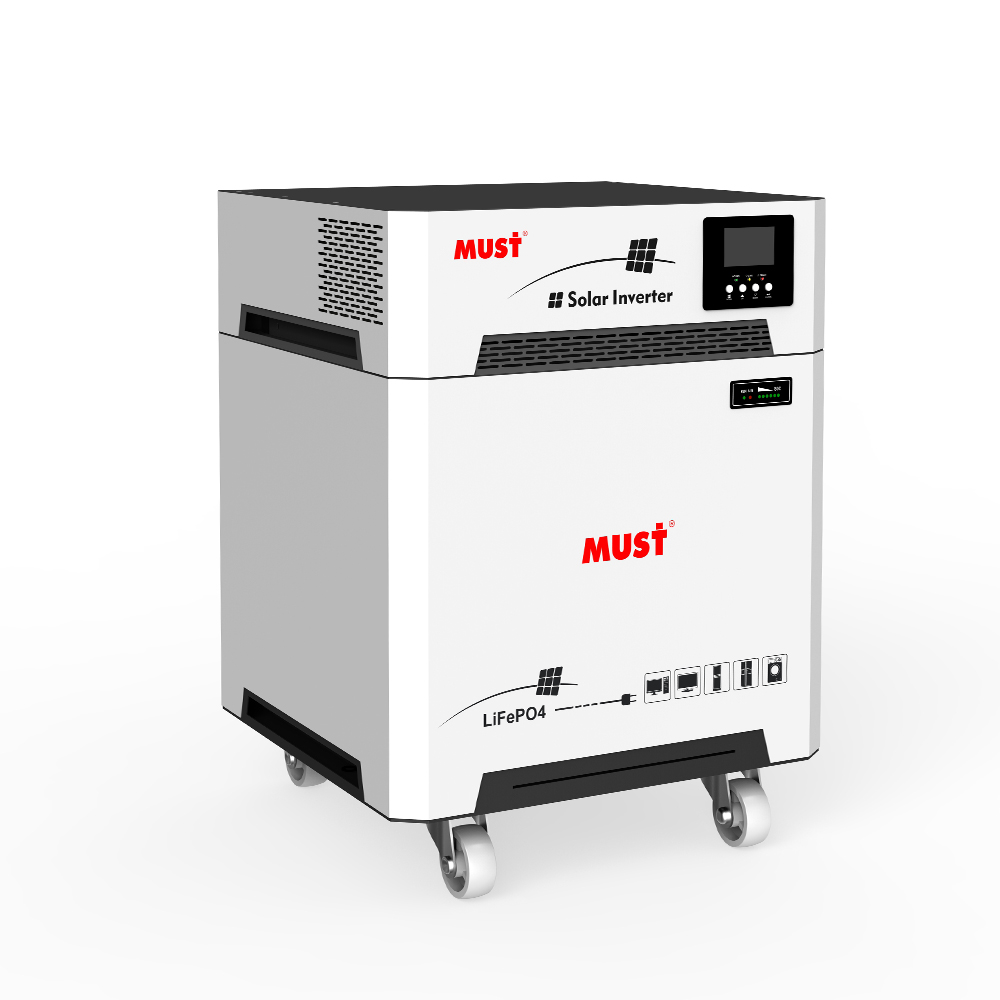
High-Frequency Inverter Optimization for Phoenix Microclimates
Deploying solar power conversion infrastructure in Greater Phoenix demands power electronics capable of handling extreme thermal stress, rapid solar irradiance spikes, and strict utility rate structures.
Thermal Derating Management
In Phoenix, summer ambient temperatures frequently exceed 115°F (46°C), pushing garage and unconditioned equipment room temperatures above 135°F (57°C). Standard inverters experience severe thermal derating, losing up to 35% of output capacity. Our high-frequency inverters utilize Silicon Carbide (SiC) MOSFET switches and forced-air copper heat dissipation to operate continuously at rated load up to 50°C without power curtailment.
6.5+ Peak Sun Hours Tracking
The Sonoran Desert delivers over 300 days of sunshine annually, averaging 6.5 to 7.0 peak sun hours per day. Our high-frequency topology features ultra-fast Dual MPPT tracking loops with response times under 10 milliseconds. This captures subtle solar irradiance shifts during desert dust haze or transient cloud movements, boosting total daily energy harvesting by 8.4% compared to legacy low-frequency designs.
APS & SRP TOU Arbitrage
With Arizona Public Service (APS) and Salt River Project (SRP) enforcing aggressive Time-Of-Use (TOU) rates and demand charges during summer peak hours (4 PM – 7 PM or 3 PM – 6 PM), battery switching latency must be instantaneous. Our high-frequency microinverters and hybrid units execute sub-10ms automatic transfer switching, discharging stored solar energy during peak rate windows to shave costly demand spikes.
High-Frequency Transformerless Design vs. Legacy Low-Frequency Topologies
High-frequency (HF) solar inverters represent a major architectural evolution over traditional low-frequency (LF) heavy iron-transformer inverters. By operating pulse-width modulation (PWM) switching frequencies at 20 kHz to 100 kHz, high-frequency transformers replace massive 60Hz magnetic cores with compact ferrite cores.
- Volumetric Efficiency: Up to 65% weight reduction and 50% footprint reduction, allowing single-installer garage wall mounting.
- Minimized Idle Consumption: Standby power loss drops from ~80W on heavy LF transformers to <12W on CJH High-Frequency units.
- Wide High-Voltage PV Input: Accepts string voltages up to 500VDC, reducing combiner box wiring costs and line losses.
- Pure Sine Wave Precision: Total Harmonic Distortion (THD) <2.5%, protecting sensitive smart home electronics & variable-speed HVAC compressors.
CJH High-Frequency Core Specifications
Engineered in our ISO 9001 factory for US split-phase (120V/240V) and three-phase commercial grid compatibility.
Targeted Regional Application Scenarios
Custom OEM inverter configuration tuned for residential micro-grids, commercial facilities, and remote off-grid infrastructure across Maricopa and Pinal Counties.
1. Garage Micro-Grid Solar Storage
Location: Scottsdale, Paradise Valley, East Valley Suburbs
Homeowners facing severe summer electric bills ($400-$800/month) pair CJH 5kW–10kW High-Frequency Hybrid Solar Inverters with 10kWh–20kWh wall-mounted LiFePO4 battery banks. During peak hours, the high-frequency switching algorithm instantly disconnects grid draw, supplying central air conditioning directly from solar and lithium storage.
2. Commercial Peak Demand Mitigation
Location: Tempe Tech Hub, Chandler Industrial Parks, Mesa
Light industrial units and tech offices deploy parallel high-frequency inverter clusters (up to 6 units in parallel, reaching 30kW–90kW capacity). Using integrated CAN communications, the system balances 3-phase commercial loads while capping peak demand draw under SRP E-36 & APS E-32 commercial tariffs.
3. Remote Desert Agricultural Pumping
Location: Pinal County Farms, Outlying Desert Estates
Off-grid agricultural sites require high surge handling to initiate heavy well pumps and irrigation motors. CJH high-frequency off-grid inverters engineered with 200% surge capacity for 5 seconds provide clean pure sine wave start-up power without requiring expensive diesel generator continuous idling.
High-Frequency vs. Low-Frequency Inverters for Desert Installations
A comprehensive engineering comparison for solar EPC contractors, regional distributors, and system integrators operating in hot, high-irradiance zones.
| Evaluation Parameter | CJH High-Frequency Inverter (HF) | Legacy Low-Frequency Inverter (LF) | Phoenix Site Advantage |
|---|---|---|---|
| Power Topology | High-Freq PWM + Ferrite Transformer | 60Hz Heavy Iron Core Transformer | Extreme weight reduction; faster dynamic switching response |
| Max Conversion Efficiency | 96.5% – 97.8% | 88.0% – 92.0% | 5-8% less internal heat generated inside hot garages |
| Idle / No-Load Power Loss | < 15 Watts | 70 – 120 Watts | Saves up to 2.5 kWh daily of battery reserve overnight |
| PV String Voltage (VOC) | Up to 500 VDC High-Voltage | Usually 145 VDC Low-Voltage | Fewer solar panel parallel strings, smaller copper wire gauge |
| Unit Weight (5kW Model) | 11.5 kg (25.3 lbs) | 38.0 kg (83.7 lbs) | Single-person installation; no heavy wall structural reinforcement |
| Motor Surge Handling | 2x Rated Power (5 Seconds) | 3x Rated Power (10 Seconds) | HF handles standard residential HVAC; LF reserved for industrial motors |
| Manufacturing Cost / Watt | Highly Cost-Optimized | Higher (Expensive Copper Core) | Significantly lower initial CAPEX for solar buyers |
Why Direct OEM/ODM Manufacturing with CJH Energy Matters
Backed by 20+ years of power electronics development, CJH Energy (guangdong) Tech Co., Ltd. operates as a premiere manufacturer for global solar brand owners, US distributors, and large-scale EPC installers.
31,056 m² Smart Manufacturing
Our state-of-the-art production base houses fully automated SMT lines, automated optical inspection (AOI), wave soldering, and automated high-frequency transformer winding machinery, maintaining annual output at over 600,000 units.
TÜV Rheinland On-Site Verified
Independently audited and verified on-site by TÜV Rheinland. We maintain ISO 9001 (Quality Management), ISO 14001 (Environmental Management), and ISO 45001 (Occupational Health & Safety) certifications across all operational processes.
80+ R&D Engineers & Customization
From custom silk-screen branding and custom chassis enclosure colors to proprietary CAN/RS485 BMS communication protocols, our 80+ engineering team converts target market requirements into certified production models.
Phoenix Inverter & Battery Sourcing FAQ
Addressing common technical, compliance, and logistical inquiries from Arizona solar contractors and B2B buyers.
Are high-frequency inverters safe for installation in hot Phoenix garages?
Yes. CJH High-Frequency Inverters are specifically designed with smart multi-stage variable speed cooling fans and high-grade thermal conductive silicone potting. Our thermal protection algorithm automatically modulates internal switching without abrupt shutdown up to an ambient temperature of 60°C (140°F), making them ideal for Phoenix garage environments.
How do CJH high-frequency inverters comply with APS and SRP grid rules?
Our hybrid and on/off-grid inverters support configurable grid-feed parameters, power factor adjustment, fast anti-islanding protection, and customizable zero-export modes required under APS (Arizona Public Service) and SRP (Salt River Project) interconnection guidelines and IEEE 1547 / UL 1741 standards.
Can high-frequency inverters start a 3-ton or 5-ton central air conditioner?
Standard residential central AC units feature high Locked Rotor Amperage (LRA) upon startup. We recommend sizing our high-frequency inverter to at least 1.5x the continuous running power of the compressor, or incorporating an inexpensive soft-starter on the HVAC unit. For heavy unassisted inductive motor starting, our engineering team can also supply low-frequency transformer units.
What battery chemistry communicates natively with your high-frequency inverters?
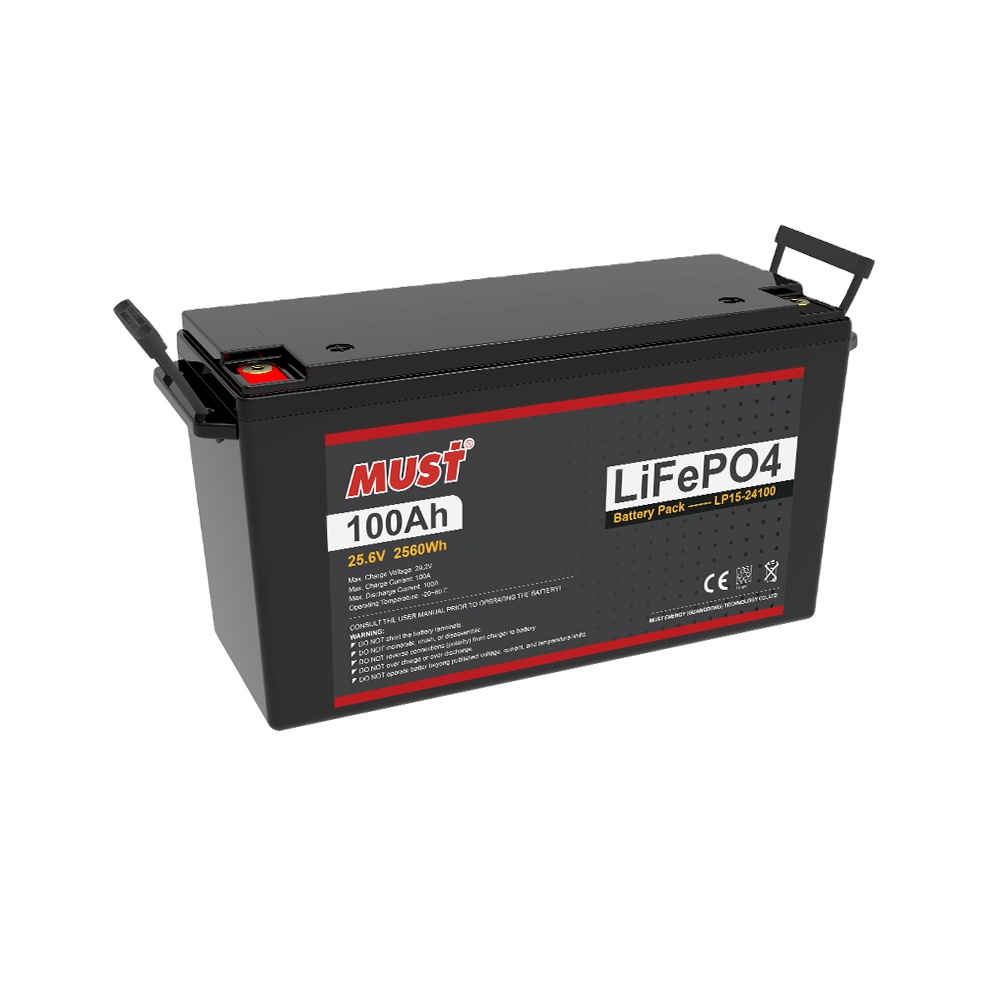
Our high-frequency inverter family features native CANbus and RS485 communication protocols compatible with all major LiFePO4 (Lithium Iron Phosphate) server-rack and wall-mounted battery systems, including our factory-manufactured 48V 100Ah and 200Ah battery banks, auto-matching charging voltage, C-rate, and SOC limits.
What is the lead time for container orders delivered to Phoenix / US West Coast ports?
Standard factory production cycles range from 15 to 25 days depending on OEM customization level. Transit via ocean freight to West Coast ports (Port of Long Beach / Los Angeles) takes approximately 14–18 days, followed by fast rail/truck dispatch directly to Phoenix area warehouses.
Partner with a Verified High-Frequency Inverter Manufacturer
Establish a direct factory OEM/ODM partnership for your solar distribution or installation business in Phoenix. Get technical datasheets, factory pricing, and customized product samples.
