Factory-Direct Stacked & Modular LiFePO4 Systems
Certified B2B energy storage hardware designed for high-density Tokyo urban microgrids, commercial BCP backup, and zero-emission residential projects.
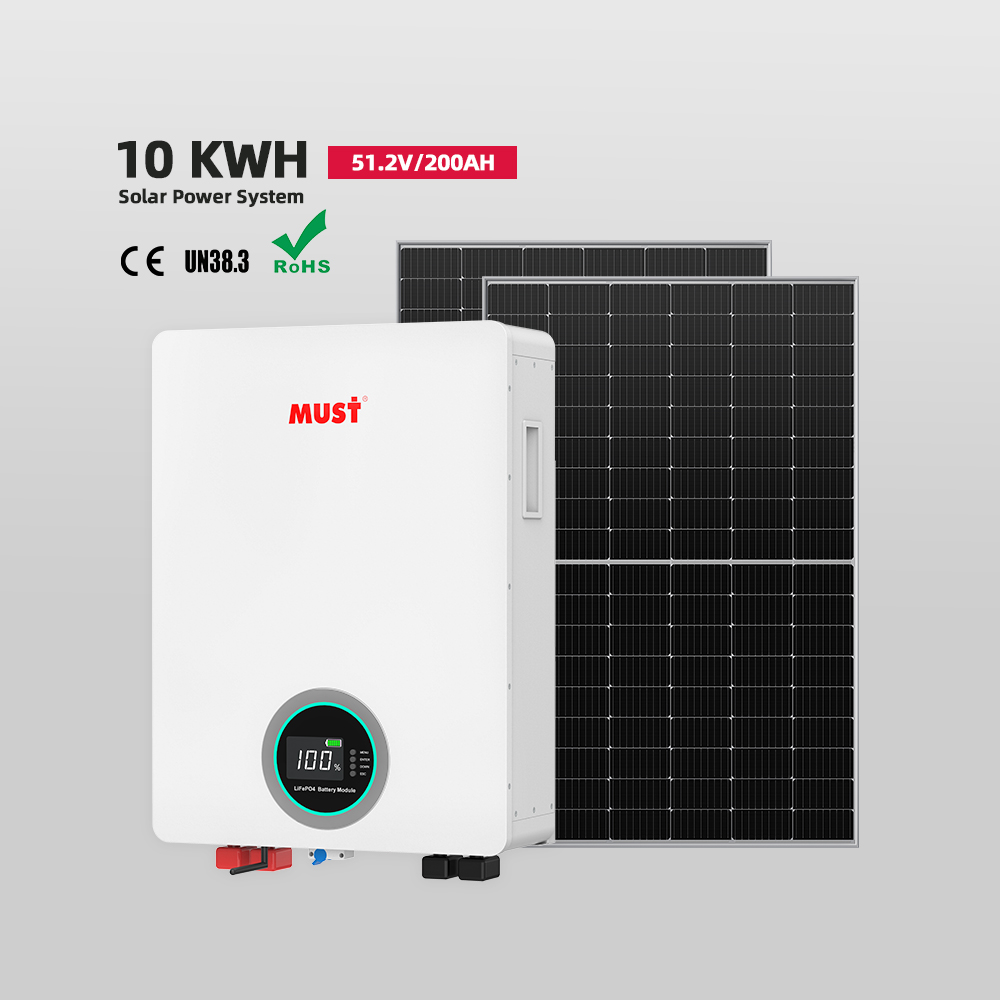
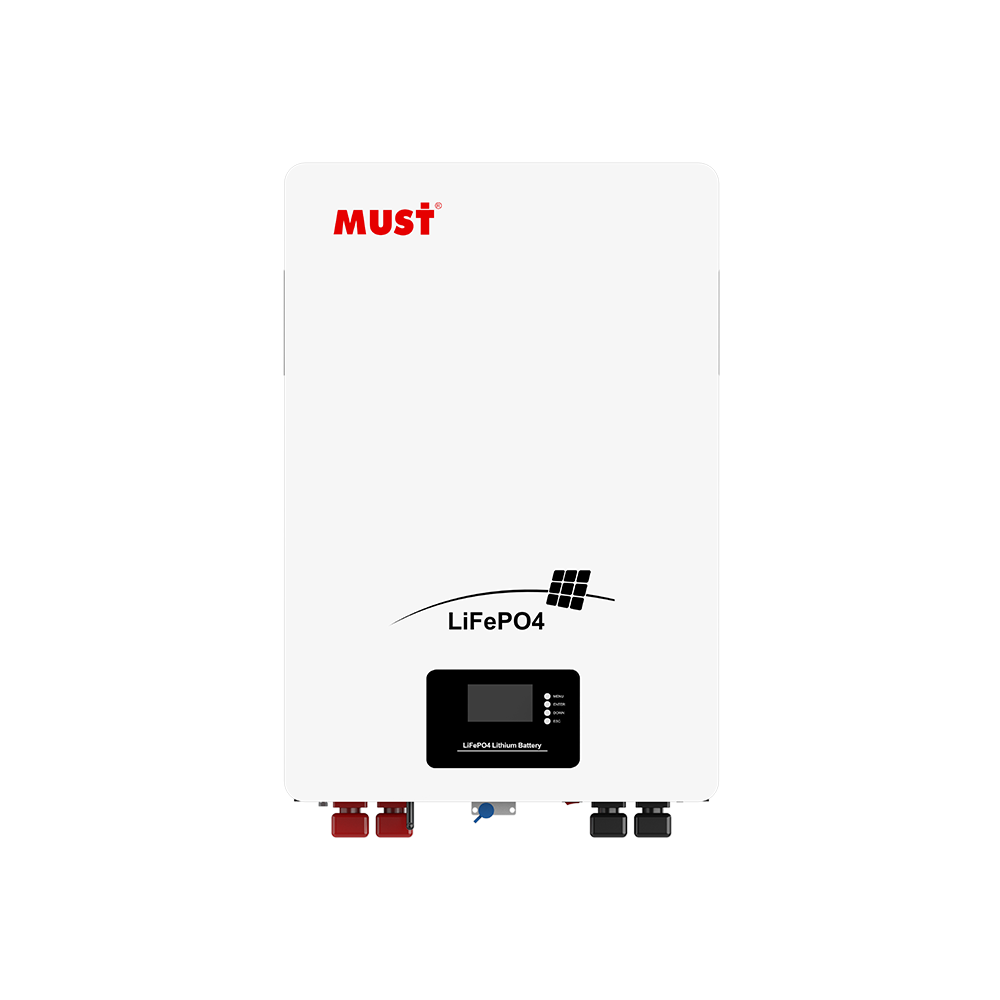
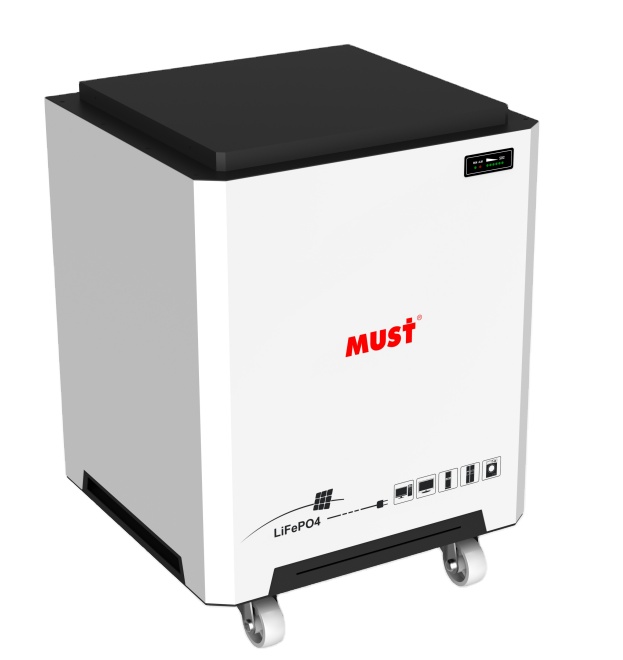
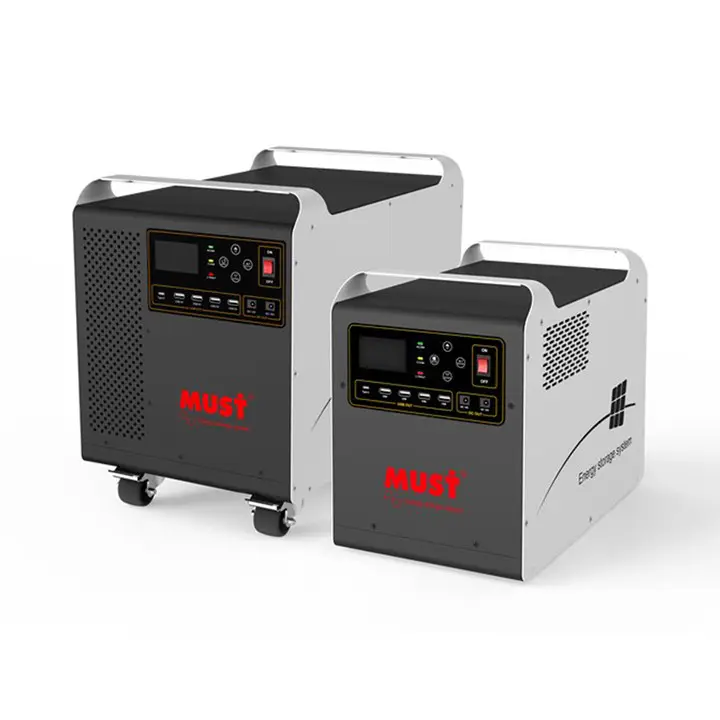
Executive Analysis: The Tokyo Metropolitan Energy Storage Shift & Stacked Lithium Architecture
The Tokyo energy ecosystem is undergoing a dramatic structural pivot. Driven by the Tokyo Metropolitan Government (TMG) mandate requiring mandatory solar panel installations on newly constructed residential homes and commercial buildings, the Greater Tokyo Area has become a focal market for high-efficiency distributed energy storage systems (DESS). As electric tariffs under Tokyo Electric Power Company (TEPCO) fluctuate and peak-load surcharges penalize commercial enterprises, Japanese EPC contractors, installers, and project developers are aggressively replacing traditional monolithic lead-acid and heavy stationary batteries with modular stacked Lithium Iron Phosphate (LiFePO4) systems originating from Tier-1 OEMs in China.
Information Gain Insight: Unlike standard wall-mounted or cabinet batteries, stacked lithium battery systems offer vertical scalability, minimal physical footprint, and seamless high-voltage DC configuration. In real estate-constrained zones across Tokyo—such as Shinjuku, Minato, and Chiyoda wards—vertical stackability allows installers to deploy up to 40kWh of usable capacity within less than 0.3 square meters of floor area.
Why Tokyo Procurement Managers Prefer OEM China Stacked LiFePO4 Systems
Wholesale procurement directors in Japan balance three non-negotiable vectors: safety under seismic events, high-temperature/thermal runaway protection, and localized grid compatibility. Premium Chinese manufacturing facilities—equipped with automated prismatic cell assembly, active cell-balancing BMS, and rigorous aging testing protocols—provide the exact cost-performance ratio required to win tenders in Kanagawa, Saitama, and Chiyoda. Stacked systems eliminate external interconnecting cables that pose thermal resistance and structural hazards during tremors, offering a clean plug-and-play architecture with quick-connector busbars.
Modular Vertical Stacking
Expandable from 5kWh to 40kWh modules without complex wiring. Ideal for tight Japanese utility rooms and exterior overhangs.
Grade-A Prismatic LFP Safety
Ultra-stable LiFePO4 cell chemistry capable of 6,000+ deep cycles at 80% DoD, mitigating thermal runaway hazards up to 600°C.
50Hz TEPCO Inverter Sync
Integrated CAN/RS485/Modbus BMS supporting native dual-protocol handshake with major hybrid inverters deployed in Japan.
Engineering Deep-Dive: System Architecture of Stacked Lithium Battery Systems
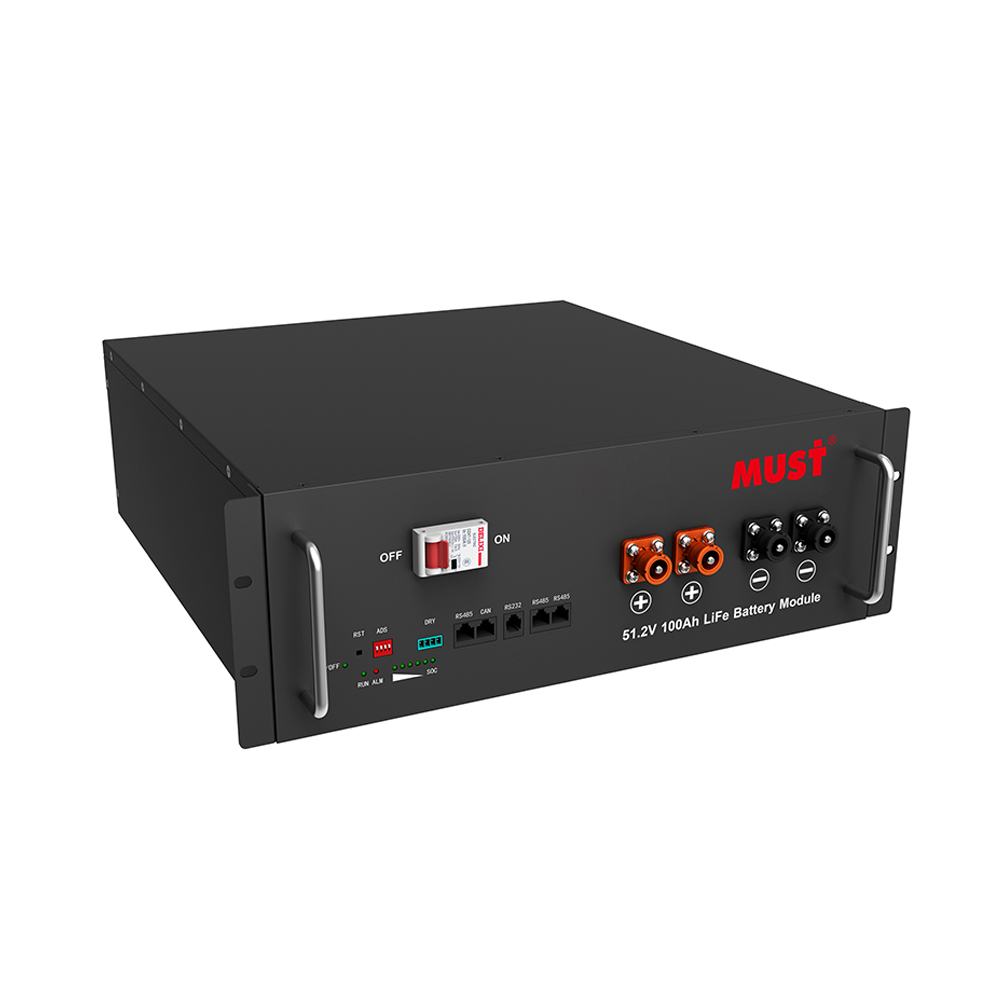
From an engineering perspective, stacked battery systems represent a significant advancement over standard parallel battery banks. In traditional 48V parallel setups, internal resistance imbalances across copper interconnecting cables cause uneven charge-discharge currents, shortening overall battery pack life. Our Chinese factory-engineered stacked series utilizes engineered aluminum-magnesium alloy enclosures equipped with self-aligning blind-mate connectors. Each 51.2V module contains 16 series-connected (16S) 100Ah or 200Ah automotive-grade prismatic cells managed by a decentralized multi-tier Battery Management System (BMS).
For Tokyo installers, this engineering translates directly into reduced labor cost and enhanced operational reliability. A standard 20kWh system can be unboxed, stacked vertically, and commissioned by a two-man crew in less than 45 minutes, compared to the 3+ hours required for wall-mounting individual modules and routing heavy 4/0 AWG cabling.
Technical Specification Matrix: Stacked LFP vs. Traditional Storage Architectures
| Performance Parameters | Guangdong Factory Stacked System | Traditional Wall-Mounted LFP | Standard Lead-Acid Bank |
|---|---|---|---|
| Usable Capacity Range | 5.12 kWh – 40.96 kWh (Stackable) | 5 kWh – 15 kWh (Fixed/Parallel) | 2 kWh – 10 kWh (Heavy limit) |
| Volumetric Energy Density | > 135 Wh/L (High-Density) | ~ 95 Wh/L | ~ 35 Wh/L |
| Seismic / Vibration Resistance | Built-in Interlock + Floor Anchor | Wall-mount bracket strain | Floor rack dependent |
| BMS Communication Protocol | Dual CAN / RS485 / Modbus (Auto-ID) | Manual Dip-Switch CAN | None |
| Cycle Life (@ 25°C, 80% DoD) | 6,000 – 8,000 Cycles | 3,500 – 5,000 Cycles | 500 – 1,200 Cycles |
| Tokyo On-Site Installation Time | < 45 Minutes per 20kWh | 2 – 3 Hours | 4+ Hours |
TEPCO Grid Micro-Grid Integration: Our stacked systems feature real-time active balancing (up to 2A balancing current), preventing cell voltage divergence during rapid solar power swings common during Tokyo’s springtime meteorological shifts.
Localized Application Scenarios in the Tokyo Bay & Kanto Regional Market
Understanding user intent in Tokyo requires examining real-world deployment scenarios across suburban residences, multi-family housing complexes (Mansions), and light commercial facilities.
1. Business Continuity Planning (BCP) for Tokyo Commercial Facilities
Following seismic safety guidelines set by the Kanto Bureau of Economy, Trade and Industry, small offices and convenience stores in Tokyo deploy our 20kWh-40kWh stacked systems paired with hybrid inverters to sustain critical loads—such as POS systems, medical refrigeration, and emergency LED illumination—during grid outages caused by typhoons or earthquakes.
2. Time-of-Use (TOU) Tariff Arbitrage under TEPCO Dynamic Rates
With TEPCO daytime electricity rates significantly higher than late-night off-peak tariffs, Tokyo homeowners program our stacked LiFePO4 systems to charge automatically between 1:00 AM and 5:00 AM, discharging during peak afternoon hours (1:00 PM – 5:00 PM) to achieve ROI payback periods within 4.5 to 6 years.
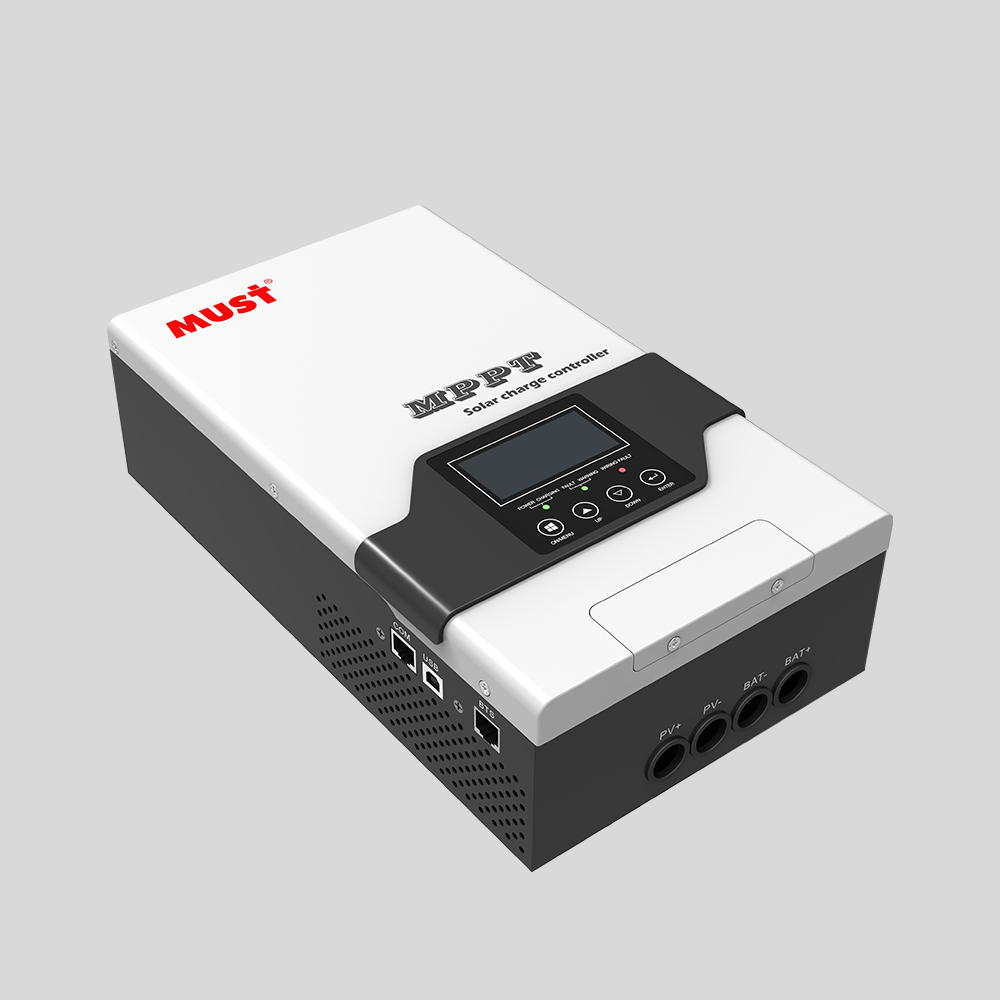
Furthermore, in industrial districts such as Kawasaki and Yokohama, containerized or multi-stacked configurations are routinely paired with solar charging equipment to power logistics transport vehicles, outdoor service carts, and remote IoT monitoring stations.
Why Partner with CJH Energy Guangdong Tech Co., Ltd.?
Selecting a wholesale manufacturer from China requires verifying production infrastructure, engineering qualifications, and quality control systems. CJH Energy (guangdong) Tech Co., Ltd. stands as a premier manufacturer specializing in pure sine wave power inverters, off-grid and hybrid solar inverters, MPPT solar charge controllers, LiFePO4 battery packs, and complete energy storage systems.
TÜV Rheinland Assessed
Our 31,056 m² manufacturing park has undergone rigorous on-site audit and verification by TÜV Rheinland, ensuring complete transparency for international buyers.
ISO Triple Certification
Operated strictly under ISO 9001 (Quality), ISO 14001 (Environmental), and ISO 45001 (Occupational Health & Safety) international management protocols.
OEM & ODM Customization
Over 80 experienced R&D engineers assist with custom enclosure styling, firmware parameters, CAN protocol pairing, and customized Japanese packaging.
With an annual output exceeding 600,000 units and a specialized workforce of over 1,100 professionals, CJH Energy supplies high-volume distributors across Europe, Africa, the Middle East, and North Asia. Our dedicated export department handles FOB, CIF, and DDP shipments directly from Shenzhen/Guangzhou ports to Tokyo Bay (Yokohama / Tokyo Port), streamlining logistics and customs clearing for our Japanese partners.
Frequently Asked Questions by Tokyo B2B Procurement Managers
Accelerate Your Tokyo Energy Storage Operations Today
Partner directly with China's leading OEM/ODM energy storage factory. Request factory pricing, engineering documentation, or schedule a virtual line audit with our engineering team.
Send an Inquiry