Featured Solar Battery & Energy Storage Systems
High-precision LiFePO4 battery packs and integrated solar power systems custom-engineered for residential backup, commercial operations, and mobile energy needs across Bandung and Indonesia.


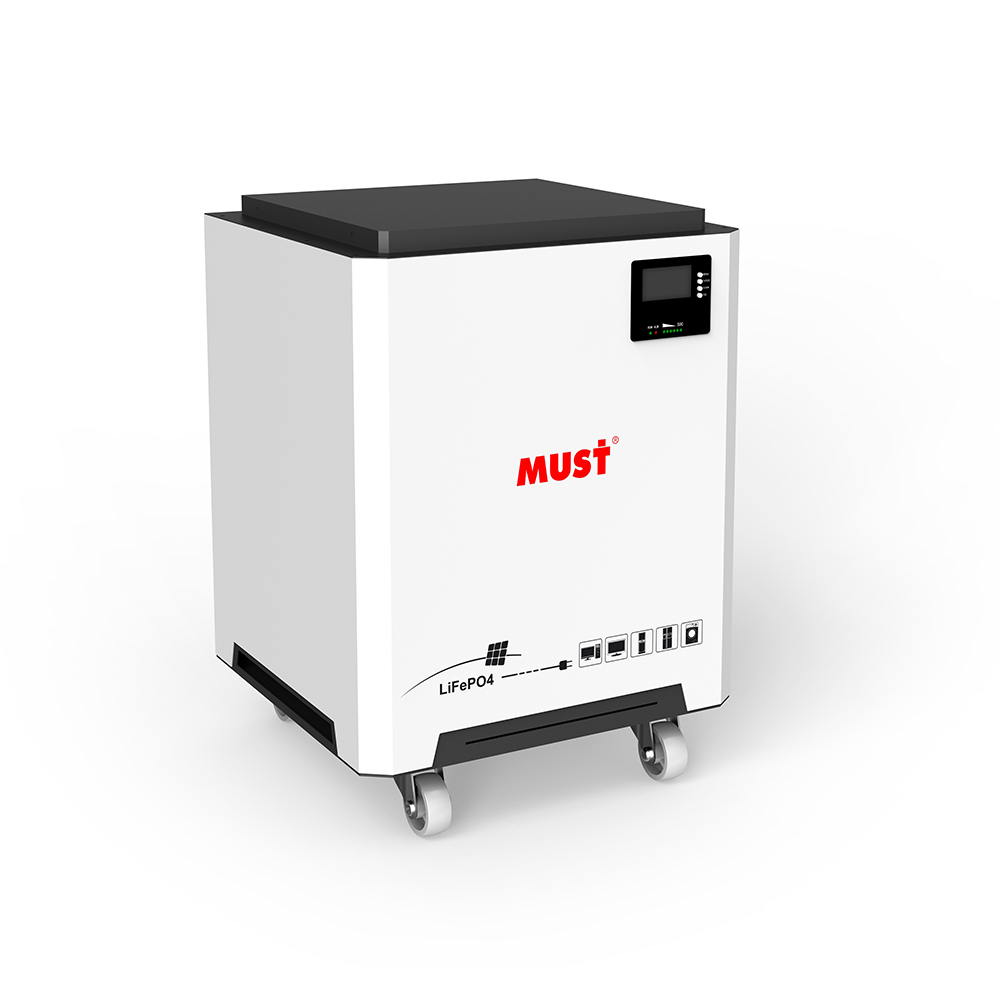

Executive White Paper: Decentralized Solar Storage Engineering for Bandung Basin
The metropolitan zone of Greater Bandung (Bandung Raya), encompassing Bandung City, Cimahi, and surrounding West Java highlands, represents one of Indonesia's most unique microclimatic and electrical landscapes. Situated at an average altitude of 768 meters above sea level and surrounded by volcanic topography, Bandung experiences high ambient solar irradiance (~4.5 to 4.8 kWh/m²/day) coupled with sharp afternoon thermal shifts, high relative humidity (averaging 75%–88%), and frequent localized thunderstorm activity. For electrical engineers, EPC contractors, and industrial procurement officers, these environmental variables introduce substantial operational challenges for energy storage installations.
Concurrently, reliance on the regional grid (PLN Unit Induk Distribusi Jawa Barat) presents ongoing stability concerns. Transmission lines routed across mountainous terrain suffer from intermittent voltage sag, sudden frequency fluctuations, and unannounced load shedding during monsoon severe weather events. To mitigate revenue loss in commercial enterprises and guarantee power continuity for residential properties, deploying high-grade, decentralized Lithium Iron Phosphate (LiFePO4) battery systems engineered by premier Chinese OEMs has transformed from a luxury upgrade into essential infrastructure.
Information Gain Insight: Under Indonesia's MEMR Regulation No. 2/2024 (Permen ESDM 2/2024), net-metering export multipliers have been restructured, effectively eliminating grid feed-in compensation for new rooftop solar installations. Consequently, solar ROI in Bandung relies entirely on 100% self-consumption rate Optimization. Chinese factory-direct 48V/51.2V LiFePO4 systems with integrated CAN/RS485 smart BMS communication serve as the crucial link to capture excess daytime generation for zero-export night peak discharge.
Technical Baseline Requirements for Bandung Solar Storage Deployments
To withstand West Java's environmental rigor, solar battery storage solutions imported from China must meet stringent hardware and firmware criteria:
- Thermal & Moisture Insulation: Enclosures rated at IP65 minimum with conformal coating on circuit boards to combat high humidity-induced electrochemical migration and condensation inside battery cabinets.
- High Surge Current Resistance: Low-frequency pure sine wave inverters and robust LiFePO4 BMS configurations capable of handling 200% peak surge current for 10 seconds to initiate inductive motor loads (water pumps, HVAC, and industrial sewing machines common in Cimahi textile districts).
- Protocol Compatibility: Open RS485/CAN bus protocol firmware matching popular hybrid and off-grid inverter brands active in Indonesia (such as MUST, Deye, Growatt, Victron, and Luxpower).
Localized Solar Battery Application Scenarios Across Greater Bandung
Tailored energy storage deployments solving grid vulnerability and optimizing clean power usage across diverse commercial, residential, and agricultural sectors in West Java.
Highland Residential Resiliency
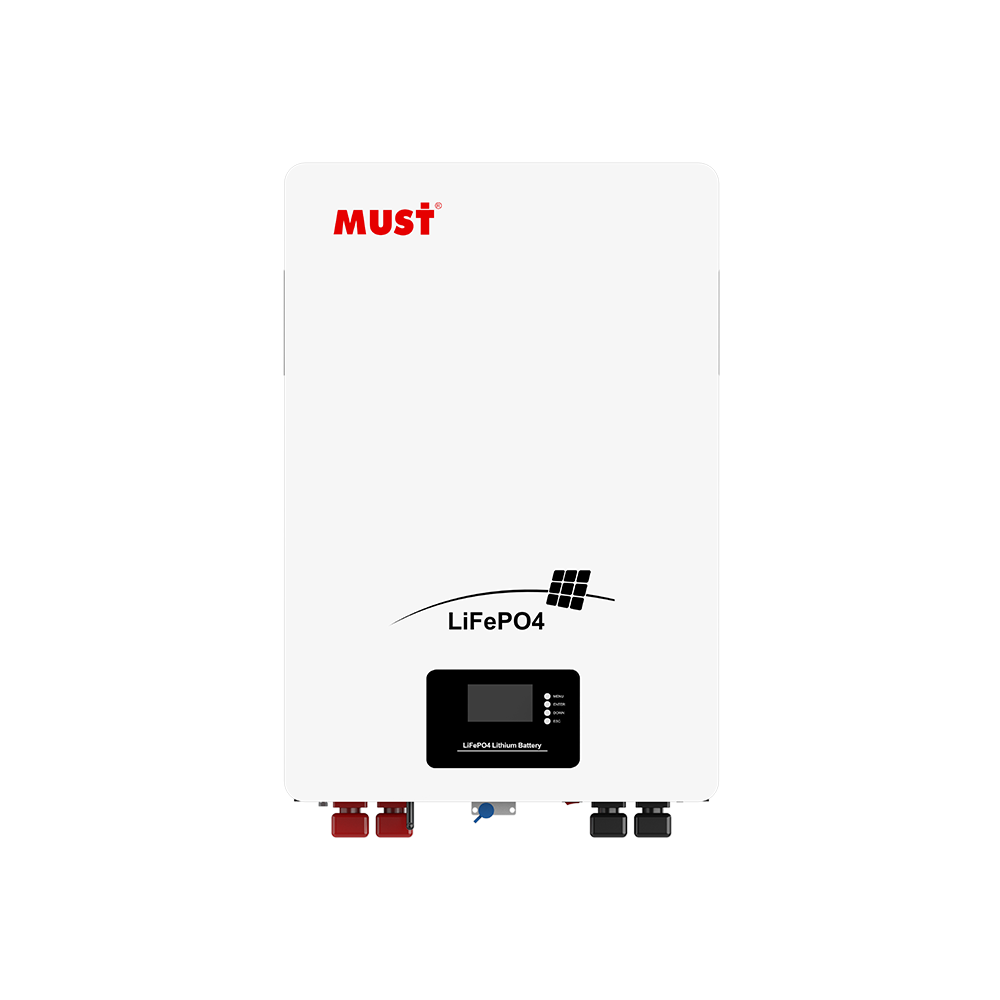
Residential estates in North Bandung (Dago Upper, Setiabudi, Ciumbuleuit) face frequent grid trips during mountain storms. Installing wall-mounted or stacked 10kWh 48V 200Ah LiFePO4 systems guarantees instant (<10ms) UPS switching. Homes maintain uninterrupted operation for lighting, security networks, refrigeration, and water pressure pumps without noisy diesel generator maintenance.
Industrial & Textile Backup
In Cimahi, Batujajar, and Gedebage light industrial zones, short-duration power sags cause costly machinery resets and fabric waste. High-capacity server rack LiFePO4 modules scalable up to 153.6kWh parallel storage provide seamless voltage smoothing and emergency runtime, allowing facility managers to execute clean machine shutdowns or bridge power until main backup generators synchronize.
Eco-Tourism & Glamping Outposts
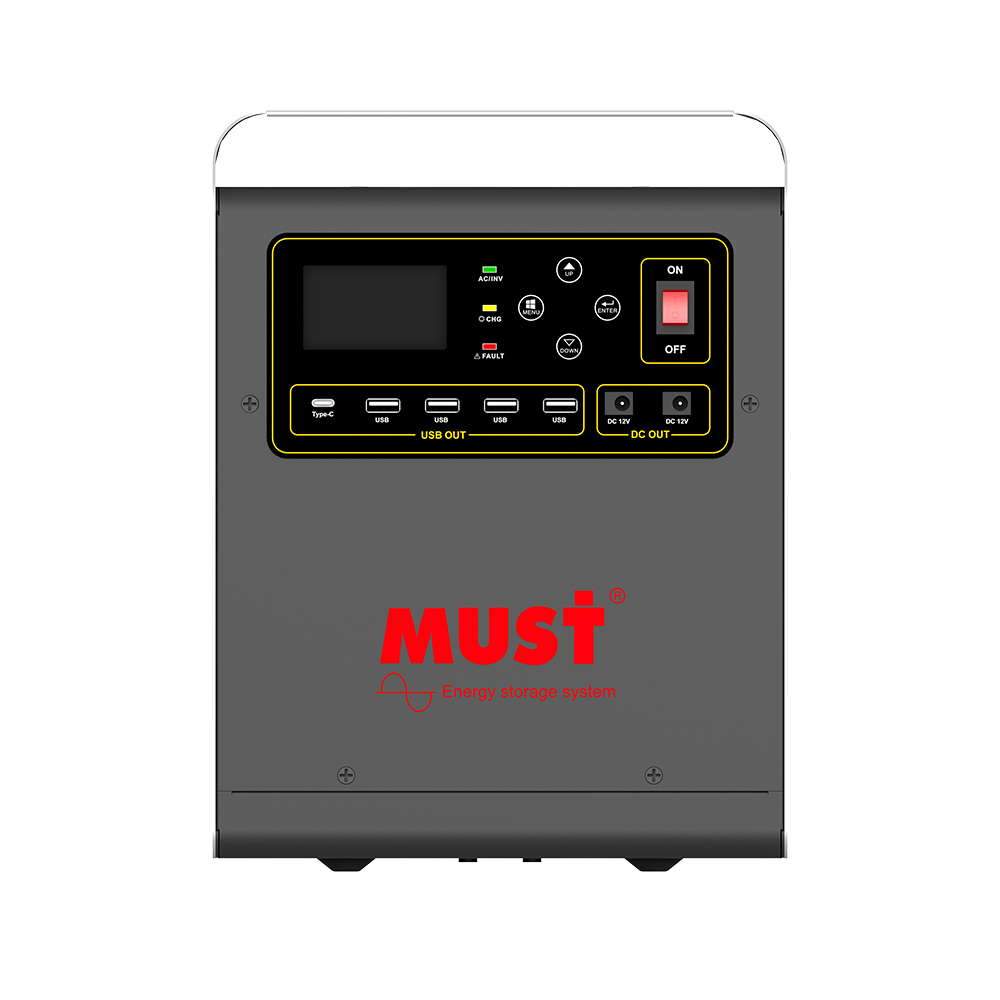
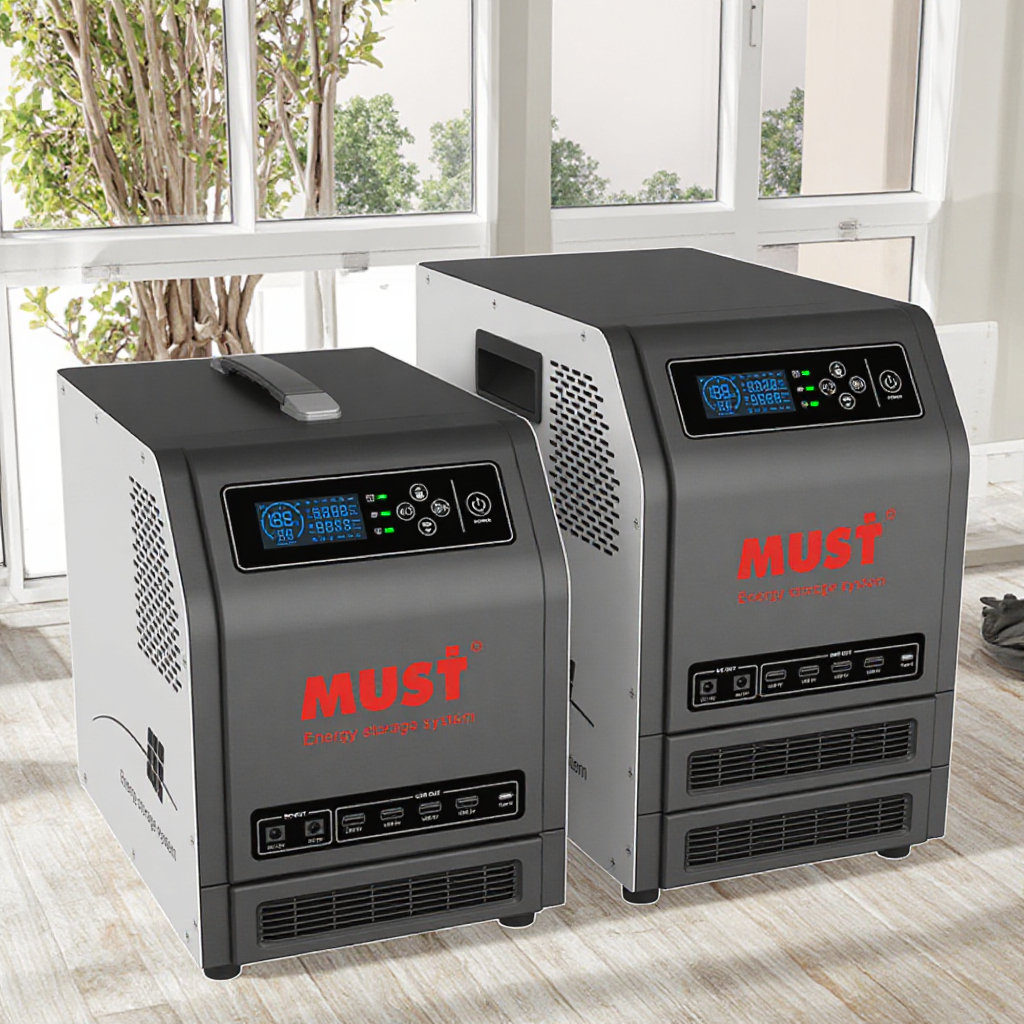
Lembang, Ciwidey, and Pangalengan host hundreds of off-grid resorts, tea plantation lodges, and glamping sites. Deploying portable 1kW–3kW LiFePO4 solar generator stations and all-in-one ESS eliminates noisy diesel exhaust, preserving nature aesthetics while delivering clean AC electricity for guest glamping pods, espresso machines, outdoor lighting, and wireless communications.
Commercial Office & Retail Hubs
Commercial buildings along Jalan Riau, Asia Afrika, and Juanda rely on continuous server uptime and point-of-sale (POS) connectivity. Hybrid on/off-grid solar inverters coupled with 48V wall-mounted battery banks execute peak-shaving routines during high PLN tariff hours, dramatically reducing monthly electricity bills while securing total outage protection.
West Java Energy Transition: Key Technical & Procurement Trends
Sourcing solar energy storage systems for Bandung requires staying ahead of regional technical shifts. Importers, system integrators, and local distributors who align their catalog with these emerging market trends gain a distinctive competitive advantage:
1. Complete Phasing Out of Lead-Acid in Favor of LFP Chemistry
Historically, low-cost lead-acid (VRLA/Gel) batteries held market share in West Java due to lower initial purchase price. However, high ambient temperatures in tropical Indonesia drastically degrade lead-acid lifespan down to 1.5–2 years (300–500 cycles at 50% DOD). Bandung buyers now universally demand Lithium Iron Phosphate (LiFePO4) chemistry. LFP delivers 6,000+ deep cycles at 80% Depth of Discharge, higher thermal runaway thresholds (270°C vs NMC's 210°C), and zero toxic off-gassing, achieving a 60% lower Levelized Cost of Storage (LCOS) over a 10-year lifespan.
2. Dynamic BMS Protocol Auto-Matching
Indonesian installers frequently source inverters and battery packs from separate manufacturers. Traditional batteries required tedious manual parameter matching via software tools. Advanced Chinese solar battery factories now ship smart BMS units pre-programmed with automatic protocol selection for RS485 and CAN communications. Upon connecting the communication cable, the battery auto-identifies the host inverter (e.g., MUST, Deye, Victron), configuring voltage cuts, charging currents, and SOC limits automatically.
3. Modular Rack & Wall-Mount Architectural Flexibility
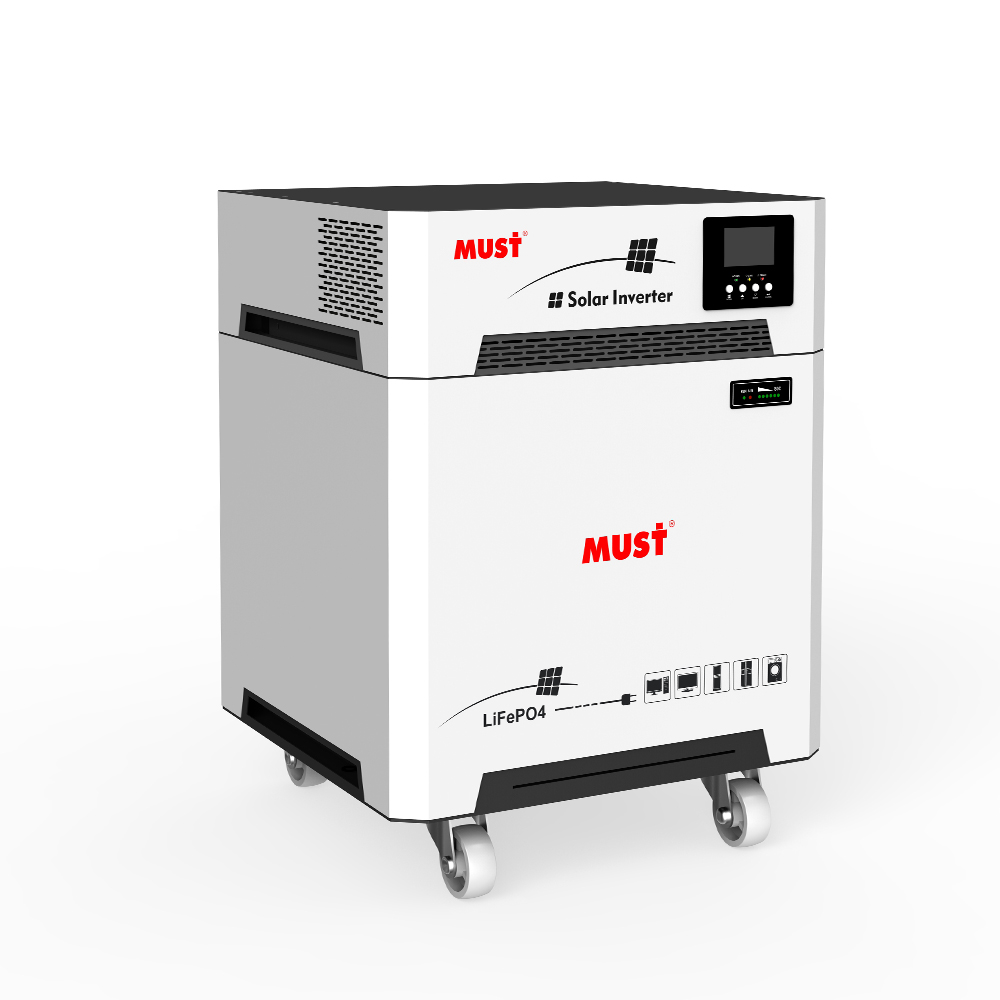
Floor space commands a premium in Bandung urban commercial centers. Sourcing flexible form factors—such as the 3-in-1 convertible design (Wall-mounted, Rack-mounted, and Floor-stacked)—allows installers to adapt to tight mechanical rooms. Furthermore, modular busbar designs enabling parallel expansion up to 15 units (extending capacity from 10kWh to over 150kWh without external master control boxes) simplify project scalability for growing industrial clients.
Factory Direct Advantage: Why Partner With CJH Energy Tech
As a leading Chinese custom manufacturer of off-grid/hybrid solar inverters, MPPT charge controllers, and LiFePO4 battery storage systems, CJH Energy (Guangdong) Tech Co., Ltd. bridges cutting-edge power electronics manufacturing with localized global support.
State-of-the-Art Manufacturing
Our 31,056 m² ISO-certified production base employs over 1,109 skilled workers and operates fully automated SMT lines, automated laser welding stations, and computerized cell-sorting systems yielding an annual capacity exceeding 600,000 units.
Verified Quality Management
Assessed on-site by TÜV Rheinland, our facility adheres strictly to ISO 9001 (Quality Management), ISO 14001 (Environmental Management), and ISO 45001 (Occupational Health & Safety) international frameworks.
80+ Engineer OEM/ODM R&D
Our in-house engineering group holds multiple national invention patents. We provide end-to-end ODM customization: from custom enclosure toolings, LCD branding, and custom firmware parameters to specific BMS CAN/RS485 protocol writing for your local market.
We understand international logistics and regional distribution requirements. By offering factory-direct pricing, robust warranty coverage, and comprehensive spare parts support, we empower Bandung distributors and EPC contractors to win tender bids while maximizing gross profit margins.
Bandung Local Procurement & Engineering FAQ
Direct technical answers addressing logistics, grid compliance, system sizing, and import procedures for Indonesian renewable energy buyers.
Partner With China's Leading Solar Battery Factory Today
Expand your solar business in Bandung and West Java with certified LiFePO4 battery systems, hybrid inverters, and portable power stations. Contact our sales engineering team for factory-direct wholesale pricing, OEM customization catalogs, and project quote assistance.
