Featured CE-Certified UPS & Energy Storage Systems
Engineered for commercial continuous operation, weak grid environments, and mission-critical power protection across Makati City.


1. The Makati Commercial Context: Power Reliability in a High-Density Financial Hub
As the primary financial heart of the Philippines, Makati City presents a unique electrical ecosystem. Home to the Makati Central Business District (CBD), major Business Process Outsourcing (BPO) centers, multinational corporate headquarters, and high-density commercial real estate, maintaining uncompromised uptime is directly linked to regional economic stability. However, grid fluctuations, transient voltage sags, localized line congestion, and seasonal storm-induced outages from the main distribution grid pose continuous challenges to business continuity.
For BPO facilities along Ayala Avenue, data handling centers in Legazpi Village, and commercial facilities across Bel-Air, an unconditioned electrical supply leads to severe operational friction: hardware damage, corrupted databases, costly server reboots, and compromised customer service-level agreements (SLAs). Procuring certified, heavy-duty Uninterruptible Power Supply (UPS) systems and LiFePO4 battery energy storage infrastructure is not merely an operational luxury—it is an engineering imperative for local enterprise operations.
2. Engineering Standards: The Critical Importance of CE Certification
When sourcing power electronics for installation in Metro Manila, local enterprise buyers, electrical contractors, and facility directors must ensure full compliance with international safety and electromagnetic standards. CE certification guarantees that the UPS, solar hybrid inverter, and lithium energy storage systems adhere to strict European directives, assuring safety and stability under harsh tropical operating conditions.
| CE Standard / Directive | Technical Focus & Testing Scope | Impact on Makati Enterprise Deployments |
|---|---|---|
| EN 62040-1 (LVD) | Uninterruptible Power Systems - General and safety requirements. Covers thermal safety, insulation, and fault protection. | Prevents electrical fires and insulation breakdown in high-humidity ambient environments typical of Luzon. |
| EN 62040-2 (EMC) | Electromagnetic Compatibility requirements. Limits RF emissions and ensures high immunity to external signals. | Guarantees zero radio interference with nearby server arrays, BPO telecom systems, and high-frequency trading terminals. |
| EN 62040-3 | Method of specifying performance and test requirements under varying dynamic load conditions. | Ensures precise line output voltage regulation during instant switching from utility power to emergency LiFePO4 battery banks. |
3. Technical Comparison: LiFePO4 vs. Traditional Lead-Acid for Makati Enterprises
Historically, commercial facilities relied heavily on Valve-Regulated Lead-Acid (VRLA) batteries for emergency UPS backup. However, modern corporate infrastructure in Makati is rapidly transitioning toward Lithium Iron Phosphate (LiFePO4) chemistry integrated with Intelligent Battery Management Systems (BMS).
Key Advantages of LiFePO4 Storage Architecture:
- Thermal Resistance & Longevity: Makati experiences high average temperatures year-round. While VRLA battery capacity degrades rapidly above 25°C (losing up to 50% lifespan for every 10°C increase), LiFePO4 cells maintain robust chemical stability up to 55°C, providing over 6,000 deep discharge cycles (at 80% DoD).
- Footprint and Structural Weight: High-rise office towers in Makati's CBD enforce floor loading weight limitations. LiFePO4 systems deliver 3x the energy density of lead-acid units, reducing structural weight burden by up to 70% and saving expensive floor space in server closets.
- High-Current Rapid Recharge: During recurring storm-related grid instability, grid recovery windows can be brief. LiFePO4 batteries accept up to 1C fast-charging rates via integrated MPPT controllers, restoring 100% capacity in 1.5 to 2 hours compared to 8–12 hours for legacy lead-acid.
- Smart BMS & CAN/RS485 Protocol Integration: Advanced multi-level protection ensures continuous cell balancing, over-charge, deep-discharge, thermal protection, and direct telemetry compatibility with building management systems (BMS).
4. Localized Application Scenarios in Makati & Metro Manila
24/7 BPO & Call Center Hubs
Online Double-Conversion UPS and modular rack-mounted 51.2V LiFePO4 batteries deliver seamless <10ms transfer time, keeping thousands of agent workstations, VoIP gateways, and critical customer databases active during city grid disruptions.
High-Rise Commercial Real Estate
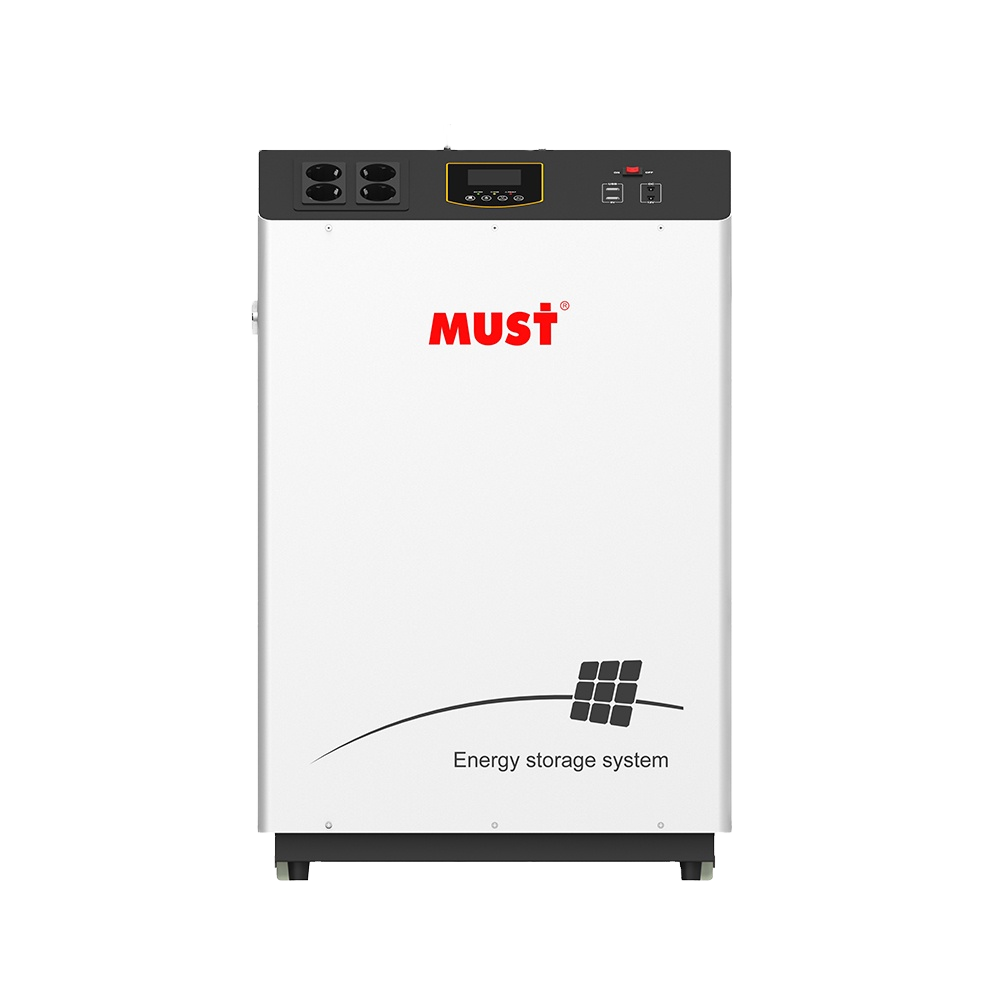
Integration of hybrid solar inverters (3kW to 6kW) with modular 10kWh/15kWh wall-mounted energy storage allows facility managers to shave peak power demand from MERALCO tariffs while providing instant backup for security, access controls, and emergency lighting.
Medical Diagnostics & Private Clinics
Precision diagnostic equipment (MRI, ultrasound, cold-chain vaccine storage) requires absolute electrical purity. Pure sine wave output with ultra-low total harmonic distortion (THD <2%) guarantees accurate operational performance.
5. Energy Trends & Macro Environment in Metro Manila
The Philippines electricity sector features some of the highest retail power rates in Southeast Asia, largely influenced by imported fuel reliance and wholesale spot market volatility. MERALCO's time-of-use (TOU) billing structures incentivize corporate buyers to store low-cost off-peak energy or self-generated rooftop solar power, discharging it during high-tariff peak hours.
Moreover, the push toward corporate ESG (Environmental, Social, and Governance) targets across Makati enterprises has accelerated the adoption of hybrid energy systems—combining high-efficiency solar charge controllers, off-grid hybrid inverters, and clean lithium storage. By deploying CE-certified UPS and energy storage solutions, Makati businesses achieve a dual objective: absolute energy security against blackout risks and a measurable reduction in operational carbon emissions.
6. Enterprise Sourcing & Power Rating Selection Guide
Selecting the right UPS topology and voltage architecture depends on total connected load, duty cycle, and installation physical footprint. Review the recommended specification metrics below:
| Application Load Requirement | Recommended System Topology | Battery System Voltage | Key Features & Interfaces |
|---|---|---|---|
| Workstations / Small Servers (< 3kW) | Pure Sine Wave Off-Grid / Line-Interactive UPS | 12V / 24V DC System | Compact chassis, built-in LCD display, automatic line-to-battery transfer, RS232 monitoring. |
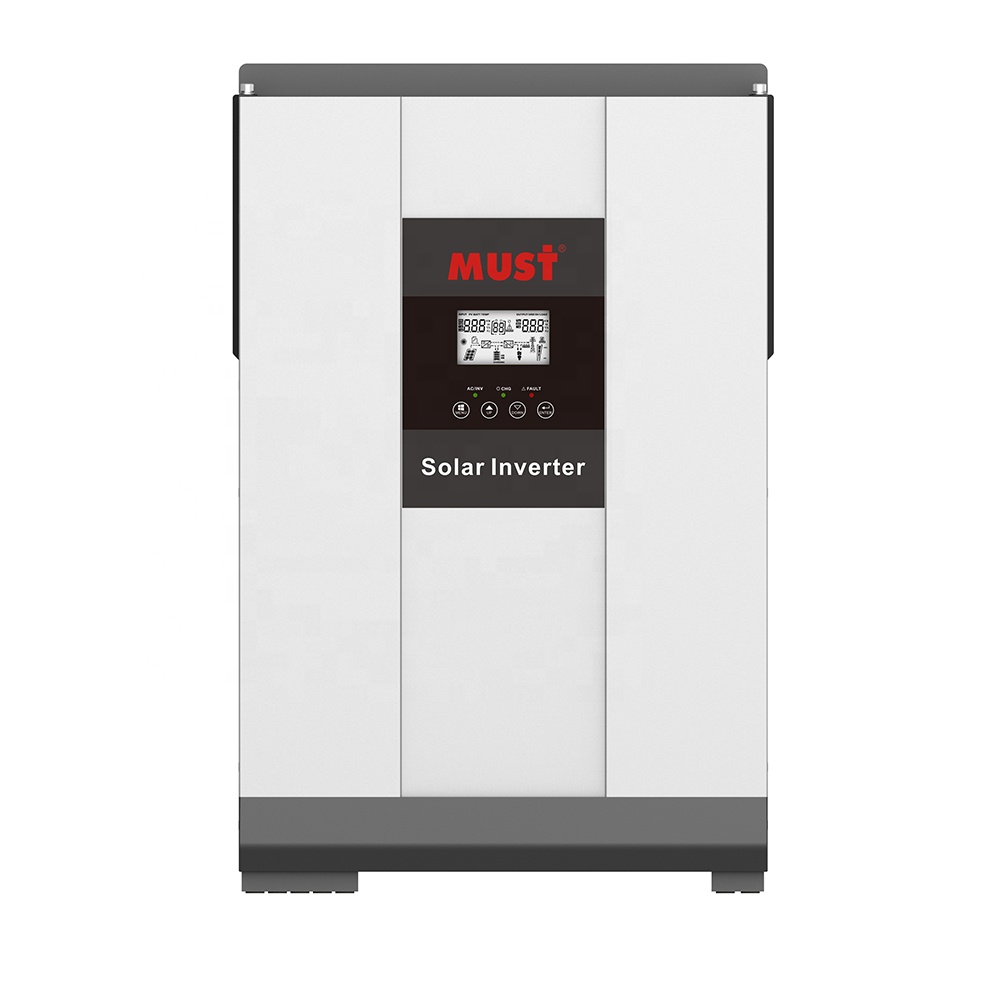
| BPO Data Floor / Mid-Size Office (3kW – 6kW) | Hybrid Solar & Online UPS (PH1800/PH1000 Pro Series) | 48V / 51.2V DC (LiFePO4) | Integrated 80A/100A MPPT, high PV input voltage (450VDC), CAN/RS485 BMS communication. |
| Enterprise Data Center / Industrial (> 10kW) | Modular Stacked / Rack-Mounted Parallel Systems | 51.2V High-Capacity Towers | Parallel expansion up to 15 units, hot-swappable battery modules, remote cloud monitoring. |
Frequently Asked Questions by Makati B2B Buyers
Key technical and procurement considerations for sourcing CE certified UPS and battery storage units in the Philippines.
Why choose 48V/51.2V systems for commercial installations in Makati?
Higher DC voltage significantly lowers electrical current (amperage) for the same power wattage. This reduces copper cabling size, minimizes internal resistive heat losses, enhances overall round-trip efficiency, and ensures compliance with Philippine Electrical Code (PEC) standards for commercial structures.
What IP rating is recommended for UPS and battery storage in Luzon climate?
For indoor server rooms and conditioned office environments, IP20 or IP21 is standard. For semi-outdoor setups, industrial facilities, or locations subject to high ambient dust and humidity, IP65-rated wall-mounted LiFePO4 battery units provide full protection against ingress and moisture.
Can your hybrid solar inverters work without a utility grid supply?
Yes. Our off-grid hybrid series (e.g., HBP19 and PV1800 lines) can function seamlessly in pure off-grid mode, powering connected loads directly from solar PV arrays and LiFePO4 battery banks while managing diesel generator auto-start contacts when extra backup is required.
Do your UPS and battery units support local BMS communication protocols?
Absolutely. Our lithium battery packs feature open CAN-bus, RS485, and RS232 protocols compatible with leading inverter brands and centralized Building Management Systems (BMS) for real-time monitoring of State of Charge (SoC), cell voltages, and temperature telemetry.
What is the lead time for bulk OEM/ODM manufacturing orders to Metro Manila?
Standard production lead time is approximately 15 to 25 days depending on exact volume and customization requirements. Direct sea shipping from our manufacturing base to the Port of Manila typically takes 7 to 12 days, ensuring rapid project rollout for Makati contractors.
How do CE certified units assist in passing local PEZA and facility audits?
CE certification provides third-party verified evidence of compliance with safety (LVD) and electromagnetic (EMC) regulations. This documentation streamlines engineering sign-offs, insurance approvals, and environmental health & safety (EHS) compliance audits for corporate operations.
Enterprise Manufacturing Authority & OEM Capacity
CJH Energy (guangdong) Tech Co., Ltd. is a verified custom manufacturer specializing in complete power electronics solutions for global distributors, EPC contractors, and OEM brands.
Advanced Manufacturing Scale
Our 31,056 m² production base operates multiple automated SMT and assembly lines, yielding over 600,000 units annually across 10 distinct power conversion and storage product categories.
TÜV Rheinland On-Site Verified
Factory operations, quality control workflows, and physical facilities are verified on-site by TÜV Rheinland. Fully compliant with ISO 9001, ISO 14001, and ISO 45001 international management systems.
R&D & Customized Protocol Engineering
Supported by 80+ senior engineers, we offer full ODM capabilities—including custom firmware tweaking, specialized casing design, unique packaging, and tailored CAN/RS485 communication protocols.
