
Industry Whitepaper: Modular Energy Storage Systems (MESS) in León & the Bajío Corridor
As the industrial heartland of Guanajuato, León stands at a vital intersection of intense manufacturing productivity and accelerating energy transition mandates. Located at an altitude of approximately 1,815 meters above sea level in the Bajío region, León experiences robust solar irradiance averages ranging between 5.5 to 6.2 kWh/m²/day. However, the rapidly expanding industrial corridor—dominated by Tier-1 automotive assembly, footwear manufacturing, tanneries, and agro-processing—faces persistent challenges associated with utility grid capacity constraints, transmission congestion from CFE (Comisión Federal de Electricidad), and escalating peak tariff schemes (GDMTH/GDMTO rates).
Why Modular Architecture matters for León’s Commercial & Industrial (C&I) Sector
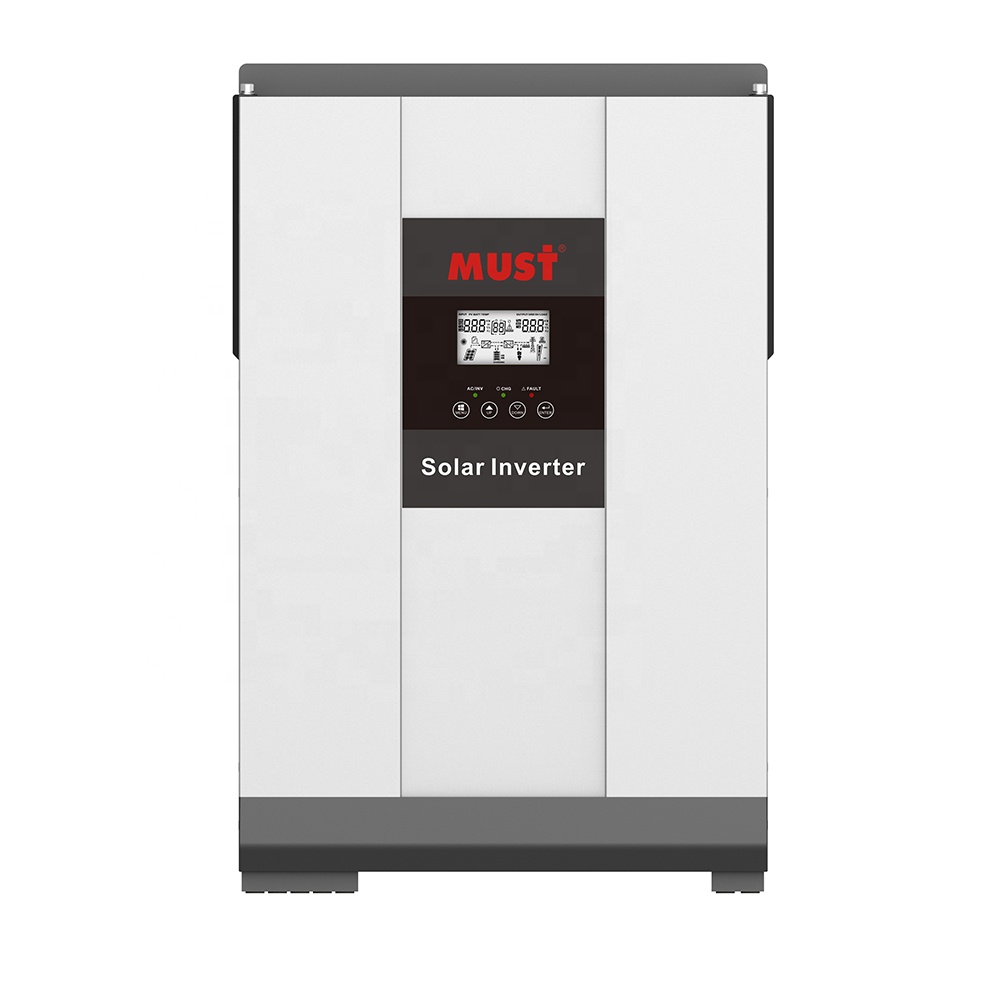
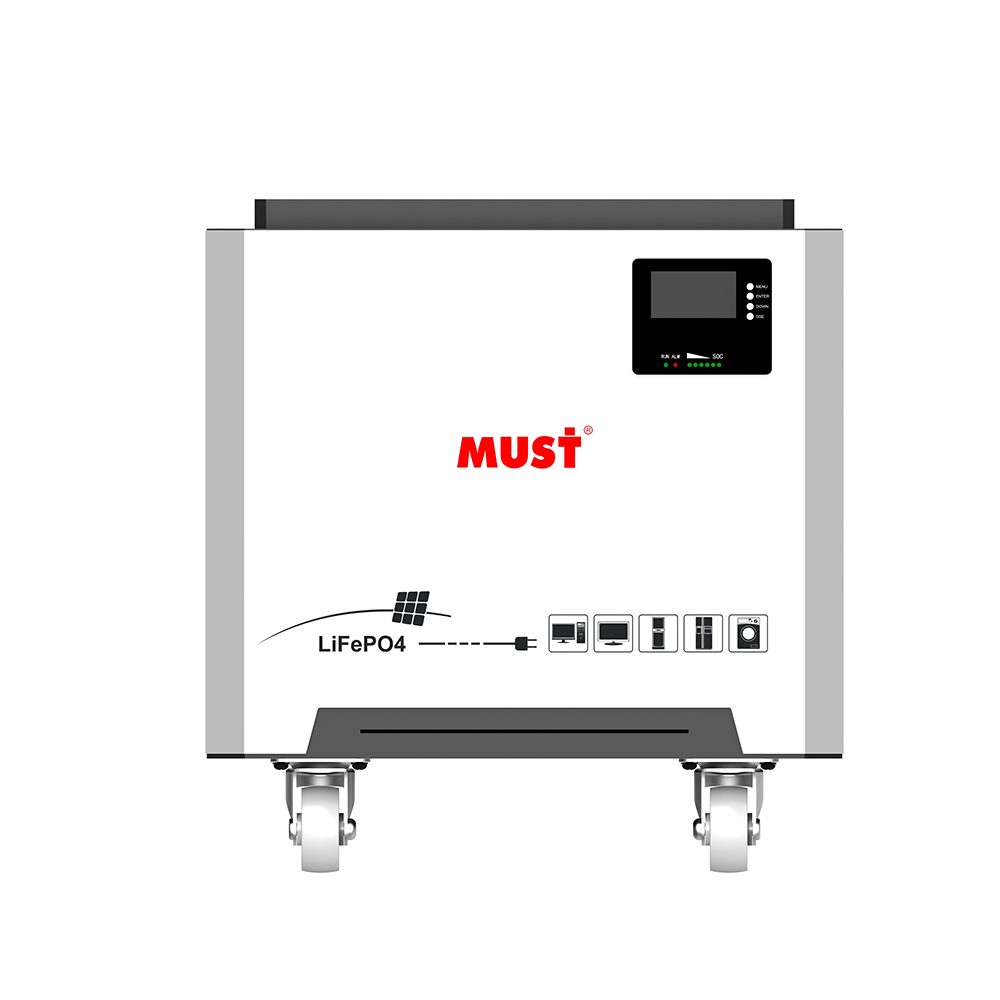
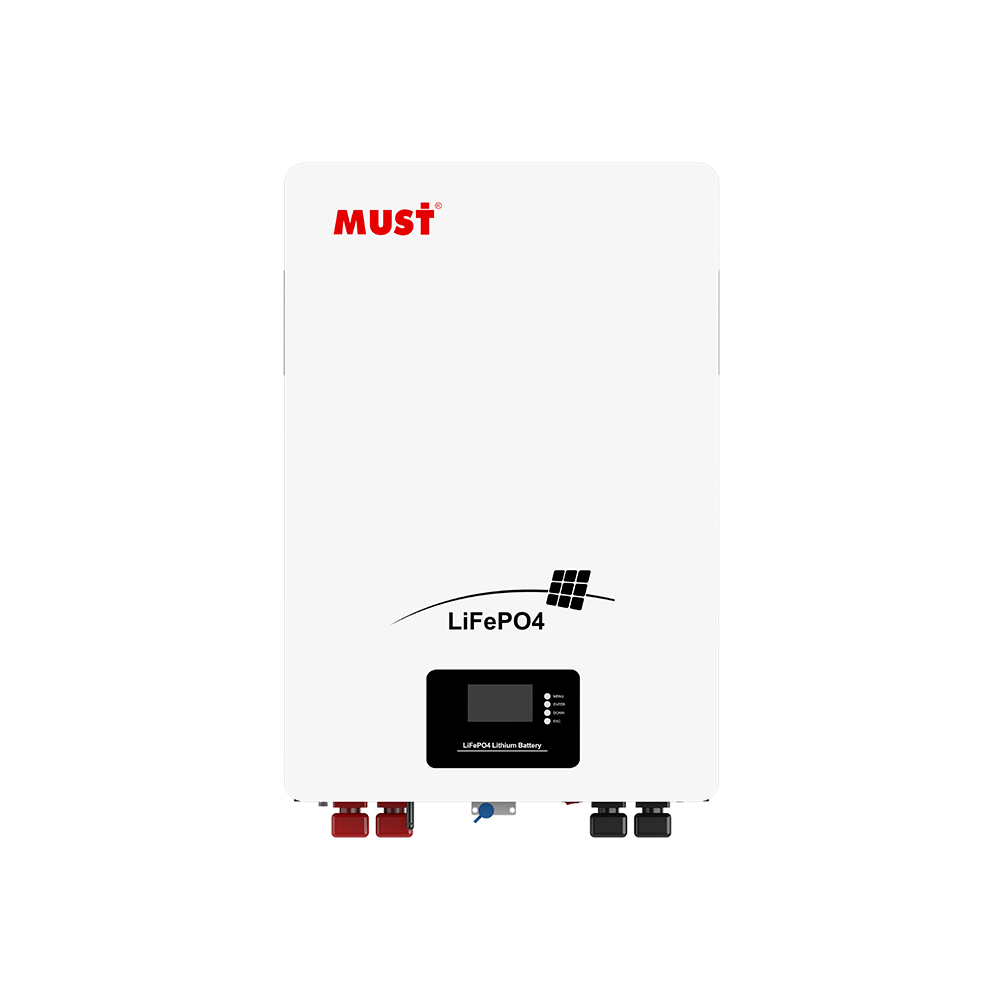
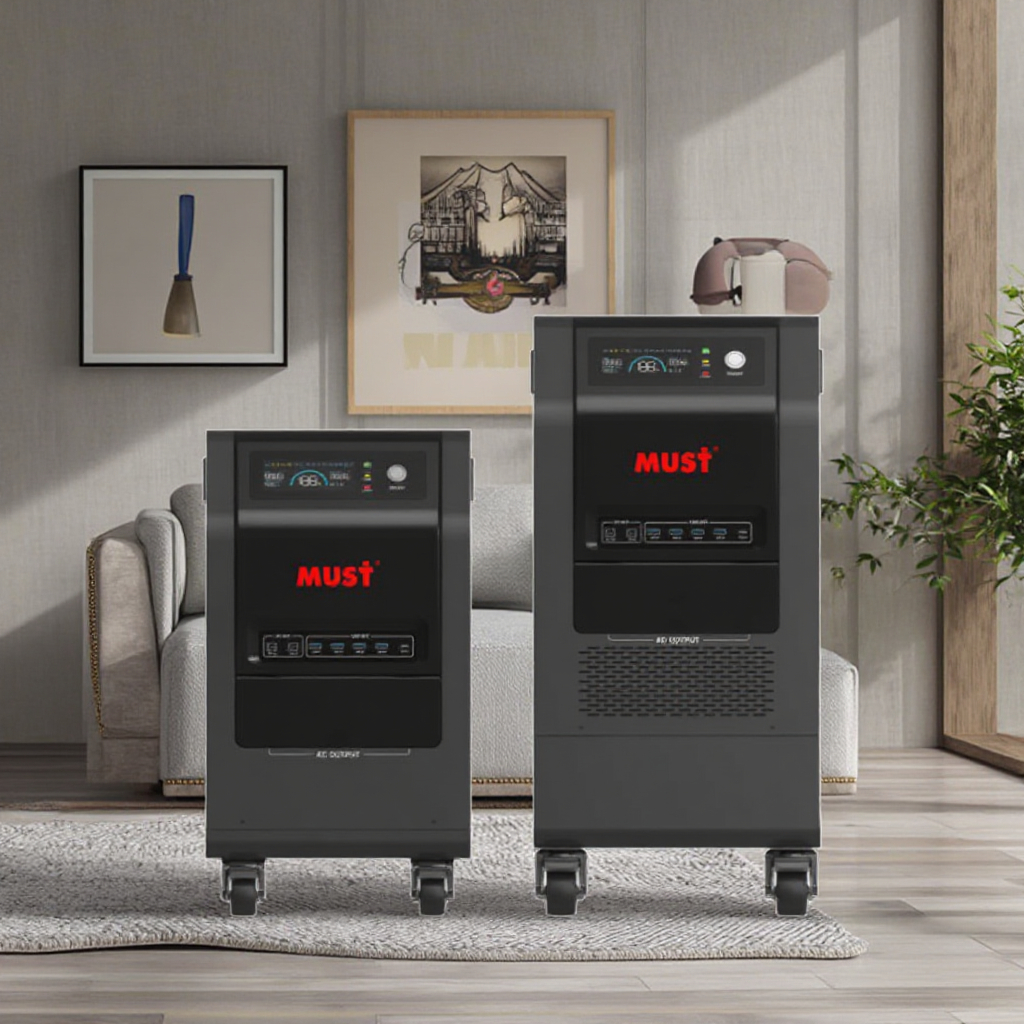
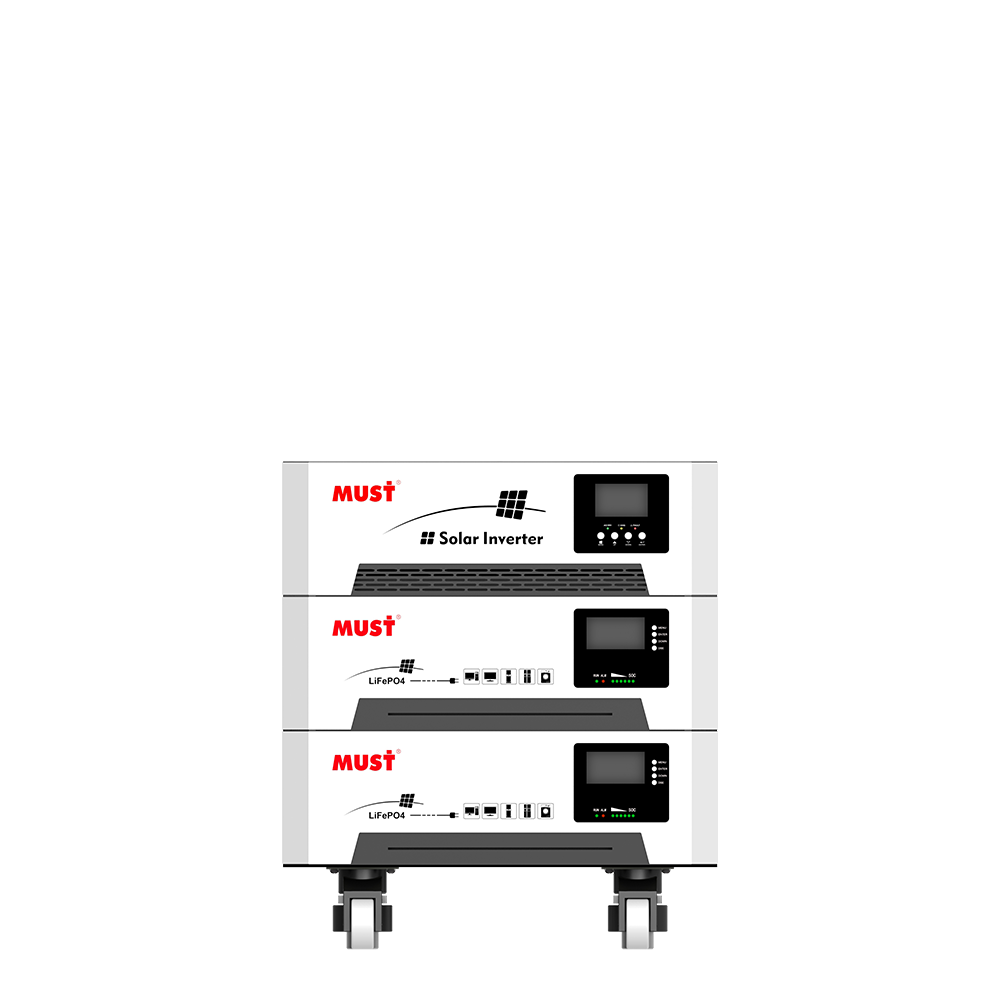
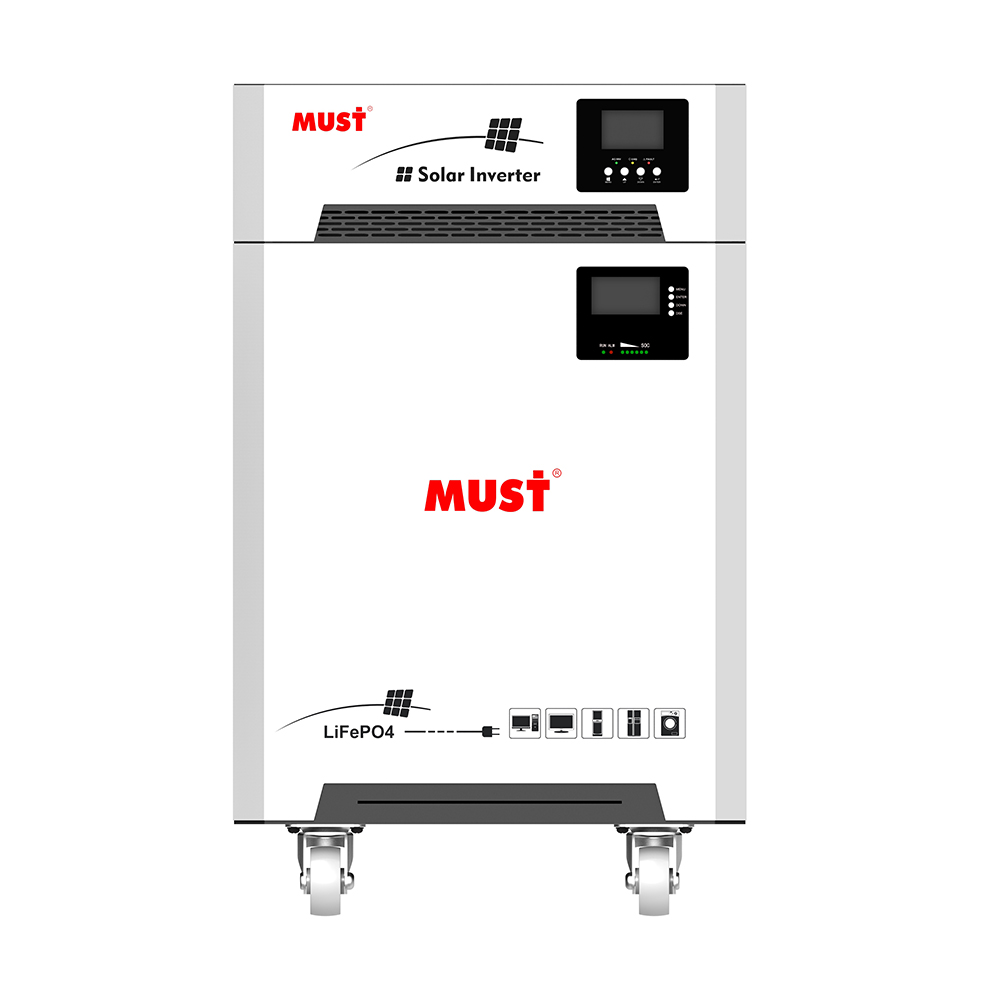
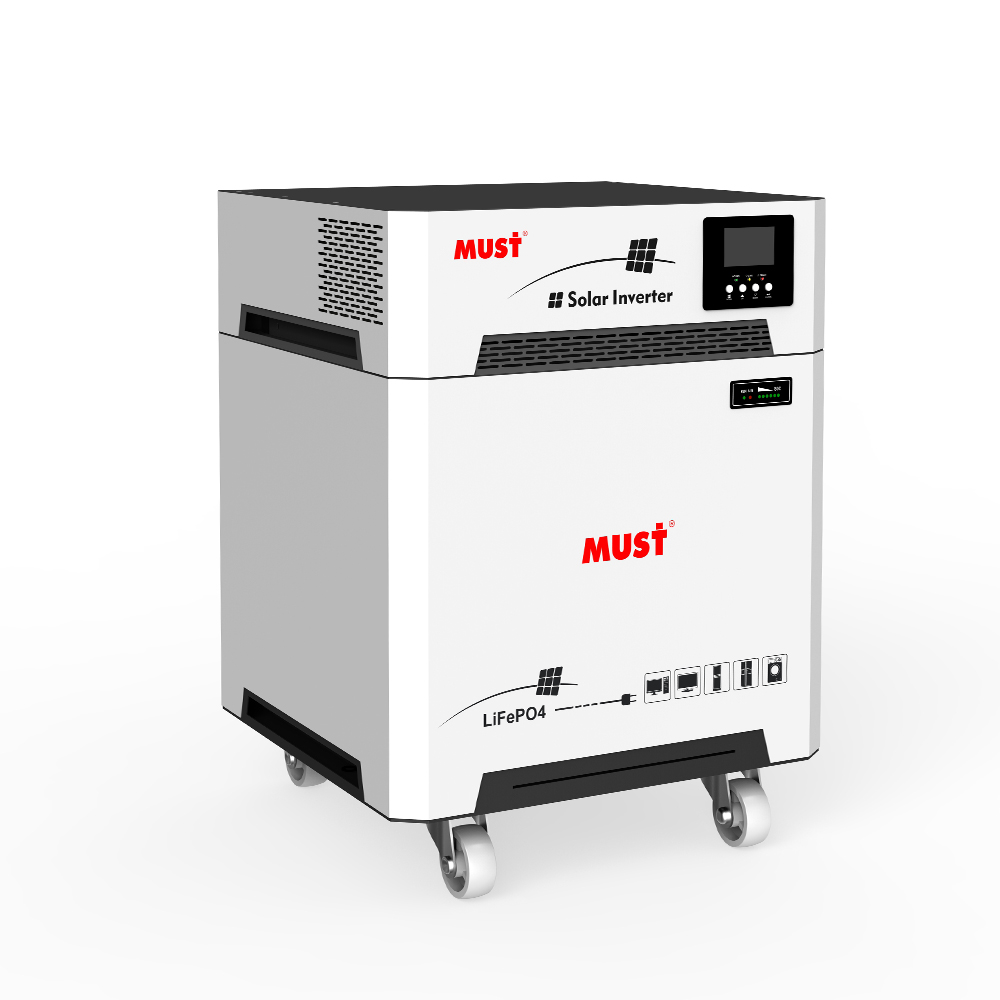
Unlike monolithic centralized battery banks, CE-certified Modular Energy Storage Systems (MESS) utilize rack-mounted plug-and-play LiFePO4 modules. This architecture enables hot-swappable scaling from 5kWh residential backups to multi-megawatt commercial units, allowing companies in León to scale storage capacity proportionally with facility expansion without replacing inverter infrastructure.
1. Solar Irradiance Profile vs. Thermal Resiliency at High Altitude
Deploying energy storage equipment at high elevation demands precise engineering attention to heat dissipation and dielectric insulation. Air density decreases by roughly 10% per 1,000 meters of altitude, reducing natural convective cooling efficiency. CJH Energy / MUST modular battery enclosures are built with active liquid/air forced-cooling channels and automotive-grade EV-type Grade-A LiFePO4 cells capable of operating reliably at ambient temperatures up to 55°C without thermal runaway risks.
2. Advanced Battery Management Systems (BMS) & Protocol Compatibility
The core of our CE certified modular battery bank lies in its multi-layered Tier-1 Smart BMS. Featuring dual RS485, CAN bus, and Modbus RTU communication interfaces, our systems seamlessly interface with major global hybrid inverters (including MUST, Victron, Deye, Growatt, and SMA). The BMS actively balances individual cell voltages across series-parallel strings, preventing localized cell degradation and ensuring over 6,000 cycle lives at 80% Depth of Discharge (DoD).
