1. The Fukuoka Commercial Energy Landscape: Solar Curtailment & Grid Dynamics
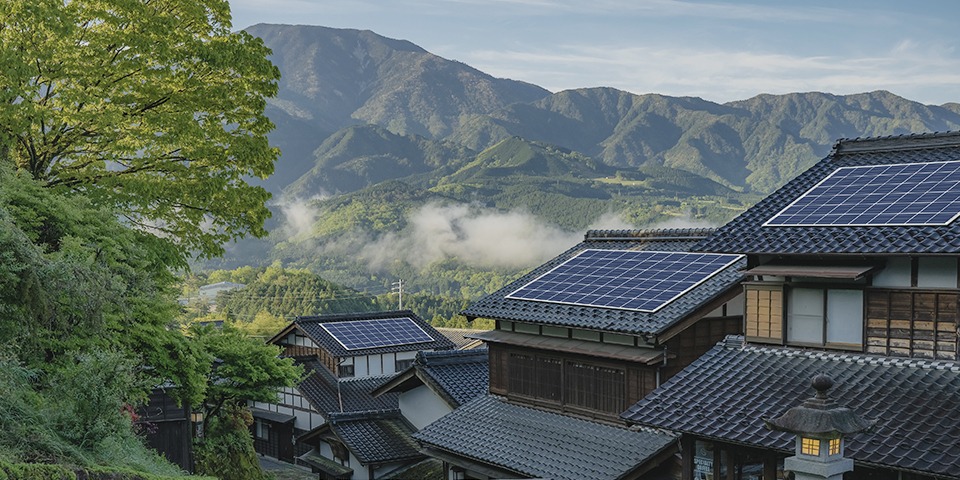
Fukuoka Prefecture, serving as the economic capital of Kyushu, stands at the absolute epicenter of Japan’s energy transition. Driven by aggressive regional solar installation targets and ambitious municipal decarbonization guidelines, Kyushu leads Japan in solar generation capacity per capita. However, this high penetration of renewable energy has created a distinct commercial operational challenge: Kyushu Electric Power (Kyuden) renewable output curtailment (出力制御).
During spring and autumn months, solar output drastically exceeds regional grid demand, leading utility providers to forcefully disconnect solar systems or mandate non-compensated zero-export protocols. For enterprise facilities in the Hakata business hub, Kitakyushu industrial corridors, and suburban commercial parks across Fukuoka, unbuffered solar power results in lost potential financial yield and operational vulnerability.
Key Takeaway for Fukuoka Engineering Procurement (EPC) Teams
Deploying Tier-1 CE-certified Battery Energy Storage Systems (BESS) allows commercial properties in Fukuoka to capture excess photovoltaic energy during peak generation hours, bypass grid curtailment penalties, and execute automated peak shaving during costly Kyuden tariff windows.
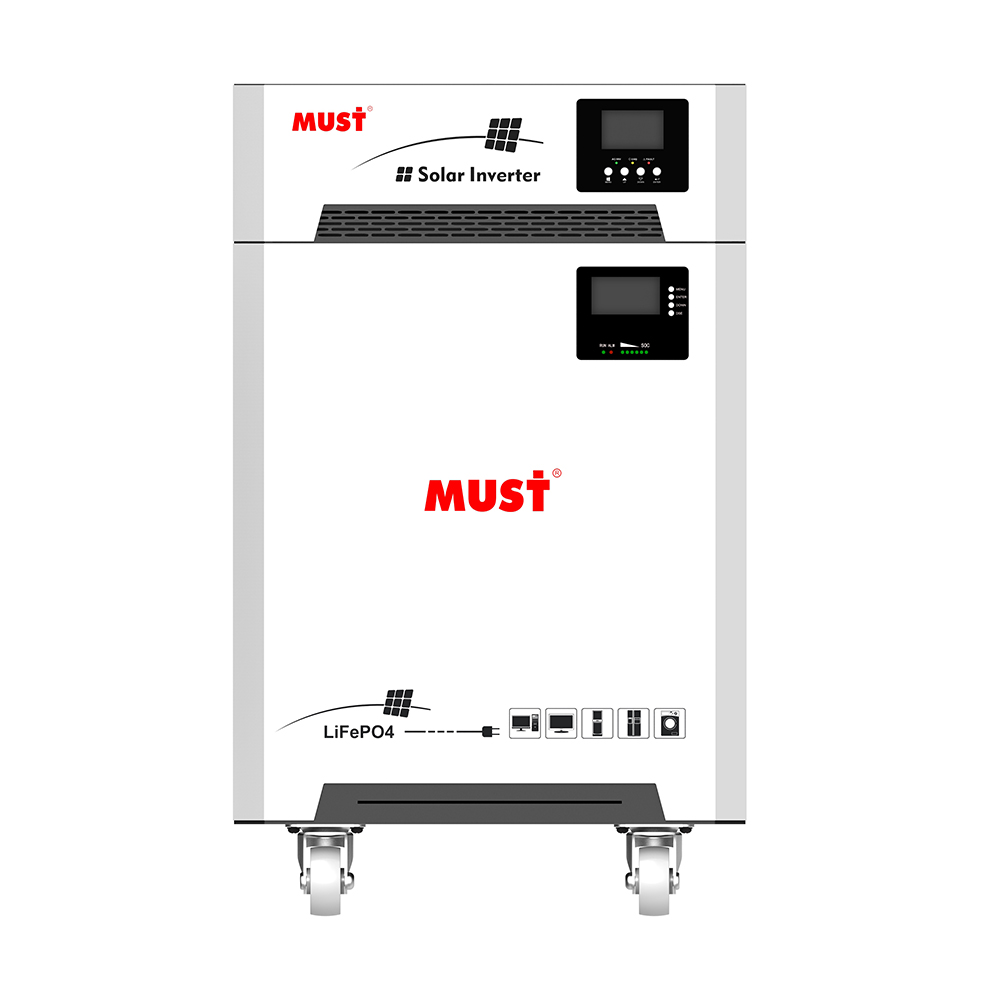
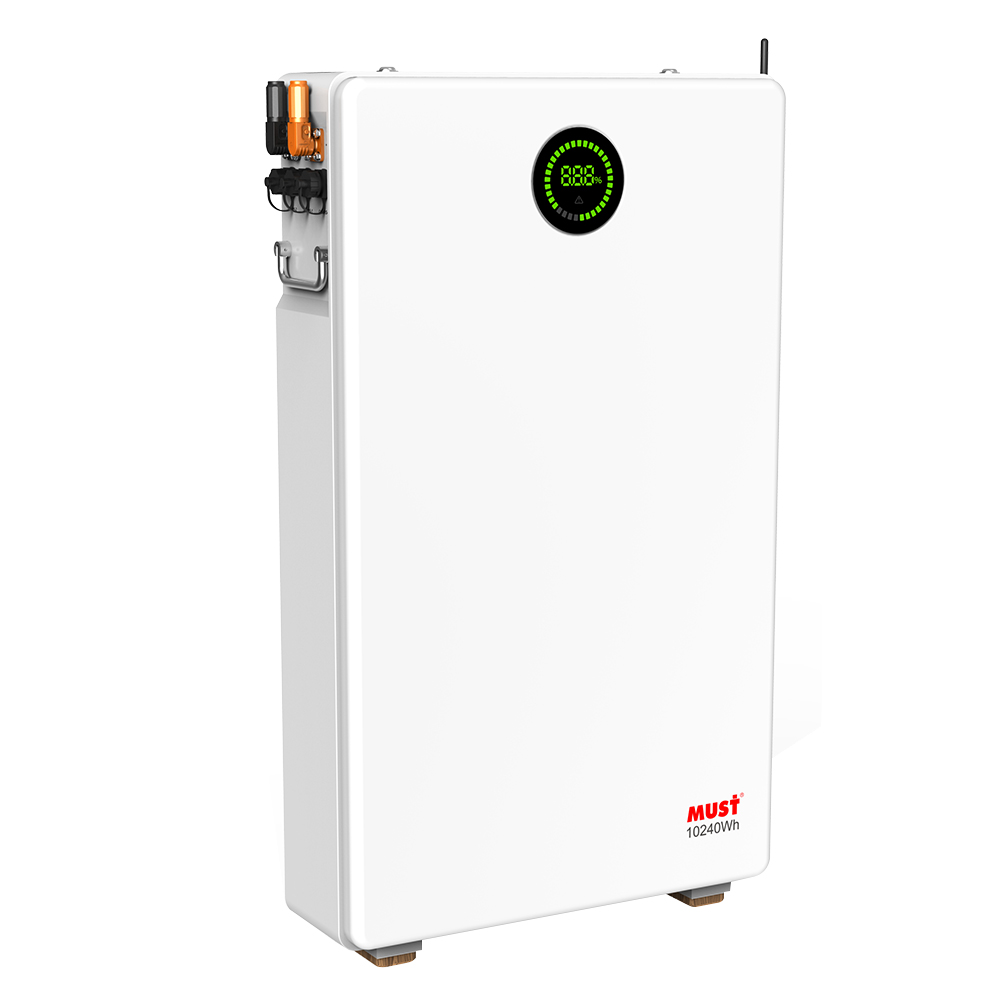
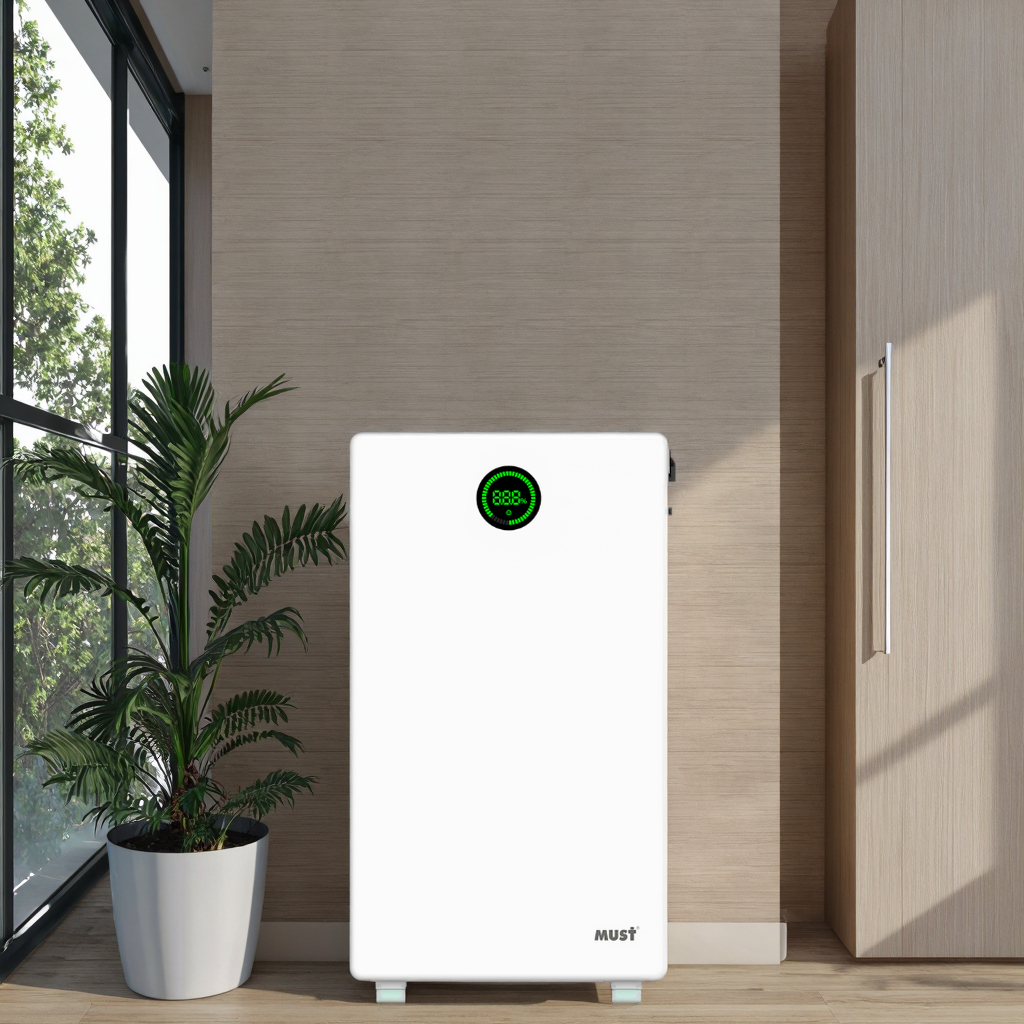
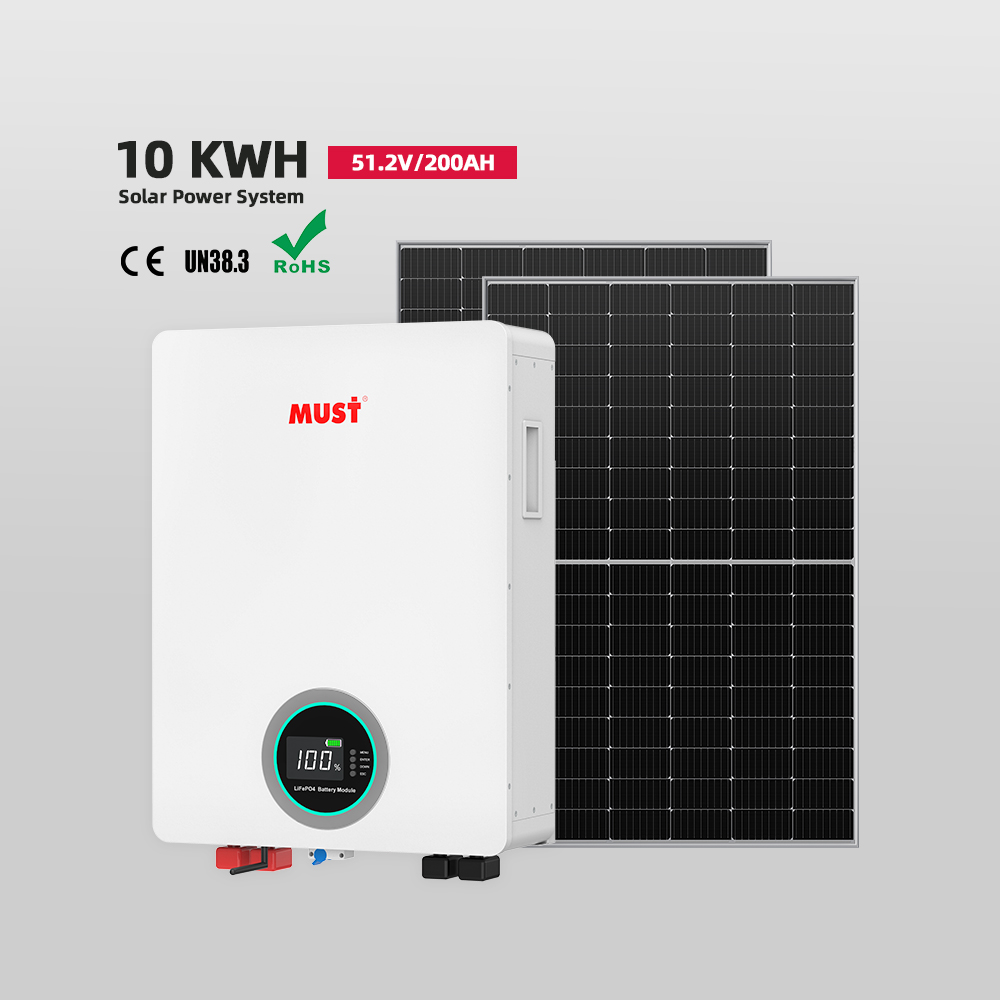
High-Capacity Commercial LiFePO4 Storage System Integration for Grid Stabilization
Technical Challenges & Local Risk Mitigation in Kyushu
Beyond output curtailment, commercial operators in Fukuoka must build resilience against severe environmental vectors. Positioned along Japan’s typhoon corridor, Kyushu frequently experiences heavy tropical storms, severe precipitation, and seismic events. Standard energy storage infrastructure often succumbs to humidity ingress, coastal salt-air corrosion, or thermal instability under heavy continuous cyclic load.
Our CE-certified commercial battery architectures utilize premium-grade Lithium Iron Phosphate (LiFePO4) chemistry paired with robust IP65-rated enclosures and intelligent Battery Management Systems (BMS). This engineering design provides intrinsic thermal stability (up to 600°C resistance), 6,000+ deep-discharge cycle lifetimes, and complete protection against water, dust, and coastal atmospheric degradation.
2. Localized Commercial Application Scenarios in Fukuoka
Commercial BESS solutions cannot follow a one-size-fits-all methodology. We engineer customized battery storage systems tailored specifically to the key economic sectors operating across Fukuoka Prefecture:
Hakata Port Cold-Chain & Logistics Hubs
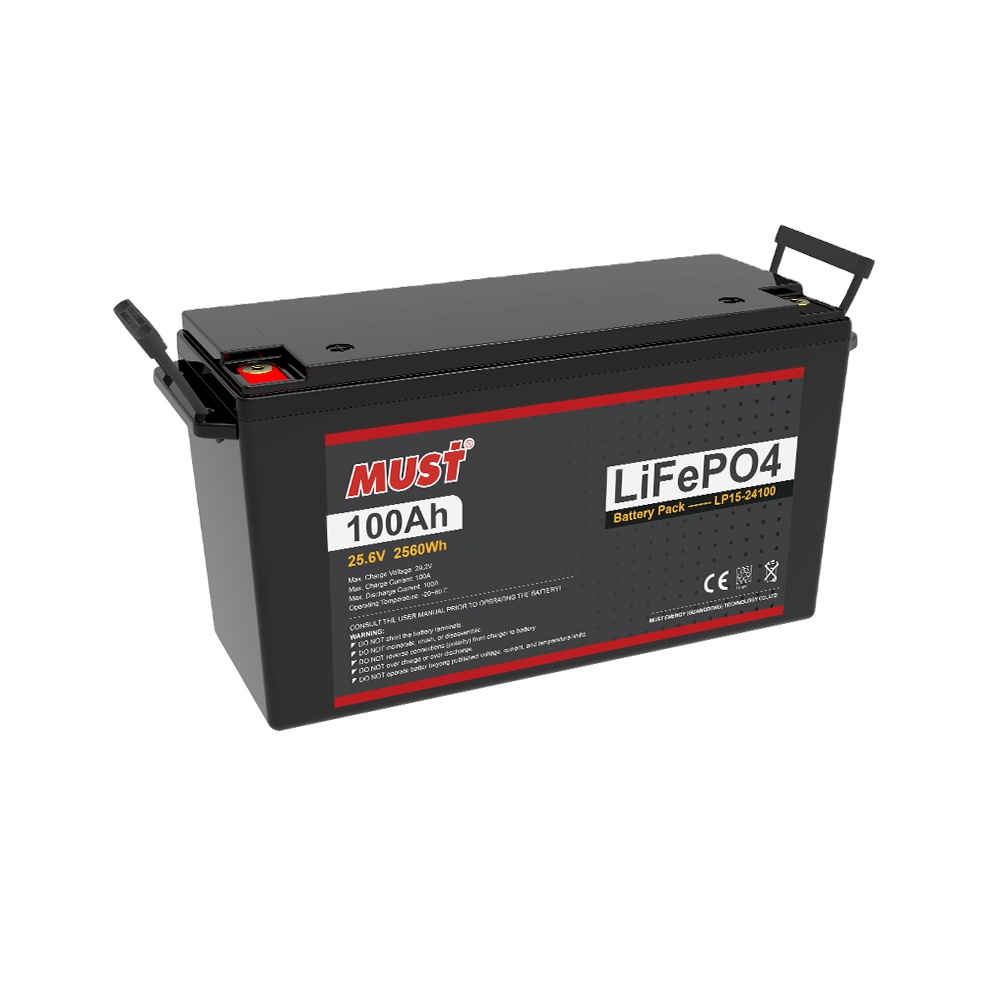
Cold-storage facilities operating near Hakata Bay demand non-stop, high-current refrigeration power. Our high-voltage stacked 48V/51.2V LiFePO4 battery banks offer instant millisecond UPS-class transfer, preventing thermal shock to high-value perishable cargo during sudden grid dropouts or peak demand spikes.
Kitakyushu Industrial & CNC Assembly Plants
Precision machine shops and automated robotic manufacturing lines suffer massive financial downtime from micro-voltage sags. By implementing multi-cabinet parallelized battery banks (expandable to 500Ah+), factories maintain smooth operational voltage curves and reduce costly contract demand charges (基本料金).
Agricultural Greenhouses in Kurume & Itoshima
Fukuoka’s high-tech agricultural sector relies heavily on climate-controlled greenhouses for strawberries, tea, and floral production. Solar-plus-storage microgrids absorb daylight solar surplus and discharge stored power at night to operate automated LED lighting, heating, and hydroponic circulation pumps cost-free.
3. CE Certification, Safety Standard Compliance & Protocol Compatibility
For Japanese EPC contractors and commercial system integrators exporting to or building in Fukuoka, stringent technical compliance is non-negotiable. Our enterprise battery lineup undergoes rigorous testing to guarantee full alignment with international electrical safety directives and localized utility interconnect protocols.
Technical Feature / Standard
CJH Commercial LiFePO4 Series
Standard Market Lead-Acid / Generic Lithium
Strategic Advantage for Fukuoka EPCs
Primary Certification
CE, IEC 62619, UN38.3, MSDS Certified
Basic CE / Uncertified Cell Assembly
Streamlined municipal building approval & insurance safety compliance
Cell Chemistry & Thermal Runaway
LiFePO4 (LFP) with zero cobalt; stable up to 600°C
NMC / Ternary Lithium (Runaway risk at 210°C)
Maximum fire mitigation in densely populated urban zones like Tenjin
Cycle Life Efficiency
>6,000 cycles @ 80% DoD (15+ year operational lifespan)
1,200 – 2,500 cycles max
Dramatically reduced Levelized Cost of Storage (LCOS) for long-term ROI
Communication Protocols
Integrated CANbus, RS485, RS232, Modbus RTU
Proprietary closed protocol / No CAN interface
Seamless handshake with Kyuden smart meters & tier-1 global inverters
Environmental Enclosure Rating
IP65 Waterproof / Dustproof Heavy Duty Casing
IP20 Indoor Rated Only
Resistant to high humidity, coastal fog, and extreme seasonal rains in Kyushu
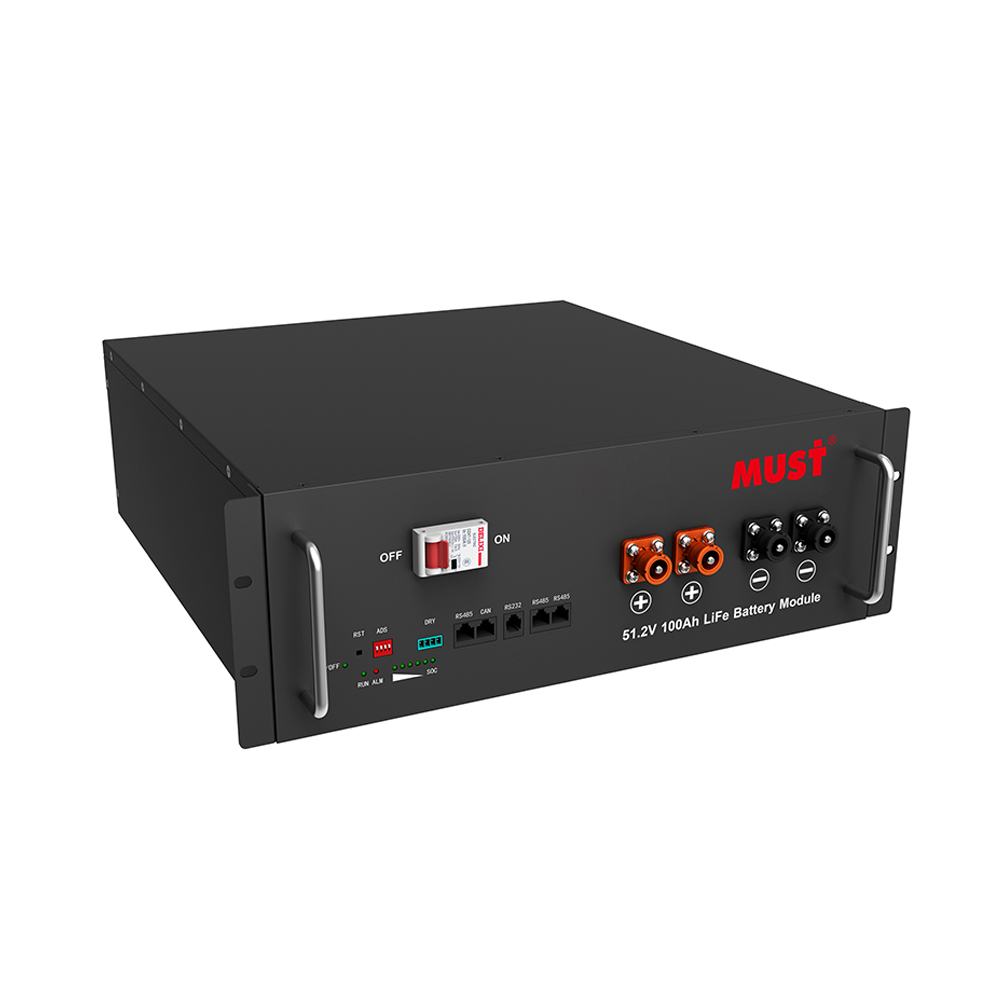
Smart BMS Architecture with CAN/RS485 Protocol Integration
At the heart of every CJH commercial battery module is an intelligent, hardware-protected Battery Management System (BMS). The BMS continuously monitors individual cell voltages, state-of-charge (SoC), operational temperatures, and current flows in real time. Crucially for commercial installations, our systems feature pre-programmed communication firmware compatible with major hybrid solar inverters (including MUST, Growatt, Deye, Victron, and Schneider).
This allows system integrators to configure automated operational modes such as Peak Shaving, Self-Consumption Maximization, Time-of-Use (TOU) arbitrage, and emergency backup power reserves directly through touch-screen user interfaces or remote cloud management platforms.
4. Fukuoka & Kyushu Commercial Energy Storage Trends (2025–2030)
The business model for commercial renewable energy in Japan has fundamentally changed. Understanding these macroeconomic shifts is essential for commercial facility directors and solar installers across Fukuoka:
1. Transition from FIT to FIP Scheme
Japan’s Feed-in Premium (FIP) model rewards renewable generators who sell power during market high-demand hours. Storage systems enable Fukuoka solar plants to retain generated kWh during low-value noon windows and export during lucrative evening peak demand periods.
Post-disaster operational survival is now a core metric for Japanese enterprise risk management. Commercial battery microgrids provide guaranteed black-start capability, powering critical IT servers, security systems, and office lighting during regional blackout events.
3. METI & Municipal Subsidies
The Ministry of Economy, Trade and Industry (METI) alongside Fukuoka City offering financial grants for commercial buildings upgrading to Zero Energy Buildings (ZEB). Implementing certified high-efficiency BESS directly boosts subsidy qualification scoring.
5. Manufacturer Authority & Global Supply Chain Capacity
When procuring commercial energy storage for large-scale engineering projects, choosing a direct custom manufacturer rather than a trading middleman is essential for long-term project viability. CJH Energy (guangdong) Tech Co., Ltd. represents the gold standard in high-volume, highly customized power conversion and energy storage manufacturing.
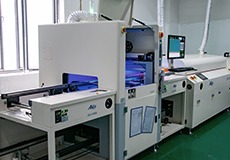
31,056 m² ISO-Certified Smart Manufacturing Complex & Test Center
State-of-the-Art Automated Battery Cell Balancing and Testing Lines
Operating a massive 31,056 m² production complex backed by 1,109 skilled personnel, CJH Energy maintains an impressive annual manufacturing capacity of over 600,000 power conversion and battery units. Our facilities hold triple ISO management certifications (ISO 9001 Quality, ISO 14001 Environmental, and ISO 45001 Occupational Health & Safety) and have been thoroughly assessed on-site by TÜV Rheinland.
Engineering Customization & OEM/ODM Flexibility for Japan EPCs
With a specialized in-house R&D force exceeding 80 power electronics engineers, CJH Energy provides comprehensive OEM and ODM support tailored to Japanese commercial specifications:
Firmware & Communication Tailoring: Custom Modbus map alignment and CANbus protocol adaptation for Japanese building management systems (BMS).
Cell Grade Assurance: Exclusive utilization of new, Grade-A LiFePO4 prism cells with full factory barcode traceability.
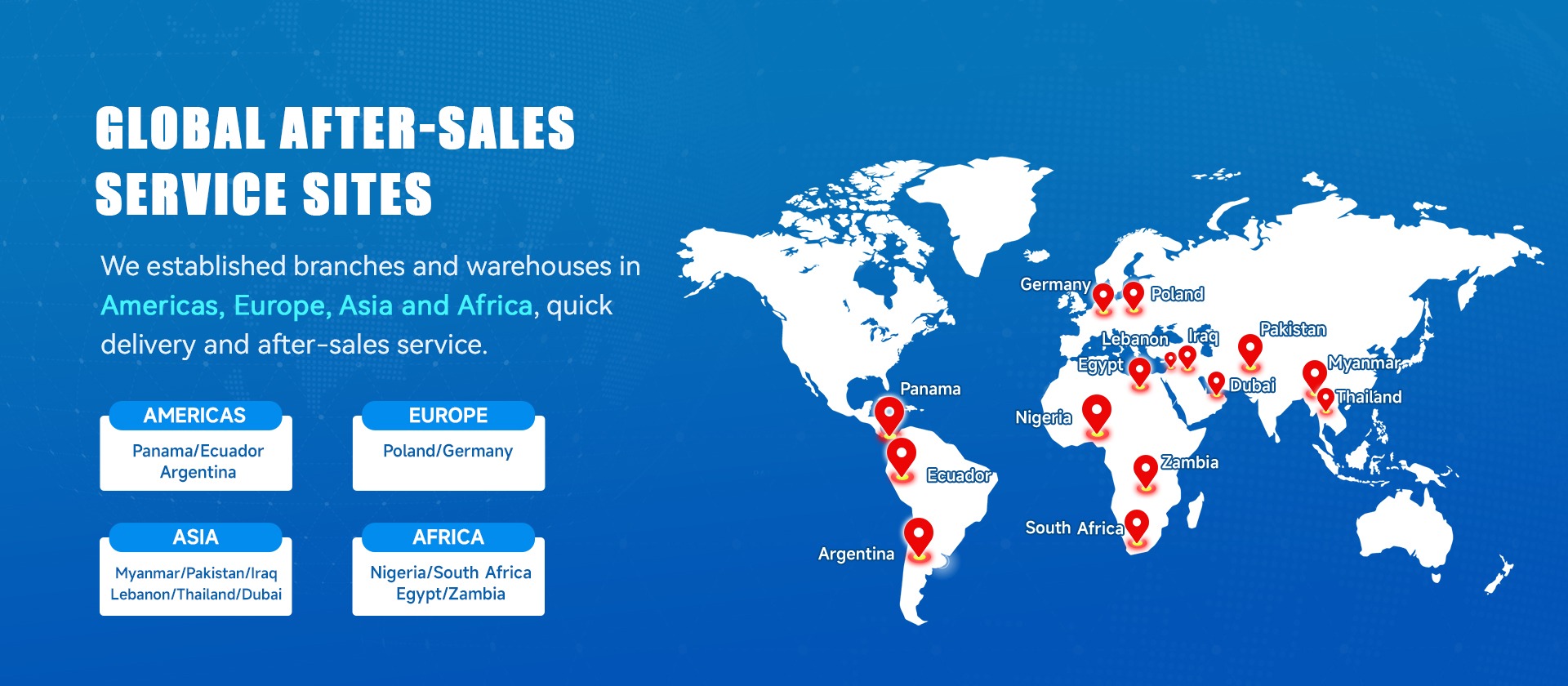
Logistics Efficiency: Direct shipping routes from our coastal manufacturing hub directly to Fukuoka Port (博多港), minimizing freight transit time and cost.
6. Frequently Asked Questions by Fukuoka Commercial Buyers & System Integrators
How do CE-certified commercial solar batteries comply with Japanese grid regulations?
While CE certification validates European health, safety, and environmental protection standards (including IEC 62619 for lithium secondary cells), commercial installations connecting to Kyushu Electric Power grid lines require certified interface inverters and compliant isolation transformers. CJH batteries feature flexible open-protocol BMS platforms that integrate smoothly with JET-approved grid-tied inverters operating across Japan.
What battery capacity is recommended to counter Kyushu Electric curtailment?
Optimal capacity sizing depends on your peak PV output curve and facility baseline load. Typically, a ratio of 1.5 kWh to 2.0 kWh of battery storage per 1 kWp of installed solar array provides an ideal buffer to store curtailed daytime generation for high-tariff evening discharge.
How do LiFePO4 batteries handle Fukuoka's humid summer climate and coastal humidity?
Our IP65-rated battery series engineered for coastal exporters features heavy-duty anti-corrosive powder-coated steel cabinets, sealed wire glands, and internal conformal coating on all printed circuit boards (PCBs). This ensures full protection against salt fog, high humidity, and dust ingress in coastal zones around Hakata Bay.
What is the expected lead time for containerized shipments to Fukuoka Port?
Standard production lead time for customized commercial battery modules is 15 to 25 days following engineering design confirmation. Maritime transit from our South China shipping terminal directly to Fukuoka Port (Hakata) generally takes only 3 to 5 days, enabling exceptionally fast project turnarounds.
Can CJH battery systems be expanded as commercial energy needs grow?
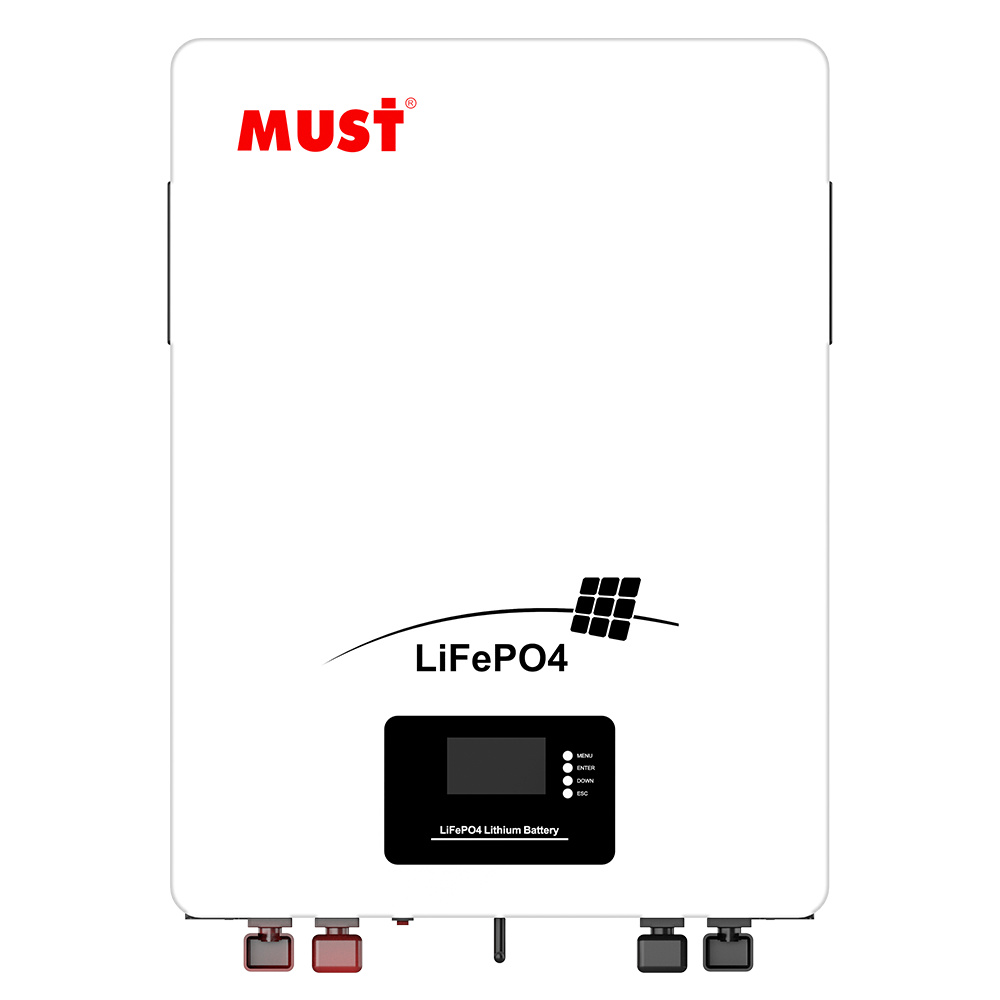
Yes. Our commercial 48V/51.2V rack-mounted and stacked LiFePO4 battery modules support seamless parallel connection of up to 15 battery packs per bank without external control boxes. This modular design allows commercial facility managers to start with baseline emergency capacity and expand kWh storage as operational budgets grow.
Accelerate Your Commercial Solar Projects in Fukuoka
Partner directly with a TÜV Rheinland-verified manufacturer. Request technical specifications, certified test reports, and factory-direct wholesale quotations tailored for the Kyushu commercial market.