Featured Battery Backup & Power Storage Matrix
Factory-direct OEM/ODM products engineered with high surge capability, smart CAN/RS485 communication protocols, and sub-zero thermal stability tailored for Sapporo distributors and integrators.

1. Whitepaper Briefing: The Thermal & Structural Demands of Sapporo's Energy Backup Infrastructure
Sapporo, the metropolitan heart of Hokkaido, operates under one of Japan's most challenging climatic and electrical profiles. Characterized by sub-zero winter temperatures reaching down to -10°C to -15°C, sustained snowfall exceeding 5 meters annually, and isolation within the Hokkaido Electric Power Network (50Hz frequency standard), the region presents extreme stress vectors for commercial, industrial, and residential energy storage systems. Following major historical grid disruptions—such as the Hokkaido Eastern Iburi Earthquake blackout—the demand for localized, high-reliability battery backup power supplies has shifted from simple emergency measures to standard structural requirements for building infrastructure.
For international procurement managers, OEM brand holders, and regional energy integrators servicing Sapporo, sourcing battery backup systems requires an understanding of sub-zero electrochemistry management, rapid uninterruptible power transfer (UPS <10ms), and intelligent multi-source hybrid inverter integration. Lithium Iron Phosphate (LiFePO4) chemistry has emerged as the premier choice due to its non-thermal runaway characteristics, 6,000+ deep charge-discharge cycles, and superior volumetric energy density compared to traditional valve-regulated lead-acid (VRLA) batteries.
Technical Obstacles in Cold-Climate Battery Deployment
Standard lithium-ion systems suffer from severe C-rate degradation and dangerous lithium plating risks when charged below 0°C. When ambient indoor temperatures drop in unheated utility rooms across Sapporo residences or agricultural warehouses in Ishikari Subprefecture, standard Battery Management Systems (BMS) shut down charging to prevent permanent cell damage, rendering solar pairing useless during crucial winter hours. Furthermore, heavy snow accumulation on roof-mounted photovoltaic (PV) arrays dramatically cuts solar input, requiring energy storage units to store cheap off-peak grid energy efficiently during night cycles (Time-of-Use tariff management).
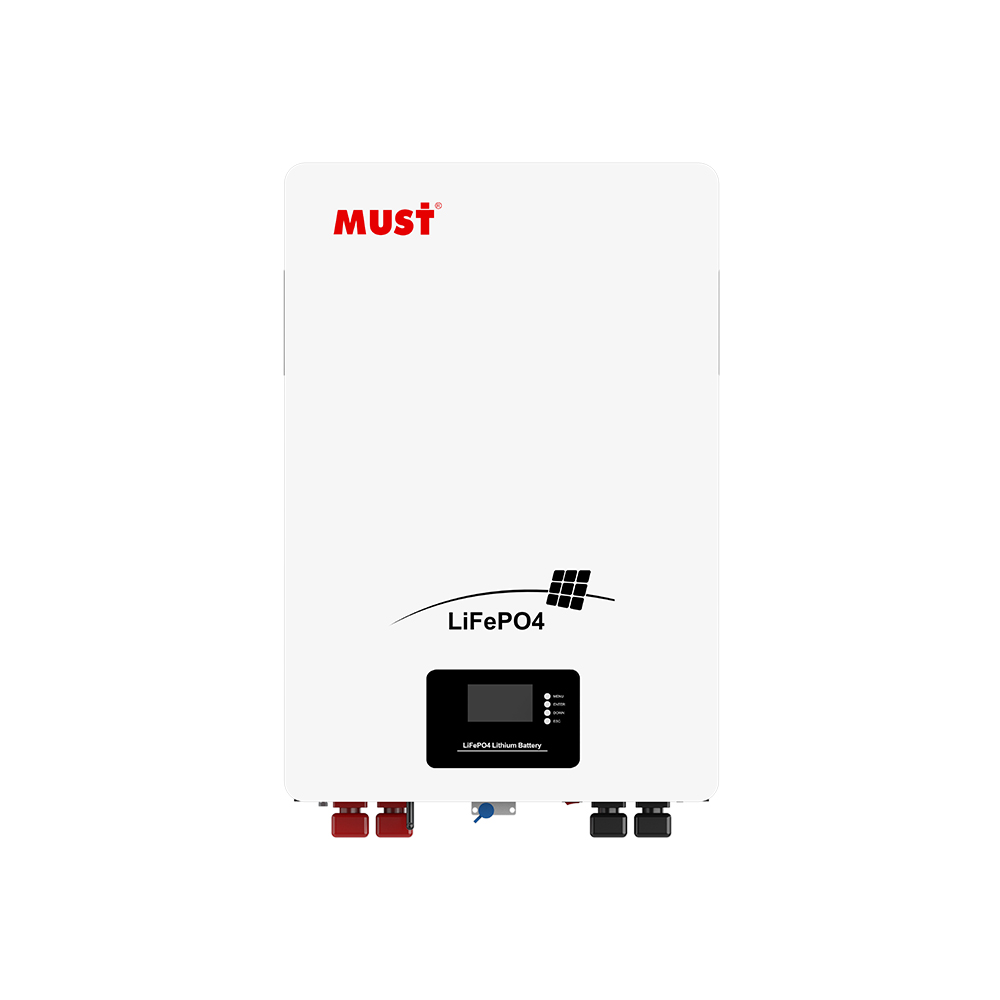
- Low-Temperature BMS Pre-Heating Integration: Proprietary thermal management algorithms activating internal PTC heating elements prior to current acceptance at sub-zero thresholds.
- High Torque Pure Sine Wave Inverter Coupling: Industrial-grade low-frequency transformers capable of enduring 300% surge currents for inductive loads (kerosene heating pumps, snow-melting blowers, and commercial refrigeration units).
- Protocol Interoperability: Seamless multi-protocol CAN 2.0B, RS485, and RS232 interfaces capable of handshaking with Japanese market hybrid inverters and legacy microgrid controllers.
Localized Application Scenarios Across Sapporo & Hokkaido
How CJH Energy’s industrial-grade energy storage systems deliver localized power autonomy during severe climate events and daily load shifts.
Scenario A: Residential Winter Emergency Standby & Snow-Load PV Pairing
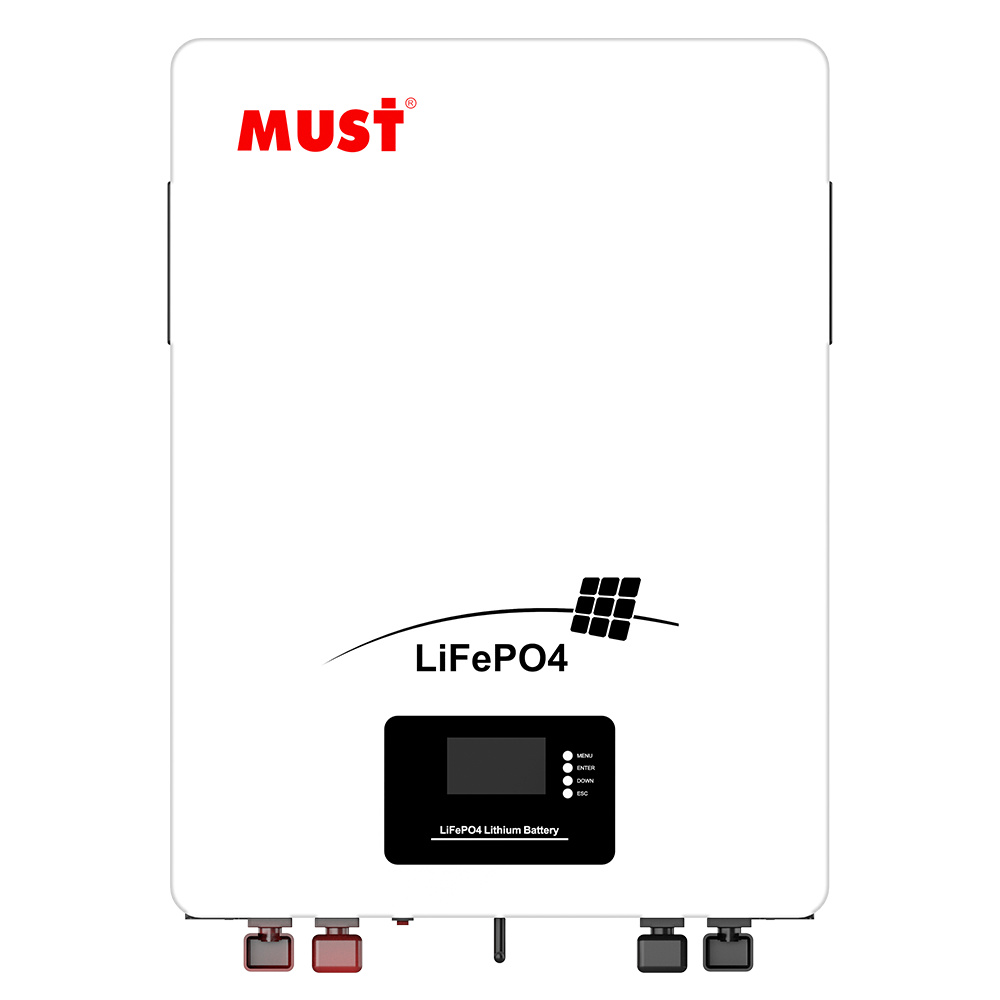
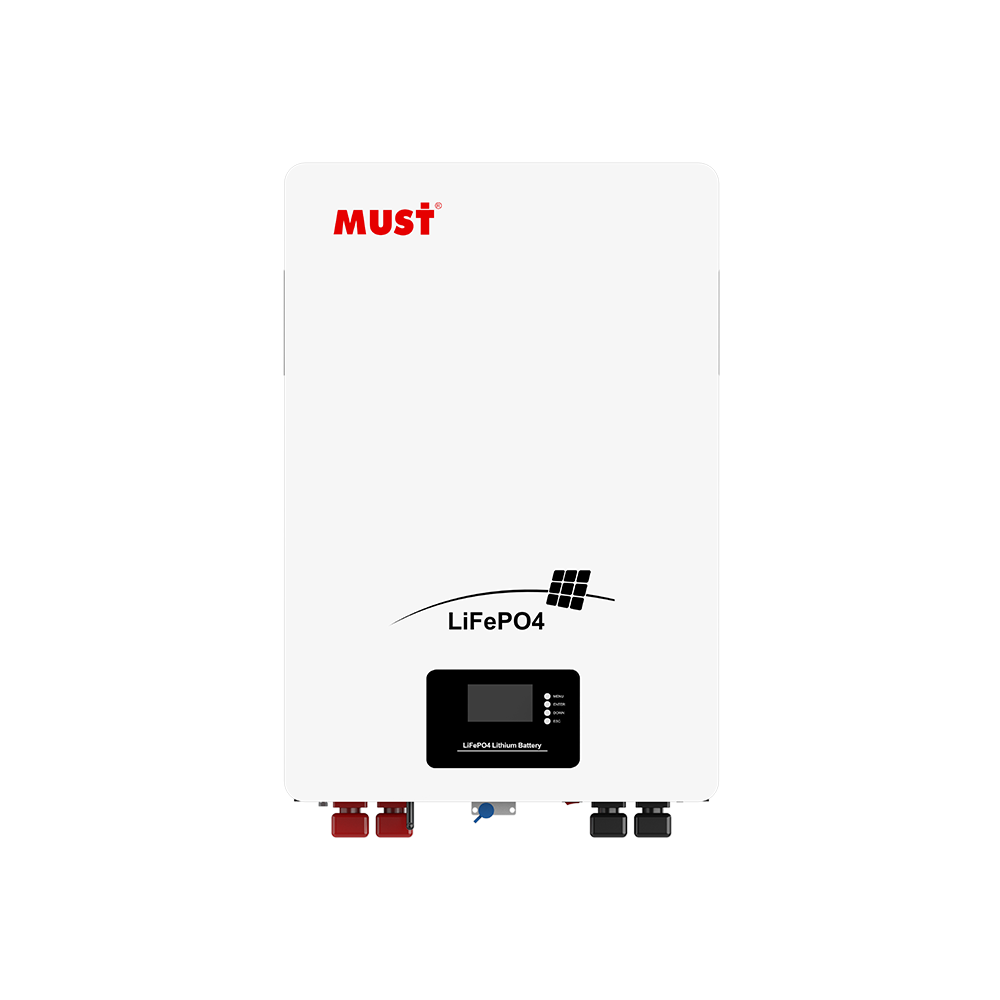
In residential districts across Chuo-ku, Kita-ku, and Toyohira-ku, heavy snow loads regularly obscure PV arrays for days. Wall-mounted 48V 100Ah (10kWh) LiFePO4 packs combined with hybrid 5kW/6kW off-grid inverters enable automated off-peak AC grid charging. When freeze-induced transmission line tripping occurs, system transfer occurs in under 10 milliseconds, seamlessly keeping critical floor heating pumps, lighting, and communication devices operational without voltage dip transients.
Scenario B: Agri-Tech, Dairy, & Cold-Storage Preservation
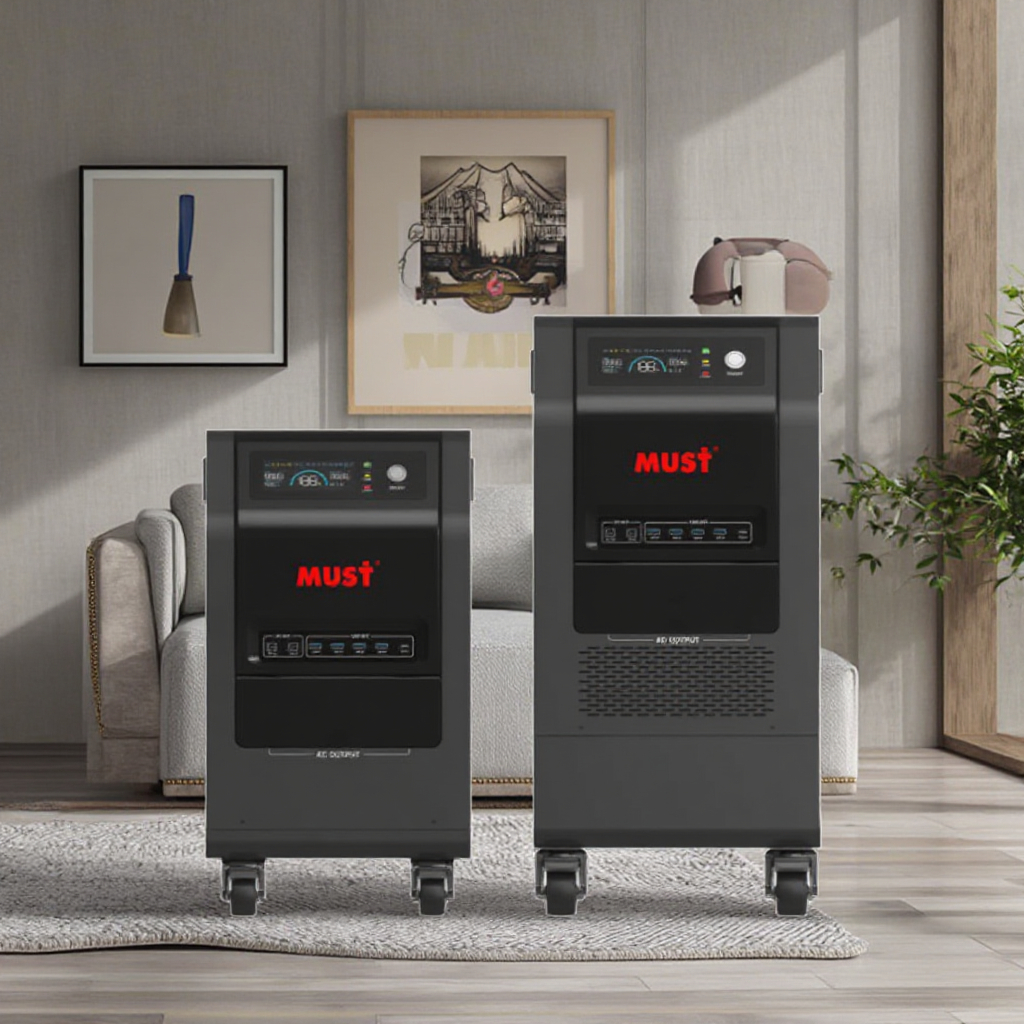
The agricultural and seafood export logistics surrounding Sapporo require precise climate control. A single power interruption in cold-storage warehouses can lead to catastrophic inventory loss. High-capacity stacked 10kWh to 30kWh battery banks paired with 3-phase hybrid power conversion systems deliver stable three-phase AC output, driving heavy compressor motors and cold-chain monitoring apparatus during localized grid islanding events.
Scenario C: Municipal Facilities & Mobile Emergency Disaster Response
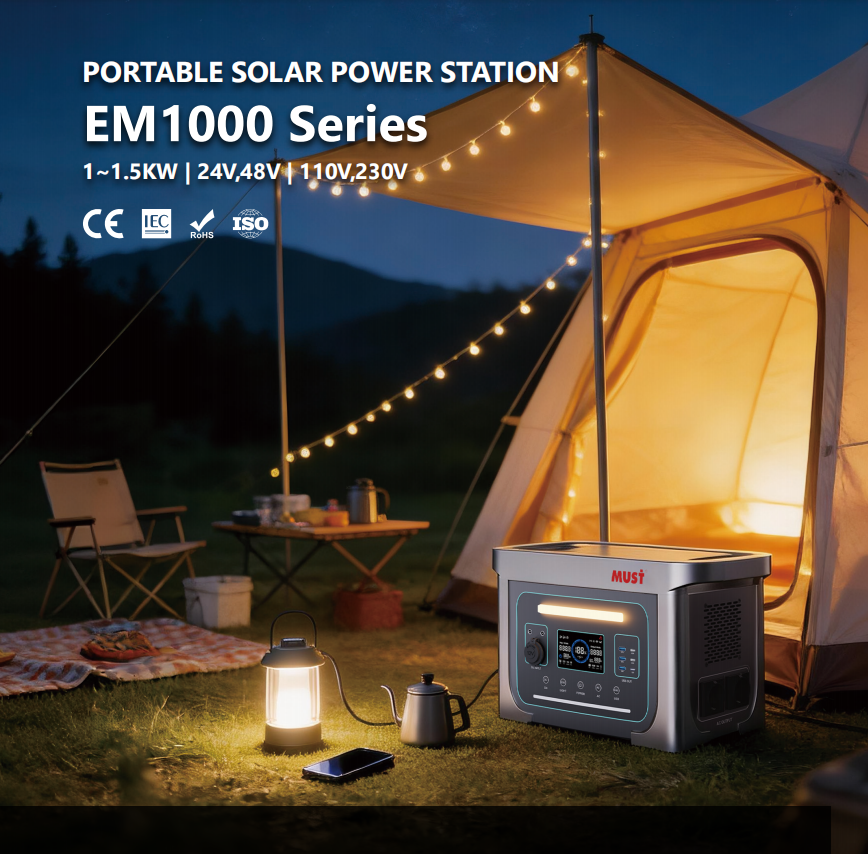
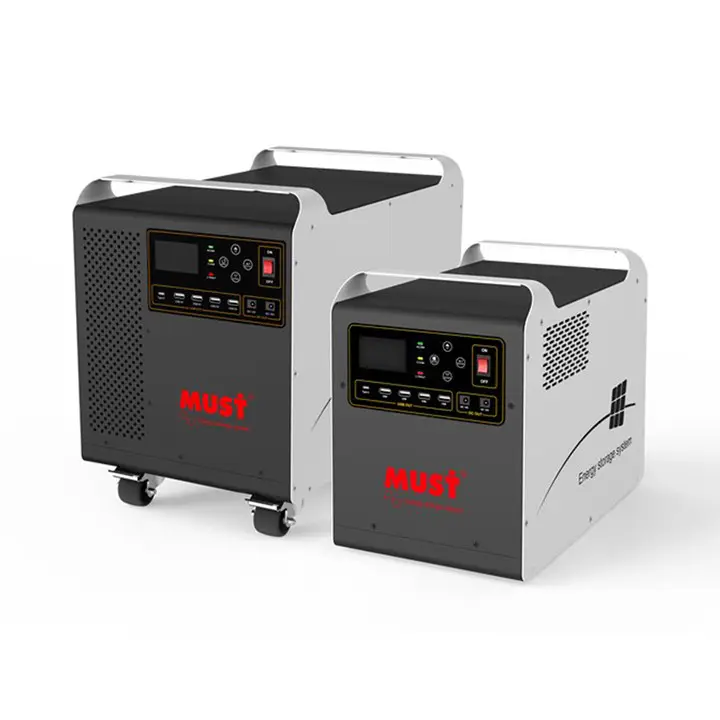
Disaster evacuation centers in Sapporo require rapidly deployable, zero-emission mobile power stations. Portable power stations ranging from 1000W to 5000W output with high-voltage PV solar inputs allow disaster response teams to run medical refrigeration, satellite equipment, and emergency lighting without relying on volatile diesel logistics during severe snow blockage events.
2. Strategic Localized Trends: The "Zero Carbon Hokkaido" Transformation
The Hokkaido Regional Development Bureau and Sapporo Municipal Government have accelerated the "Zero Carbon Sapporo 2050" initiative. This macro-environmental policy mandating carbon neutrality has triggered a rapid transition across local infrastructure. Importers and procurement agencies serving Hokkaido are witnessing three distinct market shifts:
1. Phasing Out Fossil Fuel Generators for Zero-Emission LiFePO4 Systems
Traditionally, small businesses and residential homeowners in Sapporo relied on kerosene or gasoline portable generators for backup. However, strict indoor air quality regulations during snow-sealed winter months, fuel degradation during storage, and noise complaints have turned the market toward zero-emission LiFePO4 energy storage systems. High-capacity 3000Wh to 5000W portable power stations and IP65-rated wall-mounted batteries provide a clean, silent alternative that can be stored indoors safely.
2. Transition to High PV Voltage String Inverters
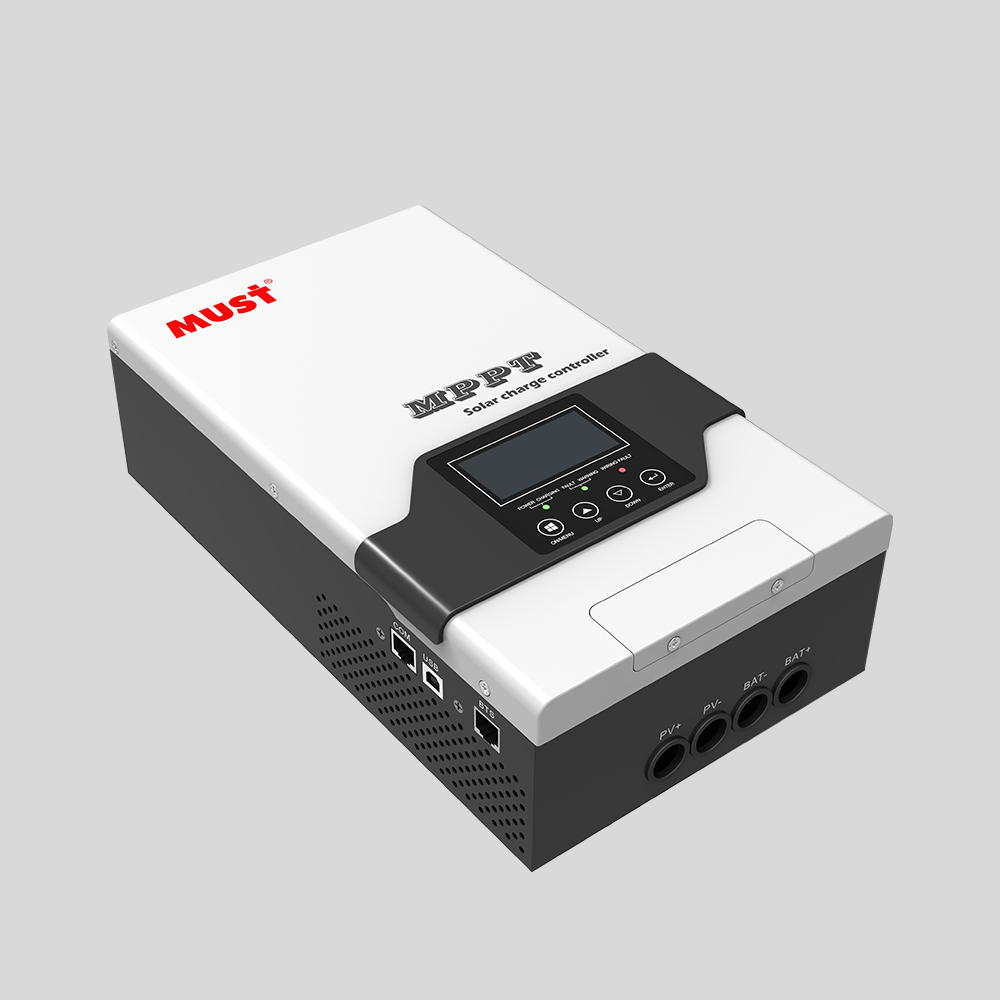
Due to low winter sun angles and reduced solar irradiance hours in Hokkaido, solar arrays are installed at steep 45° tilt angles or integrated into vertical facades. To maximize energy yield from limited irradiance, local installers favor hybrid inverters with high PV input ranges (up to 450V DC - 500V DC). Systems like the PH1800/PV1800 series support longer solar panel strings, reducing wiring losses and increasing morning/evening PV energy capture efficiency.
3. Virtual Power Plant (VPP) & Smart Microgrid Readiness
As Hokkaido increases its wind power penetration along coastal areas, grid frequency stabilization has become a major challenge for Hokkaido Electric Power (HEPCO). Modern battery backup supplies deployed in Sapporo are increasingly integrated into localized Virtual Power Plants (VPPs). CJH Energy's batteries feature open CAN/RS485 communication protocols, allowing third-party Energy Management Systems (EMS) to execute automated demand-response commands, discharging stored battery power into domestic loads during peak grid demand hours.
Manufacturer Capabilities: Why Global Importers Partner with CJH Energy
Factory-direct engineering excellence, rigorous quality management systems, and deep OEM/ODM flexibility backed by international certifications.
TÜV Rheinland On-Site Verified Facility
Our expansive 31,056 square-meter production facility employs 1,109 skilled personnel across automated SMT lines, lithium pack assembly stations, and long-duration burn-in aging rooms. Every facility process undergoes independent third-party audit by TÜV Rheinland for verified manufacturing authenticity.
Comprehensive ISO Management Standards
Operating under certified ISO 9001 (Quality Management System), ISO 14001 (Environmental Management System), and ISO 45001 (Occupational Health & Safety) frameworks, our factory ensures traceable component sourcing, strict ESD protection, and 100% full-load testing prior to export packing.
Dedicated R&D Department with 80+ Engineers
With over two decades of power electronics innovation and national invention patents, our engineering team provides complete hardware, firmware, and enclosure customization. We specialize in matching Japanese grid frequency requirements (50Hz), custom LCD language interfaces, and specific inverter BMS handshake protocols.
Scalable 600,000 Unit Annual Output
From 1kW compact portable power stations to multi-megawatt commercial containerized ESS solutions, our 10+ core product categories deliver high production bandwidth, guaranteeing stable delivery lead times and competitive pricing for volume wholesale contracts.
Sapporo B2B Procurement FAQ: Technical & Logistics Insights
Direct engineering answers to common technical queries raised by Japanese importers, electrical contractors, and energy storage buyers.
Our cold-climate energy storage series integrates an advanced Smart BMS paired with optional internal PTC thermal heating elements. When ambient temperatures drop below 0°C, incoming PV or grid power is diverted to gently warm the battery cells up to safe operational levels (5°C to 10°C) before initiating the charge cycle. This completely eliminates lithium plating risks and ensures full nominal capacity retention even when installed in unheated garages or utility rooms across Hokkaido.
Yes. All our off-grid, hybrid, and pure sine wave power inverters feature software-selectable output frequencies (50Hz/60Hz) and pure sine wave AC output (<3% THD). For the Sapporo and Hokkaido markets, units are factory-preset to 50Hz with precise voltage regulation (220V/230V single phase or 380V/400V three phase), preventing harmonic disruption or timing issues in sensitive Japanese home electronics and industrial motor drives.
Absolutely. Our LP16 and server-rack lithium battery series are pre-programmed with extensive RS485 and CAN communication protocol libraries. They feature plug-and-play handshaking capability with leading hybrid inverters on the market. Furthermore, our R&D team can customize communication firmware to match proprietary protocols for local Japanese OEM partners upon request.
Our premium wall-mounted and rack-mounted LiFePO4 cells are rated for over 6,000 deep charge/discharge cycles at 80% Depth of Discharge (DoD) under standard operating temperatures (25°C). In typical daily residential usage, this translates to a functional design lifespan exceeding 15 years. We back our products with comprehensive factory warranties and provide direct engineering technical support to local distributors.
We provide complete OEM/ODM solutions tailored for regional brands. Customization scope includes silkscreen brand logos, custom-painted metal chassis enclosures, localized user manuals, custom LCD startup screens, specific AC input/output voltage calibration, and specialized battery container packaging optimized for maritime container shipping to the Port of Tomakomai or Port of Ishikari-Wan-Shinko.
Partner with a World-Class Energy Storage Manufacturer
Whether you are establishing a localized distribution channel in Sapporo or require custom OEM/ODM hybrid battery backup systems engineered for Hokkaido's winter conditions, our senior engineering team is ready to assist.
