Industrial Solar & Lithium Battery Procurement Matrix
Direct factory supply of certified residential wall-mounted, high-voltage stackable tower, server rack, solid-state, and mobile solar storage systems engineered for global distributors and turnkey project installers.
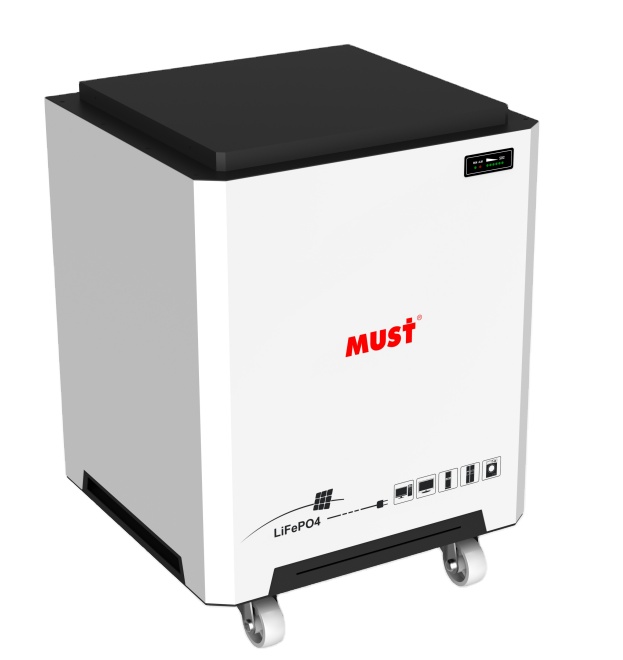
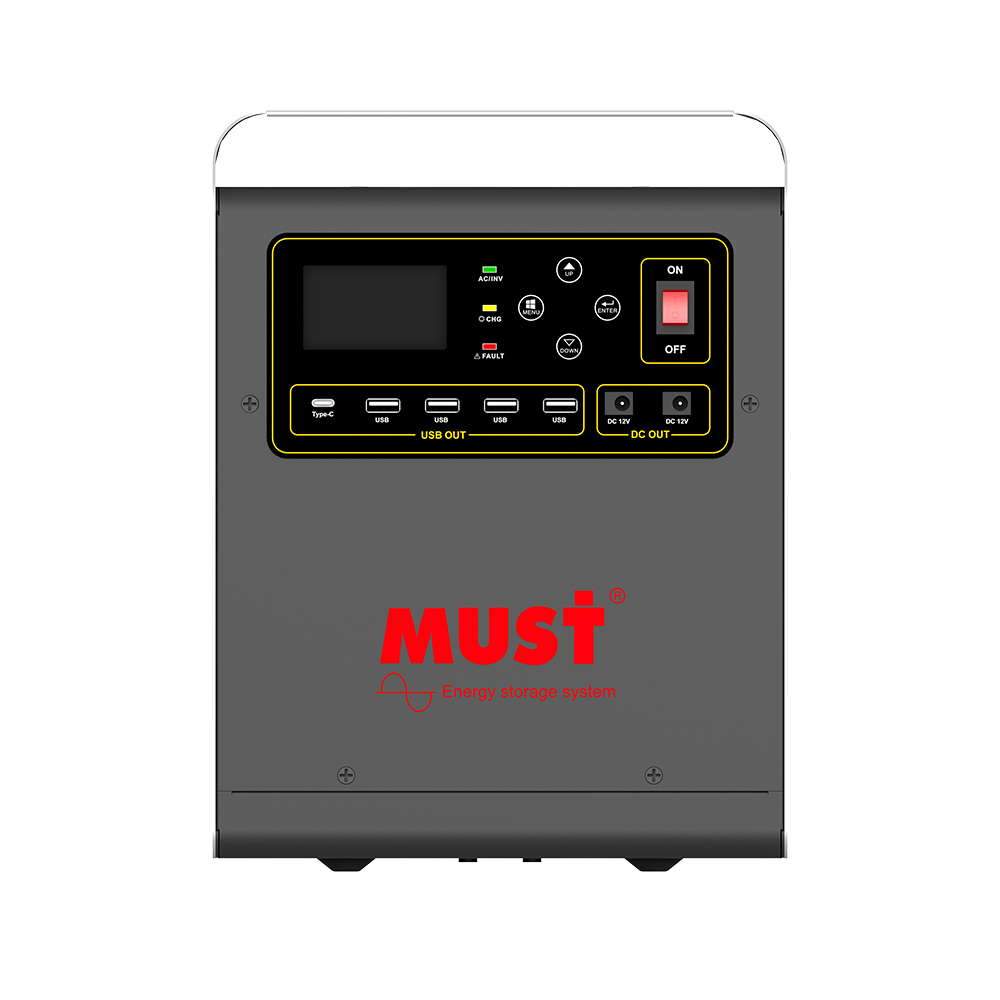
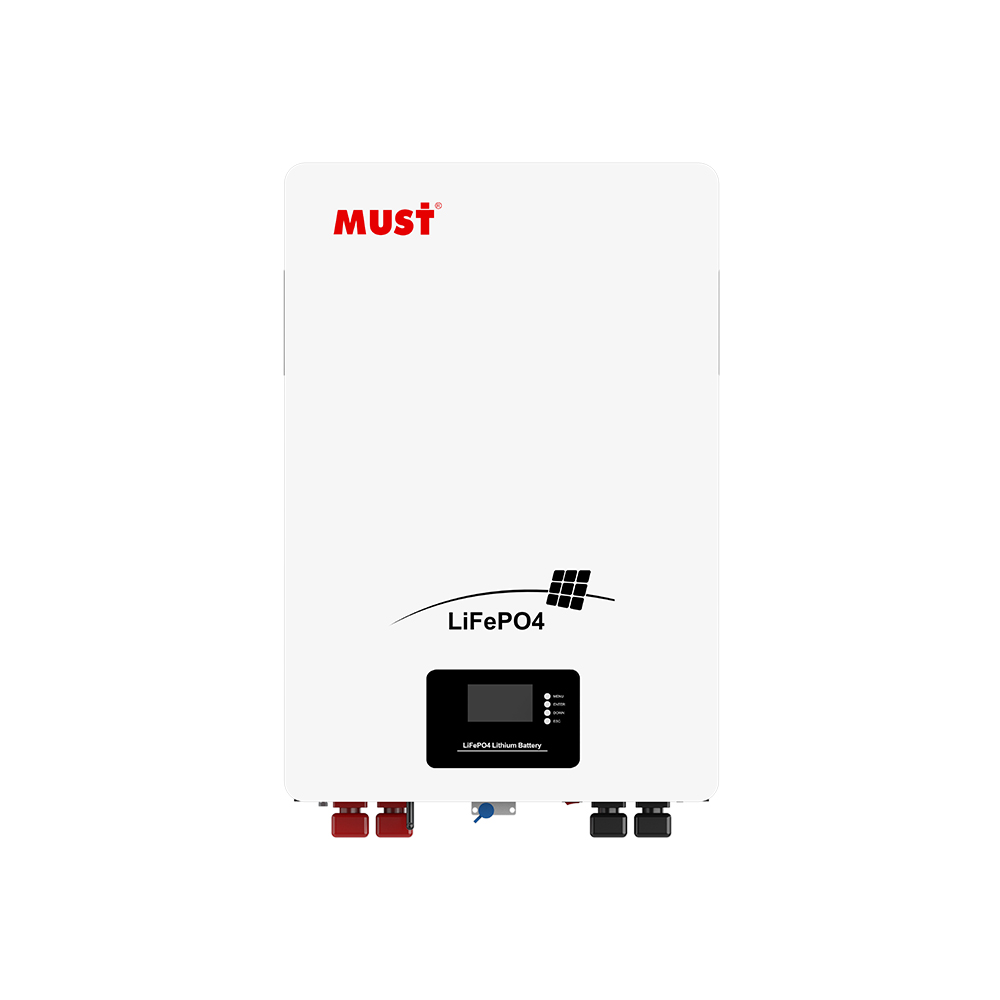
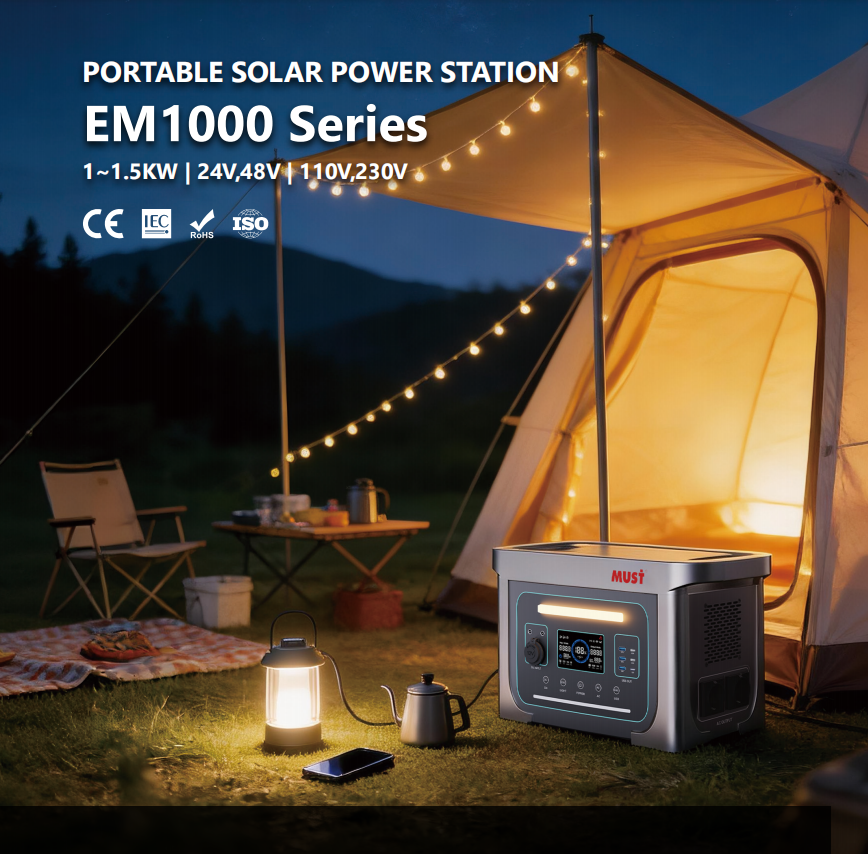

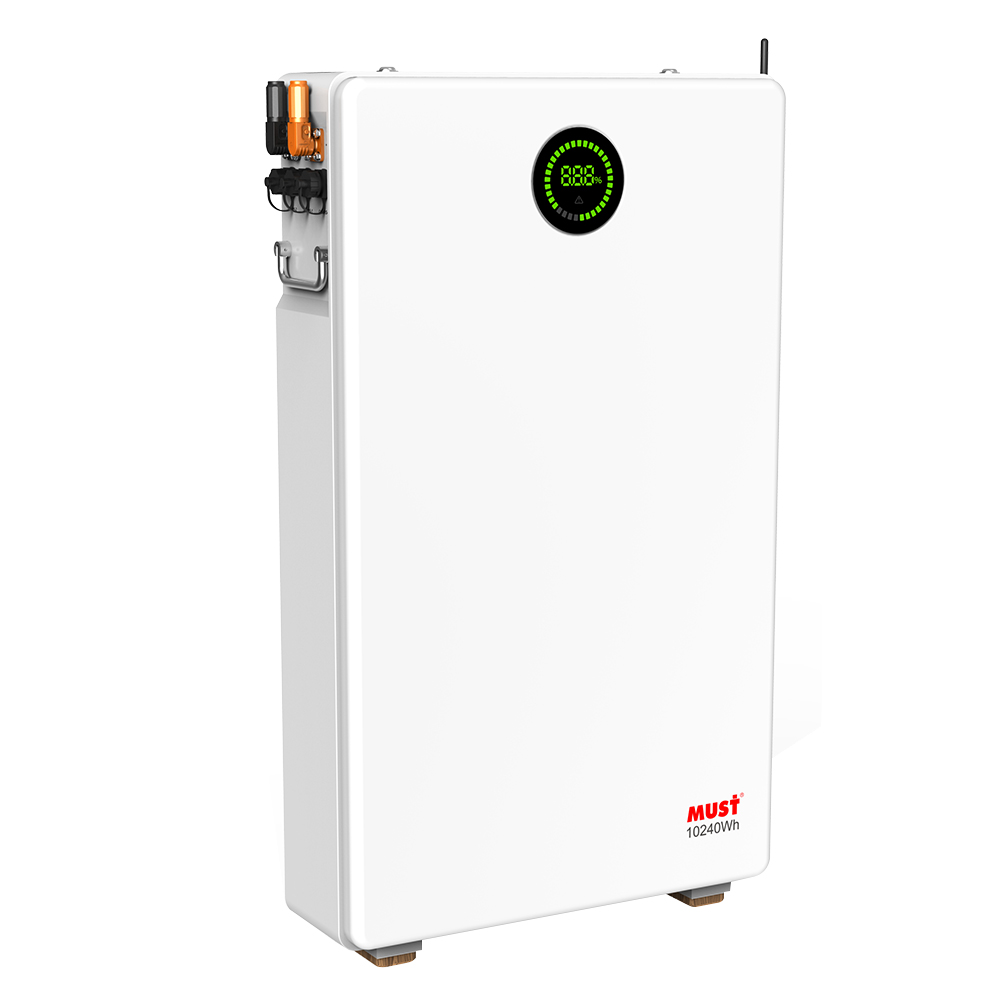
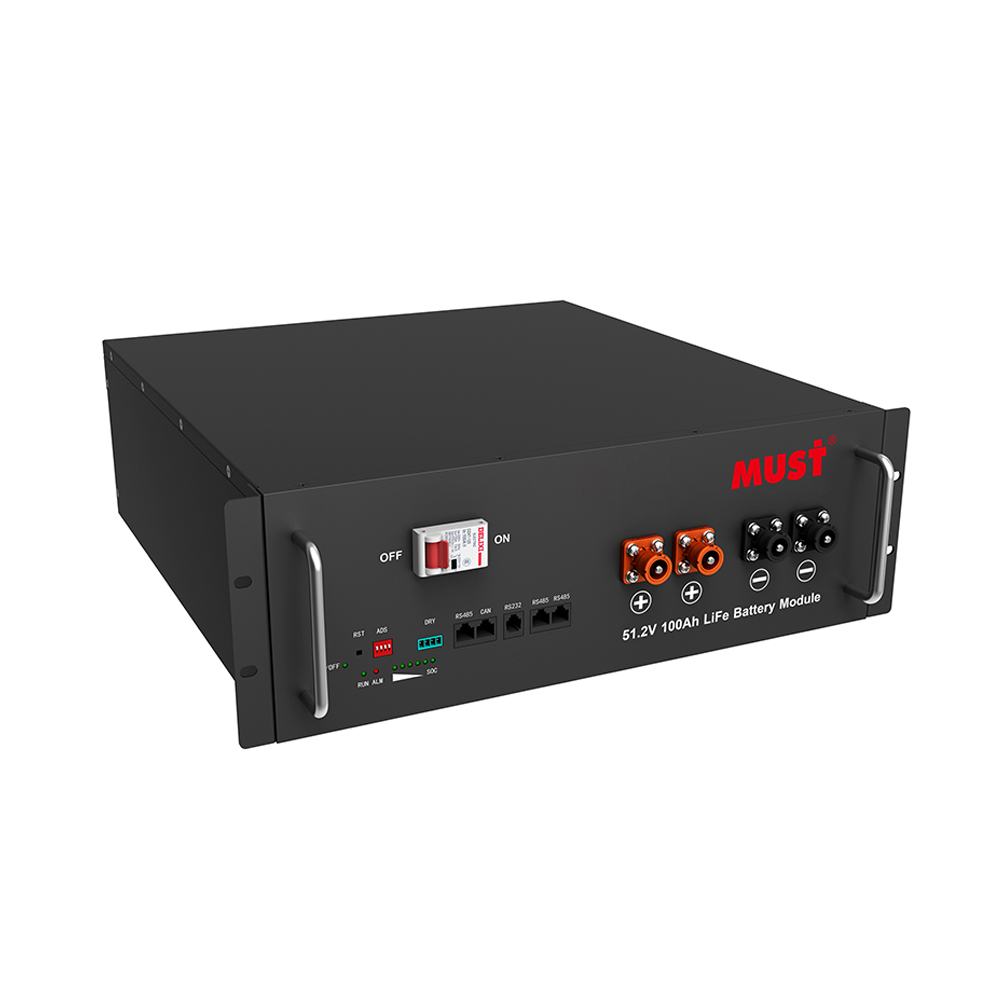
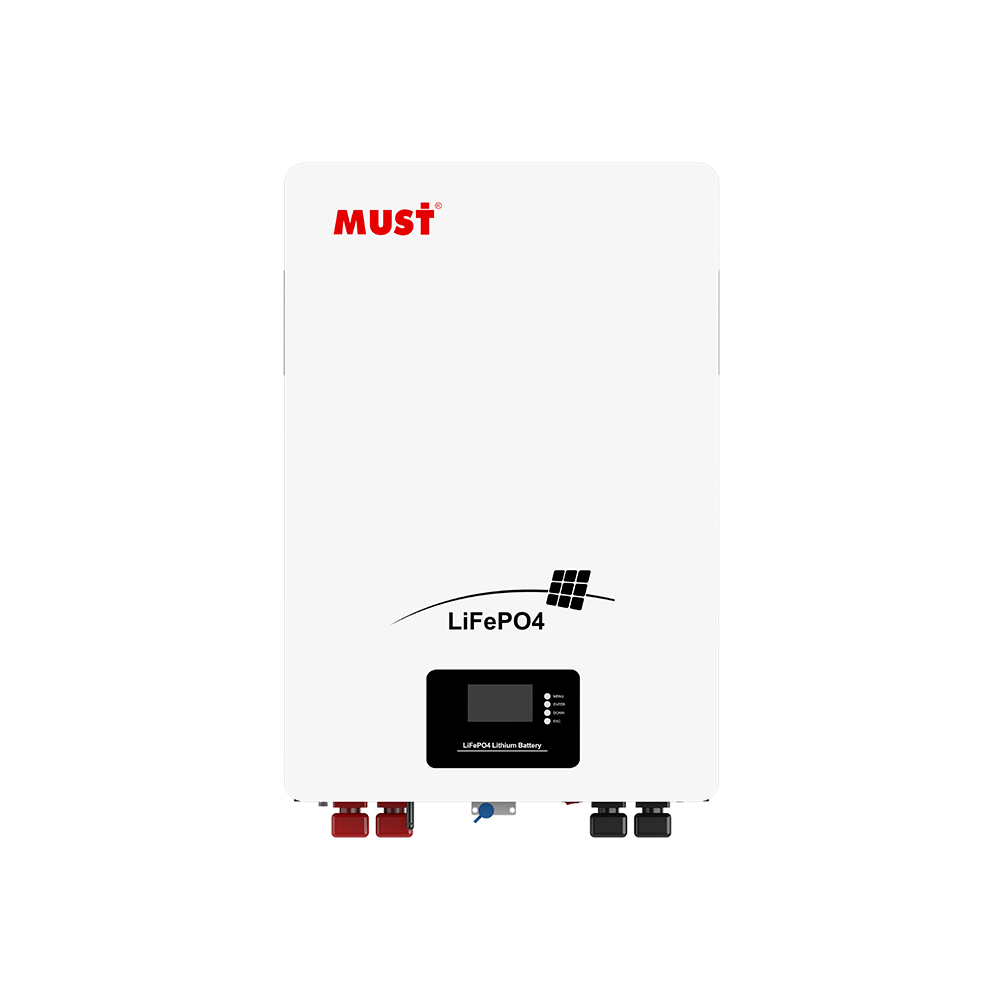
1. Executive Sourcing Report: Navigating the Global Solar Lithium Supply Chain
The acceleration of global microgrid deployment, combined with escalating utility grid instability across Africa, Europe, and Latin America, has elevated high-performance Lithium Iron Phosphate (LiFePO4) energy storage systems from optional infrastructure to critical base-load assets. When evaluating top trusted solar lithium battery manufacturers and suppliers, wholesale importers and EPC engineering firms must move beyond basic price-per-kilowatt-hour ($/kWh) metrics to perform deep technical audits of cell grading, battery management system (BMS) control topologies, and hardware thermal dissipation dynamics.
A primary differentiator between Tier-1 industrial manufacturers and tier-3 repackagers lies in cell quality consistency and internal impedance sorting. Leading OEM manufacturers exclusively source EV-grade, EV-certified prismatic LiFePO4 cells (such as BYD or CATL chemistries) featuring initial internal resistance below 0.5mΩ. These cells undergo rigorous laser-welding, automated capacity matching within a strict 0.5% tolerance window, and automated cell-balancing testing prior to module casing. Lower-tier suppliers frequently utilize Grade-B or repurposed EV cells, which exhibit rapid thermal divergence, capacity degradation, and BMS cut-off trips within 1,200 to 1,800 charge cycles.
Furthermore, communication interoperability forms the core of modern hybrid solar systems. Advanced lithium battery architectures incorporate multiprotocol hardware interfaces supporting auto-detecting CAN Bus 2.0B, RS485, and RS232 protocols. This guarantees seamless closed-loop communication with global hybrid and off-grid inverter platforms, including CJH Energy, MUST, Victron Energy, Deye, Growatt, Voltronic, and Luxpower. Closed-loop BMS parameter tuning dynamically adjusts charging voltage and current profiles based on real-time cell temperatures, mitigating lithium plating during low-temperature charging and preventing over-voltage stress during high-energy PV surges.
2. Technical Benchmark: LiFePO4 vs. Legacy & Emerging Battery Chemistries
To provide actionable information gain for engineering buyers, the matrix below details the empirical performance characteristics across current commercial solar storage chemistries under standard industrial operating parameters (25°C, 0.5C Charge/Discharge rate):
| Performance Metric | Class-A Prismatic LiFePO4 | Solid-State LiFePO4 | NMC (Nickel Manganese Cobalt) | Legacy Deep Cycle Gel/AGM |
|---|---|---|---|---|
| Nominal Energy Density | 160 - 180 Wh/kg | 220 - 260 Wh/kg | 200 - 250 Wh/kg | 35 - 50 Wh/kg |
| Cycle Life (80% DOD, 25°C) | 6,000 - 8,000 Cycles | 8,000 - 10,000 Cycles | 2,000 - 3,000 Cycles | 500 - 1,200 Cycles |
| Thermal Runaway Temp | > 270°C (Highly Stable) | > 350°C (Extremely Safe) | ~ 210°C (Risk of Fire) | N/A (Gassing Risk) |
| Recommended C-Rate | 0.5C Continuous / 1C Peak | 1C Continuous / 2C Peak | 0.5C Continuous / 1C Peak | 0.1C - 0.2C Maximum |
| Communication Protocol | Integrated CAN / RS485 / WiFi | Smart Cloud BMS + Dual CAN | CAN / RS485 Interface | None (Passive Voltage) |
| Operating Temp Range | -20°C to +60°C | -30°C to +65°C | -10°C to +50°C | -15°C to +40°C |
3. Manufacturing Standards & OEM Industrial Competence
Choosing a reliable solar lithium battery manufacturer requires verifying complete end-to-end production governance. Operating out of a state-of-the-art 31,056 m² industrial complex backed by over 1,109 skilled personnel, our enterprise integrates vertically from initial PCB firmware design to high-precision automatic spot welding, cell sorting, aging testing, and final IP65 enclosure assembly.
TÜV Rheinland Audited Quality
Verified on-site by TÜV Rheinland. Fully compliant with international quality, environmental, and occupational safety systems including ISO 9001, ISO 14001, and ISO 45001 standards.
80+ R&D System Engineers
Dedicated engineering teams managing hardware circuit layouts, embedded firmware algorithm creation, CAN/RS485 inverter protocol matching, and customized structural industrial design.
Global Hubs & Logistics Support
Direct local presence with subsidiary support offices and bonded fulfillment warehouses in Poland (Warsaw hub serving EU markets), South Africa, Dubai, and Egypt for fast delivery and spare parts support.
Every batch of manufactured lithium battery packs undergoes 100% full-capacity automated charge-discharge cycling, high-voltage insulation testing, and thermal imaging checks under continuous load. By maintaining zero-tolerance quality assurance protocols, our annual output exceeds 600,000 units across off-grid solar inverters, MPPT controllers, wall-mounted energy storage units, server rack batteries, and portable solar stations.
4. Future Sourcing Trends in Solar Lithium Storage Technology
As the renewable energy market transitions into its next decade, procurement officers and commercial buyers must adapt to four transformative technological shifts defining solar energy storage manufacturing:
- 1. Commercialization of Solid-State LiFePO4 Batteries: Solid-state electrolytes eliminate flammable organic solvents, dramatically reducing fire risks while increasing gravimetric energy density to over 240 Wh/kg. Models like the LP16-48200 solid-state series set new industry standards for extreme durability (6,000 to 10,000 cycles) and thermal stability in high-ambient environments.
- 2. High-Voltage Stackable Architectural Dominance: Low-voltage (48V/51.2V) systems remain dominant in residential off-grid applications. However, high-voltage (HV) tower configurations (ranging from 192V to 409V+) are quickly capturing market share in medium commercial and large residential installs. HV systems reduce transmission currents, lowering cable heat losses by up to 30% and maximizing inverter round-trip conversion efficiency above 97.5%.
- 3. Smart BMS with AI-Powered Cloud Diagnostics & IoT Integration: Modern energy storage is no longer a passive chemical container. Next-generation lithium packs incorporate integrated 4G/WiFi IoT modules that stream real-time cell voltage, temperature coefficient, state-of-charge (SOC), and state-of-health (SOH) data to cloud platforms, enabling predictive maintenance prior to cell failure.
- 4. Sodium-Ion Hybrid Systems as Low-Temperature Alternatives: While LiFePO4 remains the premier choice for stationary storage, sodium-ion technology is emerging as a complementary chemistry for extreme cold climates (-30°C to 0°C), where traditional lithium batteries require energy-intensive internal heating elements.
5. Comprehensive Engineering & Selection Criteria for Procurement Managers
To optimize financial return on investment (ROI) and minimize warranty liability in field installations, technical sourcing teams must audit four vital system engineering parameters during supplier evaluation:
A. Active Balancing vs. Passive Balancing BMS: Passive balancing dissipates excess energy as heat through resistors during the final stage of charging, wasting power and limited to balance currents of 30mA to 100mA. In contrast, Smart Active Balancing BMS transfers charge dynamically from higher-voltage cells to lower-voltage cells across the entire cycle at currents up to 2A to 5A. This extends practical pack service life by 20% to 30% and prevents premature pack shutdown caused by single-cell voltage variance.
B. Enclosure Thermal Management & Ingress Protection (IP Ratings): Outdoor battery installations in harsh tropical or coastal climates demand rigorous environmental shielding. Wall-mounted units should feature certified IP65 waterproof enclosures with integrated anti-condensation valves, heavy-duty powder-coated aluminum casings, and dedicated aluminum heatsink cooling fins to keep internal cell temperatures under 45°C during continuous 1C operation.
C. Modular Scalability & Expansion Limits: Residential energy requirements grow over time. System architecture must support parallel connection of at least 15 battery modules on a single communication bus without requiring external hub controls. Ensure the supplier provides automated DIP-switch address indexing and auto-synchronizing master-slave BMS control logic.
Frequently Asked Technical & Procurement Questions
Direct answers to critical questions asked by global distributors, solar system integrators, and OEM buyers before placing factory orders.
Accelerate Your Commercial Solar Supply Chain Today
Partner directly with a TÜV Rheinland-audited OEM manufacturer. Contact our senior application engineering team to request factory direct pricing, full technical whitepapers, engineering drawings, and complete product catalogs.
