Factory-Direct Energy Storage & Conversion Portfolio
Precision-Engineered MPPT Inverters, LiFePO4 Energy Banks, and Off-Grid Controllers
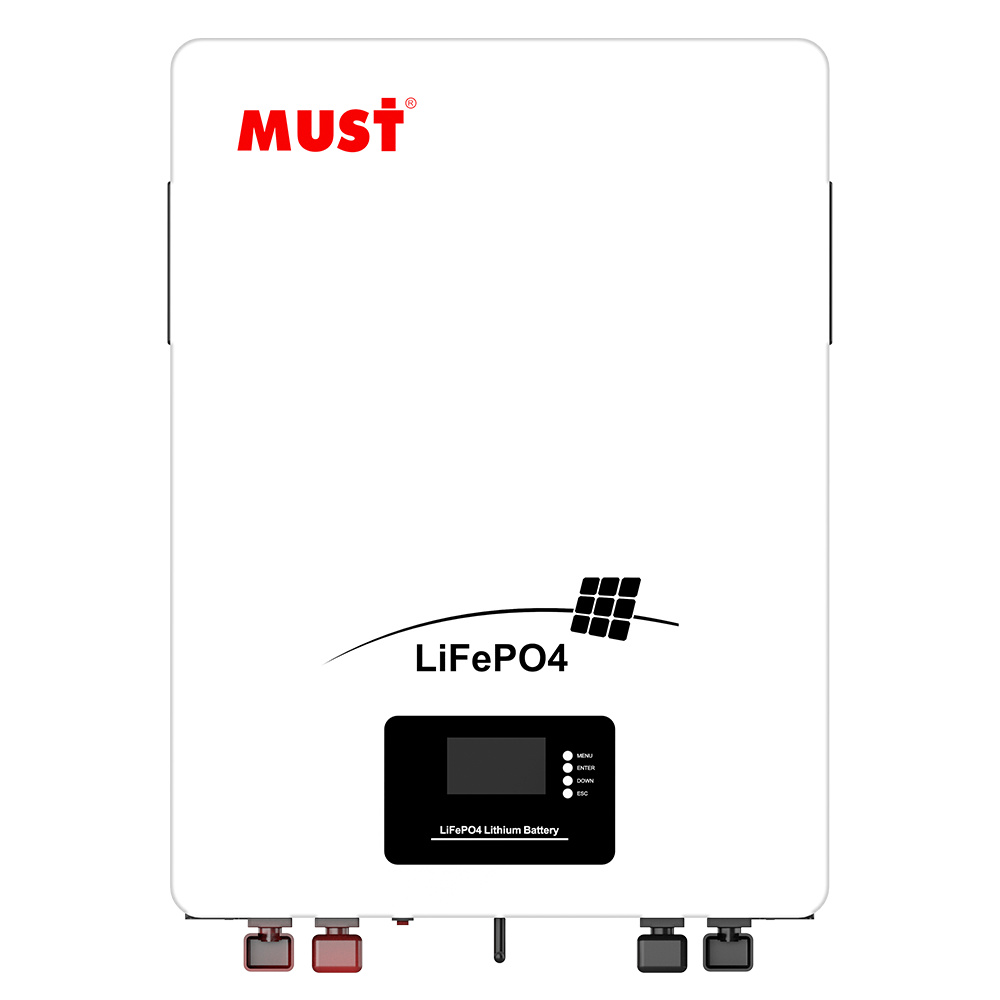
IP65 48V 100Ah 10kWh LiFePO4 Powerwall Battery with CAN Port
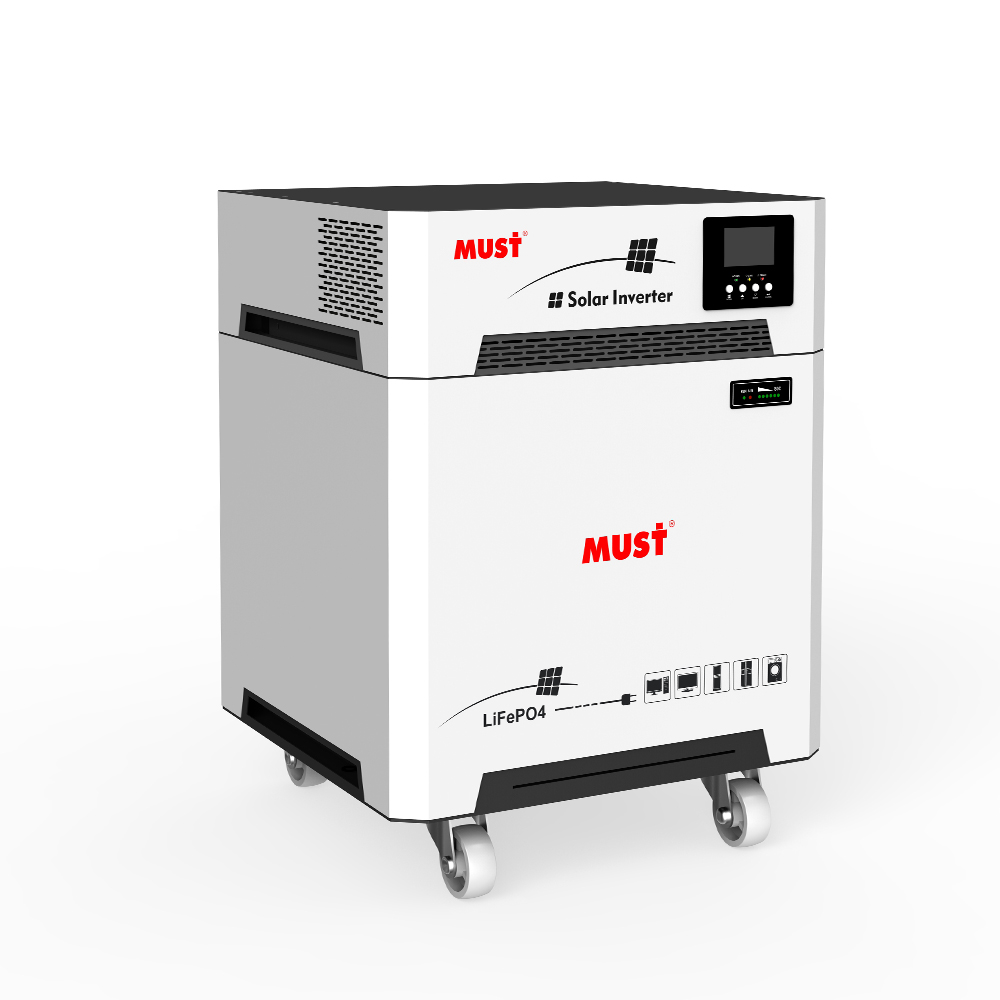
MUST Outdoor Solar Power Station 1KW-3KW Built-in Lithium Storage
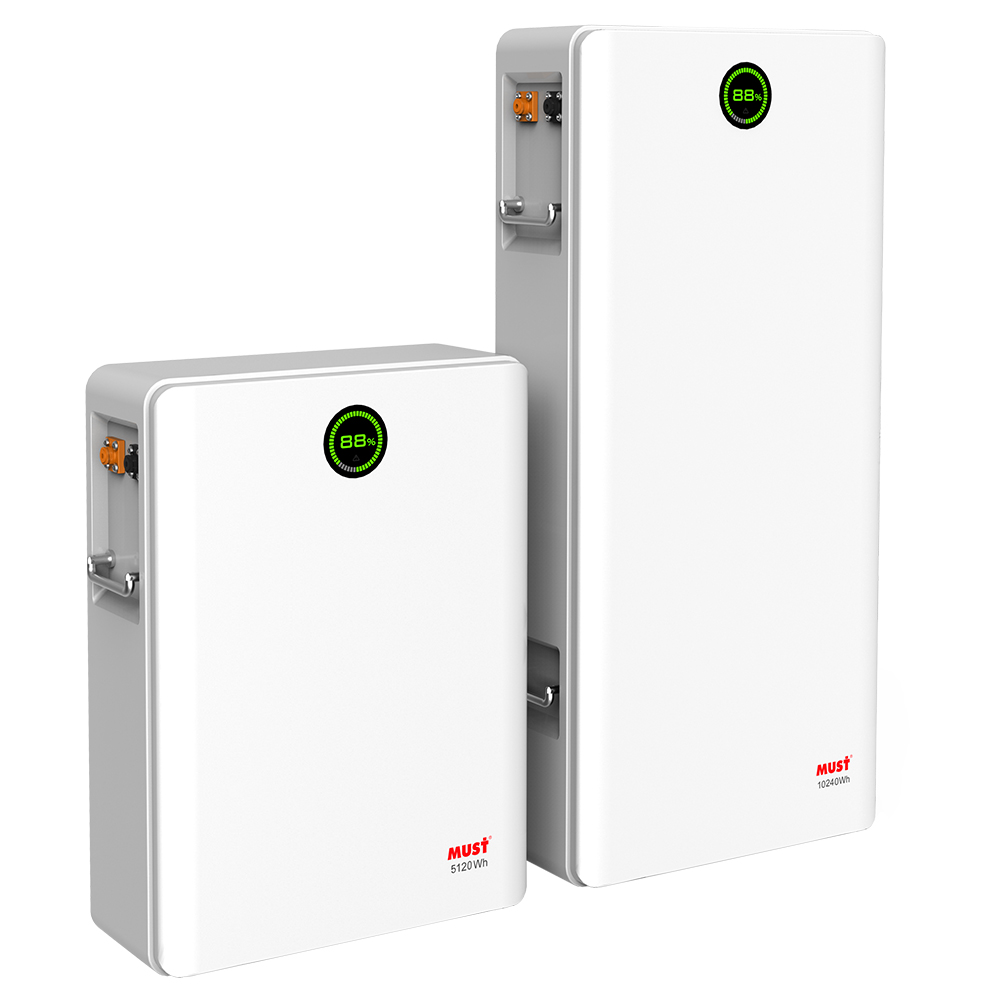
Poland LP28 48V 5.12kWh LiFePO4 Battery Wall Mount (Parallel IP65)
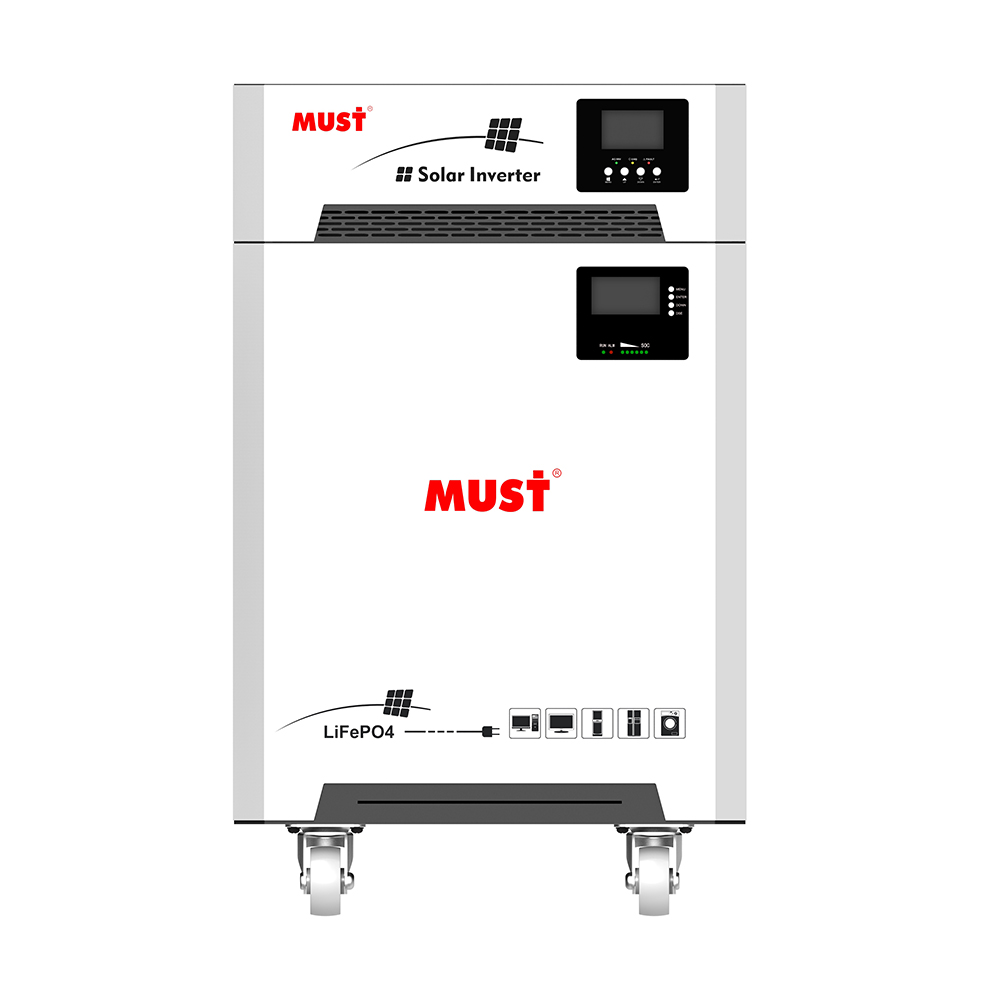
48V 250Ah LiFePO4 System with 5KW Hybrid MPPT Solar Inverter

10kWh 48V 200Ah 3-in-1 Wall/Stacked/Rack LiFePO4 Battery

HBP19 Series All-in-One Wall Mounted Storage (3.5KW-5.5KW)

24V Modular LiFePO4 100Ah/200Ah Bank UN38.3/CE Certified
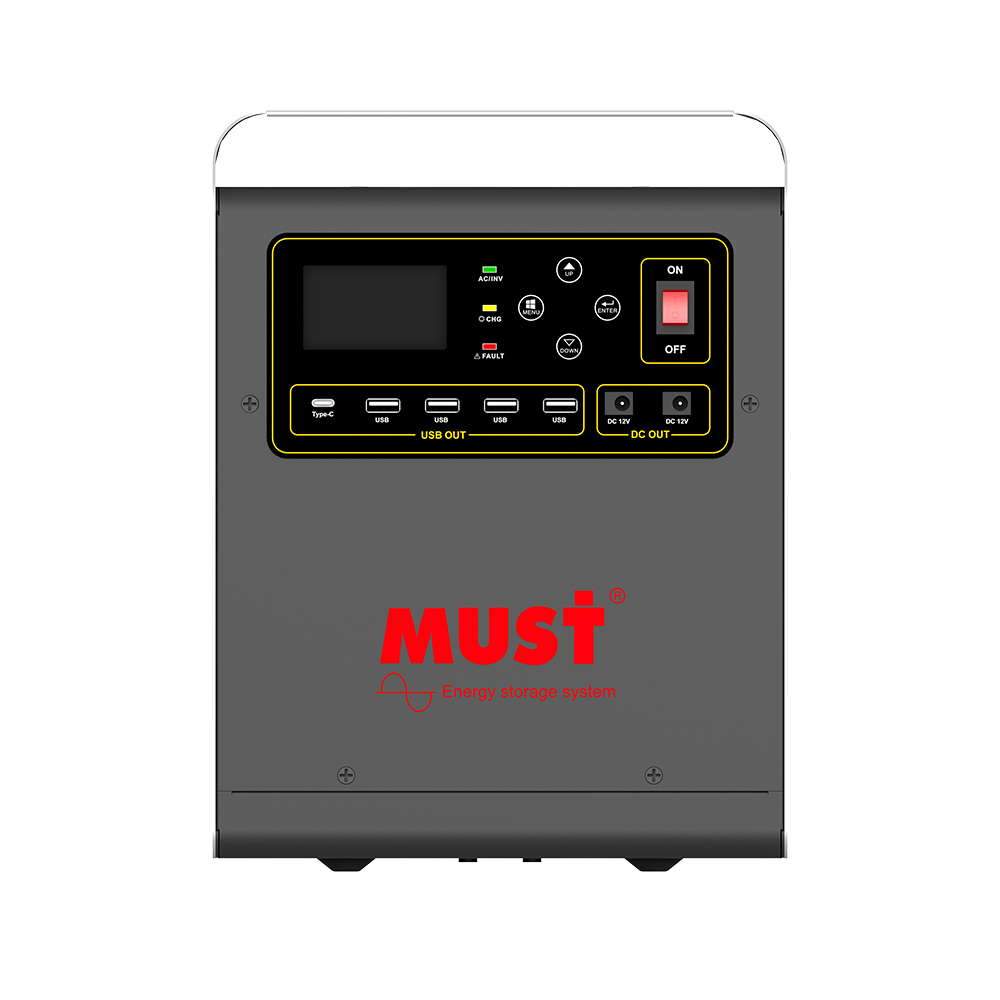
1KW Portable Power Station 1KWH LiFePO4 + Integrated MPPT
1. The Technical Architecture of Top Trusted MPPT Charge Controller Manufacturers
Maximum Power Point Tracking (MPPT) represents the gold standard in photovoltaic (PV) power harvesting. In modern off-grid, microgrid, and commercial solar-plus-storage topologies, the MPPT charge controller operates as the digital power brain. Unlike traditional Pulse Width Modulation (PWM) controllers that force the solar array voltage down to match the battery voltage—resulting in massive power losses ranging from 20% to 45%—a high-efficiency MPPT charge controller utilizes a fast DC-to-DC converter topology to extract the absolute maximum power regardless of solar irradiance, ambient temperature, or shading variance.
When engineering high-reliability solar projects, tier-1 system integrators analyze several core metrics when selecting top trusted MPPT charge controller manufacturers:
Dynamic Tracking Efficiency (>99.5%)
Advanced Perturb and Observe (P&O) combined with Incremental Conductance algorithms ensure sub-second locking onto the true global maximum power point, even during rapidly changing cloud cover.
Ultra-Wide PV Array Voltage Support
Industrial MPPT controllers support open-circuit PV input voltages up to 250V DC or 500V DC, enabling longer panel series strings, smaller cable cross-sections, and vastly reduced balance-of-system (BOS) wiring costs.
Multi-Chemistry Charging Protocols
Native integration with LiFePO4, Ternary Lithium, Sealed Lead-Acid, AGM, and Gel batteries with fully customisable 3-stage charge profiles (Bulk, Absorption, Float) and automated equalize modes.
Information Gain Insight: The shift to high-voltage PV architectures (150V–450V DC) in modern MPPT charge controllers cuts copper losses ($I^2R$) by up to 75% compared to low-voltage controllers. This thermal optimization directly extends internal semiconductor lifespan by reducing ambient heat stress within the controller chassis.
Technical Comparison Matrix: PWM vs standard MPPT vs High-Voltage Industrial MPPT
| Performance Specification | Legacy PWM Controller | Standard MPPT Controller | High-Voltage Industrial MPPT (CJH Energy) |
|---|---|---|---|
| Peak Peak Conversion Efficiency | 75% – 80% | 94% – 97% | 98.5% – 99.2% |
| Max PV Input Voltage (VOC) | V_Battery + 5V | 100V – 150V DC | 150V – 500V DC |
| Tracking Speed / Response | N/A (No Tracking) | 2 to 5 Seconds | < 0.5 Seconds (Ultra-Fast) |
| Lithium BMS Communication | None | Basic RS485 | Dual CAN-Bus / RS485 / RS232 Closed-Loop |
| Thermal Dissipation Structure | Basic Sheet Metal | Extruded Aluminum Fins | Die-Cast Heavy Aluminum IP65 Heat Sink |
| System Scalability | Single Unit Only | Limited Parallel (2-3 Units) | Multi-Unit Parallel up to 16 Units |
2. Enterprise Manufacturing Credibility: Why CJH Energy Tech Leads the Global Market
Sourcing power conversion electronics directly from a verified OEM manufacturer is critical for electrical wholesalers, solar installers, and EPC engineering firms. CJH Energy (guangdong) Tech Co., Ltd. stands as a premier manufacturer of off-grid and hybrid solar inverters, MPPT solar charge controllers, UPS systems, and LiFePO4 energy storage packs.
Operating out of a state-of-the-art 31,056 m² manufacturing facility powered by over 1,109 dedicated professionals and 80+ senior R&D power electronics engineers, CJH Energy maintains an annual production capacity exceeding 600,000 units across 10 distinct product categories.
Third-Party Audited Quality Systems
Fully compliant with ISO 9001, ISO 14001, and ISO 45001 standards. Factory premises and quality assurance workflows are verified on-site by TÜV Rheinland.
Extensive OEM / ODM Customization
Full-spectrum custom design capability: from customized enclosure colors, custom LCD UI parameters, unique branding logos, to custom firmware for regional grid codes and specific BMS protocols.
Global Technical Support Infrastructure
Direct localized support hubs in Poland (Warsaw serving Europe), South Africa, Dubai, and Egypt ensure immediate spare parts dispatch, localized warranty handling, and rapid engineering assistance.
3. Global Market Dynamics & Procurement Trends for MPPT Charge Controllers (2025–2030)
As the global renewable energy ecosystem shifts from standalone solar systems toward integrated residential and industrial Energy Storage Systems (ESS), procurement managers must align their supply chains with next-generation technological standards. Understanding the macro market shifts allows B2B buyers to select manufacturers with forward-compatible product roadmaps.
Key Market Driving Trends shaping MPPT and Inverter Manufacturing:
1. Closed-Loop Battery Management System (BMS) Integration: The days of unmonitored voltage-based lead-acid charging are numbered. Modern solar projects demand intelligent digital handshakes between the MPPT controller/inverter and the LiFePO4 battery pack via CAN 2.0B or RS485 protocol. This prevents overcharging, thermal runaway, cell imbalance, and sub-zero temperature degradation by auto-adjusting charge currents according to exact cell data.
2. Adoption of Wide-Bandgap Semiconductors (GaN & SiC): Top trusted MPPT charge controller manufacturers are integrating Silicon Carbide (SiC) MOSFETs and Gallium Nitride (GaN) switching components into their power stages. Switching frequencies are pushed beyond 100 kHz, allowing magnetics (inductors/transformers) to shrink by 40% while raising overall thermal survival thresholds.
3. High PV Voltage String Topologies: Micro-commercial installations and off-grid mini-grids are rapidly standardizing on 300V to 500V DC input solar arrays. Higher string voltages allow installer teams to connect 8 to 12 solar panels in series without requiring expensive combiner boxes or thick 10mm² copper cables. This dramatically slashes total installation labor and system costs.
4. All-in-One Energy Storage Convergence: The market is consolidating separate components (MPPT Controller + Pure Sine Wave Inverter + AC Charger + Lithium Battery Pack) into unified, IP65-rated wall-mounted or stacked power walls. Systems like the CJH HBP19 Series and LP28 Series represent this exact trend—offering plug-and-play installation for global households.
4. Frequently Asked Questions (FAQ) for B2B Procurement Managers
Essential engineering and logistical answers for distributors, OEMs, and project buyers evaluating MPPT and lithium battery systems.
Partner with a Certified MPPT & Energy Storage Manufacturer
Expand your distribution network with high-efficiency MPPT controllers, off-grid inverters, and certified LiFePO4 battery banks built in our 31,056 m² facility.
Get a Quote