Factory Direct Product Catalog
Verified B2B Solar Inverters, MPPT Controllers, and High-Density LiFePO4 Battery Systems for Global Wholesalers
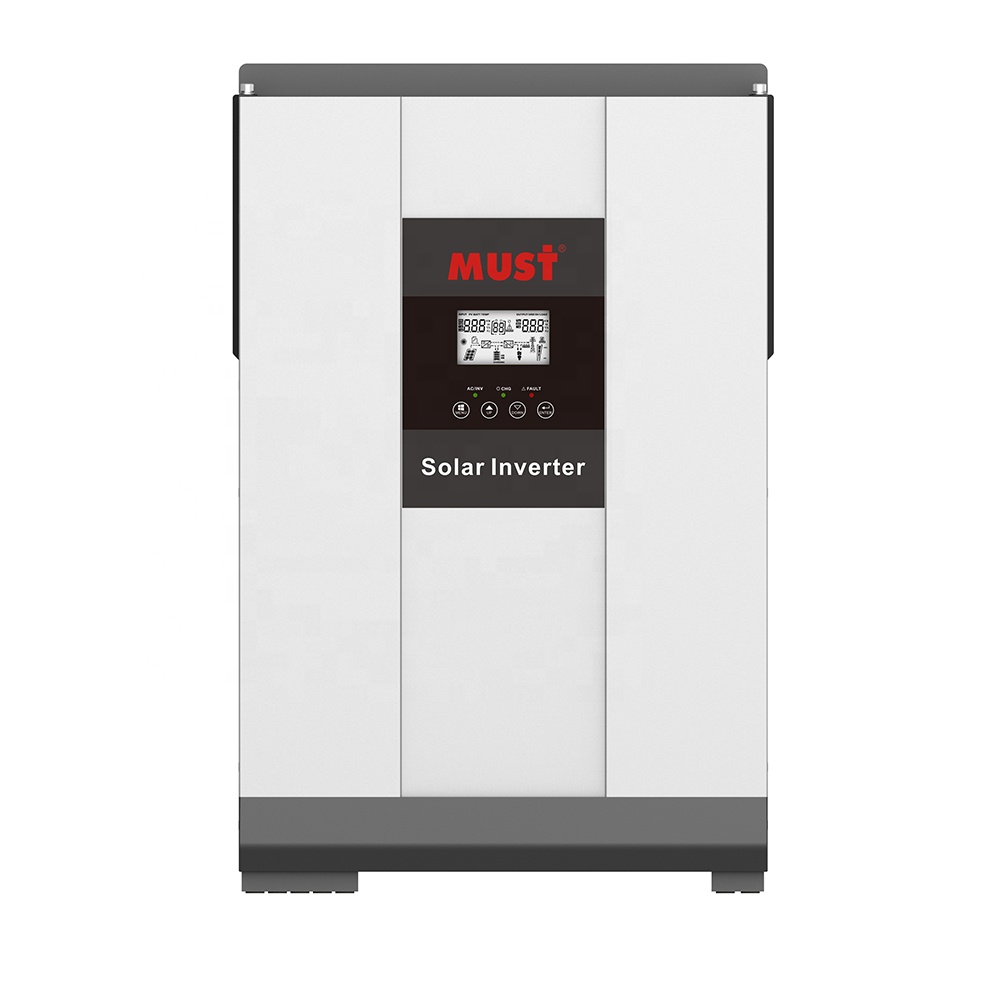
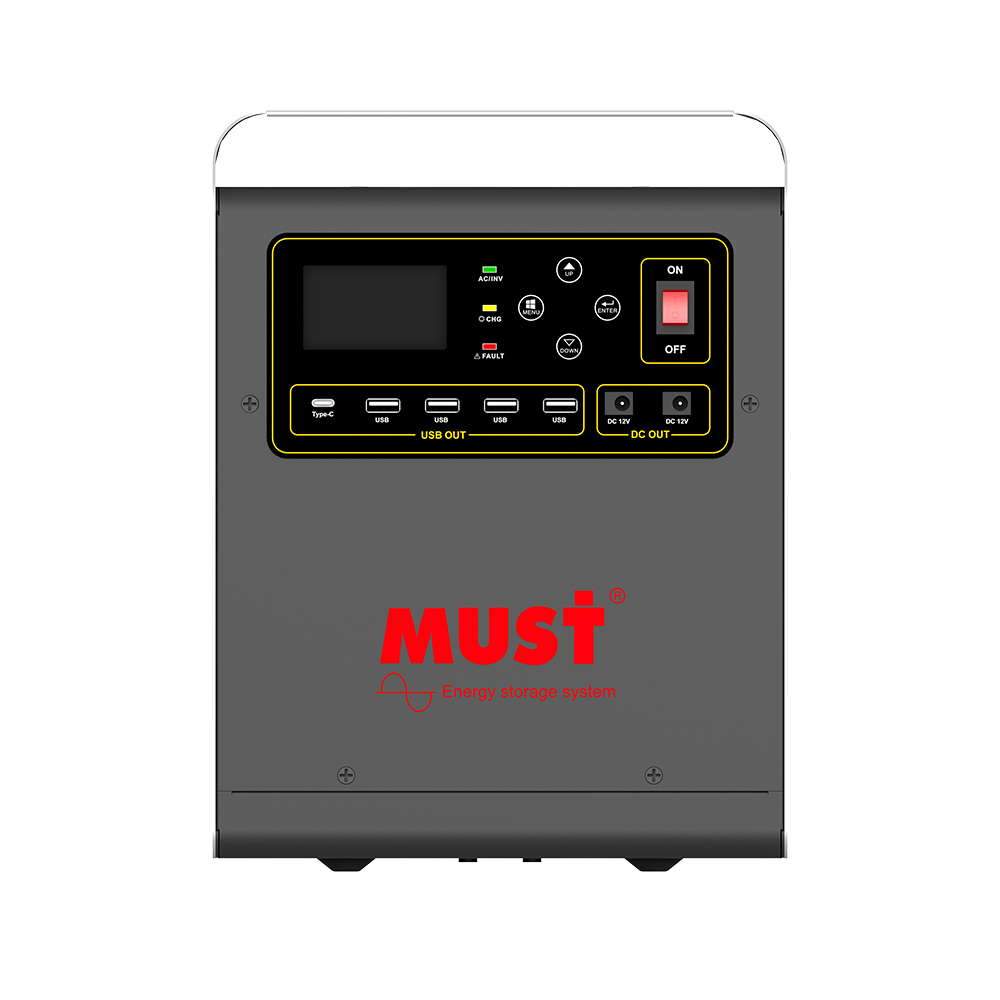

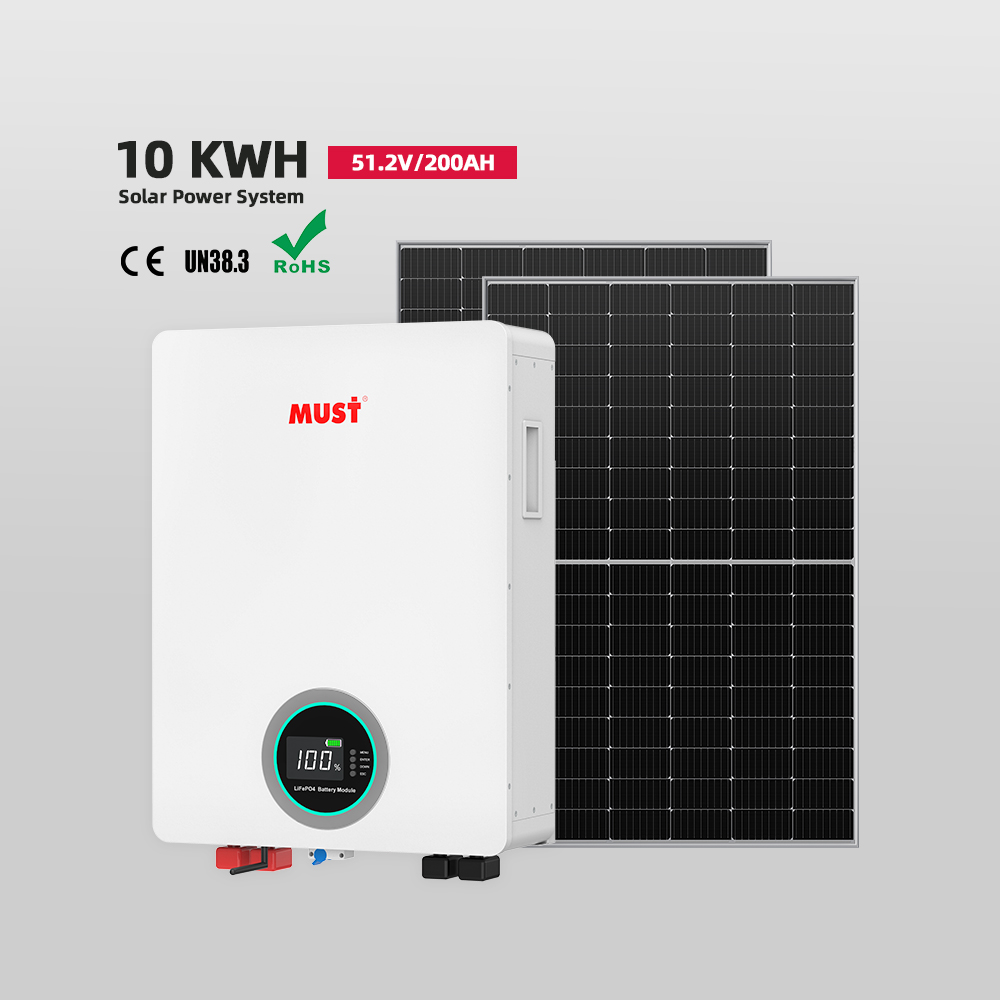
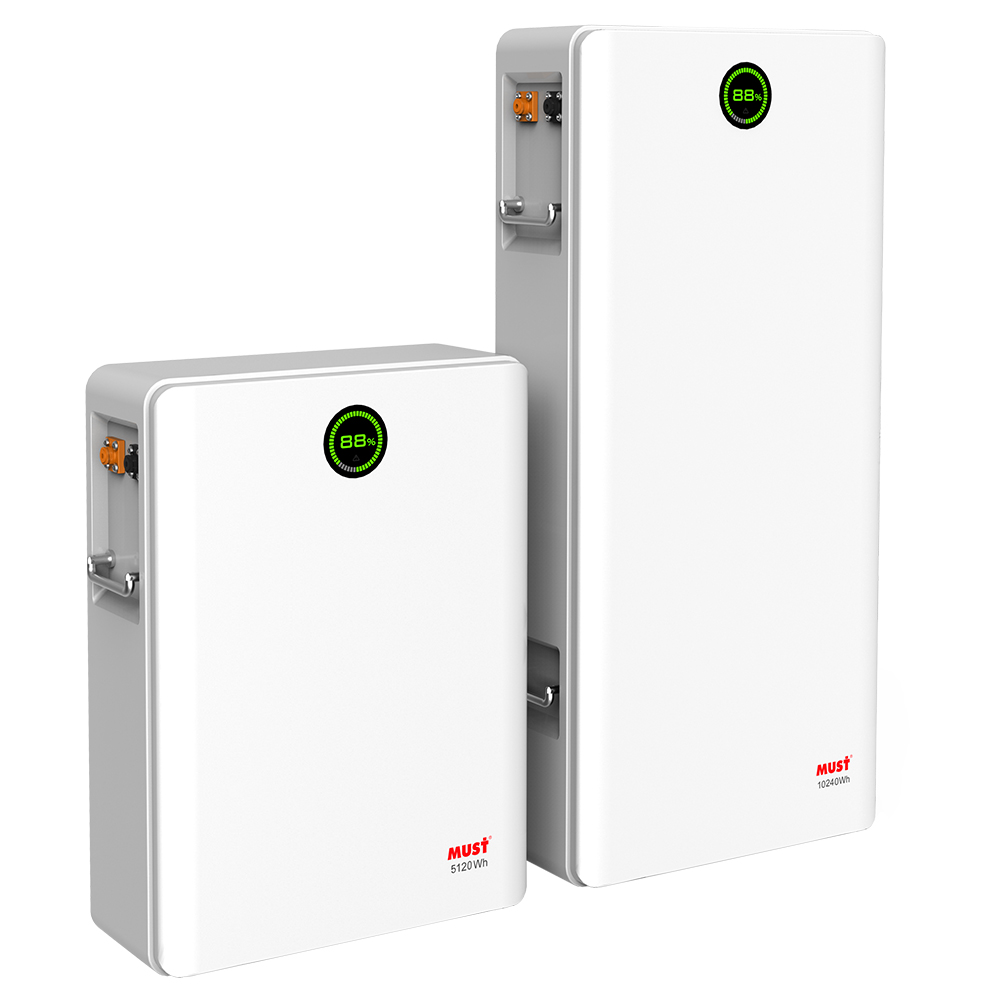
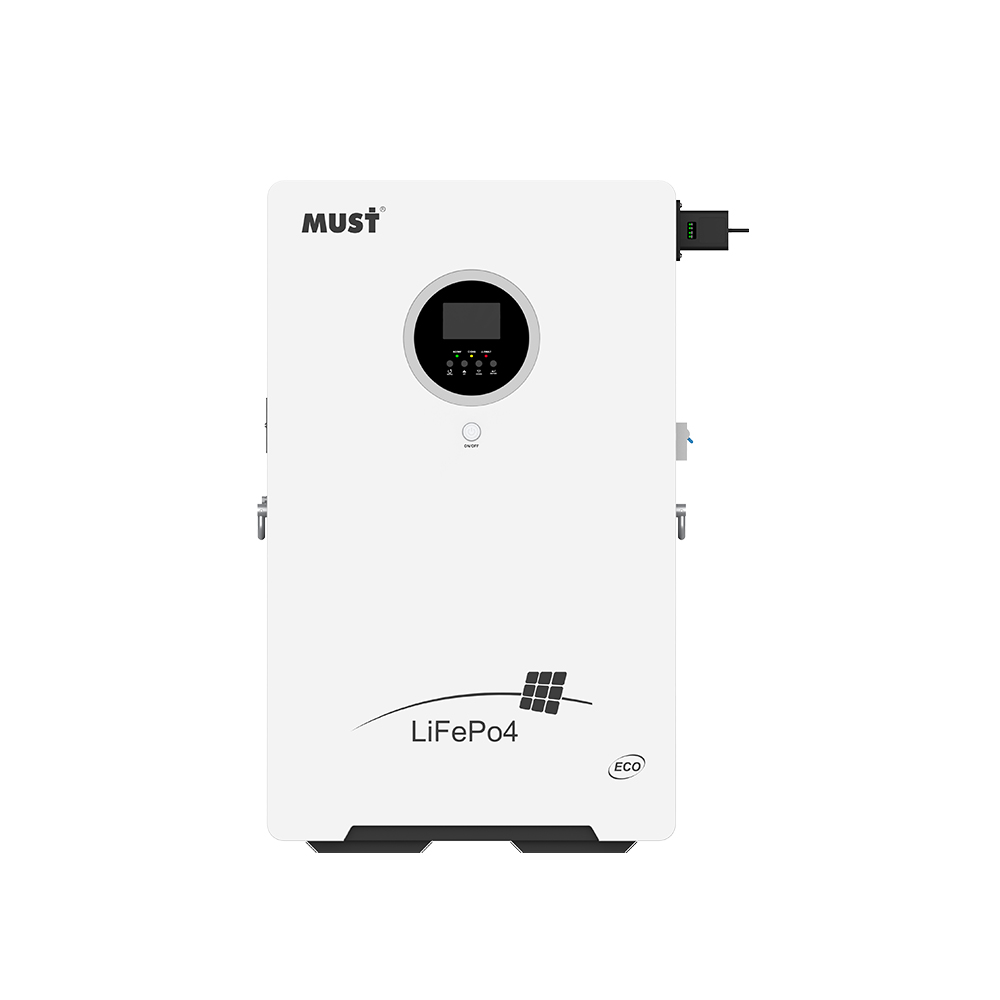
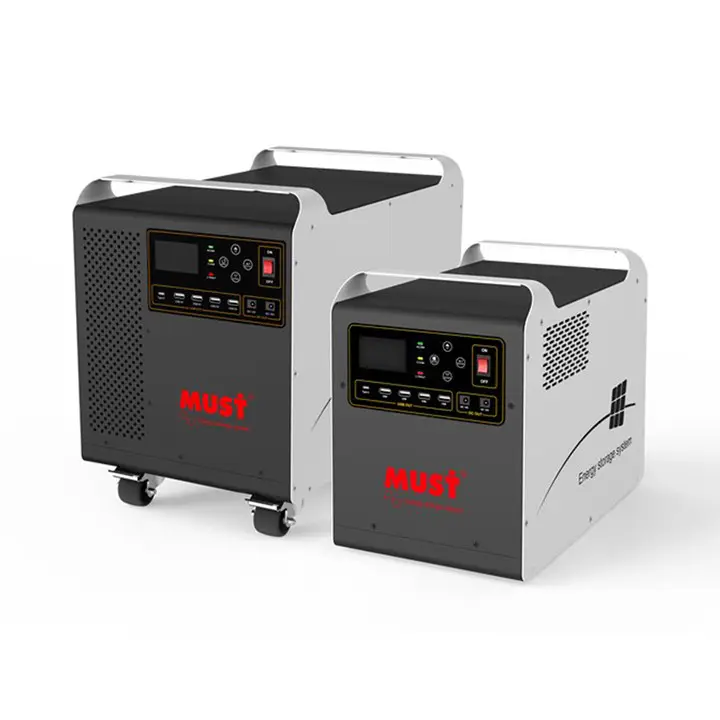

1. Executive Summary & The Evolving Technical Landscape of Battery Charge Controllers
In modern renewable energy architectures, the battery charge controller acts as the core regulating node responsible for energy transformation, power smoothing, thermal containment, and chemical life enhancement. As off-grid solar systems, hybrid residential microgrids, and mobile energy storage units scale globally, global importers, distributors, and EPC (Engineering, Procurement, and Construction) firms demand higher efficiency, elevated PV input voltage tolerances, dynamic MPPT (Maximum Power Point Tracking) response times, and native lithium battery BMS handshakes.
Historically, PWM (Pulse Width Modulation) regulators dominated entry-level solar markets due to low bill-of-material costs. However, current utility dynamics, falling PV module prices, and high power densities have shifted 85% of commercial and residential procurement toward multiphase high-voltage MPPT controllers. As premier charge controller exporters and OEM manufacturers, our engineering frameworks prioritize real-time perturbation algorithms, thermal throttling mechanisms, and synchronous rectification topology to minimize power dissipation in high-temperature environments.
2. Deep Technical Breakdown: MPPT vs PWM Topologies & Architectural Innovations
Choosing the correct power electronic architecture is critical for wholesale buyer portfolios. Below is an engineering comparison detailing circuit dynamics, conversion losses, and thermal impacts across operational scenarios.
| Technical Dimension | Traditional PWM Controllers | Advanced MPPT Controllers (CJH Series) | Next-Gen Smart Hybrid Controller-Inverters |
|---|---|---|---|
| Peak Conversion Efficiency | 70% – 80% (System Dependent) | 97.5% – 99.2% | 98.5% – 99.4% |
| PV Array VOC Range | V_Batt + 2V to 50V Max | 100V DC to 250V DC | 150V DC to 500V DC High-PV Input |
| Dynamic Tracking Speed | N/A (Direct Clamp) | < 2 Seconds (Perturb & Observe / IncCond) | < 0.5 Seconds Dual-Sweep MPPT |
| Thermal Topology | Passive Aluminum Sink | Heavy-Duty Extruded Sink + Smart Fan | Isolated Air Duct + Intelligent PWM Thermal Control |
| Lithium Battery Support | Basic Fixed Voltages | RS485 / CAN-Bus Active BMS Handshake | Multi-Protocol Auto-Detection & Activation |
2.1 Advanced Perturb & Observe (P&O) & Incremental Conductance Algorithms
Our MPPT solar charge controllers utilize an adaptive incremental conductance algorithm combined with high-speed digital signal processing (DSP). Traditional P&O algorithms often suffer from steady-state oscillation around the maximum power point under shifting cloud cover. By measuring derivative current changes ($dI/dV$) in parallel with instantaneous conductance ($I/V$), our controllers lock onto the true Maximum Power Point (MPP) even under partial shading conditions, recovering up to 30% more energy than legacy exporters' controllers.
2.2 Synchronous Rectification & Multi-Stage Thermal Throttling
Standard diode rectification incurs a constant forward voltage drop (typically 0.5V–0.7V), resulting in significant conduction losses at 60A to 100A output currents. By replacing freewheeling diodes with ultra-low $R_{DS(on)}$ MOSFETs operated in synchronous timing mode, internal resistive heating is dramatically reduced. Furthermore, embedded thermal sensors monitor internal choke temperatures, applying a linear current derating curve above 55°C ambient without causing system shutdowns.
3. Key Enterprise Advantages: Why Global Buyers Trust Our Manufacturing
CJH Energy (Guangdong Tech Co., Ltd.) operates a specialized 31,056 m² manufacturing facility housing automated SMT lines, automated optical inspection (AOI) stations, and full-load high-temperature aging chambers. As a tier-1 exporter, our supply chain guarantees technical reliability, compliance, and volume stability.
ISO Certified Quality Framework
Our production flows strictly adhere to ISO 9001, ISO 14001, and ISO 45001 standards. TÜV Rheinland conducts regular on-site audits to verify production capacity and quality assurance controls.
Custom OEM/ODM Engineering
Over 80 senior engineers provide rapid turnaround for customized screen firmware, unique chassis styling, specific CAN/RS485 protocols, and tailored multi-stage lithium charge profiles.
Global Logistics & Regional Support
With strategic overseas hubs and warehouses in Poland (Warsaw), South Africa, Dubai, and Egypt, we provide fast delivery, duty-paid options, and local technical RMA support.
4. Future Procurement Trends & Market Dynamics (2025 – 2030)
Wholesale solar procurement requires anticipating technological shifts and grid compliance trends over a 5-to-10-year horizon. Below are key trends driving the next generation of battery charge controllers and hybrid power systems:
4.1 High Voltage DC (HVDC) Architecture Shift
Commercial installations are transitioning away from 48V low-voltage buses toward high-voltage architectures operating between 200V DC and 600V DC. High voltage drastically reduces copper cable mass, minimizes line loss ($I^2R$), and simplifies large battery array balancing. Importers must adjust procurement plans toward high-VOC input controllers and high-voltage hybrid inverters.
4.2 Deep Battery Chemistry Integration (LiFePO4 & Solid State)
Legacy lead-acid, AGM, and Gel batteries are rapidly being replaced by Lithium Iron Phosphate (LiFePO4) and emerging Sodium-Ion cells. Future charge controllers require continuous closed-loop communication with the battery management system (BMS). Key parameters such as cell voltage balancing thresholds, low-temperature charge cut-offs, and dynamic C-rate adjustments must be transmitted automatically over CAN 2.0B or Modbus interfaces to prevent thermal runaway and extend battery life beyond 6,000 cycles.
4.3 Smart Grid Interoperability & Cloud Monitoring
Modern regulatory frameworks in Europe and North America require charge controllers to feature remote telemetry via IoT gateways (WiFi, GPRS, 4G, Ethernet). B2B buyers must partner with exporters capable of providing customizable mobile applications, web-based monitoring dashboards, and over-the-air (OTA) firmware update infrastructure.
5. Industry Sourcing & Procurement FAQ
Below are essential technical and logistical questions commonly addressed by our senior technical team during global B2B supplier assessments:
Q1: How do I select the optimal charge controller rating (e.g., 60A vs 100A MPPT) for a specific solar array?
To calculate the required charge controller output current rating, divide the total PV array wattage by the battery bank nominal voltage, then apply a safety multiplier of 1.25 to account for solar irradiance surges (edge-of-cloud effect). For example: A 5,000W PV array connected to a 48V LiFePO4 battery bank yields 5000W / 48V = 104.1A. Applying a 1.25 safety factor recommends selecting a 100A MPPT controller running dual parallel units or upgrading to an integrated 5.5kW high-voltage hybrid inverter system.
Q2: Can your MPPT charge controllers operate directly with uncommunicative or universal lithium batteries?
Yes. While active CAN/RS485 BMS handshakes offer optimal precision, our controllers feature a user-defined "User-Lithium" mode. In this mode, engineers can manually set Bulk Charge Voltage, Float Voltage, Low Voltage Disconnect (LVD), and Cut-Off Hysteresis via the LCD panel or monitoring software, guaranteeing safe operation across third-party custom battery packs.
Q3: What certified protections are integrated into your charge controller PCB design?
Every CJH/MUST charge controller includes multi-layer hardware and software protection: PV Reverse Polarity Protection, Battery Reverse Connection Protection, Nighttime Reverse Current (Back-feed) Blocking, Output Short-Circuit Protection, Over-Current Limiting, and Dual Internal Temperature Sensors for automatic thermal derating.
Q4: What is your typical production lead time and Minimum Order Quantity (MOQ) for OEM branding?
Standard sample orders and factory stock units are dispatched within 3 to 7 business days. For customized OEM orders—including custom silkscreen logos, branded packaging, custom casing colors, and dedicated firmware parameters—the standard production lead time is 20 to 25 days following sample sign-off, with flexible MOQs starting at 50 to 100 units depending on the model series.
Q5: How does CJH Energy manage warranty claims and technical support for international wholesalers?
We back our hardware with a standard 2 to 5-year replacement warranty. For bulk distributors, we provide a 1%–2% spare mainboard and critical component buffer with every container shipment. Furthermore, local technical support and RMA evaluation hubs in Poland, South Africa, Dubai, and Egypt ensure rapid turnaround times for field issues without requiring long-distance ocean returns.
Partner with a Premier Charge Controller Exporter
Elevate your distribution business with factory-direct pricing, certified manufacturing quality, and robust engineering support. Contact our technical sales team today for bulk wholesale pricing and custom OEM consultations.
