Featured Solar Inverters & Energy Storage Systems
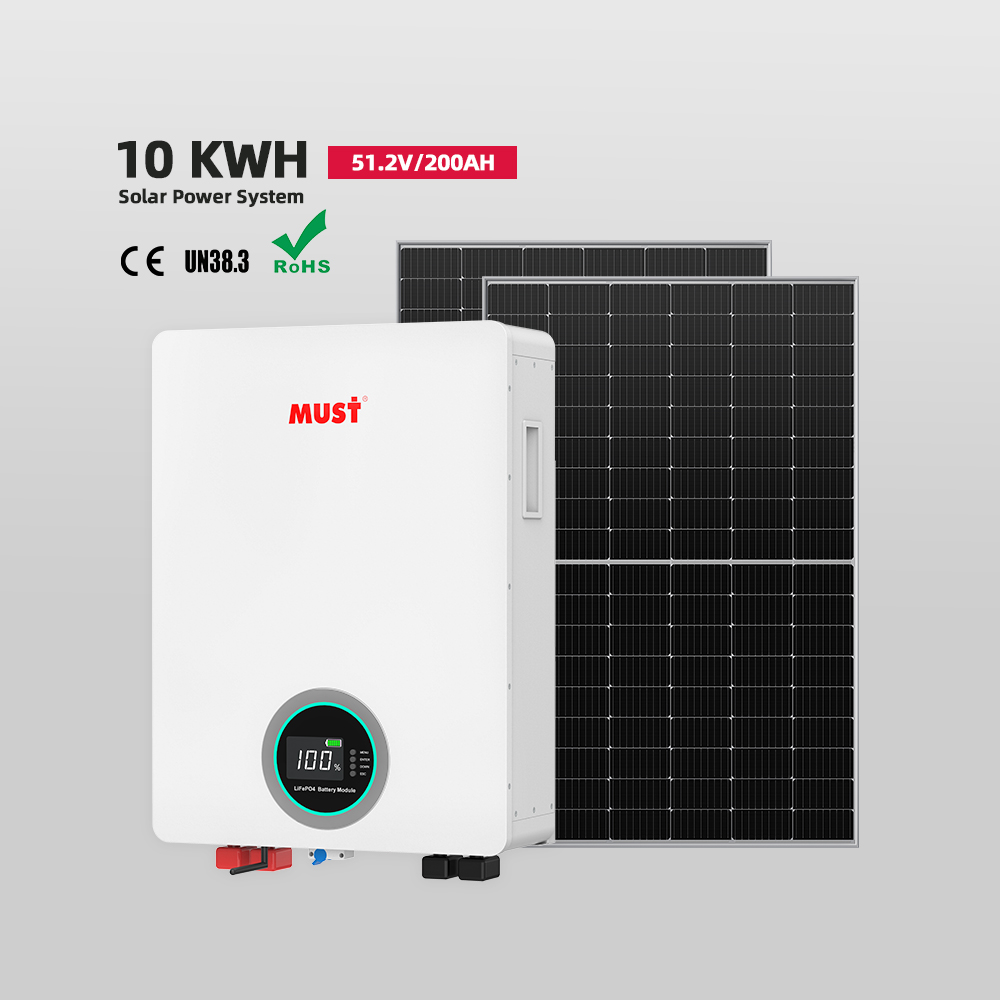
For LP16-48100 LiFePO4 Battery Pack 5 Years Life CE Certified for Solar Storage and Inverter System
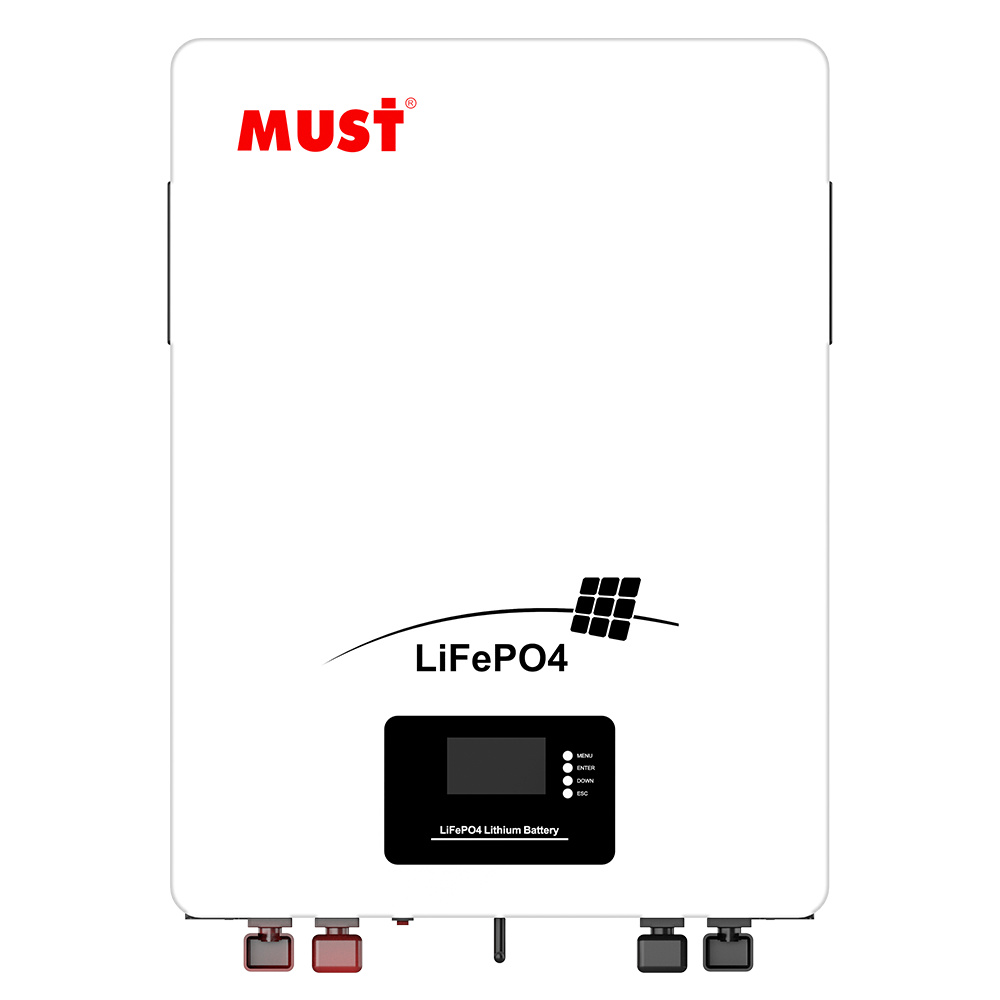
IP 65 48V 100Ah 10KWh Lifepo4 for Powerwall Lithium Battery for Home Energy Storage with CAN Communication Port
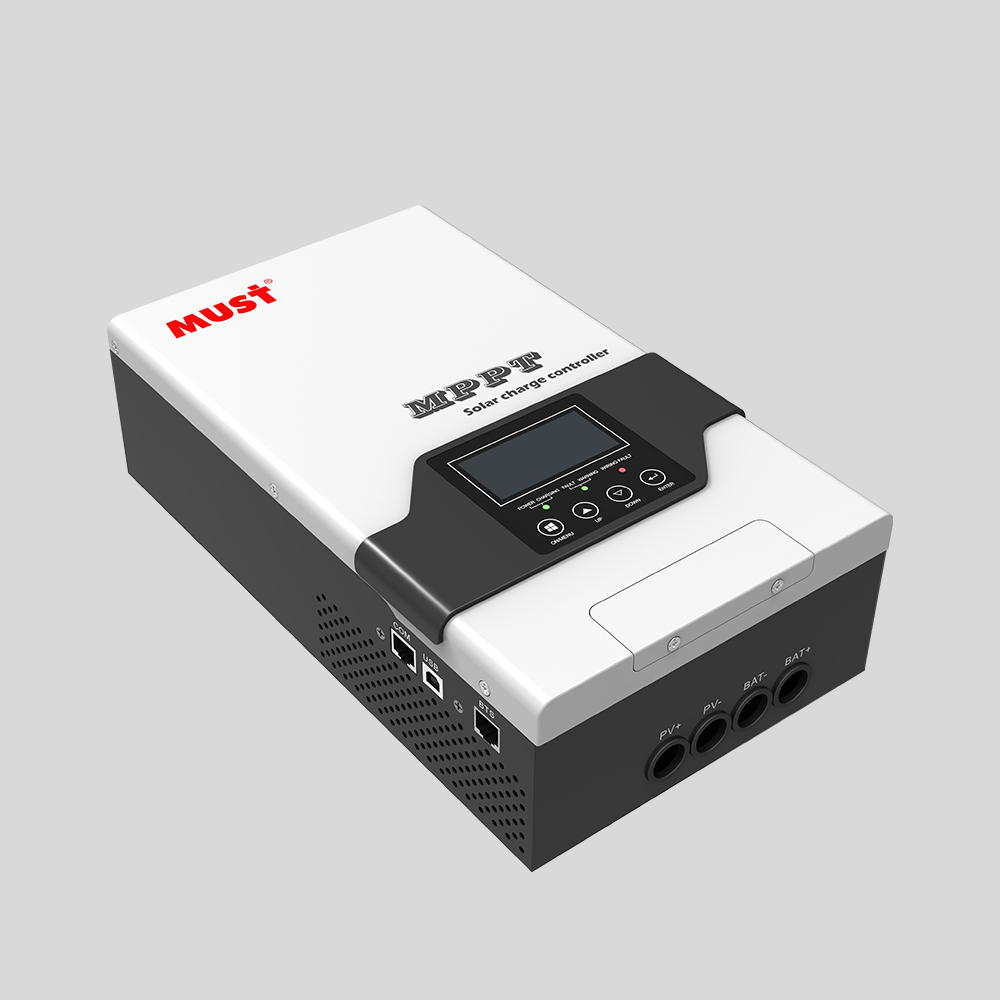
MUST PC1800F Series Fan Cooling 60A 80A 100A Mppt 12V 24V 48V Solar Charge Controller Solar Regulator
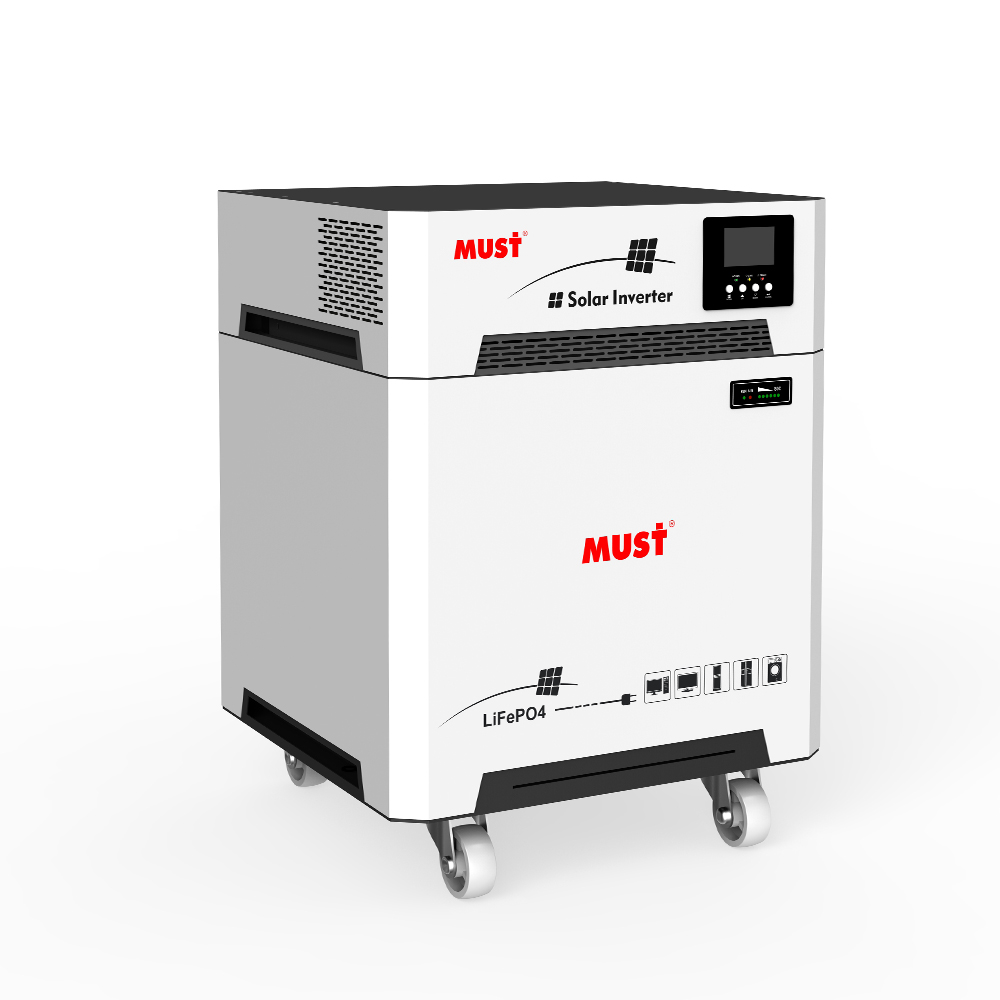
MUST Solar Station 1KW 3KW for Each Outdoor Use Inbuilt Lithuim Battery
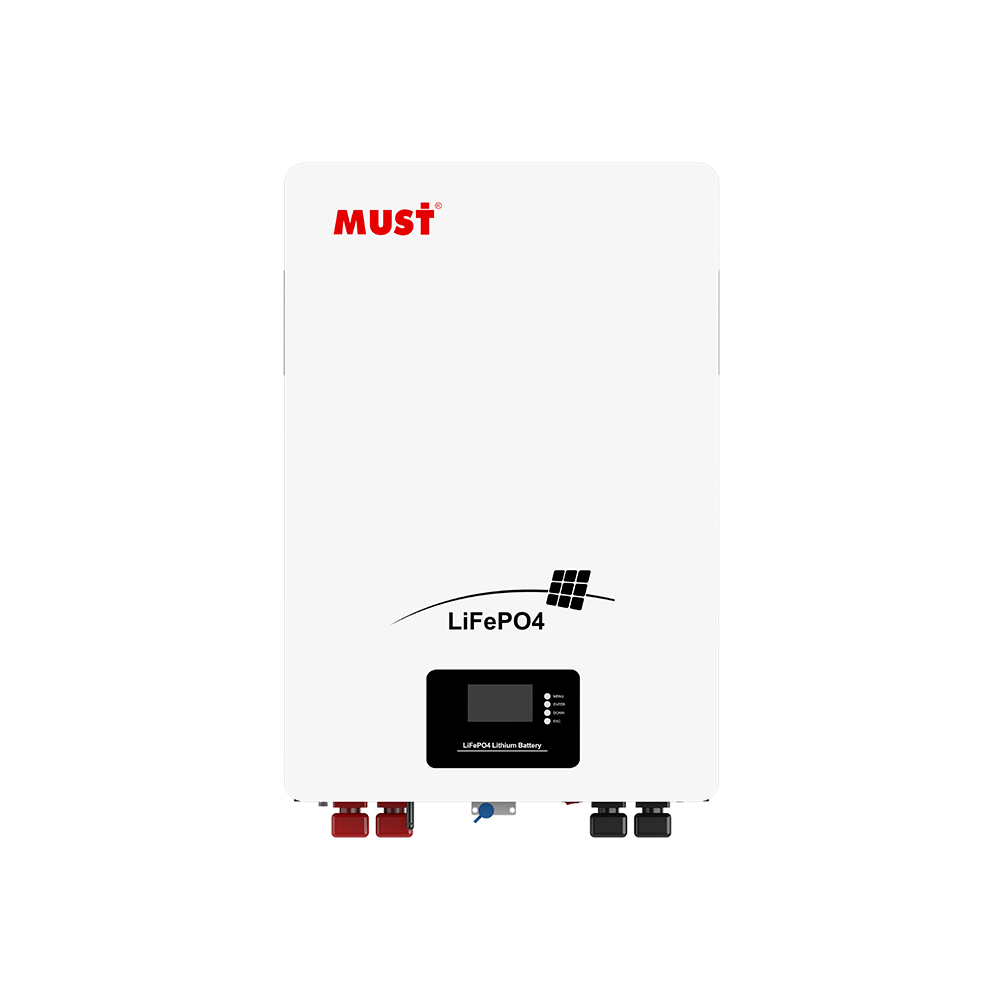
For LP16-48200 Solid State LiFePO4 Battery System for Residential & Commercial Energy Storage with 6000 Cycles

MUST Factory All in One HBP19 Series Wall Mounted Lifepo4 Battery Solar Energy Storage System Home 3.5kw 5.5kw 3.2kwh 5.1kwh
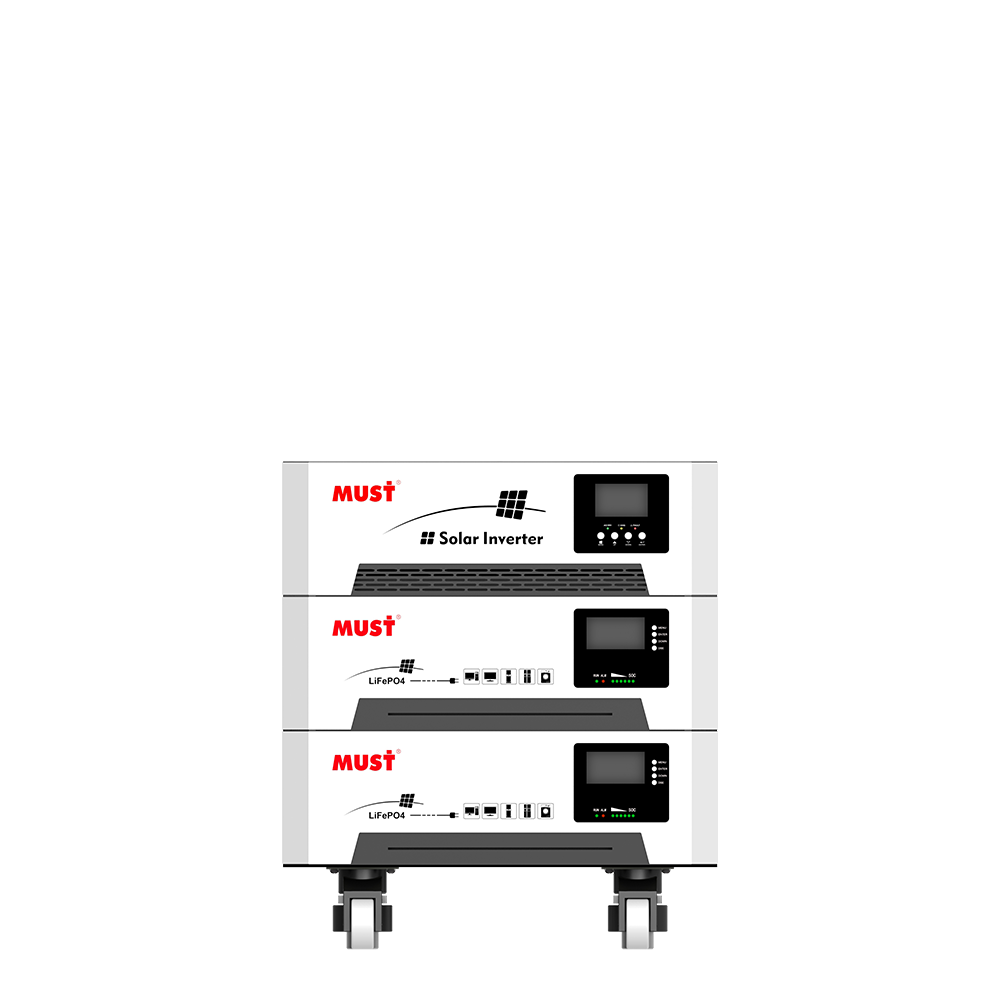
For MUST Solar Power Station LifePO4 Battery Wireless Charging MPPT Controller for Ukraine

MUST Solar Station Outdoor Use Inbuilt Lithuim Battery 2000wh 3000wh Back up Portable Solar Energy System
Understanding Split Phase Hybrid Inverter Engineering Architecture
In North American, Caribbean, and select Latin American energy markets, electrical infrastructure relies predominantly on split-phase 120V/240V utility distribution. A split-phase hybrid inverter converts direct current (DC) harvested from solar photovoltaic (PV) arrays and energy storage battery banks into two 120V alternating current (AC) legs that are 180 degrees out of phase with each other. This dual-leg topology allows a single inverter to power standard 120V residential branch circuits (L1-N and L2-N) simultaneously with high-power 240V heavy inductive loads (L1-L2), such as central HVAC compressors, well pumps, and electric vehicle (EV) charging stations.
Technical Information Gain: Unlike standard single-phase 230V inverters prevalent in European grids, a split-phase hybrid inverter must maintain strict dynamic phase balancing and zero neutral point shift under 100% unbalanced load conditions. Elite Chinese manufacturers incorporate high-frequency DSP control algorithms and dual-H-bridge inverter topologies to prevent voltage dips when L1 is heavily loaded while L2 remains idle.
When evaluating split-phase hybrid inverters, procurement teams must analyze the core differences between Low-Frequency (transformer-based) and High-Frequency (transformerless) architectures. Low-frequency models utilize heavy toroidal copper transformers capable of delivering 300% surge capacity for 10 to 20 seconds, making them indispensable for rugged off-grid applications with heavy motor loads. High-frequency split-phase hybrid inverters utilize advanced SiC/GaN power MOSFETs to achieve peak conversion efficiencies exceeding 97.5% while reducing overall chassis weight by up to 60%.
■ Technical Benchmark: Low-Frequency vs. High-Frequency Split Phase Inverters
| Performance Criteria | Low-Frequency Split Phase (Toroidal) | High-Frequency Hybrid Split Phase |
|---|---|---|
| Peak Surge Rating | 300% rated power (up to 20 seconds) | 150% - 200% rated power (up to 5 seconds) |
| Max Conversion Efficiency | 88% - 92% | 96.5% - 98.0% |
| No-Load Idle Consumption | Higher (40W - 120W self-consumption) | Ultra-low (15W - 35W energy saving mode) |
| Grounding & Neutral Isolation | Galvanic isolation via internal transformer | Electronic neutral-ground bonding relay switch |
| Weight & Physical Footprint | Heavy (35kg - 75kg), large industrial footprint | Compact (12kg - 28kg), wall-mounted aesthetic |
| Primary Application | Off-grid workshops, heavy pumps, weak grids | Residential solar ESS, net-metering, VPP load management |
Enterprise Capabilities & OEM/ODM Manufacturing Excellence
As a verified high-tech enterprise, CJH Energy (Guangdong) Tech Co., Ltd. stands as an industry-leading manufacturer of off-grid and hybrid solar inverters, MPPT solar charge controllers, UPS systems, and deep-cycle LiFePO4 energy storage batteries. Operating out of a massive 31,056 m² modern production complex with a dedicated workforce of 1,109 employees, CJH Energy maintains an annual manufacturing throughput exceeding 600,000 units across 10 distinct product categories.
Rigorous Quality Assurance
Our manufacturing operations strictly conform to ISO 9001, ISO 14001, and ISO 45001 management frameworks. The manufacturing plant undergoes comprehensive annual on-site verification audits conducted by TÜV Rheinland.
80+ Engineer Customization Team
With a dedicated R&D wing housing over 80 senior engineers holding national invention patents, we specialize in OEM/ODM tailoring of LCD firmware, CAN/RS485 BMS communication protocols, and industrial metal enclosures.
Global Service Footprint
To ensure prompt technical backing, CJH Energy maintains overseas subsidiary branches in Poland (Warsaw European distribution center), South Africa, Dubai, and Egypt, offering local stock and warranty exchange services.
Future Procurement & Technological Development Trends (2025–2030)
The global transition toward residential self-consumption and decentralized microgrids has rapidly transformed split-phase hybrid inverter specifications. Distributors and EPC procurement directors must align their purchasing strategies with four decisive technological shifts occurring in Chinese manufacturing lines:
1. Transition to High-Voltage (HV) Battery Bus
While traditional 48V low-voltage (LV) systems dominate legacy residential backup, next-generation split-phase inverters interface directly with 160V–600V HV lithium battery stacks. High voltage reduces DC amperage by up to 80%, diminishing copper wiring costs and internal thermal losses while raising round-trip efficiency above 95%.
2. Silicon Carbide (SiC) Power Switches
Leading Chinese exporters are replacing silicon IGBTs with Wide Bandgap (WBG) Silicon Carbide MOSFETs. SiC semiconductors allow switching frequencies to exceed 100 kHz, drastically reducing internal magnetics size, minimizing heat output, and allowing ultra-compact wall-mounted form factors.
3. Smart Load Management & Dual Output Ports
Modern split-phase inverters feature programmable smart load outputs. During grid failures, the inverter automatically sheds non-essential high-draw circuits (e.g., HVAC or pool pumps) when battery State-of-Charge (SoC) drops below user-defined thresholds, preserving backup power for critical 120V lighting and refrigeration.
4. Solid-State & High-Safety Battery Pairing
As solid-state LiFePO4 battery chemistry transitions from laboratory prototypes to commercial manufacturing, split-phase hybrid inverters are updating BMS integration protocols to support 6,000+ cycle life profiles, thermal runaway prevention, and wider operational temperature envelopes (-20°C to 60°C).
Procurement FAQ: B2B Buying & Technical Selection
Q: How does a split phase hybrid inverter handle 120V neutral imbalance?
Our hybrid split phase inverters feature active electronic neutral compensation via dynamic pulse-width modulation (PWM) control over dual inverter bridges. This ensures that even if 100% of the load is placed on Leg 1 (120V) with zero load on Leg 2, the neutral voltage shift remains within < 2%, guarding sensitive electronics against overvoltage distortion.
Q: Is CJH Energy a direct manufacturer or a trading reseller?
CJH Energy is a direct custom manufacturer boasting 31,056 m² of production workshop space, over 1,109 employees, and fully integrated automated assembly lines. Our facilities are audited on-site by TÜV Rheinland, offering full transparency for global importers.
Q: Can your split phase inverters communicate with third-party LiFePO4 BMS protocols?
Yes. Supported by an 80+ engineer R&D team, our split-phase hybrid inverters feature pre-loaded CAN, RS485, and Modbus communication protocols compatible with major battery brands (including CJH LP16/LP18 series, Pylontech, Growatt, Deye, and custom BMS boards).
Q: What certifications are available for international distribution?
Our company holds ISO 9001, ISO 14001, and ISO 45001 organizational certifications. Product-level compliance includes CE, IEC 62109-1/-2, UN38.3, and MSDS test reports. Specific grid-tie certifications can be matched per target market requirements upon contract confirmation.
Q: How do I choose between 12V, 24V, and 48V system topologies?
As an engineering rule of thumb: 12V DC architecture is best suited for small loads under 1kW (RVs, small outdoor kits); 24V DC operates efficiently between 1kW and 3kW; 48V DC (or higher HV lines) is strongly recommended for system power ratings above 3kW to minimize line current, reduce cable gauge thickness, and eliminate thermal dissipation losses.
Q: What is the Minimum Order Quantity (MOQ) for OEM branding customization?
We offer flexible OEM options for distributors. Brand logo silkscreening, custom chassis color coating, customized packaging design, and localized LCD firmware screens typically start at low batch MOQs depending on the specific inverter or battery model series.
Partner with China's Premier Split Phase Inverter Manufacturer
Direct factory supply, custom firmware engineering, fast delivery timelines, and robust technical support for distributors, brand owners, and EPC contractors worldwide.
