Featured Solar Power Controllers & Storage Solutions
Direct factory recommendations engineering-tested for off-grid resilience, hybrid synchronization, and lithium battery compatibility.

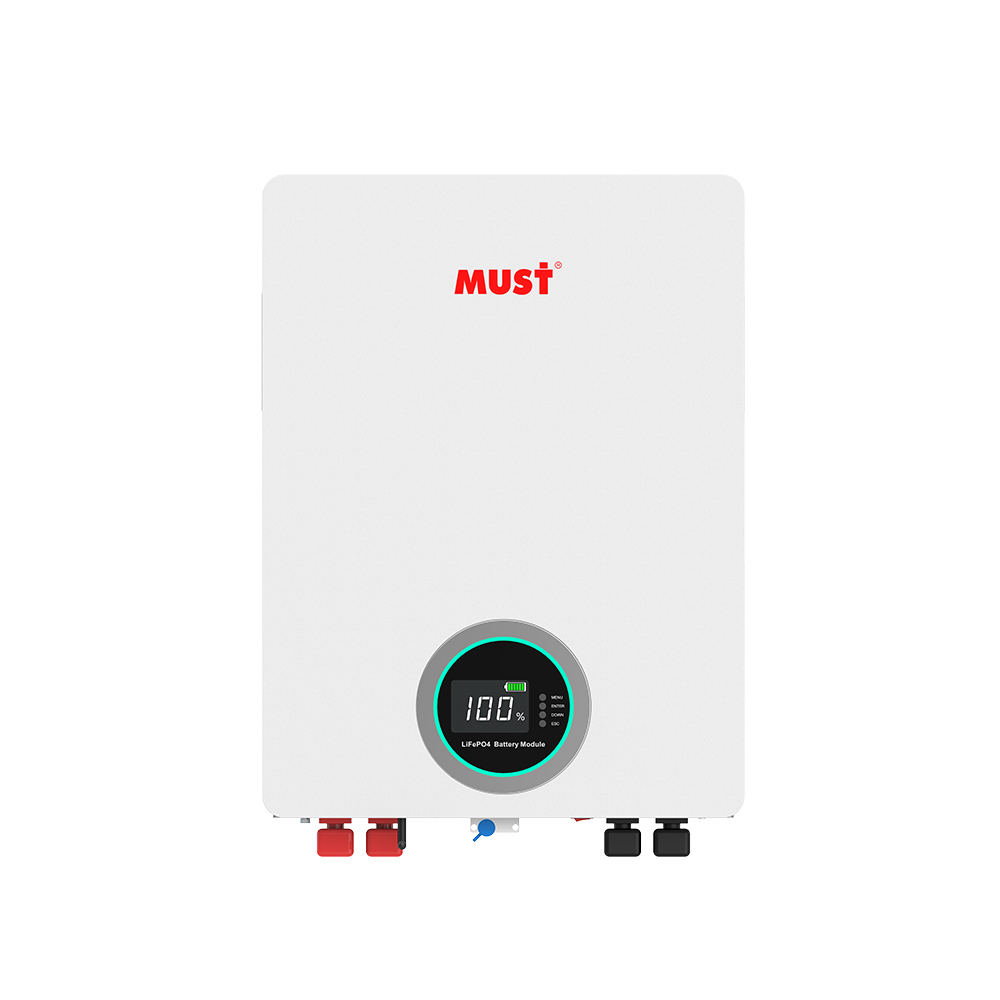
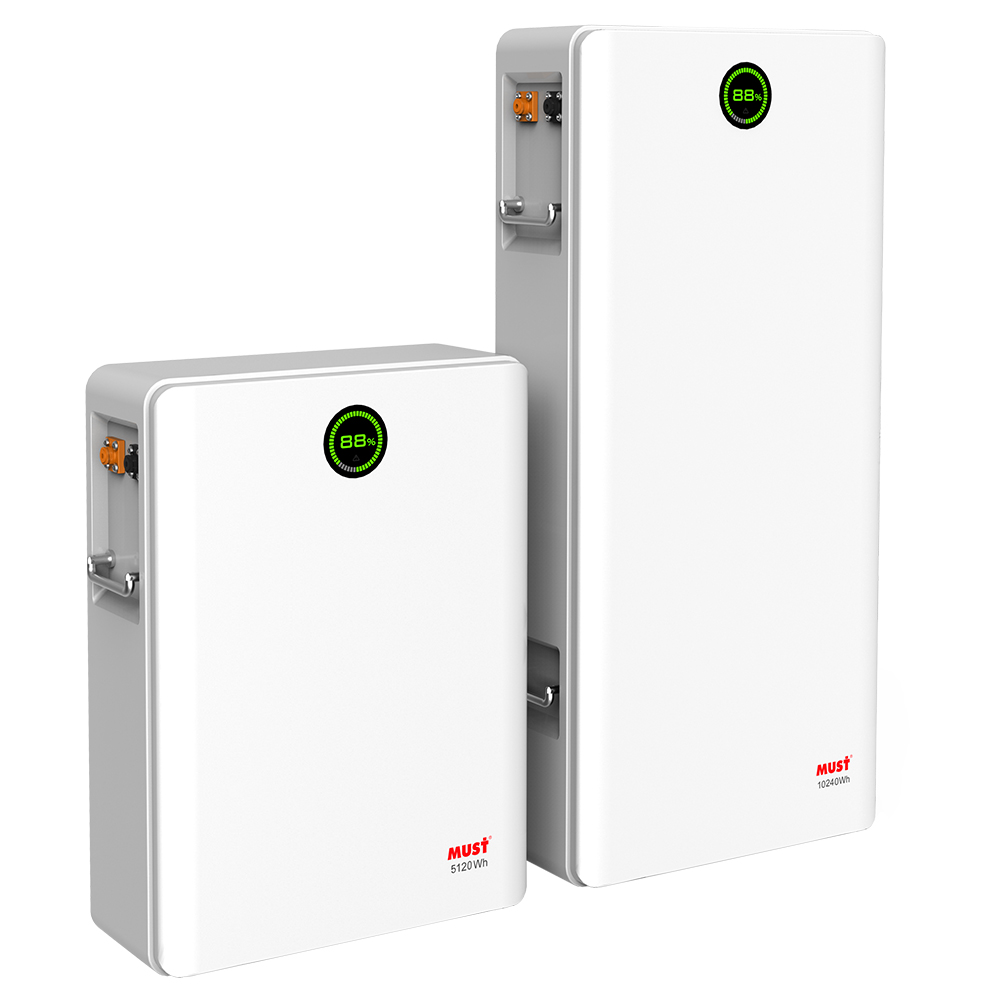
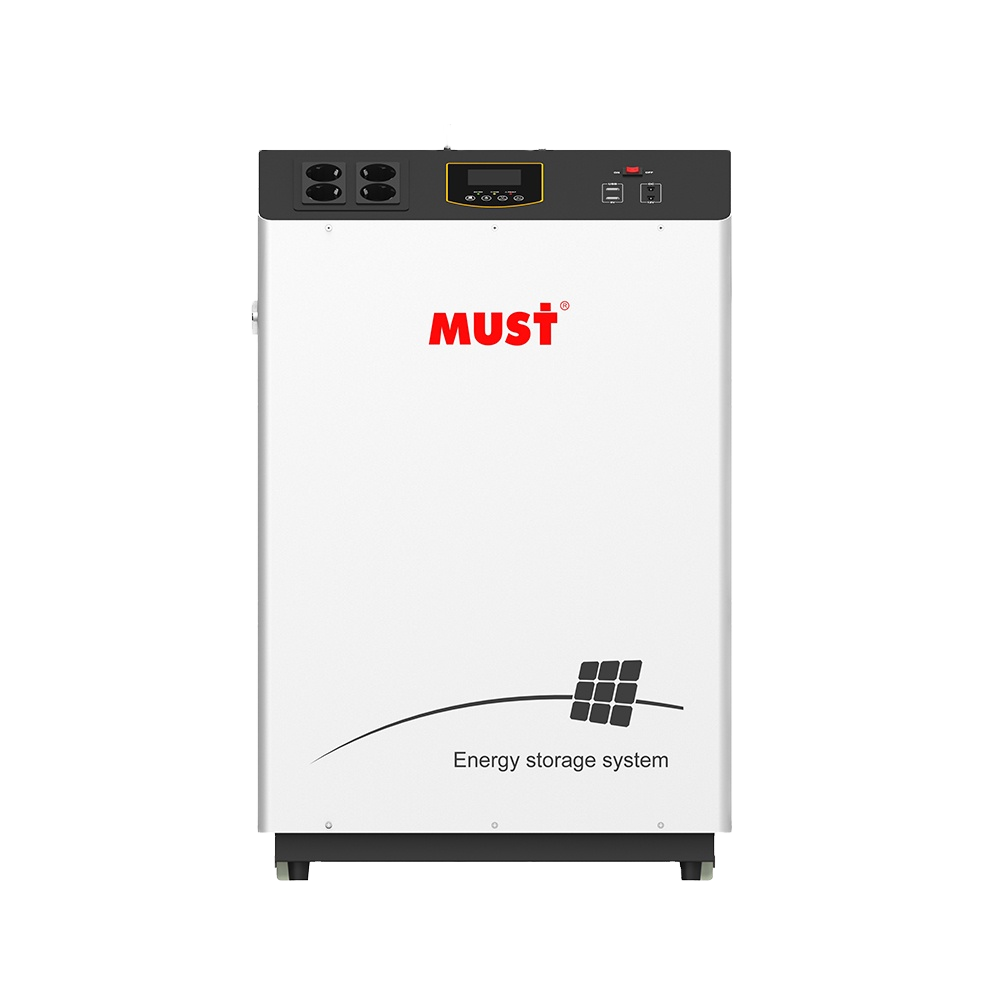
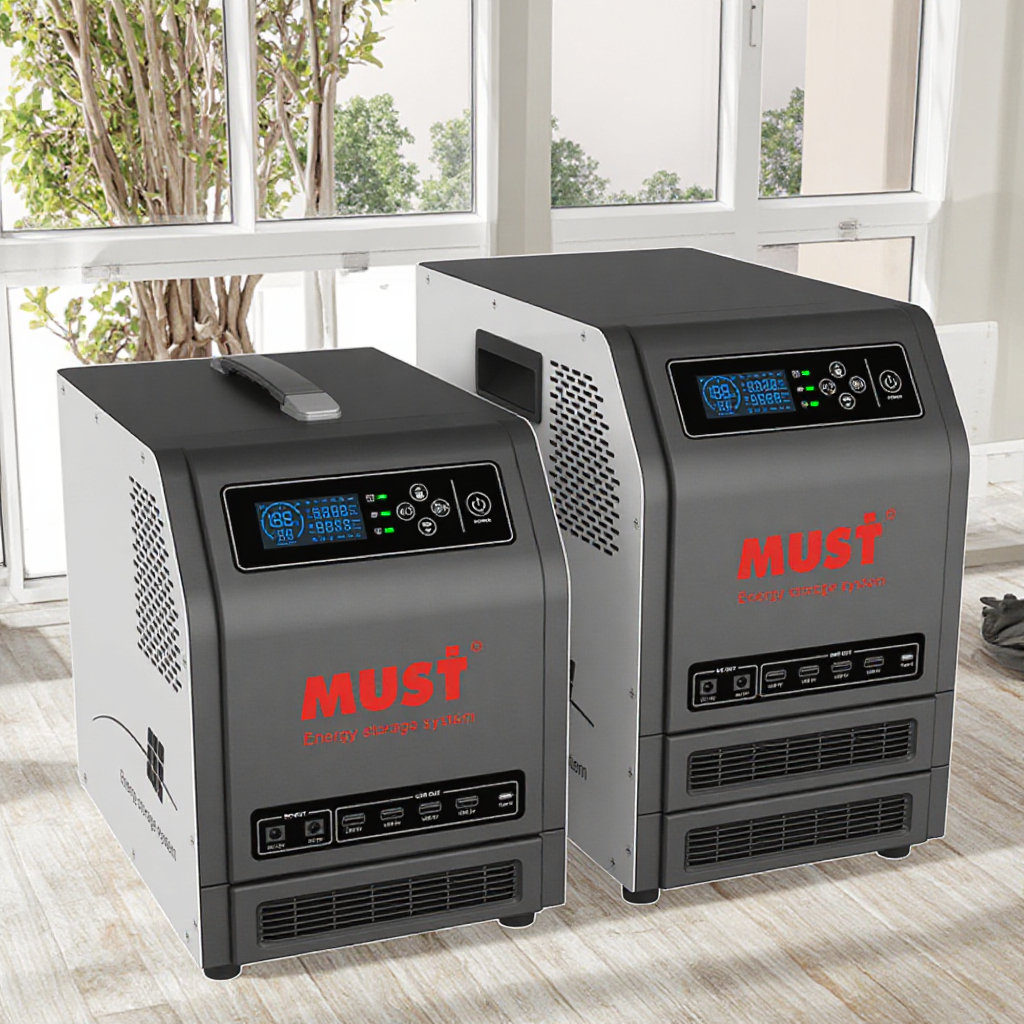
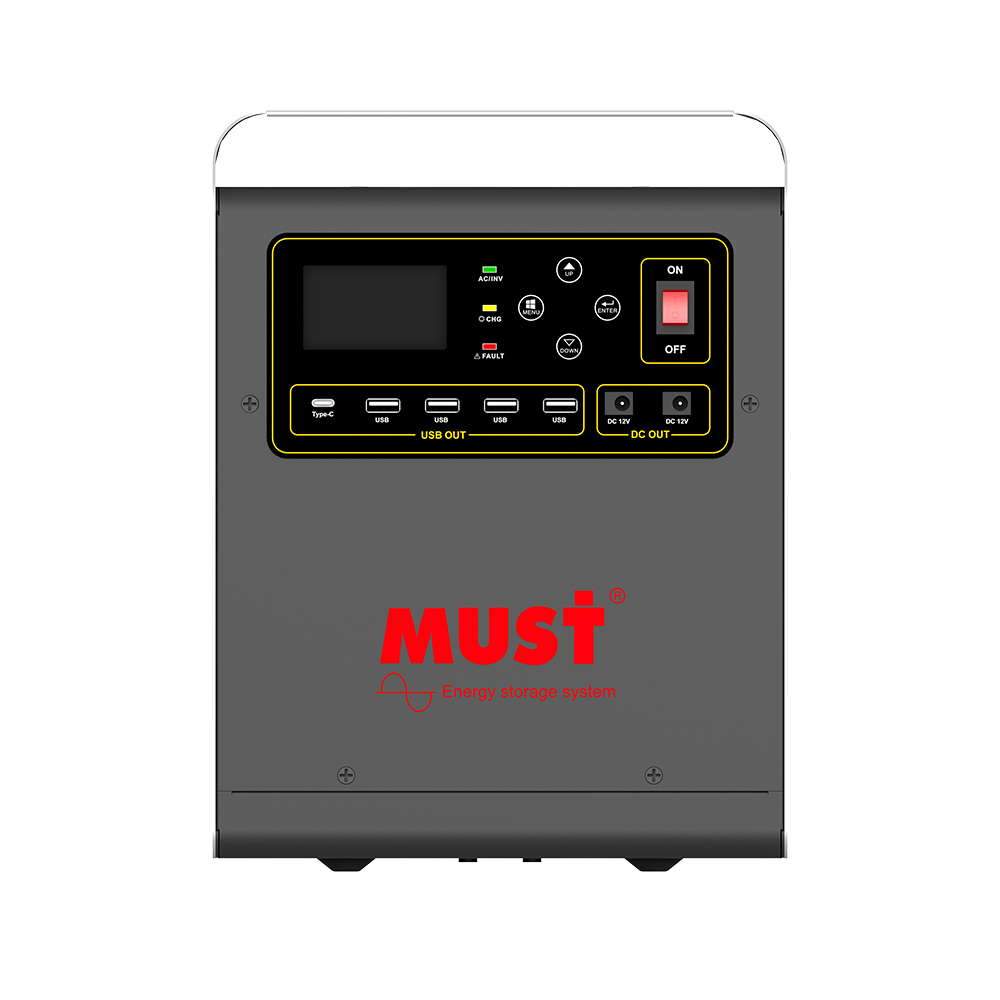
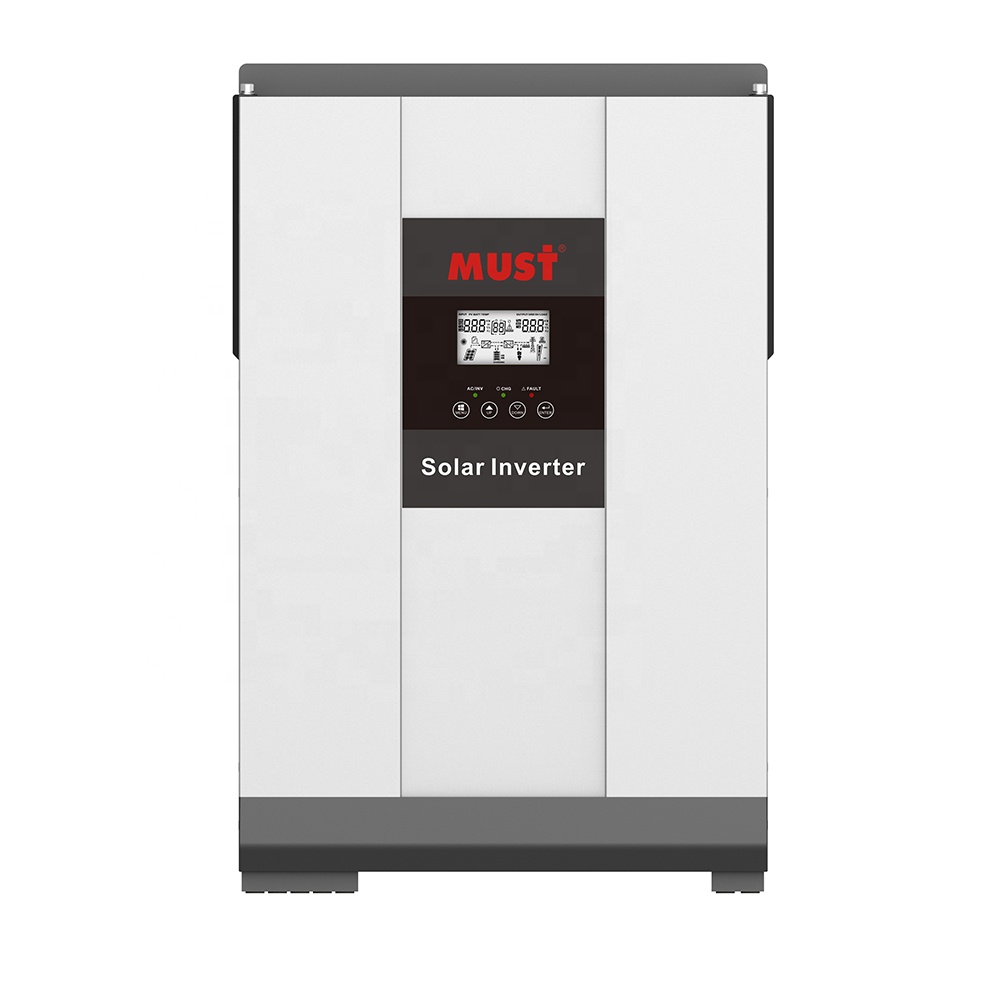
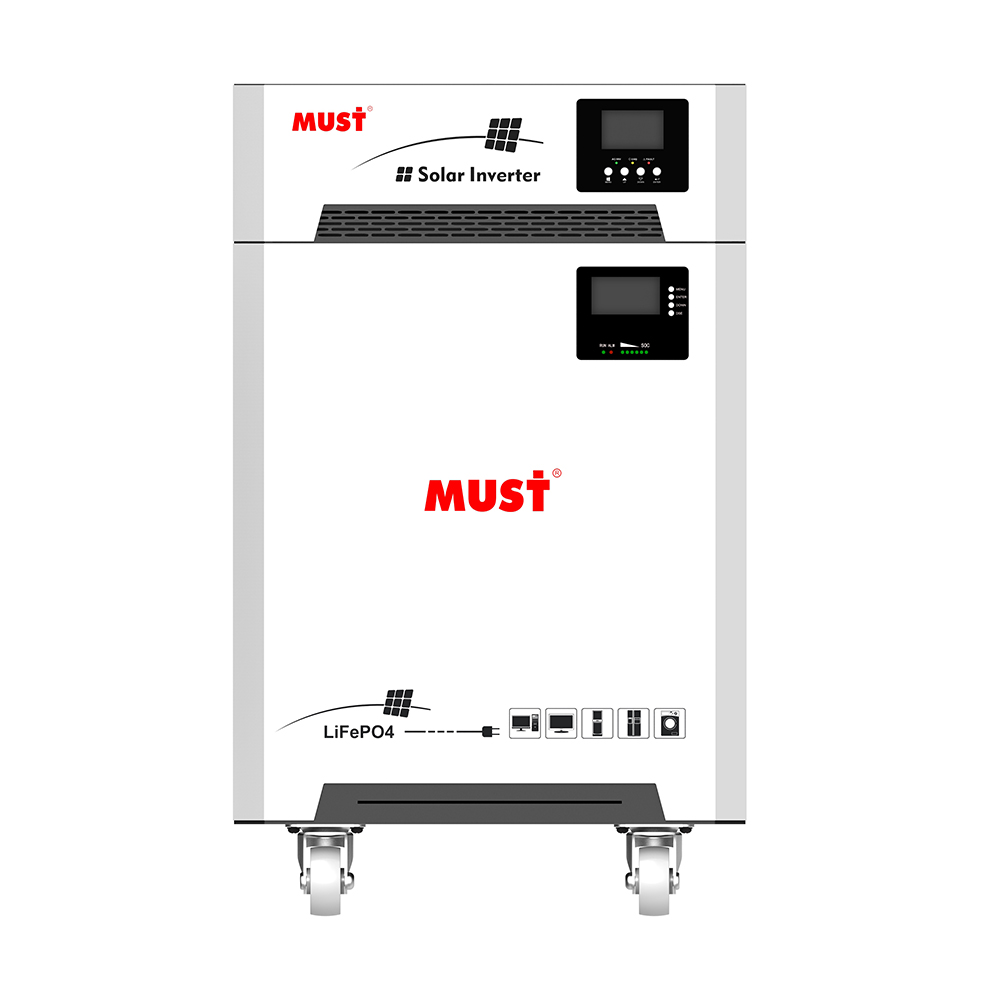
State of China Solar Power Controller Manufacturing: Market Overview
The global energy landscape is undergoing a structural shift toward localized microgrids, distributed solar generation, and smart battery storage. At the core of every reliable photovoltaic (PV) system lies the Solar Power Charge Controller—the electronic brain governing power conversion, Maximum Power Point Tracking (MPPT), and battery longevity.
China accounts for over 85% of global solar charge controller and hybrid inverter production. However, navigating China's OEM/ODM manufacturing hub requires deep engineering scrutiny. Leading manufacturers like CJH Energy (Guangdong Tech Co., Ltd.) have transformed standard power electronics manufacturing into a vertically integrated science. Operating out of an advanced 31,056 m² production complex with 1,109 skilled personnel and a dedicated R&D force of 80+ engineers, top-tier Chinese factories produce over 600,000 units annually across off-grid, hybrid, and lithium-integrated topologies.
Engineering Principles: MPPT vs. PWM and Topology Evolution
Photovoltaic modules exhibit a non-linear current-voltage ($I-V$) relationship. The operational sweet spot—the Maximum Power Point (MPP)—shifts constantly with ambient solar irradiance, cell temperature, and partial shading. Solar charge controllers are divided into two main topological families:
Pulse Width Modulation (PWM)
Acts as a direct switch connecting the solar array to the battery bank. While cost-effective for small 12V lighting kits, PWM forces the array to operate at battery voltage, wasting up to 30% of potential solar yield during cold or overcast conditions.
High-Frequency MPPT Controllers
Utilizes ultra-fast DC-DC buck converter circuits coupled with digital signal processors (DSP). Executes algorithms like Perturb & Observe (P&O) or Incremental Conductance to lock onto peak power output, extracting >98% electrical efficiency.
Smart BMS-Closed Loop Storage
Integrated inside high-voltage off-grid and hybrid inverters (such as CJH's HBP & PH series). Enables real-time CAN/RS485 protocol handshake with LiFePO4 packs, dynamic voltage compensation, and current limiting based on cell thermal state.
System Topology Architecture Comparison
| Specification Metric | Traditional PWM Controller | Standalone MPPT Controller | Integrated Hybrid MPPT Inverter |
|---|---|---|---|
| Energy Conversion Yield | 65% - 75% | 95% - 98.5% | 97.5% - 99.2% |
| Max PV Input Voltage (VOC) | 25V - 50V DC | 100V - 250V DC | 450V - 500V DC High-Voltage String |
| Battery Protocol Synchronization | None (Analog Voltage Sensing) | Basic Lead-Acid / Fixed Lithium DIP | Active CANbus / RS485 / RS232 Closed-Loop |
| Scalability & Parallelization | Not Recommended | Up to 4 Units Manual Parallel | Up to 15 Units Auto-Stacking (153.6kWh+) |
| Target Applications | Rural DC Lighting, RVs | Off-Grid Homesteads, Telecom Towers | Whole-Home Backup, Commercial Microgrids |
2025–2030 Product Development Trends in Solar Controllers
Global procurement teams must align their supply chain sourcing strategies with emerging technological vectors. Over the next five years, key technological innovations will redefine China's solar power controller manufacturing landscape:
Wide-Bandgap Semiconductors
Adoption of Silicon Carbide (SiC) and Gallium Nitride (GaN) MOSFETs in DC-DC conversion stages. Reduces switching thermal losses by 40%, enabling fanless, IP65-sealed compact form factors.
High Voltage DC Strings (450V+)
Shifting from low-voltage 100V PV inputs to ultra-high-voltage 450V–500V DC inputs. Reduces copper wire thickness requirements, mitigates $I^2R$ line losses, and simplifies PV array combiner boxes.
Cloud Edge IoT & FOTA
Integration of Wi-Fi 6, 4G LTE-M, and Bluetooth mesh modules for Firmware-Over-The-Air (FOTA) updates. Allows remote telemetry diagnostics and predictive maintenance for global distributors.
Universal Lithium BMS Handshakes
Hardware controllers pre-loaded with dynamic protocol auto-detection algorithms, supporting Tier-1 lithium chemistry suppliers (LiFePO4, NMC) without manual software flashing.
Future Procurement Trends: What B2B Buyers Need to Know
Procurement directors face evolving geopolitical, economic, and logistical dynamics when importing power electronics from China. Navigating supplier selection requires evaluating critical strategic trends:
1. Demand for Regional Warehouse Logistics & Overseas Hubs
Leading Chinese manufacturers are establishing overseas logistics nodes to counteract global shipping volatility. For example, CJH Energy operates dedicated subsidiary branches and stock houses in Poland (Warsaw serving EU buyers), South Africa, Dubai, and Egypt. Localized inventory drastically shortens lead times from 45 days down to 48 hours for replacement units and rapid sample testing.
2. Strict Customization Requirements (OEM/ODM Deep Customization)
White-label distributors require more than just custom logo silkscreens. OEM requirements now include customized silk-screened enclosures, tailored LCD user interfaces in regional languages (e.g., German, Polish, French, Arabic), specialized firmware voltage thresholds for local grid compliance, and custom-branded mobile applications.
3. Compliance with ESG, Carbon Accounting, and Safety Standards
Compliance with CE, LVD, and EMC mandates is now paired with international standard management system audits (ISO 9001 quality management, ISO 14001 environmental safety, ISO 45001 occupational health). Independent third-party verification—such as TÜV Rheinland factory auditing—serves as a mandatory procurement filter for EPC tenders.
Why Partner with CJH Energy (Guangdong Tech Co., Ltd.)
Selecting a solar power controller and energy storage manufacturer dictates your brand's market reputation and field failure rates. CJH Energy combines multi-decade engineering expertise with high-volume automated manufacturing:
End-to-End Vertical Integration
From initial SMT surface-mount PCB placement and transformer winding to metal enclosure stamping, automated aging tests, and final packaging, every step occurs inside our 31,056 m² facility.
Rigorous 100% Full-Load Burn-In QC
Every controller and inverter unit undergoes multi-stage automated testing: high-temperature ambient burn-in chamber runs, sudden load shock injection, high voltage isolation test, and thermal imaging checks.
R&D Innovation & Patents
Supported by 80+ power electronics engineers holding national invention patents. Experienced in developing custom MPPT tracking logic, dual-output load management, and high-density power architecture.
Frequently Asked Questions (FAQ) for Solar Controllers Procurement
Is CJH Energy an original equipment manufacturer (OEM) or a trading supplier?
CJH Energy (Guangdong Tech Co., Ltd.) is an original custom manufacturer with direct production facilities spanning 31,056 m² and 1,109 employees. Our facilities are audited and verified on-site by TÜV Rheinland, offering direct factory-floor pricing, full quality control, and warranty backing without middleman markup.
What OEM/ODM customization options are available for bulk orders?
We offer comprehensive OEM/ODM solutions. Backed by our 80+ engineering staff, buyers can customize product enclosure designs, housing colors, logo printing, retail box packaging, custom LCD screen menus, preset charging voltage curves (for custom battery chemistry), and CANbus/RS485 communication protocols.
How do I match system battery voltage (12V, 24V, vs 48V) for commercial projects?
As an engineering rule: 12V DC systems suit small off-grid applications under 1kW; 24V DC systems suit residential power requirements between 1kW and 3kW; and 48V DC (or higher HV architectures) is recommended for installations exceeding 3kW up to 15kW+. Higher voltage reduces total amperage, minimizing cable sizing cost and eliminating resistance heat losses.
What international certifications are provided with CJH Energy controllers and inverters?
Our manufacturing operations comply strictly with ISO 9001 (Quality Management), ISO 14001 (Environmental Management), and ISO 45001 (Occupational Health & Safety). Individual product series hold CE, LVD, EMC, IEC 62109, and UN38.3 test certificates tailored for key target markets in Europe, Africa, the Middle East, and the Americas.
Do you provide local technical support and overseas stock fulfillment?
Yes. To support our global distribution partners, CJH has established localized subsidiary offices and overseas warehouses in Poland (Warsaw serving Europe), South Africa, Dubai, and Egypt. This infrastructure provides rapid spare parts dispatch, local customer assistance, and stock availability.
Accelerate Your Solar Business with Factory-Direct Manufacturing
Request customized OEM product catalogs, wholesale pricing tiers, and sample testing evaluation directly from our engineering sales team.
