Featured Industrial Inverters & Energy Storage Systems
As global power grids experience growing strain and energy transition mandates accelerate across Europe, Africa, the Middle East, and the Americas, sourcing certified high-efficiency Photovoltaic (PV) hybrid inverters and matched LiFePO4 battery storage systems directly from tier-1 Chinese manufacturers has become a critical operational lever for EPC contractors, regional distributors, and brand importers. Below are eight cornerstone product solutions manufactured in our ISO 9001/14001/45001 certified ecosystem, verified by TÜV Rheinland for global compliance and grid integration.
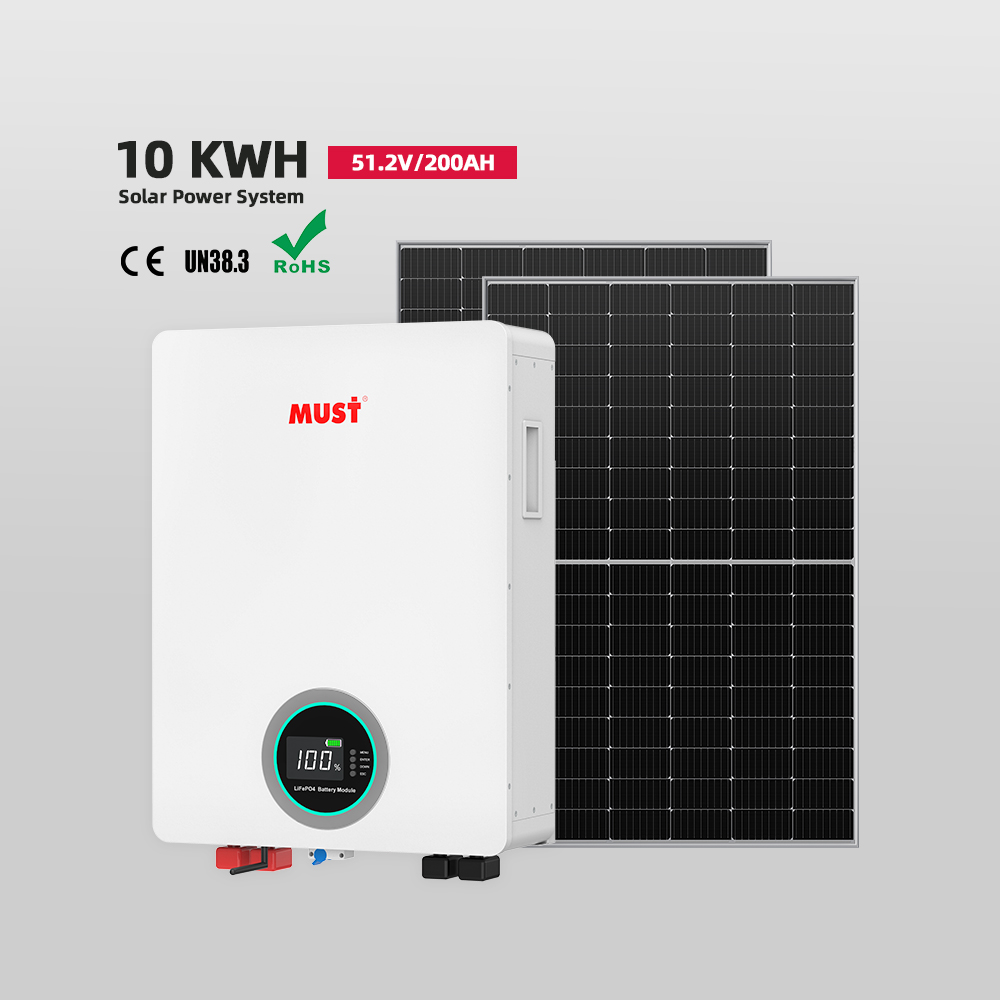
For LP16-48100 LiFePO4 Battery Pack 5 Years Life CE Certified for Solar Storage and Inverter System
View Technical Specifications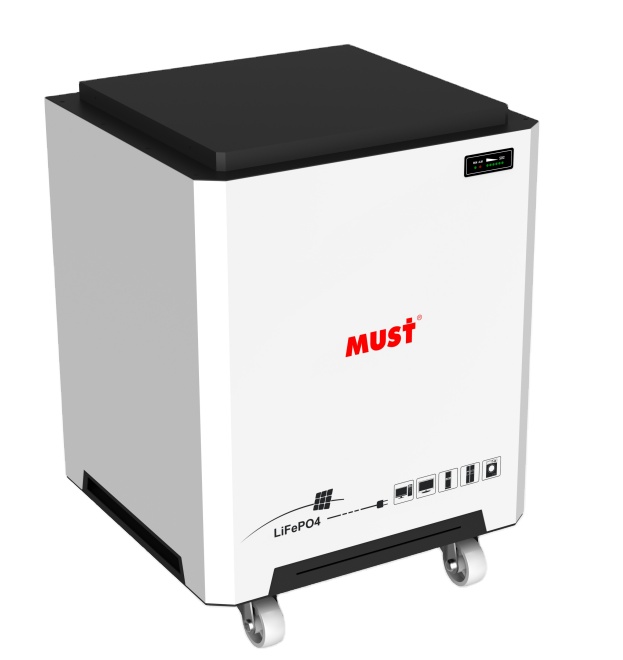
MUST BYD 51.2V 200Ah Tower Lithium Ion Battery 10kwh 48v 200ah Lithium Battery 5KWH 10KWH 15KWH 20KWH
View Technical Specifications
China LP2800 Series 48V LiFePO4 Battery 7000+ Cycles for Residential Energy Storage CAN/WiFi IP65 10-Year Warranty All-In-One
View Technical Specifications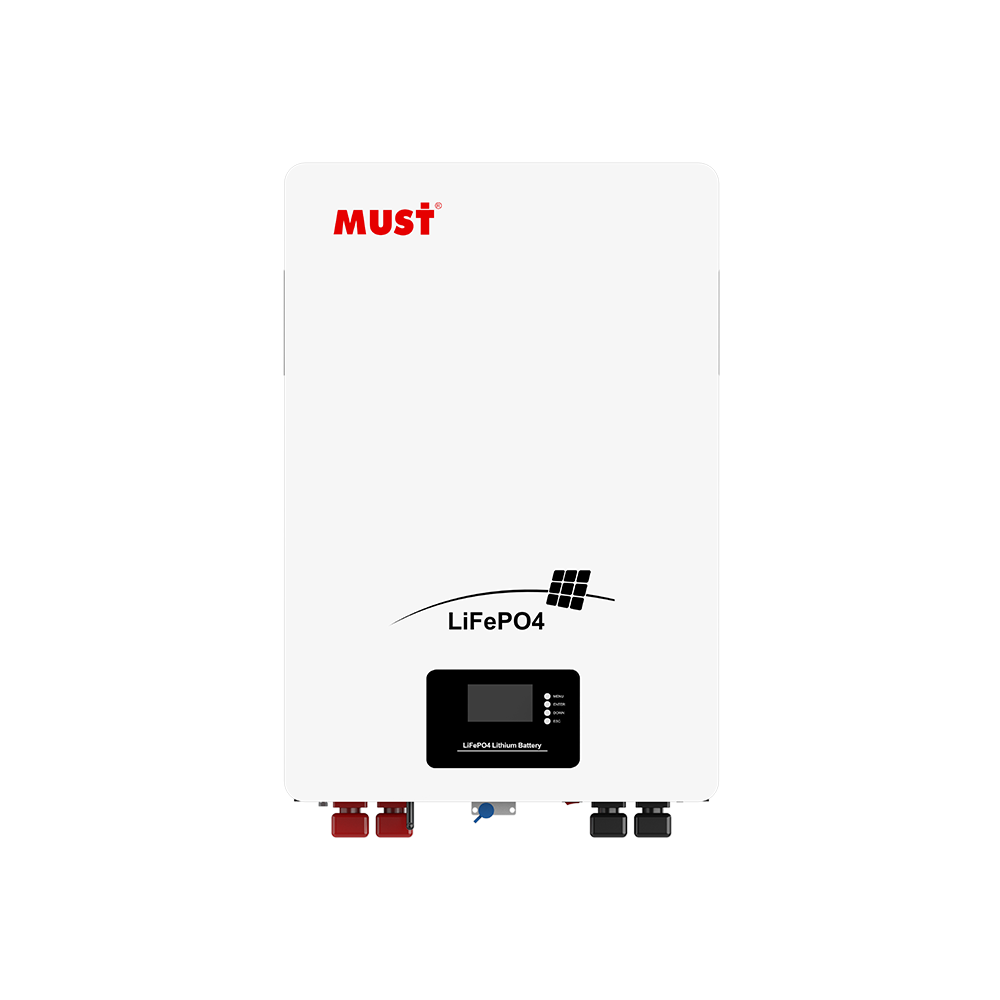
LP16 Hot-selling 48V 100Ah 10KWh Wall-Mounted Lifepo4 for Powerwall Lithium Battery for Home Energy Storage with CAN
View Technical Specifications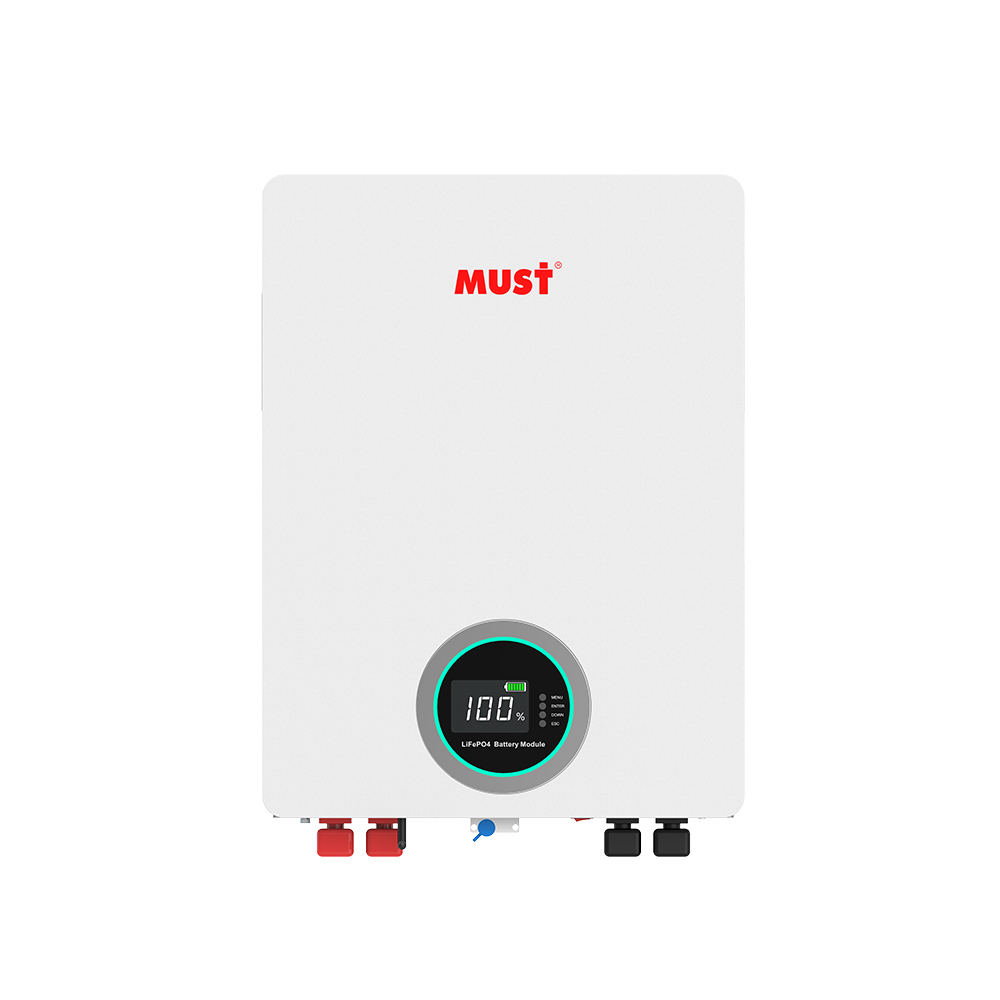
10kWh LiFePO4 Energy Storage Battery | 48V 200Ah Lithium Battery for Home & Solar Power
View Technical Specifications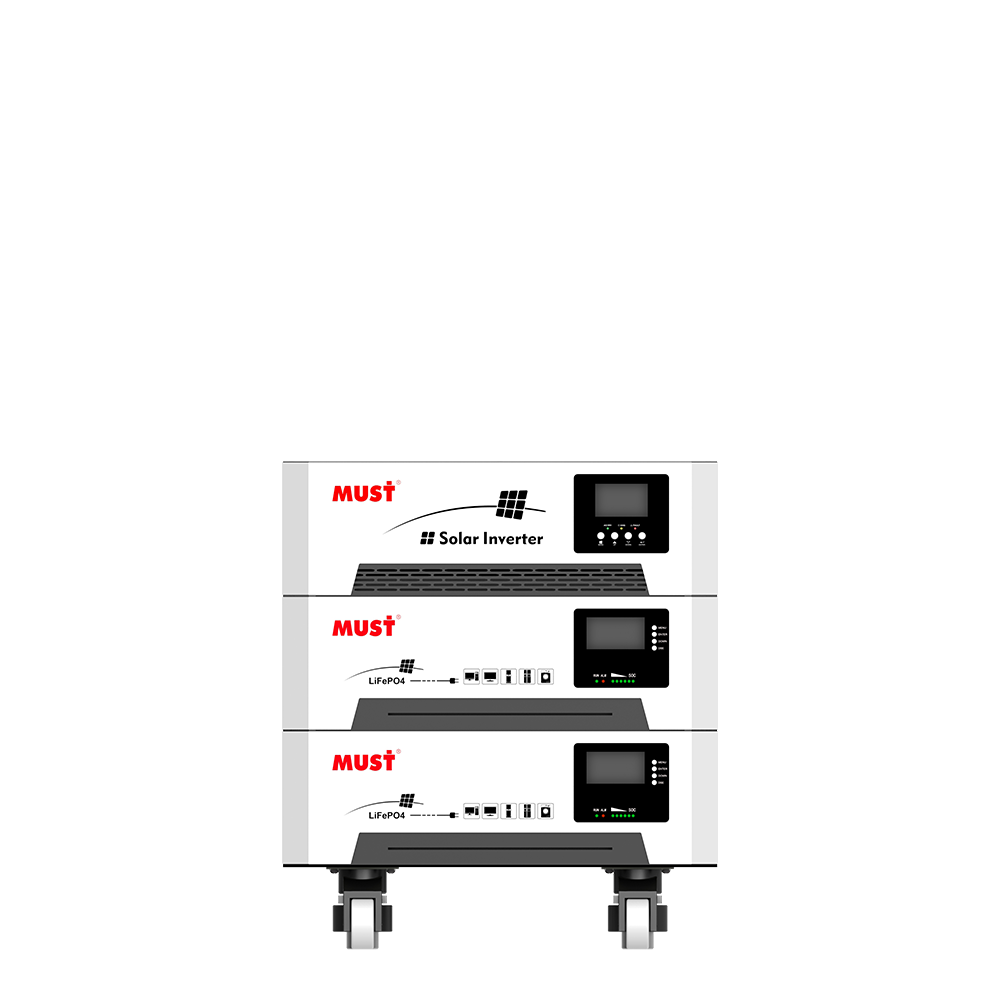
For MUST Solar Power Station LifePO4 Battery Wireless Charging MPPT Controller for Ukraine
View Technical Specifications
For 5KW to 15KW Lithium Battery Bank 24V Modular LiFePO4 Battery 100Ah 200Ah UN38.3/CE Certified for Home Energy Storage
View Technical Specifications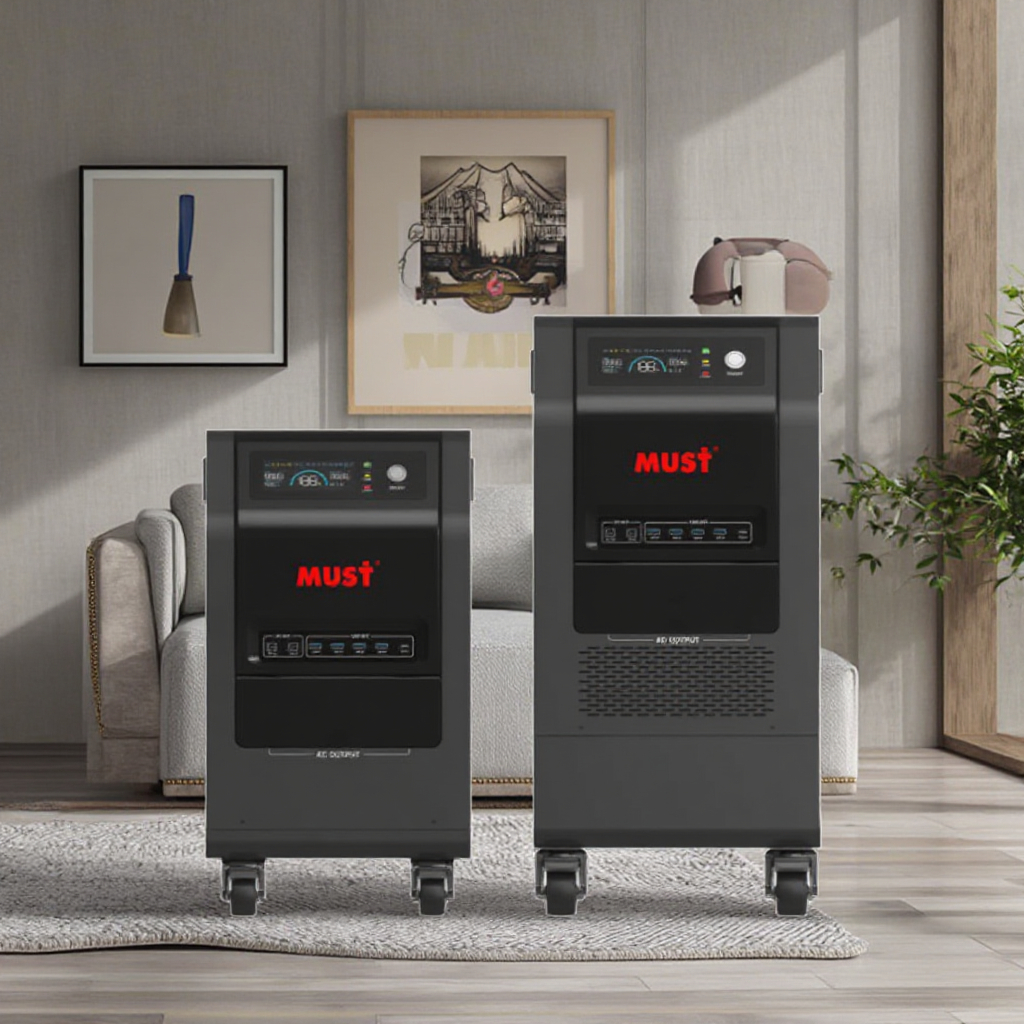
3000Wh 5000W HPortable Power Station Wholesale 220V Outdoor 5Wh Power Supply Solar Panel Generador Solar Portatil
View Technical Specifications1. The Evolution of China’s PV Hybrid Inverter Manufacturing Sector
Over the last decade, China has established itself as the undisputed manufacturing backbone of global photovoltaic (PV) hardware and distributed energy resources (DERs). Within this landscape, PV hybrid inverters—devices capable of simultaneously regulating solar array input, battery storage charging/discharging, grid interactive synchronization, and islanded off-grid emergency power delivery—represent the pinnacle of modern power electronics engineering.
Top Chinese factories have transitioned from cost-focused assembly shops to high-R&D technology leaders holding national invention patents. Today’s top-tier manufacturers design and produce low-frequency and high-frequency hybrid topologies equipped with wide MPPT (Maximum Power Point Tracking) operating ranges, high-voltage DC bus architectures, dynamic load-shedding relays, and integrated battery management system (BMS) communications supporting multi-brand lithium topologies.
Topological Classification: Off-Grid vs. On/Off-Grid Hybrid Systems
Understanding the exact technical requirements of your destination market is fundamental when evaluating Chinese OEM suppliers:
| Architecture Type | Primary Application Context | Grid Interaction & Switching | Target Geographical Markets |
|---|---|---|---|
| Off-Grid Storage Inverter (Pure Sine Wave) | Regions with weak utility infrastructure, frequent load-shedding, or total grid absence. | Uses AC bypass relays (transfer time < 10ms UPS grade). Does not export energy to utility. | Sub-Saharan Africa, Southeast Asia, Rural Latin America, Central Asia. |
| On/Off-Grid Smart Hybrid Inverter | Residential & small commercial facilities aiming to optimize self-consumption and peak shaving. | Bi-directional grid tie with dynamic export limitation, peak-valley tariff scheduling, and emergency backup power. | European Union, North America, Middle East, Australia, South Africa. |
| Low-Frequency Heavy Industrial Inverter | High inductive surge loads including heavy water pumps, air conditioners, and industrial compressors. | Heavy copper transformer isolation offering 300% peak surge capacity for 10-20 seconds. | Agricultural processing, off-grid telecom towers, microgrid mining outposts. |
2. Key Technology & Product Development Trends (2025–2030)
To maintain a competitive edge, procurement directors must align with factories investing in next-generation inverter hardware and software paradigms. Our R&D engineers highlight five transformative trends governing current export models:
Wide Bandgap Semiconductors (SiC / GaN)
Transitioning from traditional silicon IGBTs to Silicon Carbide (SiC) MOSFETs drastically reduces thermal switching losses, enabling peak conversion efficiencies above 98% and shrinking magnetic transformer footprints by up to 35%.
High-Voltage (HV) DC Coupling
Shifting from traditional 48V low-voltage battery banks to 200V–600V high-voltage stackable lithium battery architecture lowers system current, reducing cable copper volume, minimizing ohmic heat losses, and boosting round-trip energy efficiency.
AI-Driven Energy Management & TOU
Embedded IoT processors utilize real-time electricity tariff data and machine learning weather forecasting to automatically schedule battery charge/discharge cycles, maximizing financial ROI for residential users.
Universal BMS & Closed-Loop Protocol
Modern hybrid inverters ship pre-loaded with firmware matching RS485, CANbus, and Modbus protocols for leading lithium pack suppliers (including BYD, CATL, EVE, and Pylontech), ensuring plug-and-play BMS handshakes.
Integrated AFCI & Rapid Shutdown
To comply with stringent EU safety directives and NEC 2020/2023 guidelines, factory-integrated Arc Fault Circuit Interruption (AFCI) instantly detects dangerous DC arcing and trips within 0.5 seconds, avoiding rooftop fires.
Modular Scalability & Parallel Operation
Advanced synchronization firmware allows up to 6 to 12 hybrid inverters to be connected in parallel on a single system, effortlessly expanding single-phase or three-phase power capacity up to 180kW for commercial facilities.
3. Global B2B Sourcing & Procurement Trends
International buyers are moving away from traditional spot-market trading and unverified white-label vendors. The current global sourcing landscape favors OEM/ODM manufacturing partnerships characterized by three structural shifts:
A. Localized Service & Regional Hub Logistics
Long supply chain lead times and international shipping volatilization have driven top Chinese exporters to set up regional overseas hubs. For example, establishing direct subsidiary offices, spare part centers, and distribution points in Poland (Warsaw) for Europe, South Africa for Southern Africa, Dubai for the Middle East, and Egypt for North Africa enables 48-hour warranty turnaround times and localized technical support for installers.
B. Firmware Customization & Local Grid Code Compliance
A major barrier in solar inverter exporting is strict grid compliance certification. Top Chinese factories provide full OEM firmware development to pre-configure grid codes required by local utilities, such as EN50549-1, VDE-AR-N 4105 (Germany), G98/G99 (UK), CEI 0-21 (Italy), and NRS 097-2-1 (South Africa).
C. All-in-One ESS Bundling (Inverter + LiFePO4 Stack)
Procuring inverters and batteries from separate suppliers often results in protocol mismatches, BMS communication failures, and disputed warranty responsibilities. Consequently, buyers overwhelmingly prefer All-in-One Energy Storage Systems (ESS)—where the hybrid inverter, MPPT controller, and LiFePO4 battery cabinet are engineered, tested, and certified together under one factory roof.
4. Enterprise Manufacturing Superiority & Factory Verification
When conducting factory audits in China, verifiable evidence of manufacturing scale, technical depth, and quality control systems is mandatory. CJH Energy (guangdong) Tech Co., Ltd. serves as an industry benchmark for B2B exporters:
- Facility Scale: Spanning a 31,056 m² modern industrial park employing 1,109 personnel.
- Production Capacity: Over 600,000 units annually across off-grid solar inverters, smart hybrid inverters, MPPT charge controllers, UPS, and LiFePO4 energy storage packs.
- On-Site TÜV Verification: Assessed on-site by TÜV Rheinland, confirming real physical production lines, automated testing equipment, and transparent operational standards.
- Quality Management System: Certified to ISO 9001 (Quality), ISO 14001 (Environmental), and ISO 45001 (Occupational Health & Safety).
- R&D Capability: Driven by an in-house team of 80+ power electronics engineers holding national invention patents and offering complete ODM/OEM hardware and firmware engineering.
5. Frequently Asked Procurement Questions (FAQ)
CJH Energy is a custom manufacturer with fully integrated production lines. Our facility covers 31,056 m², employs 1,109 people, and has been verified on-site by TÜV Rheinland. We handle all design, SMT, assembly, aging tests, and packaging in-house.
We provide end-to-end ODM/OEM customization including custom metal enclosure tooling, brand silkscreening, custom LCD UI design, customized firmware parameters, specific grid code pre-flashing, and tailored CAN/RS485 BMS communication protocols for proprietary battery banks.
Our facility operates under ISO 9001, ISO 14001, and ISO 45001 management systems. Individual product series carry market-specific certificates including CE, IEC 62109-1/-2, IEC 62040, UN38.3, MSDS, and CEI 0-21 test reports. Complete documentation is available upon inquiry.
As a practical engineering rule: 12V DC input is optimal for portable or light loads under 1kW; 24V DC suits home loads between 1kW and 3kW; 48V DC (or higher HV architectures) is strongly recommended for power demands exceeding 3kW because higher operating voltages dramatically decrease current draw, reducing cable thickness, heat generation, and power loss.
To assist global distributors, CJH Energy maintains active subsidiary operations and regional stocking centers in Poland (Warsaw for EU distribution), South Africa, Dubai, and Egypt. This infrastructure ensures fast local sample delivery, rapid spare parts distribution, and localized technical troubleshooting.
Standard lead time for initial customized OEM orders is approximately 25 to 30 days, which includes brand packaging printing and quality testing. Repeat orders can often be expedited within 15 to 20 days. Regional stock in our overseas hubs can be dispatched immediately.
Accelerate Your Clean Energy Distribution Strategy
Partner directly with a TÜV-verified tier-1 solar manufacturer. Contact our senior sales engineering team today to receive factory wholesale pricing, technical datasheets, OEM customization terms, and regional distributor support packages.
