Featured Industrial & Residential Energy Systems
Factory-direct supply of pure sine wave low-frequency inverters, MPPT solar controllers, and LiFePO4 battery storage engineered for high surge stability and long lifespan.
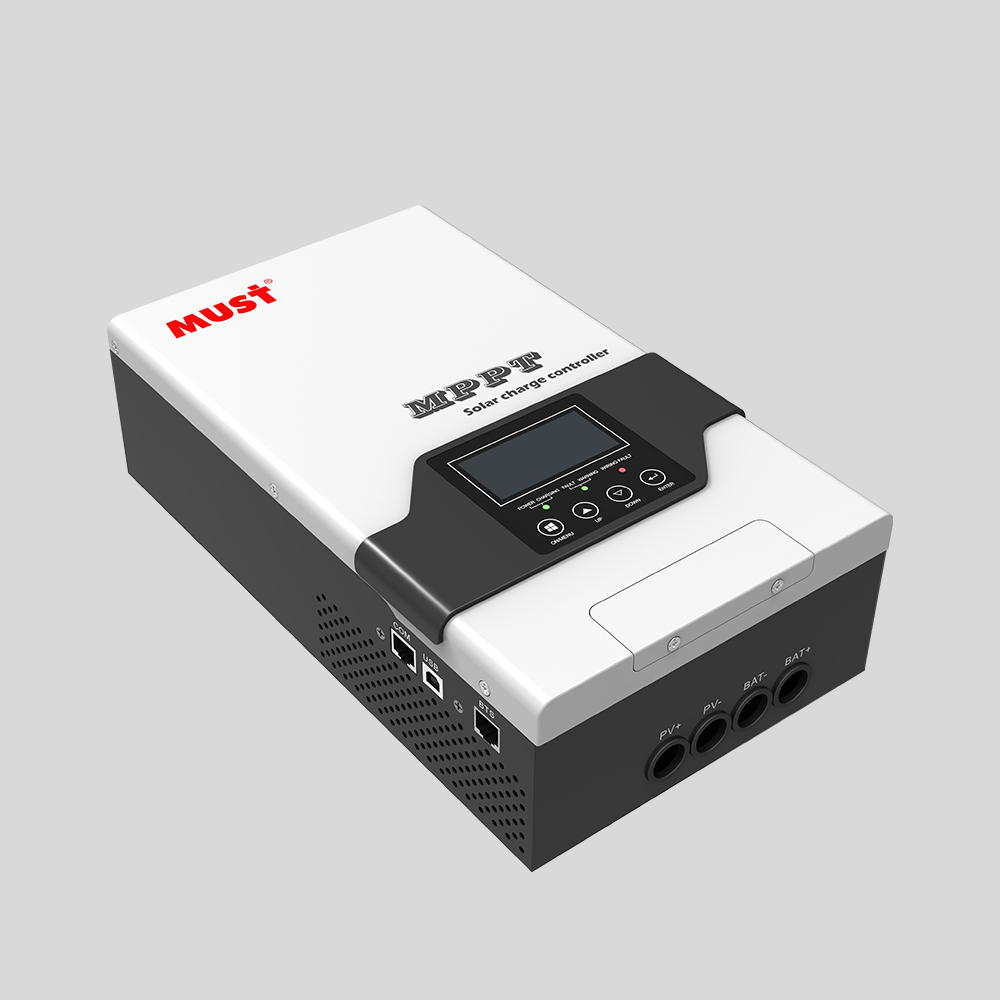
MUST PC1800F Series Fan Cooling 60A 80A 100A MPPT Charge Controller
12V/24V/48V Auto Sensing | Max PV Input 145VDC | >98% MPPT Tracking Efficiency
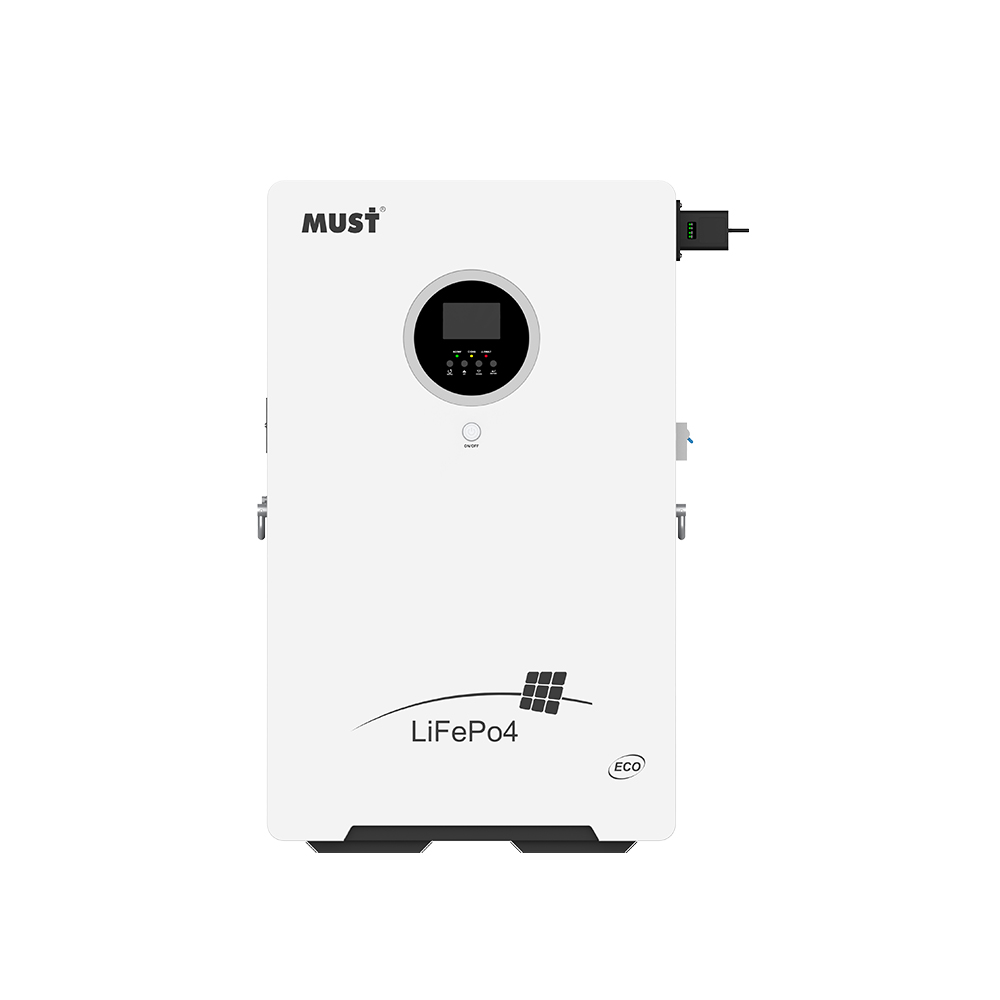
HBP19-5548 VPM All-in-One Off-Grid Hybrid Solar Generator
3.5kW / 5.5kW Output | Integrated 3kWh–5kWh Lithium Storage | Plug-and-Play Setup
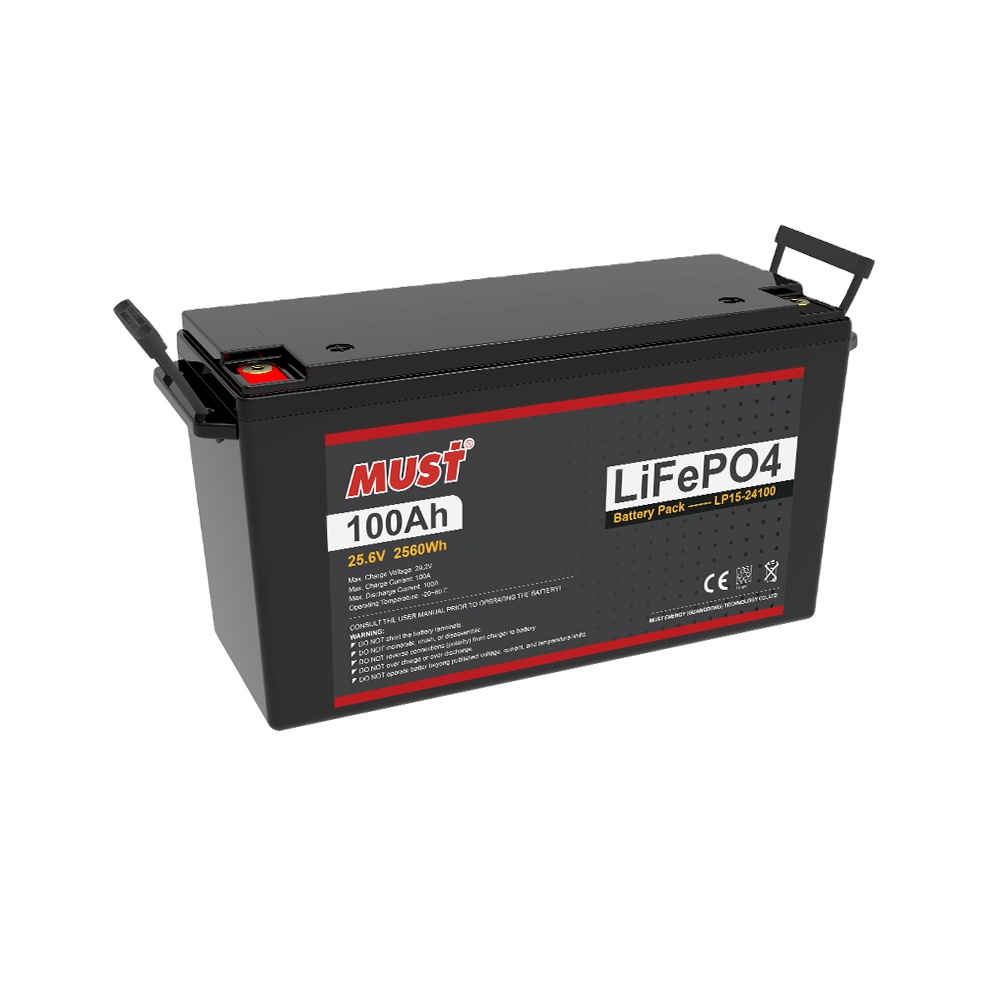
LP15-24100 LiFePO4 Battery Pack 25.6V 2560Wh for Home Storage
6000+ Cycles @ 80% DOD | Smart BMS Communication | 5-Year Factory Warranty
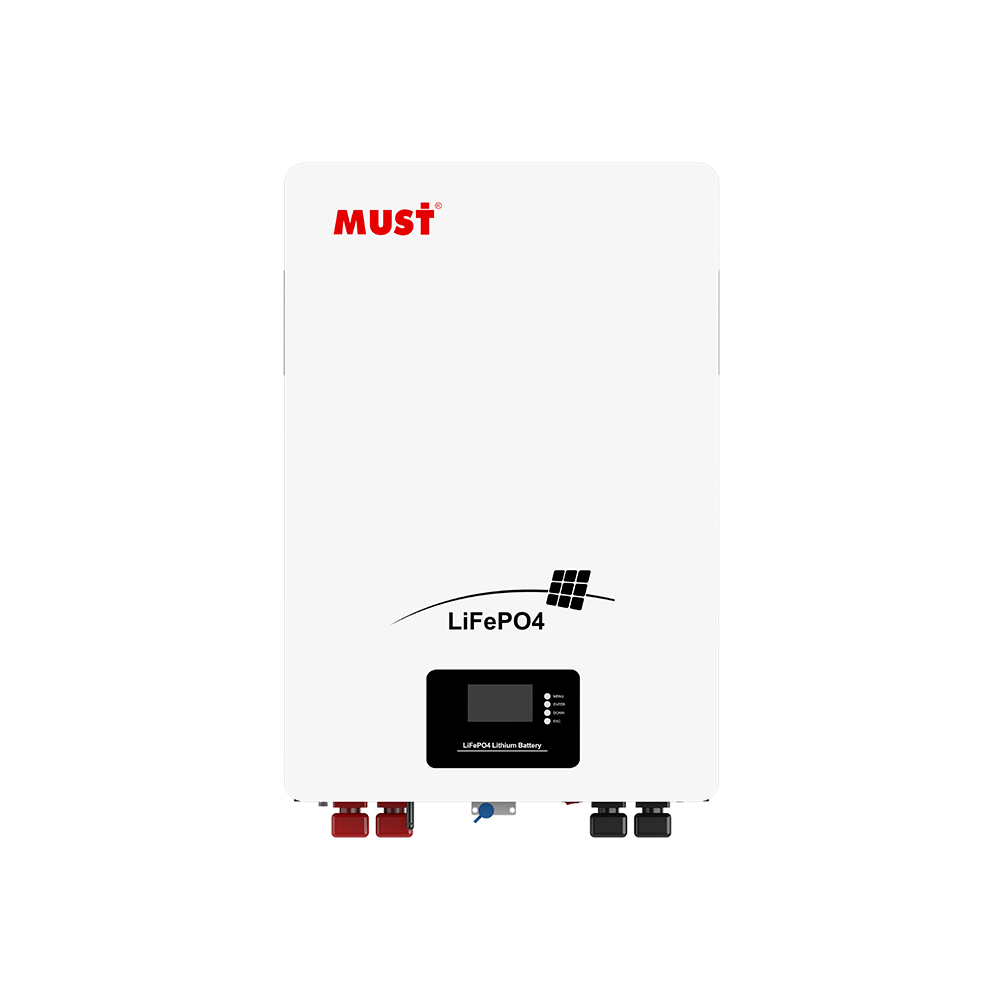
LP16-48200 Solid State LiFePO4 Residential & Commercial Battery System
51.2V 200Ah (10.24kWh) | High Thermal Stability | RS485/CAN Hybrid Inverter Compatible
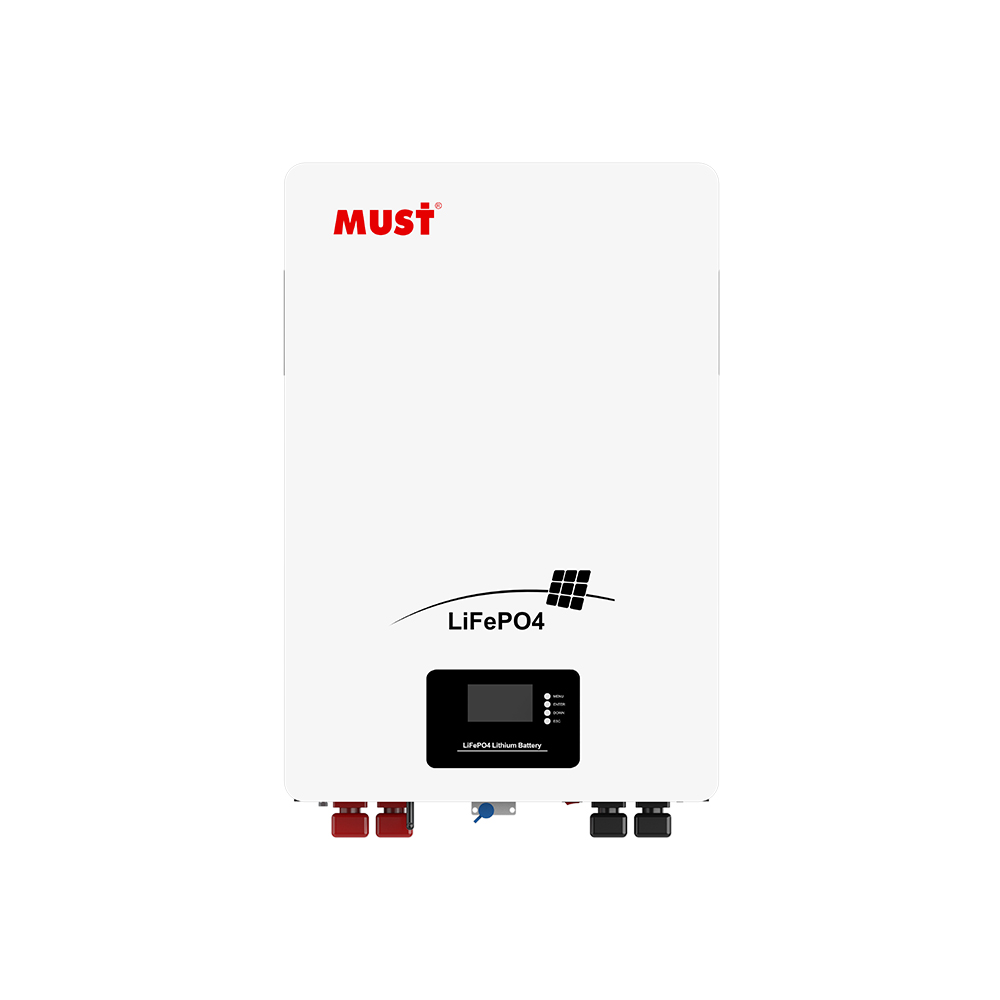
Poland Warehouse Stock 10kWh LiFePO4 Battery for LP16-48200
EU Stock Duty Free Fast Delivery | Multi-Inverter Protocol Support | 6000 Cycles
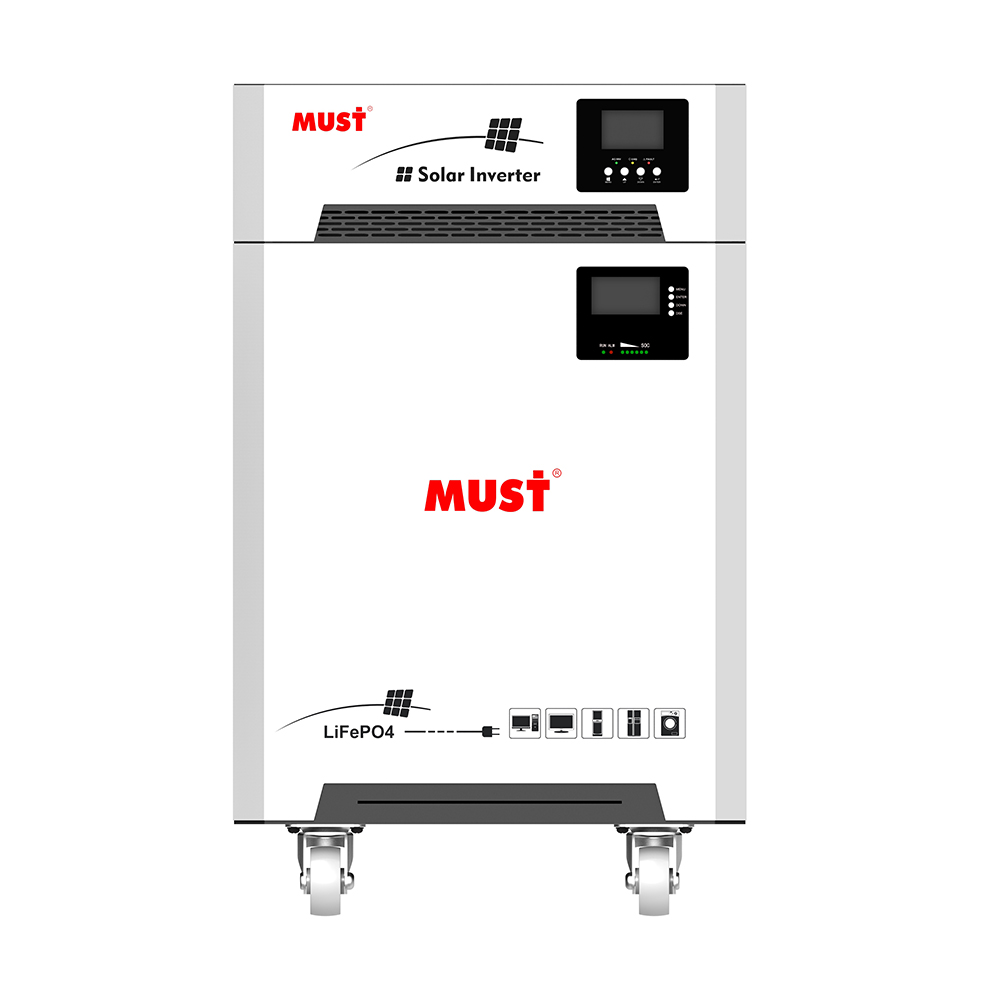
48V 250Ah (12.8kWh) Heavy-Duty LiFePO4 System with 5KW Inverter
Complete Off-Grid Backup Solution | Heavy Surge Capability | IP54 Outdoor Protection

Portable Outdoor Solar Power Station 2000Wh / 3000Wh Inbuilt Lithium
Pure Sine Wave AC Output | Integrated MPPT Solar Charger | Mobile Field Emergency Power
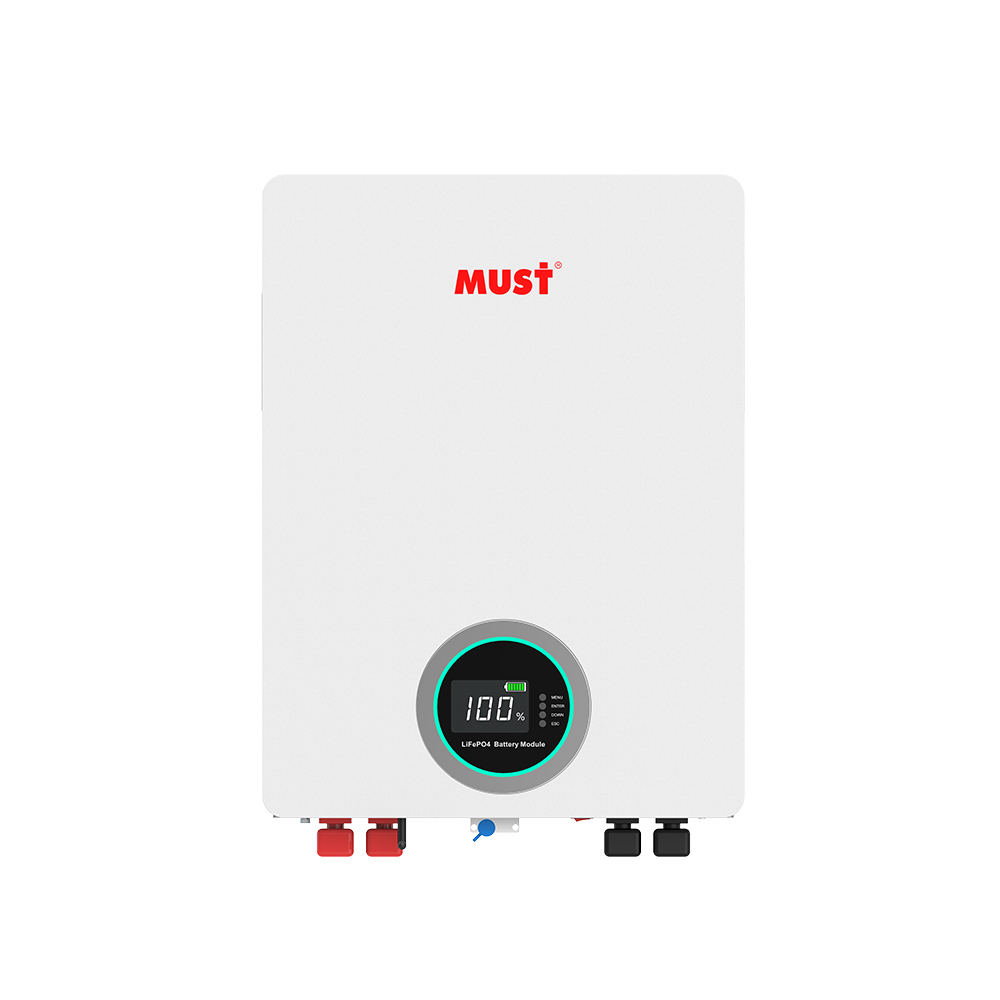
10kWh Server Rack LiFePO4 Battery Pack 48V 200Ah Home Energy Storage
Standard 19-Inch Rack Mount | Parallelable up to 15 Units (150kWh) | Tier-1 Cells
1. Executive Engineering Overview: The Role of Low Frequency Inverters in Harsh Grids
In the rapidly evolving global solar energy marketplace, procurement teams face a critical choice between High-Frequency (HF) switching topologies and Low-Frequency (LF) copper transformer-based power architectures. As a prime OEM/ODM custom manufacturer based in Guangdong, China—operating across 31,056 m² of automated manufacturing space with a workforce of 1,109 skilled personnel and 80+ power electronics engineers—CJH Energy (Tech) Co., Ltd. presents this authoritative industry whitepaper to assist distributors, installers, and system integrators worldwide.
Low-frequency solar inverters utilize heavy-duty copper toroidal transformers to convert DC electricity stored in battery banks or generated by PV arrays into clean AC sine wave power. Unlike high-frequency units that rely on electronic MOSFET switching circuits vulnerable to voltage spikes, low-frequency inverters deliver physical galvanic isolation. This isolation insulates sensitive equipment from harmonic distortion, high DC bias, and severe utility grid transients, making LF inverters the gold standard for weak-grid environments across Africa, Latin America, Southeast Asia, and rural European microgrids.
2. Technical Deep-Dive: Toroidal Transformers vs. EI Cores & Heavy Inductive Loads
The fundamental engineering differentiator of CJH Energy’s low frequency inverter series lies in our proprietary toroidal core transformer design. Traditional EI laminations suffer from magnetic leakage, high hysteresis loss, and audible operational noise. Our precision-wound toroidal transformers feature grain-oriented silicon steel cores with continuous copper windings, achieving up to 95% power transfer efficiency while reducing no-load idle consumption by up to 40% compared to legacy LF designs.
When powering high-inductive electrical loads such as water pumps, air conditioners, industrial refrigeration compressors, and heavy power tools, electrical motors demand inrush currents up to 3 to 5 times their nominal rated wattage. High-frequency inverters frequently trip on overcurrent protection or experience MOSFET breakdown under such stress due to shallow thermal mass. Low-frequency toroidal inverters absorb high kinetic surge spikes safely over 20 seconds, maintaining unbroken AC sine wave output without voltage sag or frequency degradation.
⚡
300% Peak Surge Tolerance
Designed to handle 3x nominal rated capacity for 20 continuous seconds, allowing heavy motor startup without inverter fault trips.
🛡️
True Galvanic Isolation
Physical separation between DC battery circuits and AC grid line output eliminates DC leakage currents and lightning surge propagation.
🌡️
Thermal Mass Resilience
Heavy copper core absorbs rapid heat buildup during continuous peak load operation in high ambient temperatures (up to 55°C).
3. Global Procurement Trends: The Next Era of Low Frequency Inverter Sourcing
As commercial B2B procurement buyers navigate shifting energy dynamics, several key technology and supply chain trends are redefining how low-frequency inverters and lithium storage batteries are specified:
Trend 1: Topology Hybridization with High PV Input MPPTs
Historically, low-frequency inverters were constrained to low PV voltage inputs (below 150VDC), requiring costly combiner boxes and thick cabling. Next-generation CJH Energy LF topologies integrate ultra-wide MPPT solar charge controllers supporting up to 450VDC–500VDC PV input arrays. This enables long solar string wiring, reduces installation labor, and delivers overall balance-of-system (BOS) cost savings up to 18%.
Trend 2: Dynamic Smart BMS Dual-Way Communication Protocols
Modern lithium iron phosphate (LiFePO4) storage chemistry requires seamless hardware-level handshakes between inverter microprocessors and battery management systems. CJH Energy low-frequency systems feature multi-protocol chipsets supporting auto-matching with major Tier-1 battery brands via CAN 2.0B, RS485, and RS232 communications. This enables real-time SOC tracking, dynamic charge current scaling, and cell voltage protection.
Trend 3: Regional Stocking & Overseas Logistics Localization
Global supply chain risks have forced distributors away from 100% direct ocean-freight dependence. CJH Energy has responded by building local operations and warehouse centers in key hubs—including our Warsaw office (CJH Energy Polska), South Africa, Dubai, and Egypt. Local European and African stock reduces transit lead times from 35 days to under 48 hours for fast warranty replacements and urgent commercial deliveries.
| Evaluation Criteria | CJH Low Frequency Inverter | Standard High Frequency Inverter | Legacy EI Transformer Inverter |
|---|---|---|---|
| Surge Capacity (Inductive) | 300% Nominal (20 Seconds) | 150% Nominal (2 Seconds) | 200% Nominal (5 Seconds) |
| Galvanic Grid Isolation | Built-in Copper Transformer | None (Direct Switching) | Built-in Iron EI Core |
| High PV Array Input | Wide MPPT (Up to 450VDC) | Wide MPPT (Up to 500VDC) | Low PV (Max 145VDC) |
| Lithium BMS Handshake | Dual CAN/RS485 Auto Protocol | Variable / Basic RS485 | Manual Voltage Dip Switch |
| Lifespan Expectancy | 10 to 15 Years Continuous | 3 to 5 Years Typical | 7 to 10 Years Heavy Weight |
4. Enterprise Manufacturing Standards & OEM/ODM Capabilities
With over two decades of technical expertise in power conversion electronics, CJH Energy offers turnkey engineering, private label manufacturing, and customized firmwares tailored to regional grid compliance mandates (including CE LVD/EMC, IEC 62109, UN38.3, and TÜV Rheinland verified plant protocols).
Custom Chassis & Branding
Full powder-coated enclosure color matching, custom laser-etched stainless logos, silk-screen graphic styling, and custom retail export packaging.
Firmware Parameter Engineering
Custom grid voltage thresholds, localized utility frequency defaults (50Hz/60Hz), tailored charge curves for AGM, Gel, LiFePO4, and custom solid-state batteries.
Stringent Quality Assurance
Every unit undergoes 100% automated optical inspection (AOI), high-potential insulation withstand testing, dynamic burn-in chamber aging, and full surge load simulation.
5. Frequently Asked Questions (B2B Procurement & Technical FAQ)
Partner with China's Premier Low Frequency Inverter Factory
Expand your distribution network with reliable power electronics, competitive direct-factory pricing, full OEM branding options, and local warehousing support.
