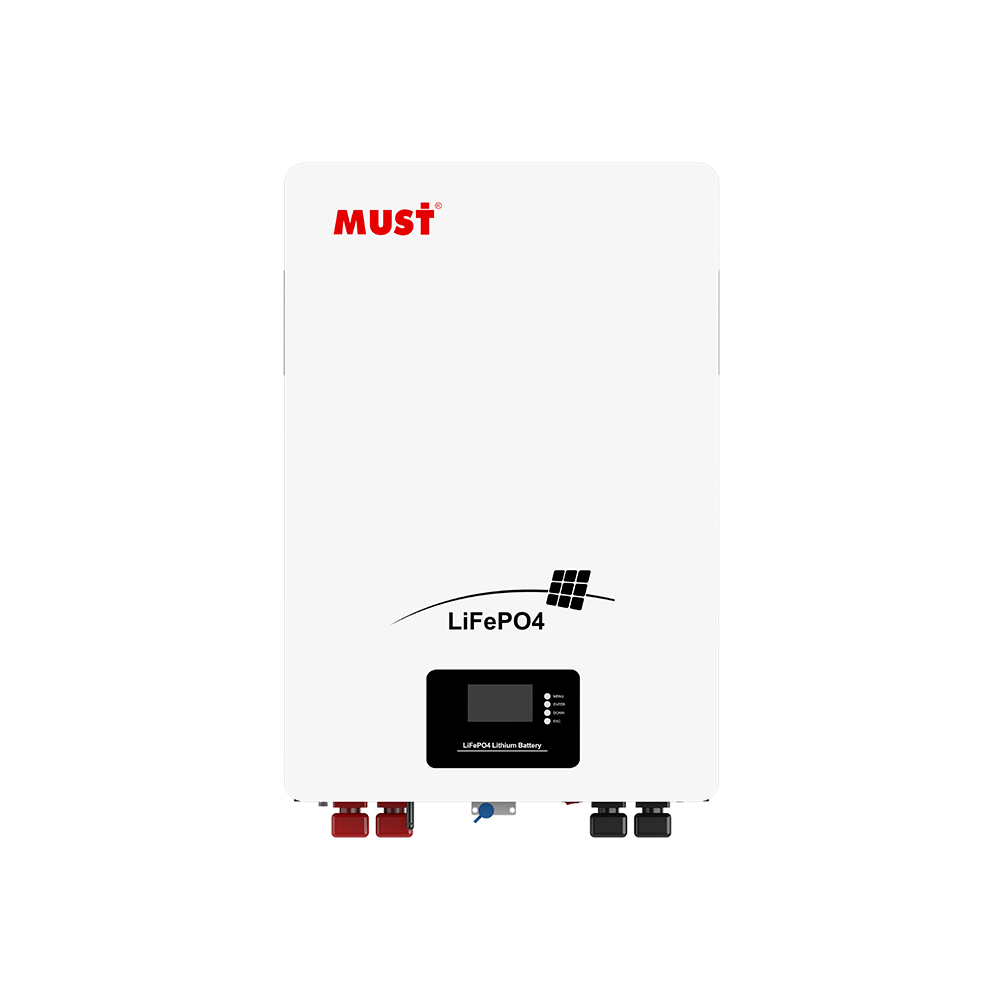
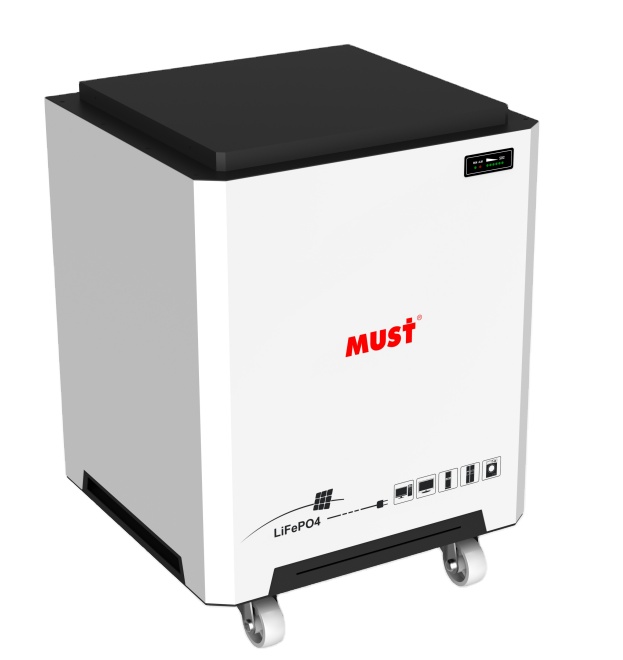
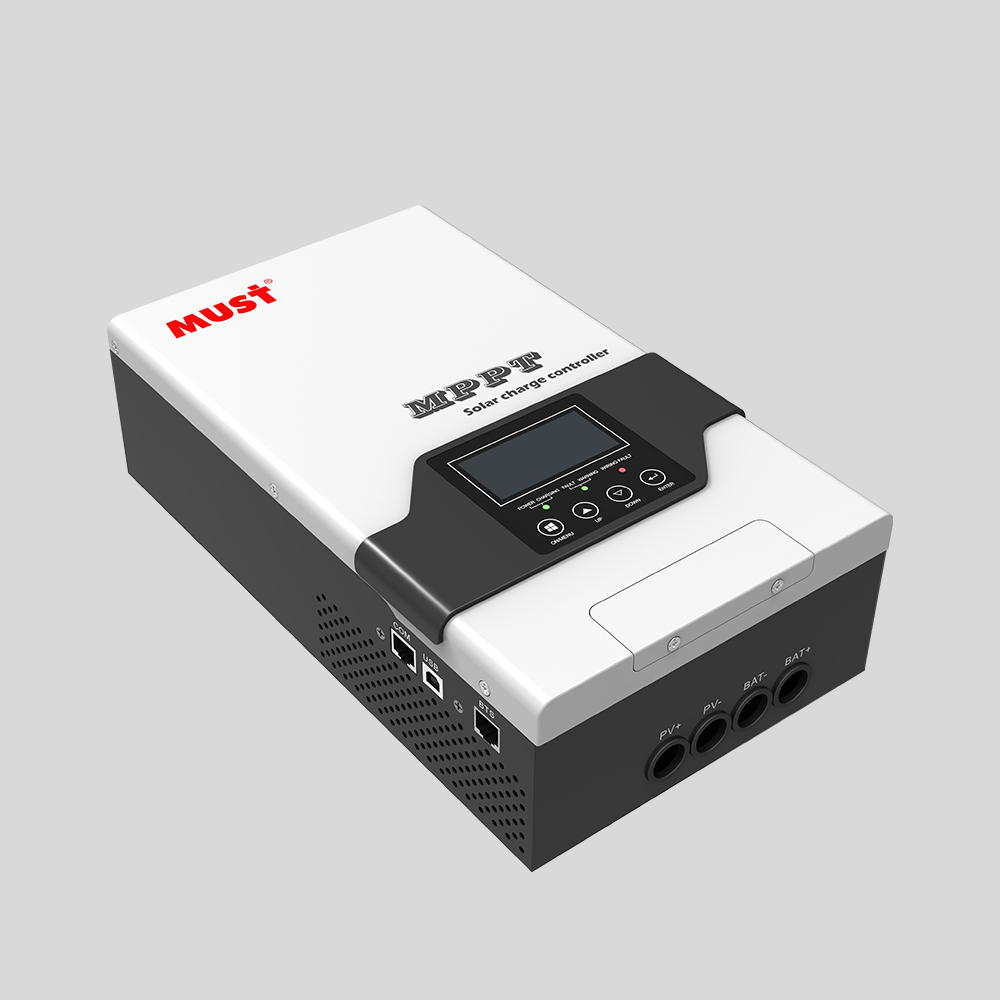
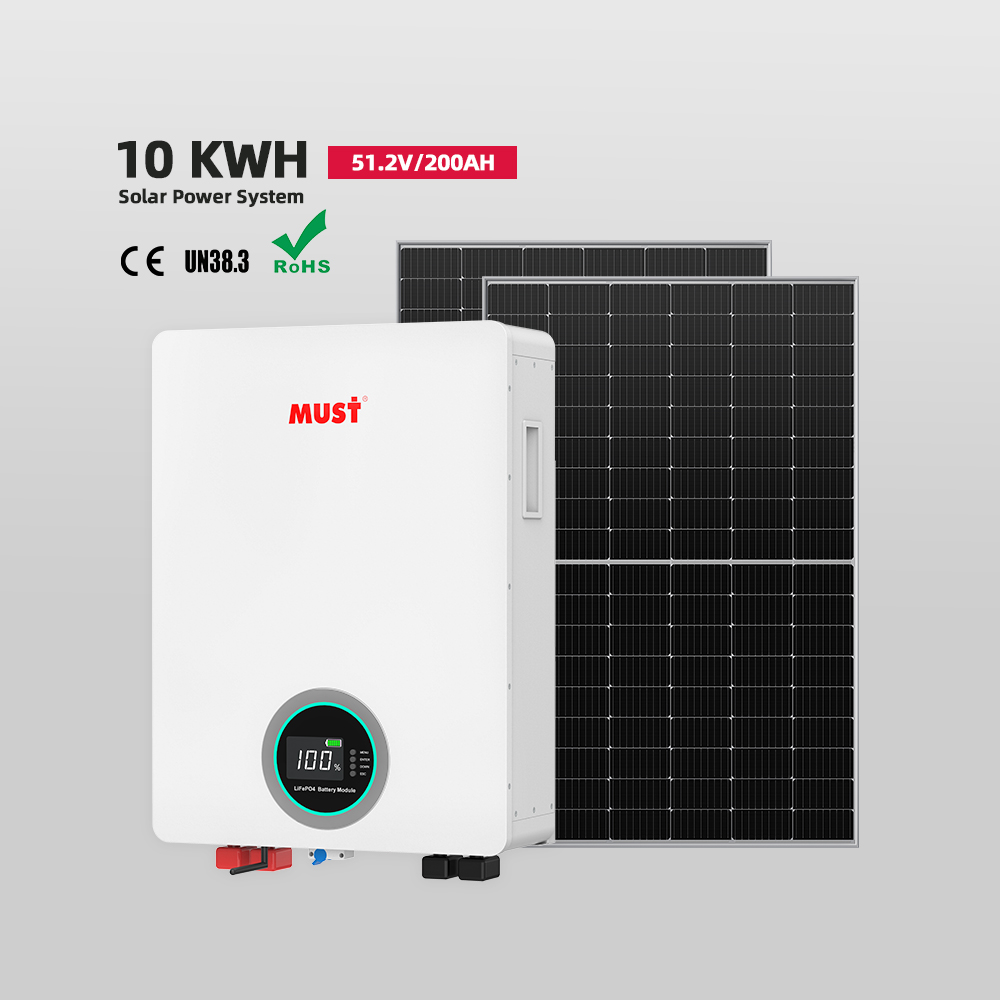
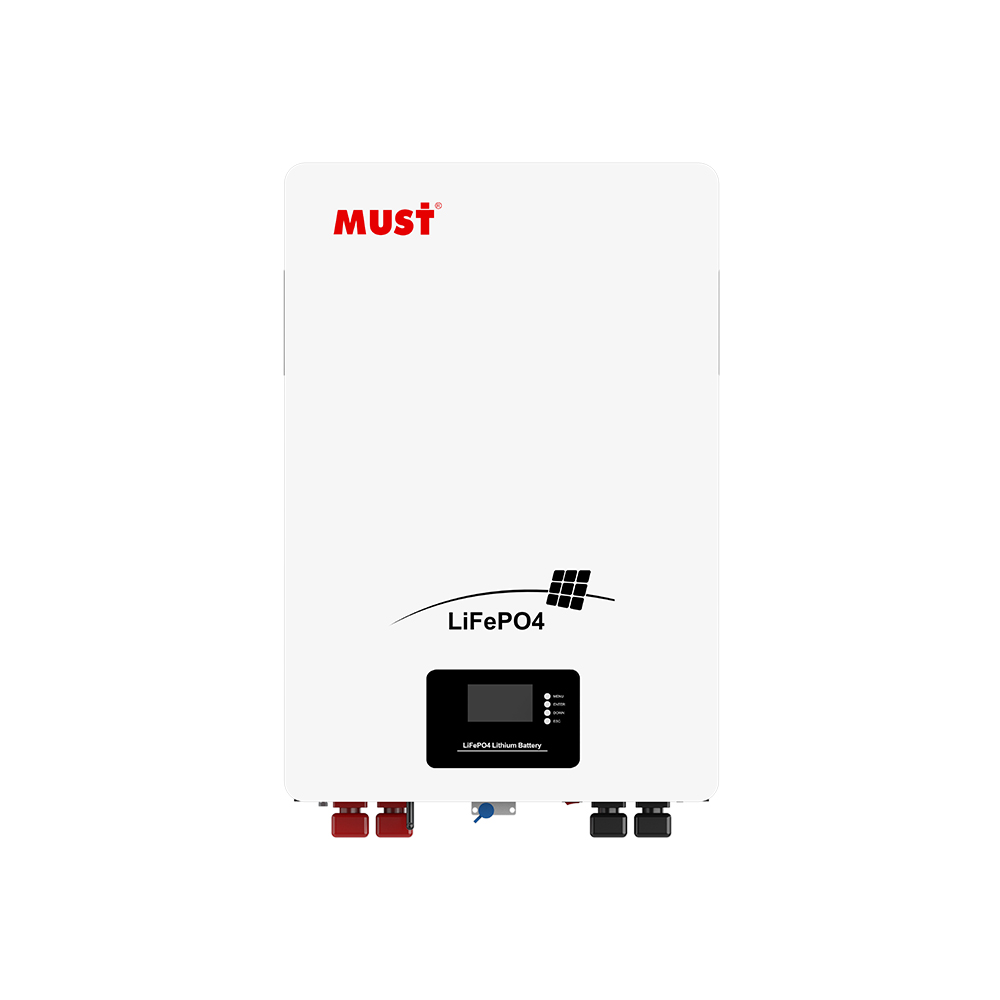
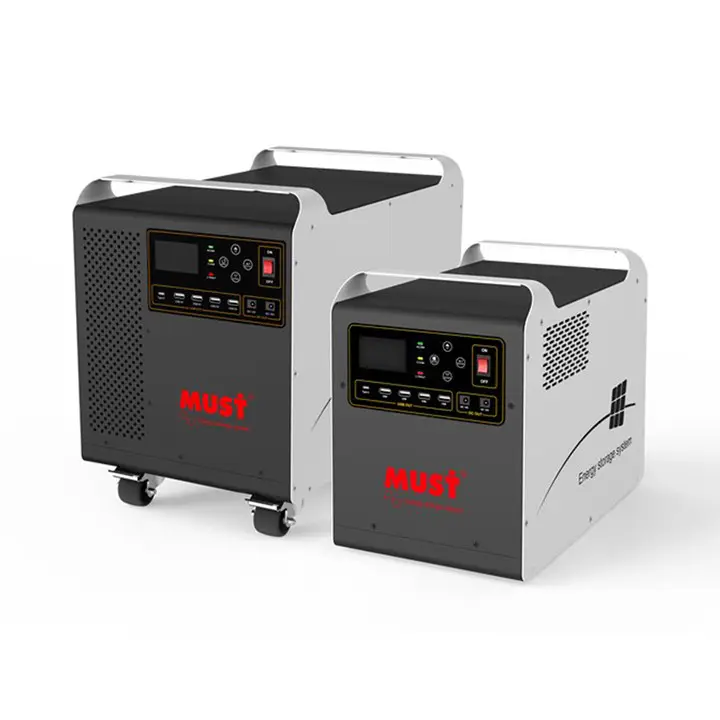
Factory-direct residential, commercial, and portable LiFePO4 energy storage solutions engineered for maximum cycle life, multi-inverter protocol compatibility, and extreme climate durability.
The Global Landscape of Top China Lithium Solar Battery Manufacturers
As the global energy transition accelerates toward net-zero targets, China has solidified its position as the undisputed epicenter of lithium iron phosphate (LiFePO4) manufacturing and solar battery technology development. Over 85% of the world's solar energy storage system (ESS) battery cells originate from advanced gigafactories across Guangdong, Jiangsu, and Fujian provinces. For international B2B buyers—including solar EPC contractors, regional distributors, OEM brand owners, and power utility integrators—partnering with a top-tier Chinese lithium solar battery factory is no longer merely a cost-reduction exercise; it is a key strategic imperative to ensure supply chain resilience, technological superiority, and long-term project bankability.
The technical evolution of China's lithium battery ecosystem has shifted dramatically from basic assembly toward automated, cell-to-pack (CTP) structural engineering, solid-state electrolyte commercialization, and deep software-hardware integration. Modern Chinese lithium battery factories incorporate automated laser welding, high-precision robotic sorting, and multi-tier quality management systems operating under ISO 9001, ISO 14001, and ISO 45001 frameworks. This industrial maturity allows leading manufacturers like CJH Energy (Guangdong Tech Co., Ltd.) to deliver turnkey battery storage systems boasting design cycle lives exceeding 6,000 to 7,000 cycles at 80% Depth of Discharge (DOD).
Key Information Gain: Sourcing directly from certified Tier-1 Chinese manufacturers eliminates middle-tier markups while ensuring direct engineering control over Battery Management System (BMS) protocol matching, thermal design optimization, and market-specific compliance (such as UN38.3, IEC 62619, UL 1973, and CE certification).
Why Tier-1 Chinese Lithium Battery Factories Lead the ESS Sector:
- Unrivaled Supply Chain Verticalization: Direct access to cathode material synthesis (LFP/LMFP), high-purity synthetic graphite anodes, and high-conductivity electrolytes ensures consistent cell quality and scalable production volume.
- Automated Manufacturing Precision: Automated production lines minimize human variance during cell grouping, busbar torqueing, and laser tab welding, resulting in superior pack-level voltage consistency and thermal stability.
- Software-Defined Battery Management Systems (Smart BMS): Advanced algorithms for dynamic active balancing, multi-protocol communication (CANbus 2.0B, RS485, RS232, Modbus RTU), and remote cloud telemetry integration.
Future Procurement Trends in Lithium Solar Battery Manufacturing (2025–2030)
Global procurement directors and renewable energy project managers must navigate a rapidly evolving technological landscape. Sourcing strategies are moving away from traditional lead-acid replacement batteries toward ultra-high-density, multi-functional lithium platforms. Understanding these emerging vector trends allows commercial buyers to future-proof their product portfolios and maintain a competitive edge in their local markets.
1. Transition to Solid-State and Semi-Solid LiFePO4 Chemistries
While standard liquid-electrolyte LiFePO4 cells remain the workhorse of residential solar storage, next-generation solid-state and semi-solid LiFePO4 technology (as embodied in advanced platforms such as the LP16-48200 series) represents the future benchmark. By replacing volatile organic liquid electrolytes with non-flammable solid polymer or ceramic matrix electrolytes, solid-state solar batteries effectively eliminate thermal runaway propagation risks. Furthermore, solid-state architecture delivers higher volumetric energy density, enabling compact 10kWh to 20kWh residential battery footprints with operational lifespans reaching up to 15 to 20 years.
2. Universal Inverter Handshake & Multi-Protocol BMS Integration
Historically, installer frustration stemmed from communication mismatches between battery packs and hybrid solar inverters. Modern top Chinese factories equip their lithium batteries with pre-programmed, multi-brand auto-matching firmware. Leading battery units seamlessly communicate via CAN and RS485 protocols with globally dominant hybrid inverter platforms, including Deye, Victron Energy, Solis, Luxpower, Growatt, Sofar Solar, GoodWe, and Voltronic Power. This plug-and-play capability dramatically cuts installation labor costs and reduces on-site technical support tickets for distributors.
3. Modular "3-in-1" Form Factor Versatility
Stock-keeping unit (SKU) rationalization is a top priority for solar distributors. Instead of stocking separate product lines for wall-mounted, floor-stacked, and 19-inch server rack applications, factories are standardizing on flexible 3-in-1 structural enclosures. A single 48V 200Ah (10kWh) battery chassis can now be adapted on-site using modular mounting brackets, allowing installers to tailor the installation method based on space constraints without modifying the battery hardware.
4. Overseas Regional Warehousing and Fast-Fulfillment Logistics
Extended sea freight lead times and fluctuating container shipping rates have transformed international logistics strategy. Leading Chinese manufacturers now maintain localized consignment and buffer stock in key economic hubs. For example, direct access to European stock via Poland regional warehouses (specifically serving European Union installers) and fulfillment centers in Dubai, South Africa, and Egypt enables 48-to-72-hour local dispatch, eliminating inventory bottlenecks for regional EPC installers.
Technical Benchmark: Lithium Solar Battery Architectures Compared
Selecting the optimal battery topography requires balancing technical metrics such as nominal voltage, cycle life, operational temperature bounds, and mounting flexibility against target market demands.
| Battery Series / Architecture |
Nominal Voltage & Capacity |
Cell Chemistry & Structure |
Design Cycle Life (@80% DOD) |
Communication & Inverter Protocols |
Target Application Fit |
| Solid-State LP16-48200 |
51.2V / 200Ah (10.24kWh) |
Semi-Solid LiFePO4 Prismatic |
6,000 – 8,000 Cycles |
CAN, RS485, RS232 (Auto-detect) |
High-end Residential & Commercial ESS; Zero-Thermal Risk |
| Modular Tower System |
51.2V / Stackable (5-20kWh) |
Tier-1 Automotive Grade LFP |
6,000+ Cycles |
High-Voltage / Low-Voltage CAN bus |
Scalable Home Backup & Small Commercial Energy Storage |
| LP2800 All-In-One Series |
48V / 100Ah – 200Ah |
Standard LiFePO4 (IP65 Enclosure) |
7,000+ Cycles |
WiFi / Cloud IoT + CAN / RS485 |
Outdoor Residential Systems, High-Humidity & Harsh Environments |
| 3-in-1 Universal Pack |
48V / 200Ah (9.6kWh - 10kWh) |
Prismatic LFP Cell Array |
6,000 Cycles |
Dual RS485 + CANbus Multi-node |
Universal Installer Stock (Wall Mount / Rack Mount / Stacked) |
| Portable Power Station |
12.8V – 25.6V (1000W AC) |
Compact LiFePO4 Cells |
3,500+ Cycles |
LCD Screen + Mobile App Bluetooth |
Off-Grid Mobile, RV Camping, Emergency Telemetry Backup |
Inside CJH Energy: Enterprise Manufacturing Infrastructure & Quality Excellence
CJH Energy (Guangdong) Tech Co., Ltd. stands as a premier manufacturer specializing in the research, development, and mass production of off-grid solar inverters, hybrid energy storage inverters, MPPT solar charge controllers, pure sine wave power units, UPS systems, and deep-cycle LiFePO4 battery packs. With over two decades of technical heritage in power electronics, CJH Energy operates a modern manufacturing complex engineered to meet the demanding requirements of global B2B buyers.
Factory Technical & Operational Scale:
- Facility Footprint: Spanning 31,056 square meters of advanced manufacturing facilities equipped with automated surface-mount technology (SMT) lines, automated cell sorting systems, laser welding cells, and environmental testing chambers.
- Workforce Expertise: Powered by 1,109 dedicated professionals, including a core R&D team of over 80 senior electrical software, firmware, and mechanical engineers holding multiple national invention patents.
- Production Capacity: Scalable manufacturing lines yielding over 600,000 units annually across more than 10 specialized renewable energy product categories.
- On-Site Verified Compliance: Full operational certification across ISO 9001 (Quality Management System), ISO 14001 (Environmental Management System), and ISO 45001 (Occupational Health & Safety Management System). Our production facilities undergo rigorous on-site verification and auditing by TÜV Rheinland.
- Global Service Footprint: To support international distributors and EPC projects, CJH Energy has established direct subsidiary offices and regional warehouse hubs in Warsaw (Poland), Johannesburg (South Africa), Dubai (United Arab Emirates), and Cairo (Egypt).
OEM/ODM Customization Capability: CJH Energy provides comprehensive white-label and ODM engineering services. From custom enclosure sheet-metal design and paint finishes to custom LCD firmware branding, tailored BMS communication protocols, and specific packaging solutions, our engineering team takes project requirements from schematic concept to mass production in under 30 days.
Comprehensive Procurement FAQ for B2B Battery Buyers
Key technical and logistical questions answered by CJH Energy's senior engineering and international trade team.
Is CJH Energy a direct manufacturing factory or a trading company?
CJH Energy (Guangdong Tech Co., Ltd.) is a direct original equipment manufacturer (OEM) with fully owned production lines. Our manufacturing facility covers 31,056 m², employs 1,109 personnel, and has been verified on-site by TÜV Rheinland. Buyers are welcome to schedule live video audits or visit our factory in person.
How does your BMS handle inverter communication protocol matching?
Our Smart BMS features dynamic protocol detection via hardware RS485 and CANbus interfaces. Pre-loaded firmware contains communication handshakes for Deye, Victron, Solis, Growatt, Luxpower, Sofar, GoodWe, Voltronic, and Mustang inverters. Installers can easily select the target inverter protocol directly using the integrated LCD touchscreen or DIP switches.
What grade of lithium cells do you use in your battery packs?
We strictly utilize 100% Brand-New Grade-A Prismatic LiFePO4 cells sourced directly from top-tier cell manufacturers (such as BYD, EVE, and CATL). Every cell undergoes automated testing for capacity matching, internal resistance sorting, and voltage stabilization prior to laser-welded pack assembly.
What certifications are provided for sea/air shipping and grid compliance?
Our lithium battery systems are fully certified for international logistics and deployment. Standard documentation includes UN38.3 transport safety test reports, MSDS, Dangerous Goods (DG) packing certificates, CE-EMC, IEC 62619, and ISO quality declarations required by customs around the globe.
How do you support warranty claims and local customer service?
We provide comprehensive 5-to-10-year standard factory warranties depending on the battery series. For rapid service response, clients can utilize spare parts buffer stock provided with container orders or contact our localized service hubs in Poland, South Africa, Dubai, or Egypt for immediate technical support.
What is your typical OEM production lead time for full container orders?
Standard catalog production lead time is 15 to 20 business days. For custom OEM orders involving tailored enclosure branding, special paint colors, and customized user manuals, production lead times average 25 to 30 days following engineering sample confirmation.