Executive White Paper: Global ESS Supply Chain Dynamics
Analyzing the strategic imperatives for wholesale buyers, EPC contractors, and clean energy distributors sourcing high-reliability lithium iron phosphate (LiFePO4) systems from China.
Grid Decarbonization & Battery Chemistry Shift
The global transition toward resilient localized microgrids and renewable self-consumption has elevated Lithium Iron Phosphate (LiFePO4) as the premier electrochemistry for stationary Battery Energy Storage Systems (BESS). Driven by superior thermal stability, non-toxic composition, and an extended life cycle reaching up to 6,000–8,000 complete charge/discharge cycles, LiFePO4 systematically replaces traditional lead-acid and legacy cobalt-based chemistries.
As grid operators globally enforce stringent interconnectivity standards, modern energy storage architectures must integrate intelligent Battery Management Systems (BMS) capable of native CANbus, RS485, and RS232 protocol communication with hybrid inverters.
Manufacturing Excellence & E-E-A-T Compliance
Sourcing tier-1 energy storage products requires rigorous verification of manufacturing standards. Production facilities operating under ISO 9001 (Quality Control), ISO 14001 (Environmental Management), and ISO 45001 (Occupational Health & Safety) ensure consistent batch-to-batch cell balancing, structural assembly integrity, and long-term operating safety.
On-site factory evaluations by independent bodies such as TÜV Rheinland validate enterprise capacity, automated assembly lines, and high-voltage burn-in testing protocols, giving global B2B buyers complete procurement confidence.
Key Industry Insight for B2B Procurement Strategy
Levelized Cost of Storage (LCOS) is directly dictated by battery cycle life and thermal dissipation efficiency rather than initial capital expenditure alone. Premium China energy storage manufacturers design systems with active cell balancing, low internal resistance busbars, and IP65-rated enclosures to maximize system uptime across severe climatic environments—from sub-zero European winters to high-ambient Middle Eastern operation.
Commercial & Residential Product Recommendations
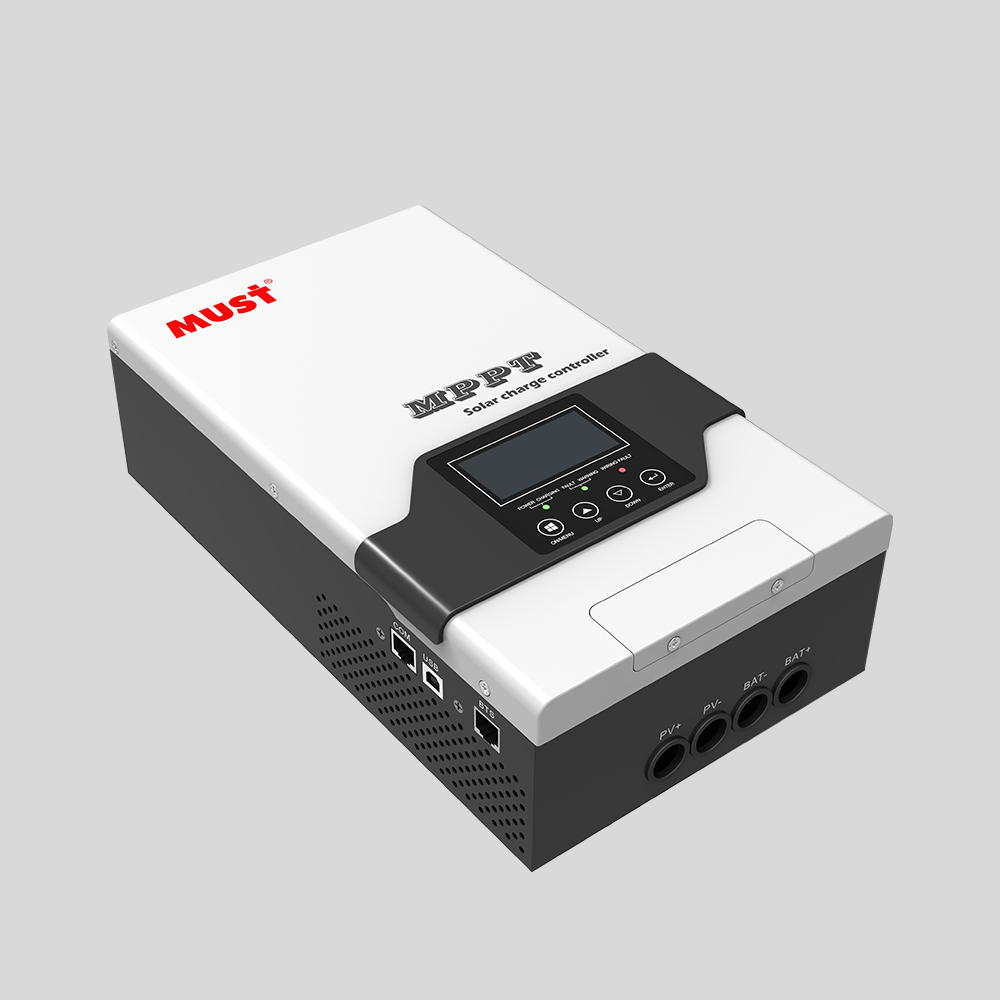
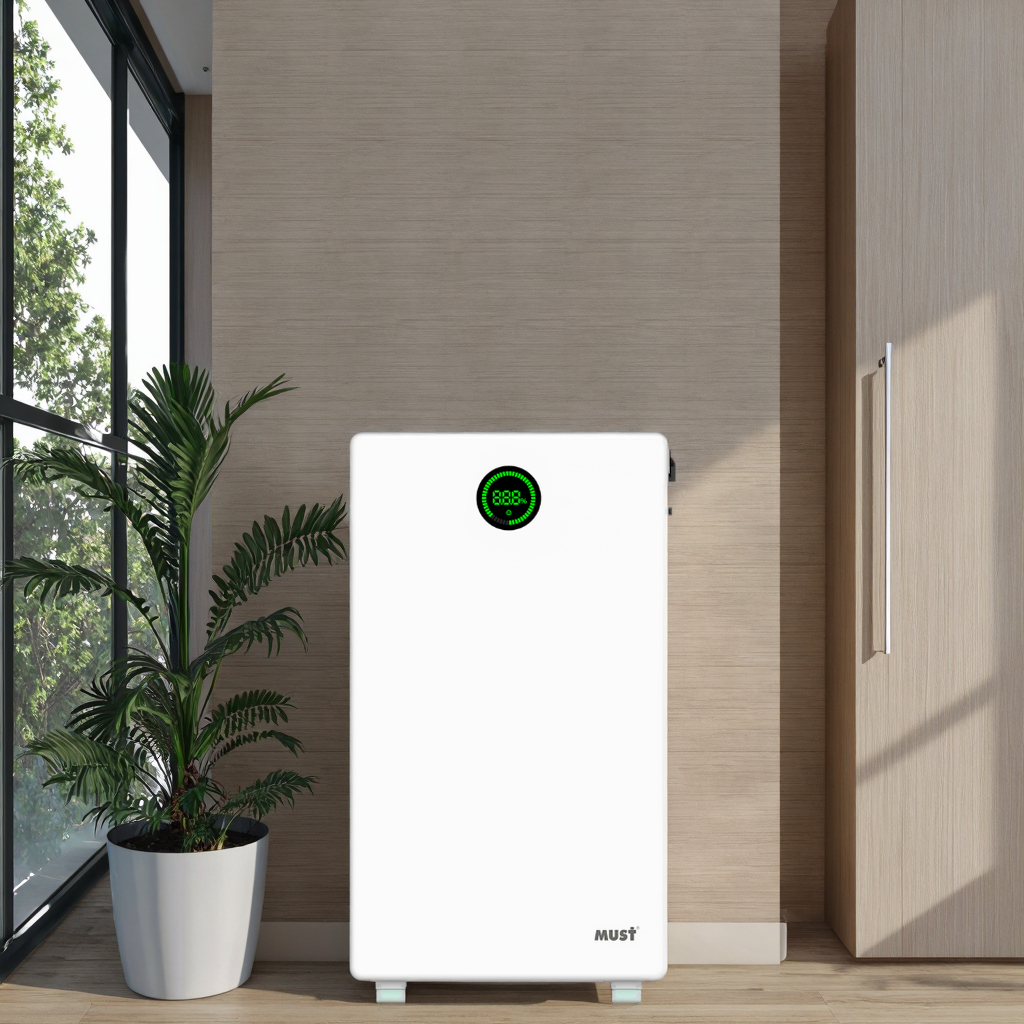
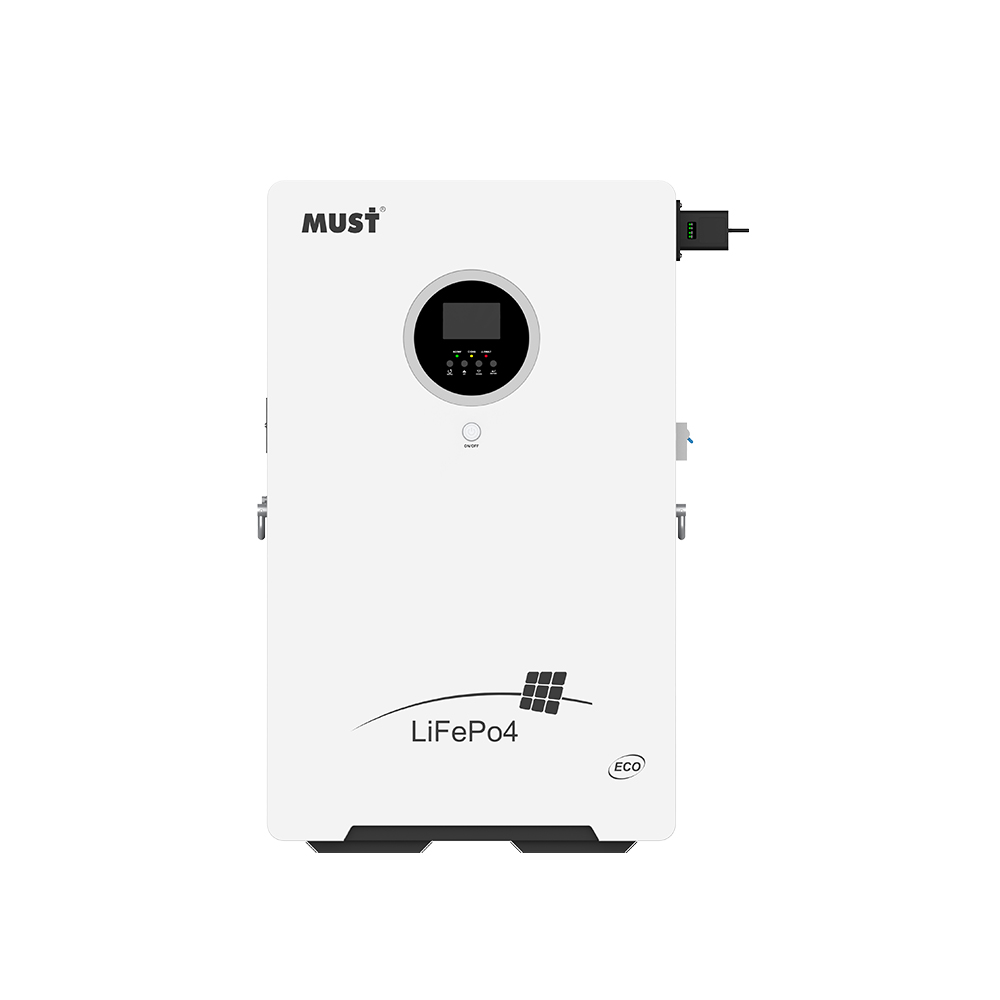
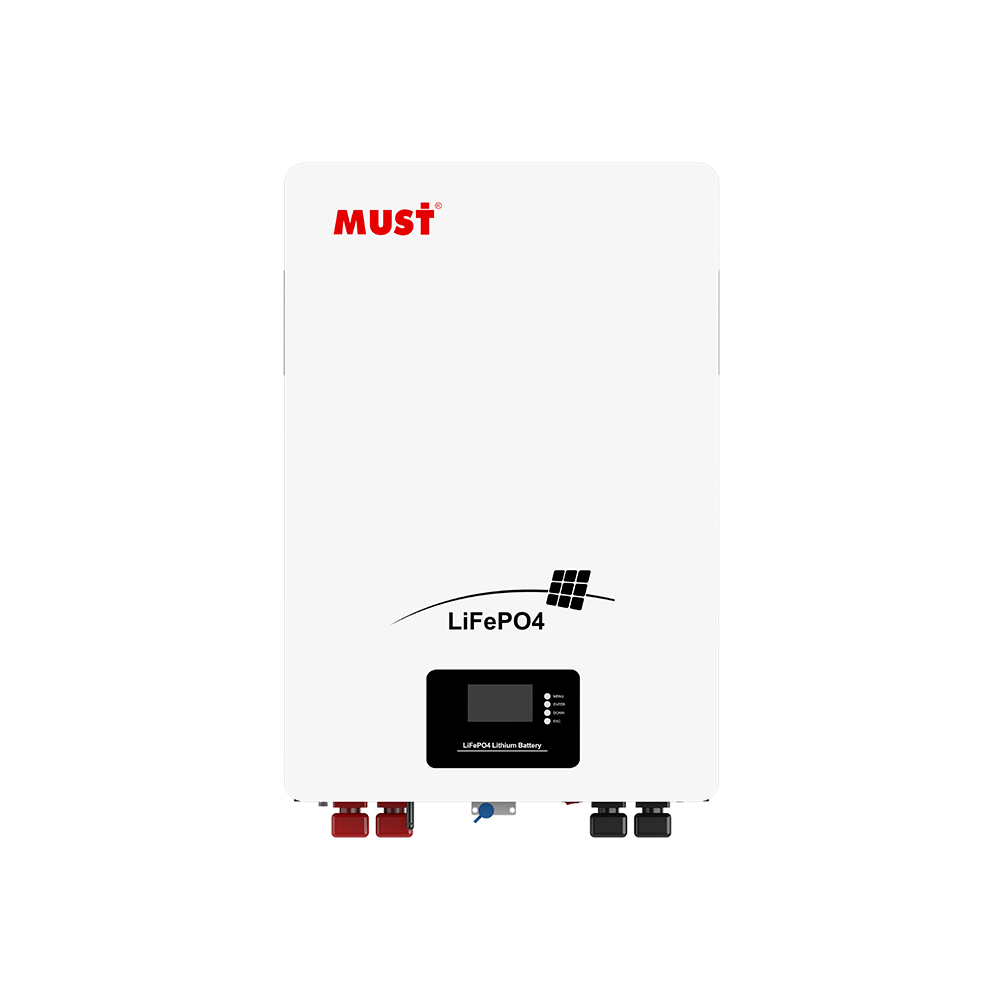
Standardized, field-proven LiFePO4 battery systems, hybrid energy storage kits, and MPPT controllers tailored for international distribution.
Enterprise Infrastructure & Technical Capabilities
Factory-direct custom manufacturing backed by rigorous quality assurance, expansive R&D expertise, and an international support footprint.
Advanced Manufacturing Scale
Spanning 31,056 m² of state-of-the-art production area in Guangdong, China, our manufacturing complex houses multi-tier automated assembly lines, precision SMT surface mounting workshops, and dedicated high-capacity cell testing chambers. Operating with a certified team of 1,109 employees, we deliver an annual manufacturing capacity exceeding 600,000 units across inverters, LiFePO4 batteries, and MPPT regulators.
Deep OEM / ODM Customization
Engineered by over 80 dedicated R&D engineers, our proprietary firmware and hardware platforms offer total customization for global distributors. From personalized sheet-metal enclosure branding and customized LCD/LED user interface graphics to tailored BMS communication protocols (CANbus, RS232, RS485) compatible with top-tier inverter brands, we transform client engineering requirements into market-ready products.
Global Warehousing & Support
To reduce order lead times and provide rapid post-sales engineering response, regional subsidiaries and technical hubs operate in strategic global regions: Poland (Warsaw depot for European distribution), South Africa, Dubai (Middle East distribution), and Egypt. This localized infrastructure provides on-site technical assistance, local warranty processing, and emergency component availability.
| System Architecture | Battery Chemistry | Voltage & Capacity | Communication Protocols | Target Applications |
|---|---|---|---|---|
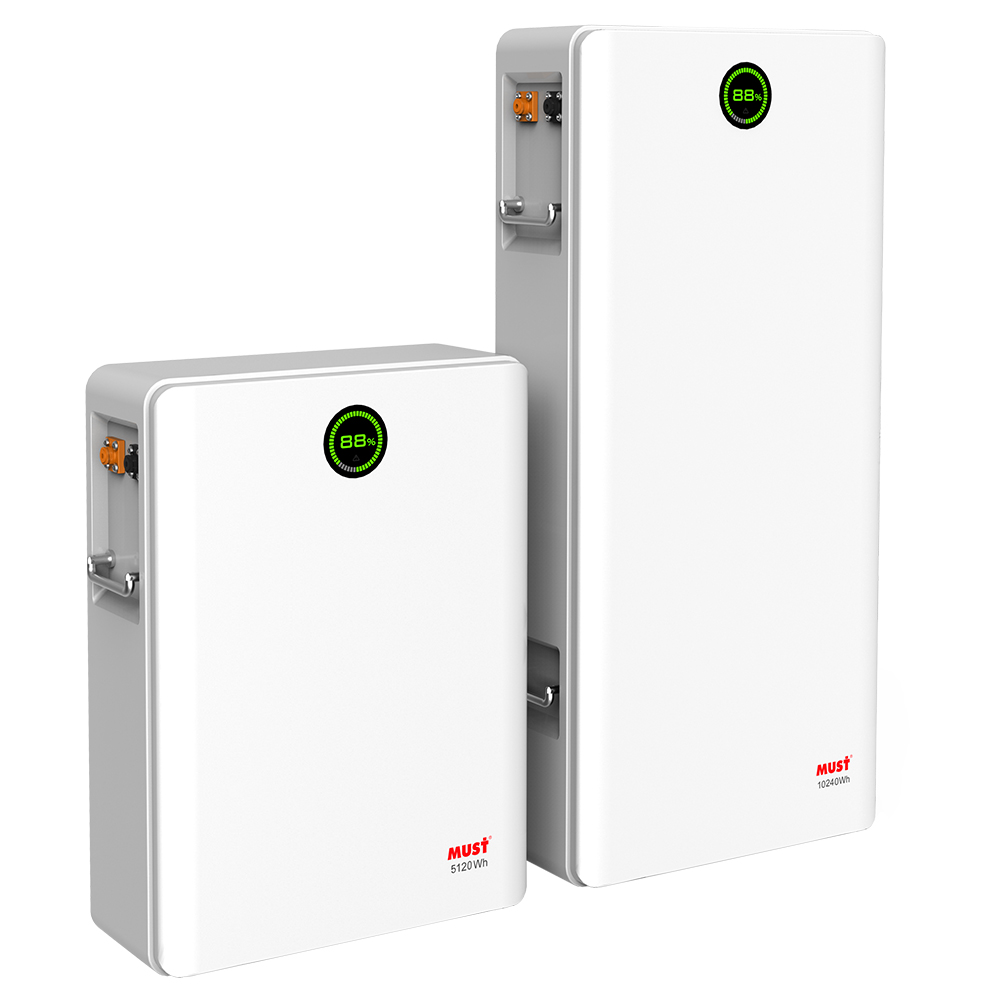
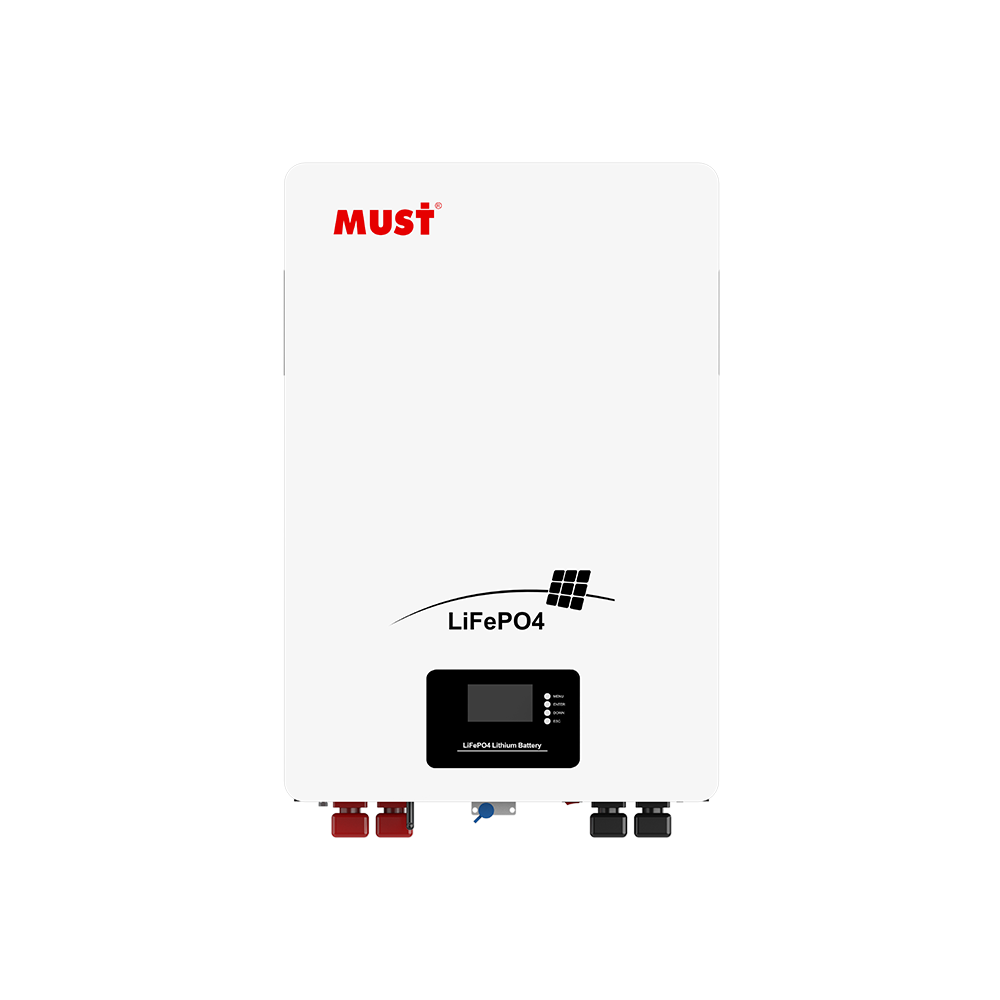
| Wall-Mounted ESS (LP28 / LP16) | Grade-A LiFePO4 Cells | 48V / 51.2V (100Ah – 200Ah) | CANbus 2.0B, RS485, RS232 | Residential Self-Consumption, Weak-Grid Backup |
| Solid-State LiFePO4 Pack | Semi-Solid Electrochemistry | 51.2V (200Ah / 10kWh) | Isolated CAN, Dual RS485 | High-Density C&I Storage, 6000+ Deep Cycles |
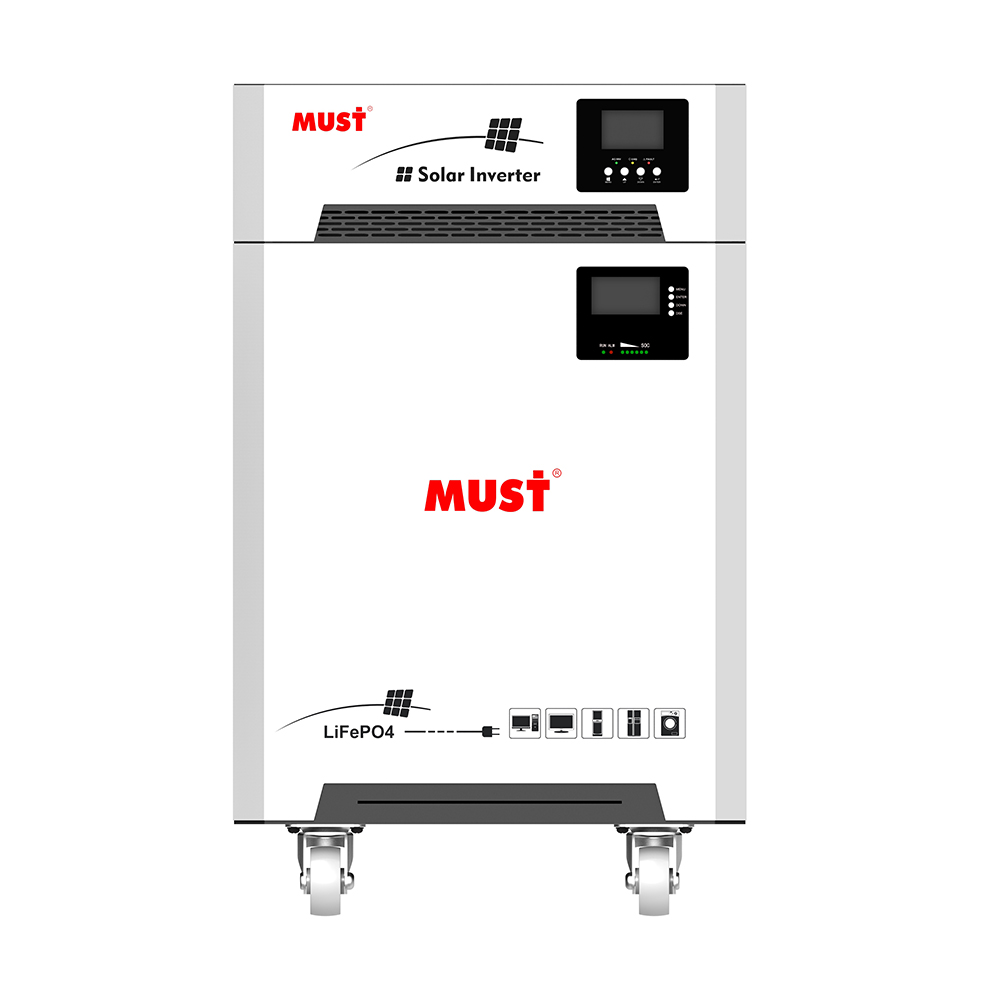
| All-In-One Hybrid System | Prismatic LiFePO4 + MPPT | 48VDC Input / 5.5kW AC Output | WiFi / GPRS Remote Monitoring | Off-Grid Commercial, Agricultural Microgrids |
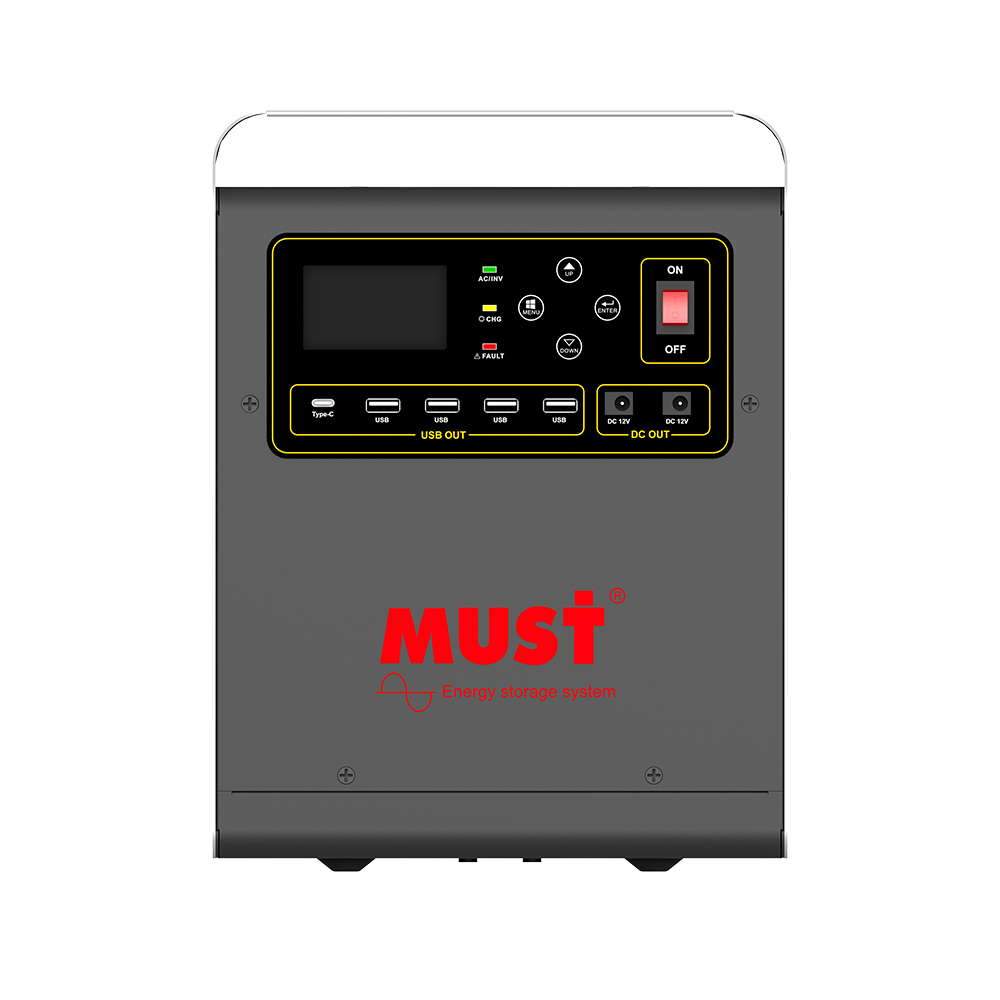
| Portable Solar Power Station | Integrated LiFePO4 Pack | 12.8V / 25.6V (1000Wh) | USB-C PD, Wireless Qi Charging | Emergency Preparedness, Mobile Workstations |
Future Procurement Trends in the B2B Energy Storage Market
Critical technological, regulatory, and financial developments shaping global battery sourcing over the next decade.
1. Migration to High-Voltage (HV) Stackable Systems
While 48V low-voltage (LV) systems remain dominant for home powerwalls below 15kWh, commercial micro-grids and larger residential installations are rapidly shifting toward high-voltage architectures (100V–800V DC). HV stackable designs significantly diminish operating current, enabling reduced copper cable cross-sections, lowering systemic thermal losses, and boosting overall inverter round-trip efficiency (RTE) past 96%.
2. Commercialization of Solid-State & Semi-Solid Batteries
The procurement landscape is entering a pivotal transition toward semi-solid-state LiFePO4 cells. By replacing a portion of volatile liquid electrolyte with solid polymer matrixes, semi-solid batteries achieve energy densities beyond 260 Wh/kg while eliminating thermal runaway risks under severe mechanical puncture. Early procurement adopters gain significant footprint and weight advantages in space-constrained C&I projects.
3. IoT Cloud Telemetry & Virtual Power Plant (VPP) Integration
Modern B2B battery procurement demands far more than standalone electrochemical hardware. Grid operators and energy aggregators require energy storage systems with native IoT cloud connectivity. Embedded telemetry allows remote firmware updating (OTA), predictive cell failure analytics, and automated response to dynamic time-of-use (TOU) tariffs or Virtual Power Plant dispatch signals via smart cloud APIs.
Technology Roadmap: Innovation in Thermal, BMS & Cell Architectures
A deep technical dive into active cell balancing, advanced heat management, and standardized protocol matching.
Active Balancing vs. Passive Balancing BMS
Conventional passive balancing bleed excess energy as waste heat during top-charging cycles, limited to minor balancing currents (50mA–100mA). Next-generation energy storage platforms feature bi-directional Active Balancing BMS capable of transferring 2A to 5A of current between non-uniform cells during both charge and discharge states.
- Prevents premature system shut-off caused by isolated weak cells.
- Extends total usable battery capacity by 12% to 15% over system lifecycle.
- Reduces overall module operating temperatures and cell degradation rates.
Liquid Cooling & Direct Thermal Plate Design
For high-density battery enclosures operating above 0.5C charge/discharge rates, forced-air cooling reaches physical dissipation thresholds. Technological evolution favors integrated liquid cooling plates using non-conductive glycol-water fluids passed directly beneath prismatic cell bases.
- Maintains inter-cell temperature variance within a tight <2°C range.
- Mitigates hot-spot creation during peak solar charging cycles.
- Enables IP65 and IP67 fully sealed battery enclosures without external air filters.
Wholesale Procurement & Technical FAQ
Addressing essential engineering, logistical, and warranty inquiries from commercial buyers and project developers.
Q1: How does CJH Energy ensure battery cell consistency in mass orders?
Every single lithium iron phosphate cell undergoes strict optical and electrical sorting prior to pack assembly. Cells are auto-graded for capacity, internal resistance (ACIR/DCIR <0.5mΩ), and open-circuit voltage variance before laser-welding onto busbars, guaranteeing uniform pack performance.
Q2: What BMS protocols are natively supported for inverter communication?
Our intelligent BMS architecture includes pre-programmed firmware protocols compatible with major inverter manufacturers (including MUST, Victron Energy, SMA, Growatt, Deye, Luxpower, and GoodWe) via isolated CANbus 2.0B or RS485 communication interfaces.
Q3: Can wall-mounted LiFePO4 batteries be expanded in parallel?
Yes. Standard 48V/51.2V wall-mounted units (such as the LP28 and LP16 series) support master-slave DIP switch configuration allowing up to 15 modules to operate in parallel, expanding system capacity up to 153.6kWh without requiring external communication hubs.
Q4: What international safety certifications accompany bulk shipments?
Our complete product lines hold comprehensive compliance certifications including UN38.3 (Transport Safety), MSDS, CE, IEC 62619 (Industrial Secondary Lithium Cells), and UL 1973 testing reports, facilitating seamless customs clearance across European, American, and African ports.
Q5: What is the practical operational difference between 12V, 24V, and 48V systems?
System voltage directly impacts current draw (Amperes = Watts / Volts). 12V/24V systems suit small mobile applications under 2kW. 48V systems are mandatory above 3kW to minimize resistive heat losses, decrease cable sizing requirements, and maximize round-trip efficiency.
Q6: What OEM customization options are available for wholesale buyers?
We provide comprehensive OEM/ODM services including branded steel/aluminum chassis design, custom powder-coat coloring, silkscreened client logos, modified LCD menu strings, customized packaging boxes, and tailored battery charge/discharge voltage thresholds.
