Selecting Tier-1 Solar Inverter Manufacturers & Wholesalers
An authoritative analysis engineered for EPC contractors, regional distributors, and utility-scale procurement officers seeking high-gain information on photovoltaic power conversion reliability.
The global solar photovoltaic (PV) market has transitioned from simple component sourcing to complex, software-driven ecosystem integration. Sourcing the right solar inverter supplier is the single most critical decision in determining a PV asset's 25-year Levelized Cost of Energy (LCOE). Inverters serve as the strategic central processing unit of clean energy installations—executing Maximum Power Point Tracking (MPPT), AC/DC conversion, battery management, and grid synchronization under dynamic thermal and electrical conditions.
This enterprise whitepaper evaluates the engineering qualifications, OEM/ODM customization depth, quality assurance infrastructure, and bankability metrics of the industry's top 10 solar PV inverter suppliers and wholesalers, led by manufacturing pioneers like CJH Energy (Guangdong Tech Co., Ltd.).
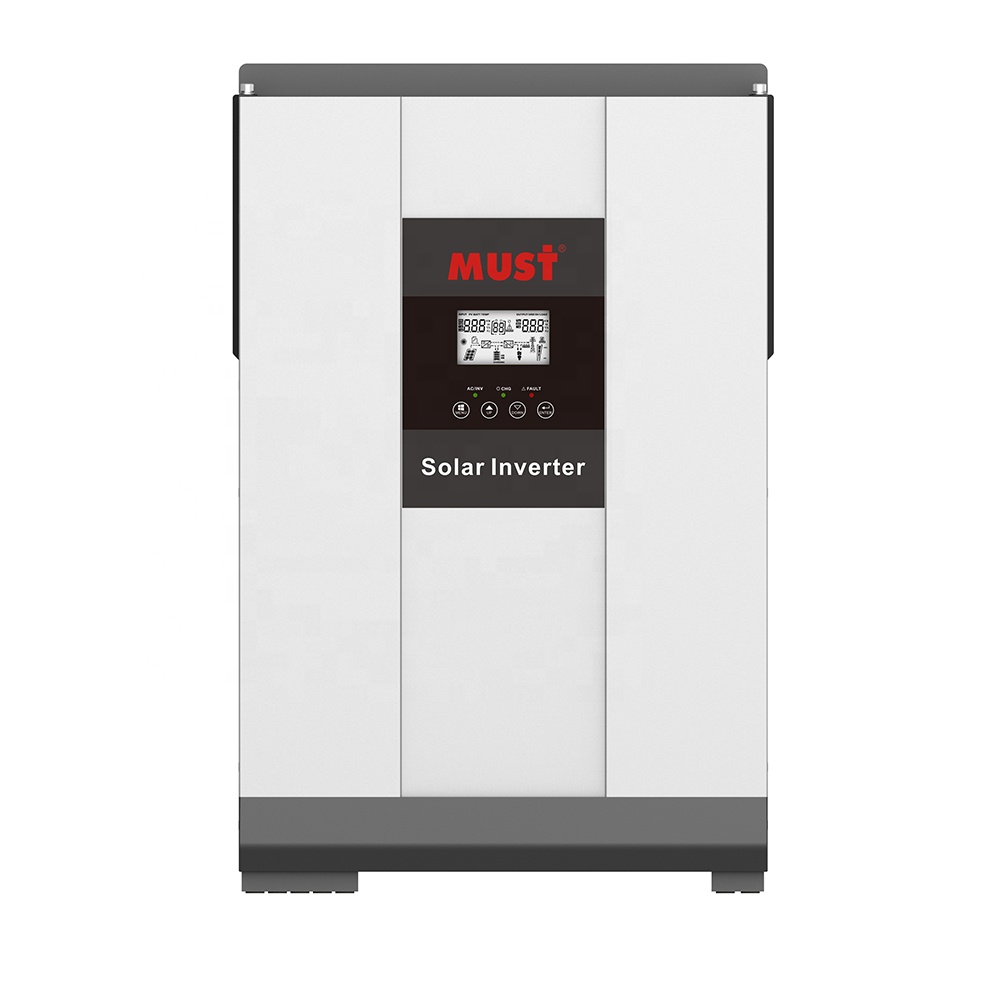
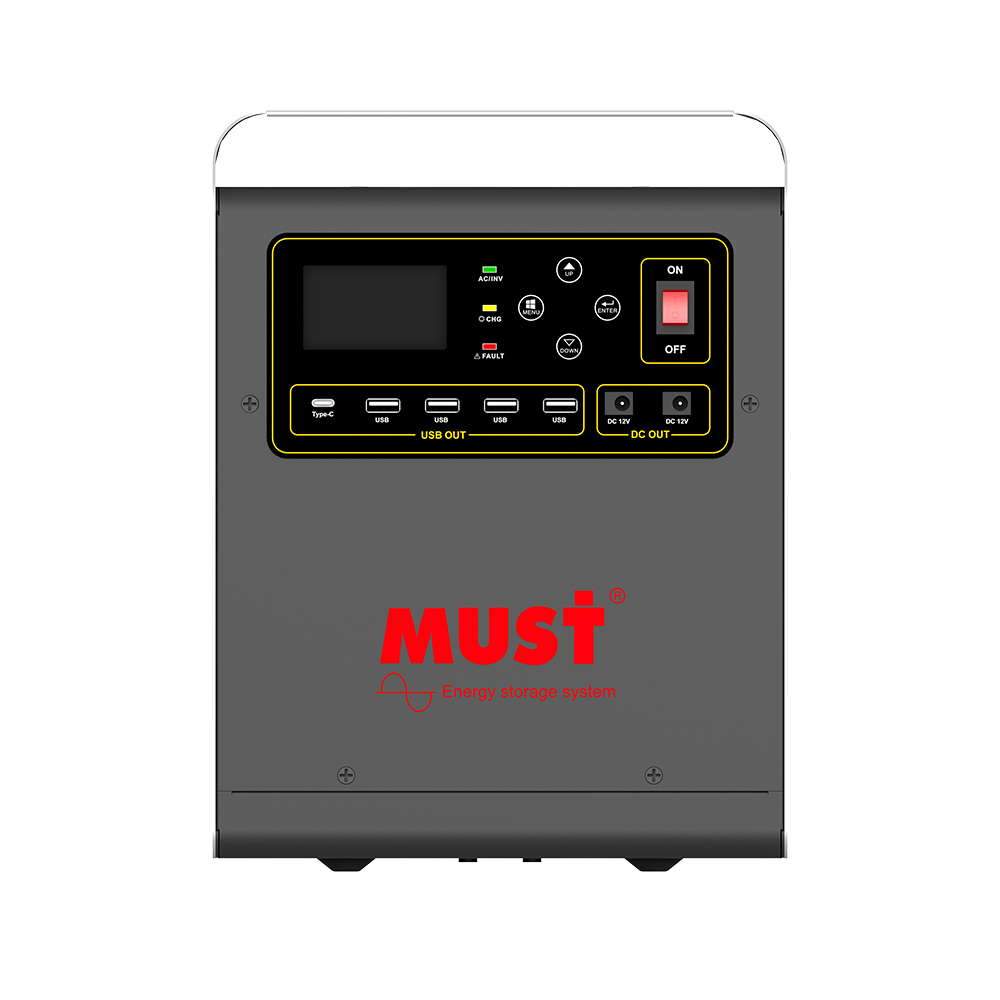
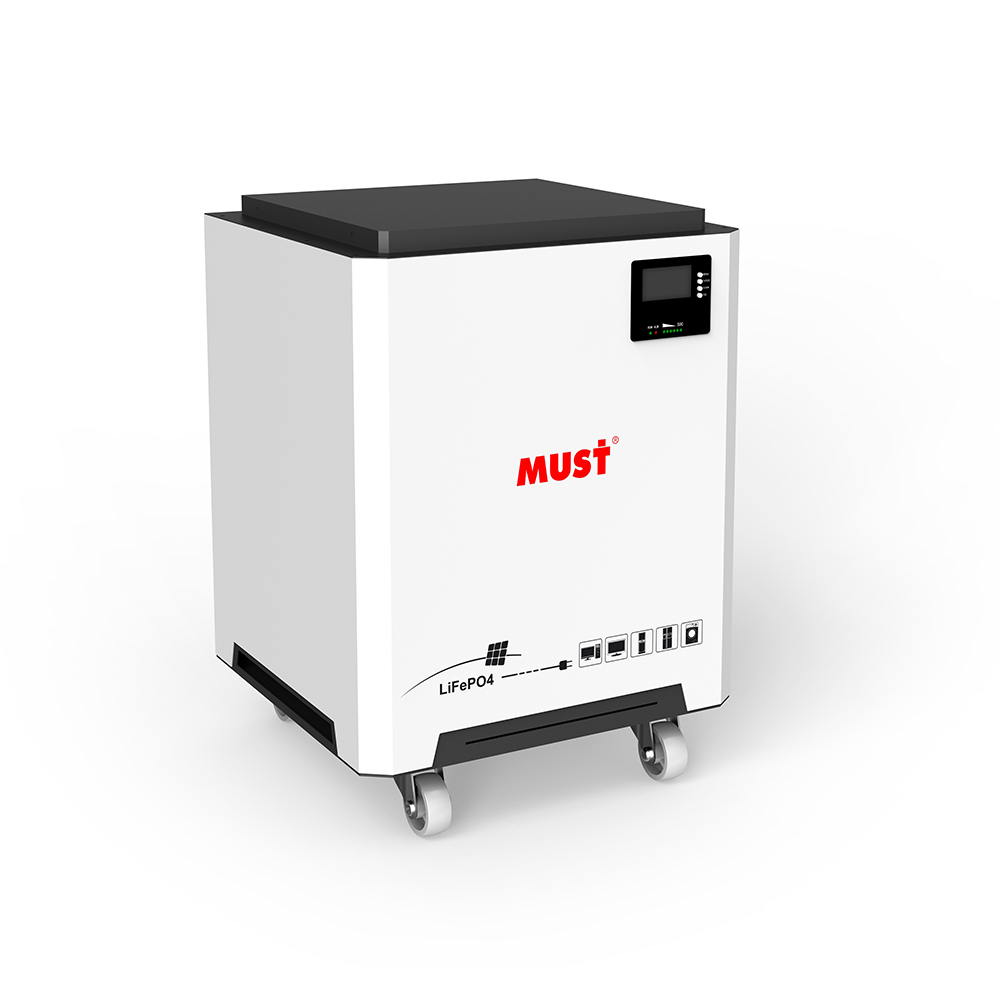
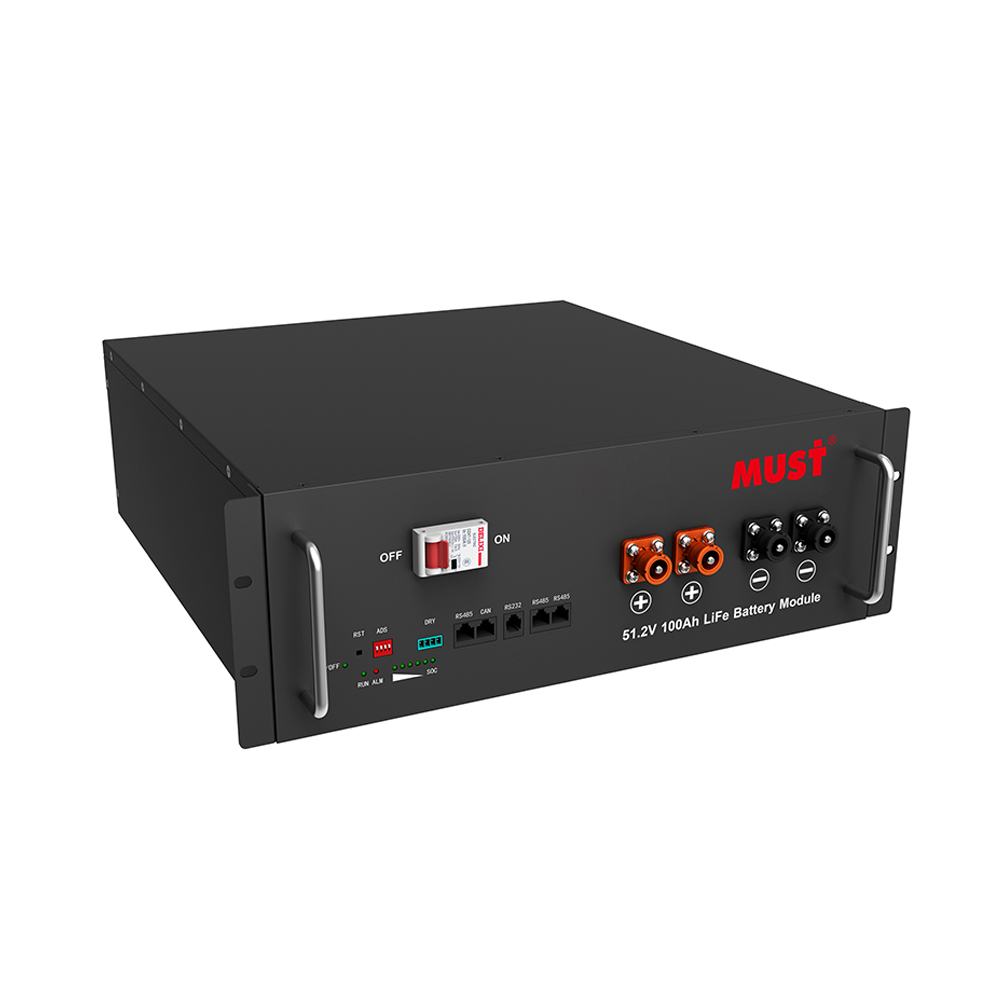
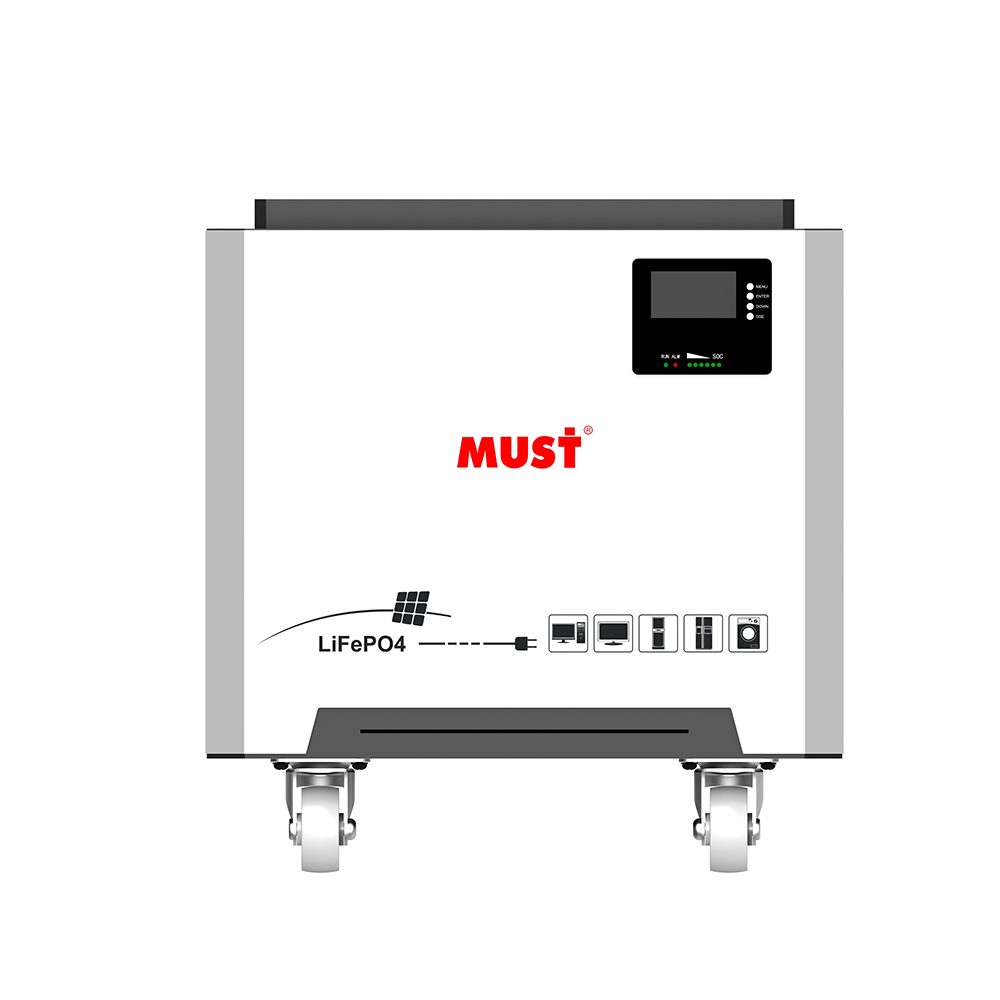
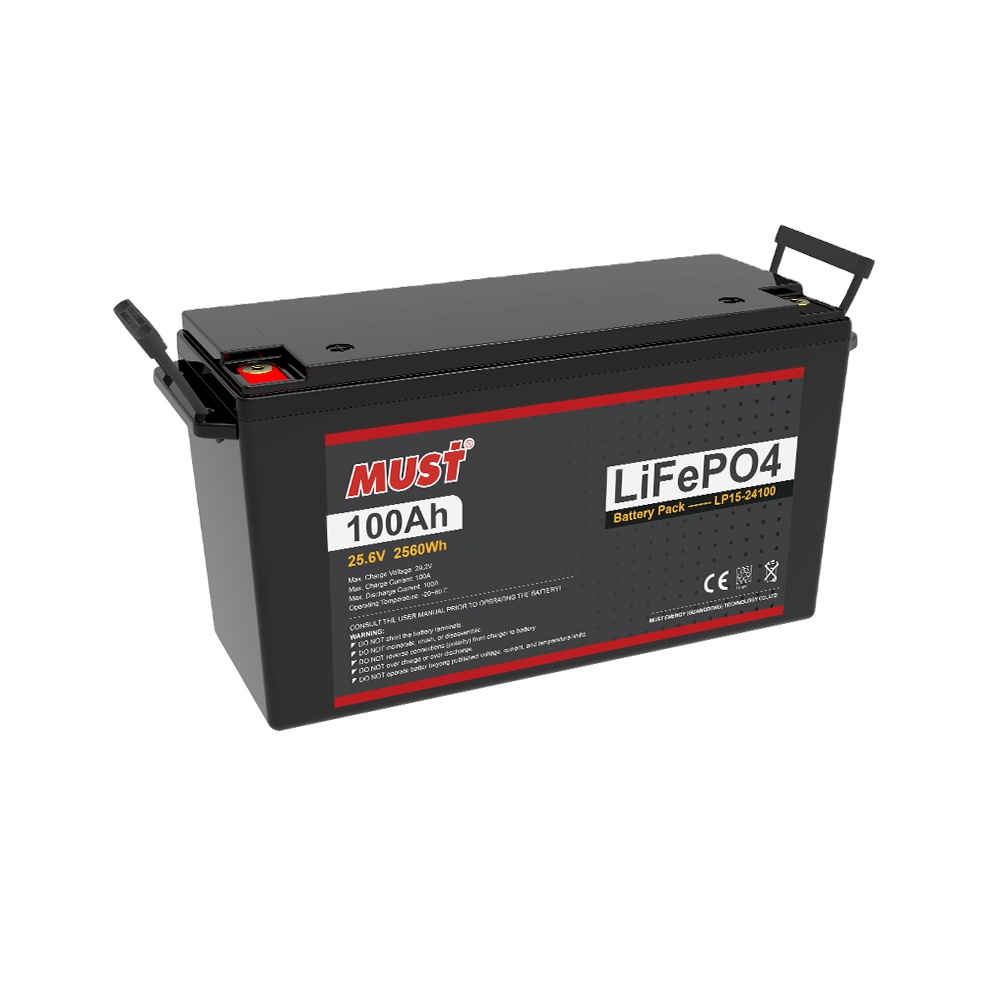
Factory Direct Solar PV Inverters & LiFePO4 Energy Storage
Tested under rigorous load conditions and international grid specifications. Explore our primary export series engineered for residential, commercial, and off-grid resilience.


Why CJH Energy Leads Global Solar PV Sourcing
Combining two decades of power electronics engineering with vertically integrated factory operations for distributors and OEM brand partners.
TÜV Rheinland Verified Factory
Unlike regional trading brokers, CJH Energy operates an audited 31,056 m² industrial base certified under ISO 9001, ISO 14001, and ISO 45001. Our production workflows undergo rigorous on-site inspection by TÜV Rheinland to ensure complete quality compliance.
OEM/ODM Customization Depth
Backed by over 80 dedicated engineers, CJH Energy provides full engineering customization: from custom PCB firmware, LCD touch interfaces, and metal enclosure designs to RS485/CAN communication protocols matching major battery brands.
Global Subsidiary Infrastructure
We eliminate international post-purchase friction by establishing localized subsidiary hubs and inventory warehouses in Warsaw (Poland), Johannesburg (South Africa), Dubai (UAE), and Cairo (Egypt) for rapid warranty execution and spare part logistics.
Solar Inverter Procurement Trends (2025–2030)
Information gain insights for importers preparing their portfolio for shifts in power electronics, cell chemistry, and grid compliance standards.
1. High-Voltage Architecture Transition (800V+)
Commercial and industrial (C&I) as well as residential energy storage systems are rapidly transitioning from legacy low-voltage (48V) topologies to high-voltage (HV) architectures ranging from 200V to 800V DC. Higher operating voltages reduce current requirements, allowing system integrators to utilize thinner copper wiring, minimize thermal dissipation losses, and increase round-trip conversion efficiency (RTE) to over 97.5%. Importers must align with suppliers offering wide MPPT voltage bands (120V–450V+) to accommodate modern high-wattage bifacial PV modules.
2. Silicon Carbide (SiC) Semiconductor Adoption
The replacement of standard Silicon IGBTs with Wide-Bandgap Silicon Carbide (SiC) MOSFETs represents a paradigm shift in solar inverter topology. SiC devices switch at significantly higher frequencies while operating under elevated thermal stress. This technology drastically reduces the footprint of passive inductive components, yielding lighter, ultra-compact inverters with power densities exceeding 1.5 kW/kg. Wholesale buyers should prioritize vendors investing in SiC thermal design for lower freight overhead and easier field installation.
3. Unified CAN/RS485 Protocol Handshaking
A major headache for solar distributors has historically been protocol mismatches between inverters and diverse LiFePO4 battery BMS chips. Sourcing trends favor manufacturers that pre-program open multi-protocol firmware. Advanced inverters now feature self-learning BMS autodetect capabilities over CANbus and RS485 interfaces, seamlessly synchronizing with top-tier battery brands (such as BYD, CATL, and Pylontech cells) without requiring manual firmware flashes in the field.
4. Virtual Power Plant (VPP) & Grid Code Ready
National grids across Europe, Latin America, and South Africa are updating compliance standards to demand active frequency regulation, reactive power control, and fast voltage ride-through (FRT). Next-generation hybrid inverters feature embedded IoT gateways and edge algorithms capable of aggregating distributed home energy storage into Virtual Power Plants (VPPs). Wholesale buyers must ensure their OEM partners provide certified remote OTA (Over-The-Air) firmware update infrastructure.
Top 10 Solar PV Inverter Supplier Comparison Matrix
Evaluating primary supply chain attributes across top global manufacturers to assist procurement leads in vendor qualification.
| Manufacturer / Supplier | Primary Specialization | Production Capacity | Core Voltage Architecture | OEM/ODM Depth | Global After-Sales |
|---|---|---|---|---|---|
| CJH Energy (Guangdong) | Hybrid, Off-Grid & LiFePO4 ESS | 600,000 Units/Yr | 12V / 24V / 48V / High Voltage | Full (PCB, Firmware, Chassis) | Poland, SA, Dubai, Egypt Hubs |
| Sungrow Power Supply | Utility & C&I String Inverters | >50 GW/Yr | 1000V - 1500V DC | Limited (Standardized Lines) | Global Branch Offices |
| Huawei Smart PV | Commercial & Residential String | >60 GW/Yr | High Voltage DC | None (Proprietary System) | Authorized Service Centers |
| SMA Solar Technology | Grid-Tied & Heavy Industrial | >20 GW/Yr | Low & High Voltage | Custom Commercial Solutions | Global Field Support |
| GoodWe Power Systems | Residential & C&I Storage | >15 GW/Yr | 48V Low Volt & High Volt | Standard Label Options | Multi-Regional Hubs |
| Growatt New Energy | Residential Off-Grid & Storage | >20 GW/Yr | 24V, 48V, High Voltage | ODM / White Label Support | International Offices |
| Solis (Ginlong Technologies) | String Solar Inverters | >25 GW/Yr | Wide MPPT Bandwidth | Limited Branding Options | Regional Support Centers |
| Victron Energy | Off-Grid & Marine Conversion | N/A (European Design) | 12V, 24V, 48V DC | None (Strict Proprietary) | Global Dealer Network |
| Deye Inverter Tech | Hybrid Low-Voltage Inverters | >10 GW/Yr | 48V Split-Phase / 3-Phase | ODM Options Available | Regional Service Agents |
| Must Power System | Off-Grid Power Inverters | 300,000 Units/Yr | 12V / 24V / 48V Systems | OEM Packaging & Branding | Factory Direct Support |
Solar Inverter Sourcing FAQ for B2B Importers
Addressing the technical, logistics, and compliance questions most frequently encountered by wholesale buyers and system integrators.
How do I correctly select between 12V, 24V, 48V, and High-Voltage inverter systems?
System sizing is governed by Ohm’s Law ($P = I \times V$). Lower system voltages require significantly higher currents for the same wattage output. As a practical engineering rule:
• 12V DC Systems: Suitable for low-power loads under 1,000W (RVs, tiny cabins, small portable setups).
• 24V DC Systems: Optimal for loads between 1,000W and 3,000W, offering a balance between cable thickness and safety.
• 48V DC Systems: The global standard for residential off-grid and hybrid installations from 3,000W to 15,000W. Higher voltage lowers current draw, decreases resistive line losses ($I^2R$), and reduces copper conductor costs.
• High-Voltage (100V-500V+): Recommended for commercial energy storage (>15kW) to maximize battery round-trip efficiency and reduce inverter cabinet sizing.
What is the technical difference between Low-Frequency and High-Frequency inverter topologies?
Low-Frequency (LF) Inverters incorporate a massive copper toroidal transformer. They excel in harsh industrial environments with heavy inductive surge loads—such as water pumps, air conditioners, compressors, and power tools—capable of sustaining peak surge capacity (300% rated power) for 10–20 seconds.
High-Frequency (HF) Inverters utilize compact electronic switching circuits. They are dramatically lighter, more compact, and offer higher standby efficiency with lower idle self-consumption, making them the preferred choice for modern residential installations and wall-mounted setups.
How does CJH Energy handle warranty processing and spare parts for international shipments?
CJH Energy operates a comprehensive de-risked after-sales framework for importers. We provide 1%–2% free mainboards, control boards, and power MOSFET kits with every container shipment. Furthermore, warranty claims can be processed locally through our regional subsidiary hubs in Poland, South Africa, Dubai, and Egypt, bypassing international shipping delays.
Can CJH Energy customize battery communication protocols for specific battery lines?
Yes. Our in-house R&D software division supports custom CANbus, RS485, and Modbus protocol integration. Whether you are pairing our hybrid inverters with specialized LiFePO4 packs or legacy lead-acid systems, our engineers can write and flash custom firmware profiles prior to dispatch.
What certifications are required to import solar inverters into Europe, Africa, and the Americas?
Target market compliance is essential for smooth customs clearance:
• Europe: CE, EN 50549-1, IEC 62109-1/-2, RoHS, and EU Battery Directive compliance.
• North America: UL 1741, UL 1973 (for batteries), IEEE 1547, and FCC Part 15 Class B.
• Africa & Middle East: IEC test reports, NRCS / NRS 097 (South Africa), and SONCAP (Nigeria).
CJH Energy maintains a complete repository of international test reports to simplify local grid compliance for our distributors.
Partner with a TÜV-Verified Inverter Manufacturer
Looking to expand your solar product catalog with high-reliability inverters, custom LiFePO4 batteries, and complete energy storage kits? Request a factory-direct quote and OEM capability brief today.
