Factory Direct Portfolio
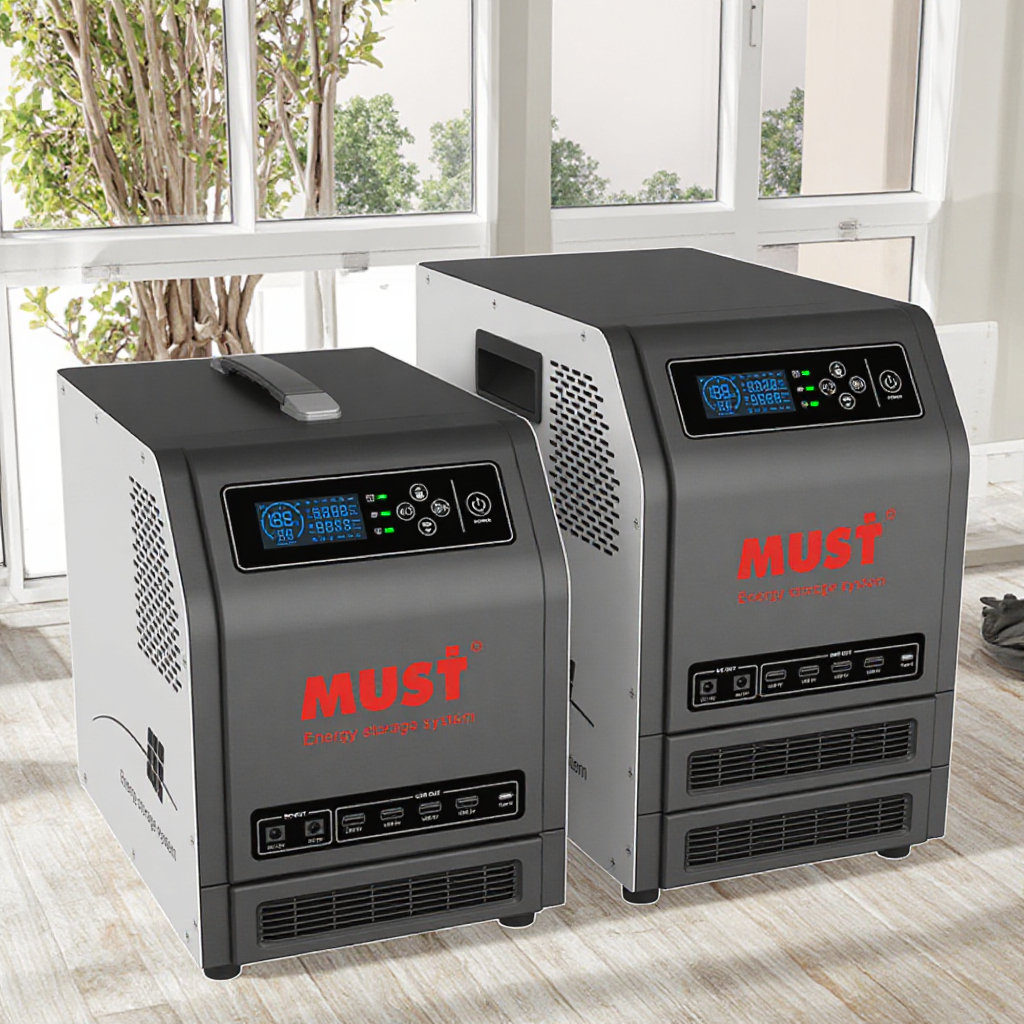
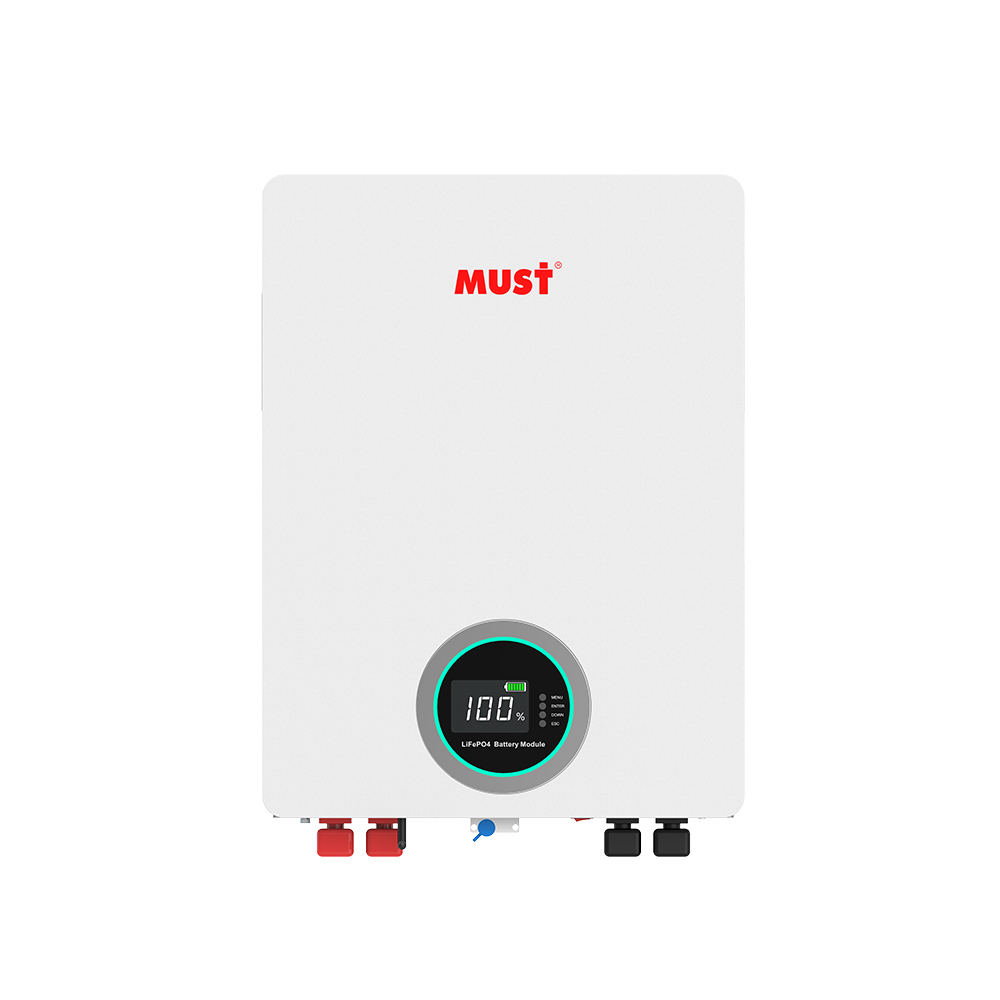
Featured Solar Hybrid Inverters & Energy Storage Systems
Explore top-tier manufacturing solutions engineered for home energy independence, commercial back-up, and off-grid reliability.


Strategic Procurement Analysis
The Shift to Multi-Mode Solar Hybrid Inverters in Global Energy Markets
Understanding topology changes, high-voltage battery coupling, and why tier-1 OEM manufacturers are redefining solar storage efficiency.
The global renewable transition has pushed solar hybrid inverters from niche off-grid applications into the absolute center of residential and commercial clean power infrastructure. Unlike traditional string inverters that merely convert Photovoltaic (PV) Direct Current (DC) into grid-synchronized Alternating Current (AC), modern hybrid solar inverters seamlessly orchestrate power flow between solar panels, battery banks, grid networks, and localized emergency electrical loads.
Driven by volatile utility tariffs, grid instability in developing regions, and aggressive decarbonization mandates across Western economies, international importers, EPC contractors, and brand distributors are prioritizing hybrid systems with multi-protocol CAN/RS485 communication, ultra-fast transfer times (<10ms), and broad MPPT tracking ranges.
Factory Comparative Review
Top 10 Solar Hybrid Inverter Manufacturers & Factories
An exhaustive evaluation of global manufacturing scale, R&D engineering capacity, topology strengths, and OEM responsiveness.
1. CJH Energy / MUST Tech Co., Ltd.
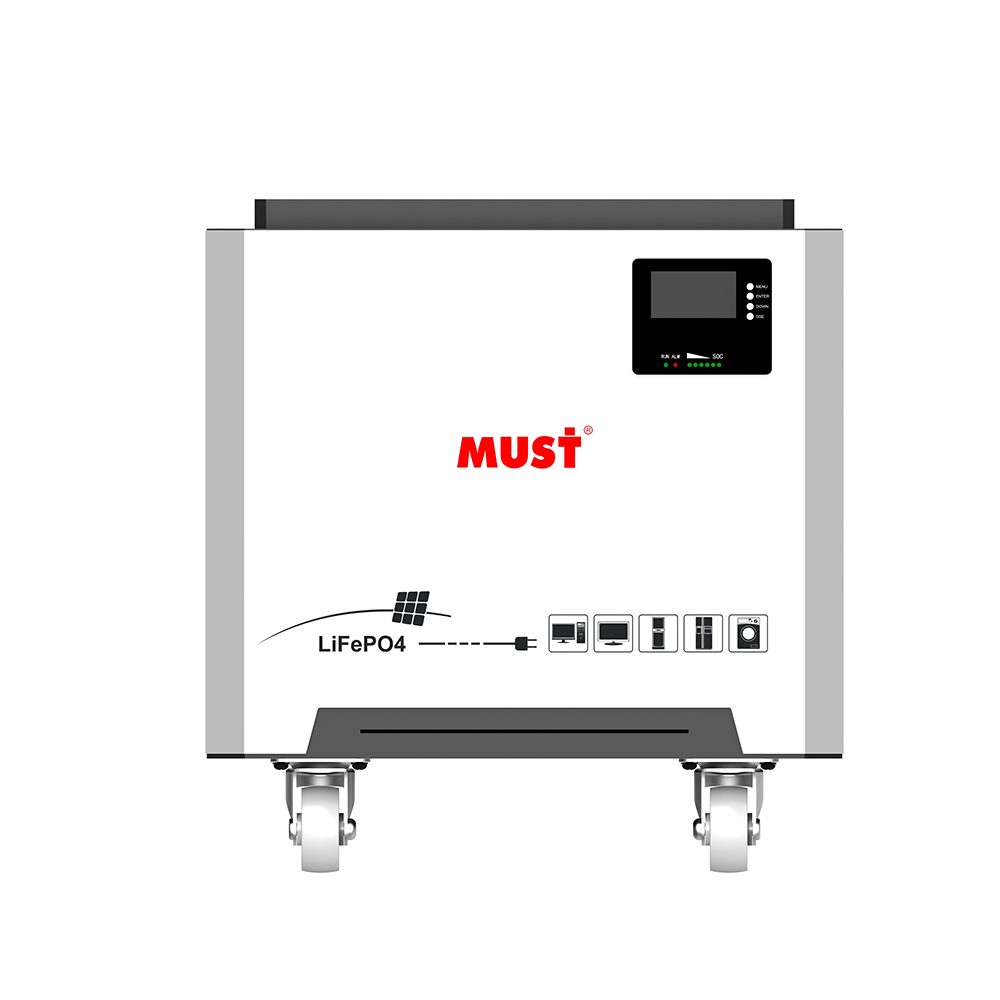
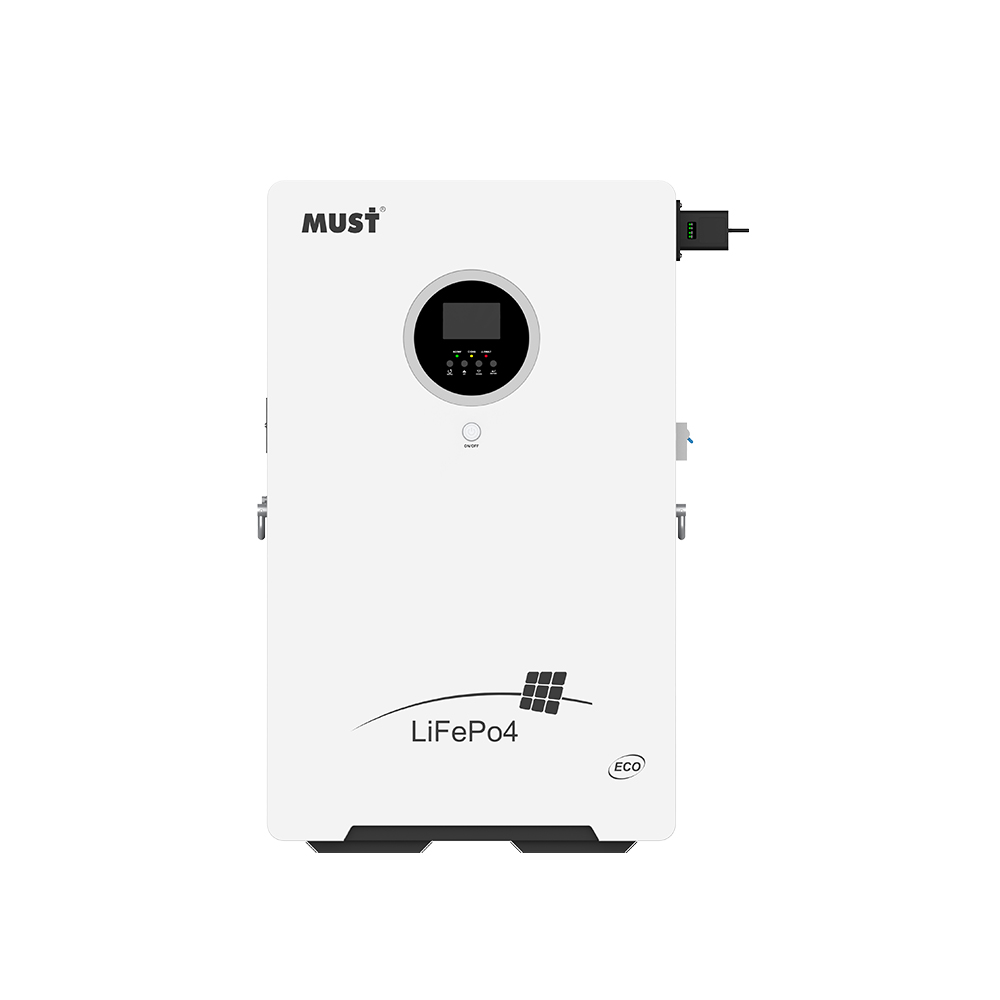
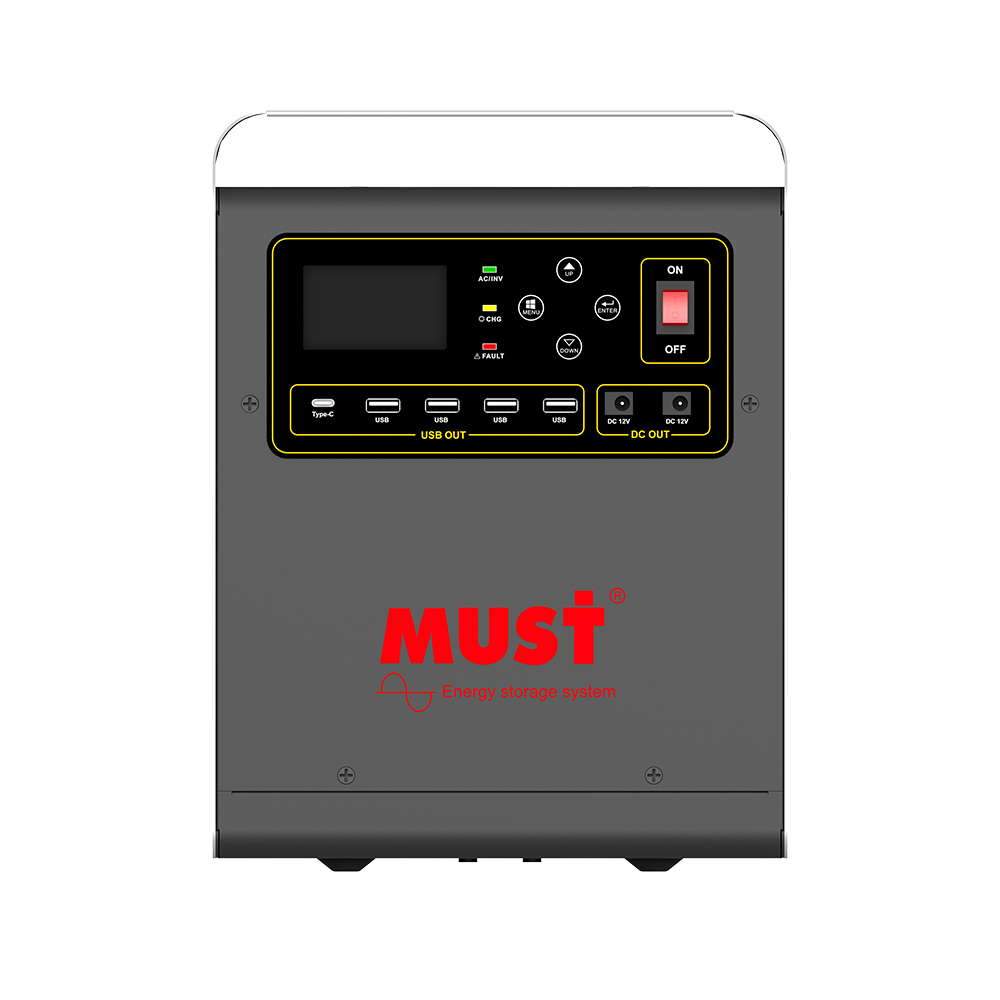
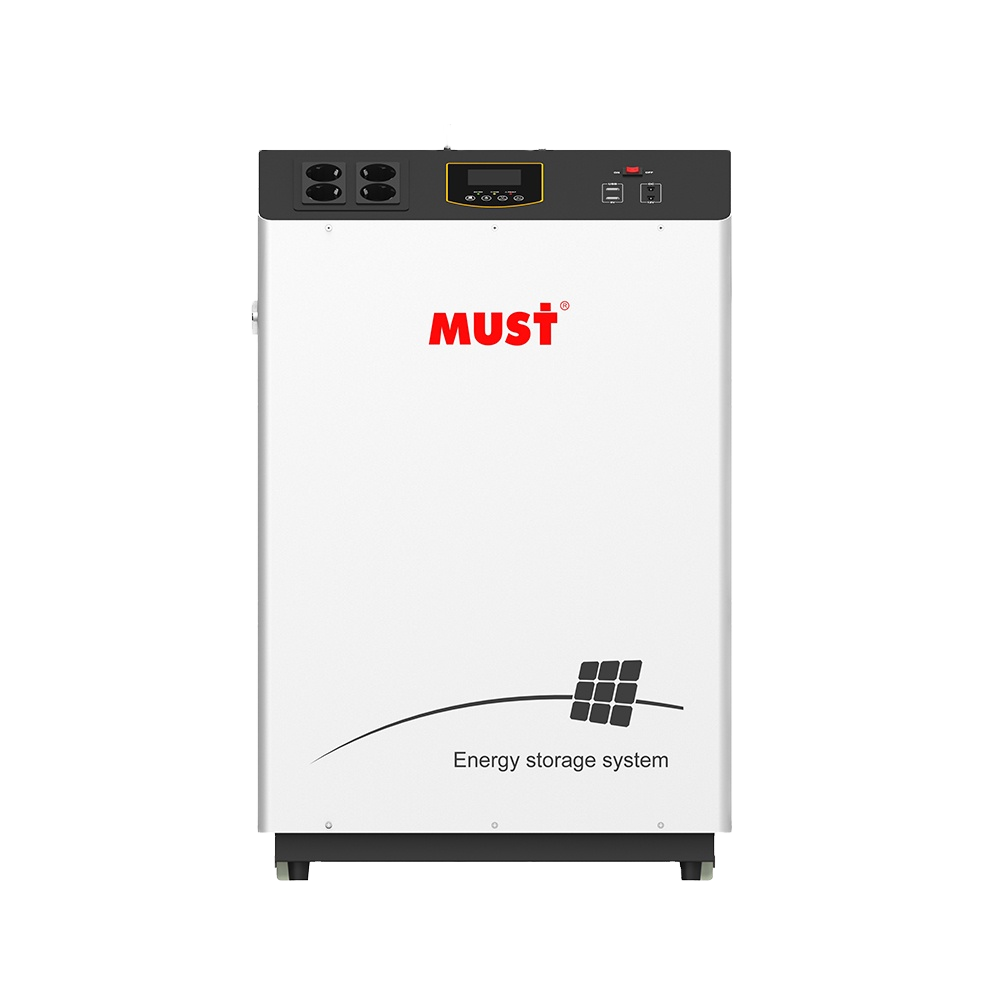
Rank #1 OEM/ODMOperates an expansive 31,056 m² advanced smart facility with 1,109 employees and an R&D engineering team of 80+ power electronics specialists. Producing over 600,000 units annually across off-grid, low-frequency, and hybrid solar inverters coupled with integrated LiFePO4 battery storage systems.
2. Huawei (FusionSolar)
Global LeaderDominates utility and residential markets with high-voltage DC-coupled SUN2000 series hybrid inverters. Famous for AI-driven arc fault protection (AFCI) and optimizer-level control, though customization options for mid-tier OEM distributors remain limited.
3. Sungrow Power Supply Co., Ltd.
Tier-1 UtilityA flagship inverter producer with immense manufacturing footprint. Known for commercial single and three-phase hybrid units (SH5.0-10RT series) offering multi-MPPT designs and robust grid-support capabilities.
4. GoodWe Power Supply
Storage SpecialistStrong market presence in Australia and Europe with the ET and ES series. Offers reliable hybrid solar conversion, dual smart load control, and seamless backup switching tailored for residential microgrids.
5. Growatt New Energy
Global ResidentialWidely distributed brand across Latin America, South Asia, and Africa. Supplies cost-competitive SPH and SPF series for both on-grid hybrid and off-grid load-shedding mitigation.
6. Solis (Ginlong Technologies)
High ReliabilityFocuses on high-efficiency, multi-string hybrid inverters. Solis R&D emphasizes ultra-low standby losses, fanless passive cooling design, and multi-battery protocol compatibility.
7. Deye Inverter Technology
Low Voltage HybridFamous for low-voltage (48V) single-phase and three-phase hybrid inverters that support 100% unbalanced loads, diesel generator integration, and AC-coupling upgrades for legacy PV arrays.
8. Victron Energy
Off-Grid BenchmarkDutch power electronics manufacturer celebrated for modular transformer-based inverters (MultiPlus, Quattro). Unmatched durability for off-grid marine, mobile, and heavy industrial applications.
9. SMA Solar Technology AG
German QualityA pioneer in solar power conversion. The Sunny Boy Smart Energy and Sunny Island series deliver top-tier engineering standards, albeit at a higher capital equipment cost per kilowatt.
10. SolarEdge Technologies
DC OptimizedSpecializes in module-level power electronics (MLPE) paired with StorEdge hybrid inverters. Excellent for shaded roofs and complex architectural arrays requiring granular monitoring.
Technical Specifications Matrix
Comparative Benchmark: Hybrid Inverter Topologies
Direct engineering analysis for B2B procurement managers selecting optimal inverter architecture for regional target markets.
| Inverter Architecture Type | System DC Voltage | Conversion Efficiency | Surge Handling Capability | Ideal Regional Application |
|---|---|---|---|---|
| Low-Frequency Hybrid (Transformer-Based) | 24V / 48V DC | 90% - 93% | 300% Peak Surge (up to 10s) | Load-shedding regions, heavy motors, pumps & unstable grids (Africa, South Asia) |
| High-Frequency Off-Grid Hybrid | 48V DC (100–450V PV) | 94% - 96% | 200% Peak Surge (5s) | Residential microgrids, budget-friendly solar back-up (LatAm, Southeast Asia) |
| On/Off-Grid High-Voltage Hybrid | 150V - 600V DC | 97.2% - 98.4% | 150% Peak Surge (1s) | Self-consumption, peak shaving, feed-in tariffs (Europe, North America, Australia) |
| All-in-One Integrated Storage Systems | 48V / 51.2V Smart LFP | 95% - 97% Combined | Integrated BMS / Inverter Limit | Plug-and-play home storage, zero-installation footprint (Global Residential) |
Industry Horizon 2025-2030
Future Procurement & Product Development Trends
Five critical technological and supply chain shifts that will determine competitive advantage for solar importers over the next decade.
1. SiC & GaN Semiconductor Adoption
Next-generation Silicon Carbide (SiC) and Gallium Nitride (GaN) power switches are replacing legacy IGBT modules. This shift increases thermal tolerance, boosts switching frequencies up to 100kHz, and reduces overall inverter weight by 35% while pushing peak efficiency past 98.5%.
2. Universal BMS Protocol Interoperability
Proprietary closed-loop communication is rapidly disappearing. Modern buyers mandate open-source CAN-bus and RS485 handshakes capable of auto-detecting multiple Tier-1 battery cell brands (Pylontech, Victron, MUST, Growatt, Deye) without custom firmware flashing.
3. AI-Powered TOU & Dynamic Grid Bidding
Hybrid inverters are evolving into smart home energy management systems (HEMS). Integrated microprocessors utilize machine learning algorithms to predict weather, analyze household consumption patterns, and automatically execute arbitrage on dynamic Time-of-Use (TOU) electricity tariffs.
4. Multi-Layer Active Safety & Rapid Shutdown
Regulatory frameworks across Europe and North America now require stringent compliance (UL1741 SA/SB, CEI 0-21, VDE-AR-N 4105). Future hybrid inverters standardly incorporate hardware-level rapid shutdown mechanisms (RSD) and integrated intelligence for real-time DC arc detection (AFCI).
5. Virtual Power Plant (VPP) Readiness
Utilities are actively contracting distributed hybrid inverter fleets to form decentralized Virtual Power Plants. Factory-fitted IEEE 2030.5 and SunSpec OpenADR communication protocols allow energy aggregators to remotely balance grid frequency during peak stress events.
6. Localized Warehousing & After-Sales Hubs
Global buyers no longer tolerate 6-week shipping delays for replacement warranty modules. Leading OEMs are establishing regional assembly hubs and local spare-part warehouses in key locations like Warsaw (Poland), Johannesburg (South Africa), Dubai (UAE), and Cairo (Egypt).
Factory Advantage
CJH Energy Custom Manufacturing Infrastructure
Why global energy distributors and white-label importers trust CJH Energy (guangdong) Tech Co., Ltd. for turnkey OEM/ODM production.
With over two decades of technical mastery in power electronics engineering, CJH Energy (guangdong) Tech Co., Ltd. stands as a premier manufacturing benchmark in China's renewable hardware cluster. Spanning a modern 31,056 m² total facility footprint and operating fully automated SMT lines, our plant maintains a robust workforce of 1,109 skilled personnel and 80+ specialized R&D engineers.
Our annual manufacturing throughput reaches 600,000 units per year, encompassing off-grid pure sine wave inverters, high-voltage hybrid systems, MPPT charge controllers, commercial LiFePO4 battery banks, and portable power generators. Verified on-site by TÜV Rheinland, CJH Energy enforces uncompromising quality management systems aligned with ISO 9001, ISO 14001, and ISO 45001 standards.
- Full ODM Customization: Enclosure design, LCD UI, custom branding & silk-screening.
- Advanced BMS Protocol Matching: Seamless CAN/RS485 handshake integration.
- Global Support Footprint: Established regional hubs in Poland, South Africa, Dubai & Egypt.
OEM Factory Audit Summary
Total Plant Space:
31,056 square meters
Total Workforce:
1,109 staff members
R&D Engineers:
80+ Power Specialists
Annual Capacity:
600,000 Units / Year
3rd Party Audit:
TÜV Rheinland Verified
Buyer Knowledge Base
Solar Hybrid Inverter Procurement FAQ
Detailed engineering and commercial answers to guide volume buyers, EPCs, and white-label distributors.
How do I determine whether to specify a 12V, 24V, or 48V system architecture for my market?
System DC voltage is determined primarily by total load demand and cable distance. As a standard engineering guideline: 12V DC systems are optimal for light loads under 1,000W (RVs, small cabins, single-room lighting). 24V DC systems efficiently serve 1kW to 3kW home installations. 48V DC systems are mandatory for loads exceeding 3kW (up to 15kW single phase or 45kW three phase). Operating at 48V drastically reduces operating current, which minimizes copper conductor sizing, reduces thermal I²R losses, and significantly boosts system safety and round-trip efficiency.
What is the practical engineering difference between Low-Frequency and High-Frequency solar inverters?
Low-Frequency (LF) inverters utilize heavy iron-core toroidal transformers. They offer massive surge tolerance (300% rated capacity for up to 10 seconds), making them indestructible when starting heavy inductive loads like air conditioners, water pumps, power tools, and refrigeration compressors. However, LF inverters are heavier and slightly less efficient (~92%). High-Frequency (HF) inverters use electronic switching and compact high-frequency transformers. They are lightweight, highly efficient (>96%), and cost-effective, but have lower peak surge handling (150-200% for 5s). Importers in regions with severe grid voltage fluctuations or heavy motor loads typically select Low-Frequency models like our PV3000 series.
Does CJH Energy support custom CAN/RS485 communication protocols for third-party LiFePO4 batteries?
Yes. CJH Energy's R&D engineering team specializes in protocol adaptation. Our hybrid inverters support dynamic closed-loop communication over CAN-bus and RS485 ports. We provide pre-programmed firmware support for all major battery BMS suppliers (including Pylontech, Seplos, Pace, Victron, and Deye). For large-volume OEM orders, our engineers can integrate custom proprietary battery communications protocols directly into the inverter firmware within 5 to 7 business days.
What certifications and quality standards are provided for international customs clearance?
CJH Energy's manufacturing operations are certified under ISO 9001 (Quality Management), ISO 14001 (Environmental Management), and ISO 45001 (Occupational Health & Safety). Our plant is verified on-site by TÜV Rheinland. Depending on the exact product series and destination country, our systems hold CE, IEC 62109-1/2, IEC 62040, UN38.3, MSDS, and RoHS test reports. Our sales engineering team assists importers in securing regional certifications required for local grid interconnection.
What is the lead time for OEM white-label manufacturing orders?
For standard in-stock inventory models, order dispatch occurs within 3 to 7 business days. For customized OEM/ODM white-label container shipments (custom chassis paint, branded packaging, tailored LCD parameters, specific carton branding), standard production lead time is 20 to 25 calendar days following artwork confirmation and sample approval.
Partner with a Tier-1 Solar Inverter Factory Today
Whether you need white-label OEM branding, custom firmware protocols, or factory-direct container pricing, CJH Energy's 80+ engineering team is ready to accelerate your solar storage business.
Get a Quote