Featured Off-Grid Inverters & Energy Storage Lineup
Direct factory-engineered off-grid power conversion systems and high-cycle LiFePO4 energy storage solutions for global distributors, installers, and B2B procurement partners.
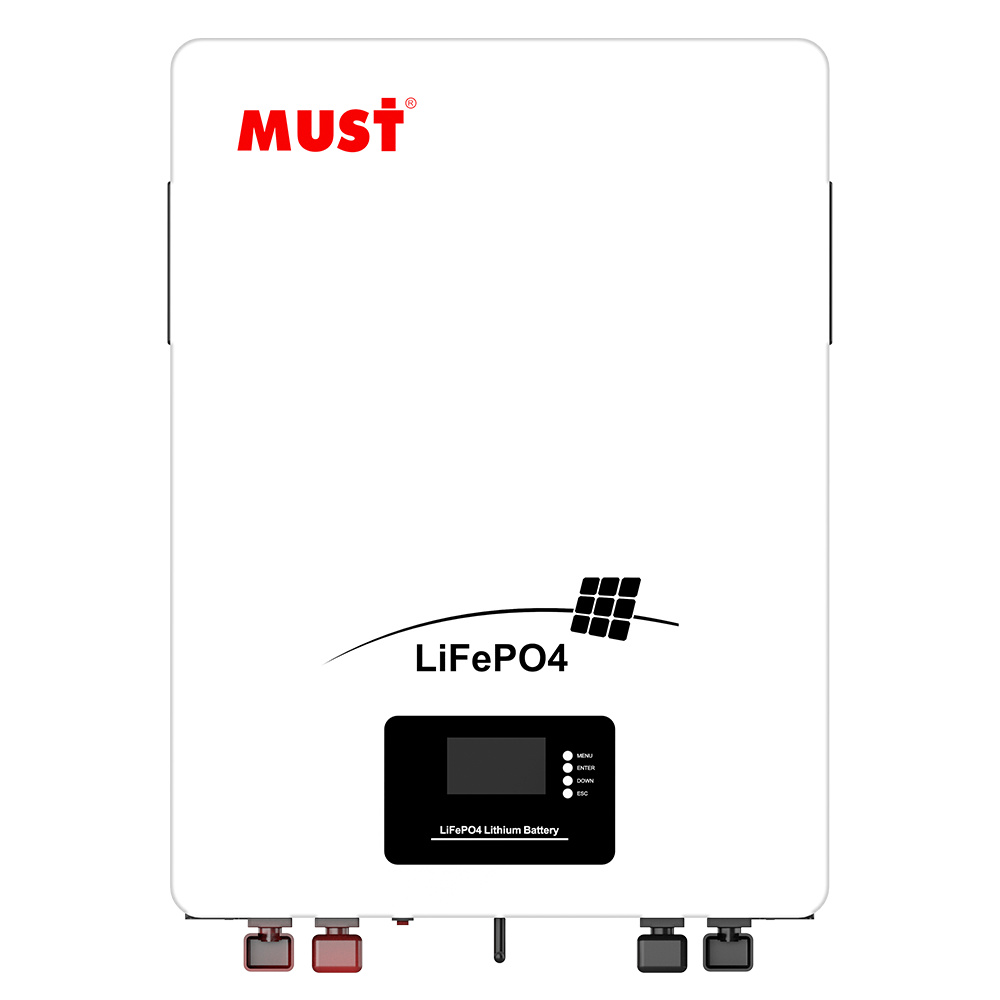


Executive Summary: Navigating Global Off-Grid Power Transformation
The global energy infrastructure is undergoing a fundamental shift toward decentralization. Rising utility tariffs, grid instability across emerging markets, and the urgent requirement for energy security have accelerated the worldwide adoption of off-grid solar power systems. At the heart of every autonomous solar microgrid lies the off-grid solar inverter—a sophisticated power electronic assembly responsible for converting non-linear direct current (DC) generated by photovoltaic arrays into regulated, low-distortion alternating current (AC) for local consumption.
For engineering procurement managers, commercial distributors, and system integrators, selecting the ideal off-grid solar inverter manufacturer is no longer merely a matter of comparing unit pricing. Modern installations demand exceptional surge capacity for inductive motor loads, extreme thermal stability, advanced maximum power point tracking (MPPT) efficiency (>99.9%), high-voltage DC bus architectures, and seamless bi-directional protocol communication with Lithium Iron Phosphate (LiFePO4) Battery Management Systems (BMS).
Key Technical Insight: Modern off-grid architecture has evolved beyond simple standalone power conversion. Industry-leading 2025 manufacturers are implementing high-frequency transformerless topologies capable of handling up to 450V–500V DC PV input, drastically reducing string wiring losses and eliminating the need for expensive DC combiner boxes.
Comprehensive Analysis: Top 10 Off-Grid Solar Inverter Manufacturers & Suppliers
To provide objective procurement guidance, our engineering research team has evaluated the top tier of global manufacturers based on key metrics: internal manufacturing scale, quality management certifications (ISO 9001/14001/45001), circuit design topology, product lifespan, and OEM/ODM engineering support.
Manufacturing Baseline: Operating a massive 31,056 m² ISO 9001/14001/45001 certified smart manufacturing facility with 1,109 skilled employees and an annual output exceeding 600,000 units. Fully verified on-site by TÜV Rheinland.
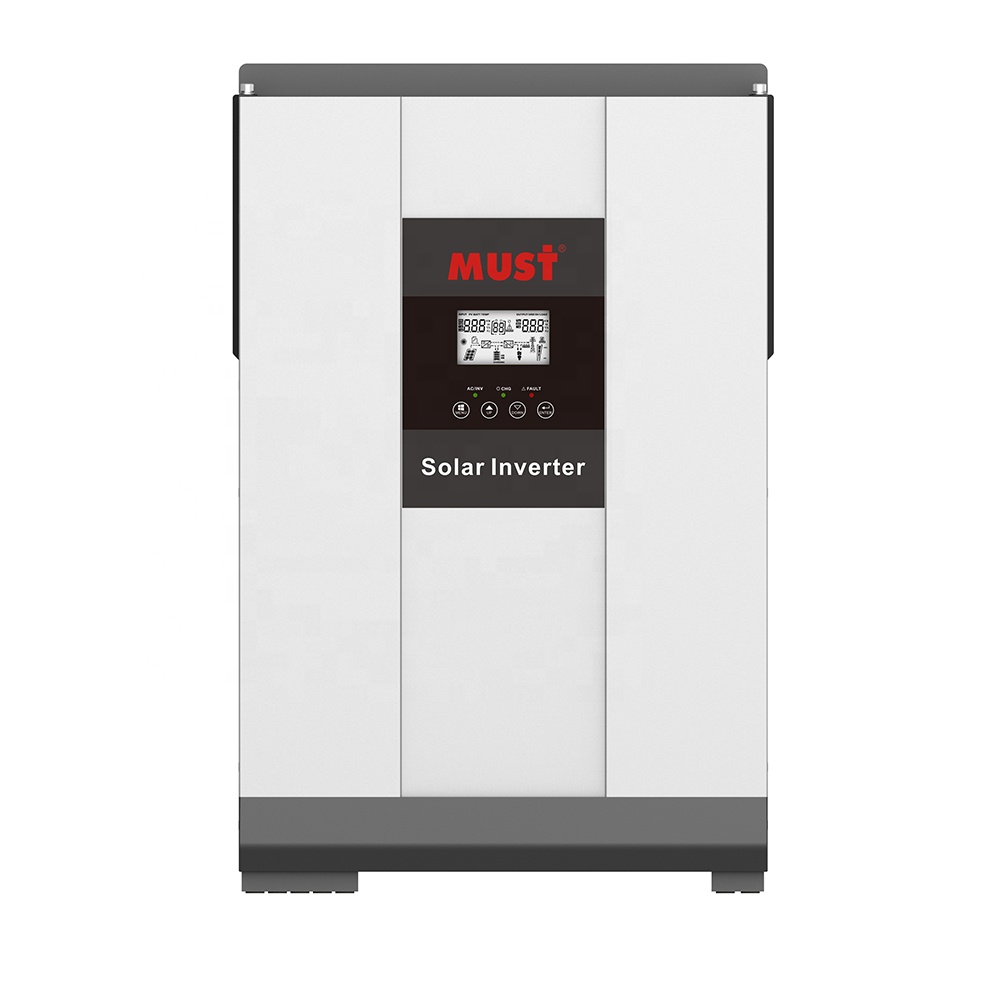
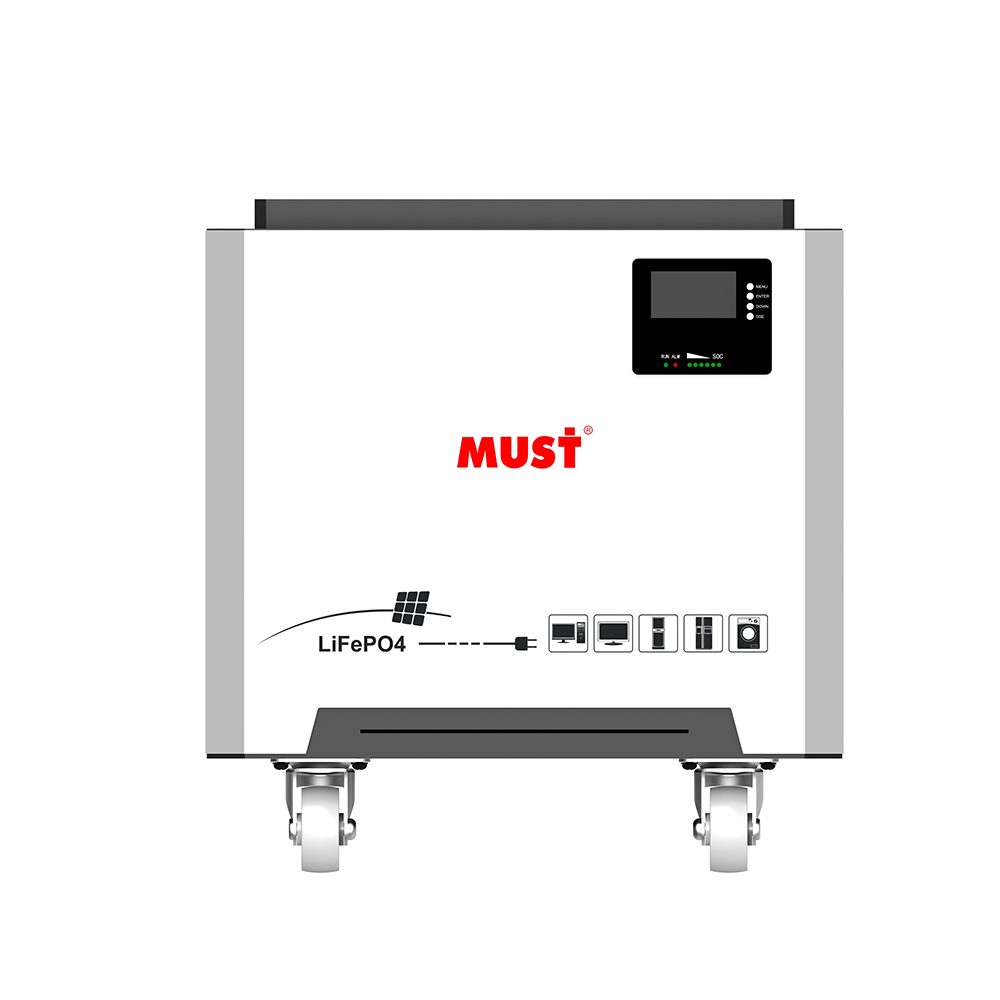
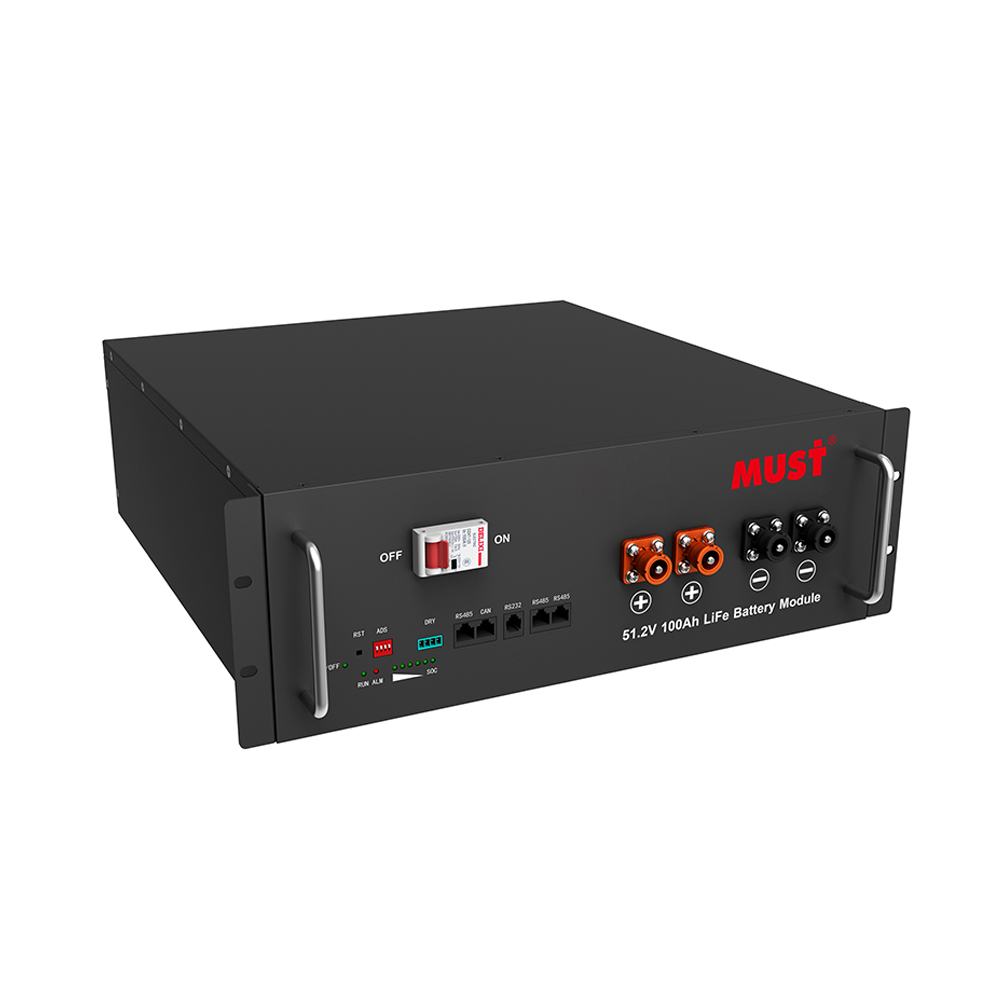
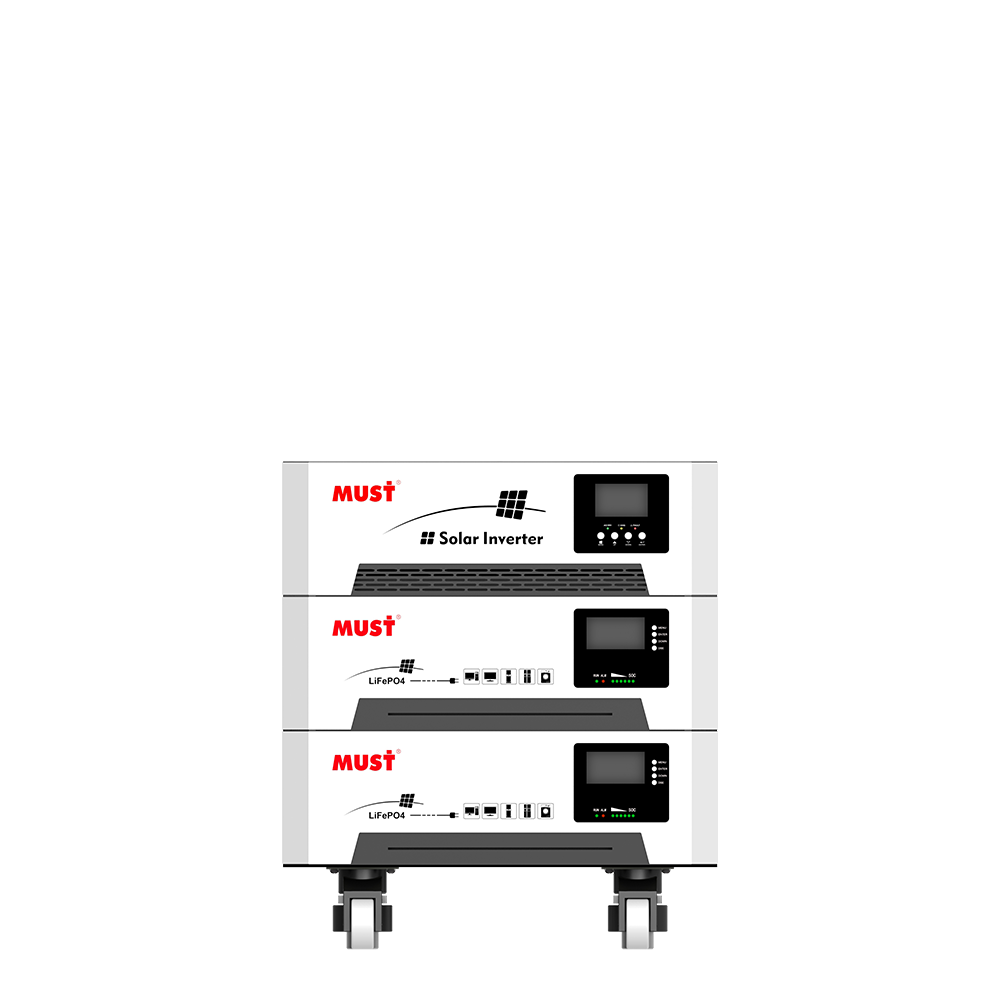
Technical Capabilities: CJH Energy excels in high-frequency and low-frequency off-grid pure sine wave solar inverters ranging from 1kW to 12kW, integrated with 60A–100A MPPT controllers. Specializes in custom firmware engineering, CAN/RS485/RS232 closed-loop BMS communication synchronization with proprietary LiFePO4 rack and wall-mounted power storage units. With overseas subsidiaries in Poland (Warsaw), South Africa, Dubai, and Egypt, CJH provides localized B2B service, fast regional dispatch, and robust technical warranty support.
Best Fit For: Importers, distributors, and private-label brands seeking factory-direct pricing, fast OEM/ODM turnarounds, and complete, pre-tested solar-plus-storage bundles.
Overview: Based in the Netherlands, Victron Energy is globally renowned for ultra-reliable, heavy-duty low-frequency inverter/chargers (e.g., Quattro and MultiPlus series). Their modular systems feature exceptional peak power surge capabilities, ideal for heavy industrial loads and off-grid marine systems.
Strengths: Open communication protocols, vast Venus OS ecosystem, and exceptional software monitoring. High capital cost offset by extreme durability.
Overview: Headquartered in Niestetal, Germany, SMA is an industry pioneer with its Sunny Island series setting the standard for AC-coupled utility-grade off-grid microgrids. Designed for maximum reliability under severe environmental conditions.
Strengths: Unmatched grid-forming capabilities, high efficiency, and comprehensive grid compliance, primarily targeting high-budget utility and commercial projects.
Overview: Manufactured entirely in Switzerland, Studer Innotec produces high-end inverter/chargers (Xtender series) that feature unmatched efficiency profiles and customizable programming for complex alpine and telecommunications installations.
Strengths: Outstanding build quality, 10-year warranties, and multi-inverter parallel stacking stability.
Overview: Established in Shenzhen, China, Growatt offers cost-competitive off-grid solutions such as the SPF series. Features sleek residential enclosures with built-in MPPT controllers for mass-market residential electrification.
Strengths: User-friendly design, cloud monitoring platforms, and aggressive price points for cost-sensitive distribution networks.
Overview: Utilizing the Conext SW and XW Pro platforms, Schneider Electric delivers split-phase industrial off-grid inverters engineered for high-surge industrial machinery, agricultural pumping, and commercial backup energy networks.
Strengths: Dual AC inputs, robust thermal tolerance, and deep integration with industrial automation systems.
Overview: Long regarded as a benchmark brand for off-grid living in North America, OutBack Power (Radien / FXR series) specializes in die-cast aluminum sealed inverters designed for harsh environments prone to dust, moisture, and salt air.
Strengths: High thermal resilience, field-serviceable modularity, and strong brand equity across Americas.
Overview: Headquartered in Germany, Phocos manufactures the Any-Grid series, bridging off-grid solar inverters with hybrid flexibility. Their compact units combine solar charging, battery management, and AC line transfer in a single cost-effective module.
Strengths: Seamless operation without batteries, wide input voltage windows, and reliable remote site performance.
Overview: Operating massive production hubs out of Taiwan and Mainland China, Voltronic is a major ODM supplier behind dozens of international rebranded off-grid solar inverters (Axpert series).
Strengths: Massive manufacturing scalability, rapid cost-reduction cycles, and extensive model diversity.
Overview: Sol-Ark has gained significant traction in North America with its heavy-duty all-in-one pre-wired hybrid/off-grid inverters (12K, 15K models) capable of handling massive solar arrays and generator integration simultaneously.
Strengths: Ultra-fast transfer times (4ms), massive continuous power throughput, and top-tier consumer support.
Engineering Benchmarks: High-Frequency vs. Low-Frequency Topology Comparison
During the procurement planning phase, system engineers must evaluate the underlying hardware architecture. Inverter designs fall primarily into two structural categories: High-Frequency (Transformerless) and Low-Frequency (Heavy Copper Transformer Based). Below is a comparative engineering reference used by our technical design team:
| Performance Metrics | High-Frequency (HF) Inverters | Low-Frequency (LF) Inverters |
|---|---|---|
| Internal Topology | MOSFET / IGBT High-Speed Electronic Switching | Heavy Iron-Core Toroidal Transformer |
| Weight & Physical Footprint | Compact, Lightweight (Easy wall mounting) | Heavy, Bulkier Cabinet Structure |
| Peak Surge Surge Capacity | 1.5× to 2× Rated Power (Short burst: 100ms) | 3× Rated Power (Sustained burst: 5–10s) |
| Inductive Load Performance | Suitable for Electronics, TVs, LED Lighting, Small Motors | Exceptional for Heavy Compressors, Pumps, Power Tools |
| Peak Conversion Efficiency | Higher (93% – 97%) | Slightly Lower (88% – 92%) due to core losses |
| PV Input Voltage Capability | High Voltage Range (120V – 450V DC) | Low Voltage Range (30V – 150V DC) |
| Target Sourcing Application | Urban Residential, Telecom Backup, Mobile ESS | Off-Grid Ranches, Mining, Heavy Duty Industrial Sites |
Future Procurement Trends & Technological Innovations (2025–2030)
As the solar market shifts from basic standalone generation to intelligent energy storage integration, off-grid inverter buyers must align their procurement strategies with four key technological macro-trends:
1. Wide PV Input Voltage Architectures (Up to 450V–500VDC)
Traditional off-grid inverters operated on low DC voltage PV inputs (under 150V), requiring complex parallel stringing configurations, thicker copper cables, and external combiner boxes. Next-generation inverters now feature high-voltage MPPT inputs. This design allows installers to connect up to 10–12 solar modules in series, reducing DC current, minimizing wire heat losses, improving installation speed, and lowering overall system Balance of System (BOS) costs by up to 18%.
2. Closed-Loop Smart BMS Communication (CANbus / RS485 Interoperability)
Open-loop charging—where the inverter relies solely on voltage thresholds to charge lithium batteries—is quickly becoming obsolete due to premature cell degradation risks. Modern off-grid inverters establish real-time, closed-loop communications with the battery’s internal BMS using CANbus 2.0B or RS485 protocols. The BMS dynamically commands the inverter’s charging voltage, peak current, and thermal cut-off points, boosting LiFePO4 battery life past 7,000 cycles while ensuring absolute system safety.
3. Battery-Free Operation Capability
In regions facing capital constraints or initial budgetary phases, modern off-grid solar inverters can operate directly from PV power to supply AC loads without a connected battery bank. When solar irradiance drops, the unit intelligently blends power from an auxiliary utility connection or diesel generator in real time, giving buyers a phased investment path toward full battery integration.
4. Silicon Carbide (SiC) Power Switching Components
Leading manufacturers are transitioning from legacy Silicon MOSFETs to wide-bandgap Silicon Carbide (SiC) semiconductors. SiC devices drastically lower switching losses, allow higher operating frequencies, reduce cooling heatsink requirements, and increase overall power density, resulting in lighter inverters with standby self-consumption reduced by over 40%.
Enterprise Manufacturing Edge: Why CJH Energy Leads Custom B2B Supply Chains
Sourcing off-grid solar inverters and lithium storage batteries from CJH Energy (Guangdong) Tech Co., Ltd. offers global business partners distinct structural advantages over traditional sourcing channels:
- Vertically Integrated Production Footprint: Spanning 31,056 m² of automated assembly lines, surface mount technology (SMT) suites, and controlled environmental aging rooms. We control raw material quality, PCB design, transformer winding, and final chassis fabrication under one roof.
- Rigorous Quality Assurance Standards: Every inverter and battery undergoes 100% full-load aging tests, automated optical inspections (AOI), and high-voltage insulation tests. Operations adhere strictly to ISO 9001, ISO 14001, and ISO 45001 standards, verified on-site by TÜV Rheinland.
- Comprehensive Customization (OEM/ODM): Supported by over 80 dedicated R&D power electronics engineers, CJH offers complete ODM capabilities: custom enclosure design, LCD interface tailoring, proprietary firmware programming, and custom CAN communication protocol integration for seamless battery pairing.
- Global Logistic Hubs & Overseas After-Sales: To minimize shipping lead times and deliver local technical assistance, CJH operates direct branch offices and service centers in Poland (Warsaw), South Africa, Dubai, and Egypt. Our international footprint ensures your technical inquiries and spare parts requests are serviced without delay.
Frequently Asked Questions by B2B Solar Buyers & Procurement Managers
Accelerate Your Solar Business with Factory-Direct Manufacturing
Connect directly with our senior application engineers to discuss wholesale pricing, custom OEM specs, container logistics, or technical evaluation samples.
Contact Us