Strategic Sourcing Insights for Lithium Battery Chargers & Energy Storage Wholesalers
As the global energy transition accelerates, tier-1 B2B buyers, EPC contractors, and regional distributors require high-reliability lithium battery chargers and energy storage systems (ESS) optimized for multi-chemistry microgrids. Evaluating global lithium battery charger exporters goes beyond basic price-per-watt comparisons. Strategic sourcing demands rigorous analysis of BMS CAN/RS485 protocol interoperability, thermal safety under high ambient duty cycles, ISO-accredited quality control, and localized fulfillment infrastructure.
Top Recommended Lithium Battery Systems & Charger Units
Verified commercial models for immediate procurement, direct factory export, and OEM/ODM custom integration.
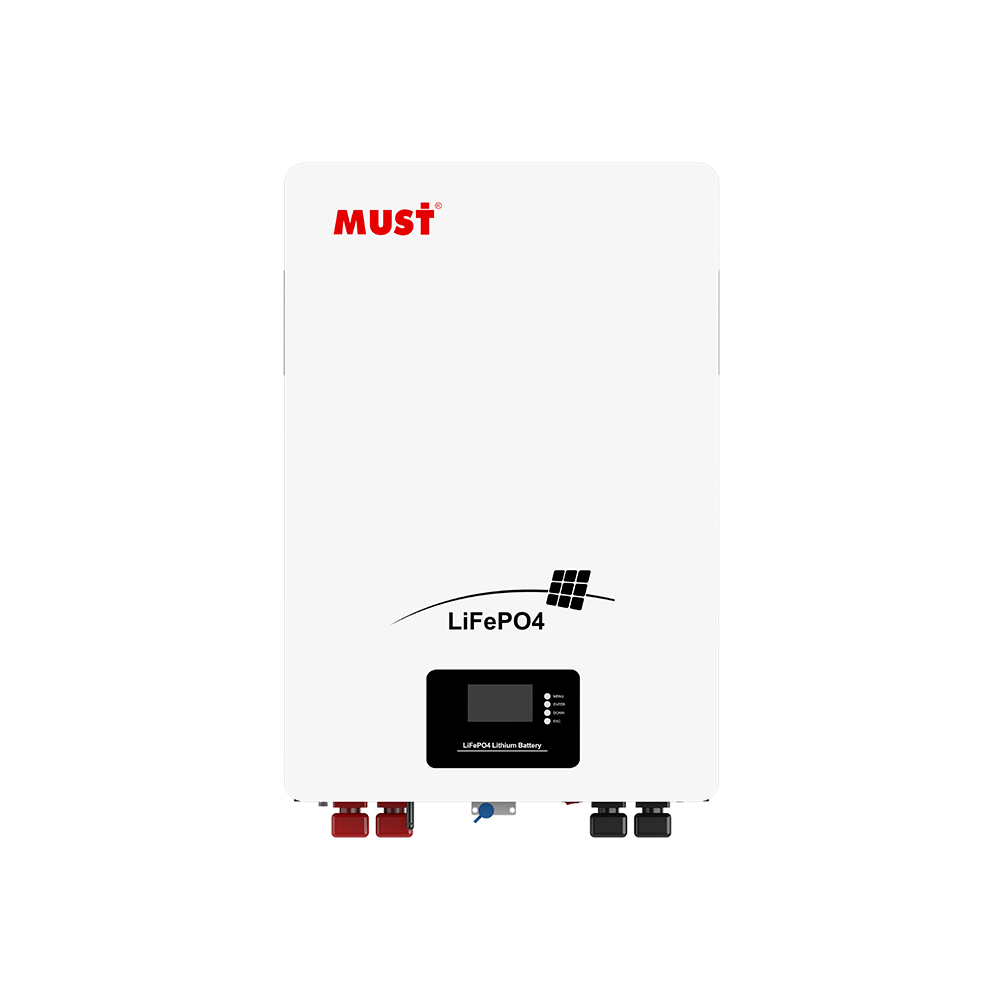
For LP16-48200 Solid State LiFePO4 Battery System for Residential & Commercial Energy Storage with 6000 Cycles
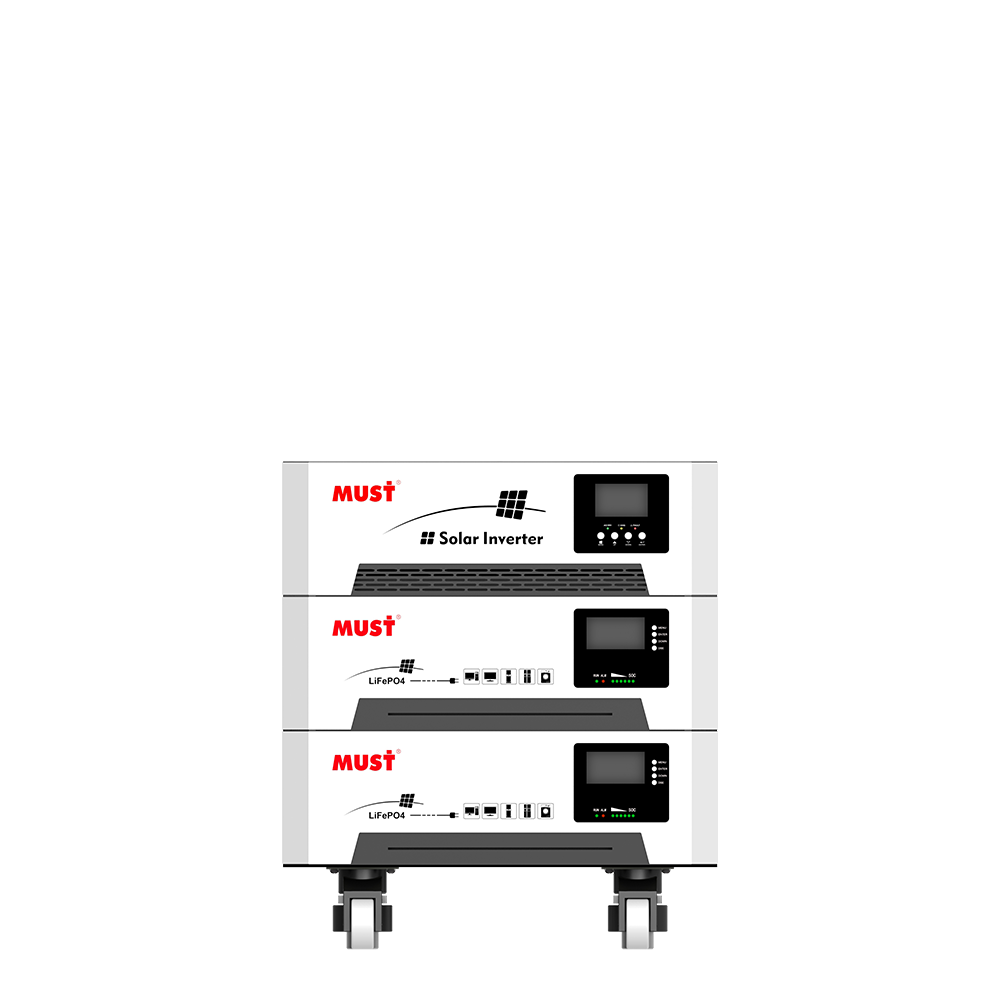
For MUST Solar Power Station LifePO4 Battery Wireless Charging MPPT Controller for Ukraine
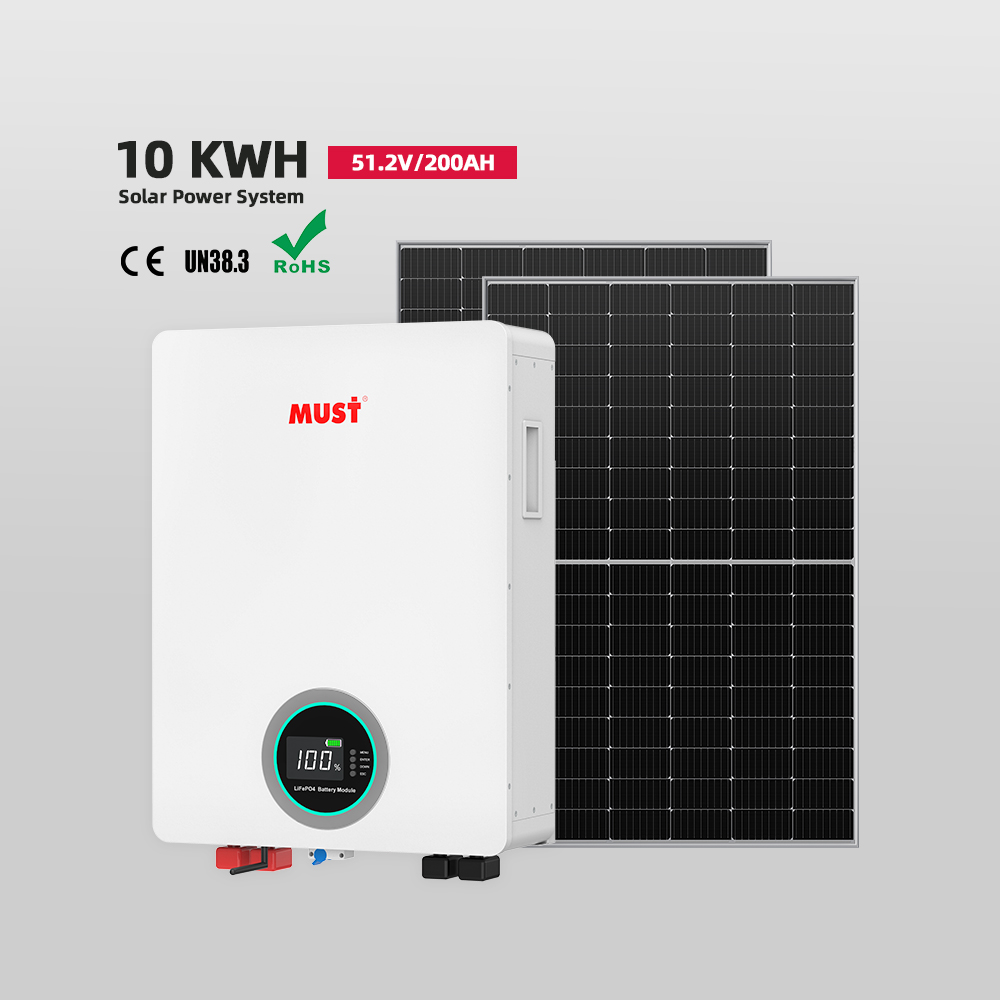
For LP16-48100 LiFePO4 Battery Pack 5 Years Life CE Certified for Solar Storage and Inverter System
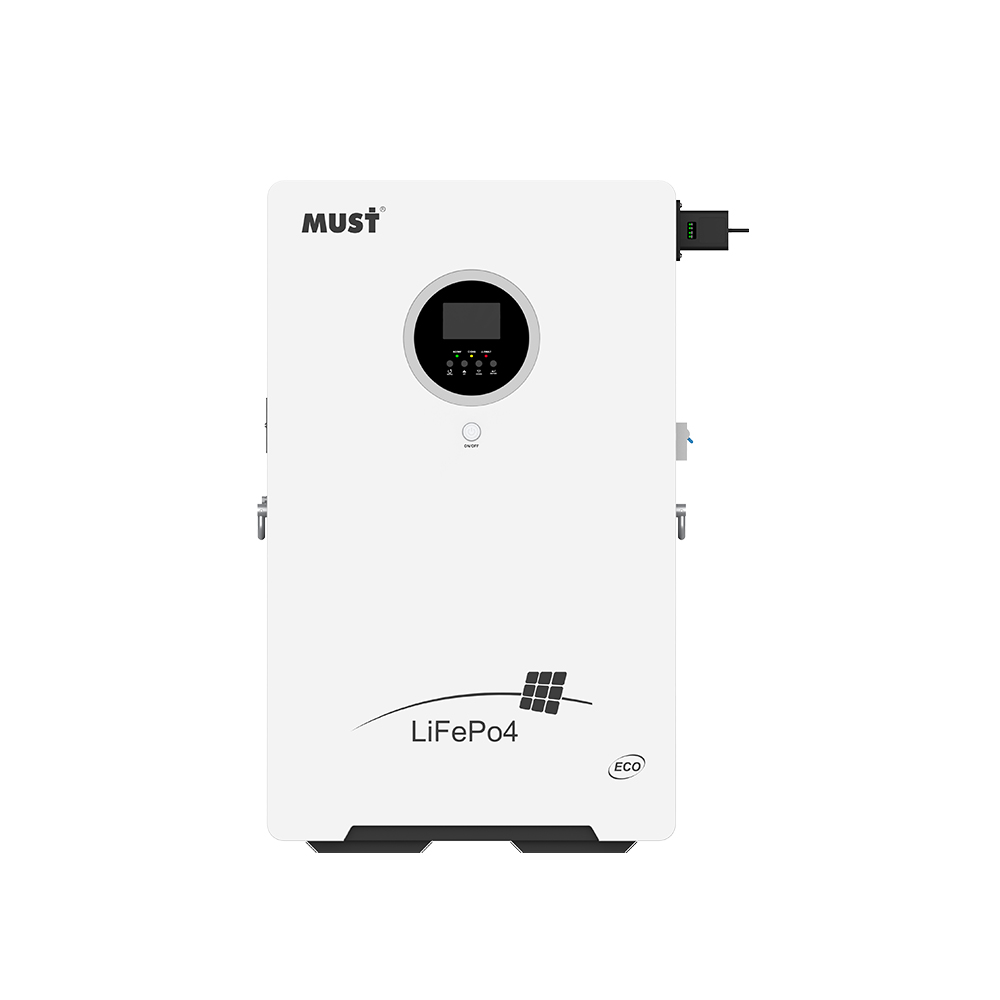
MUST Factory in Stock All in One Solar System HBP19-5548 VPM 5.5kw 3.5kw 5kwh 3kwh Off Grid Hybrid Generator

10kWh 48V 200Ah Lithium Battery for Home & Solar Power 3-in-1 LiFePO4 Wall Mounted Stacked Mounted Rack Storage
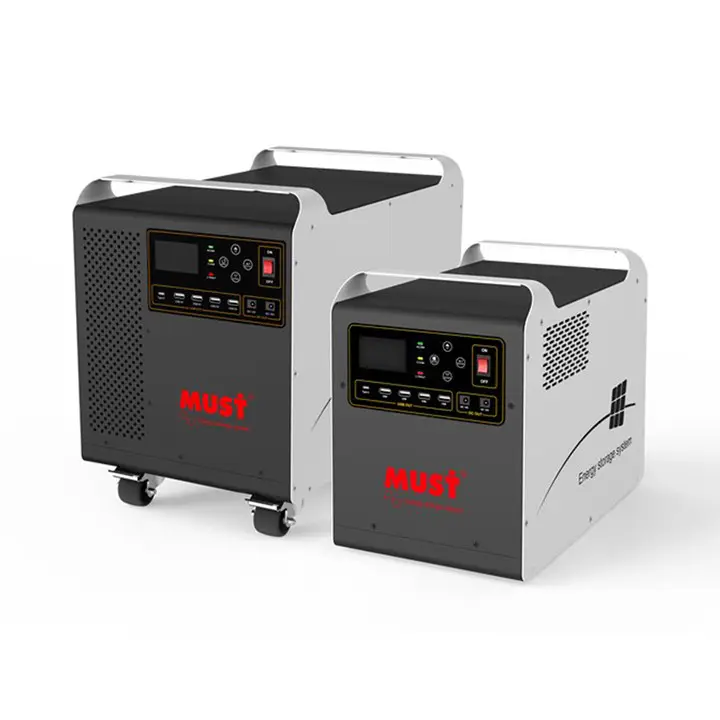
Best price 1000W Portable Power Station for Camping Emergency Solar Generator Solar Charge Equipment for Car

MUST Solar Station Outdoor Use Inbuilt Lithium Battery 2000wh 3000wh Back up Portable Solar Energy System

MUST Factory All in One HBP19 Series Wall Mounted Lifepo4 Battery Solar Energy Storage System Home 3.5kw 5.5kw 3.2kwh 5.1kwh
How to Evaluate Top Lithium Battery Charger & Storage Exporters
Selecting an OEM/ODM manufacturing partner for lithium battery chargers and storage systems requires evaluating critical engineering parameters. High-volume wholesalers and project developers must verify that candidate factories comply with strict electrical safety, communication protocol compatibility, and thermal management metrics.
Charging Curve Optimization
Tier-1 exporters implement multi-stage constant current (CC), constant voltage (CV), and float/equalization algorithms optimized for LiFePO4 cell physics, minimizing lithium plating during sub-zero or high-temperature charging cycles.
BMS Protocol Multi-Compatibility
Industrial chargers must support pre-configured CAN bus and RS485 communication handshakes with leading inverter protocols (e.g., Pylontech, Victron, Deye, Growatt), enabling automated state-of-charge (SoC) parameters adjustments.
Certified Thermal & Electrical QC
Distributors must demand ISO 9001/14001/45001 compliance, UN38.3 cell safety, CE, and TÜV Rheinland verified on-site facility audits to eliminate thermal runaway risks across global containerized shipments.
Exporter Benchmark Matrix: System Architectures & Technical Specs
A comparative overview of primary system configurations exported by China’s top 10 lithium battery charger and energy storage manufacturers:
| Product Category | Voltage & Capacity Ranges | Peak Efficiency | Primary BMS Protocols | Target Global Markets |
|---|---|---|---|---|
| Solid State LiFePO4 ESS | 48V 200Ah (9.6kWh - 15kWh) | 98.2% | CAN / RS485 / RS232 | Europe, North America, Australia |
| Low-Freq Inverter Charger | 12V/24V/48V (1kW - 6kW) | 93.0% | Modbus / Custom Hardware | Africa, Middle East, South America |
| Hybrid Solar Storage All-in-One | 48V 100Ah/200Ah (3.5kW-5.5kW) | 95.5% | Integrated Smart BMS handshake | Ukraine, South Africa, EU Weak-Grids |
| Server Rack & Wall Lithium | 51.2V 100Ah / 280Ah | 97.5% | Multi-brand auto-matching | Global Telecom & Residential ESS |
| Portable Heavy-Duty Stations | 1000W - 3000W Output | 92.0% | Internal High-Speed Microcontroller | Emergency, Mobile Work, Camping |
Future Procurement Trends in Lithium Charging & Energy Storage (2025–2030)
Procurement directors and B2B importers must align their supply lines with upcoming technological shifts. The convergence of wide-bandgap semiconductors, solid-state battery chemistry, and cloud-connected telemetry is restructuring the exporter landscape.
1. Transition to GaN & SiC Fast-Charging
Gallium Nitride (GaN) and Silicon Carbide (SiC) switching transistors are rapidly replacing silicon MOSFETs in battery chargers. This transition elevates switching frequencies, reduces thermal losses by up to 40%, and reduces charger enclosure volumes by 35% without sacrificing current density.
2. Solid-State LiFePO4 Integration
As commercialized solid-state electrolytes enter energy storage, lithium battery chargers are receiving firmware updates to handle tighter voltage tolerances and higher energy densities (280Wh/kg+), offering over 6,000 cycle lives under stringent DoD settings.
3. Localized Regional Warehouse Hubs
Top exporters are transitioning from direct FOB factory shipping to regional fulfillment hubs in Poland, South Africa, Dubai, and Egypt. This strategic shift reduces container transit lag times from 45 days down to 48-hour localized door-to-door dispatch for distributors.
CJH Energy — Premier Lithium Charger & Storage Manufacturer
Operating as an established manufacturer with over 20 years of power electronics innovation, CJH Energy (Guangdong) Tech Co., Ltd. delivers factory-direct off-grid/hybrid inverters, MPPT chargers, and LiFePO4 storage packs engineered for global wholesalers.
31,056 m² Smart Production Facility
Integrated automated assembly lines employing 1,109 personnel, delivering an annual output exceeding 600,000 power conversion and battery units.
TÜV Rheinland & Triple ISO Certification
On-site verified manufacturing quality compliant with ISO 9001 (Quality), ISO 14001 (Environmental), and ISO 45001 (Occupational Safety) international frameworks.
80+ Engineering R&D Team for OEM/ODM
Dedicated firmware and hardware engineering capabilities, supporting custom enclosure styling, LCD interfaces, brand labeling, and specialized CAN/RS485 BMS protocols.
Global Subsidiary Support Network
Direct technical support and overseas stock presence across key hubs including Poland (Warsaw European Center), South Africa, Dubai, and Egypt.
Frequently Asked Questions by B2B Importers
What parameters determine the selection between 12V, 24V, and 48V battery systems?
As a standard engineering baseline: 12V systems suit low-power loads below 1kW (mobile/RVs), 24V systems support medium loads between 1kW and 3kW, and 48V (or 51.2V nominal) systems are essential for loads exceeding 3kW. Higher system voltage dramatically reduces DC current draw, allowing thinner copper wire gauges, reducing thermal line losses, and optimizing inverter conversion efficiency.
How does an integrated MPPT solar charger differ from a standalone AC battery charger?
An integrated MPPT (Maximum Power Point Tracking) charger continuously adjusts the electrical operating point of solar panels to extract peak photovoltaic energy, achieving efficiencies over 98%. Unlike basic AC-to-DC chargers, hybrid MPPT chargers dynamically manage dual power inputs (PV array and AC utility grid/generator) to prioritize renewable charging and minimize overall energy cost.
What custom OEM branding options are available for wholesale orders?
CJH Energy provides end-to-end OEM/ODM customization. This includes custom metallic enclosure powder-coating colors, client logo screen printing, branded LCD startup screens, tailored packaging cartons, localized user manuals, and customized firmware settings (such as specialized battery charging voltage profiles and CAN/RS485 BMS communication protocols).
What international safety and transport certifications accompany export shipments?
All exported lithium battery products and charger systems undergo comprehensive testing to hold UN38.3 (dangerous goods transportation), MSDS, CE safety certification, and IEC 62619 standards compliance. Complete factory inspection reports and laboratory test credentials are provided prior to container loading.
Streamline Your Lithium Charger & Battery Supply Chain
Connect directly with our engineering sales team to request factory-direct wholesale pricing, OEM custom specifications, and regional stock delivery options.
