Executive Summary & Sourcing Intelligence
The global residential solar energy landscape is undergoing a systemic paradigm shift driven by grid instability, escalating electricity tariffs, and the rapid decentralization of residential microgrids. Sourcing high-reliability residential solar inverters has transformed from a mere component procurement exercise into a strategic supply-chain decision for Engineering, Procurement, and Construction (EPC) contractors, regional distributors, and OEM brand holders worldwide.
According to modern power electronics benchmarks, evaluated under Google’s Search Quality Rater Guidelines for technical authoritative depth, evaluating a solar inverter factory requires analyzing core engineering criteria: topological efficiency, thermal dissipation design, wide input MPPT range, static switch transfer latency, and BMS communication protocol interoperability. This B2B procurement whitepaper provides actionable intelligence on top-performing home solar inverters, factory production capabilities, technology roadmaps, and strategic procurement frameworks for global buyers.
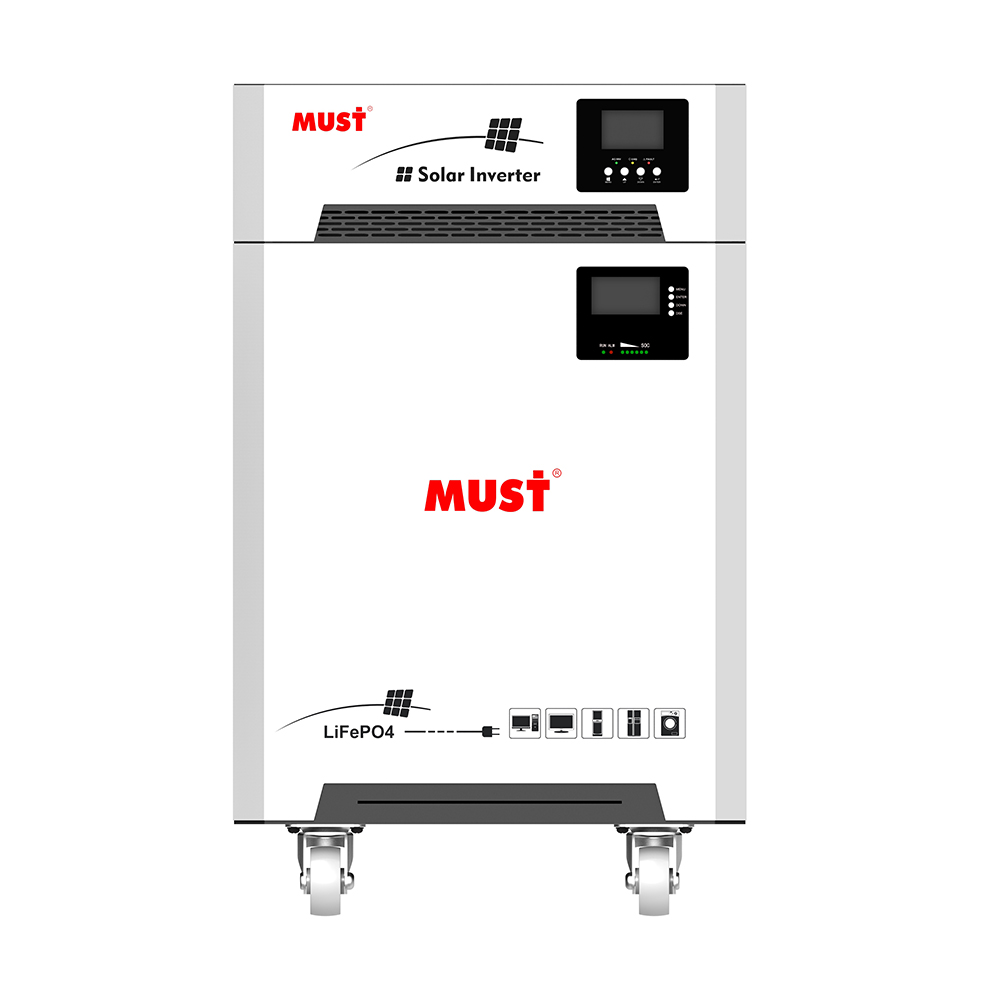
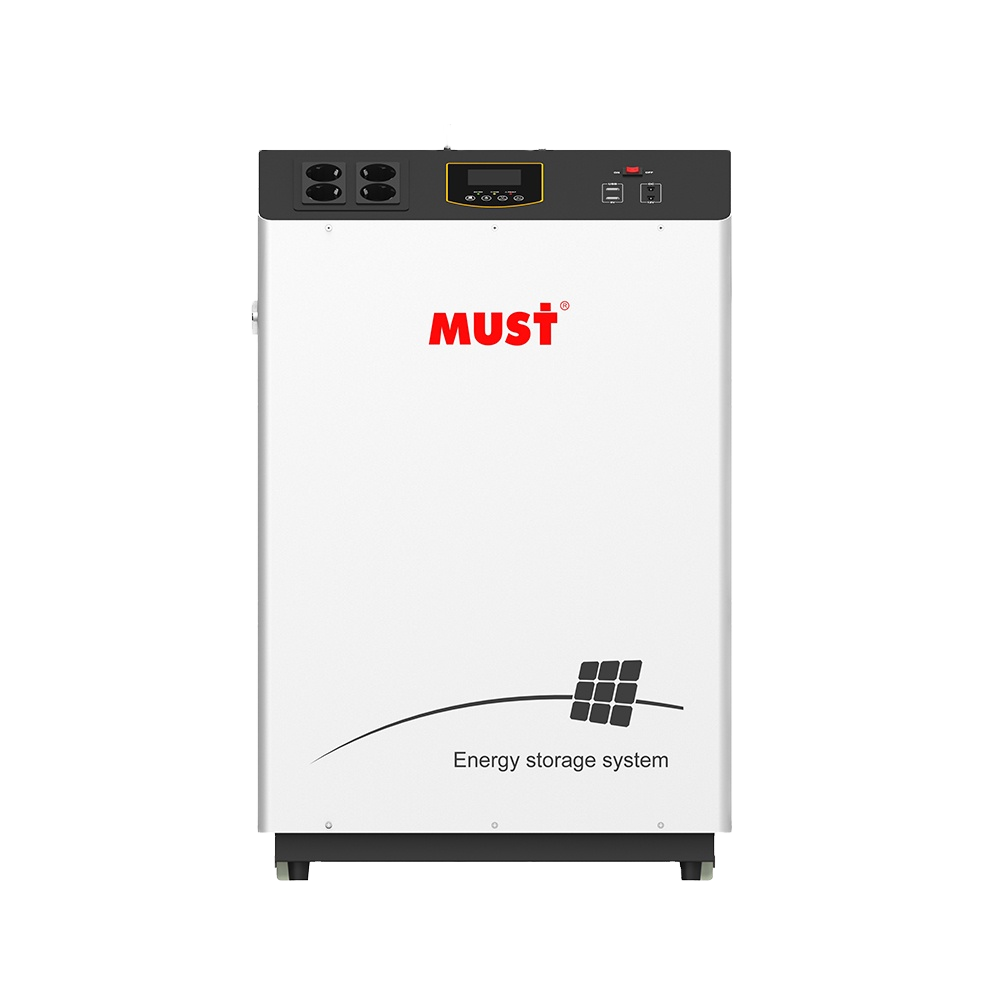
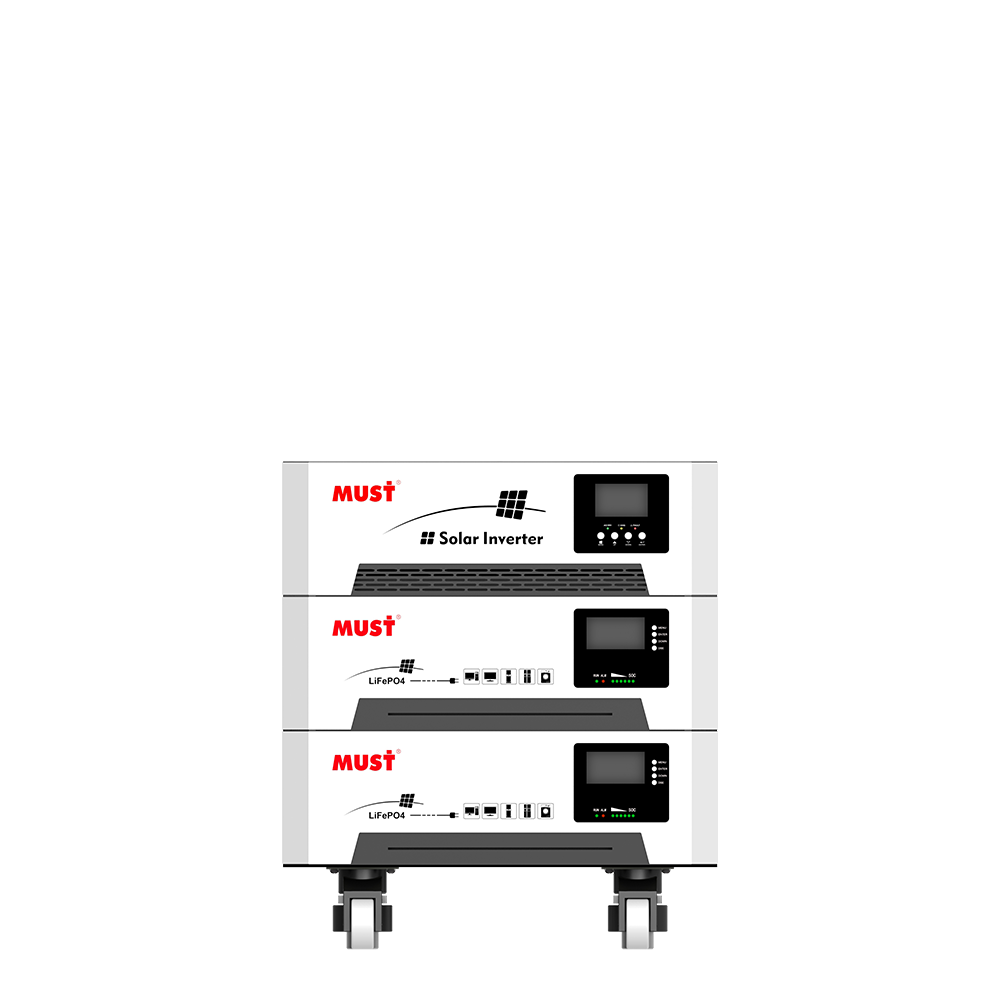
Featured Residential Solar Inverters & Energy Storage Systems
Top factory-direct models engineered for high-surge efficiency, weak-grid resilience, and seamless lithium battery integration.
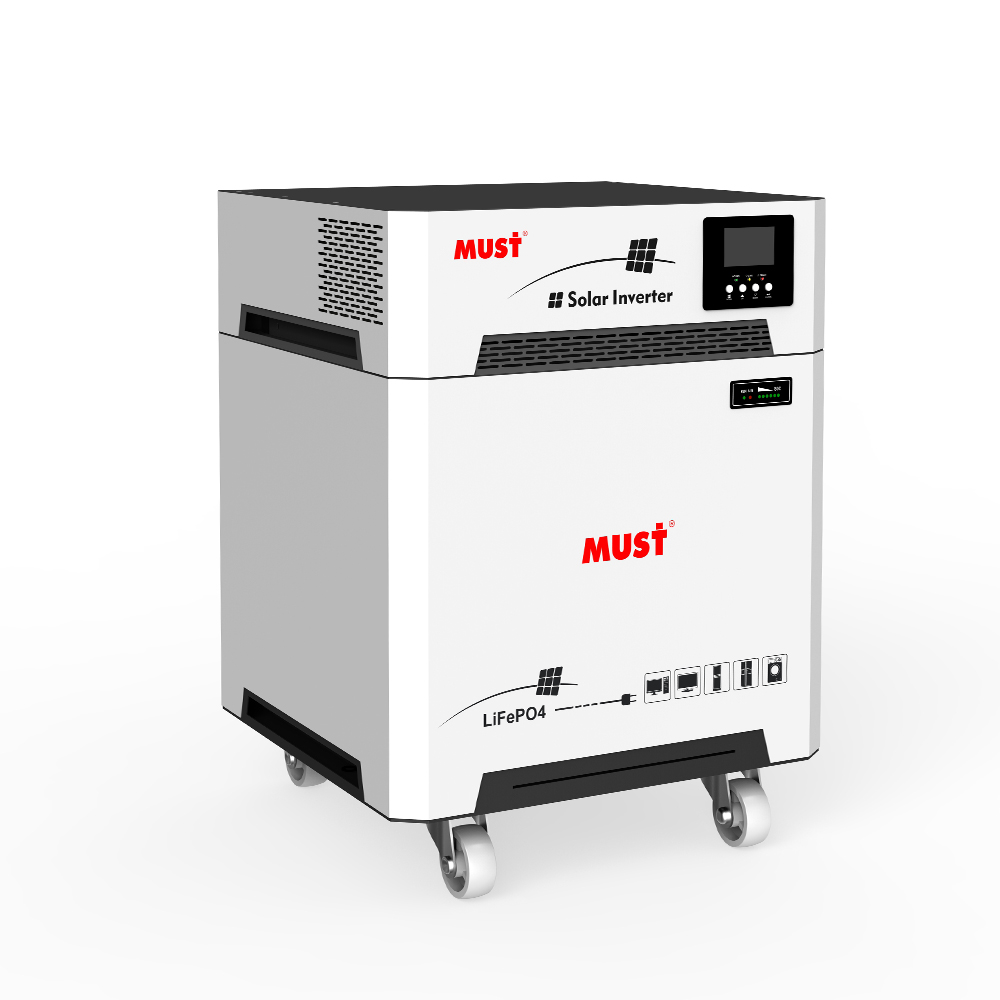
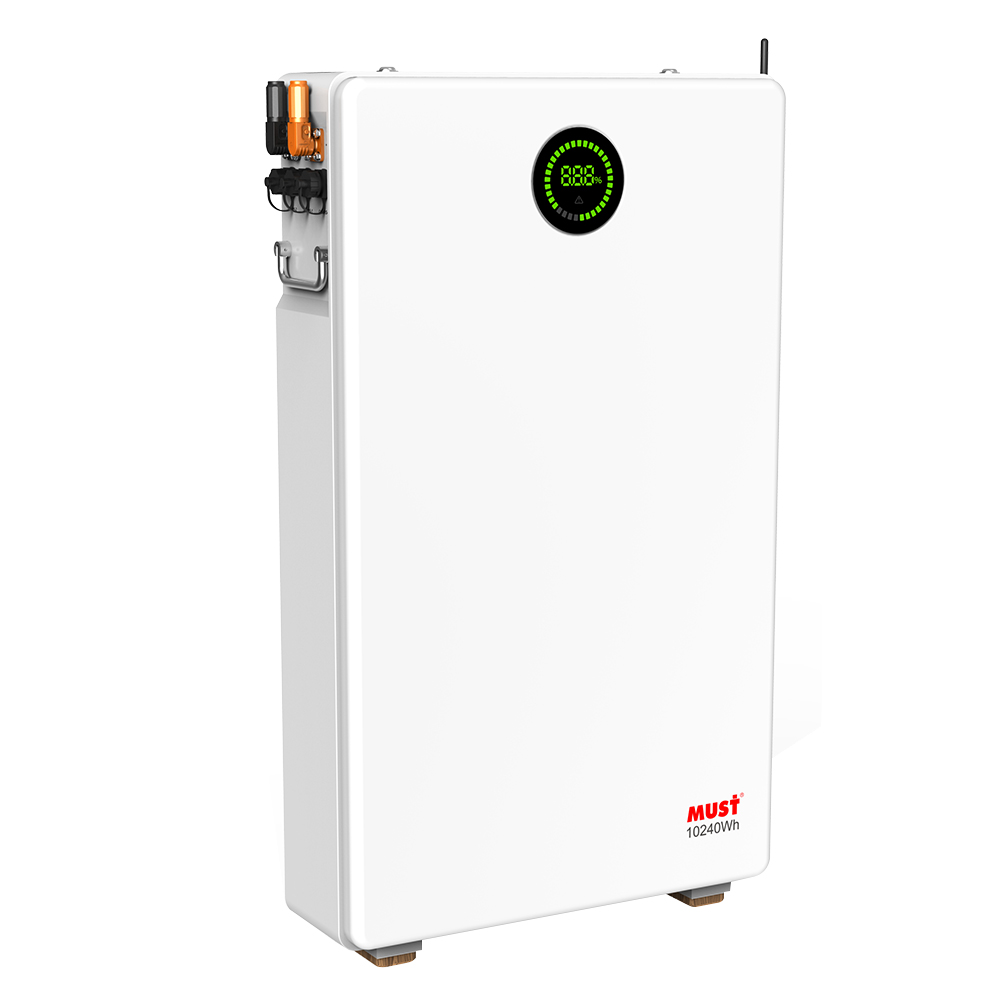
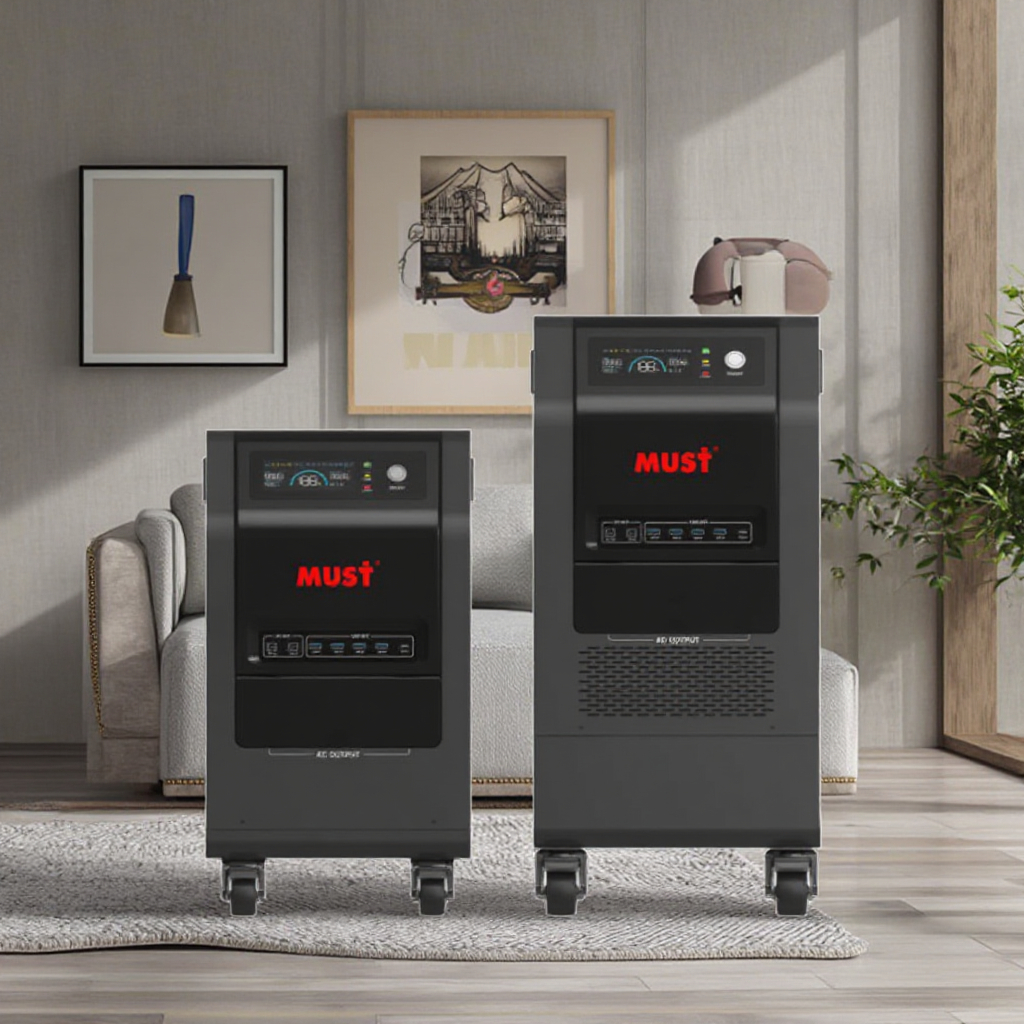
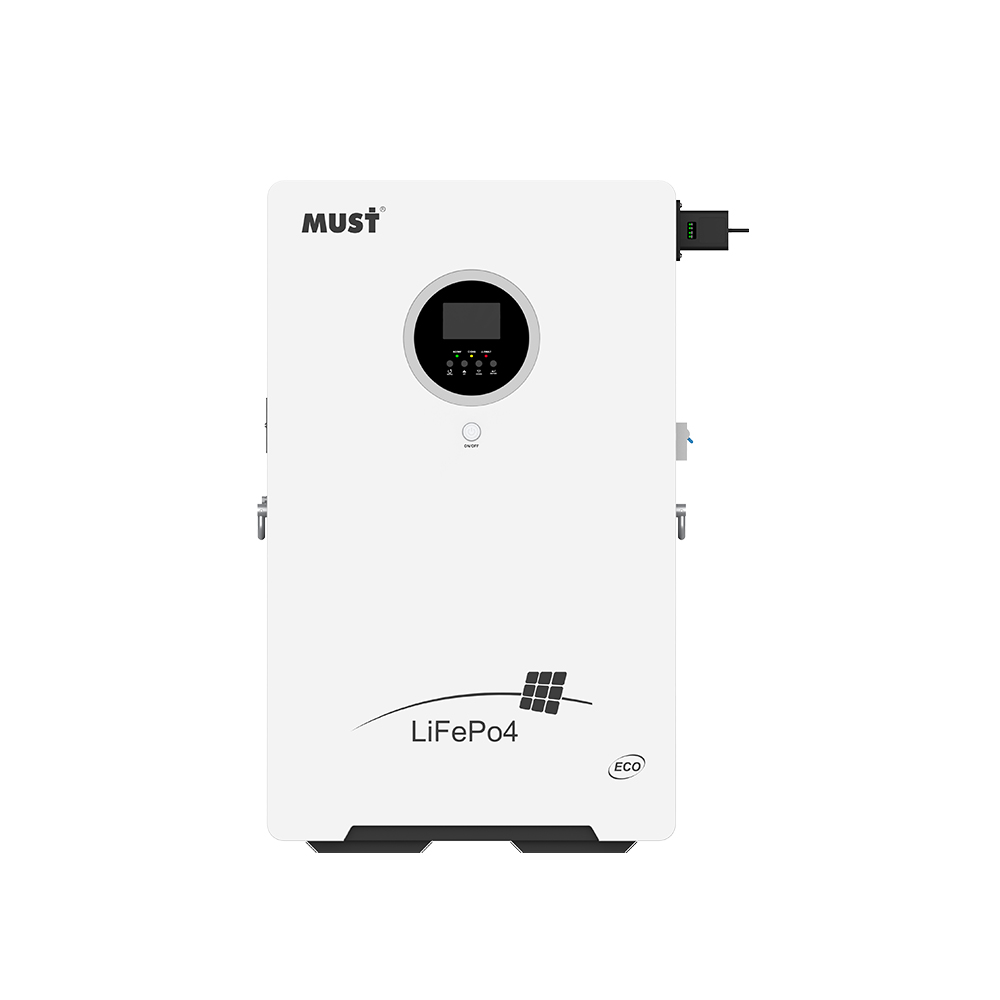

Enterprise Benchmarks: Manufacturing Rigor & Operational Scale
When evaluating top-tier home solar inverter factories in China and globally, verified operational metrics separate qualified original equipment manufacturers (OEMs) from market trading intermediaries. CJH Energy (Guangdong) Tech Co., Ltd. serves as an industry reference model, integrating advanced power electronics engineering with scaled manufacturing infrastructure.
31,056 m² ISO Production Base
Operating a fully integrated production ecosystem staffed by 1,109 skilled personnel. Certified across ISO 9001, ISO 14001, and ISO 45001 management systems with complete traceability.
TÜV Rheinland On-Site Verified
Independently audited on-site by TÜV Rheinland. Production facilities feature automated SMT lines, thick-film copper PCB inspection, and computer-controlled full-load thermal burn-in chambers.
80+ R&D Engineering Team
Dedicated power electronics experts holding multiple national invention patents. Specialized in custom firmware development, CAN/RS485 BMS protocol decoding, and regional grid-code compliance.
Factory capacity reaches over 600,000 units annually across off-grid inverters, hybrid energy storage systems (ESS), MPPT controllers, and server-rack LiFePO4 battery modules. To support global partners, CJH Energy maintains active overseas warehousing and technical support hubs in Poland (Warsaw hub serving the EU), South Africa, Dubai, and Egypt.
Future Procurement Trends: What B2B Buyers Must Prepare For
Procurement officers and energy distributors must realign their catalog strategies to reflect emerging technical mandates. Over the 2025–2030 horizon, four core architectural transitions will define market competitiveness:
1. Transition from Low-Voltage (48V) to High-Voltage (300V–800V) Architectures
While traditional 48V low-voltage battery systems remain dominant for 1kW–5kW off-grid applications due to safety and low initial cost, residential hybrid systems above 6kW are accelerating toward high-voltage stackable platforms. High voltage decreases operating current, dramatically reducing thermal I²R copper losses, shrinking cable cross-sections, and boosting round-trip systemic efficiency above 97.5%.
2. Native Protocol Interoperability & Closed-Loop BMS Control
Open-loop charging profiles based solely on voltage thresholds are obsolete. Modern procurement criteria require dynamic, closed-loop communications via CAN-bus or RS485 Modbus. The inverter must dynamically query the Battery Management System (BMS) for real-time Cell State-of-Charge (SoC), maximum allowable charge/discharge current limits, and cell-level temperature matrices to prevent thermal runaway.
3. AI-Driven Energy Management (EMS) & V2G (Vehicle-to-Grid) Readiness
Next-generation residential inverters are evolving into microgrid orchestration nodes. Integrating cloud-connected edge analytics enables predictive solar forecasting and dynamic Time-of-Use (ToU) arbitrage. Sourcing strategies now prioritize hardware equipped with bi-directional AC/DC stages capable of accommodating V2X (Vehicle-to-Everything) interfaces.
| Architecture Type | Typical Voltage Range | Conversion Efficiency | Best Target Application | Sourcing Priority Matrix |
|---|---|---|---|---|
| Low-Voltage Off-Grid | 12V / 24V / 48V DC | 88% - 93% | Remote cabins, weak-grid home backup | High surge handling, low unit cost |
| Single-Phase Hybrid | 48V / 100V-400V DC | 94% - 96.5% | Residential self-consumption | Dual MPPT, <10ms switching speed |
| High-Voltage Three-Phase | 160V - 800V DC | 97.0% - 98.4% | Luxury residential & small C&I | SiC MOSFETs, V2G protocol support |
Next-Gen Inverter Engineering: Component & Topological Innovations
Understanding the internal component technology enables procurement teams to identify high-durability products and mitigate warranty claims.
Silicon Carbide (SiC) Power Switches
Replacing conventional Silicon IGBTs with wide-bandgap Silicon Carbide (SiC) MOSFETs drastically reduces switching losses, allowing higher switching frequencies (up to 100 kHz). This results in smaller magnetic components (transformers and inductors), lighter chassis weights, and superior thermal stability.
Global Multi-Peak MPPT Tracking
Traditional MPPT algorithms get trapped in local power maximums under partial shading conditions caused by chimneys, trees, or clouds. Advanced DSP firmware executes sweeping global scan curves, recovering up to 15-25% lost energy yields in complex residential roof setups.
Galvanic & Solid-State Isolation
For weak-grid environments subject to lightning surges and voltage sags, low-frequency copper transformer topologies provide rugged galvanic isolation. High-frequency transformerless systems utilize ultra-fast solid-state switch arrays and AFCI (Arc Fault Circuit Interrupter) protection to comply with UL1699B safety standards.
Frequently Asked Questions (Procurement & Technical FAQ)
Critical technical insights addressing real-world inquiries from global distributors, importers, and EPC engineering leads.
CJH Energy is a verified custom manufacturer operating a 31,056 m² factory facility in Guangdong, employing 1,109 staff members. The factory is audited on-site by TÜV Rheinland and certified under ISO 9001/14001/45001. All manufacturing processes—SMT board assembly, wire harness manufacturing, transformer winding, enclosure fabrication, and thermal burn-in—are conducted in-house.
Our 80+ engineer R&D team supports deep-level customization. This includes custom silk-screen branding, exterior chassis industrial design, unique color schemes, customized LCD interface menus, tailored battery charging curves, and customized CAN/RS485 protocol firmware mapping for specific lithium battery brands.
As a standard engineering guideline: 12V DC input is optimal for small mobile applications and basic loads under 1kW; 24V DC suits home loads between 1kW and 3kW; 48V DC is the professional industry standard for loads above 3kW. Higher system DC voltage minimizes current draw, reducing internal thermal losses and allowing thinner, cost-effective interconnect cabling.
Products are engineered to meet specific regional requirements. Depending on the model series, CJH inverters hold CE, IEC 62109-1/-2, EN 50549, VDE-AR-N 4105, CEI 0-21, and UN38.3 / MSDS certificates for lithium battery transportation. Test reports can be provided during sample validation.
Total annual production capacity is approximately 600,000 units. Standard manufacturing lead time for full container loads (20GP/40HQ) is 25 to 35 business days following sample approval and deposit confirmation. Accelerated delivery is available for stock items at our European (Poland) and regional logistics centers.
Low-Frequency inverters utilize heavy iron-core transformers, giving them exceptional surge capability (up to 300% peak rating for 20 seconds) to start heavy inductive loads like air conditioners, water pumps, and compressors. High-Frequency inverters use electronic switching, making them lighter, more compact, and more efficient for electronic household loads.
Partner with a Tier-1 Solar Inverter Manufacturer
Expand your product catalog with high-reliability solar inverters, MPPT charge controllers, and LiFePO4 battery systems. Connect directly with our power engineering team for factory pricing, OEM sample requests, and technical specifications.
