Featured Commercial Solar Inverters & Storage Units
Explore our top-tier export models engineered for commercial microgrids, weak-grid resilience, and high-efficiency photovoltaic energy storage systems.
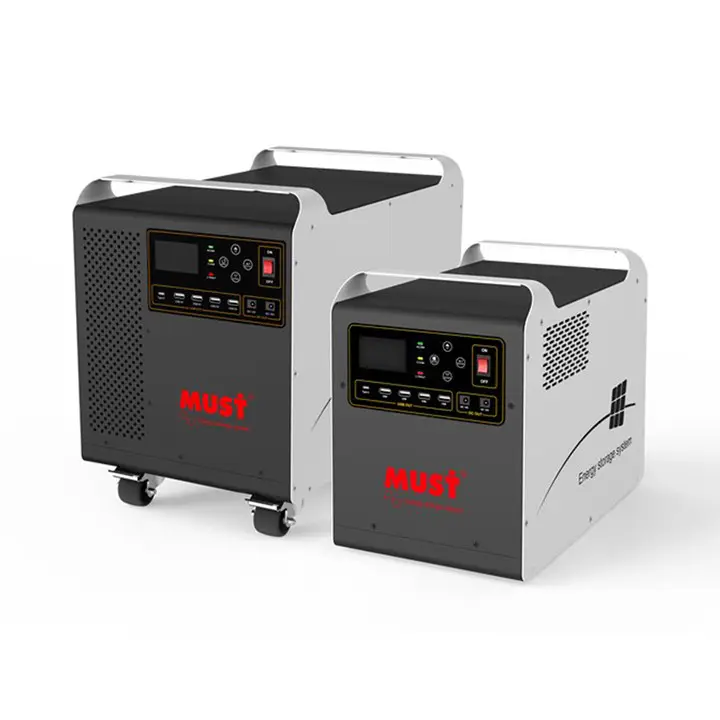
Best price 1000W Portable Power Station for Camping Emergency Solar Generator Solar Charge Equipment for Car
View Product Details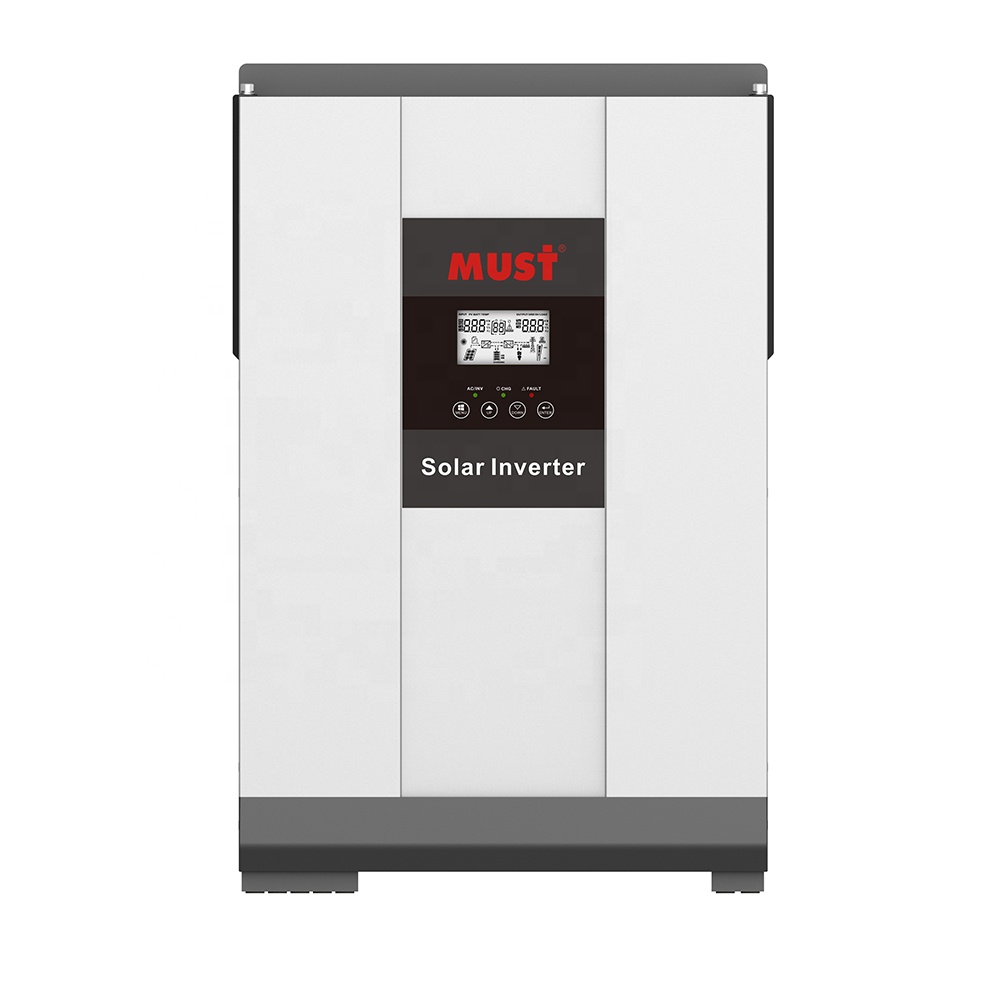
MUST Hybrid on Grid Solar Inverter 5Kw 4Kw 3Kw With MPPT Solar Charge Controller Manufacturers
View Product Details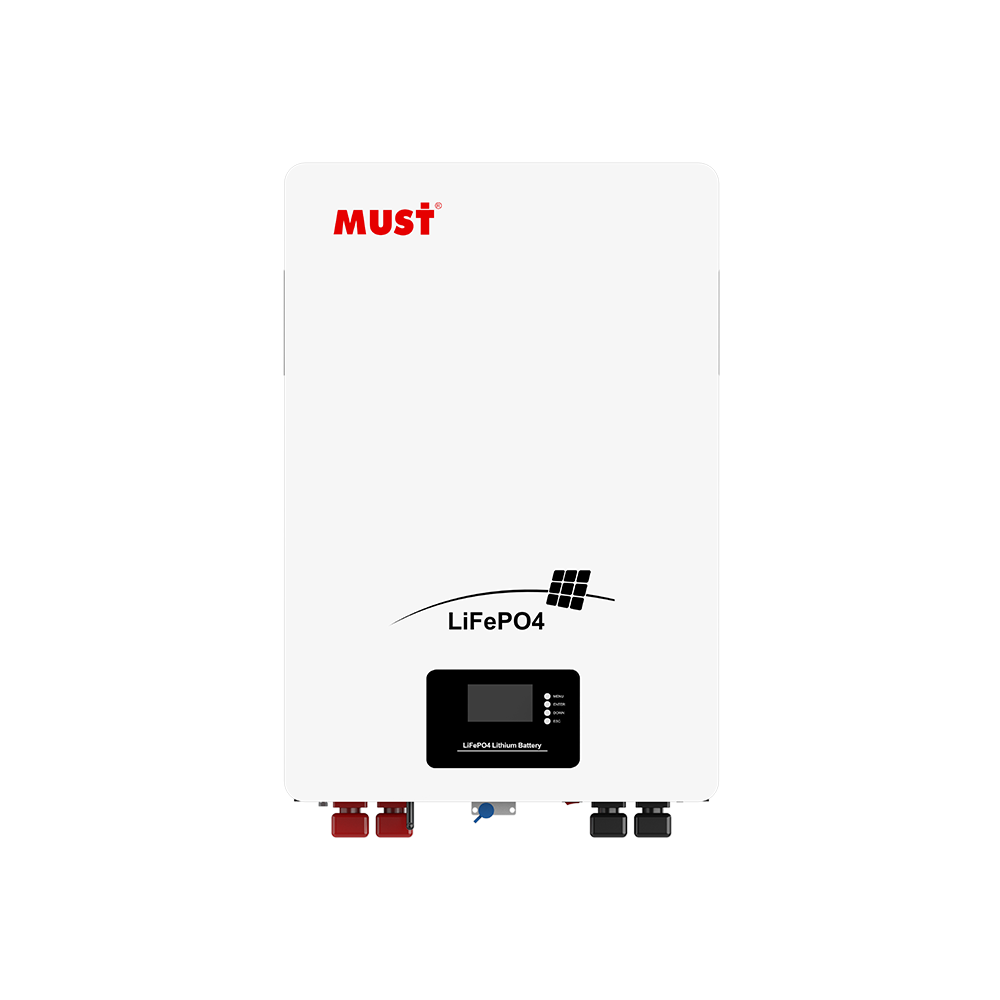
LP16 Hot-selling 48V 100Ah 10KWh Wall-Mounted Lifepo4 for Powerwall Lithium Battery for Home Energy Storage with CAN
View Product Details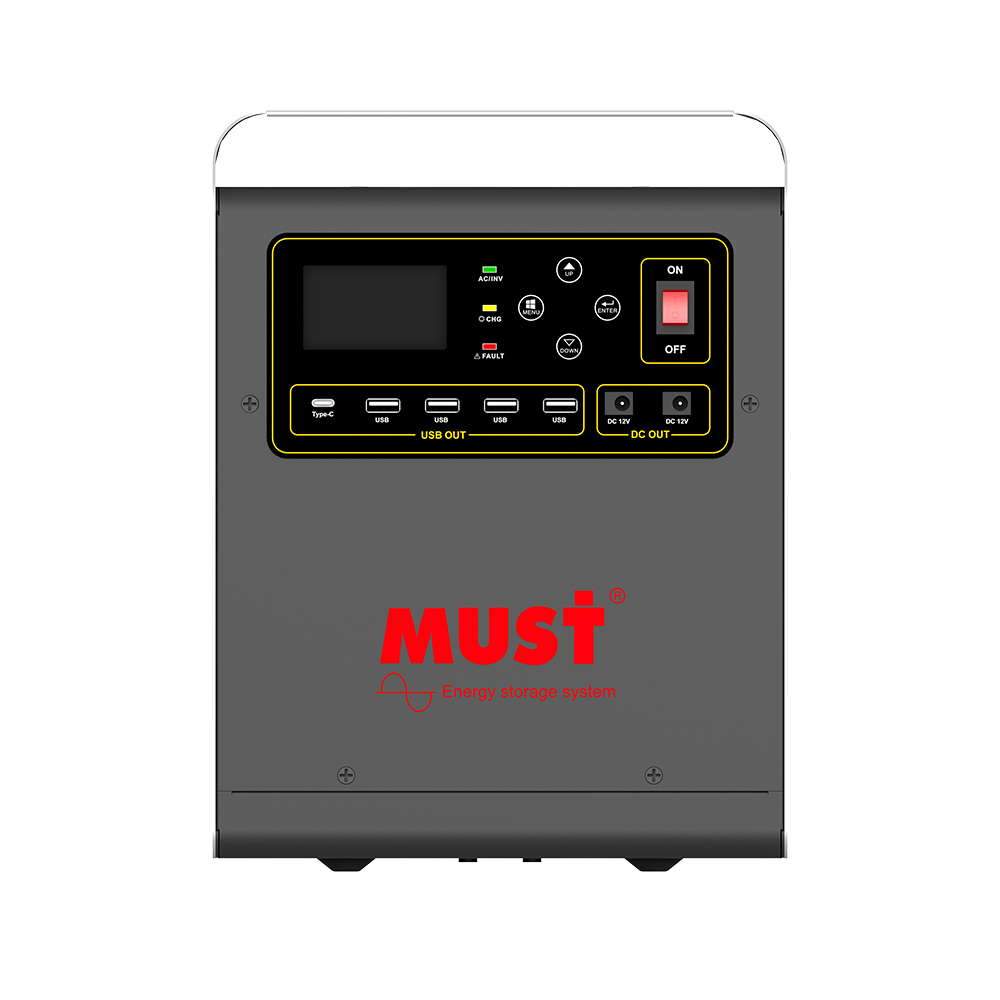
For MUST 1KW Portable Solar Power Station with 1KWH LifePO4 Battery Wireless Charging MPPT Controller for Ukraine
View Product Details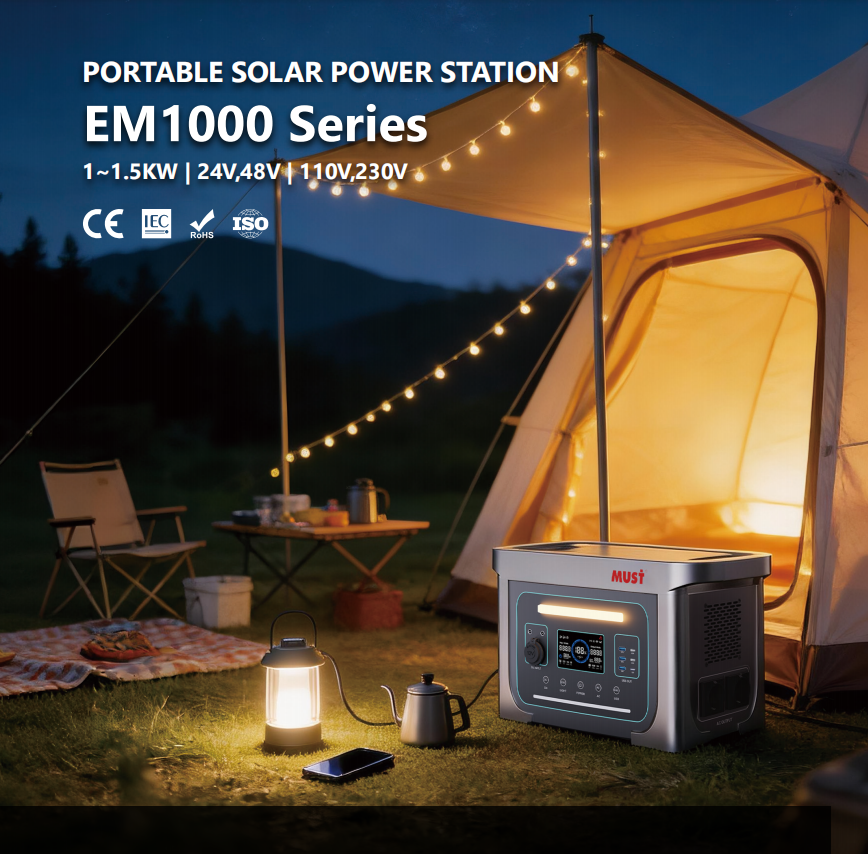
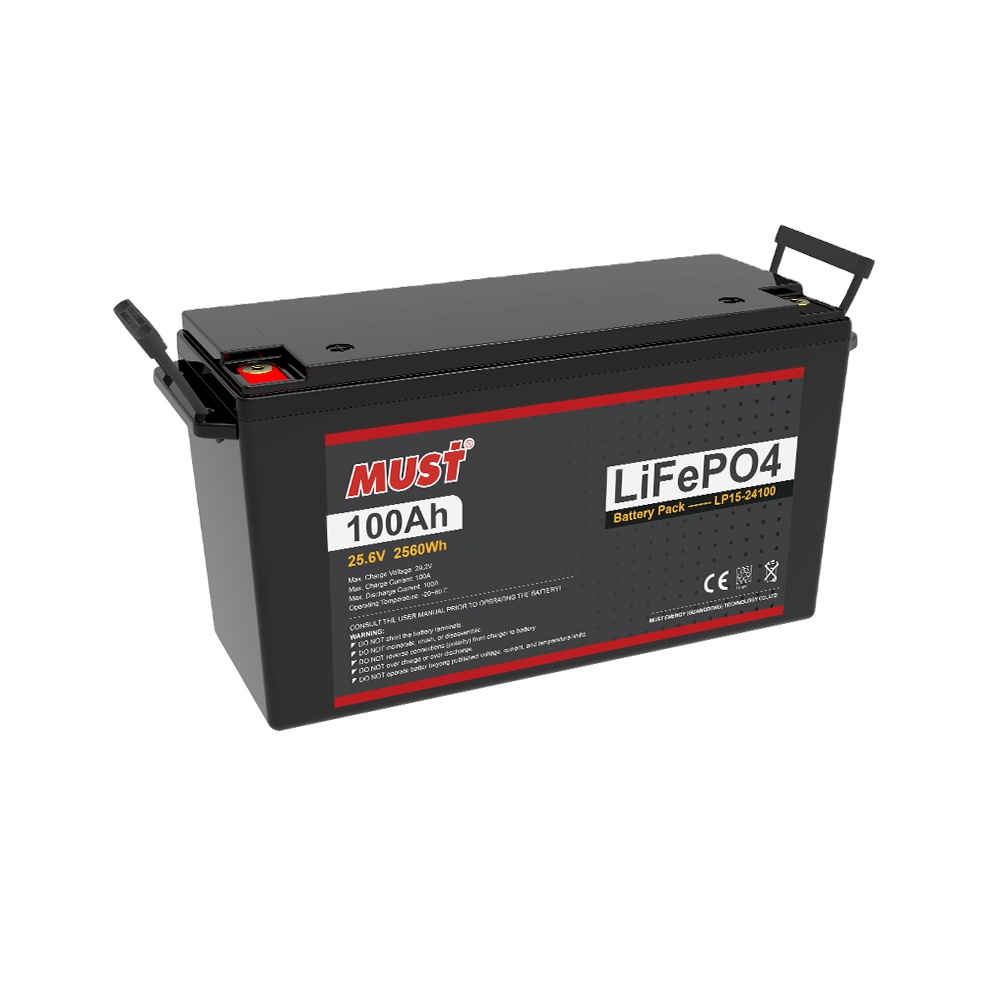
For Brand Lifepo4 Lithium Ion Battery 25.6V 2560Wh BMS 5-Year Warranty 6000 Cycles Model LP15-24100 for Home Storage System
View Product Details

1. The Evolution of Commercial Solar Inverter Sourcing in 2025
The global commercial and industrial (C&I) solar market is transitioning rapidly from simple grid-tied photovoltaic (PV) generation to complex microgrids, multi-source energy storage systems (ESS), and active grid-supportive architectures. For procurement officers, Engineering, Procurement, and Construction (EPC) firms, and regional distributors, selecting the right partner from the global pool of commercial solar inverter exporters & wholesalers requires evaluating criteria that extend far beyond initial cost per watt.
Modern commercial installations demand strict grid compliance, dynamic thermal management, high DC/AC sizing ratios (often 1.5x to 1.8x), and seamless integration with high-voltage LiFePO4 battery banks. Exporters that dominate this tier offer custom firmware adaptations, localized communication protocol matching (such as CAN, RS485, and Modbus TCP), and rigorous multi-stage quality control certified by international accreditation bodies.
Key Commercial Inverter Metrics Procurement Teams Evaluate:
- Maximum Efficiency & CEC Weighted Efficiency: Tier-1 commercial inverters reach peak conversion efficiency up to 98.8%, minimizing energy dissipation over decades of operating lifetime.
- Multi-MPPT Tracking Channels: Multiple Maximum Power Point Tracking (MPPT) circuits allow commercial roof arrays with varying tilts, azimuths, and partial shading to maximize total system yield.
- Integrated Arc Fault Circuit Interrupter (AFCI) & Rapid Shutdown (RSD): Modern safety codes in North America, Europe, and Australia mandate autonomous arc detection to prevent electrical thermal hazards in commercial real estate.
- Grid-Forming & Weak-Grid Operating Capability: In developing infrastructure regions across Africa, Eastern Europe, and Latin America, off-grid and hybrid inverters must maintain stable voltage output even during continuous grid frequency fluctuations.
2. Benchmark Evaluation: Top 10 Commercial Solar Inverter Exporters & Wholesalers
To assist institutional buyers and commercial EPC contractors, our SEO growth and engineering intelligence team compiled a technical benchmark evaluating the operational capabilities, manufacturing infrastructure, and product range of the leading exporters globally.
| Manufacturer / Exporter Category | Primary Topologies Offered | Power Range (Single & 3-Phase) | Battery Compatibility | OEM & ODM Flexibility | Target Export Markets |
|---|---|---|---|---|---|
| 1. CJH Energy / MUST Tech (Leading Factory Tier) | Off-Grid, Hybrid On/Off-Grid, Pure Sine Wave Power Inverters | 1kW to 50kW (Parallel scalable to 300kW) | LiFePO4, AGM, Gel, Lead-Carbon (CAN/RS485 Protocol) | Full Custom (Firmware, Enclosure, Protocol) | Europe, Africa, Middle East, LatAm, Southeast Asia |
| 2. Utility Scale String Specialists | Grid-Tied Central & High-Voltage String Inverters | 100kW to 350kW | High Voltage DC Battery Racks (300V-800V) | Limited (Standardized SKUs) | Global Utility Solar Farms |
| 3. European Premium Brands | Grid-Tied & Hybrid Storage Inverters | 3kW to 25kW | Proprietary High Voltage Batteries | No OEM / Strict Proprietary Branding | Western Europe, North America |
| 4. Microinverter Manufacturers | Module-Level Power Electronics (MLPE) | 300W to 2000W | AC-Coupled Micro-Storage Units | Very Low (Fixed Product Architecture) | Residential & Light Commercial Rooftops |
| 5. C&I Microgrid Exporters | Bidirectional Storage Inverters & PCS Units | 50kW to 500kW Industrial PCS | Liquid-Cooled Containerized LiFePO4 ESS | Moderate (Custom Industrial Enclosures) | Mining, Industrial Parks, Port Facilities |
| 6. Off-Grid Diesel-Replacement Exporters | Low-Frequency Transformer-Based Inverters | 1kW to 12kW (High Surge Capacities) | Deep-Cycle Lead Acid & LiFePO4 | High (Custom Branding & Sockets) | Sub-Saharan Africa, Island Grids |
| 7. Smart Energy Storage Integrators | All-In-One Commercial ESS Cabinets | 10kW / 20kWh up to 100kW / 215kWh | Integrated LFP Battery Modules | Moderate (Private Label Wraps) | Commercial Energy Arbitrage Markets |
| 8. Telecom Power Exporters | 48V DC Telecom Hybrid Power Units | 1kW to 10kW Rectifier & Inverter Racks | 19-inch Rackmount LiFePO4 Modules | High (Custom Telecommunication Specs) | Global Telecom Base Stations |
| 9. Portable Power Generator Exporters | High-Density Lithium Portable Generators | 500W to 5000W All-in-One Systems | Internal LiFePO4 Cells with Wireless Control | High OEM Branding & Mold Design | Emergency Backup, Mobile Worksite |
| 10. Commercial Charge Controller Exporters | Stand-Alone High Voltage MPPT Controllers | 60A to 100A Solar Controllers (Up to 240V VOC) | Multi-Chemistry Battery Banks | High White-Label Packaging Options | Off-Grid Commercial Solar Pumping & Lighting |
Future Procurement & Technology Trends (2025–2030)
Understanding where commercial solar power conversion is heading helps wholesale buyers avoid stocking obsolete inventory and capitalize on emerging high-margin market segments.
1. Shift to High-Voltage DC Coupling (400V–800V)
While traditional off-grid commercial systems relied on 48V DC battery banks, large-scale commercial installations are rapidly adopting high-voltage DC architectures. Elevating DC voltage significantly reduces copper cable cross-sections, lowers system heat losses, and improves overall round-trip energy efficiency (RTE) to over 95%.
2. AI-Driven Smart Load Shaving & Virtual Power Plants (VPP)
Commercial solar inverters are no longer passive power converters; they are edge-computing nodes. Modern hybrid exporters embed smart firmware capable of dynamic Time-of-Use (TOU) arbitrage, automatic peak shaving during high-demand utility tariffs, and seamless cloud integration for Virtual Power Plant aggregation.
3. Silicon Carbide (SiC) Power Switches
The migration from legacy IGBT transistors to Silicon Carbide (SiC) MOSFETs allows commercial solar inverters to operate at far higher switching frequencies. This technical leap drastically reduces the weight and size of internal magnetic components (chokes and transformers), resulting in lighter, cooler, and more compact inverter enclosures.
3. Technical Buying Guide: Off-Grid vs. Hybrid vs. Low-Frequency Commercial Inverters
Selecting the appropriate inverter topology depends on grid availability, connected electrical loads, and environmental factors at the deployment site. Below is an engineering comparison designed to help commercial buyers specify the correct equipment for their target market.
A. Off-Grid Solar Inverters with Integrated MPPT
Best suited for remote commercial sites, agricultural solar pumping, island microgrids, and regions experiencing severe grid instability. These units pull power simultaneously from solar arrays, battery banks, or backup diesel generators. High PV input voltage models (up to 450V DC or 500V DC) allow long solar panel strings, drastically paring down DC combiner box costs.
B. On/Off-Grid Hybrid Solar Inverters
Ideal for urban commercial centers, corporate offices, and warehouses operating under Time-of-Use (TOU) electricity pricing. Hybrid inverters can feed excess solar power back into the public grid while storing surplus energy in LiFePO4 batteries for peak-hour self-consumption. During power outages, switchover times of less than 10 milliseconds ensure zero disruption to sensitive server rooms and office equipment.
C. Low-Frequency Transformer-Based Inverters
Essential for commercial applications involving heavy inductive loads, such as large water pumps, refrigeration compressors, industrial power tools, and elevator motors. Built with robust toroidal transformers, low-frequency commercial inverters can sustain 300% surge loads for up to 10 seconds without triggering overload protection.
Why Global Importers & Distributors Partner with CJH Energy
CJH Energy (Guangdong) Tech Co., Ltd. represents the peak of Chinese power electronics manufacturing capability. Our sprawling industrial park is equipped with fully automated SMT lines, automated optical inspection (AOI), and high-capacity burn-in testing bays.
- Massive Factory Footprint: 31,056 square meters of modernized manufacturing space employing over 1,109 dedicated personnel.
- Proven Production Capacity: Over 600,000 units annual output across off-grid inverters, hybrid inverters, MPPT chargers, and lithium battery banks.
- Deep Engineering R&D Strength: 80+ experienced hardware and software engineers focused on customized OEM/ODM projects, firmware tweaking, and private label creation.
- On-Site Verified Standards: Facility verified on-site by TÜV Rheinland with quality system certifications including ISO 9001, ISO 14001, and ISO 45001.
- Global Subsidiary Support: Established regional branch offices and service hubs in Poland, South Africa, Dubai, and Egypt for fast local after-sales response.
Complete OEM & ODM Customization Services
We provide full-spectrum turnkey manufacturing for global solar brands:
- Custom enclosure colors, industrial design, and silk-screened logos.
- Firmware optimization for region-specific grid codes and voltage windows.
- BMS communication protocol integration (Pylontech, Victron, Deye, Growatt).
- Multi-lingual LCD interface customization and smartphone app branding.
- Customized eco-friendly packaging designed for heavy sea freight and dropshipping.
Commercial Solar Inverter Sourcing FAQ
Answers to critical questions asked by B2B buyers, EPC contractors, and wholesalers prior to placing production orders.
Q1: Is CJH Energy a direct factory manufacturer or a trading agent?
CJH Energy is a custom original equipment manufacturer (OEM) with its own production facilities covering 31,056 m² and employing 1,109 staff members. Our facility has been audited on-site by TÜV Rheinland. We handle end-to-end manufacturing from SMT circuit board assembly to final aging tests and packaging.
Q2: What is the recommended system voltage for commercial off-grid installations?
For system capacities below 1kW, 12V DC is adequate. For 1kW to 3kW installations, 24V DC is commonly specified. For commercial systems exceeding 3kW (ranging up to 50kW+), 48V DC or high-voltage DC (300V-800V) is strongly recommended, as higher operating voltages dramatically reduce current flow, allowing thinner cables, reducing line loss, and lowering heat generation.
Q3: Can your commercial hybrid inverters communicate with third-party LiFePO4 battery BMS?
Yes. Our engineering team has built custom CAN and RS485 communication protocols compatible with major LiFePO4 lithium battery manufacturers worldwide. We can also pre-flash custom protocol firmware for custom battery projects upon request.
Q4: What certifications do your exported commercial inverters hold?
Our company operates under ISO 9001 quality management, ISO 14001 environmental management, and ISO 45001 occupational health management systems. Individual product lines hold market-specific certifications such as CE, IEC 62109, UN38.3, and MSDS. Our sales engineers provide exact test documentation matching your target destination upon inquiry.
Q5: How do you handle international after-sales service and technical support?
We maintain dedicated local subsidiary offices and warehouse hubs in Poland, South Africa, Dubai, and Egypt. In addition to local spare parts stock, our factory provides 24/7 online technical engineering support, remote firmware diagnostics, and comprehensive spare parts warranty replacement programs for global distributors.
