Featured OEM/ODM Photovoltaic & LiFePO4 Product Portfolio
As a premier tier-one OEM/ODM manufacturer specializing in solar power electronics, custom battery integration, and hybrid conversion systems, our factory delivers verified hardware engineered for extreme environmental durability, grid-tied synchronization, and off-grid resilience. Explore our featured commercial, residential, and portable power solutions engineered for global distributors, EPC contractors, and brand partners.
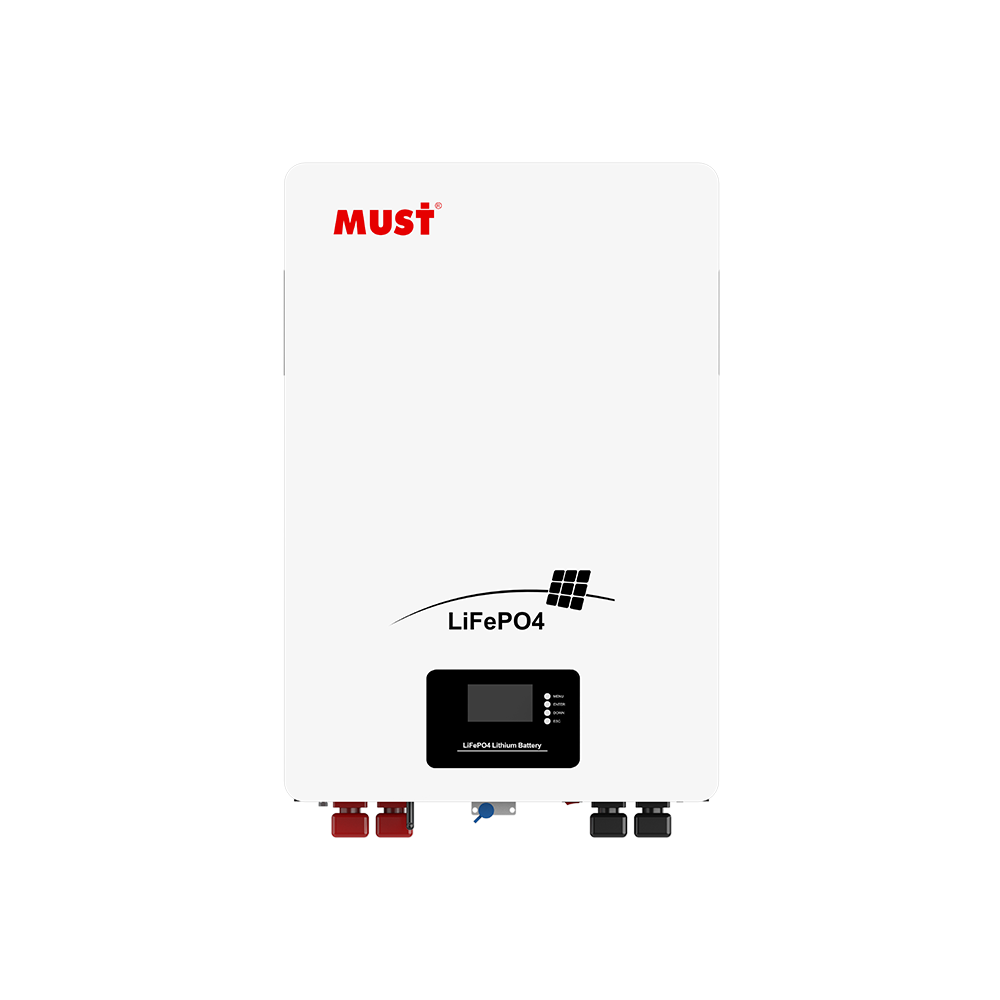
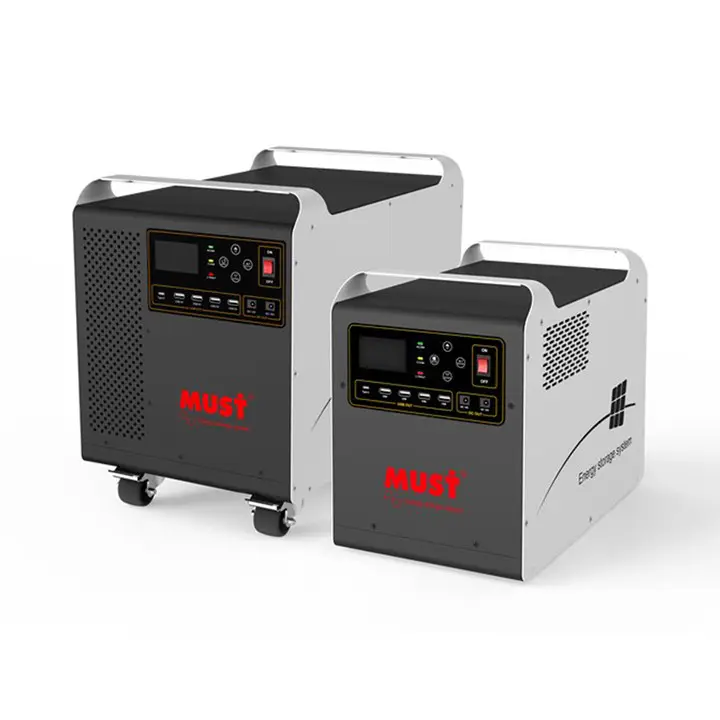
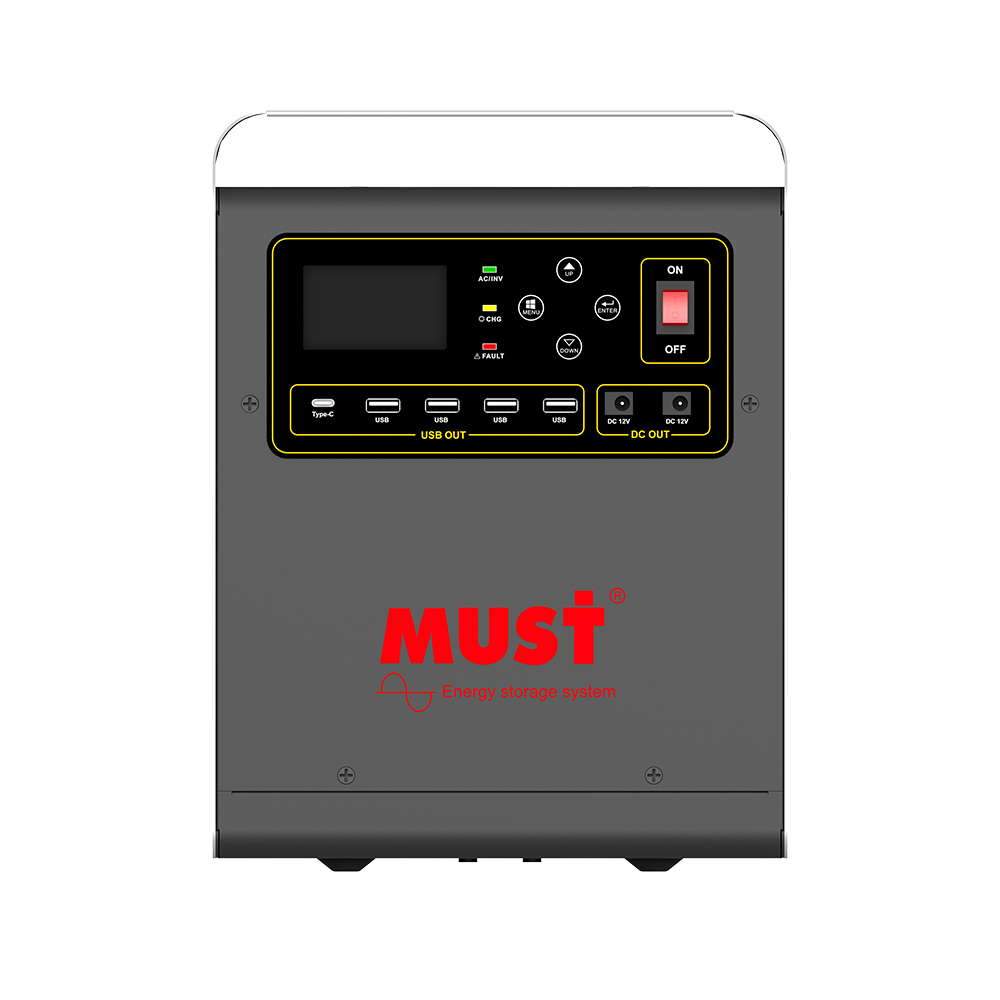
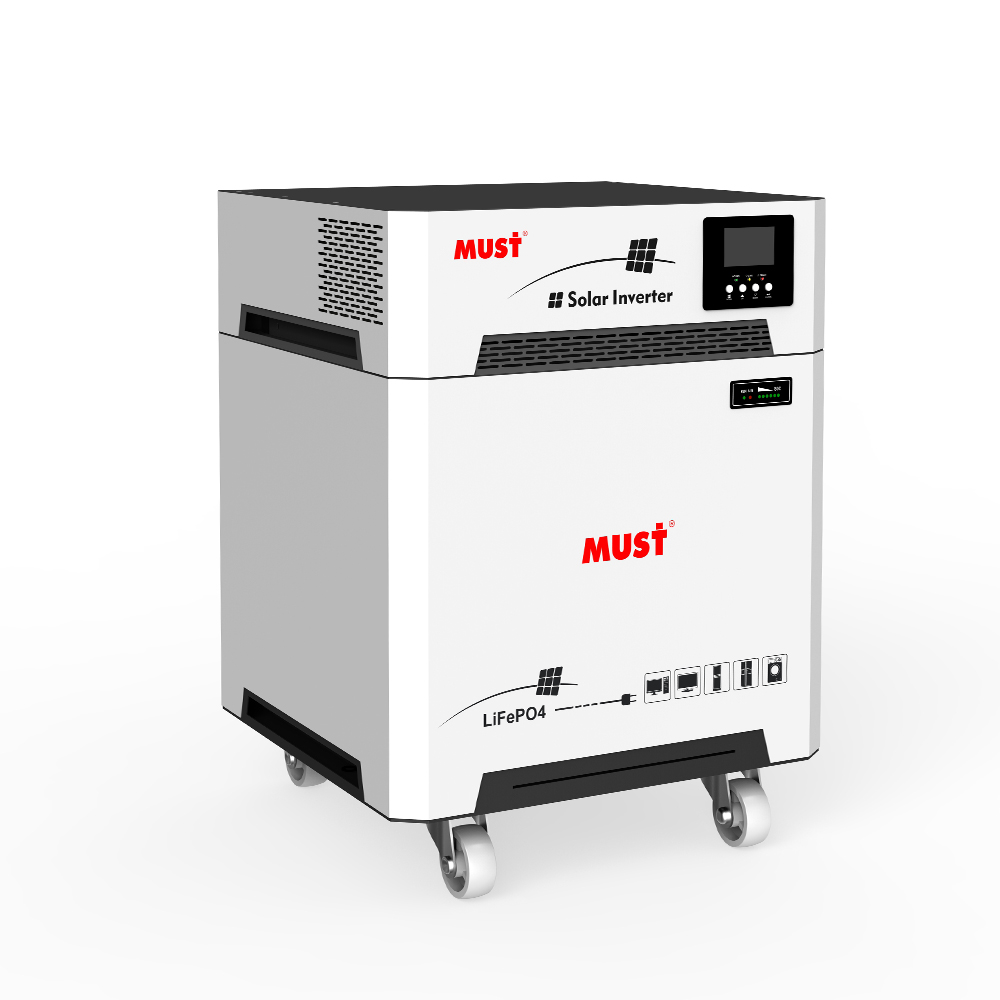

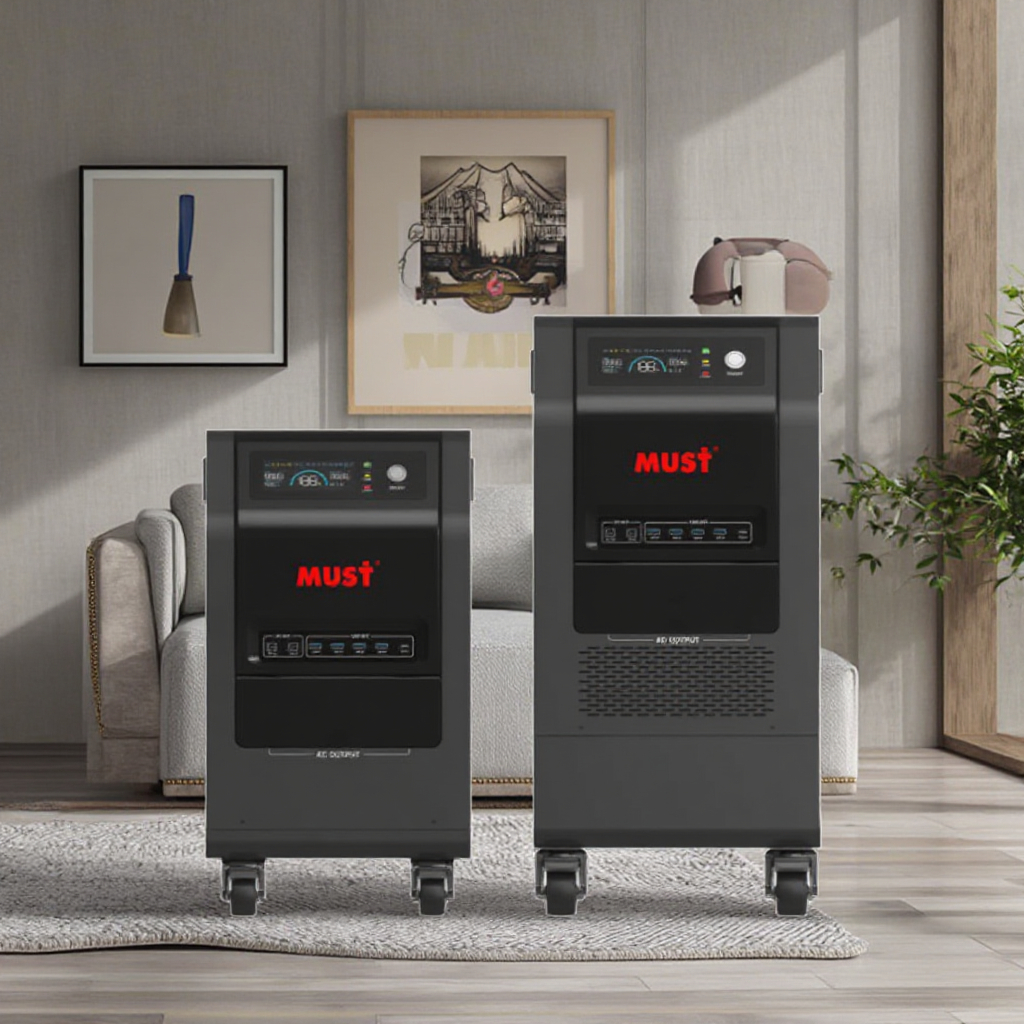
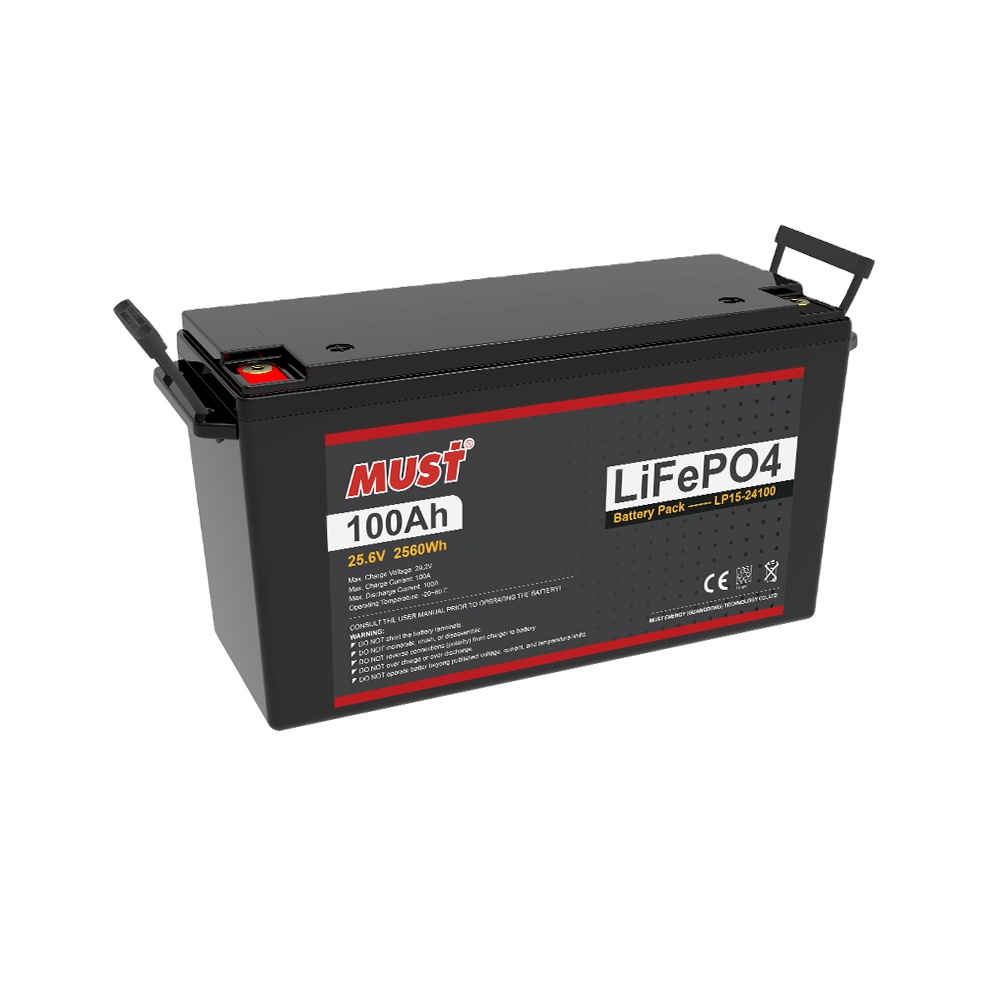

Enterprise Manufacturing Ecosystem & Technical Authority
In the rapidly expanding global photovoltaic market, sourcing industrial-grade Three Phase Hybrid Inverters requires direct collaboration with audited, engineering-led manufacturing facilities. **CJH Energy (Guangdong) Tech Co., Ltd.** operates as an integrated technological hub dedicated to advancing solar conversion efficiency, high-voltage battery architecture, and smart grid synchronization.
31,056 m² Smart Manufacturing Hub
Our state-of-the-art facility encompasses modern SMT production lines, automated DIP assembly, integrated aging test chambers, and precision battery pack assembly lines. Validated on-site by TÜV Rheinland, our infrastructure guarantees rigid quality enforcement at scale.
Tri-ISO Management Certification
We adhere to world-class manufacturing governance across all operating verticals. CJH Energy maintains active certifications for ISO 9001 (Quality Management System), ISO 14001 (Environmental Management), and ISO 45001 (Occupational Health & Safety).
80+ In-House R&D Engineers
Our engineering team holds dozens of national invention patents, focusing on DSP digital control algorithms, Silicon Carbide (SiC) power semiconductor topologies, MPPT tracking speed optimization, and multi-protocol CAN/RS485/Modbus BMS communications.
Comprehensive OEM/ODM Customization Scope
- Hardware Topology: Customization of input DC voltage ranges (up to 1000V DC), AC phase balancing, and IP65/IP66 outdoor-rated aluminum die-cast enclosures.
- Firmware & Control: Customizable MPPT algorithms, grid-code presets (EN 50549, VDE-AR-N 4105, UL 1741 SA, G99), dynamic zero-export limits, and VPP control protocols.
- BMS Protocol Interoperability: Pre-programmed CANbus, RS485, and Modbus RTU interface layers matching tier-1 battery brands (Pylontech, BYD, LG Chem, Dyness).
- Industrial Packaging & Brand Labeling: Custom silk-screening, industrial UI LCD layout, customized packaging materials, and localized user manual localization.
Global Distribution & Service Network
To ensure zero-delay technical support, localized warranty fulfillment, and rapid spare-part logistics, CJH Energy maintains international subsidiary offices and warehousing infrastructure across key strategic regional markets:
- Poland (Warsaw Hub): European regional office providing direct support for EU grid certifications, technical training, and stock distribution.
- South Africa Office: Dedicated support hub for sub-Saharan Africa, serving grid-unstable regions with high-surge heavy-duty hybrid units.
- Dubai Branch (UAE): Middle Eastern hub overseeing commercial & industrial (C&I) project design and regional logistics.
- Egypt Operations: North African service and trade support base.
Technological Development Trends of Three Phase Hybrid Inverters
Modern electrical infrastructure demands unprecedented power quality, fast fault-clearing capabilities, and efficient energy arbitrage. Three-Phase Hybrid Inverters represent the pinnacle of power conversion, operating at the intersection of grid-tied solar generation, local energy storage, and industrial-grade load management.
1. Silicon Carbide (SiC) Semiconductors & High-Frequency Switching
Traditional silicon-based IGBT power switches are fast reaching their physical thermal and switching limits. Next-generation OEM three-phase hybrid inverters are aggressively transitioning toward Silicon Carbide (SiC) MOSFET topologies. SiC technology enables switching frequencies 3 to 5 times higher than legacy silicon components, dramatically reducing magnetic component size (chokes and transformers), lowering internal heat dissipation, and achieving system-level conversion efficiencies exceeding 98.5%. This directly translates into lighter inverter chassis, reduced heat sink dimensions, and extended component lifespan.
2. High-Voltage DC Battery Bus Architecture (200V - 800V)
While 48V low-voltage battery systems remain popular for residential applications below 10kW, the market for three-phase commercial and large-scale residential power is rapidly shifting toward High-Voltage (HV) battery architectures operating between 200V DC and 800V DC. Higher DC bus voltages minimize current magnitude for equivalent power throughput ($I = P / V$). By reducing line current, internal $I^2R$ copper losses are reduced exponentially, allowing thinner DC power cabling, lower terminal temperatures, and superior round-trip efficiency (RTE) during heavy charge/discharge cycles.
3. 100% Unbalanced Three-Phase Output & Phase-Specific Control
In real-world commercial and residential installations, electrical loads across Phase A, Phase B, and Phase C are rarely symmetrical. Legacy three-phase inverters often tripped or choked output power when one phase experienced disproportionate loading. Advanced three-phase hybrid inverters utilize independent, digital signal processor (DSP) driven single-phase control loops within a 3-phase topology. This permits up to 100% phase load asymmetry, allowing an inverter rated at 15kW to supply 5kW on Phase A, 2kW on Phase B, and 8kW on Phase C up to its max rating without triggering emergency protection faults.
4. Microgrid Capabilities & UPS-Grade Seamless Backup (<10ms Transfer)
With global utility grids facing increased instability due to climate events and rapid renewable penetration, off-grid seamless backup capability has evolved from an optional feature into a core requirement. Modern OEM three-phase hybrid inverters feature integrated automatic transfer switches (ATS) capable of transitioning from Grid-Tied mode to Islanded Off-Grid mode in less than 10 milliseconds. This ultra-fast switching speed prevents sensitive IT infrastructure, medical devices, and industrial automation equipment from experiencing power loss or data corruption during sudden grid outages.
| Performance Feature | Legacy 3-Phase Inverters | Next-Gen OEM/ODM Hybrid Inverters | Direct End-User Benefit |
|---|---|---|---|
| Power Semiconductor | Standard Silicon IGBTs | Silicon Carbide (SiC) MOSFETs | Lower thermal loss, higher efficiency (>98.5%) |
| Battery Coupling | Low-Voltage 48V DC | High-Voltage 200V - 800V DC Bus | Exponentially lower copper losses, thinner wiring |
| Phase Load Balancing | Strict Symmetrical Loads Only | 100% Unbalanced Load Support | Prevents trips on asymmetrical real-world loads |
| Grid Disconnect Speed | 50ms - 100ms Relays | <10ms Integrated ATS Hardware | True UPS-grade protection for critical appliances |
| Grid-Forming Capability | Grid-Following Only | Advanced Grid-Forming & Black Start | Can initialize microgrids without utility voltage present |
Future Global Procurement Trends in Solar & Storage Systems
Procurement directors and B2B importers must navigate a complex landscape governed by evolving grid codes, geopolitical trade regulations, dynamic battery chemistries, and shifting consumer expectations. Aligning with an agile OEM/ODM manufacturer allows procurement teams to future-proof their supply chain. Key trends driving global sourcing over the next decade include:
1. Strict Grid Compliance & Regional Firmware Agility
Utilities worldwide are mandating active anti-islanding, dynamic frequency regulation, reactive power control (Volt-VAR / Watt-VAR curves), and remote shutoff compliance. Sourcing inverters with field-upgradable, modular firmware architectures ensures distributors can rapidly update units to meet shifting regional regulations (e.g., California Rule 21, German VDE, UK G99) without scrapping physical inventory.
2. Modular All-in-One (AIO) Systems Dominance
The market is rapidly pivoting away from standalone, piecemeal component procurement (separately sourcing inverters, MPPT controllers, cables, and batteries) toward factory-integrated All-in-One Energy Storage Systems (ESS). AIO systems dramatically reduce field installation time, eliminate cable wiring errors, simplify warranty management under a single OEM vendor, and optimize visual aesthetics for residential end-users.
3. Cloud IoT Telemetry & AI-Driven EMS
Modern procurement contracts require sophisticated cloud management ecosystems. Inverters must feature native Wi-Fi/Ethernet/4G hardware modules connected to an Energy Management System (EMS). AI algorithms calculate optimal battery charging schedules based on real-time electricity tariff structures (Time-of-Use / TOU), local weather forecasts, and historical household consumption patterns.
Frequently Asked Technical & Procurement Questions (FAQ)
Q1: Is CJH Energy a direct manufacturing factory or a trading agency?
CJH Energy is a direct custom manufacturer with fully owned production lines spanning 31,056 m², employing 1,109 staff members, and holding on-site verification from TÜV Rheinland. We handle every step of production in-house—from SMT surface mounting and transformer winding to automated aging tests and final container loading.
Q2: How do three-phase hybrid inverters manage unbalanced phase loads in off-grid mode?
Our three-phase hybrid inverters utilize independent digital signal processors (DSP) controlling three individual single-phase inverter bridges coupled via a shared DC bus. This permits 100% load imbalance across phases, ensuring heavy single-phase inductive loads (such as air conditioners or water pumps) do not trigger phase-voltage collapse or force system shutdowns.
Q3: What battery chemistries and communication protocols are supported?
While natively optimized for Lithium Iron Phosphate (LiFePO4) chemistries due to their superior thermal stability and 6,000+ cycle life, our inverters support custom battery profile parameters for AGM, Gel, and specialized lead-carbon cells. Our BMS software layer natively integrates CANbus, RS485, and Modbus RTU communications compatible with all major battery manufacturer protocols.
Q4: What customization capabilities are available under OEM/ODM contracts?
We offer complete customization solutions including exterior enclosure colors, brand logos, customized LCD menu navigation, specialized DC/AC terminal configurations, custom firmware default parameters, factory-set grid protection codes, and tailored multi-language instruction manuals and packaging designs.
Q5: How does CJH Energy support localized after-sales service for global distributors?
We operate regional branch offices and technical support hubs in Poland (Warsaw), South Africa, Dubai, and Egypt. We supply distributors with modular mainboard spare kits, localized engineering support, remote cloud telemetry diagnostics, and on-site factory training for partner technicians.
Q6: What certifications are available for European and American grid compliance?
Our management systems follow ISO 9001, ISO 14001, and ISO 45001 standards. Product series are certified according to target market requirements, including CE, IEC 62109-1/-2, IEC 62040, EN 50549-1, VDE-AR-N 4105, UN38.3, and MSDS safety documentation. Test reports can be provided by our sales engineering team upon inquiry.
Partner with a Tier-1 OEM/ODM Solar Inverter Manufacturer
Whether you are expanding a regional brand, equipping large-scale commercial EPC projects, or establishing high-volume distribution channels for high-voltage energy storage, CJH Energy provides the engineering depth, manufacturing scale, and global service architecture required to secure your market advantage.
