Verified Solar Inverters & Energy Storage Systems
Explore our flagship off-grid inverters, hybrid power conversion systems, and stackable LiFePO4 battery modules engineered for global distribution.
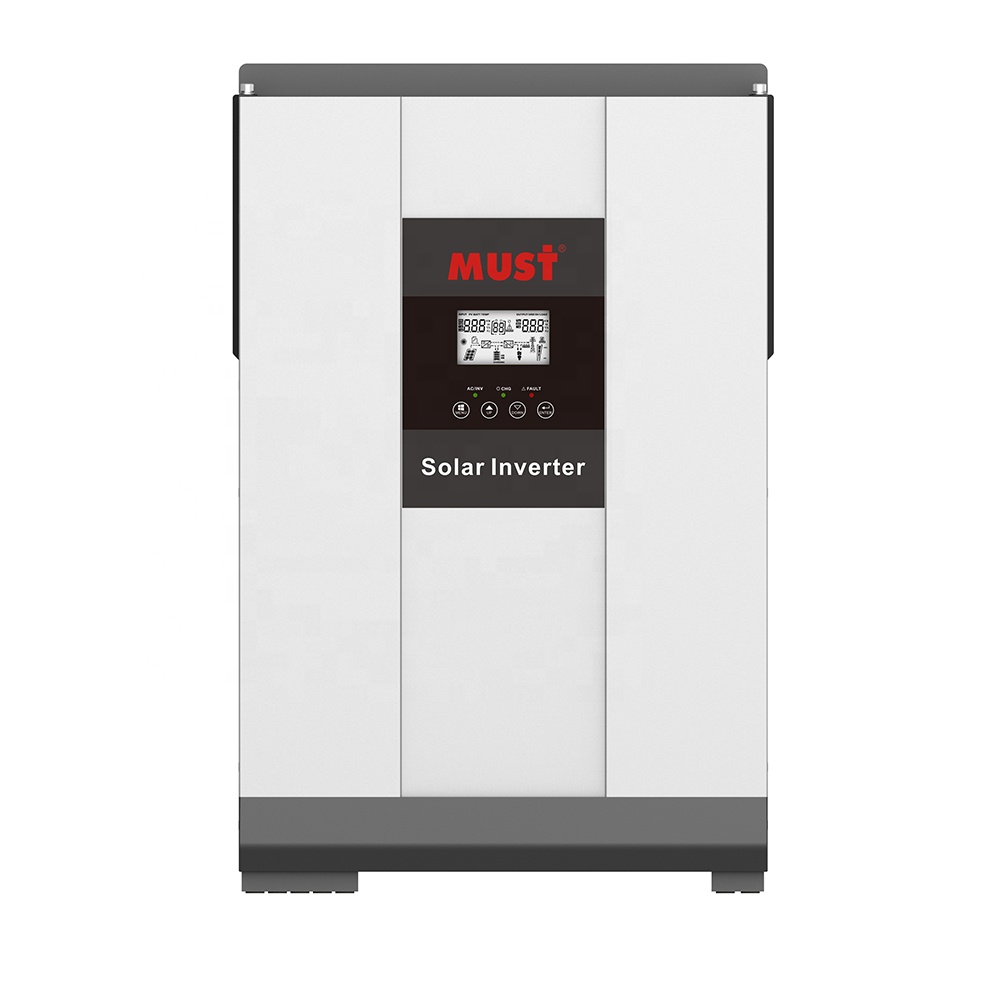
MUST Hybrid On-Grid Solar Inverter 3kW 4kW 5kW with MPPT
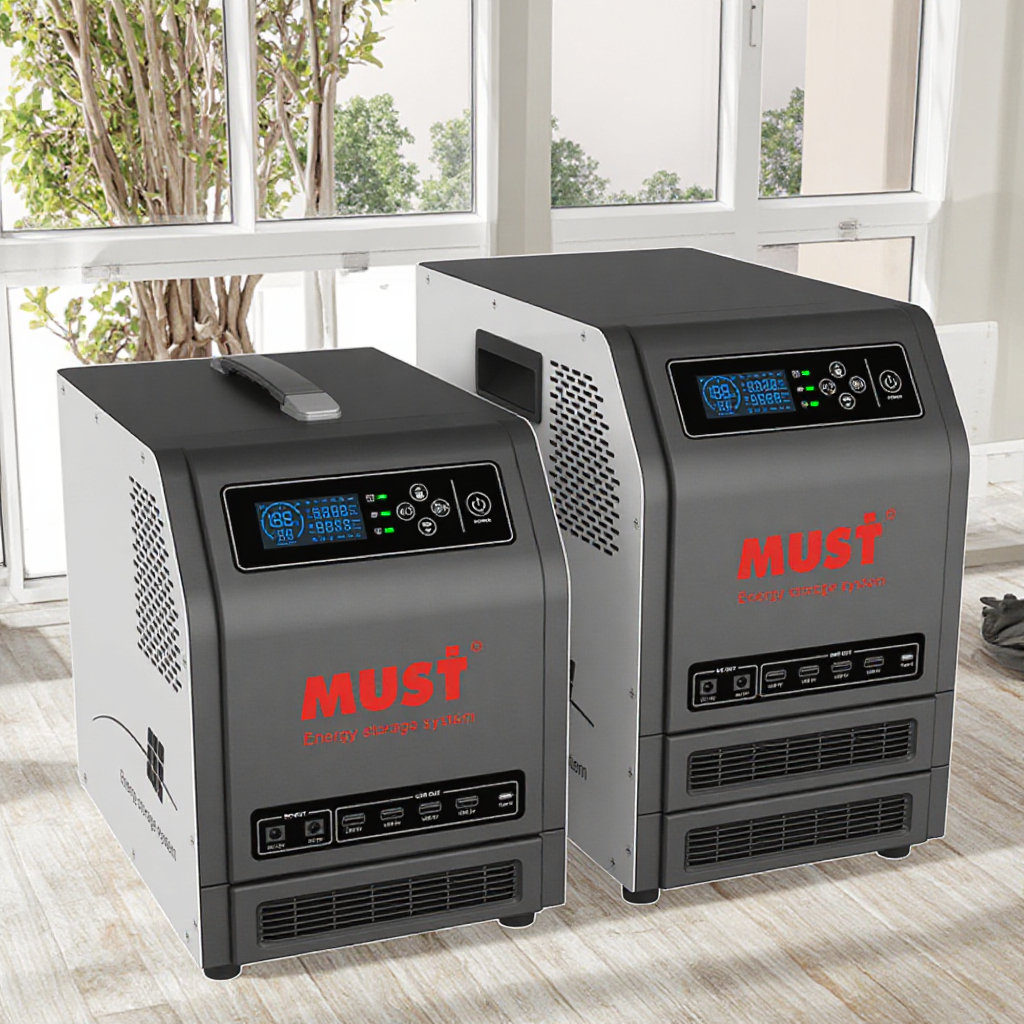
Portable Power Station 1kW 2kW 3kW with Built-in LiFePO4 Battery

10kWh 48V 200Ah 3-in-1 LiFePO4 Lithium Battery Storage System
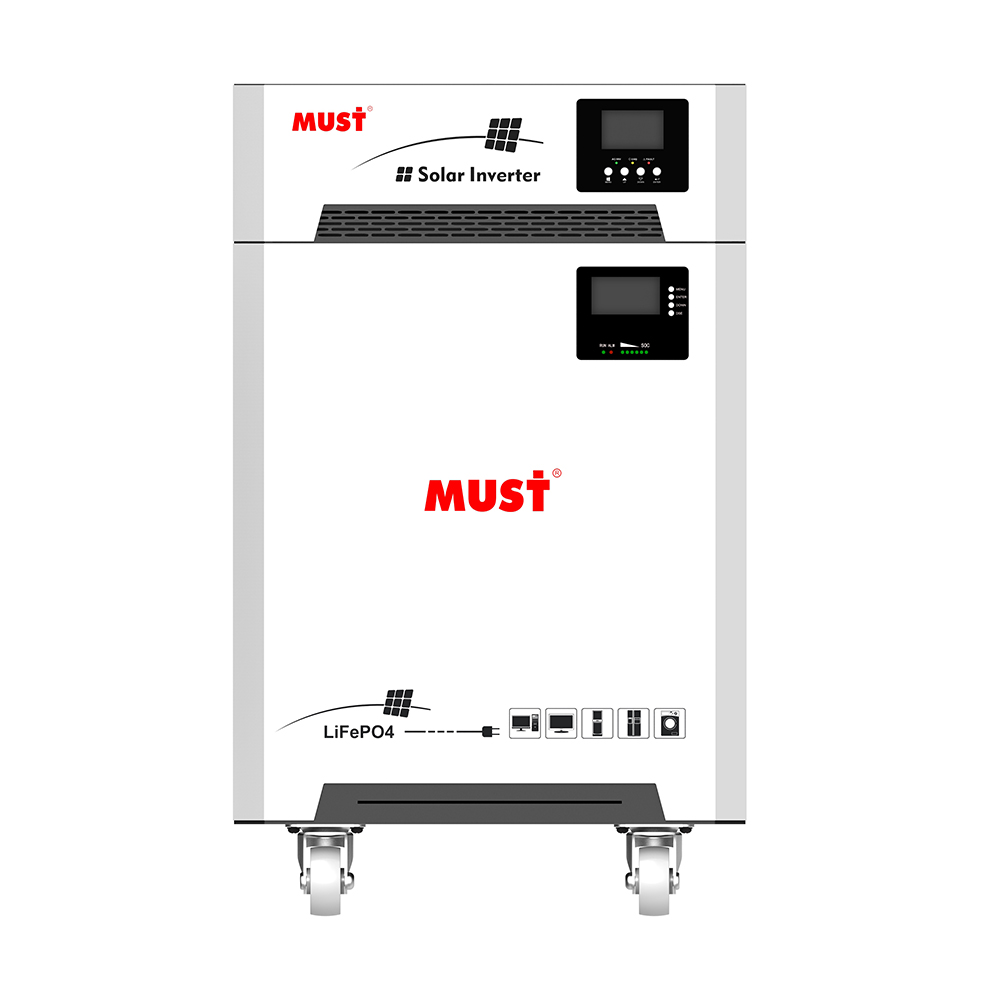
48V 250Ah LiFePO4 All-in-One Solar Hybrid 5kW Inverter System
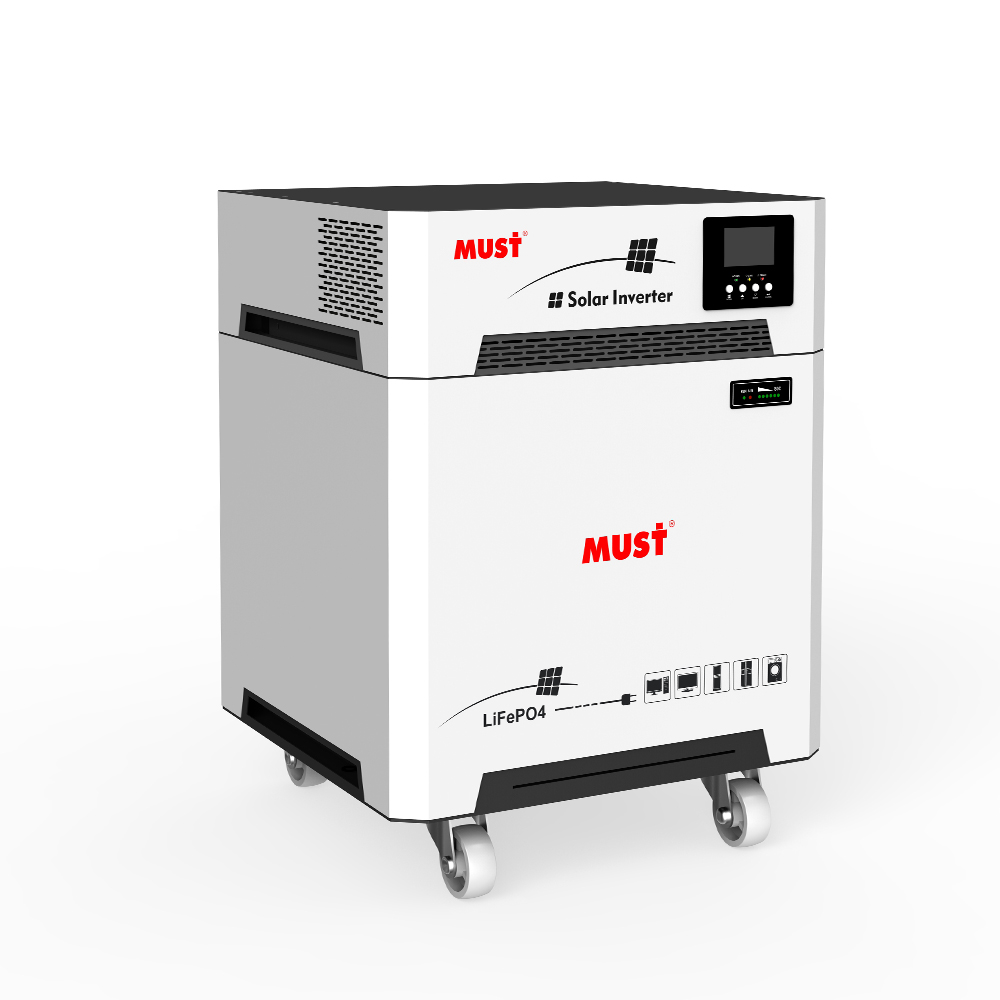
MUST Outdoor Solar Station 1kW - 3kW Inbuilt Lithium Battery
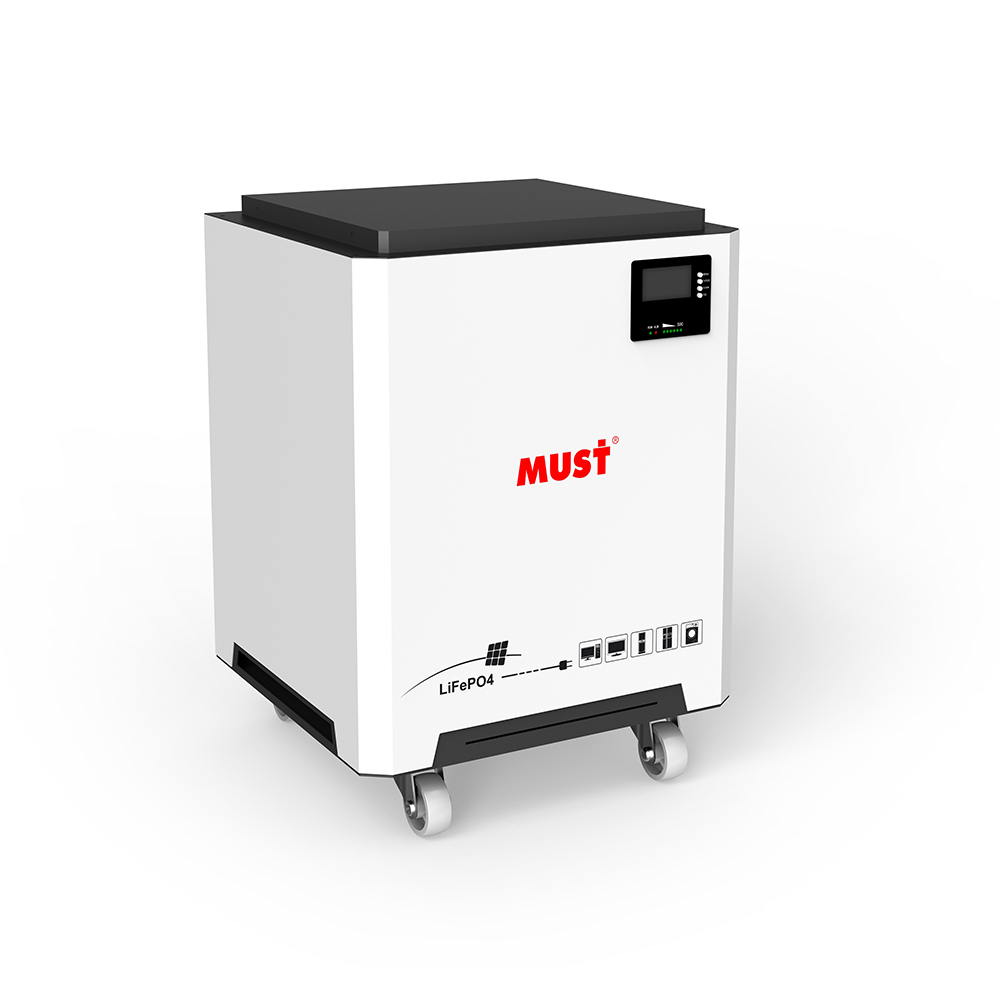
Rechargeable 10kW 48V LiFePO4 Battery Pack (50Ah-300Ah)

24V Modular LiFePO4 Battery Pack for 5kW-15kW Inverter Systems
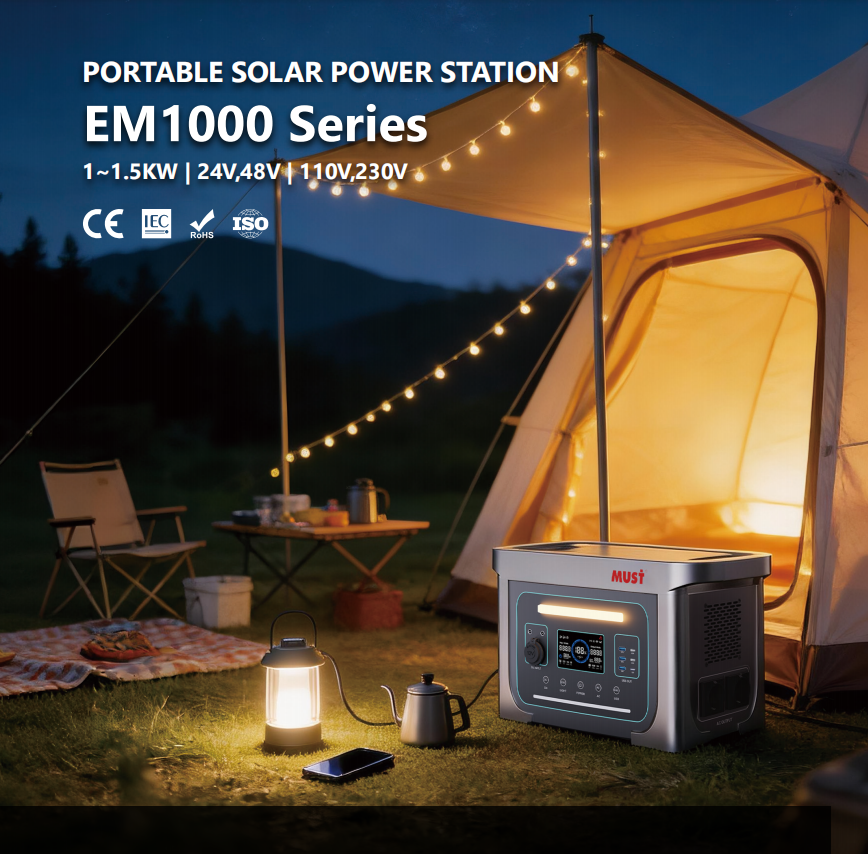
MUST EM1000S Portable All-in-One Power Station System
Integrated Manufacturing Powerhouse & Global Reach
Operating a state-of-the-art 31,056 m² automated manufacturing facility verified on-site by TÜV Rheinland, CJH Energy sets the standard for OEM/ODM solar power electronics.
Supply Chain Advantage: Backed by triple management system certifications—ISO 9001 (Quality Standard), ISO 14001 (Environmental Safety), and ISO 45001 (Occupational Health)—our production ecosystem guarantees rigorous component traceability, SMT surface-mount precision, and zero-defect burn-in aging protocols for global distribution partners.
Engineering Architecture of Modern Solar Inverter Chargers
A comprehensive analysis of topology designs, thermal management, and power electronics efficiency for B2B procurement specialists and system integrators.
In modern renewable power networks, the solar inverter charger serves as the intelligent brain of clean energy management. It bridges high-voltage Direct Current (DC) arrays generated by photovoltaic panels, low-voltage electrochemical battery storage systems, the alternating current (AC) public grid, and local household or commercial electrical loads. Developing robust, energy-efficient, and long-lifecycle inverter chargers requires mastering multi-stage power conversion topologies and digital signal processing (DSP) control algorithms.
High-Frequency Transformerless Topologies vs. Low-Frequency Toroidal Architecture
B2B importers and project contractors must evaluate the mechanical and electrical trade-offs between High-Frequency (HF) transformerless architectures and Low-Frequency (LF) copper-transformer designs when selecting OEM/ODM product lines:
High-Frequency (HF) Transformerless Inverters
Utilizing high-speed MOSFET/IGBT switching at 20kHz–100kHz, HF inverters eliminate bulky iron-core transformers. They achieve exceptional power density (up to 98% efficiency), reduced shipping weight, and compact wall-mount footprints ideal for residential residential energy storage systems (ESS).
Low-Frequency (LF) Heavy-Duty Inverters
Engineered with massive toroidal galvanic isolation transformers, LF inverters (such as the PV3000 VHM series) provide peak surge capacities up to 300% rated power for 20 seconds. Essential for inductive loads including air conditioners, water pumps, heavy power tools, and unstable weak grids.
Multi-Stage MPPT Tracking Algorithms
Advanced Perturb and Observe (P&O) combined with Incremental Conductance tracking allows our MPPT solar charge controllers to achieve 99.5% dynamic tracking accuracy, ensuring max power harvest even under partial shading or rapid cloud movement.
Silicon Carbide (SiC) Integration & Thermal Management Innovations
To reduce thermal throttling in hot tropical climates (such as Sub-Saharan Africa, Southeast Asia, and the Middle East), CJH Energy integrates third-generation Silicon Carbide (SiC) Wide Bandgap Semiconductors into our high-power hybrid inverter stages. SiC devices yield lower switching losses, operate reliably up to 175°C junction temperatures, and permit reduced heatsink volume. Combined with intelligent temperature-controlled variable speed cooling fans, our inverter chargers guarantee non-derating full power output across ambient temperatures from -10°C to +55°C.
2025–2030 Global Procurement Trends for Solar Equipment
Key market shifts driving B2B wholesale demand, regulatory compliance requirements, and technological integration across international distribution channels.
1. Dominance of All-In-One Modular ESS
Separate sourcing of standalone inverters and lead-acid battery banks is rapidly diminishing. Importers are prioritizing integrated 3-in-1 hybrid ESS towers combining high-voltage hybrid inverters, pre-wired BMS modules, and plug-and-play LiFePO4 battery drawers to cut field installation labor by 70%.
2. Multi-Protocol BMS Communication Flexibility
Modern commercial and residential procurement specifications demand open-source BMS communication protocols. Our inverters come pre-loaded with CANbus, RS485, and Modbus RTU firmware libraries fully compatible with top battery manufacturers (including Pylontech, BYD, Deye, and Growatt protocols).
3. Strict Regional Grid Code & Safety Mandates
Global markets are tightening grid-compliance entry barriers. Sourcing strategies now mandate compliance with IEC/EN 62109-1/-2 (Inverter Safety), IEC 62619 (Lithium Safety), UN38.3 (Battery Transport), as well as grid-tie certifications such as VDE-AR-N 4105 and NRS 097 for regional distribution authorization.
4. IoT Smart Energy Management & App White-Labeling
End-users require real-time system visibility. Our ODM services incorporate Wi-Fi / GPRS / Ethernet monitoring dongles linked to white-labeled iOS/Android apps and cloud management dashboards customized with your distributor brand identity.
Solar Inverter Charger Category Specifications
Compare core electrical topologies, voltage ranges, and market applications to align with your regional distribution requirements.
| Inverter Series / Topology | Nominal Power Output | Battery Voltage Options | MPPT PV Array Voltage (Voc) | Peak Efficiency | Ideal Target Market & Application |
|---|---|---|---|---|---|
| On/Off-Grid Hybrid Inverter | 3kW – 6kW (Single Phase) | 24VDC / 48VDC | 120VDC – 450VDC | ≥ 98.0% | Residential self-consumption, grid feed-in with battery backup (EU, LATAM). |
| High-Frequency Off-Grid Inverter | 1kW – 5.5kW | 12VDC / 24VDC / 48VDC | 60VDC – 500VDC | ≥ 93.0% | Off-grid homes, remote cabins, load-shedding relief (Africa, Southeast Asia). |
| Low-Frequency Pure Sine Inverter | 1kW – 15kW | 12VDC to 96VDC | 145VDC Max | ≥ 88.0% (Surge 300%) | Heavy motor loads, industrial pumps, air compressors, severe weak grid zones. |
| Portable Solar Power Station | 1kW – 3kW | Integrated LiFePO4 Pack | 18VDC – 50VDC | ≥ 90.0% | Mobile emergency backup, medical equipment, outdoor commercial activities. |
Full-Spectrum Customization Workflow
From initial circuit design to mass production and international compliance certification, our 80+ engineering team brings your hardware vision to reality.
Requirement Review
Technical alignment on AC output voltage, grid code parameters, peak load requirements, enclosure IP rating, and target cost metrics.
Prototyping & Firmware
Custom PCB layout design, tooling creation, LCD interface translation, customized housing colors, and BMS communication flashing.
Rigor & Testing Validation
Thermal chamber stress testing, vibration analysis, EMI/EMC compliance screening, and high-voltage insulation verification.
Automated Scale Manufacturing
SMT placement, robotic wave soldering, 100% full-load aging test, drop testing, customized brand packaging, and container loading.
B2B Solar Inverter & Battery Sourcing FAQ
Detailed technical and commercial answers addressing common buyer inquiries prior to placing OEM/ODM volume orders.
Is CJH Energy a direct manufacturer or a trading reseller?
CJH Energy (Guangdong) Tech Co., Ltd. is a direct OEM/ODM custom manufacturer with full ownership of our 31,056 m² factory facilities. We employ 1,109 staff members and maintain an in-house R&D group of over 80 power engineers. Our factory holds ISO 9001, ISO 14001, and ISO 45001 management certifications and has passed rigorous on-site audit verification conducted by TÜV Rheinland.
What customization options are available under OEM/ODM agreements?
We offer full hardware and software custom options: external metal/plastic chassis color and industrial design, brand silk-screen logo placement, customized LCD/LED screens, custom user manuals and carton packaging, firmware parameter tuning (charging voltage limits, grid priority modes), and pre-flashed BMS communication protocols (CAN / RS485 / Modbus) for seamless battery matching.
What is your annual manufacturing capacity for solar inverters and lithium batteries?
Our annual manufacturing capacity exceeds 600,000 units across 10 specialized production categories, including high-frequency off-grid inverters, hybrid on/off-grid inverters, low-frequency pure sine wave inverters, MPPT solar controllers, LiFePO4 battery banks (wall-mount, rack-mount, stackable), and portable power stations.
Do you provide local technical support and overseas distribution hubs?
Yes. To support our global B2B clients and cut shipping lead times, CJH Energy maintains established subsidiary offices and regional warehouse stock in Poland (Warsaw hub serving Europe), South Africa, Dubai, and Egypt. This infrastructure ensures rapid warranty handling, spare parts availability, and localized technical assistance.
How do system integrators decide between 12V, 24V, and 48V DC battery system voltages?
System voltage selection depends on total continuous wattage demand. As an industry rule-of-thumb: 12VDC system architecture is ideal for small loads under 1kW (RVs, tiny cabins); 24VDC is recommended for medium load requirements between 1kW and 3kW; 48VDC (or higher) is the industry standard for system loads above 3kW. Higher system DC voltage minimizes current draw (Amps), drastically reducing cable copper thickness, line heat losses, and overall system installation cost.
What warranty terms and quality control protocols apply to factory orders?
All inverters and energy storage products undergo 100% automated optical inspection (AOI), in-circuit testing, high-voltage isolation tests, and 4-hour full-load thermal burn-in aging before packaging. Standard OEM products include a 12-to-36-month factory warranty, while LiFePO4 battery modules carry extended cycle warranties (up to 6,000 cycles at 80% DOD), supported by direct factory component replacements.
How do your inverters handle extreme grid instability and heavy motor surge loads?
Our off-grid and hybrid lines feature ultra-wide AC input voltage windows (e.g., 90VAC–280VAC) to maintain battery charging without disconnecting during brownouts. For heavy motor starting loads (refrigerators, air compressors, water pumps), our Low-Frequency transformer series (PV3000 VHM) provides a 300% surge capacity for 20 seconds without thermal shutdown.
What certifications can be provided for regional customs clearance?
Product lines carry market-specific test certifications including CE (LVD/EMC), IEC 62109-1/-2, IEC 62040, UN38.3, MSDS, and CEI 0-21 reports. Our regulatory compliance department assists OEM partners in obtaining additional regional market certifications upon request.
