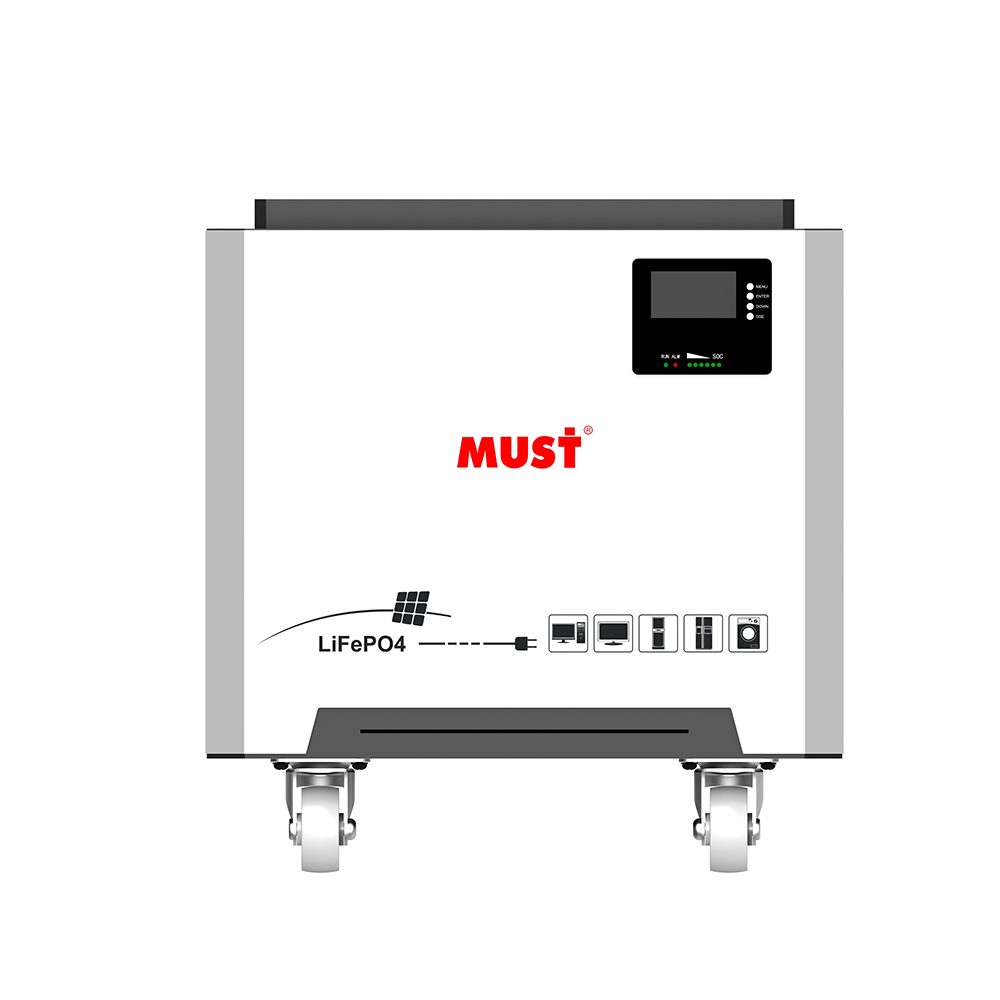
Industrial Catalog & Custom Offerings
Featured MPPT Solar Controllers & Integrated Lithium Systems
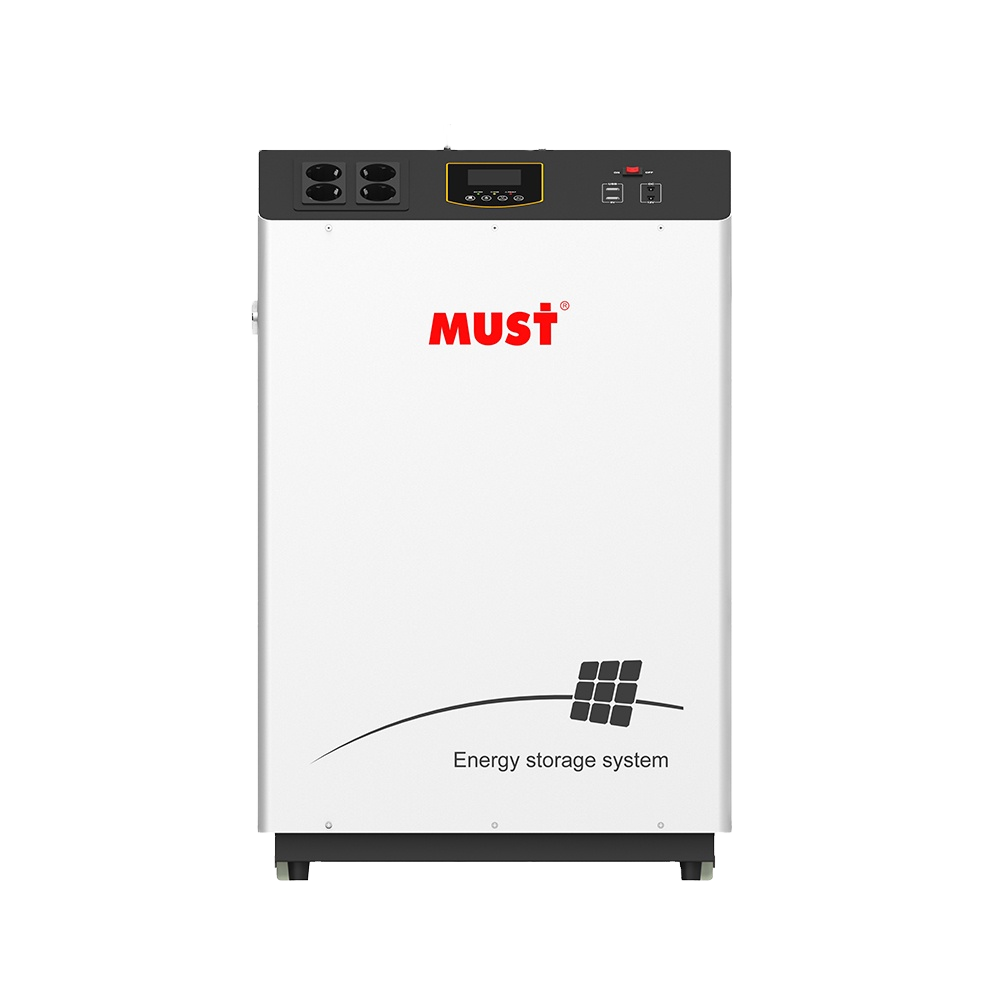
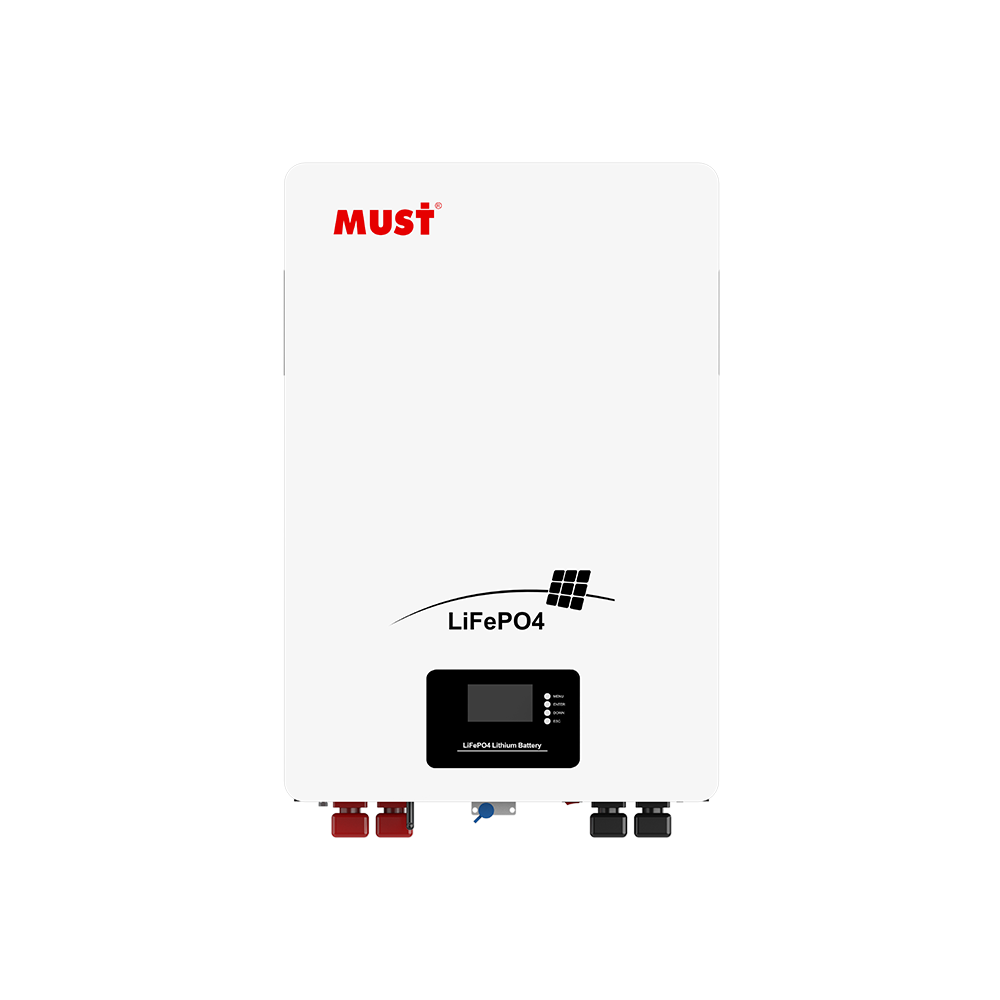
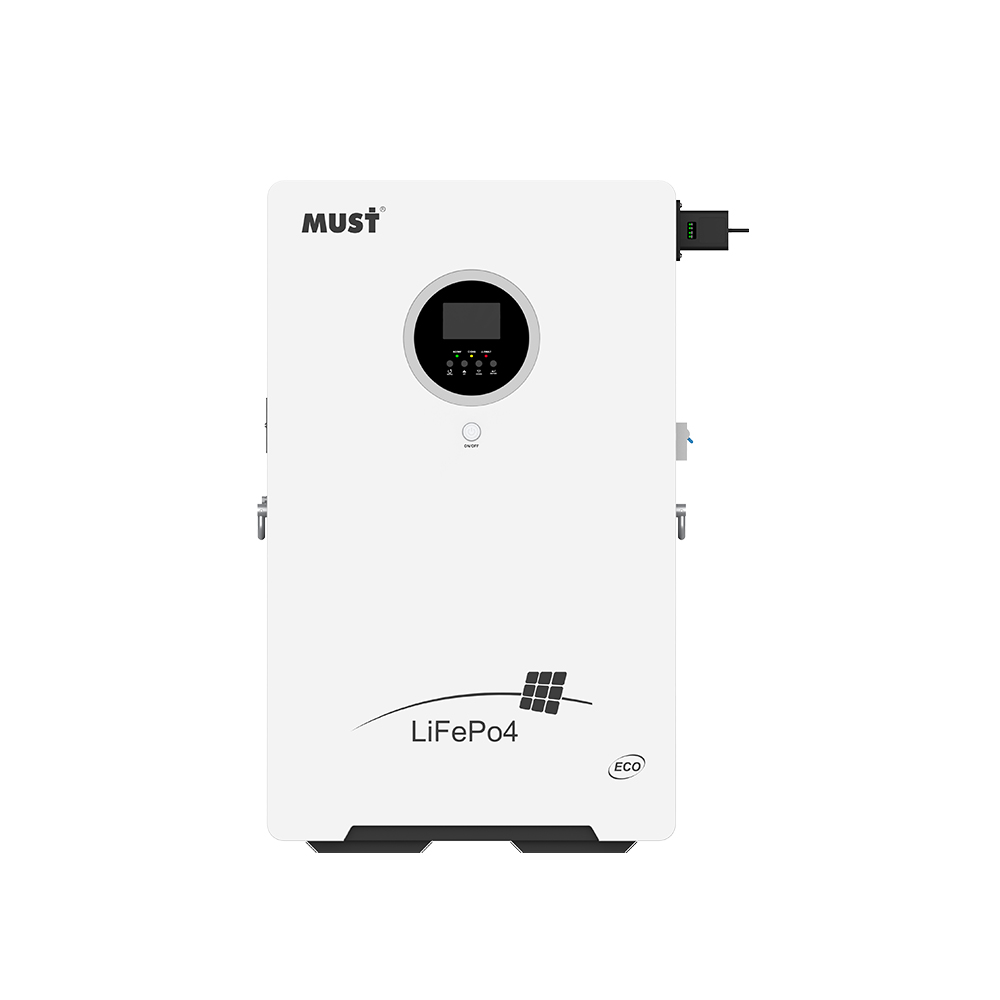
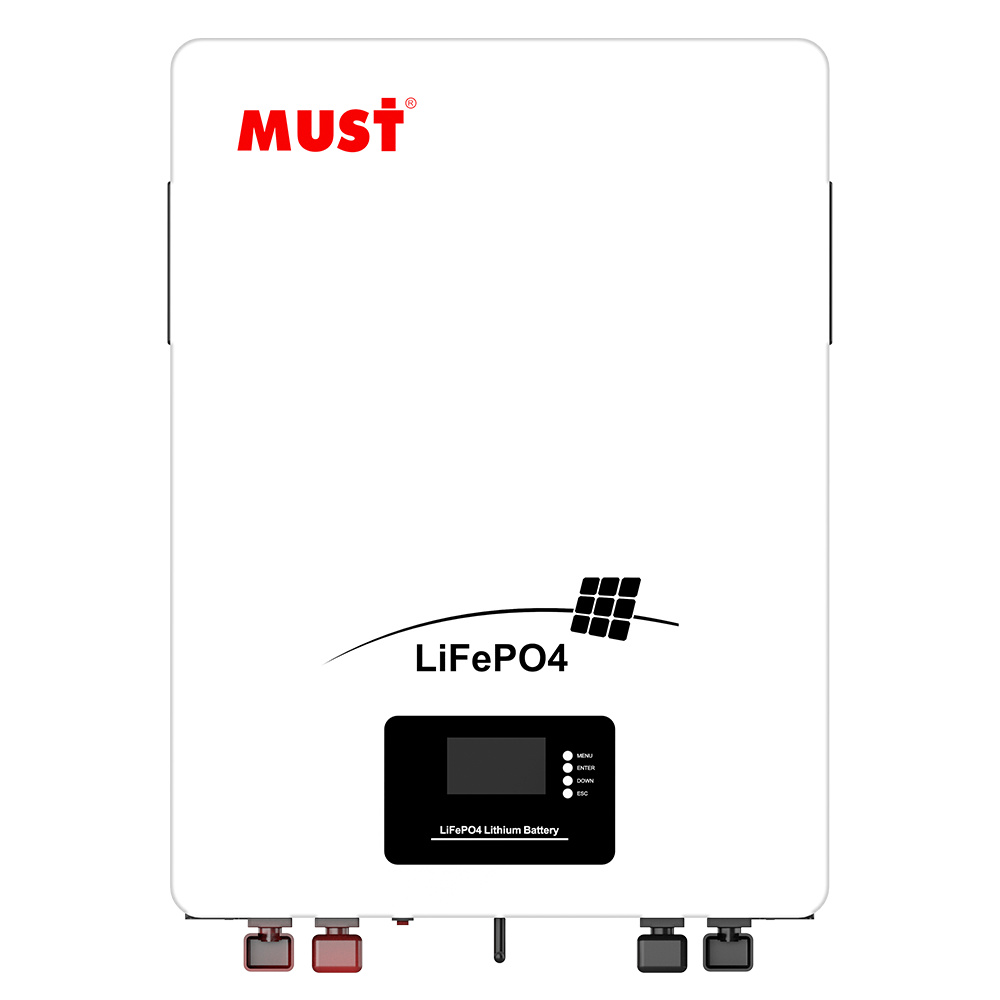
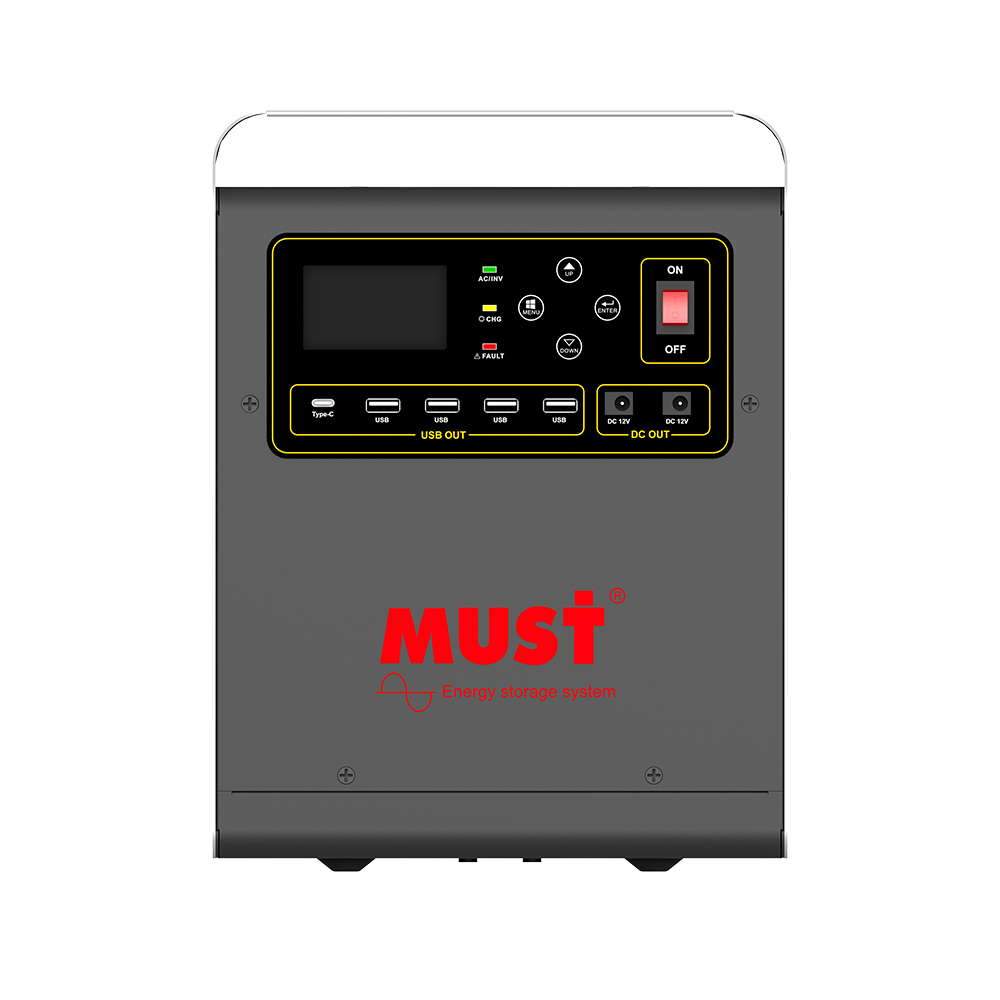
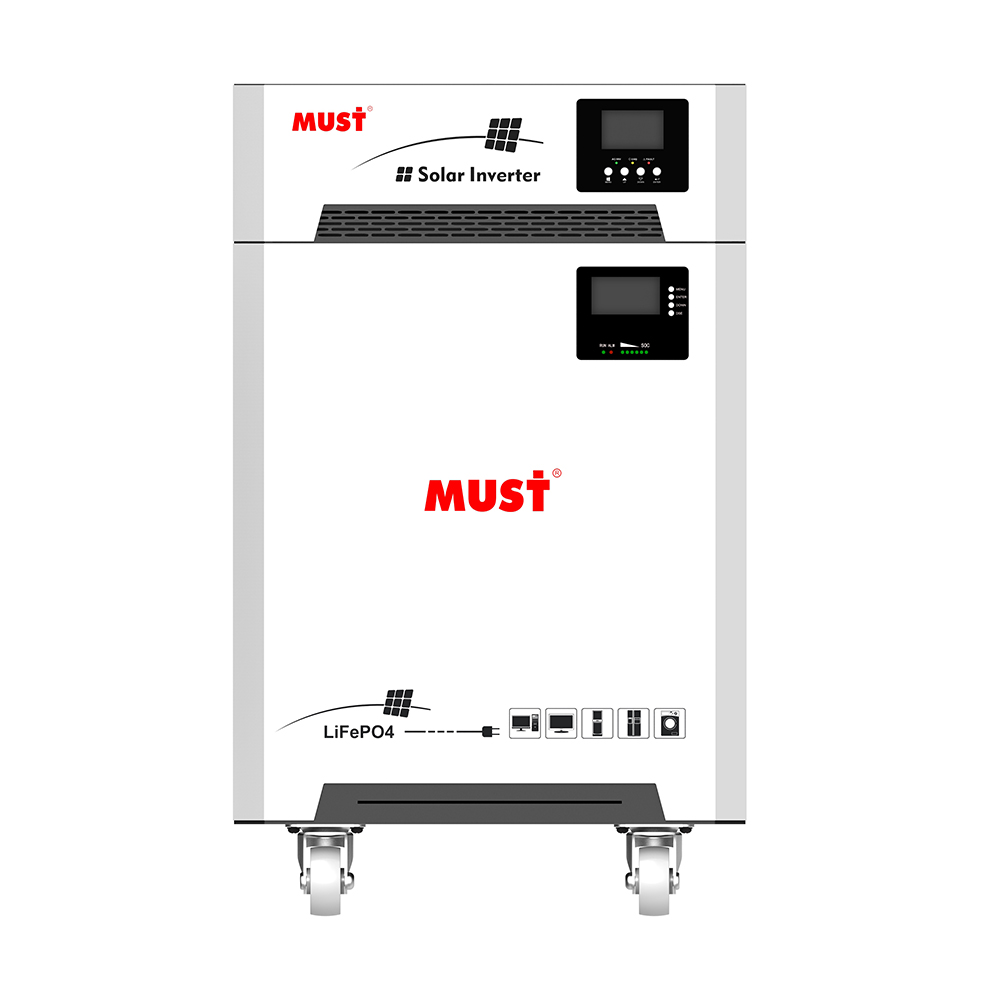
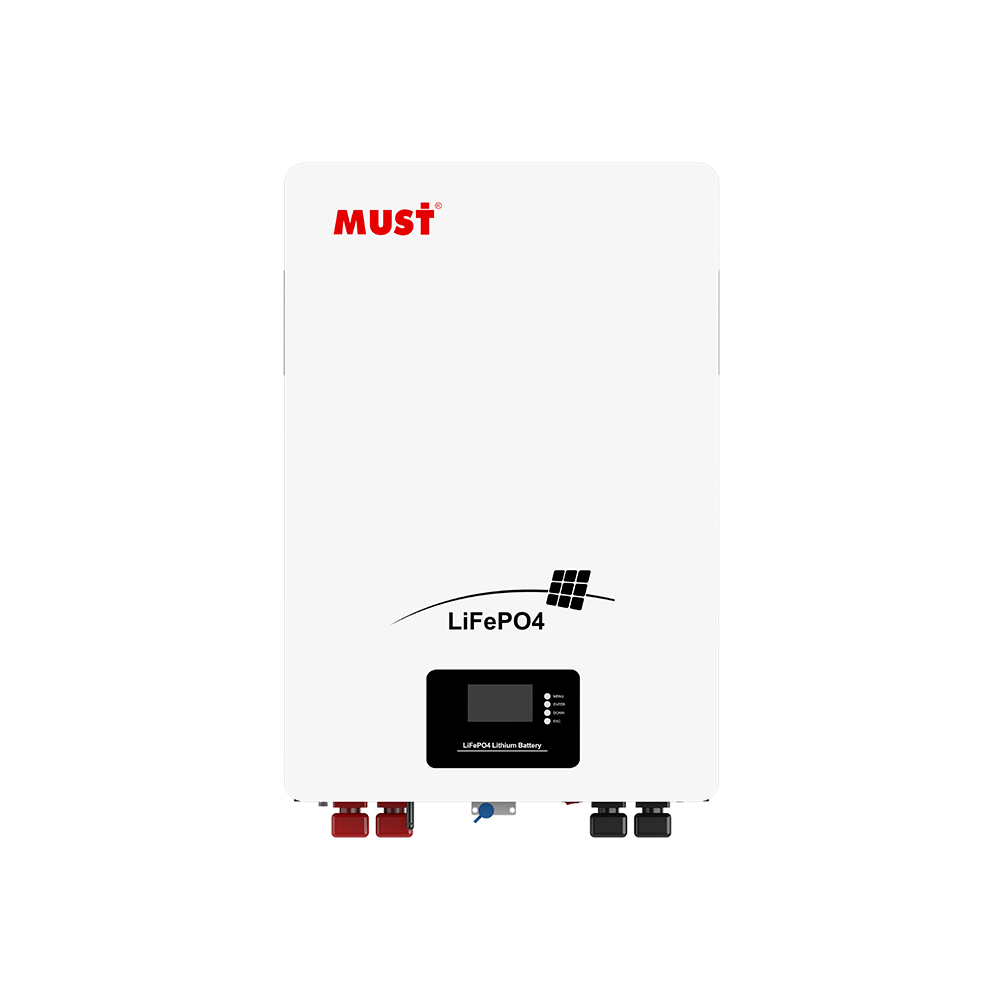
Explore our high-demand OEM/ODM production models featuring multi-stage digital MPPT tracking algorithms, CAN/RS485/RS232 communication interfaces, and long-life LiFePO4 battery integration.
Engineering Whitepaper & Tech Benchmark
Architectural Mechanics of Industrial MPPT Controllers in Modern Microgrids
Maximum Power Point Tracking (MPPT) technology has evolved from simple tracking algorithms to complex multi-phase power electronic topologies. For B2B importers, system integrators, and EPC contractors, selecting a tier-1 OEM/ODM manufacturing factory requires evaluating circuit topology efficiency, thermal dissipation design, dynamic shadow tracking capability, and lithium Battery Management System (BMS) synchronization.
Ultra-Fast Sweep Algorithms
Traditional Perturb and Observe (P&O) methods experience power loss under rapidly shifting cloud conditions. Our industrial-grade MPPT microcontrollers utilize dual-core DSP chips implementing Incremental Conductance combined with artificial intelligence sweeping curves. This ensures 99.5% tracking accuracy and under 15ms dynamic reaction speeds under severe irradiance fluctuations.
Wide Input Voltage Topology (VOC)
Modern PV string configurations favor high DC array voltages to minimize copper line losses. Our 60A to 100A MPPT controllers support open-circuit voltage (VOC max 150V - 450V DC). High VOC input enables longer solar panel series connections, drastically lowering balance-of-system (BOS) combiner box costs for residential and commercial installations.
Multi-Chemistry BMS Integration
Charge controllers must seamlessly interface with lithium iron phosphate (LiFePO4) storage banks. Integrated RS485, RS232, and CAN bus protocols allow direct handshake negotiation with battery management systems. Real-time SOC (State of Charge), cell balancing data, temperature cut-offs, and over-current protection parameters prevent thermal runaway and optimize cell lifecycle performance beyond 6,000 cycles.
Technical Benchmark Matrix: PWM vs. Standard MPPT vs. Industrial OEM MPPT
| System Parameter | Standard PWM Controller | Generic MPPT Controller | CJH Industrial OEM/ODM MPPT |
|---|---|---|---|
| Peak Conversion Efficiency | 70% - 75% | 92% - 95% | 98.5% - 99.2% Peak Efficiency |
| Maximum PV VOC Input | 50V Max | 100V - 150V DC | Up to 450V DC Wide VOC String |
| Tracking Accuracy & Speed | Static Voltage Clamping | P&O Algorithm (2-5 sec tracking) | DSP Incremental Sweep (< 15ms) |
| Lithium Communication (BMS) | None (Manual profile) | Basic Dip Switches | Native CAN/RS485/RS232 Bus Handshake |
| Cooling Topology | Passive Thin Heatsink | Standard Fan Cooling | Die-Cast Heavy Aluminum + Dual Intelligent Fans |
| Parallel Expansion Capability | Not Supported | Limited (2-3 units max) | Multi-Unit Parallel Master-Slave Link (Up to 12 Units) |
Institutional Scale & Footprint
Enterprise Production Metrics & Global Sourcing Capacity
Backing global energy brand owners, distributors, and governmental power project tenders with ISO-certified, TÜV Rheinland verified manufacturing infrastructure in Guangdong, China.
Why Tier-1 Solar Distributors Partner With CJH Energy
Sourcing photovoltaic components requires more than off-the-shelf catalog picking. As an established OEM/ODM custom manufacturer, CJH Energy (guangdong) Tech Co., Ltd. resolves common importer pain points: supply chain delays, poor thermal failure rates, firmware communication mismatched with third-party LiFePO4 batteries, and insufficient regional technical backstopping.
Our engineering facilities feature SMT automated assembly lines, high-temperature load-burn testing chambers, and full electromagnetic compatibility (EMC) testing labs. Every solar charge controller and hybrid inverter undergoes 100% full-load aging tests before export clearance.
Get CatalogCertified Operations
Audited on-site by TÜV Rheinland. Fully compliant with international quality management systems:
ISO 9001 Quality Certified
ISO 14001 Environmental Standard
ISO 45001 Occupational Health
CE & IEC 62109 Certified
RoHS Compliant
UN38.3 & MSDS Verified
National Invention Patents
Forward-Looking Technology Analysis
Future Tech Trends in Solar MPPT & Power Conversion Architecture
As global microgrids transition to higher power density and deeper lithium storage integration, procurement buyers must position their brands ahead of critical technology shifts occurring over the 2025–2030 decade.
1. Transition to Gallium Nitride (GaN) & SiC Semiconductors
Silicon MOSFETs are reaching physical limits regarding switching speed and heat dissipation. Next-generation MPPT controllers utilize Wide Bandgap (WBG) semiconductors like Silicon Carbide (SiC) and Gallium Nitride (GaN). This transition reduces switching losses by up to 40%, enables smaller magnetic inductors, and delivers ultra-compact controller chassis designs with passive cooling up to 80A ratings.
2. Cloud AI Dynamic MPPT & IoT Telemetry
Edge-computing chips embedded in modern MPPT controllers now feature cloud-synchronized AI algorithms. Rather than relying solely on local voltage sweeps, cloud-connected controllers analyze historical weather patterns, partial shading angles from rooftop obstructions, and load consumption trends to dynamically predict and lock into global maximum power points without power output dips.
3. Solid-State Lithium Battery Protocol Compatibility
With solid-state and semi-solid-state LiFePO4 chemistry entering commercial storage markets, charge control topologies must accommodate hyper-precise charging curves, tight cell voltage thresholds, and high-C rate pulse charging. Future-ready OEM MPPT units integrate programmable firmware protocol stacks capable of updating over-the-air (OTA) to adapt to next-gen battery chemistries.
4. Unified All-In-One Modular Microgrid Enclosures
Stand-alone charge controllers are increasingly being integrated alongside pure sine wave inverters, AC chargers, and lithium powerwalls within modular IP65 all-in-one cabinets. This shift eliminates complex exterior DC wiring, minimizes labor costs for installers, and provides homeowners with clean, plug-and-play energy security.
Global Sourcing Insights
B2B Procurement Trends & Supply Chain Optimization (2025–2030)
Navigating the global photovoltaic market requires understanding macro-procurement shifts, regional compliance demands, and localized service support strategies.
Demand for Localized Service Hubs
International buyers are moving away from suppliers offering only ex-factory shipping. Importers require factories with overseas support offices and local warehouse buffers. CJH Energy maintains active overseas subsidiary offices in Poland (Warsaw), South Africa, Dubai, and Egypt, reducing spare parts delivery times and resolving technical queries within local time zones.
Shift Toward SKD/CKD Local Assembly
To avoid high import tariffs on finished electronic products, regional brands in Latin America, Southeast Asia, and Africa are requesting Semi-Knocked-Down (SKD) and Completely-Knocked-Down (CKD) manufacturing packages. Our OEM factory provides complete engineering setup, assembly jigs, testing fixtures, and component kits for local line assembly.
Stricter Carbon & ESG Compliance
European and North American procurement mandates now require full carbon footprint traceability and ESG factory audits. CJH Energy operates under ISO 14001 environmental management frameworks and provides comprehensive supply chain transparency, facilitating seamless compliance with EU Battery Passport regulations and environmental directives.
Tailored Manufacturing Solutions
Turnkey OEM/ODM Engineering Workflow
From custom metal chassis fabrication to custom firmware protocol burning, our 80+ R&D engineering team converts your market requirements into mass-produced commercial hardware.
01
Requirement Audit
Technical evaluation of target market voltage profiles, regional grid codes, solar VOC inputs, and lithium battery protocol matching.
02
Prototyping & R&D
Custom PCB layout engineering, silk-screen graphic design, enclosure tooling, LCD interface customization, and firmware compilation.
03
Lab Testing & Pilot Run
Rigorous environmental chamber cycling, high-voltage surge withstand testing, EMC verification, and a initial pilot production batch.
04
Mass Output & Logistics
Automated SMT manufacturing, 100% full-load burn-in aging, export packaging customization, and global container fulfillment.
Procurement & Engineering FAQ
Frequently Asked Questions by B2B Importers
Essential technical and procurement insights for solar product distributors, EPC contractors, and brand owners considering direct factory partnerships.
Is CJH Energy a direct factory manufacturer or a trading company?
CJH Energy (guangdong) Tech Co., Ltd. is a custom original equipment manufacturer (OEM/ODM) with self-owned manufacturing plants covering 31,056 m² and employing 1,109 staff members. Our facilities have been verified on-site by TÜV Rheinland. We manage complete in-house R&D, SMT placement lines, metal enclosure stamping, and final automated testing.
How do MPPT controllers compare with PWM controllers in ROI for solar projects?
While PWM (Pulse Width Modulation) controllers have lower initial unit costs, they force solar arrays to operate at battery voltage, wasting up to 30% of potential solar energy generation. MPPT (Maximum Power Point Tracking) controllers continuously adjust DC voltage and current ratios, harvesting up to 98.5% of available array power. In commercial and residential installations, the yield gain of MPPT amortizes the price difference within 4 to 8 months of operation.
What custom OEM/ODM options are available for branding and technical specs?
We offer full-spectrum customization including branded chassis paint color, custom silkscreen logo printing, customized packaging cartons, custom LCD screen UI languages, modified charging voltage curve parameters (for specialized battery chemistries), and specific BMS communication software protocols (CANbus 2.0B, RS485, Modbus RTU).
How should system integrators select battery system voltage (12V vs. 24V vs. 48V)?
System voltage selection depends primarily on total load power requirements:
- 12V Systems: Recommended for loads under 1kW (small RVs, mobile power stations, basic lighting).
- 24V Systems: Suitable for loads between 1kW and 3kW (small cabins, remote telecommunication stations).
- 48V Systems: Highly recommended for loads above 3kW. Higher system voltage significantly decreases current draw, allowing thinner DC copper wiring, reducing thermal power loss ($I^2R$), and increasing system conversion efficiency.
What are your annual production capacity and standard order lead times?
Our annual manufacturing capacity exceeds 600,000 units across inverters, charge controllers, and energy storage batteries. For standard production items, lead times are approximately 15 to 25 days. For custom OEM/ODM production runs requiring specialized enclosure tooling or custom firmware, delivery typically ranges from 30 to 40 days following sample sign-off.
Do your solar controllers support high PV VOC string voltages?
Yes, our industrial off-grid and hybrid charge control products support open-circuit string voltages from 100V DC up to 450V DC (VOC). High-VOC input capability enables installers to wire solar panels in long series strings, minimizing DC current losses and eliminating external array combiner boxes.
How do you provide warranty support and local service for international buyers?
We provide standard 2-to-5-year factory warranties across our product lines, backed by spare mainboard replenishment policies for distributor partners. Furthermore, our regional offices in Poland (Warsaw), South Africa, Dubai, and Egypt provide localized technical assistance, engineering consultations, and local inventory buffering.
Manufacturing Infrastructure
CJH Energy — Tier-1 Power Electronics Manufacturing Partner
CJH Energy (guangdong) Tech Co., Ltd. is a recognized high-tech enterprise specializing in the design, engineering, and manufacturing of solar inverters, MPPT solar charge controllers, pure sine wave power inverters, UPS systems, LiFePO4 battery modules, and portable power stations.
Over 20 years of power conversion engineering experience enables us to manufacture robust hardware capable of withstanding grid volatility, extreme temperature variations, and demanding commercial usage profiles.
Our engineering team holds multiple national invention patents, and our management infrastructure adheres strictly to ISO 9001, ISO 14001, and ISO 45001 frameworks.
Get Catalog20+ Years
In-depth experience in power electronics R&D and power conversion algorithms.
TÜV Rheinland
On-site verified manufacturing plant and quality management system.
Global Support
Direct subsidiary offices in Poland, South Africa, Dubai, and Egypt.
Full OEM/ODM
Complete customization from PCB layouts to custom BMS software integration.
Partner with a Certified OEM/ODM Solar Controller Factory
Expand your product portfolio with high-efficiency MPPT controllers, hybrid solar inverters, and LiFePO4 battery systems built directly to your specifications.
