Featured Hybrid Energy Storage & LiFePO4 Battery Systems
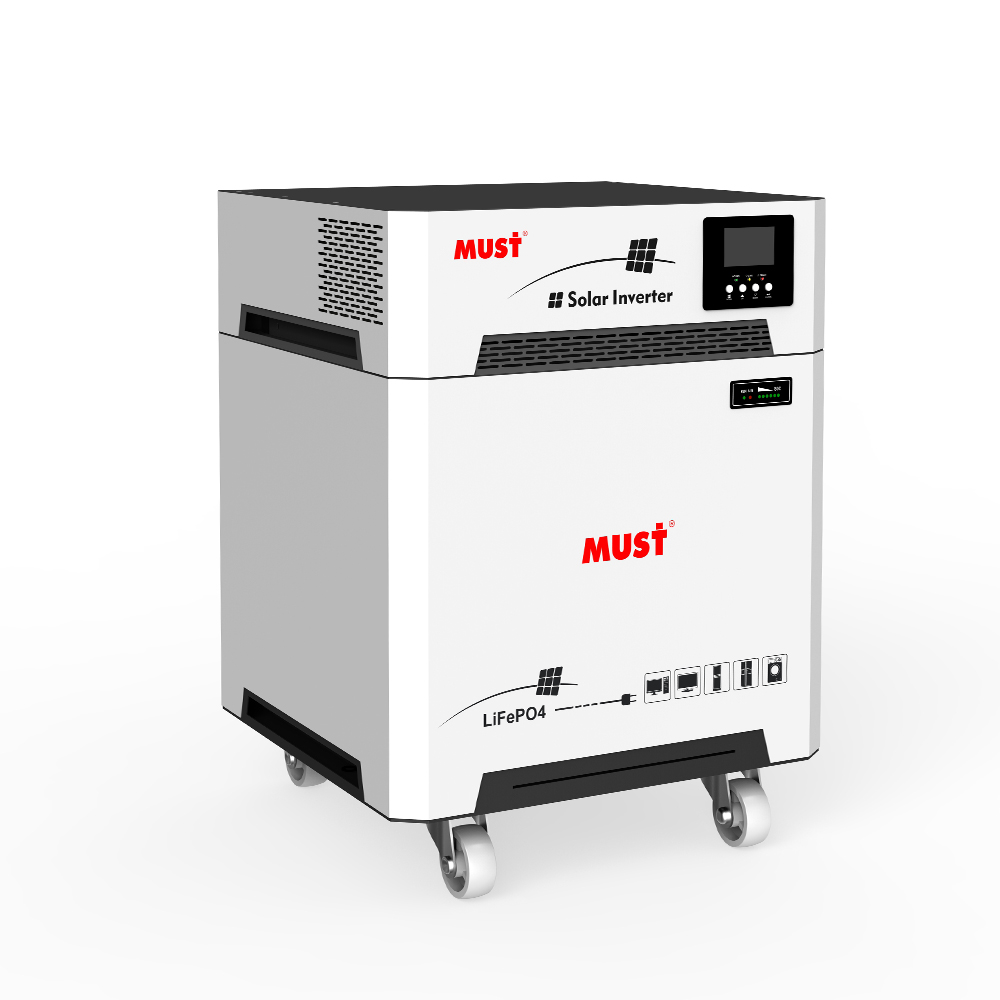
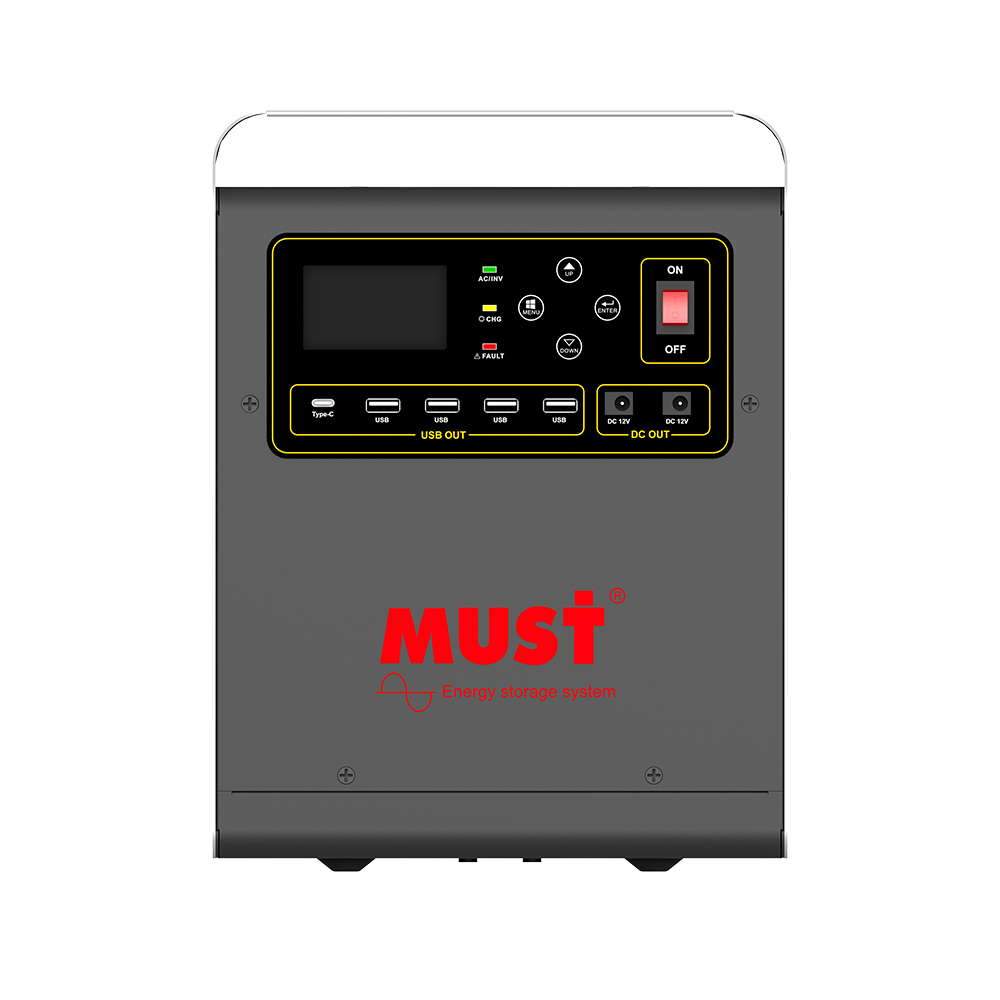
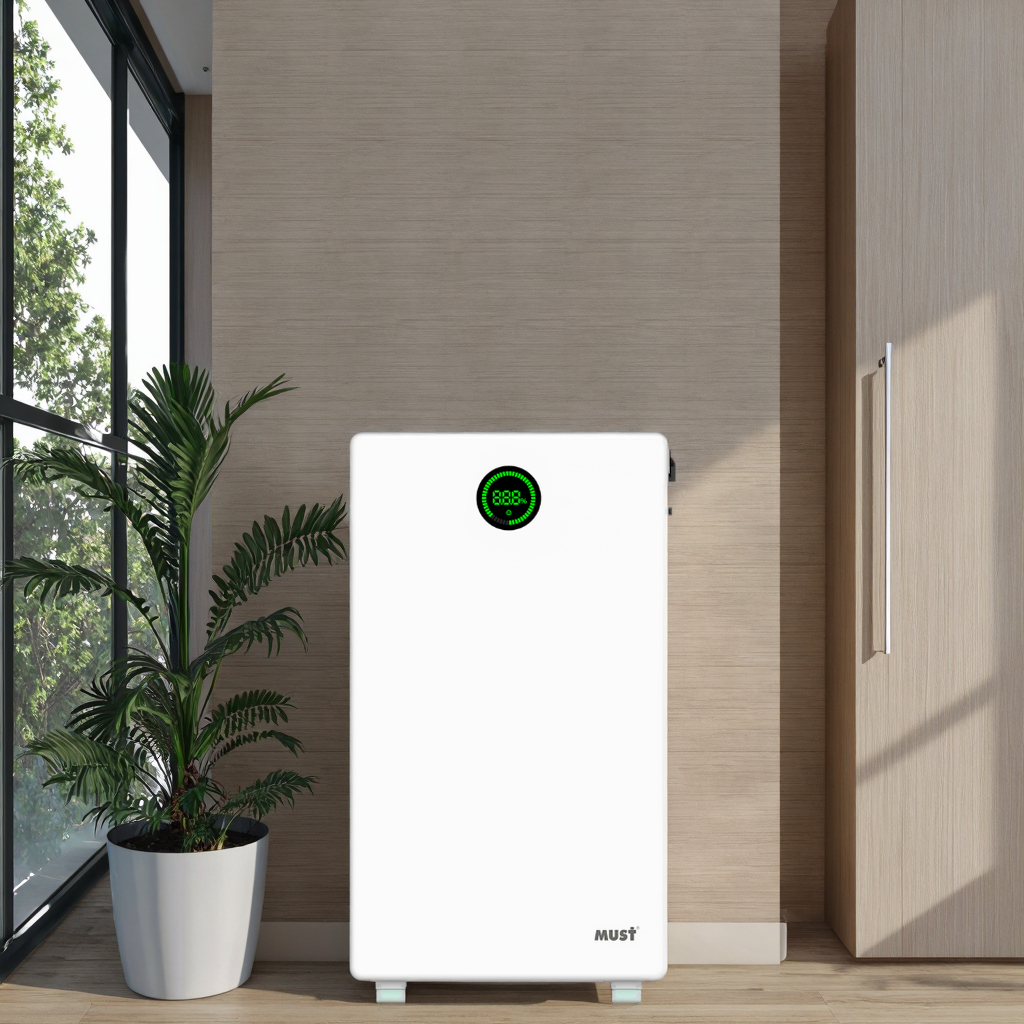
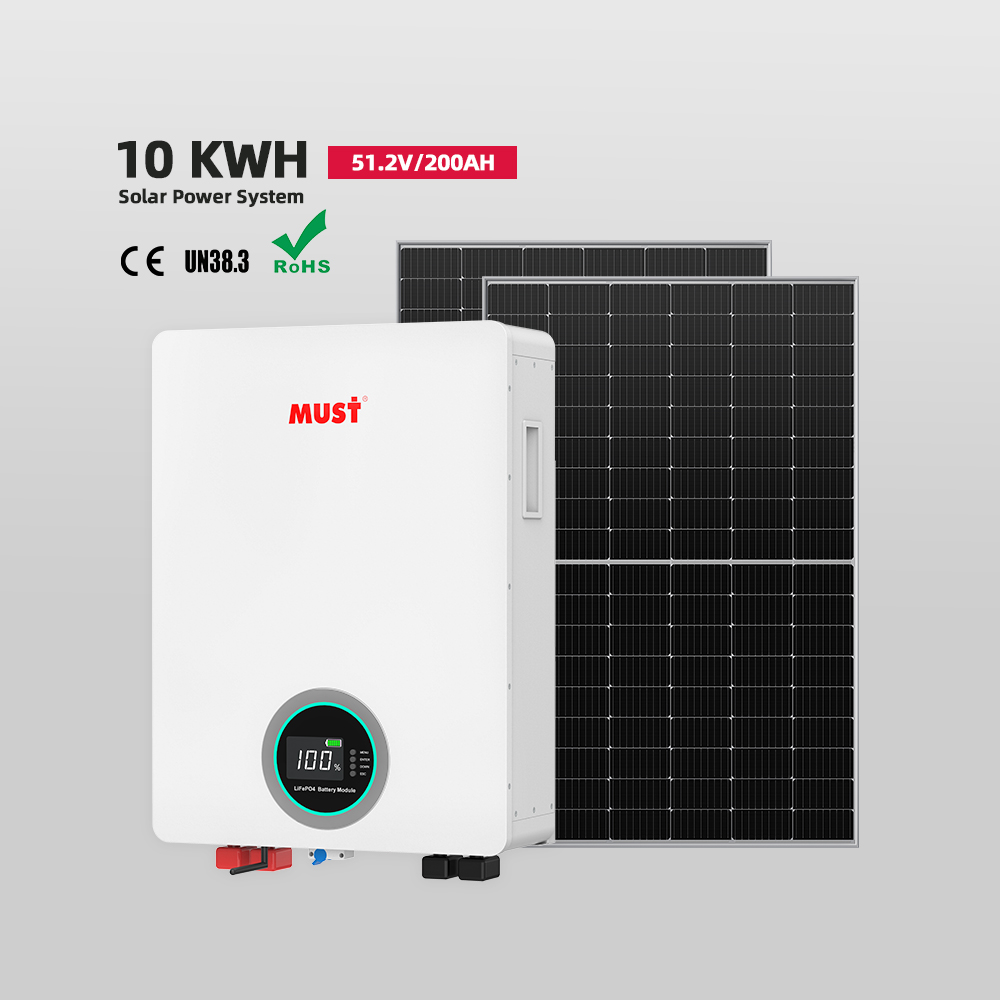
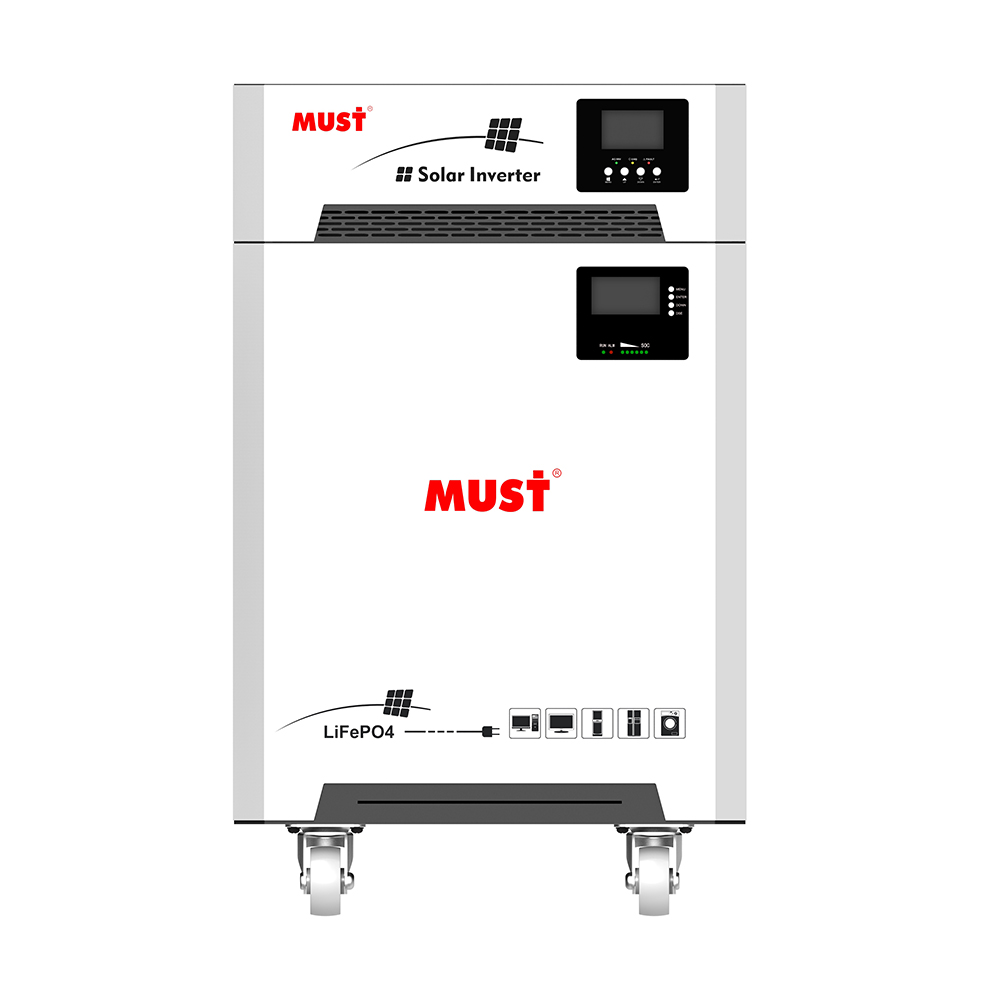
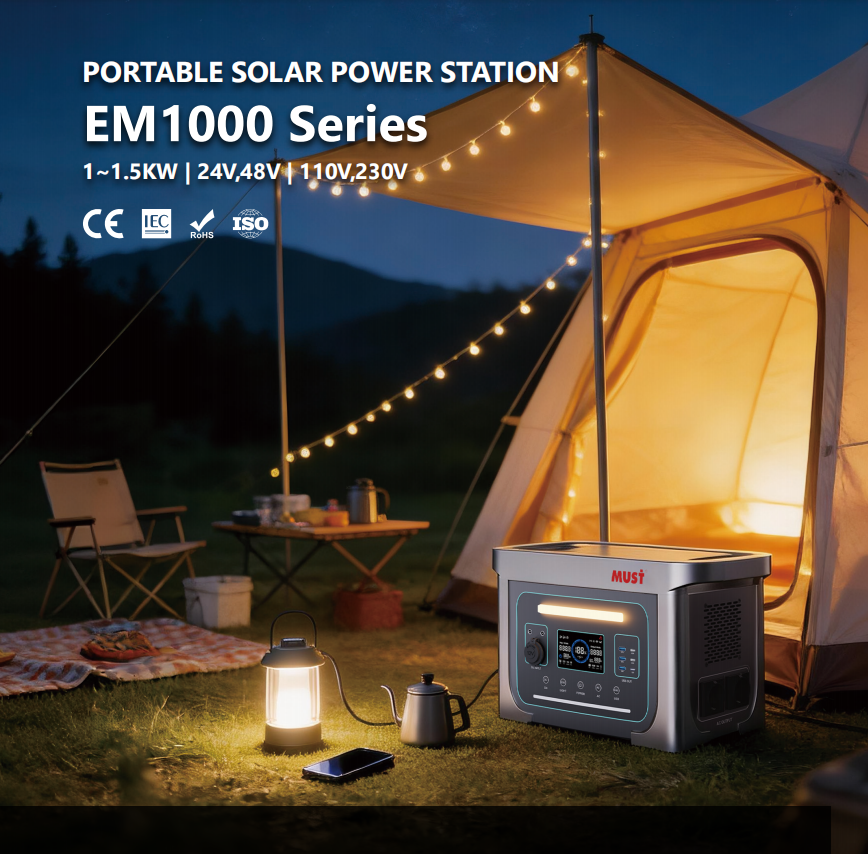
Direct factory supply of certified single-phase hybrid solar inverters, modular energy storage batteries, and integrated outdoor power hubs designed for global market deployment.


Enterprise Overview & Original Equipment Engineering
CJH Energy (Guangdong) Tech Co., Ltd. delivers factory-direct off-grid, grid-tied, and single-phase hybrid solar inverters alongside energy storage systems tailored for global B2B procurement demands.
Factory-Direct OEM/ODM Infrastructure
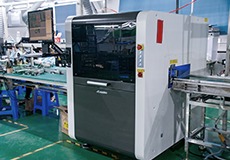
Operating out of a state-of-the-art 31,056 square-meter automated manufacturing hub in Guangdong, CJH Energy (Guangdong) Tech Co., Ltd. stands as a premier custom manufacturer rather than a trading reseller. Employing over 1,109 qualified personnel and supported by a robust internal team of more than 80 R&D engineers, our factory yields an annual manufacturing output surpassing 600,000 units across 10 major power electronics categories.
Our operational management systems are rigorously audited and certified under ISO 9001 (Quality Management System), ISO 14001 (Environmental Management System), and ISO 45001 (Occupational Health and Safety System). Furthermore, our complete manufacturing process and facility infrastructure have been verified on-site by TÜV Rheinland, offering global importers, EPC contractors, and distributors certified transparency and top-tier industrial execution.
Full Spectrum OEM & ODM Customization Matrix
We provide full-stack OEM and ODM services that empower global clean energy brands to bring customized power management systems to market quickly and reliably. Our key engineering customization capabilities include:
- Firmware & BMS Protocol Integration: Native support for CAN bus, RS485, and RS232 protocols configured for seamless plug-and-play communication with major lithium battery brands (e.g., Pylontech, Victron, Deye, Growatt, and custom LiFePO4 packs).
- Voltage & Grid-Code Adaptability: Custom nominal AC output programming (110V/120V split-phase, 220V/230V/240V single-phase) and grid compliance configuration (EN 50549-1, VDE-AR-N 4105, NRS 097-2-1, CEI 0-21, G99).
- Industrial Enclosure Design: Custom metal chassis tooling, color schemes, silk-screened client branding, customizable LCD interfaces, and IP65-rated NEMA enclosures for hostile climate installations.

Deep Engineering Analysis: Single-Phase Hybrid Solar Inverters
A technical guide to topology selection, MPPT tracking efficiency, battery coupling efficiency, and sub-10ms UPS grid transfer mechanisms.
1. Circuit Topologies: Transformerless vs. Low-Frequency Transformer-Isolated
When selecting a single-phase hybrid solar inverter for regional distribution, understanding power electronics topology is essential for long-term field reliability:
High-Frequency Transformerless Topologies: Utilizing advanced SiC MOSFETs and IGBT switches, transformerless single-phase hybrid inverters (ranging from 3kW to 8kW) achieve peak conversion efficiencies between 97.6% and 98.4%. These units feature lightweight compact enclosures, making them ideal for modern urban residential wall-mount installations where spatial efficiency and high round-trip energy efficiency (RTE) are required.
Low-Frequency Transformer-Isolated Topologies: Featuring heavy-duty copper toroidal transformers, low-frequency hybrid inverters excel in harsh industrial environments or regions suffering from severe grid instability (e.g., sub-Saharan Africa, South Asia, Latin America). They deliver massive peak surge capacity—up to 300% of nominal rating for 10 to 20 seconds—making them capable of starting heavy inductive loads such as deep-well water pumps, HVAC compressors, and power tools without voltage dropouts.
Engineering Rule of Thumb for System Sizing:
For residential loads under 1kW, a 12V DC system architecture is cost-effective; for 1kW to 3kW demands, 24V DC systems minimize cable diameter; for heavy power applications exceeding 3kW (up to 15kW continuous load), a 48V/51.2V low-voltage or high-voltage battery architecture is essential to reduce I²R thermal losses, lower operational currents, and maximize battery lifespan.
2. Dual MPPT Trackers & High-PV Input Voltage (up to 500VDC)
Modern single-phase hybrid inverters designed by CJH Energy integrate ultra-fast, high-efficiency Maximum Power Point Tracking (MPPT) algorithms boasting an efficiency exceeding 99.9%. With wide operating MPPT voltage windows (typically 120VDC to 450VDC / 500VOC max), installers can run longer solar string configurations in series. This reduces balance-of-system (BOS) costs by eliminating the need for complex external combiner boxes, reducing array wiring cross-sections, and simplifying on-site installation labor.
System Architecture Comparison Matrix
| Architecture Type | Grid Interfacing | MPPT PV Inputs | Battery Voltage & Compatibility | Primary Market Fit & Applications |
|---|---|---|---|---|
| Off-Grid Solar Inverter (PV1800 / PV3000 Series) | Grid bypass/AC charge only; zero grid feed-in capability | Single/Dual MPPT (60A - 100A integrated controller) | 12V / 24V / 48V Lead-Acid & LiFePO4 chemistry | Off-grid rural electrification, telecom towers, remote cabins, load-shedding zones |
| On/Off-Grid Hybrid Inverter (PH1000 Pro / PH1800 Pro) | Bi-directional grid-tied with zero-export & feedback power control | Dual MPPT (Up to 500VDC input window) | 48V/51.2V Modular LiFePO4 with smart CAN/RS485 BMS link | European residential ESS, urban self-consumption optimization, weak grid backup |
| Pure Sine Wave Power Inverter (Standalone Conversion) | No direct grid interaction; pure DC-to-AC conversion | Requires external MPPT charge controller | 12V / 24V / 48V direct battery bank connection | Mobile RV systems, marine vessels, emergency utility vehicles, portable work stations |
Global Procurement Trends & Future Product Outlook
Strategic insights into regulatory compliance, dynamic tariff arbitrage, microgrid integration, and wide-bandgap semiconductor evolution driving the next decade of renewable energy tech.
1. Stringent Grid-Code & Safety Compliance
Global distributors are increasingly prioritizing grid safety certificates. Single-phase hybrid inverters must support advanced reactive power compensation (Cos φ regulation), dynamic anti-islanding protection, frequency-dependent power derating (81a/81o), and active arc-fault circuit interruption (AFCI) to comply with European (EN 50549, VDE 4105) and South African (NRS 097) standards.
2. AI-Driven Time-of-Use (TOU) & VPP Integration
Future procurement shifts focus heavily on intelligent software EMS platforms. Today’s end-users require single-phase hybrid inverters capable of dynamic tariff optimization—automatically charging the LiFePO4 battery during off-peak electricity grid hours and discharging during peak rate windows, or interconnecting into Virtual Power Plants (VPPs).
3. All-in-One Modular ESS Acceleration
The market is rapidly transitioning away from split inverter and battery components toward integrated All-In-One (AIO) stacked system architectures. AIO units streamline field installation, remove exposed DC interconnect cables, enhance aesthetic appeal in residential spaces, and eliminate component mismatch errors between separate suppliers.
4. SiC Silicon Carbide MOSFET Switches
Next-generation single-phase hybrid inverters utilize Silicon Carbide (SiC) semiconductor switches over traditional silicon IGBTs. SiC power stages operate at significantly higher switching frequencies, cut passive thermal dissipation by over 40%, shrink output filter inductance, and deliver overall conversion efficiencies beyond 98.5%.
5. Multi-Protocol BMS Auto-Recognition
Installers no longer accept complex manual DIP switch configurations. Modern hybrid inverters engineered by CJH Energy feature auto-detecting firmware capable of identifying connected LiFePO4 battery BMS protocols via CAN or RS485 automatically upon startup, vastly accelerating commissioning speeds.
Why Leading Global Solar Brands Partner with CJH Energy
Combining two decades of power electronics engineering with global operational presence to secure your supply chain advantage.
Proven Manufacturing Scale
31,056 m² plant footprint equipped with automated SMT production lines, high-precision laser welding equipment, automated aging test chambers, and rigid quality inspection protocols.
Third-Party TÜV Verified
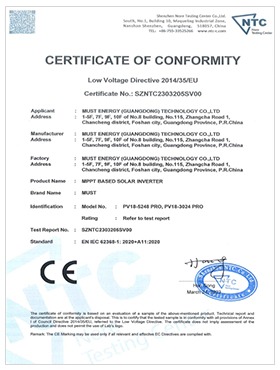
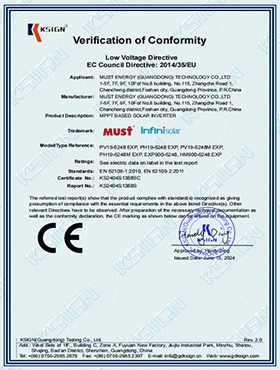
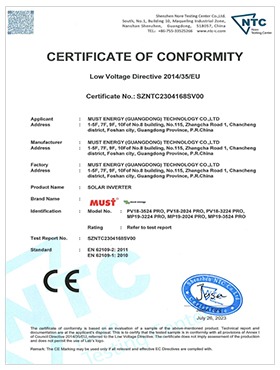
Audited on-site by TÜV Rheinland. Fully certified to ISO 9001, ISO 14001, and ISO 45001 management standards alongside CE, UN38.3, and IEC product compliance.
Global Service Infrastructure
Established regional subsidiary branches and fulfillment stock centers in Warsaw (Poland), South Africa, Dubai (UAE), and Egypt to provide rapid RMA support and localized service.
80+ Patent Engineering Team
Deep customization capability spanning custom firmware coding, hardware circuit topology tweaks, customized LCD screens, and personalized branding solutions.
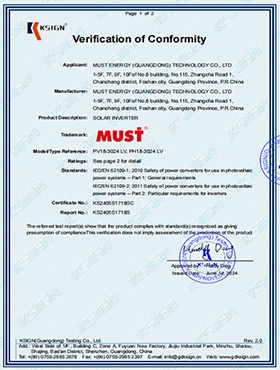
Domestic & International Compliance Certificates
Frequently Asked Questions for Importers & EPC Buyers
Direct technical and commercial answers addressing common engineering inquiries, warranty policies, minimum order quantities (MOQ), and shipping logistics.
CJH Energy (Guangdong) Tech Co., Ltd. is an authentic original equipment manufacturer with its own high-capacity production facility covering 31,056 m² in Guangdong, China. We employ over 1,109 staff members and maintain an in-house engineering team of 80+ experts. Our operational facility has been verified on-site by TÜV Rheinland. We handle raw material sourcing, SMT mounting, chassis fabrication, firmware programming, aging tests, and final packaging entirely in-house.
We provide full customization options for commercial orders: custom branding logo laser-etching and silk-screen printing, customized outer enclosure color powder-coating, bespoke carton packaging design, personalized client LCD screen graphic interfaces, custom battery BMS communication protocol adaptation (CAN/RS485), modified AC/DC voltage parameters, and custom firmware algorithms matching localized grid standards.
Our corporate management systems strictly adhere to ISO 9001, ISO 14001, and ISO 45001. Product level compliance certificates vary depending on model series and export target regions, including CE (LVD/EMC), UN38.3, MSDS, IEC 62109-1/-2, IEC 62619, EN 50549-1, VDE-AR-N 4105, and NRS 097-2-1. Detailed test reports can be supplied by our sales engineers upon request.
Our 48V/51.2V low-voltage hybrid inverter series (3kW to 6kW) connects directly to modular parallel-connected 48V LiFePO4 packs, offering safe, simple installation ideal for standard residential backup. For higher power demands or longer discharge durations, our high-voltage single-phase hybrid series operates with series-connected battery strings (150VDC to 450VDC), reducing conversion stage losses, decreasing current levels, and increasing system round-trip efficiency (RTE) up to 98%.
Our hybrid inverters feature high-speed solid-state transfer relays and real-time DSP microcontrollers that continuously monitor incoming AC grid voltage and frequency. When grid failure occurs, the internal switch opens, and the inverter transitions to battery discharge mode in under 4ms to 8ms, keeping sensitive electronics, servers, computers, and medical equipment running uninterrupted without system reboots.
Yes. To better support our global distribution network, CJH Energy has established overseas subsidiary offices and warehouse hubs in Warsaw (Poland - serving the European Union market), South Africa (serving Southern Africa), Dubai (serving the Middle East), and Egypt (serving North Africa). Our regional centers maintain spare parts stock, offer fast warranty replacement handling, and provide local technical assistance.
Standard engineering evaluation samples are dispatched within 7 to 10 working days. Full OEM customized container orders (20ft / 40ft HQ containers) are typically manufactured, tested, aging-screened, and packed within 25 to 30 calendar days following drawing approval and deposit confirmation.
Every single unit undergoes rigorous 100% full-load thermal burn-in aging tests, dynamic high-voltage isolation tests, simulated grid fluctuation testing, and full functional inspection prior to packaging. We back our hybrid inverters with standard 5-year to 10-year factory warranties. In the event of a warranty claim, we provide direct replacement PCB boards, key component kits, or complete replacement units via our local service branches.
Partner with a World-Class Hybrid Inverter Manufacturer
Expand your solar distribution portfolio with certified, high-reliability single-phase hybrid inverters and LiFePO4 batteries. Get full technical specifications, factory pricing, and OEM customization guidelines today.
