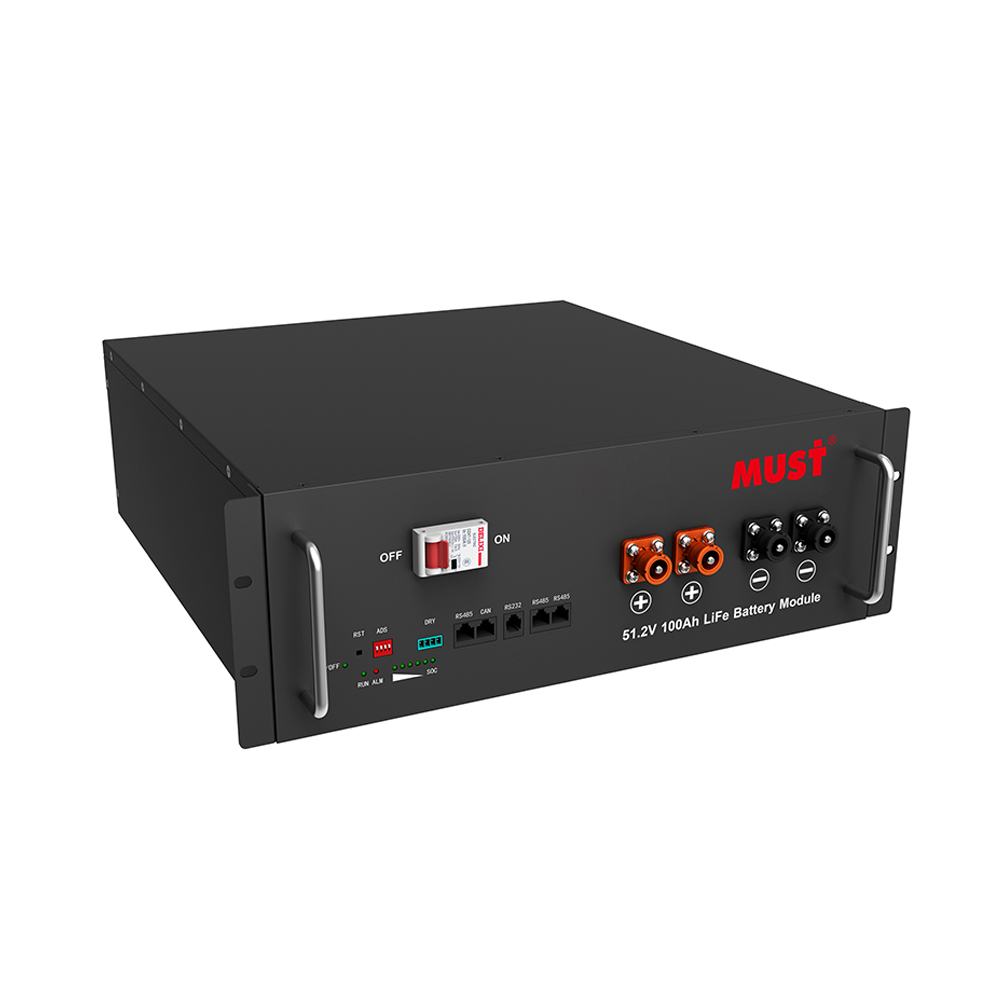
Featured OEM/ODM Inverters & LiFePO4 Systems
Explore our factory-direct power conversion equipment, featuring multi-protocol CAN/RS485 connectivity, high MPPT efficiency, and modular battery scaling.
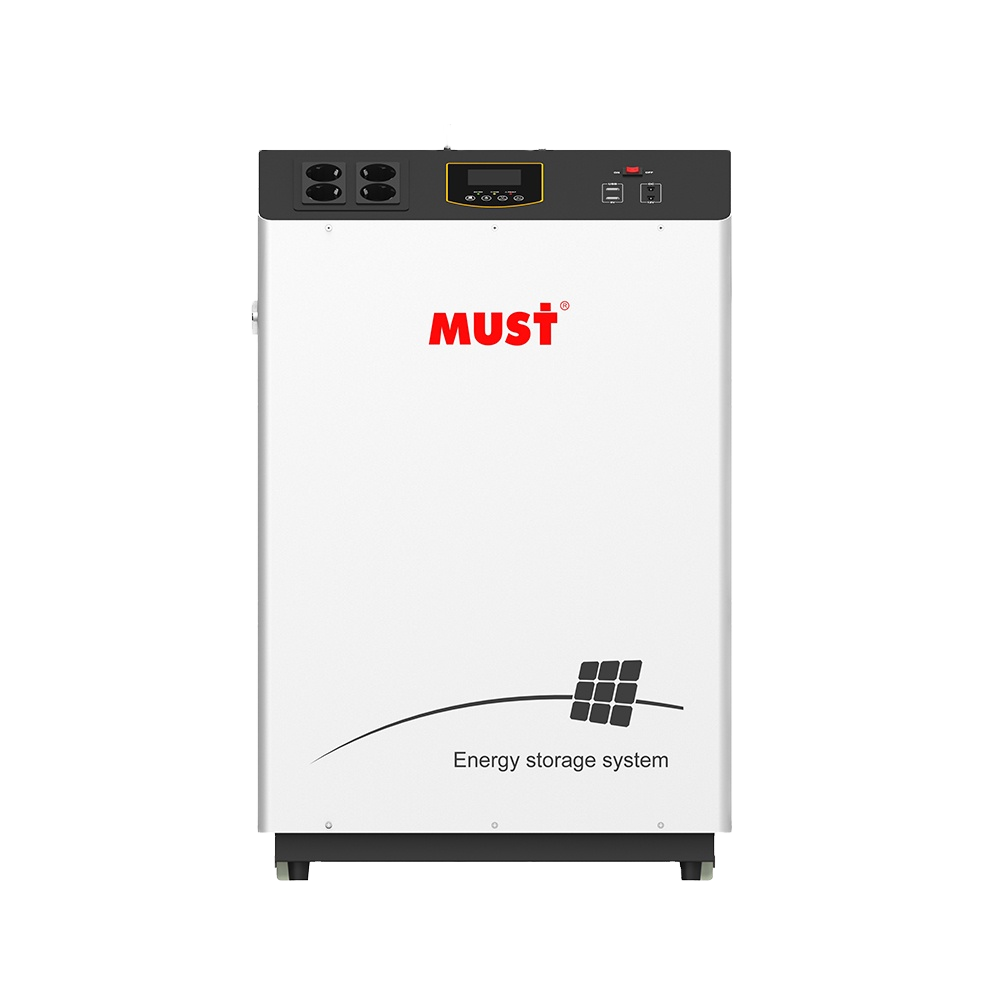
For HBP 1800 HM 48V 200Ah Lithium Battery 2KW 3KW 4KW 5.2KW Hybrid MPPT Solar Inverter Home Solar Power Generator

MUST Solar Station Outdoor Use Inbuilt Lithuim Battery 2000wh 3000wh Back up Portable Solar Energy System

MUST Factory All in One HBP19 Series Wall Mounted Lifepo4 Battery Solar Energy Storage System Home 3.5kw 5.5kw 3.2kwh 5.1kwh
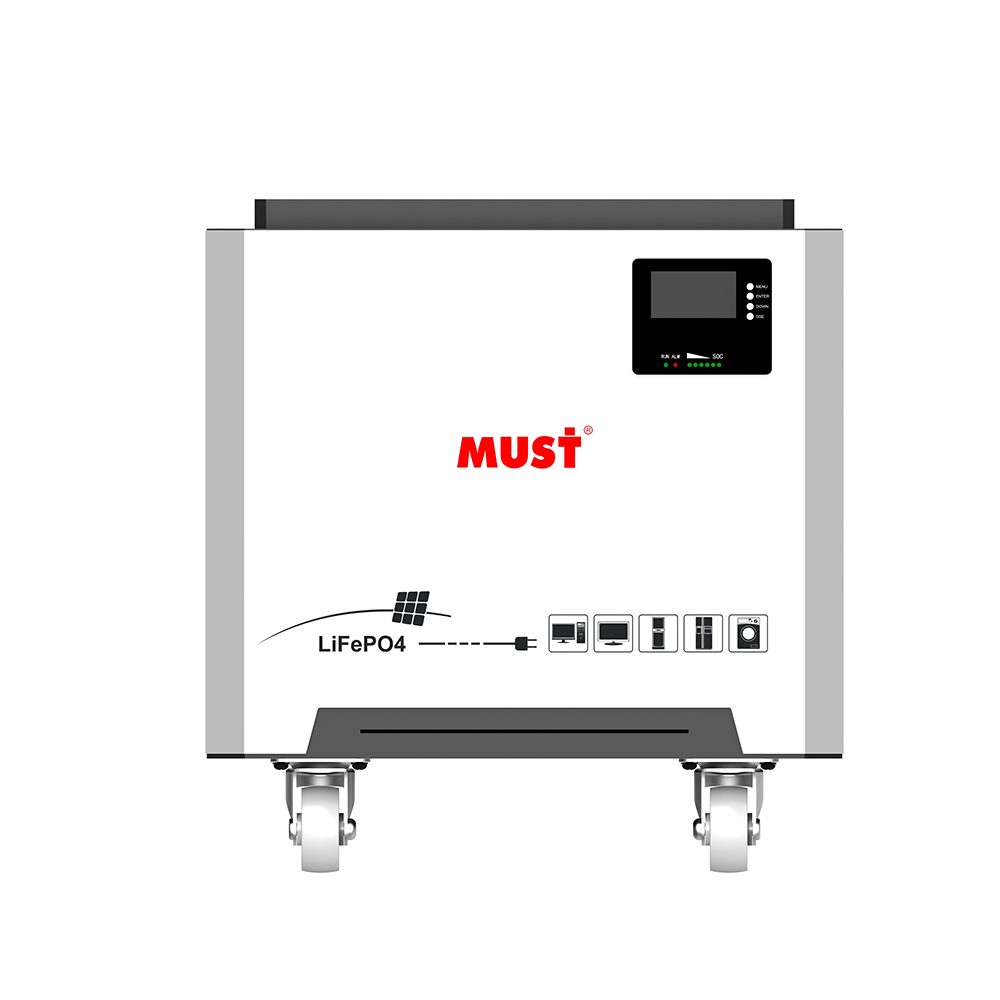
48V 200Ah 10KWh Lifepo4 for Powerwall Lithium Battery for Home Energy Storage with CAN Communication Port
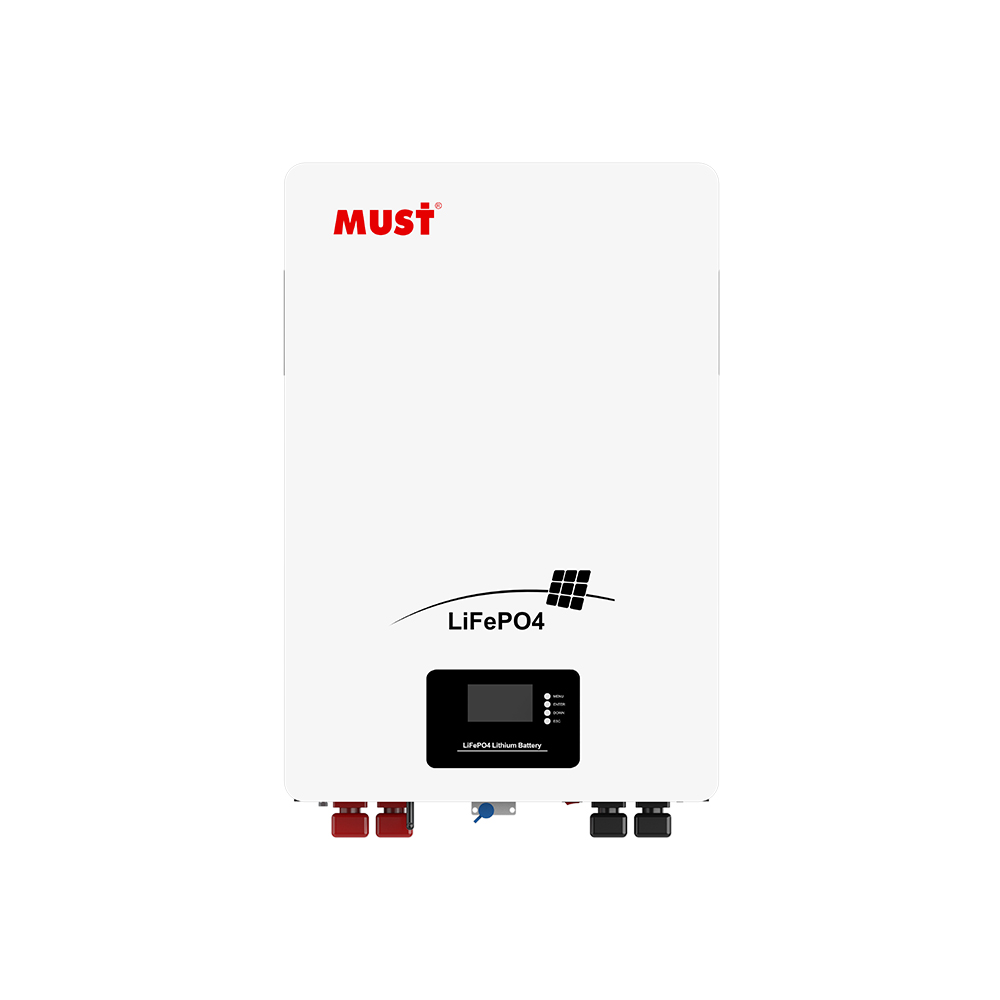
Poland Warehouse 10KWh LiFePO4 Energy Storage Battery CAN RS485 RS232 Communication Hybrid Inverters for LP16-48200 6000 Cycles
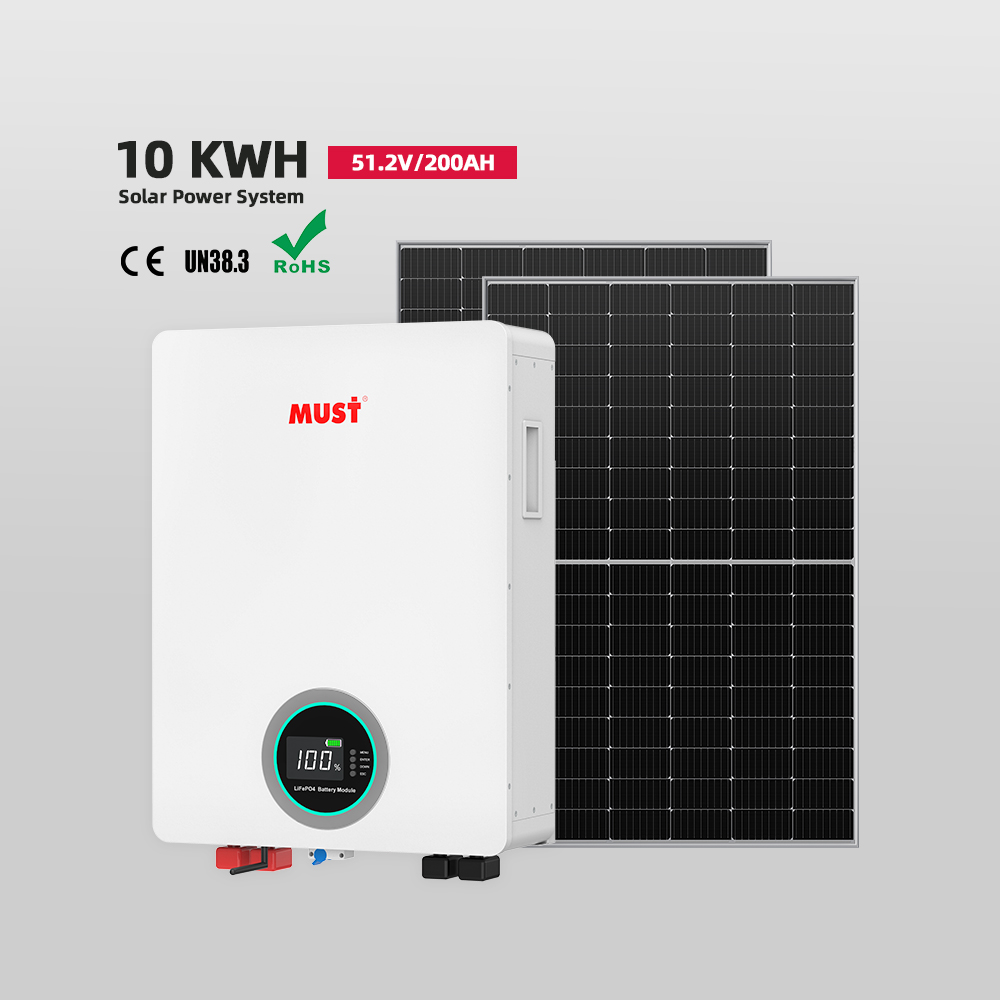
For LP16-48100 LiFePO4 Battery Pack 5 Years Life CE Certified for Solar Storage and Inverter System
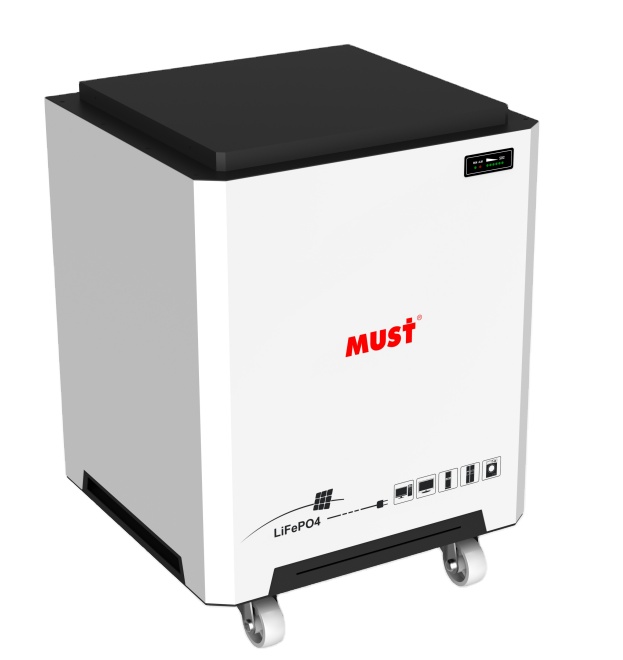
MUST BYD 51.2V 200Ah Tower Lithium Ion Battery 10kwh 48v 200ah Lithium Battery 5KWH 10KWH 15KWH 20KWH
Manufacturing Scale & Quality Authority (CJH Energy Tech)
600,000
Annual Unit Output Capacity
31,056 m²
Certified Production Base
1,109
Specialized Workforce
80+
R&D & Firmware Engineers
TÜV Rheinland On-Site Verified
Our manufacturing architecture undergoes rigorous third-party auditing by TÜV Rheinland, ensuring structural compliance, raw material traceability, and automated end-of-line burn-in testing across all on-grid inverter lines.
ISO Tri-System Certification
Operated strictly under ISO 9001, ISO 14001, and ISO 45001 international standards. Quality Assurance protocol guarantees thermal management resilience, anti-islanding protection (IEEE 1547/EN 50549), and zero-defect delivery.
Global Hubs & Logistics Base
We solve lead-time friction through localized subsidiary fulfillment hubs in Poland (Warsaw), South Africa, Dubai, and Egypt, supporting rapid customs clearance, local RMA processing, and container-level dispatch.
On-Grid Solar Inverter Future Procurement & Technology Trends
A Whitepaper Analysis for Utility Procurement Directors, Regional OEM Brand Owners, and Commercial EPC Integrators
1. Silicon Carbide (SiC) & GaN Topology Integration
The global transition from legacy IGBT modules to wide-bandgap Silicon Carbide (SiC) MOSFETs represents a pivotal leap in on-grid inverter efficiency. SiC technology lowers switching losses by up to 60%, allowing string inverters to operate at elevated switching frequencies without thermal degradation. For B2B importers, procuring SiC-based string inverters reduces heat sink volumetric requirements by 30%, lowering freight logistics costs while achieving peak CEC conversion efficiencies exceeding 98.8%.
2. Grid-Forming Capabilities & Dynamic Inertia
As renewable penetration approaches critical thresholds on regional grids, transmission system operators (TSOs) are shifting mandates from traditional "grid-following" inverters to Grid-Forming (GFM) architecture. Next-generation OEM/ODM on-grid inverters must incorporate synthetic inertia algorithms and fast frequency response (FFR). This ensures grid stabilization during sudden load shifts or high PV curtailment events, making GFM compatibility an essential RFP criterion for tenders in Europe and North America.
3. Multi-MPPT Topology & 1500V DC Architecture
To optimize Levelized Cost of Energy (LCOE) across utility-scale and commercial projects, procurement trends favor high DC/AC ratios (up to 1.5x) backed by 99.9% dynamic MPPT tracking efficiency. Modern string inverters feature 6 to 12 independent MPPT trackers to mitigate partial shading losses. Simultaneously, the adoption of 1500V DC input buses allows longer string lengths, minimizing balance-of-system (BOS) cabling and combiner box expenditures.
4. BMS Interoperability & Open Protocol Ecosystems
Modern on-grid and hybrid installations demand bidirectional communication between string inverters and modular high-voltage LiFePO4 batteries. Industry-standard CAN 2.0B, RS485 Modbus RTU, and SunSpec protocols are mandatory for real-time telemetry transfer. OEM customized firmware allows seamless handshake synchronization with tier-1 battery cells (such as BYD or CATL chemistries), guaranteeing cell-level thermal safety and active balancing under high discharge cycles.
Sourcing Specification Matrix for Global Importers
Technical Benchmarks across Residential, C&I, and Utility On-Grid & Storage System Categories
| System Category | Typical AC Power Output | DC Input Voltage Range | THD & Power Factor | Ingress / Thermal Protection | Primary Target Markets |
|---|---|---|---|---|---|
| Residential String Inverters | 2.5 kW – 10.0 kW | 80 V – 600 V | THDi < 2%, PF 0.8 leading to 0.8 lagging | IP65, Natural Cooling / Low-Noise Fan | Europe, Latin America, SE Asia |
| Commercial & Industrial (C&I) | 15.0 kW – 110.0 kW | 200 V – 1100 V | THDi < 1.5%, PF Adjustable | IP66, Smart Forced Air Cooling | North America, Middle East, Europe |
| Utility-Scale String Systems | 125.0 kW – 350.0 kW | 500 V – 1500 V | THDi < 1.0%, Dynamic Reactive Power | IP66 / C5 Anti-Corrosion Rating | Global Utility-Scale PV Power Plants |
| Hybrid Storage Integrated | 3.0 kW – 15.0 kW | 120 V – 500 V (Battery 48V/HV) | THDi < 2%, UPS switching < 10ms | IP65, Multi-protocol CAN/RS485 | South Africa, Europe, Weak-Grid Regions |
End-to-End Customization Framework (OEM/ODM)
How CJH Energy Converts Engineering Specifications into Mass-Produced, Brand-Labeled Power Equipment
Phase 1: Hardware & Topology Engineering
Our 80+ senior engineers adapt PCB design, heat sink extrusion dimensions, and power device selections (Infineon IGBTs vs. SiC MOSFETs) to meet target cost-per-watt requirements and ambient operating conditions (-25°C to +60°C derating curves).
Phase 2: Firmware & Protocol Customization
We flash proprietary microcode to support regional grid code standards (such as EN 50549, VDE-AR-N 4105, or UL 1741 SA). Custom UI software, app telemetry interfaces, brand logos, and specific Modbus register maps are integrated according to client specifications.
Phase 3: Validation & Automated Mass Output
Prototypes undergo full-load environmental chamber testing, high-voltage isolation checks, and surge immunity analysis. Approved designs are routed through automated SMT lines and high-capacity assembly tracks yielding up to 600,000 units annually.
Frequently Asked Sourcing & Technical Questions
Expert Insights directly addressing Importer Quality Control, Certification Transfer, and Supply Logistics
Q1: How does CJH Energy manage grid-code compliance across different export markets?
Our on-grid solar inverters feature programmable DSP controllers capable of loading regional grid-code parameters via software firmware updates. Whether your market mandates VDE-AR-N 4105 (Germany), EN 50549-1 (Europe), IEEE 1547 (North America), or NRS 097 (South Africa), our systems offer customizable parameters for anti-islanding detection, high/low voltage ride-through (HVRT/LVRT), and active/reactive power regulation.
Q2: What is the typical Minimum Order Quantity (MOQ) and lead time for OEM brand customization?
For standard white-label OEM customization (including silkscreen logo branding, custom exterior chassis coloring, and user manual packaging), our baseline MOQ starts at 50 to 100 units depending on the power rating. Standard mass-production lead times average 20 to 30 calendar days following drawing sign-off and deposit receipt. Expedited shipments can be arranged through localized overseas inventory buffers in Poland or Dubai.
Q3: What thermal management design prevents efficiency loss in high-ambient environments?
Our inverters utilize an optimized dual-chamber heat dissipation design that isolates sensitive control electronics from heat-generating power components (transformers and reactors). Combined with IP65/IP66 sealed die-cast aluminum enclosures and intelligent forced-air cooling fans with dynamic speed control, CJH inverters maintain full rated output up to 45°C ambient temperature without thermal derating.
Q4: Can CJH Energy assist with regional product certification and co-licensing?
Yes. We support global distributors and EPC brand owners with certificate transfer (CB, CE, TUV, IEC 62109-1/-2, IEC 61000) and third-party test report sharing. For large-volume ODM accounts, our regulatory compliance team directly coordinates with accredited test laboratories (such as SGS, Intertek, or TÜV Rheinland) to secure direct local certification under your brand name.
Q5: How are warranty claims, spare parts support, and local RMA handled internationally?
We offer standard 5-year to 10-year factory warranties on grid-tie inverters. Warranty support is backed by field-replaceable unit (FRU) spare part kits (including main control boards, power boards, and fan modules) shipped with container orders. Furthermore, regional technical centers in Warsaw, Dubai, and South Africa provide direct RMA engineering evaluations to minimize downtime for end-users.
Partner with a Verified OEM/ODM Inverter Manufacturer
Streamline your solar supply chain with TÜV-verified manufacturing, customized firmware options, and high-conversion power topologies. Contact our technical engineering team for instant OEM quotations, factory audit access, and product samples.
