Featured OEM/ODM Hybrid Inverters & Energy Storage Systems
High-performance off-grid and hybrid energy systems pre-certified for global commercial and residential deployment.

MUST Factory All in One HBP19 Series Wall Mounted Lifepo4 Battery Solar Energy Storage System Home 3.5kw 5.5kw 3.2kwh 5.1kwh
Inquire Now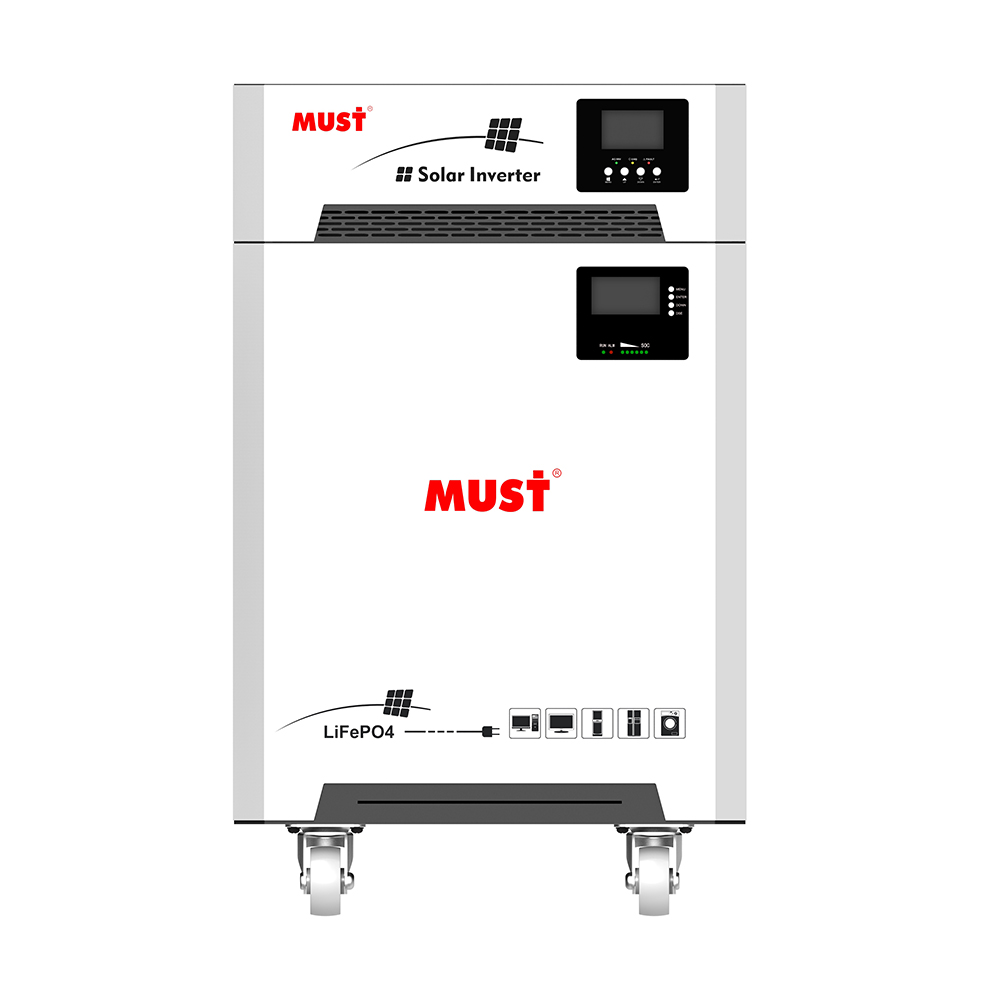
48V 250Ah LiFePO4 Lithium Battery for Camping All In One Solar Hybrid Inverter Lifepo4 5KW Battery Home Energy Storage System
Inquire Now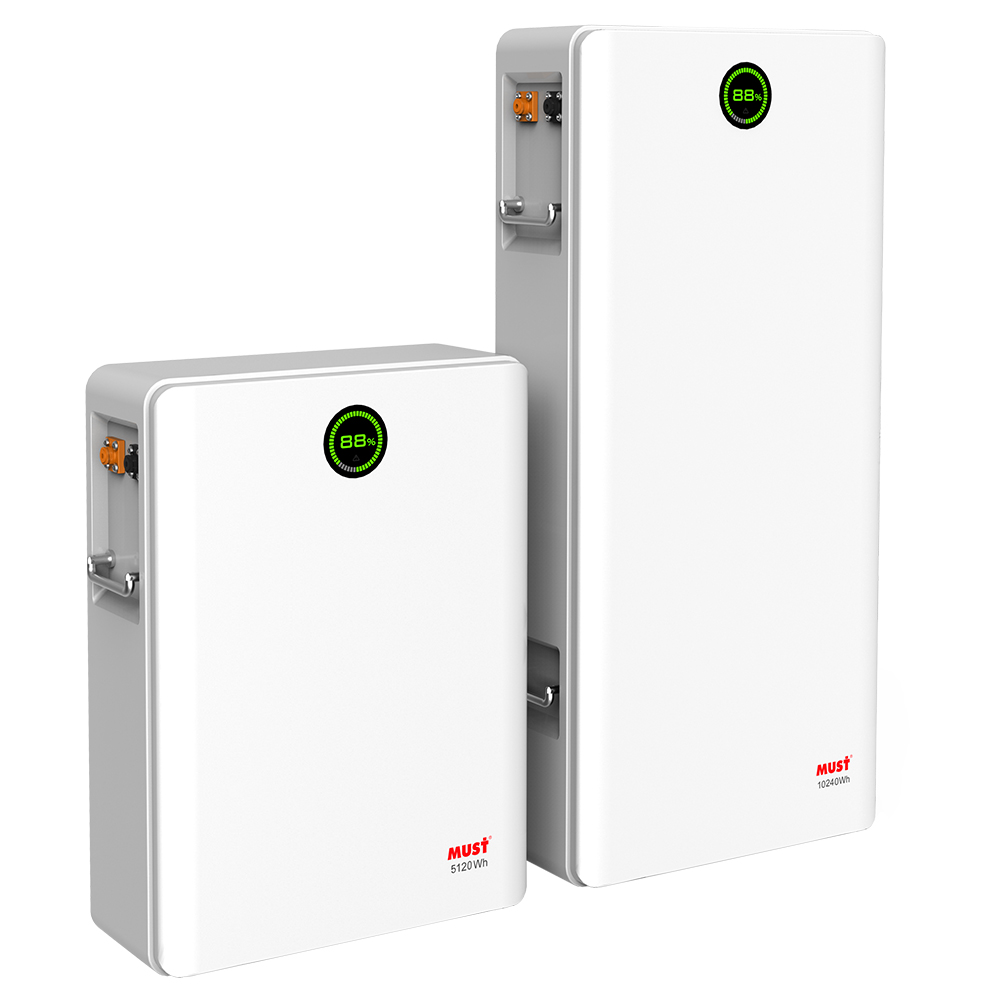
Poland LP28-48200 48V LiFePO4 Lithium Battery 5.12kWh Wall Mounted Home Energy Storage 153.6kWh Parallel Storage IP65 CAN
Inquire Now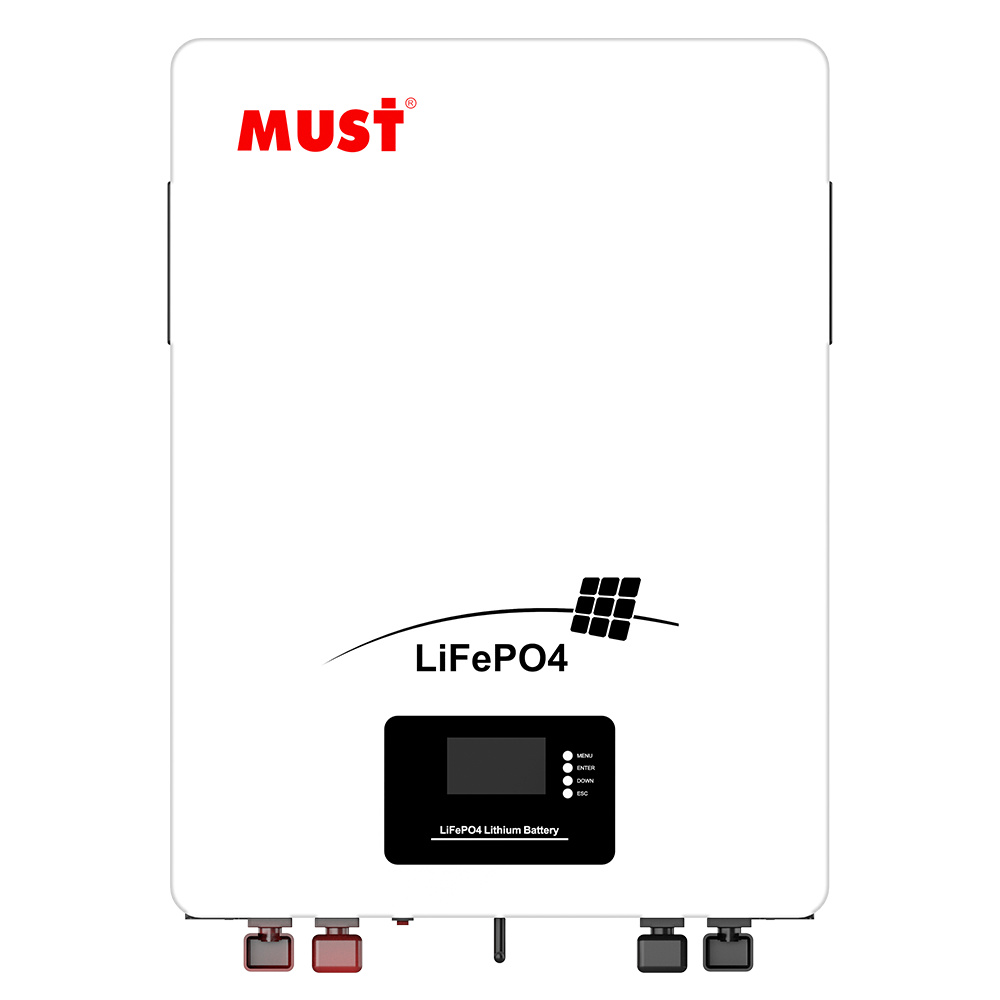
IP 65 48V 100Ah 10KWh Lifepo4 for Powerwall Lithium Battery for Home Energy Storage with CAN Communication Port
Inquire Now
10kWh 48V 200Ah Lithium Battery for Home & Solar Power 3-in-1 LiFePO4 Battery Wall Mounted Stacked Mounted Rack Mounted Storage
Inquire Now
MUST EU Stock 100Ah/200Ah Solar Lithium Battery 48V Solar Lithium Battery for Home Storage Solar Lithium Battery with BMS
Inquire Now
MUST Solar Station Outdoor Use Inbuilt Lithuim Battery 2000wh 3000wh Back up Portable Solar Energy System
Inquire Now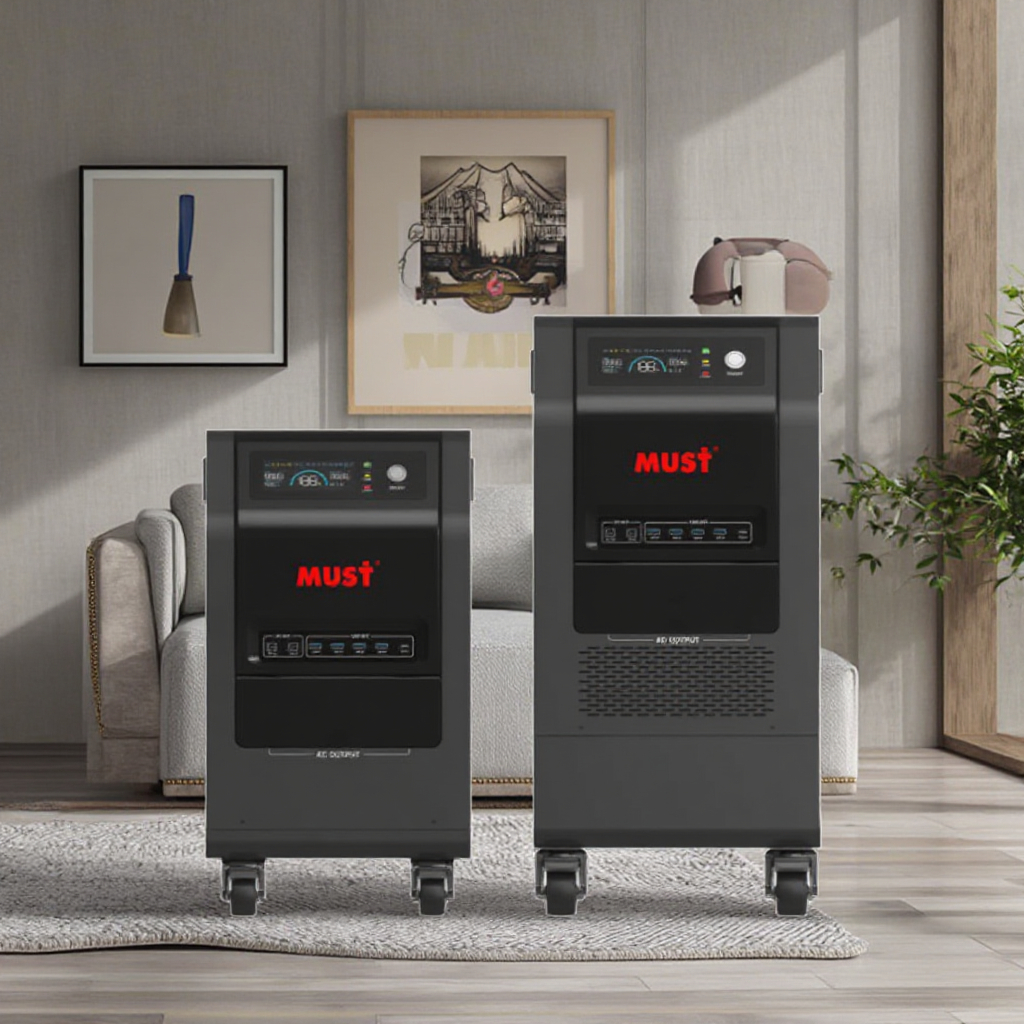
3000Wh 5000W HPortable Power Station Wholesale 220V Outdoor 5Wh Power Supply Solar Panel Generador Solar Portatil
Inquire NowThe Evolution of OEM/ODM Hybrid Solar Inverters: Architecture & Topologies
The global energy transition has driven a shift from traditional single-function solar inverters to intelligent, multi-directional hybrid energy conversion hubs. Today’s commercial EPC contractors, distributors, and regional brand owners face volatile utility prices, grid instability, and stricter grid-tie compliance protocols. As an established OEM/ODM factory operating a 31,056 m² smart production base, CJH Energy (guangdong) Tech Co., Ltd. delivers factory-direct engineering depth across off-grid, hybrid, and integrated LiFePO4 battery storage systems.
A hybrid solar inverter integrates the functionalities of an off-grid pure sine wave inverter, a multi-stage MPPT (Maximum Power Point Tracking) solar charge controller, a bidirectional AC-DC battery charger, and an ultra-fast automatic transfer switch (ATS). Modern OEM architectures center on three primary hardware topologies:
High-Frequency Transformerless
Utilizes high-speed IGBT switches operating above 20 kHz. Offers maximum power density, lightweight design, conversion efficiency up to 98%, and lower shipping costs for residential hybrid deployments.
Low-Frequency Isolated Topology
Features a heavy-duty toroidal copper transformer providing complete galvanic isolation. Designed to withstand 300% peak surge currents for heavy inductive motor loads, pumps, and industrial compressors.
High-Voltage (HV) Stackable ESS
Operates at battery voltages from 150VDC to 600VDC. Reduces DC current lines, thermal dissipation losses, and cable copper mass while enabling seamless scaling up to 153.6kWh parallel banks.
Dual MPPT Tracking & Ultra-Wide PV Voltage Windows
Custom OEM hybrid inverters feature dual independent MPPT channels with wide operating voltage ranges (typically 120VDC – 500VDC). High PV voltage acceptance allows installers to connect longer panel strings, lowering Balance-of-System (BOS) costs, simplifying DC combiner cabling, and maximizing solar yield during low-irradiance morning and evening periods. Integrated UPS-grade transfer switches deliver seamless switching under 10ms, preventing server reboots and critical household appliance power interruptions.
Technical Specifications Matrix: OEM/ODM Hybrid Inverter Topologies
Choosing the correct system topology depends on load profiles, local utility reliability, and battery integration demands. The table below outlines key technical parameters across our primary OEM engineering platforms.
| Performance Metric | High-Frequency Hybrid (3-6kW) | Low-Frequency Heavy Duty (5-12kW) | Stackable High-Voltage ESS |
|---|---|---|---|
| Peak Efficiency | 97.5% - 98.2% | 93.0% - 95.0% | 98.5% |
| Surge Capacity | 2x Rated Power (5 sec) | 3x Rated Power (20 sec) | 2x Rated Power (10 sec) |
| PV Input Voltage (Max VOC) | 450VDC - 500VDC | 145VDC - 250VDC | 600VDC - 800VDC |
| Transfer Time | < 10 ms (UPS grade) | < 10 ms | < 4 ms (Ultra Fast) |
| Battery Chemistry Compatibility | LiFePO4, AGM, GEL, Custom | LiFePO4, Lead-Acid, Tubular | LiFePO4 (High Voltage) |
| Communication Protocols | CANbus 2.0B, RS485, Wi-Fi, GPRS | RS485, RS232, Modbus RTU | CAN, RS485, Ethernet, Cloud API |
| Certifications Available | CE, IEC 62109, VDE 4105, UN38.3 | CE, ISO 9001, TÜV Verified Report | CE, CEI 0-21, G99, UL1741 design |
Future Sourcing & Procurement Trends in Hybrid Energy Storage
The global B2B procurement environment for solar energy equipment is evolving. B2B buyers, EPC contractors, and brand owners must adapt to structural changes in supply chain geography, hardware integration, and digital monitoring protocols. Below are the key sourcing trends shaping the 2025–2030 horizon:
Closed-Loop BMS & Inverter Integration
Generic voltage-based charging profiles are rapidly being replaced by closed-loop CANbus/RS485 protocol handshakes between the Battery Management System (BMS) and the inverter MCU. This eliminates thermal runaway risks and extends LiFePO4 cell life past 6,000 cycles.
Localization & Regional Warehousing
Importers are mitigating shipping delays by sourcing from factories with local after-sales hubs. Our overseas hubs in Poland (Warsaw), South Africa, Dubai, and Egypt provide rapid warranty processing, replacement spare parts, and fast local inventory replenishment.
VPP Readiness & Cloud Management
Modern hybrid inverters must support Virtual Power Plant (VPP) API standards and Time-of-Use (TOU) peak-shaving algorithms. Custom firmware enables remote monitoring, over-the-air (OTA) updates, and automated grid feed-in control for multi-regional utility compliance.
Custom OEM/ODM Engineering: Beyond Simple Rebranding
For brand owners looking to establish long-term market authority, simple logo printing is no longer sufficient. High-gain OEM contracts now demand custom industrial enclosure designs (IP65 outdoor ratings, silent fanless dissipation), customized LCD/LED user interfaces in regional languages, pre-configured grid-code parameters, and custom communication protocols for seamless interoperability with third-party battery systems.
Enterprise Strengths: Why Global Brands Partner with CJH Energy
With more than 20 years of experience in power electronics manufacturing, CJH Energy (guangdong) Tech Co., Ltd. operates as a true custom manufacturer rather than a trading intermediary. Our operations are fully verified on-site by TÜV Rheinland, backed by international quality standards including ISO 9001, ISO 14001, and ISO 45001.
80+ In-House R&D Engineers
Our dedicated engineering department holds multiple national invention patents. We handle schematic design, PCB layout design, thermal modeling, firmware code architecture, and compliance testing in-house.
600,000 Units Annual Capacity
Operating across 31,056 m² of automated assembly lines, surface-mount technology (SMT) suites, and full-load burn-in testing chambers, we consistently meet high-volume delivery timelines for global importers.
Global Service & Overseas Warehouses
Our subsidiary presence—including CJH Energy Polska in Warsaw, alongside local teams in South Africa, Dubai, and Egypt—provides local product access, rapid technical support, and straightforward RMA execution.
Frequently Asked Sourcing Questions (OEM/ODM Procurement)
Partner with a Verified OEM/ODM Hybrid Inverter Factory
Scale your brand with factory-direct pricing, custom engineering, and proven manufacturing capacity. Speak directly with our senior power electronics engineers today.
