Featured Solar Storage & Inverter Systems
Directly manufactured, export-grade solar equipment engineered for residential self-consumption, commercial back-up, and off-grid reliability worldwide.
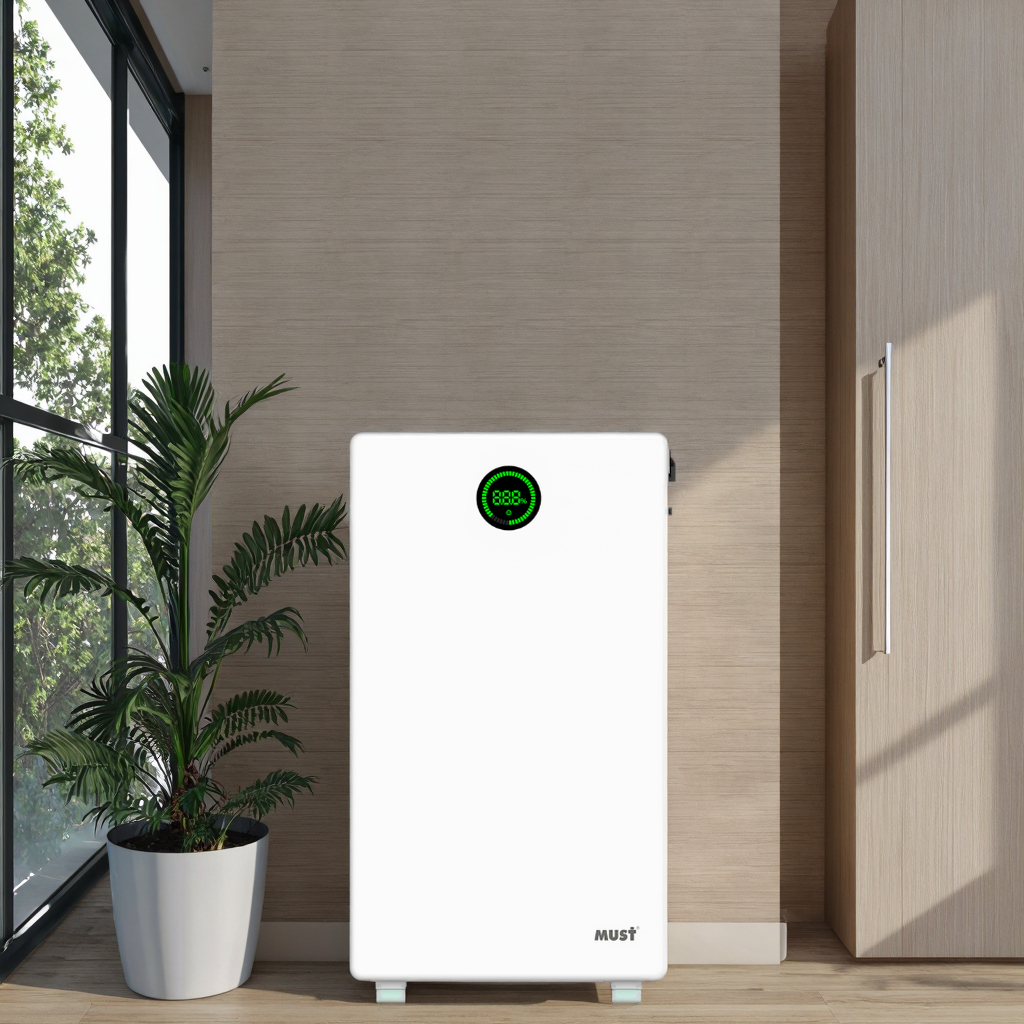
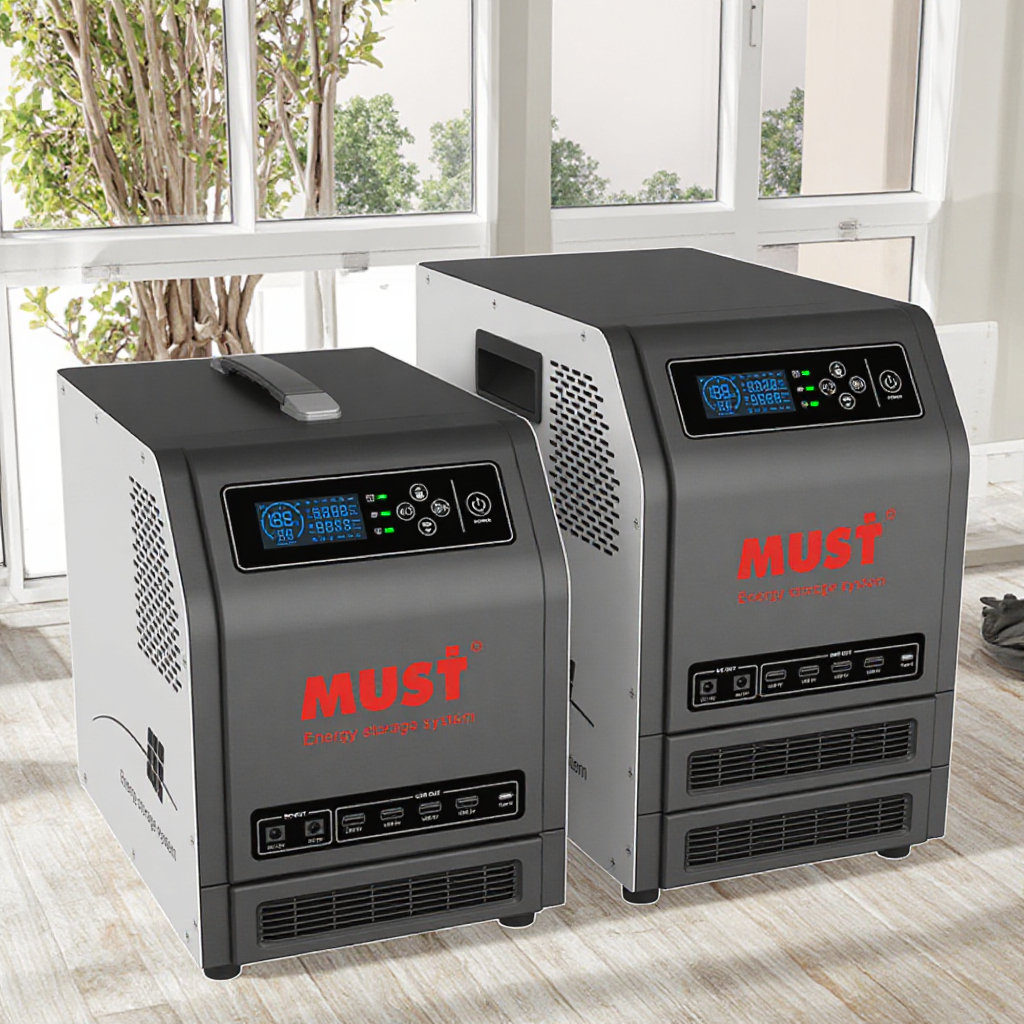
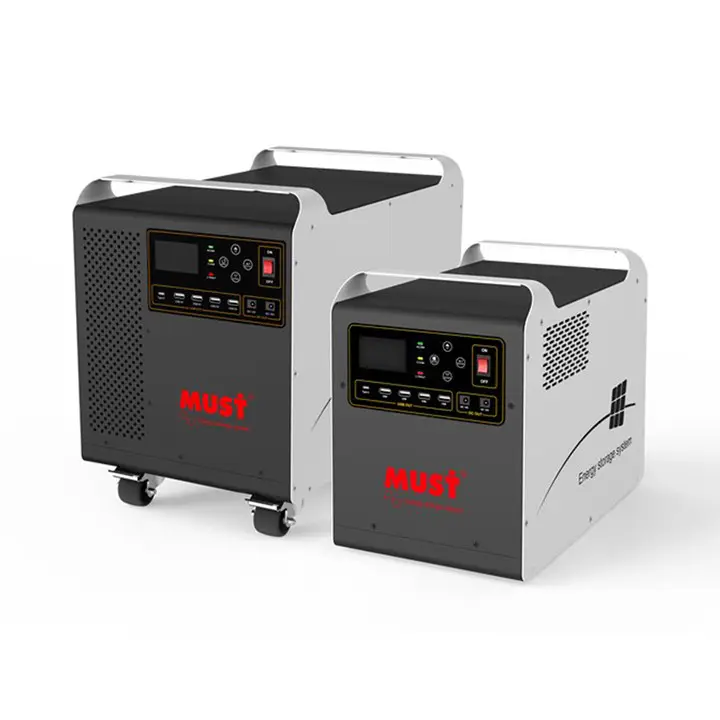
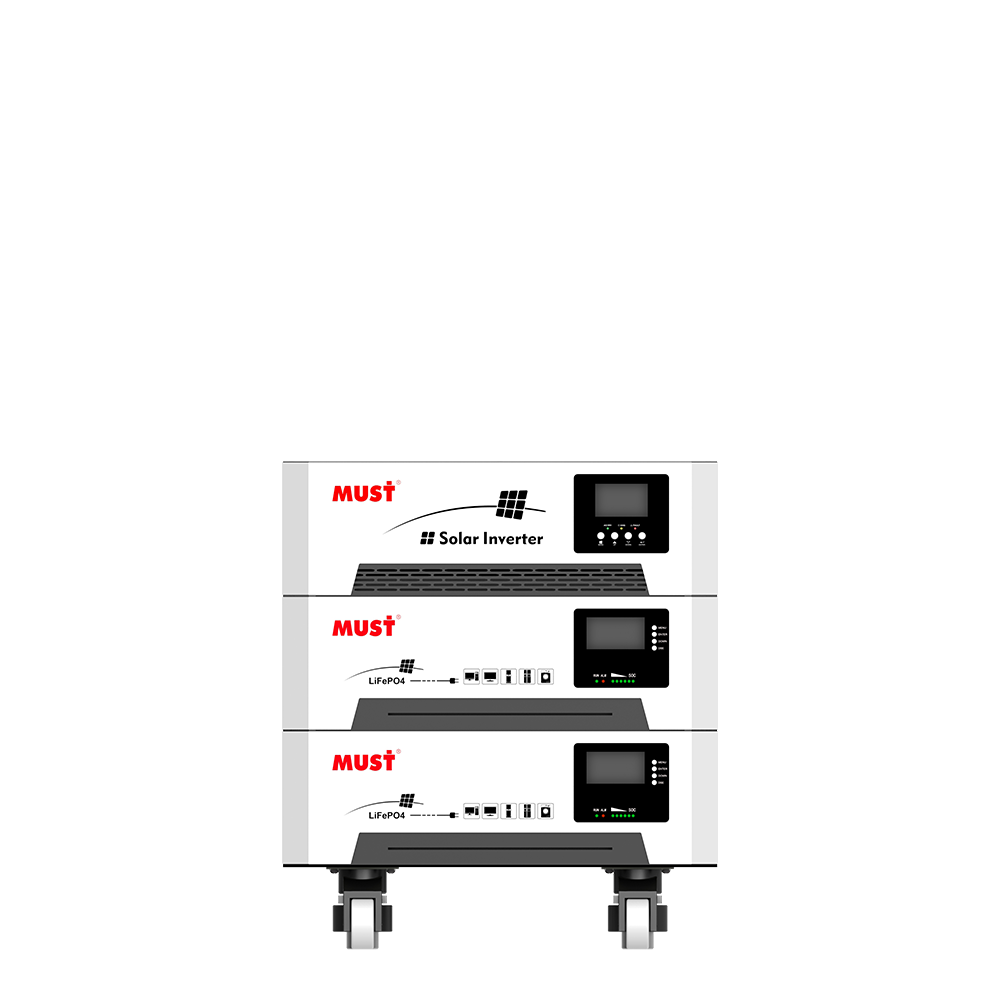
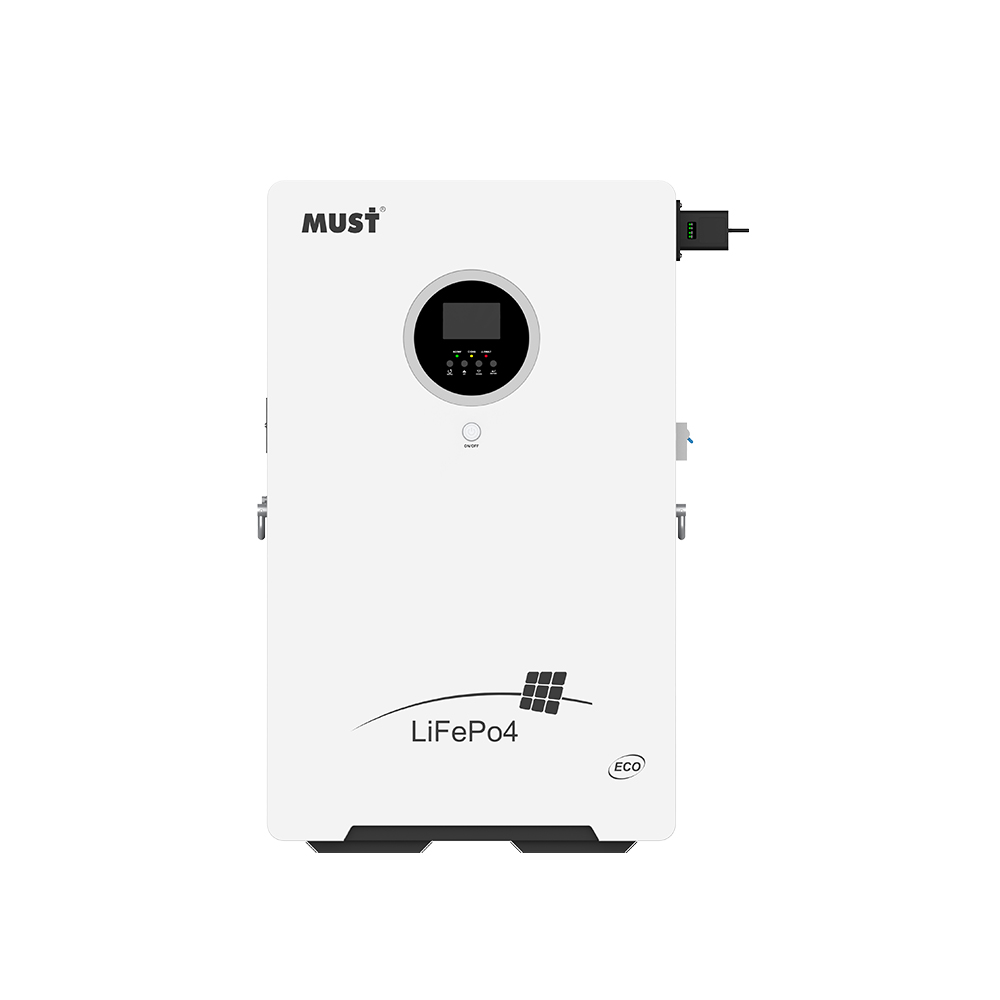
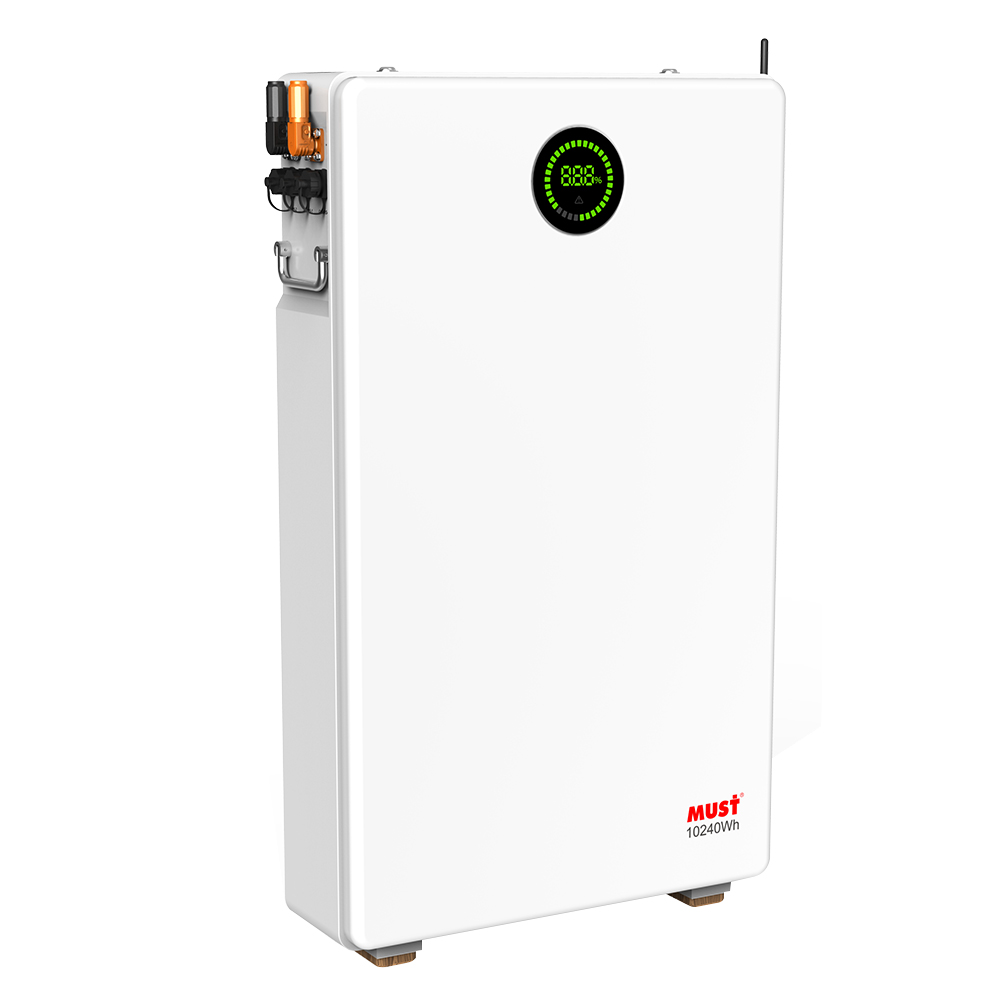


The Paradigm Shift in Hybrid Power Inverter Sourcing
Navigating global supply chain dynamics, thermal management engineering, and smart grid protocols in modern solar power conversion.
The global transition toward decentralized clean energy infrastructure has reshaped the requirements for solar power conversion hardware. For B2B importers, engineering procurement contractors (EPCs), and regional solar brands, selecting an OEM/ODM hybrid power inverter factory is no longer merely a transaction of purchasing standard bill-of-materials (BOM). It requires an end-to-end technical evaluation of inverter topology, battery management system (BMS) handshake compatibility, dynamic grid feedback protocols, and environmental thermal endurance.
Leading Chinese exporters and original equipment manufacturers (OEMs) have upgraded their production lines to support complex customer customizations. From custom firmware algorithms for specific battery chemistries to modular hardware designs handling extreme wide DC voltage windows (120V to 500V DC), top-tier factories serve as strategic R&D extensions for global brand owners.
Direct Factory Engineering & Production Scale
Empirical proof of manufacturing execution, verified quality control standards, and global logistics capability.
Hybrid Inverter Engineering Topologies & LiFePO4 Integration
A comparative evaluation of power conversion architectures for low-frequency transformer-based vs. high-frequency transformerless designs.
Dual MPPT Tracking Architecture
High-voltage DC input ranges (up to 500VDC) optimize photovoltaic string efficiency, allowing longer solar panel runs and reducing field combiner box complexity.
BMS CAN/RS485 Handshake
Native firmware synchronization with leading lithium battery protocols (such as LiFePO4 server rack & wall-mount units) ensures real-time cell balancing and thermal safety.
Zero-Transfer UPS Switching
Sub-10ms automatic bypass transferring shields sensitive IT equipment, medical devices, and precision industrial electronics from grid dropouts and brownouts.
| Parameter / Feature | High-Frequency Hybrid Inverter | Low-Frequency Heavy-Duty Inverter | All-in-One Solar Generator System | ||||
|---|---|---|---|---|---|---|---|
| Power Density & Weight | Compact, light weight (~10-15 kg), wall-mount optimized | Heavy duty, internal isolation transformer (~35-60 kg) | Integrated enclosure, wheels/handles, plug-and-play | Isolation Architecture | Transformerless (High efficiency up to 97.6%) | Galvanic Isolation (Copper transformer) | Internal isolated DC-DC stage |
| Motor / Surge Loading | 2x rated power for 5 seconds | 3x rated surge power for 10-20 seconds | 1.5x - 2x rated surge power | ||||
| Target Application | Urban residential homes, self-consumption, grid-tied ESS | Off-grid workshops, heavy motor pumps, weak rural grids | Emergency backup, mobile office, disaster relief | ||||
| Battery Voltage Window | 48VDC nominal / High Voltage (100V-400V DC) | 12V / 24V / 48V DC Low Voltage | Internal 24V or 51.2V LiFePO4 battery pack |
Global Procurement Trends & Market Intelligence
Key technological directions shaping solar inverter import strategies over the next five years.
1. Modular Battery Expansion & Parallel Scalability
Exporters are standardizing scalable power architecture. Importers now request single-phase and three-phase hybrid inverters that support parallel operation up to 15 or 30 units (yielding storage capabilities up to 150kWh+). This allows distributors to stock fewer SKUs while serving both small residential systems and mid-sized commercial projects.
2. Smart Cloud Energy Management (IoT & App Control)
Modern end-users expect real-time visibility into photovoltaic production, grid power consumption, battery state of charge (SOC), and time-of-use (TOU) arbitrage settings. Top OEM factories provide white-label Android/iOS apps and cloud monitoring portals branded under the buyer's corporate identity.
3. Strict Regional Compliance & Grid Regulations
European markets demand EN50549-1 and CEI 0-21 certifications with reactive power regulation, while African and Latin American markets focus on wide AC input voltage tolerance (90V–280V AC) to prevent power dropouts on erratic utility lines. Certified OEM exporters handle market-specific compliance testing natively.
4. All-in-One IP65 Outdoor Deployment
Moving away from indoor plant rooms, the market is rapidly migrating to IP65 waterproof wall-mounted systems that can be installed outdoors under eaves or on exterior walls, saving indoor living space and simplifying overall system thermal management.
Factory OEM/ODM Capabilities & Quality Assurance Framework
Verifiable manufacturing standards, verified testing protocols, and complete customization processes.
Operating a sprawling 31,056 m² manufacturing complex staffed by over 1,100 professionals, our production plant represents the benchmark for Chinese energy storage manufacturing. Fully assessed on-site by TÜV Rheinland, our facility adheres to strict management protocols certified under ISO 9001 (Quality), ISO 14001 (Environmental), and ISO 45001 (Occupational Health & Safety).
Four-Stage Customization Engineering Process
Custom metal enclosure stamping, front panel screen printing, silkscreen logo branding, terminal block configurations, and IP rating seals.
Tailoring MPPT charging curves, low-voltage cut-offs, RS485/CAN protocol translation for custom LiFePO4 BMS, and customized LCD menu languages.
100% full-load aging tests, high-temperature environmental burn-in, surge endurance testing, short-circuit simulation, and vibration testing.
Supported by subsidiary service hubs in Poland (Warsaw), South Africa, Dubai, and Egypt for fast regional spare-part dispatch and technical consultation.
Solar Inverter Sourcing & Technical FAQ
Frequently asked questions by international buyers, EPC contractors, and OEM distributors.
What is the minimum order quantity (MOQ) for OEM/ODM inverter customization?
Standard branding customizations (such as logo printing and custom user manuals) typically begin at low batch sizes (50 to 100 units). Deep ODM engineering customizations—including custom sheet-metal tooling, bespoke PCB design, or unique communication protocols—have tailored MOQs depending on the complexity of the engineering scope.
How do hybrid inverters handle communication with third-party LiFePO4 batteries?
Our inverters come pre-loaded with an extensive library of CAN Bus and RS485 protocols compatible with major battery manufacturers. If you produce or source a proprietary BMS, our 80+ in-house software engineers can integrate your custom protocol map into our inverter firmware within a short technical validation window.
What system voltage (12V, 24V, or 48V) should be selected for specific regional markets?
As a general rule, 12V DC systems are ideal for small portable power requirements below 1kW (RVs, camping, small emergency kits). 24V DC systems suit entry-level home systems between 1kW and 3kW. 48V DC (and high-voltage DC) is the industry standard for residential and commercial systems above 3kW, as higher system voltages reduce operating current, minimize cable losses, reduce operating temperature, and maximize overall electrical efficiency.
How does the factory ensure product quality and long-term reliability?
Our factory implements a complete Quality Assurance System certified under ISO 9001. Raw components (such as IGBT modules, microcontrollers, and capacitors) undergo strict incoming quality control (IQC). Every finished inverter passes through 100% automated end-of-line testing, high-temperature full-load aging tests, and high-voltage isolation tests prior to final export packaging.
What international certifications are available for customs clearance?
Depending on the product series and destination market, our systems are tested and certified to comply with CE, TÜV, IEC 62109-1/-2, IEC 62040, UN38.3, and MSDS safety standards. Model-specific test reports can be provided directly by our sales engineering team during the procurement process.
What technical support and warranty options are offered to exporters and distributors?
We provide standard factory warranties (typically 2 to 5 years for inverters, and up to 10 years for LiFePO4 batteries) backed by dedicated engineering support. Furthermore, our regional office hubs in Poland, South Africa, Dubai, and Egypt offer localized technical assistance, warranty evaluation, and fast spare-part support for regional distributors.
Partner with a Leading Solar Inverter Manufacturer
Connect directly with our engineering team to receive detailed technical datasheets, factory-direct wholesale pricing, and customized OEM/ODM project evaluations.
