


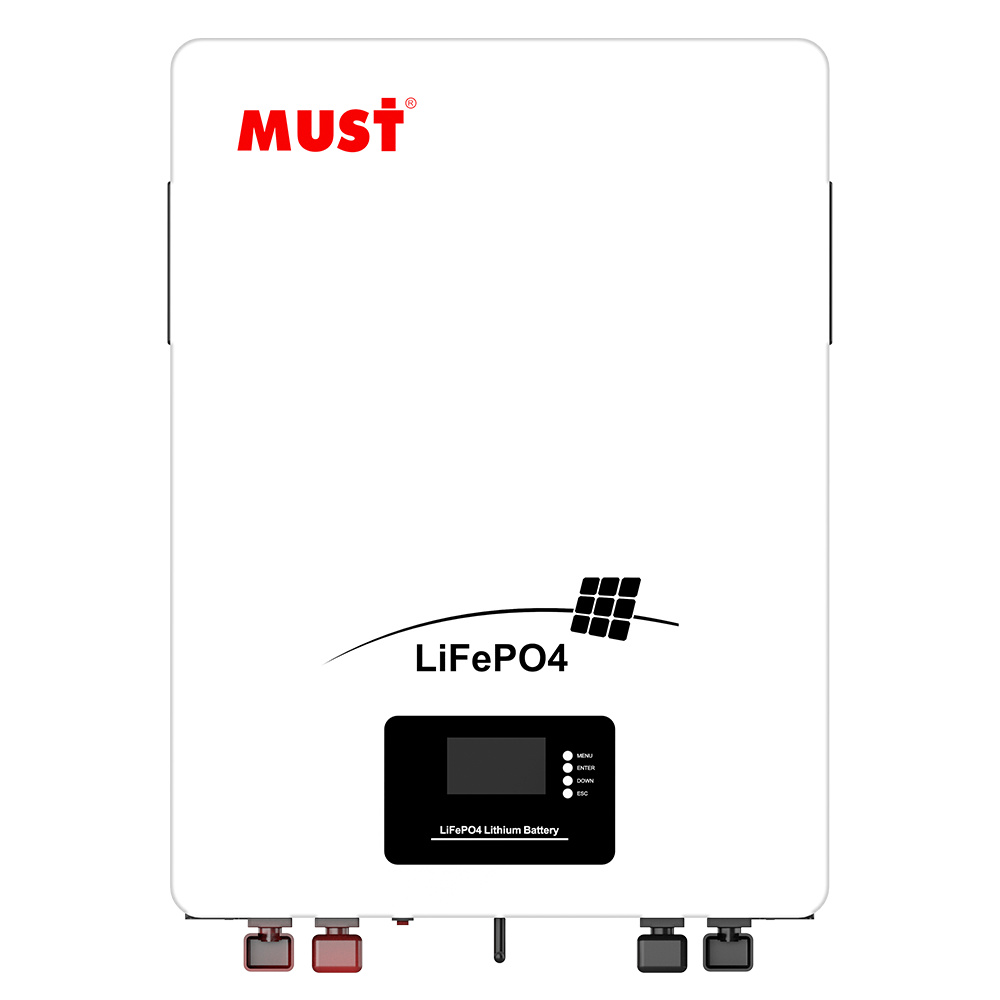
Custom OEM/ODM Engineering
Full customization covering chassis enclosure design, PCB routing, custom LCD touch interfaces, specialized firmware protocols, and native CAN/RS485/RS232 BMS handshakes for multi-brand battery compatibility.
Advanced High-Frequency Topology
Utilizing Wide Bandgap Silicon Carbide (SiC) MOSFETs, Zero-Voltage Switching (ZVS), and High-Frequency Transformerless topologies achieving up to 98% efficiency and lightweight form factors.
International Certification Compliance
Strict production control audited by TÜV Rheinland. Fully compliant with ISO 9001, ISO 14001, and ISO 45001 standards, alongside regional certifications CE, UN38.3, and IEC 62109.
Global Localized Hubs
Strategic local branch offices and inventory warehouses established in Poland (Warsaw hub), South Africa, Dubai, and Egypt—offering rapid spare-part dispatch and immediate local support.
1. Technical Paradigm Shift: High-Frequency vs. Low-Frequency Inverter Architecture
In global B2B power conversion procurement, searching for qualified OEM/ODM high frequency inverter suppliers and wholesalers requires a rigorous understanding of power electronics topology. The renewable energy market has fundamentally shifted from traditional heavy low-frequency (iron-core transformer) designs toward micro-sized, highly efficient high-frequency pulse-width modulation (PWM) topologies.
High-frequency inverters operate by converting DC power from solar PV strings or lithium-ion batteries into ultra-high frequency AC (typically between 20 kHz and 100 kHz) via high-speed switching semiconductors such as Silicon Carbide (SiC) MOSFETs or Insulated-Gate Bipolar Transistors (IGBTs). This high-frequency AC is stepped up via compact ferrite-core transformers before being rectified back to DC and finally inverted into pure sine wave AC (50Hz/60Hz) via a full-bridge inverter circuit.
| Performance Metric | High-Frequency Inverter Topology | Low-Frequency Transformer Topology |
|---|---|---|
| Power Density & Weight | Extreme (> 250 W/kg), lightweight, compact footprint | Low (< 80 W/kg), heavy iron-core transformer |
| Peak Conversion Efficiency | 97.0% – 98.5% (Lower thermal losses) | 88.0% – 93.0% (Higher core/copper losses) |
| No-Load Power Consumption | Ultra-Low (< 15W standby consumption) | High (40W – 100W continuous parasitic load) |
| MPPT Tracking Speed | Dynamic sub-second digital control loops | Slower dynamic response times |
| B2B Shipping & Logistics Cost | Low (Up to 3x more units per shipping container) | High (Constrained by gross weight limits) |
2. Essential Engineering Standards for High Frequency Inverter Hardware
For B2B wholesalers, EPC contractors, and brand owners seeking custom OEM/ODM production, verifying internal component selection is critical to ensuring a lower levelized cost of energy (LCOE) and preventing high field failure rates. High frequency inverters engineered by CJH Energy integrate the following technical benchmarks:
A. Advanced Semiconductor Switching & Thermal Conduction
By replacing legacy silicon planar MOSFETs with Wide Bandgap (WBG) Silicon Carbide (SiC) Schottky Diodes and SiC MOSFETs, our high-frequency inverters cut switching power losses by over 65%. Heat dissipation is managed through multi-channel aluminum cold-plates and temperature-controlled intelligent brushless cooling fans, preventing thermal throttling even under ambient operating temperatures exceeding 50°C.
B. Dynamic MPPT Control Algorithms
Our off-grid and hybrid high-frequency solar inverters utilize dual-DSP (Digital Signal Processor) architectures running proprietary Perturb & Observe (P&O) combined with Incremental Conductance MPPT algorithms. This guarantees an MPPT tracking efficiency of 99.9% and a solar power conversion efficiency exceeding 97%, allowing rapid energy yield recovery during transient cloud cover.
C. Total Harmonic Distortion (THD) & Pure Sine Wave Precision
Cheap high-frequency inverters frequently suffer from electrical noise, causing overheating in induction motors and audio interference. CJH Energy high-frequency inverters incorporate multi-stage LC/LCL output filters, guaranteeing an ultra-clean Pure Sine Wave output with Total Harmonic Distortion (THD) < 2% for linear loads and < 3.5% for non-linear inductive loads.
3. Comprehensive OEM & ODM Customization Scope
As a custom manufacturer employing over 80 specialized software, hardware, and structural engineers, CJH Energy provides end-to-end OEM and ODM turn-key development services for global inverter brands:
- Firmware & Grid Protocol Tailoring: Customization of voltage thresholds, frequency regulation (50Hz/60Hz auto-sensing), fault ride-through settings, and compliance with regional grid codes (including VDE-AR-N 4105, IEEE 1547, EN 50549).
- Battery Management System (BMS) Interoperability: Pre-programmed CANbus 2.0B, RS485 Modbus RTU, and RS232 protocols compatible with top-tier LiFePO4 battery architectures (including Pylontech, Victron, Growatt, SMA, and customized lithium BMS units).
- Enclosure & Industrial ID Design: Custom metal sheet tooling, custom powder coating colors, private brand logo silkscreening, IP65 NEMA 4X weather-proof rating for outdoor wall-mounted hybrid units, and custom-molded LCD touch control interfaces.
- Packaging & Documentation: Full private-label inner box art, multi-language user installation manuals, and localized automated diagnostic toolkits for local distributor service centers.
4. Future Sourcing & Technical Development Trends (2025–2030)
The global market for solar power conversion is rapidly evolving. When planning multi-year supply chain agreements with high-frequency inverter suppliers, procurement managers must align with the following strategic technological trends:
A. Bidirectional V2G and Microgrid Interoperability
Next-generation high-frequency inverters are transitioning from unidirectional solar charge devices into bidirectional energy hubs. Integrated Vehicle-to-Grid (V2G) DC charging circuits and microgrid synchronization allow residential and commercial inverters to interact dynamically with local grids, participating in virtual power plant (VPP) demand-response programs.
B. GaN Fast-Switching Architecture Integration
While Silicon Carbide (SiC) is currently dominant in high-voltage (>600V) inverter stages, Gallium Nitride (GaN) power devices are entering low-voltage (24V/48V DC) DC-DC stages. GaN switching speeds exceed several megahertz (MHz), allowing for radical transformer downsizing and reducing overall inverter weight by another 40% over the next decade.
C. Embedded AI Telemetry & Predictive Fault Maintenance
Cloud-connected high-frequency hybrid inverters now feature IoT Wi-Fi/GPRS/4G modules running edge-computed machine learning models. By monitoring micro-ripple currents, thermal signatures, and impedance shifts in real-time, the inverter BMS predicts battery cell degradation, cooling fan fatigue, and DC arc faults (AFCI Protection complying with UL1699B standards) before catastrophic field failure occurs.
5. Enterprise Reliability & Global Sourcing Economics
Procuring directly from a verified Chinese manufacturing facility yields significant scale advantages. Operating out of a 31,056 m² state-of-the-art industrial complex with 1,109 employees and an annual capacity exceeding 600,000 units, CJH Energy provides global buyers with stable lead times, stringent raw-material tracing, and bulk component cost savings.
Furthermore, our established regional branch offices in Poland (Warsaw Hub for EU compliance), South Africa, Dubai, and Egypt resolve traditional overseas sourcing pain points by offering localized warranty handling, rapid component replacement, and localized technical field support for engineering installers.
Partner With a Proven High Frequency Inverter Manufacturer
Expand your distribution network with factory-direct pricing, custom OEM firmware, and industry-leading power density engineering. Download our full product catalog or connect with our technical sales engineers today.
Get Catalog